Satinine’s rebirth: a Milanese fragrance legend returns to claim its future
A conversation with Andrea Galletti on reviving Satinine: from chromatographic decoding of 1930s formulas to rebuilding Art déco design codes and a fully Italian supply chain for true in-house perfumery
Reviving Satinine: The century-old Milanese fragrance brand returns, pulled from its archives and rebuilt from the ground up
Andrea Galletti: I am Milanese – born and raised here. Satinine is part of the city’s history. It began in 1883 with Lorenzo Usellini. From the start, it worked with Italian biodiversity, rooted in local raw materials. I saw a direction in that. I went deeper into the brand and its history. The more I uncovered, the clearer it became. Reviving a Milanese brand, returning something to the city, building something with substance – it started forming into an actual project. I then brought the idea to Ridgely Cinquegrana from Profumieri Milano. He shared the interest. That’s how we began.
On a personal note, there were many synchronicities that struck me. Part of my family is originally from Lake Maggiore, from a town called Arona. The Usellini family, the original founders of Satinine, were also from Arona. Lorenzo Usellini’s father developed the brand further with the help of his children – two sons and a daughter. I also come from a family of three siblings, and my brothers are involved in the project. These were just some of the parallels that caught my attention. The deeper I delved into Satinine’s history, the more I noticed these echoes between the brand’s story and my own family story.
I used to work at Selfridges in London when I was twenty-two. I was selling Cire Trudon, now known as Trudon. It’s a historical French candlemaker that had gone quiet for years until Ramdane Touhami took over it in the early 2000s and brought it back. He went into the archives, rethought everything – the name, the boutique, the formulas. That process stayed with me. It planted the idea. I wanted to work on a revival of my own.
Reviving a historical brand comes with extensive archival research. For Andrea Galletti, the process revealed unexpected links between past and present
Andrea Galletti: The research was long. It meant tracing the brand’s character across decades. Reinvention: this was the constant. Satinine kept shifting its language through the 1910s, the ‘30s, even the ‘40s. Every year they produced calendarietti – small pocket calendars with glued pages. Before phones, everyone carried one, so companies used them as advertising. Satinine issued a new one annually. Each year came with a new typeface, a new graphic world, a new campaign. It was almost like launching a new brand every time. That’s why the archive is so extensive. That was the first thing that drew us in.
We didn’t want to freeze ourselves in the archive. Research is essential, but you can’t lift the past and drop it into the present. The revival needed to feel like a natural evolution – a continuation, as if the brand never went silent.
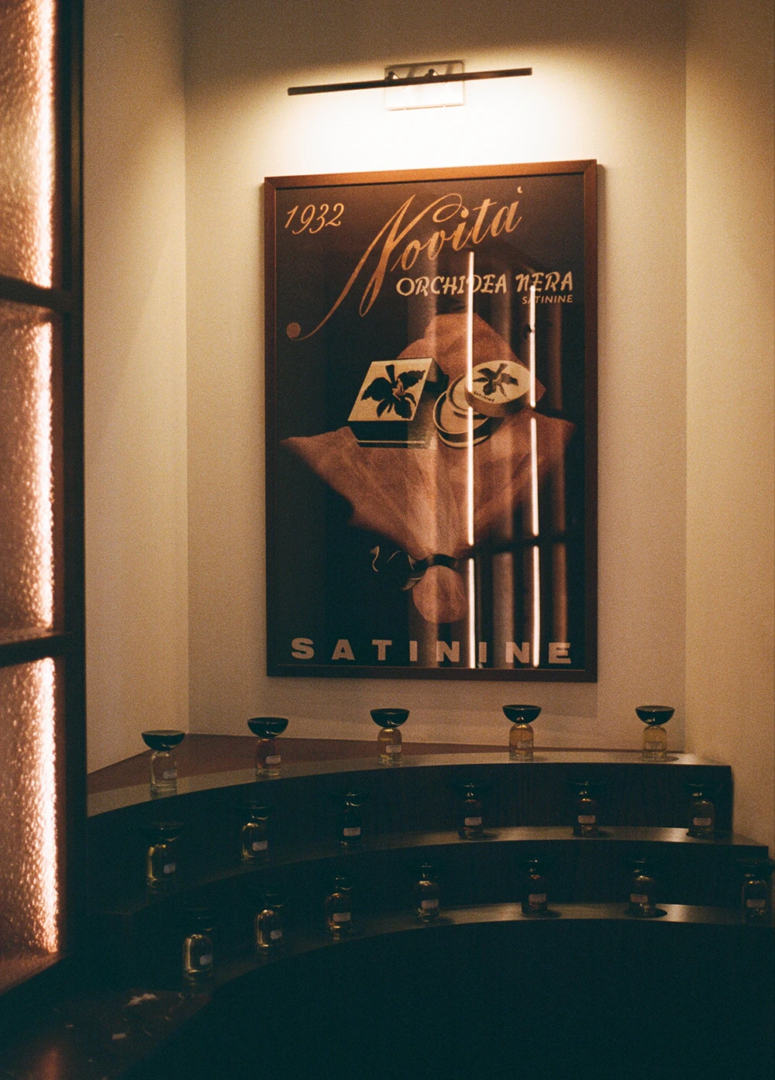
The archival work was rewarding. The Usellini family gave us bottles, calendarietti, printed materials. Among them were two signature fragrances from the 1930s, Orchidea Nera and Caccia alla Volpe. We recovered several bottles, some still sealed. We ran chromatography to analyze the composition.
One discovery surprised us: the chromatographic profile of Orchidea Nera, Satinine’s scent, shared similarities with Tom Ford’s Black Orchid. The production of Orchidea Nera stopped in the 1960s, long before Black Orchid launched. They were never on the market at the same time. Still, you wonder if there was an indirect line of influence, if the nose behind Black Orchid ever crossed paths with the story of Orchidea Nera somehow. Black Orchid uses different, modern materials that didn’t exist at the time, but the connection was a part of the process.
Looking back at its origins, Satinine was never aligned with the polite aesthetics of Italian perfumery
Andrea Galletti: Before the Second World War, the Italian artisanal fragrance industry was booming. Milan was full of small perfume makers. After the war, many brands shut down. Then, the designer-fragrance era arrived and took over. The artisanal industry disappeared almost overnight.
Satinine moved against the current. At that time everything in Italy was very Liberty style – flowers, soft lines, decorative glass. Satinine went the other way: sharp geometry, Art déco influences, a more modern discipline. Even the naming was bold. Italy had strict codes then – fragrances named Acqua di Fiore, Violetta, names tied to manners and propriety. In France, you had fragrances called The Lover or The Cheater – provocation as a strategy.
Satinine pushed toward a new fragrance identity. Names like Orchidea Nera and Caccia alla Volpe introduced a narrative dimension, sport, masculinity – an active world. It was a stance. The audacity is what made Satinine distinct then, and it’s what we’re carrying forward now.
Satinine of the now: What is inherited, what is built new
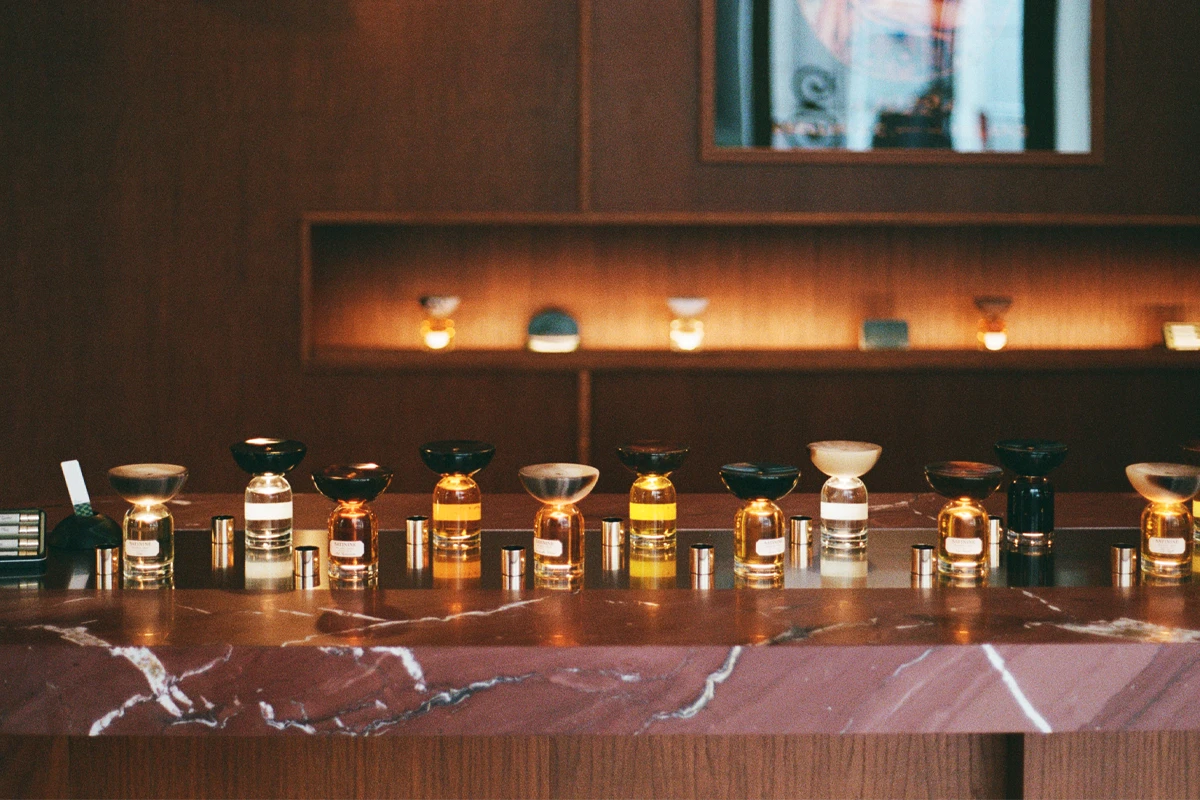
Andrea Galletti: The bottle is new. We designed it with Franz Degano, a Milanese designer. For graphics, we pulled from the calendarietti – their fonts, their proportions, their visual logic. Even the original logo comes from the 1928 calendar. We tightened it, sharpened it, but its core is the same. Satinine’s graphics were modern even then. Materials from the 1930s still felt contemporary. At some point, choosing one font wasn’t possible – the archive pointed in too many directions. We kept the multiplicity. I don’t think a brand today needs a single voice; context dictates the identity. We have a primary logo, a secondary, a third, several graphic systems.
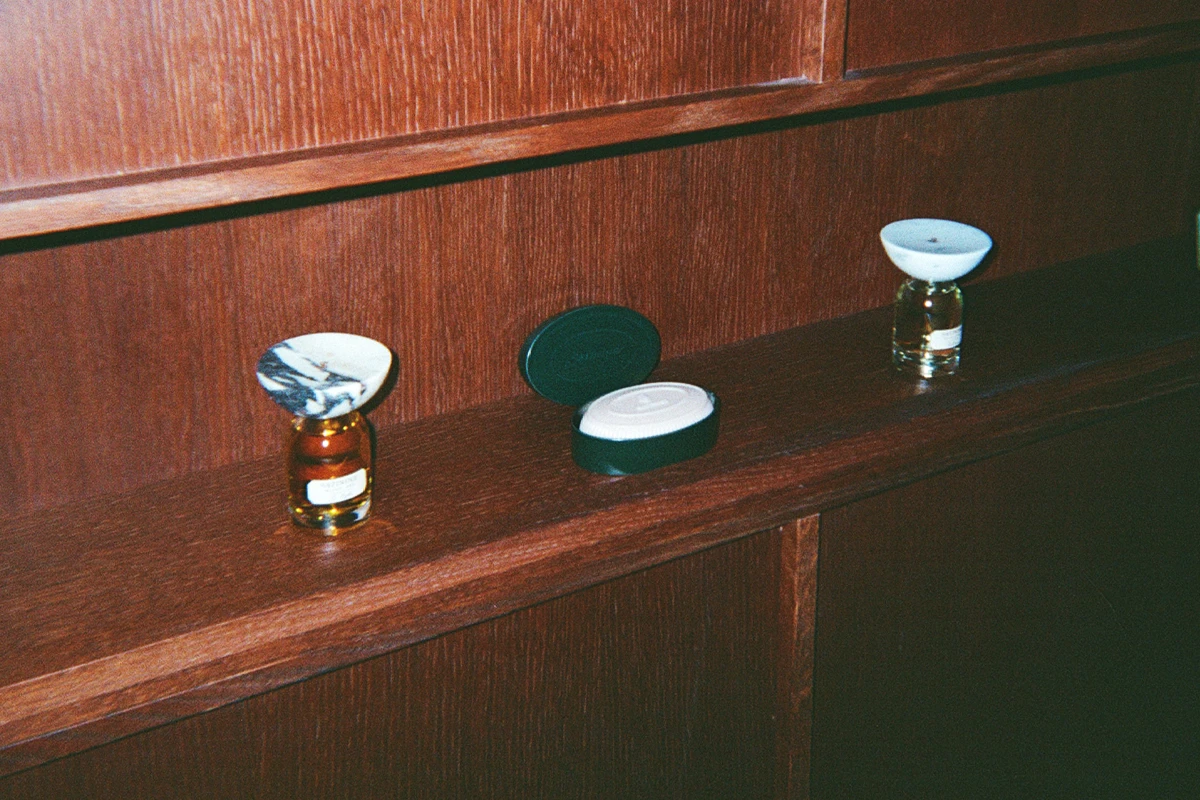
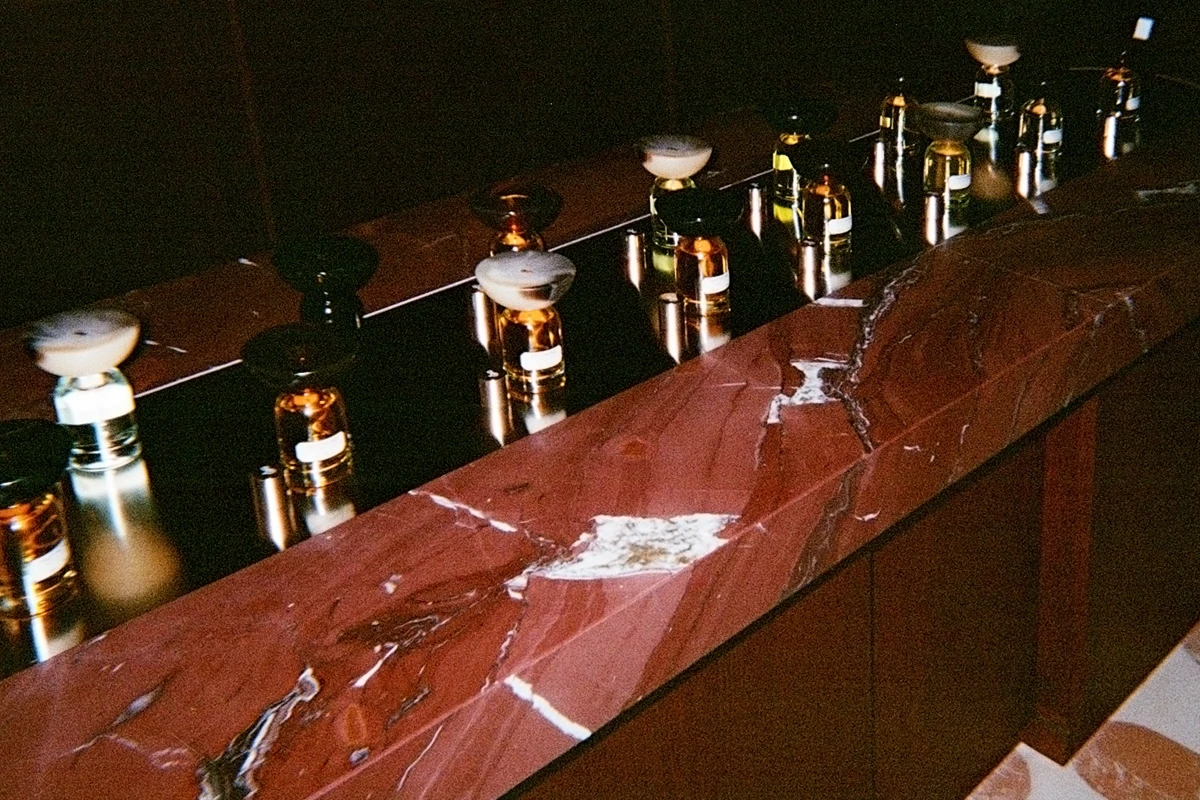
The modern viewpoint is tied to early Milanese Art déco from the 1930s. That influenced everything – the store, the bottle with its strong geometric presence. The cap is exaggerated on purpose. There’s the standard version in bio-resin. The premium one is in marble. Both follow that same architectural shape.
Orchidea Nera and Caccia alla Volpe return, reconstructed with modern formulas
Andrea Galletti: We changed a lot in terms of design, but we stayed consistent with the story. We took two signature scents from the past – Orchidea Nera and Caccia alla Volpe. The process is like opening a bottle of wine from the 1930s: what you smell now is not what people experienced then. Decades of oxidation, collapsed molecules – everything shifts. Fragrance ages the same way.
Reconstruction meant working with modern techniques to understand what the formulas could have been. Many original components were animal materials or ingredients now classified as carcinogenic. They’re banned in contemporary perfumery. It became a mix of guessing, adjusting, finding a modern structure that keeps the core identity intact. We didn’t want to replicate the past. The point was reinterpretation. The past set the direction, but we let the present do the work.

Satinine was once made in Italy, and it remains so, built on Italian raw materials and internal production
Andrea Galletti: From the beginning, I said: We’re doing this with Italian ingredients. The logic was straightforward. In food, Italy has one of the richest biodiversities on the planet – countless botanicals, vegetables, herbs, all grown across wildly different microclimates. In perfumery, a field dominated by French supply chains, materials that could be grown and extracted in Italy end up being processed in France. Mint, basil, cedar, lemon – Italy produces them, but they rarely show up in Italian perfumery. The major fragrance houses prefer to stay rooted in their own networks.
We wanted to invert that system. We went straight to local growers. Lavender from the Monte Bianco area, another from Chianti, jasmine from Calabria, palisander wood sourced inside Italy. These materials smell different from their French or Spanish equivalents. Lavender from the Alps doesn’t smell like lavender from Provence. It’s a different material.
We wanted to use ingredients Satinine would have used a century ago. They weren’t sourcing lavender from France back then. They were using what was local – basil, mint, woods grown on Italian soil. We rebuilt that framework. We spent months finding suppliers who could guarantee materials grown, cultivated and extracted in Italy, without outsourcing the identity elsewhere.
Andrea Galletti on acquiring Satinine’s own local laboratory in Milan
Andrea Galletti: We own a fragrance laboratory in Bovisa. That’s where everything is produced. After more than a decade in the industry, I was done with the usual cycle – developing a scent with a multinational supplier, receiving a pipette and a formula, then pushing it to market. They claim to use the ‘best ingredients’ but have no real control over raw materials. I couldn’t return to that system. If we say something is made in Italy, then it must actually be made here, down to the raw materials. We make this explicit in our descriptions.
The flagship store opens in central Milan, channeling a Milanese portineria experience
Andrea Galletti: The location was the first step – Via Mengoni, between the Duomo and La Scala. Once this was secured, it became real. Then we asked: what comes next?
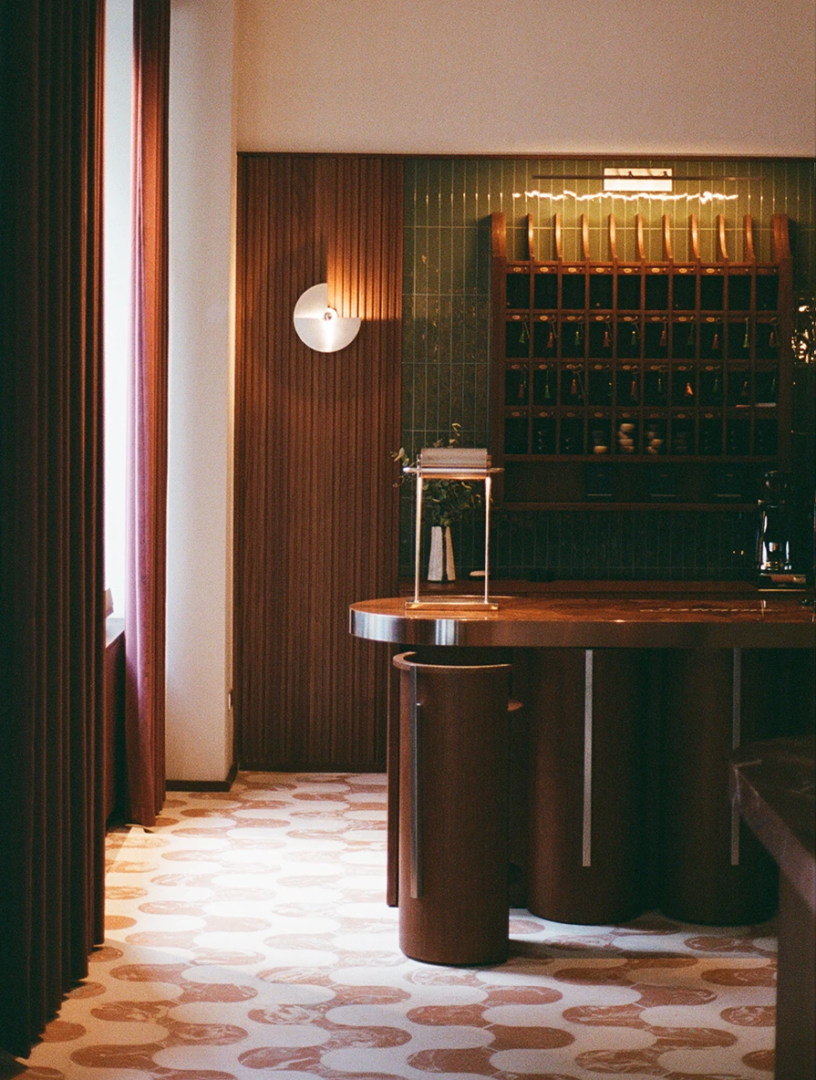
We worked with Mara Bragagnolo, a young interior designer, who managed the development of the space. Her concept drew from Milan’s portinerie – the building entryways where the portinaio welcomed residents, helped them navigate the day, made the space feel lived-in and familiar. That intimacy was part of Milanese life, and we wanted it in our store.
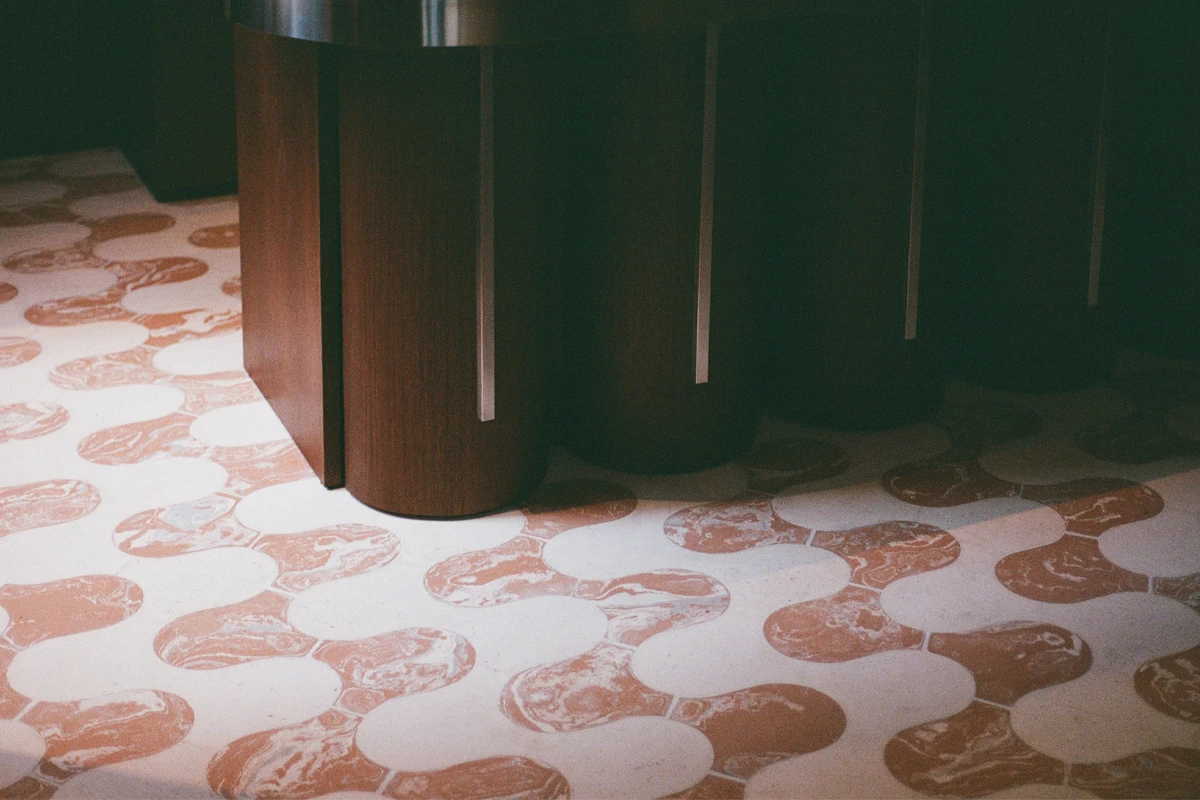
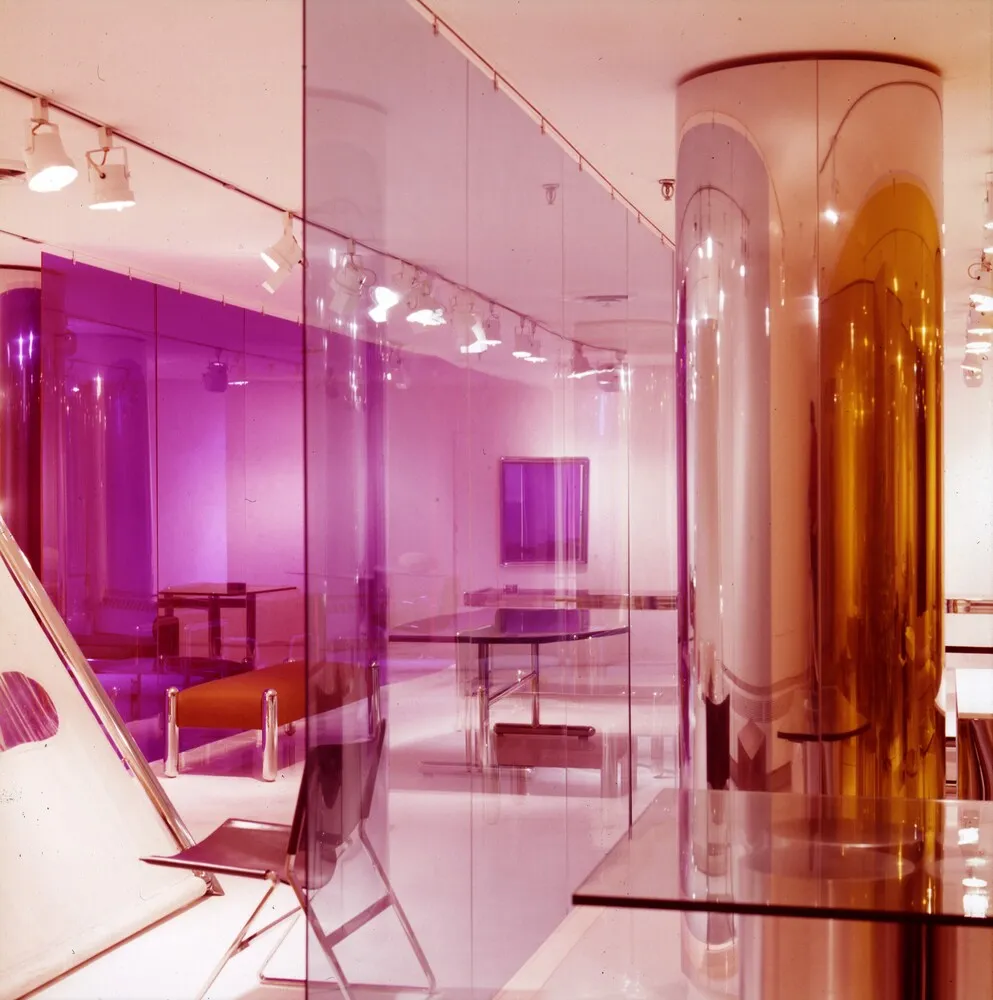
Many of the city’s best portinerie were designed by names like Caccia Dominioni, Portaluppi, especially in the 1930s – the same period we reference in the product design. That era aligns with what we wanted. Mara had full freedom to develop a concept that blends 1930s Art déco with that warm, intimate feeling of entering a Milanese portineria.
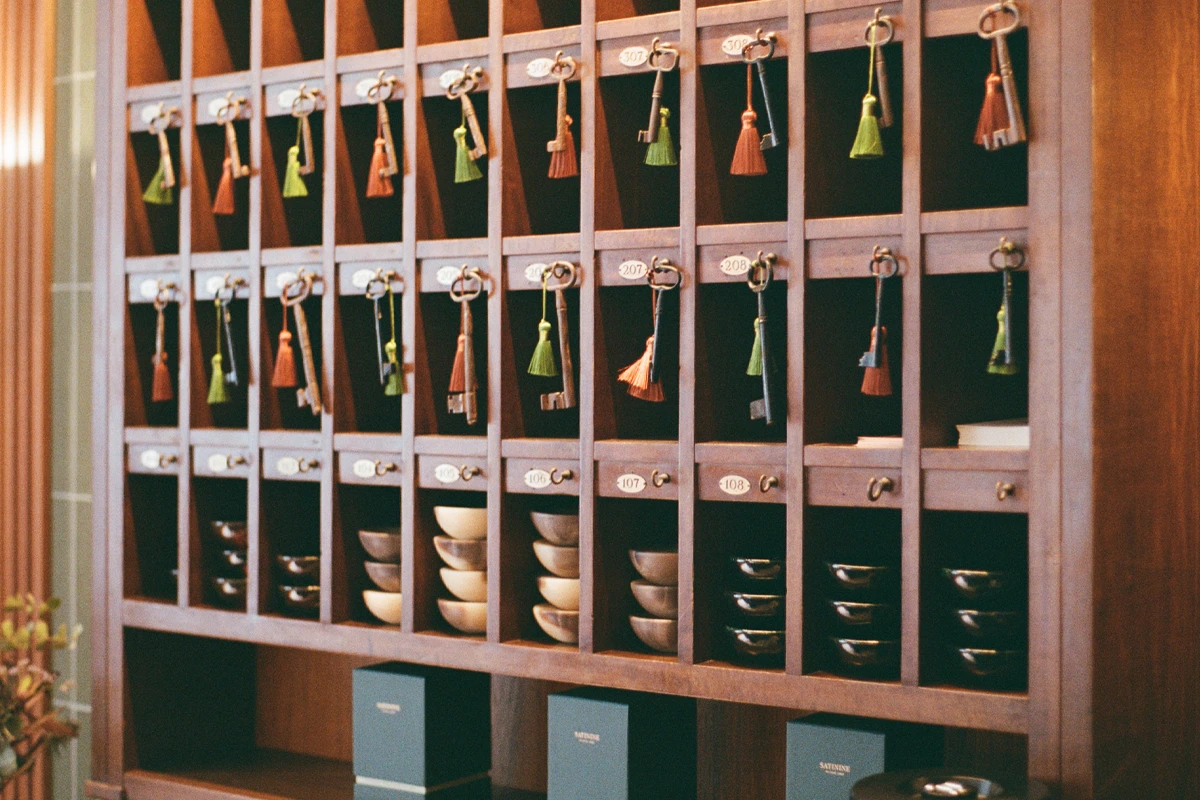
We built a bench with hidden stools so people can sit, have coffee or a glass of wine. A wall in the back references a 1930s concierge key holder – we sourced an original. The goal was to have a luxury environment that feels generous, intimate, unpretentious – a modern portineria for Milan.
The Satinine store just opened its doors, on December 2025.
Satinine keeps ethics practical, without loud statements
Andrea Galletti: In the 1930s, Satinine used a system called vuoto a rendere – return the empties. It’s the same principle still used for glass water bottles in Italy. We do that with perfume. People can bring back an empty bottle and purchase a new, refilled bottle at a fraction of the full price. We clean it, put it back into circulation.
Plastic is unavoidable for sprays and caps. Anything beyond that is plastic-free. No cellophane, no plastic boxes, no rubber inserts. Glass, paper, whatever is essential for the product to function. This is not a sustainability strategy, it’s an ethical choice – doing it right without turning it into a statement.
Milan runs through Satinine, and Satinine runs through Milan
Andrea Galletti: Milan has always been part of the Satinine story. The original store was on Via Broggi – the building that now houses Dolce & Gabbana’s headquarters. It used to be Palazzo Usellini, home of the family who founded Satinine. We started here for that reason.
Milan is both a shopping destination and a cultural hub. People come here from all over the world. Visitors often stop here on their way to Rome, the Amalfi Coast, Capri or Sardinia. The city offers new experiences.
Satinine speaks to the Milanese and to visitors who want something authentic, true to the city. The right product, the store, the concept – they hit immediately. People may not like a perfume, but they cannot question the quality of the ingredients.
Satinine isn’t niche – it’s a specialty fragrance
Andrea Galletti: After years in the industry, I know my audience. They’re all different. They’re evolving too. People still call this category ‘niche.’ That term is outdated. It’s more like specialty coffee. We’re not niche anymore; we’re specialty perfumery. The research into raw materials, the in-house production – it all sets us apart from traditional perfume. Our customers care about how things are made. They want products that feel rare, considered, deliberate.
Andrea Galletti on the operational side of reviving a brand – the good, the bad, the in-between
Andrea Galletti: Relaunching a brand means handling the history and the heavy structural work behind it. The formalities took the longest. Registering the brand, securing rights, collecting materials, making sure we could legally do what we wanted – it took more time than creating the brand itself. Almost a year went by working with legal consultants, buying archives, registering the name. Italy has layers of regulations and restrictions. When you’re investing serious resources, you have to make sure nothing can derail your work halfway.
Same goes for resource allocation. Our priorities were clear from the start – the store, the brand, the product, the fragrance itself. I wanted full control over the provenance and quality of ingredients. That meant building our own lab. Economically and time-wise, eighty to ninety percent of our energy went into the product and the store. Bringing back a historical brand wasn’t enough. Satinine needed substance, backbone, control from the inside out.
Measuring success by the store, the product and the people
Andrea Galletti: The first measure of success is simply seeing the Milan store fully functioning. Customers engaging with the brand, enjoying the product, the team feeling proud – that’s as essential as anything. Down the line, opening stores in other key cities is on the horizon. For now, all focus is on Milan, the product, the store, the customer. In the end, the only real judge is the customer.
Susanna Galstyan
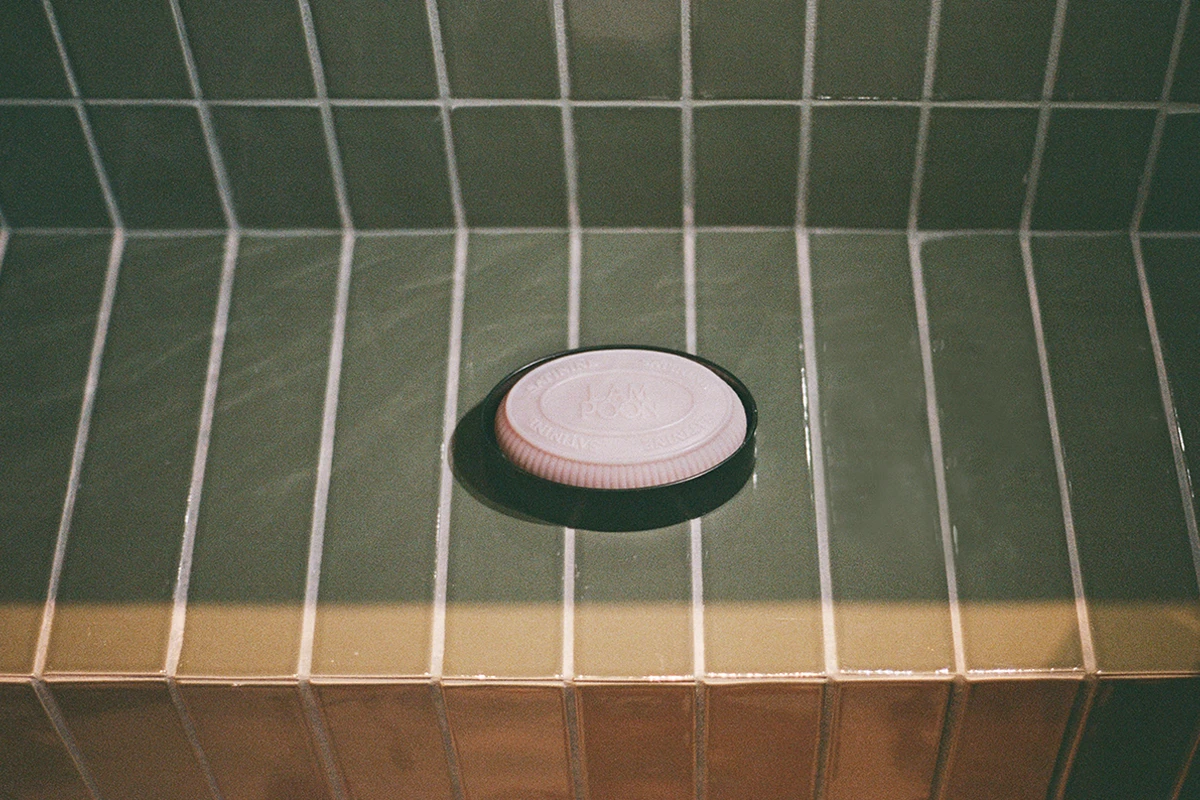
Lampoon x Satinine: an Italian-crafted bar soap merging upcycled ingredients and gentle skincare
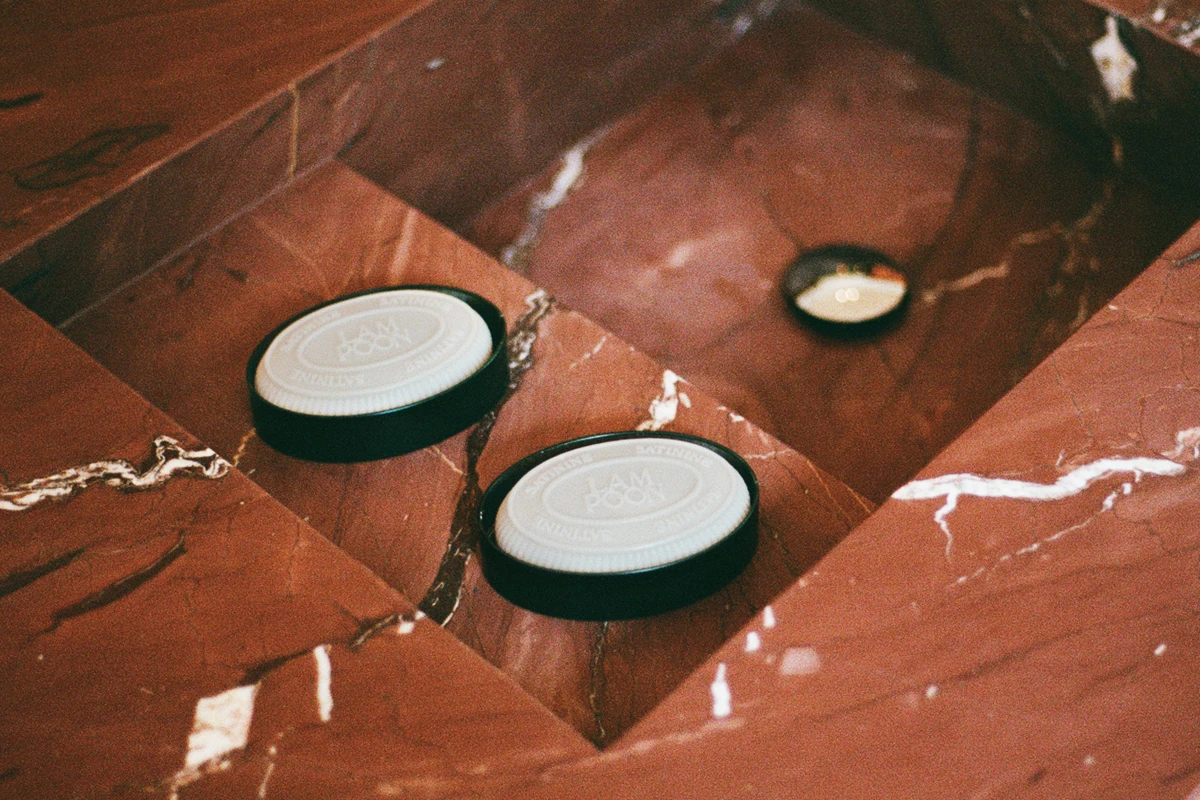
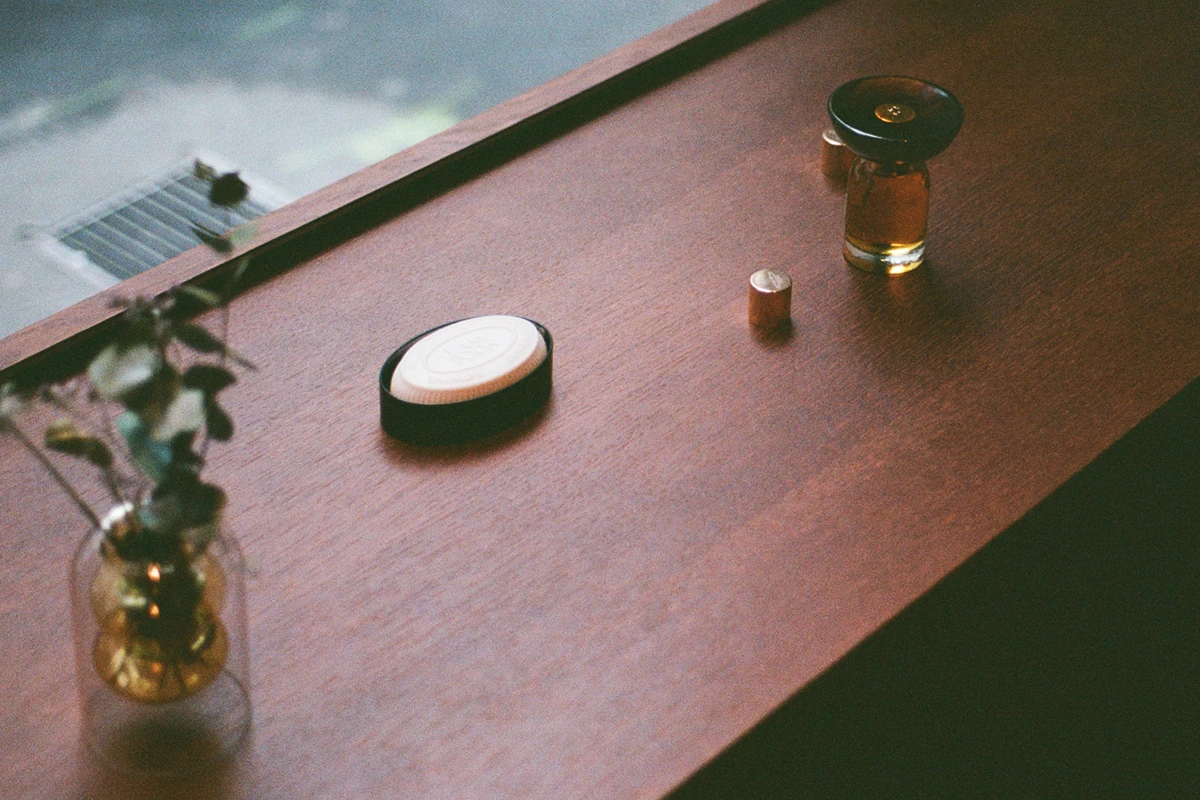
Lampoon collaborates with Satinine on a bar soap that unites their shared commitment to Italian craftsmanship, ethical sourcing, and a contemporary vision of beauty rooted in responsibility. For this project, Satinine applied the same method behind its fragrance revival—rigorous research, deep respect for tradition, and a precise, transparent approach to production. The result is an essential object that embodies both Lampoon’s editorial perspective and Satinine’s dedication to authenticity.
Satinine soaps are crafted entirely in Italy from single-origin vegetable oils obtained through certified organic farming or upcycling. Free from EDTA and colorants, they are formulated to respect even the most sensitive skin, cleansing gently without disturbing its natural balance and leaving it soft and comfortable after every use. The collaboration also introduces a functional design detail: the tin box lid doubles as a practical stand for the soap, extending the object’s life and purpose.
For this edition, the focus is Fico d’India, a vegetable soap enriched with upcycled prickly pear extract sourced from pruning waste in Sicily. Obtained from the paddles of the plant, the extract is rich in polysaccharides known for their hydrating, protective, and soothing properties—echoing the traditional use of prickly pear gel as a natural emollient. Its soft, creamy foam cleanses gently while releasing a sweet, enveloping fragrance that recalls Mediterranean fruits and sun. Through this collaboration, Lampoon and Satinine highlight how responsible formulation, Italian biodiversity, and refined sensory experience can coexist in a simple, beautifully made daily gesture.
The Lampoon x Satinine bar soap is on sale at Satinine store in Milan, and online on Lampoon Store.