Tag: Naturally Sourced
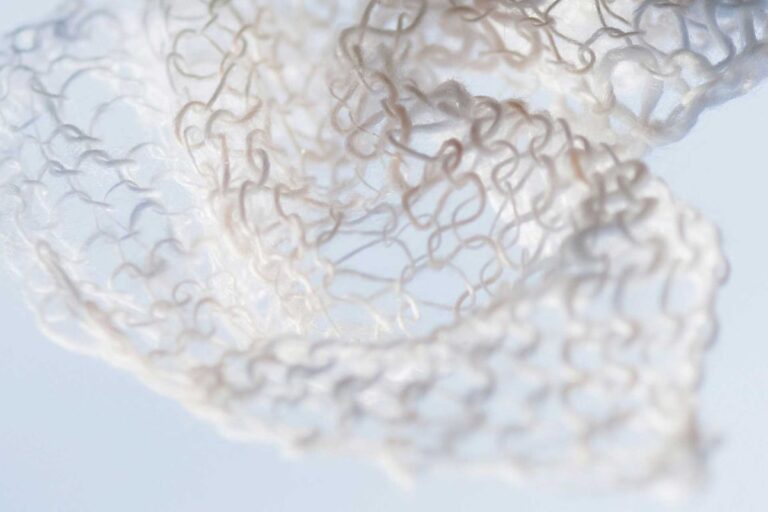
Cotton recycling: the chances we have working on man-made cellulosic fibers
«If cotton or other cellulosic fibers can satisfy the 100 million tons of demand, there’s no reason why we can’t use a regenerated natural fiber from beginning to end»

Carbon sequestration is not a competition, but Biochar is winning. NetZero case
«Many things can be used to fight climate change – biochar is the most mature for scaling and we should push it asap». In conversation with Axel Reinaud, founder of...
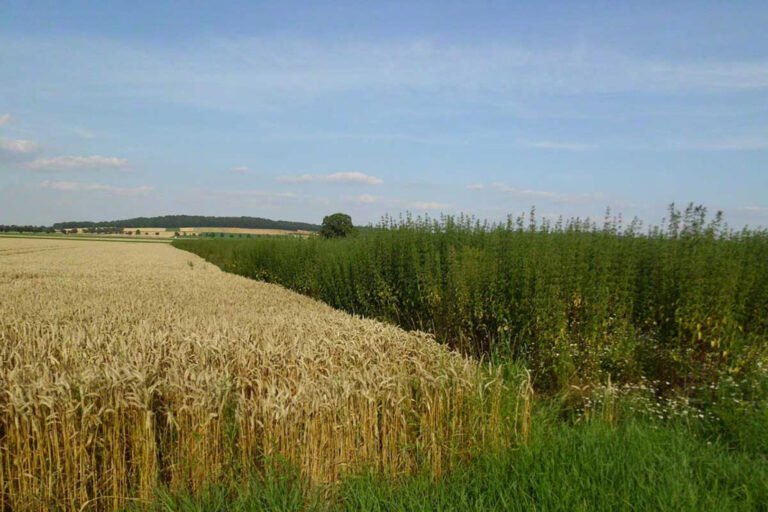
Urtica Dioica: the sustainable nettle fabric that looks like silk
«Nettle is the replacement for synthetic fibers since it is the most stable fiber in the natural fibers range»
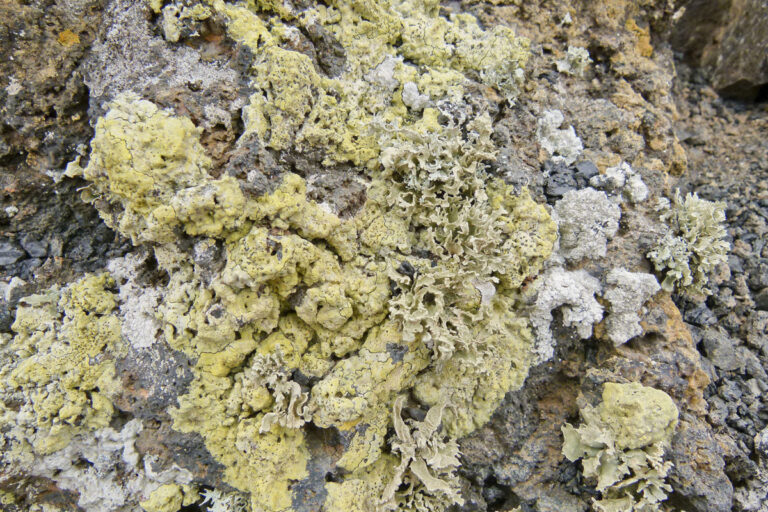
Vineyards in mineral rich volcanic soil: the case of Lanzarote
What volcanic soil can teach us about regenerative agriculture and the role of biochar in nurturing infertile soil
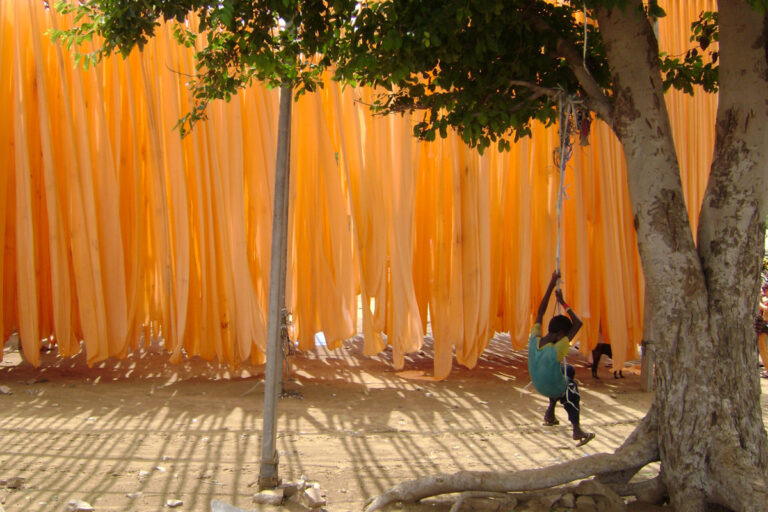
Colorifix – Tackling one of the textile industry’s most environmentally damaging processes: dyeing
CEO Orr Yarkoni explains how cells can be manipulated to dye fabric, cutting back on water wastage and chemical pollution globally. Water use is cut by 50 percent to 90...
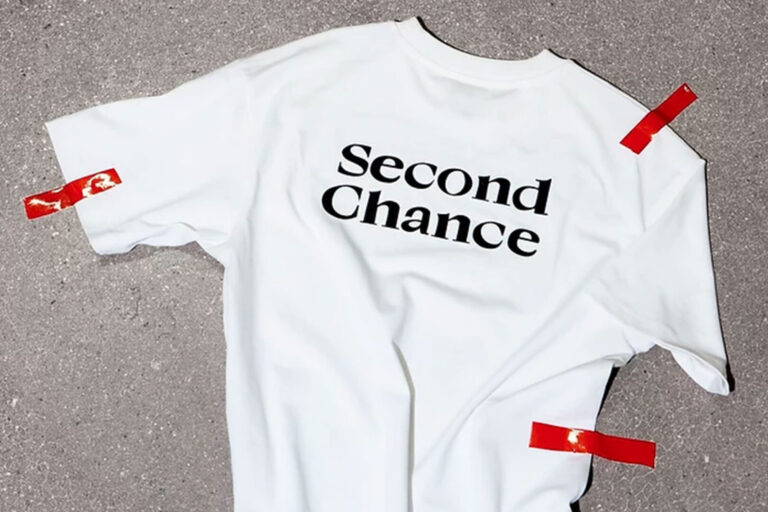
Vividye converts garments into a blank canvas, enabling efficient recycling and reuse
A deeper look into the complacency recycling has lent to fashion consumers and the nuances that make or break efficient recycling processes; through the lens of start-up, Vividye
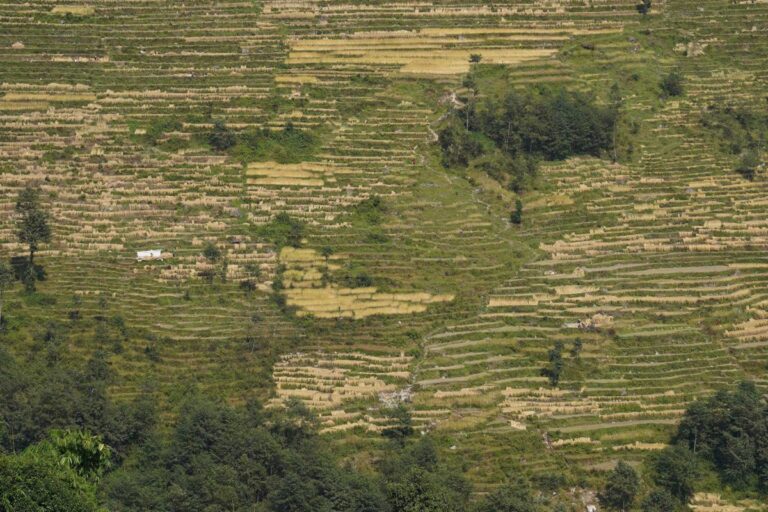
The giant Himalayan stinging nettle — what it means to wild harvest
«Regenerative process means that as you produce, you’re improving the Earth» - how to go beyond sustainability, in conversation with Himalayan Wild Fibers
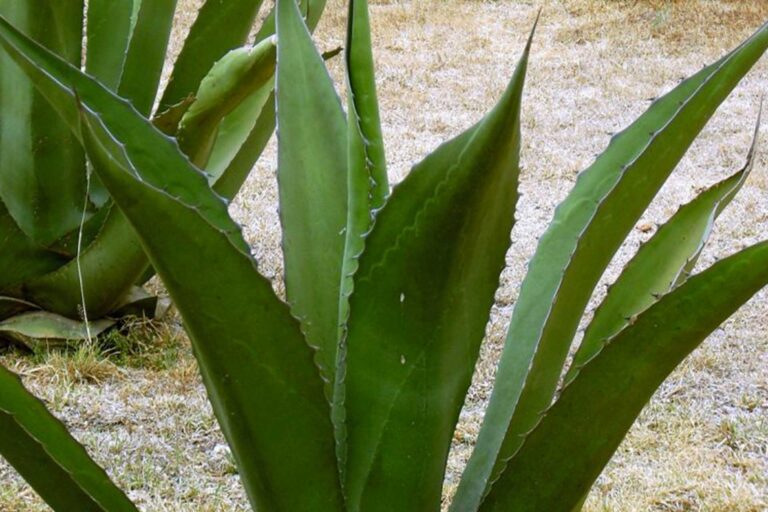
Fiquetex: crafting vegan leather and fabrics from Colombian succulents
«We use about one third of the energy needed to craft animal leather». Gabriel Moreno, Fiquetex, winner of the Oxford University Best Postgraduate Idea

Street style becomes a uniform for climate change, inspired by death
Defining Fictional streetwear: using ‘dead stuff’ and making it into something new, reimagining these materials in their own image – the idea of death runs through the entire project
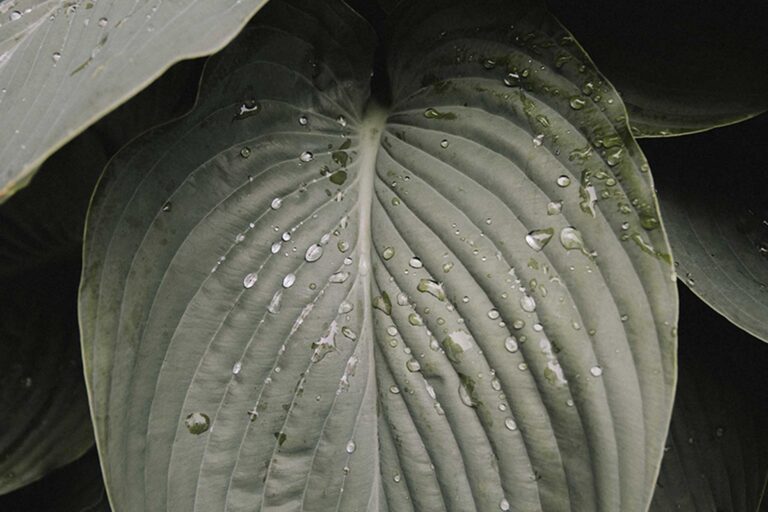
Nūdo: all-natural biodegradable beauty essentials designed to blend back with nature over time
From bamboo to sisal, all-natural raw materials replace plastic offering an alternative to everyday products that already exist
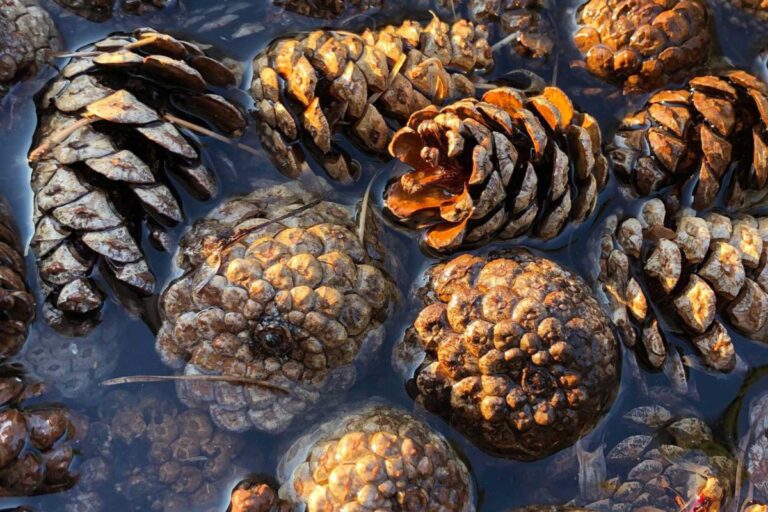
The KAIKU machine – the future of color comes from fruits and vegetables
«It’s a multi-steps process that makes us get the color that we need. Then, in the end, we get this biomass for fertilizer and biofuels». Nicole Stjernswärd, design technologist

The state of paper recycling – challenges and opportunities for a circular industry in Europe
In Europe, Fibre-based packaging is contributing to the circular biobased economy, as eighty-four point six percent of paper and board packaging is recycled

Change starts with farming: regenerative farming and foresting – From Farm to Fabric to Fashion
Experiences coming from farms and attention to the biodiversity that surrounds them highlight the ethical success of the development in the fashion system
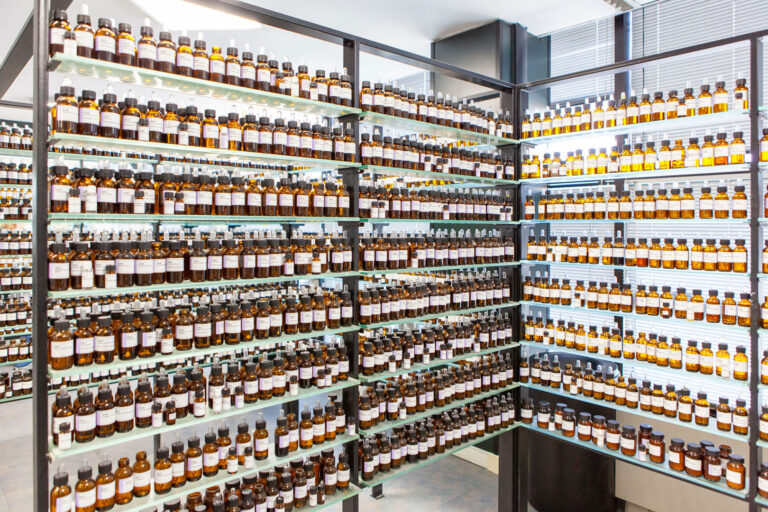
The overlay of six different shades of Musk, more about Musk complexity fragrance
The union of a single natural raw material such as musk together with wood, spices, fruits and flowers searches for three-dimensionality in the collection of fragrances

Alvaro Catalàn de Ocon blending plastic bottle with Bogota’s craftmanship
Alvaro Catalàn de Ocon creates PET lamps: he could be considered a precursor of sustainable design bridging the gap between industrial production and craftmanship

Powder to liquid soap: a simple answer to complicated issues. The Forgo case
«If we have things with the system of refilling or of re-use, then throwing something away or recycling doesn’t have to be the first option». In conversation with Forgo cofounder Allon...

Castor oil plant material – Neubau opening up a new perspective on green eyewear production
How through the use of biopolymers derived from a renewable substance, Neubau’s eyeglasses perform equally or better than the material with the polymer mix

Knitting experimentation and natural dyeing: Olivia Rubens
Olivia Rubens grew bioplastic on material from algae, without releasing toxicity in the process «We use humor as a shield and as a pathway»

How paper waste can get up-cycled instead of down-cycled – the case of Honext
Barcelona-based startup Honext has developed a way to transform paper waste into panels, using materials which already exist rather than consuming raw materials
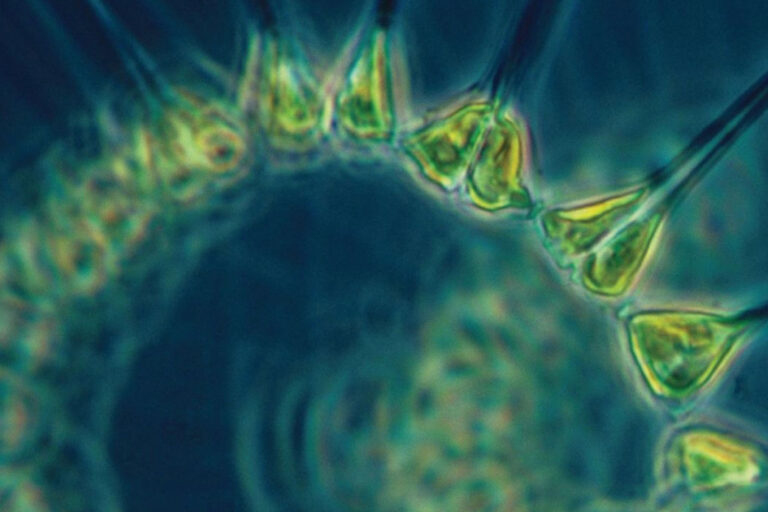
Biodegradable clothing will not spontaneously disappear from your closet: the AlgiKnit case
You can’t eliminate harmful materials, such as polyester, without replacing it with something else. Kelp can be turned into fiber and that is what we will work with
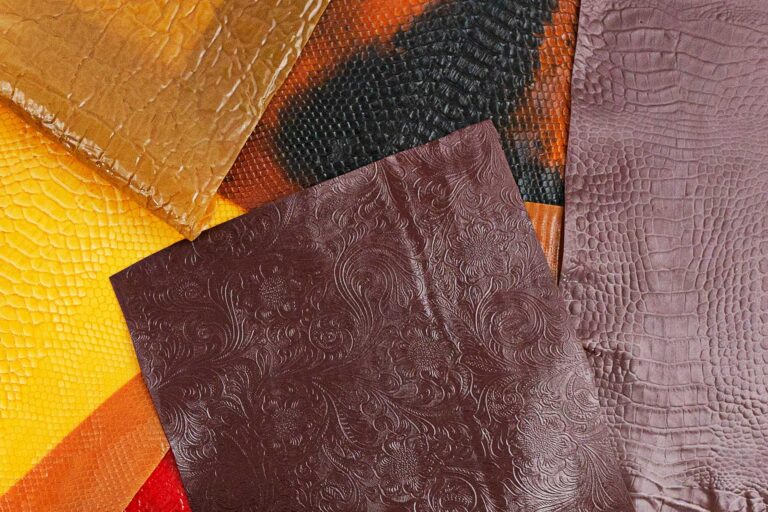
The struggle of creating an entirely new textile: leather from shell seafood by Tomtex
«They have a lot of interesting properties but they have a lot of interesting problems that go with it» In conversation with Ross McBee on what vegan leather actually means
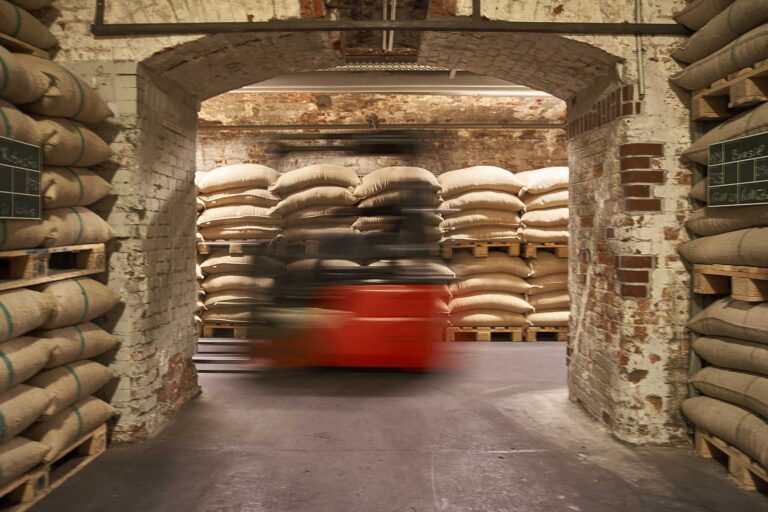
Challenges in developing materials for the automotive sector: Volkswagen is reusing coffee waste
Silverskin: Volkswagen is developing, among a series of bio-based materials, a leatherette with coffee waste as a principal component of the filling
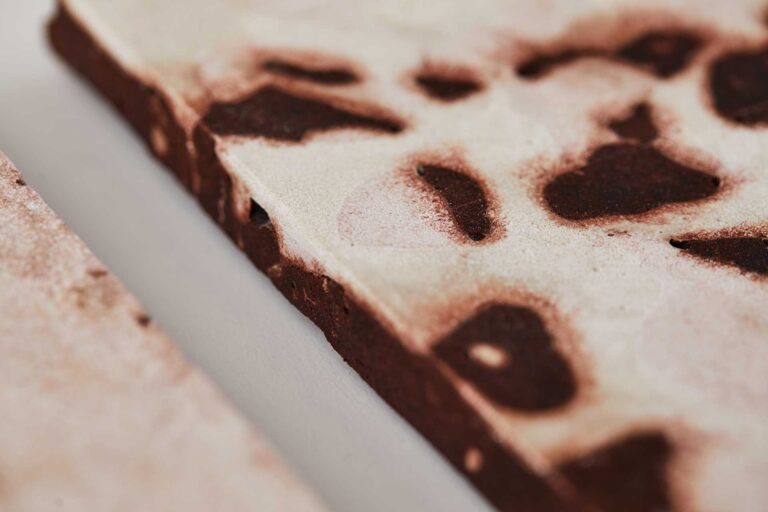
Regenerative materials in architecture: bio-concrete from species that disrupt the food chain
Killing two birds with one stone: developing a bio-concrete whilst helping out ecosystems. A look into regenerative properties

Zeefier – Developing natural dyes out of seaweed waste streams
If abundant, seaweed can create all sorts of problems for the environment. Zeefier has come up with a solution which tackles both that problem as well as eliminating synthetic dyes
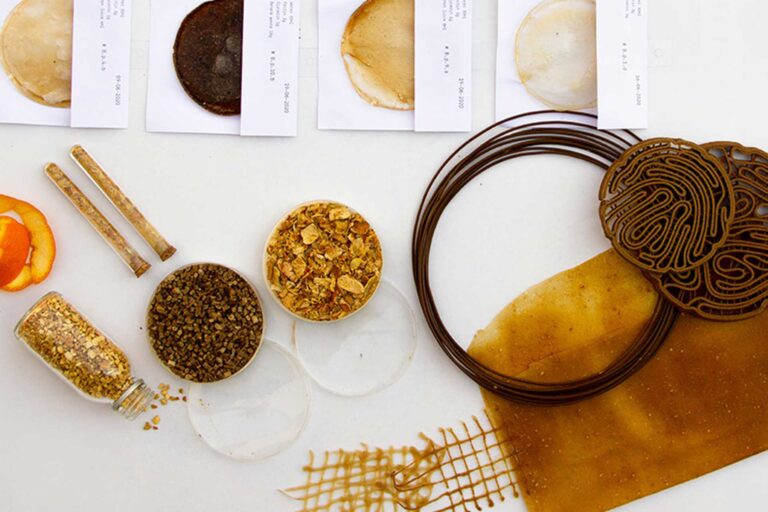
Krill Design – the world’s first completely circular lamp is made from one-hundred percent food waste
«When you want to discard the lamp, you can separate the components by yourself so they are removable». In conversation with Marilù Osculati on just how much further we need...
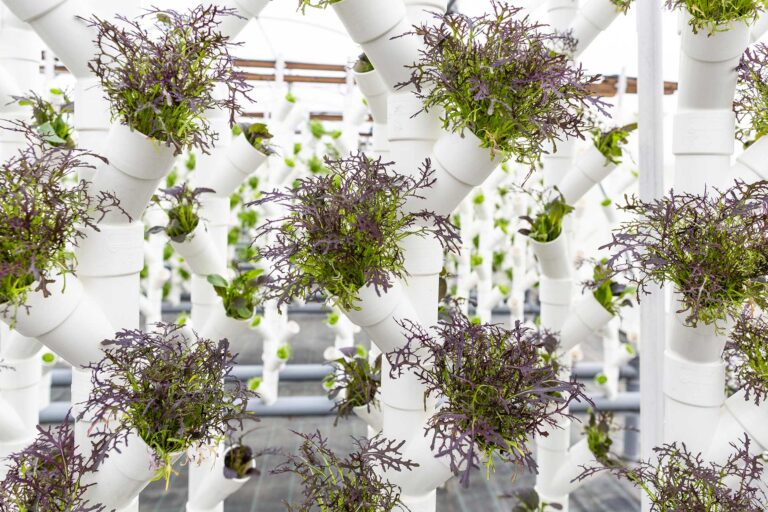
Urban farms are bringing food production closer to home
How vertical farming, aquaponics, underground and rooftop farming are revolutionising traditional agriculture
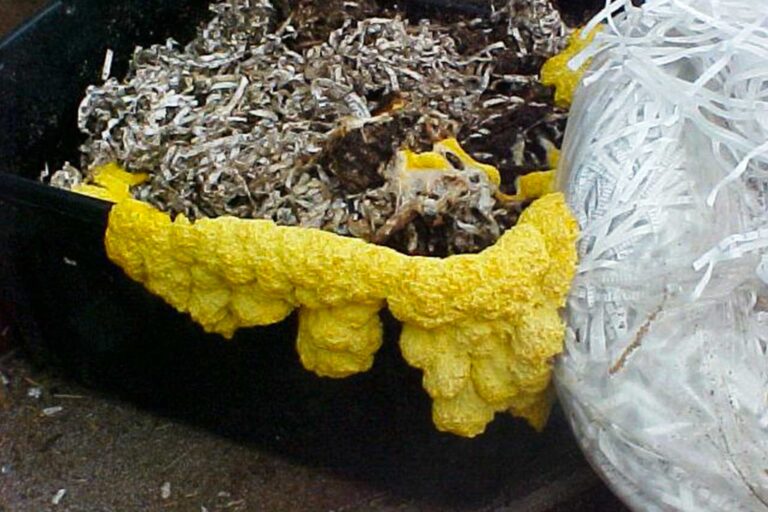
Biodegradable vs compostable: you know the terminology, you understand the difference
Consumer awareness of the impact of plastics has encouraged manufacturers to launch new eco-materials, mistakenly implying they all belong in the same category
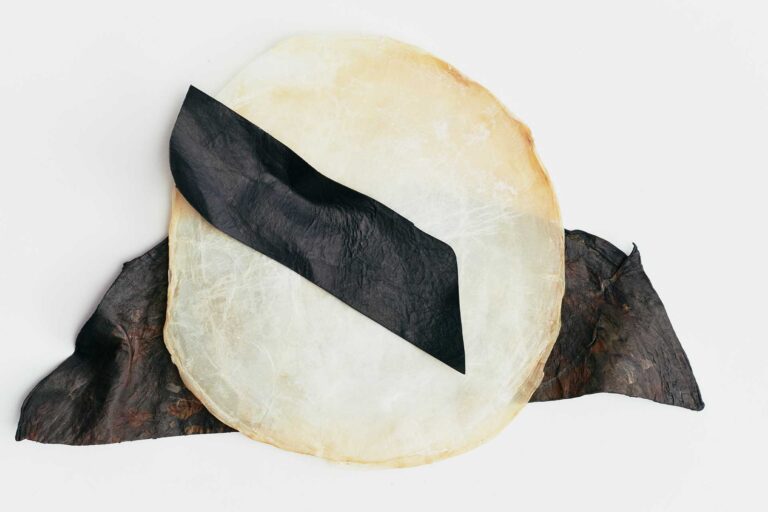
The job of a scientist merges with the role of a designer: the case of Theanne Schiros
«A circular economy can’t exist in a vacuum». In conversation with Theanne Schiros on actively trying to achieve a circular economy within all industries simultaneously
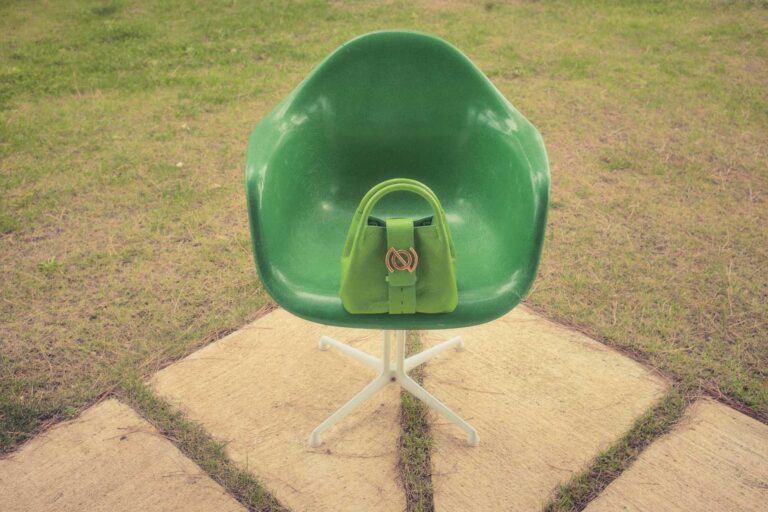
Zanellato Luxethic and almond shells – Tanning carried out through the use of alternative materials
The main elements used in the tanning of leather, such as chromium and aldehydes, are harmful to humans and nature. Zanellato proposes a solution

Building with concrete made with Salt – a big trouble could become a solution
The Anatomy of Sabkhas: preserving sustainable salt flats book, written by urbanists Rashid and Ahmed Bin Shabib, provide an urban research of the phenomenon and possible applications
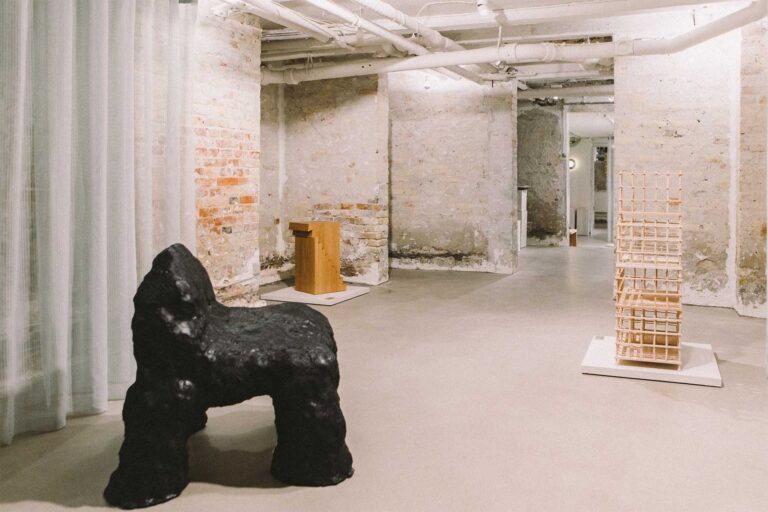
Leather-like material from discarded Danish Christmas trees – news in the realm of textiles
More awareness needs to be spread regarding what it means to buy something which has biodegradability properties. In conversation with Bonnie Hvillum, founder of Natural Material Studio
Diamond graders – holding up the stones with Borsalino Diamanti: transparency for 50 years
Where diamonds really come from. Jewelry, family heirlooms but most especially mining, labor, suppliers, diamond graders and manufacturers

AHEC – education about wood: designers and producers have to work together
After Perpetual Mobile show in Barcelona, AHEC partners with RIVA 1920 to showcase the work of the new generation of designers encouraging a more responsible use of wood
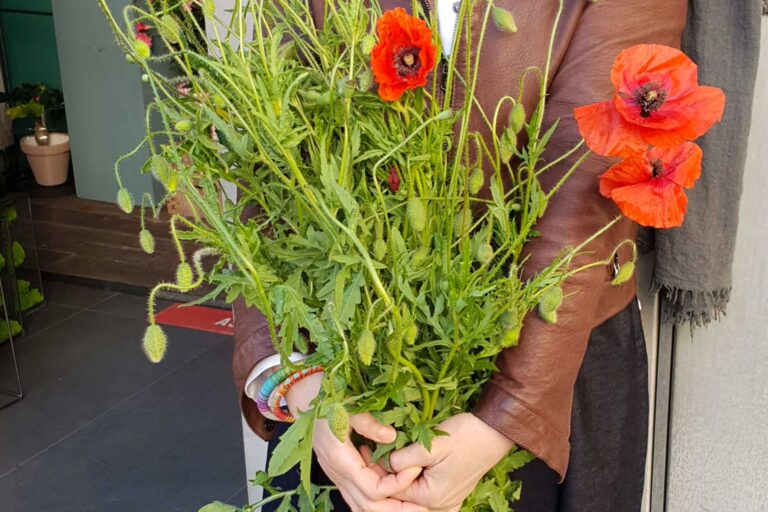
The dark side of the cut-flower industry and the demand for not-in-season flowers
«The event industry requires large quantities of the identical flowers, that only the Dutch market (which serves as a collector of crops from Colombia, South Africa, and Ecuador) can satisfy»
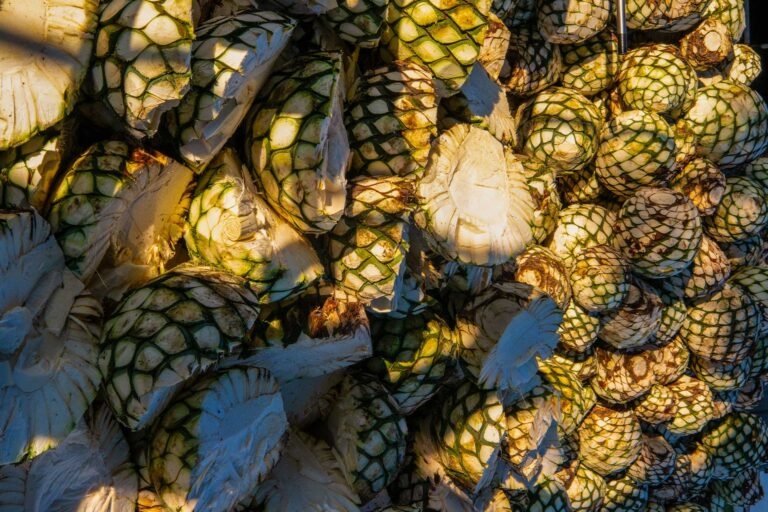
Volcán de Mi Tierra, Mexico: revalue agave plantations – with higher hydro-efficiency
The Mexican drink par excellence, tequila, finds its origins in the use of a particular refined material of the region of Jalisco: the case of Volcán De Mi Tierra
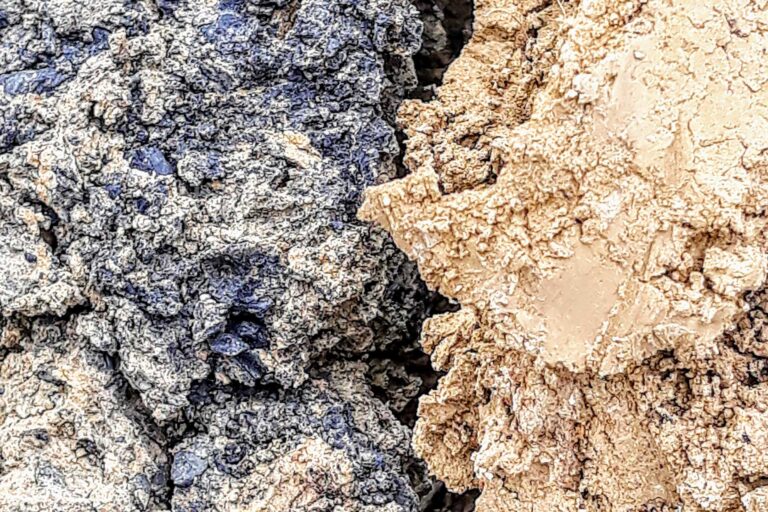
Belvedere – Biochar/ Biomass: the real solution: global climate change, soil infertility and pollution
The use of biochar amendments on soil could address the issues of soil fertility, water holding capacity, and climate change mitigation via carbon sequestration
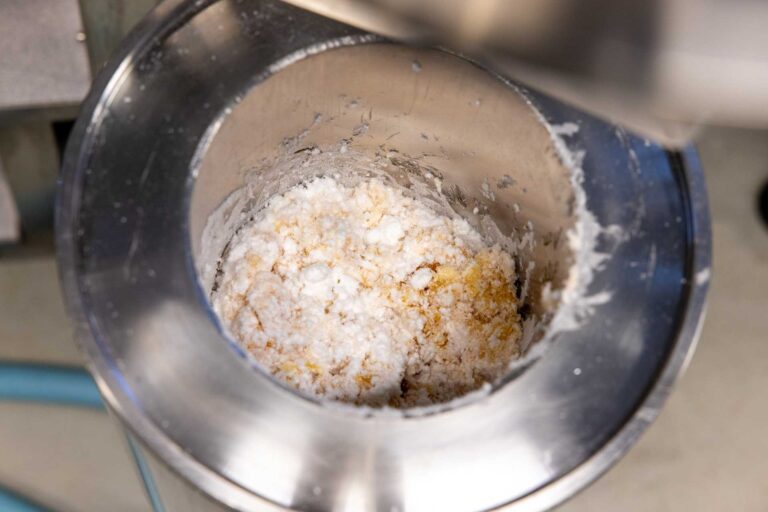
Cotton versus polyester: If you use waste material which is already there, you keep it in the loop
Following the Ioncell process, a team of researchers have found a way to dissolve cotton from polyester blends and transform them into new fibers

Slak Campus in Kenya was built on the model of termites’ mounds
Local materials and labor, little resources can improve efficiency and creativity: the campus is solar powered and passively ventilated
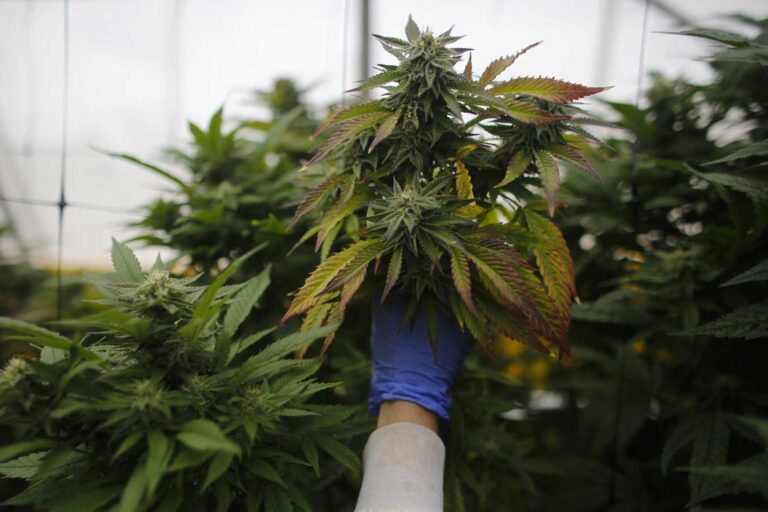
Will CBD replace steroid creams? Dermatological studies and support thesis
Doctor Adam Friedman, Professor of Dermatology at George Washington University on using nanotechnology for delivering cannabinoids to treat skin inflammation
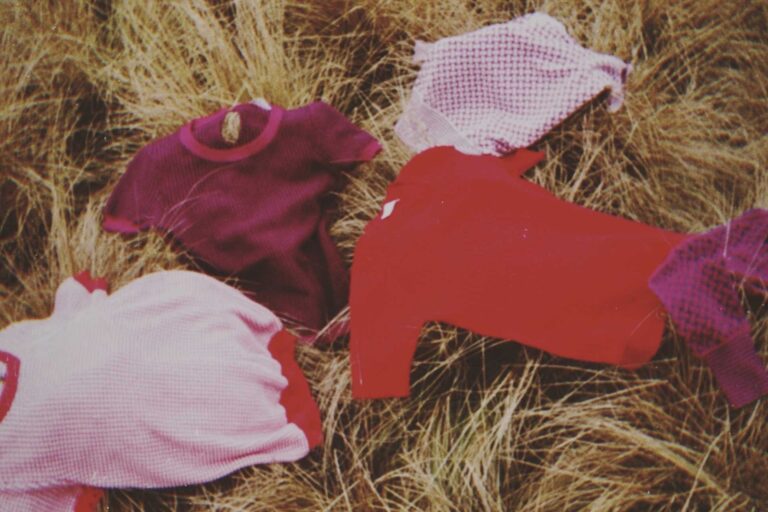
Knitwear and Hydropower – going greener, Drumohr makes few real steps forward
Born in the 1700s, a knitwear house Drumohr defines tradition: in conversation with Owner and Ceo, Mr. Michele Ciocca: «We want the term sustainability in our brand to turn into...
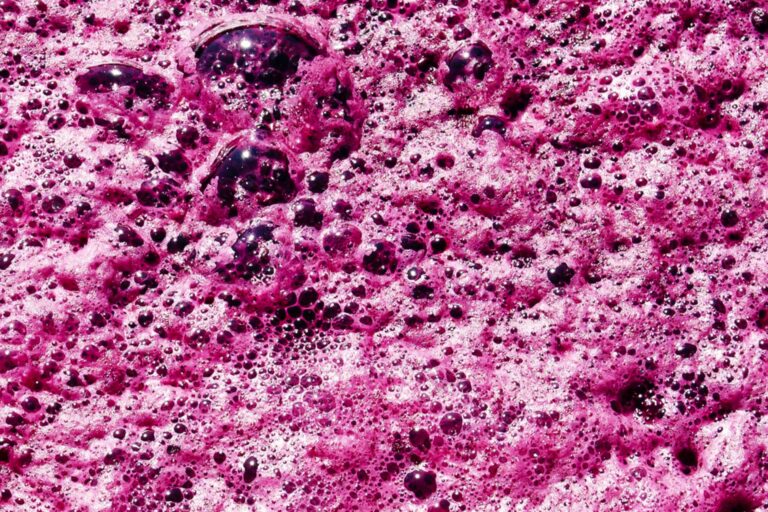
The wine industry to be updated: regenerative agriculture, biochar, biodynamic approaches
From Franciacorta to Champagne, cases of experimentation through regenerative agriculture, return to traditional methods and biodynamic farming
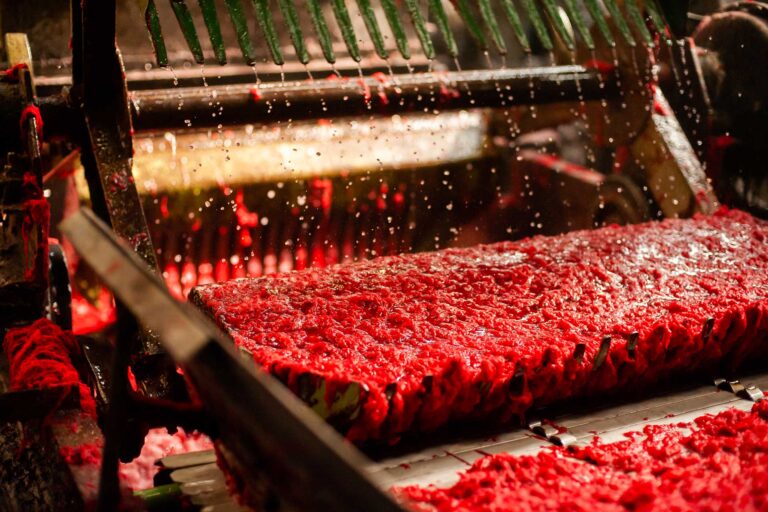
The never-ending story of recycling wool, according to Manteco
While the fashion industry struggles to find solutions to lower its footprint, an Italian wool recycling enterprise has developed a way to reach a zero-waste system

Avocado and onion peels are the new black: natural dyes made with food waste
«Using food waste to produce dyes tackles the sustainability problem from different angles». A conversation with Cara Marie Piazza, Creative Director at CMP Dye House
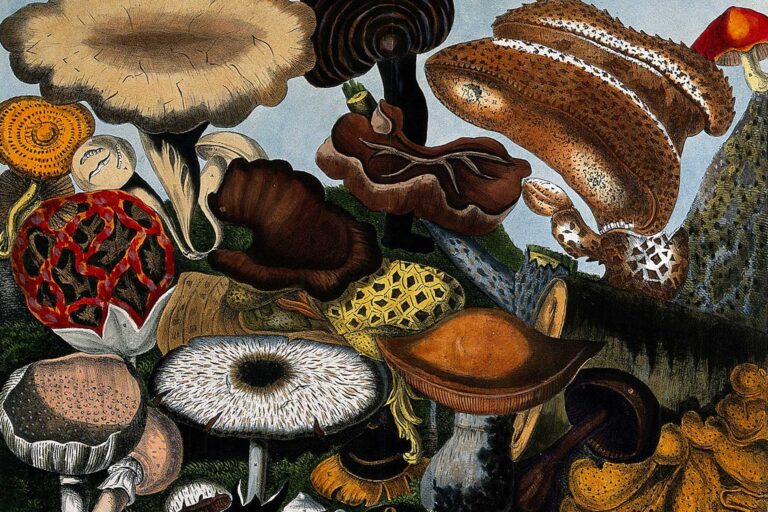
Climate change – The invisible impact of a warmer planet on fungi, the hidden main actors in our soils
chief decomposers in our soils, breaking down organic matter through enzymes and carrying out a crucial role in biogeochemical cycles and the nutrient cycle
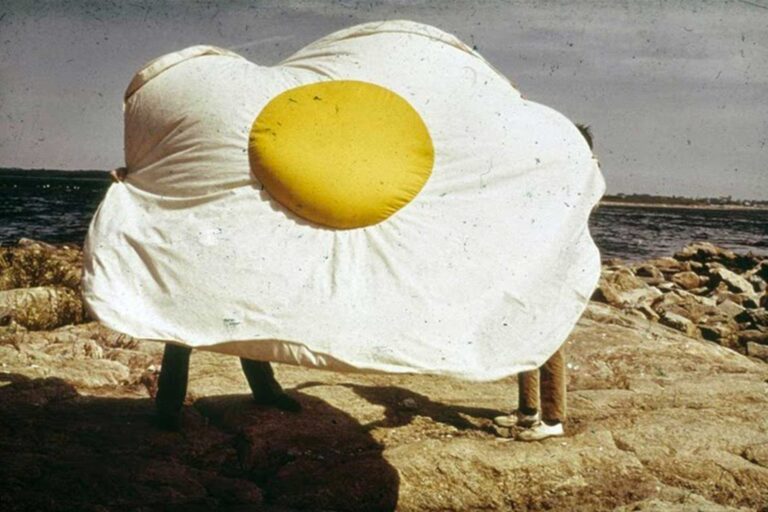
Forbes THRIVE Future of Food Summit. How fragile our agricultural and food system is. Food insecurity and innovation
It’s not only a food crisis, it’s a nutrition crisis as well. What industry experts have to say about what needs to be done in the world of Agriculture
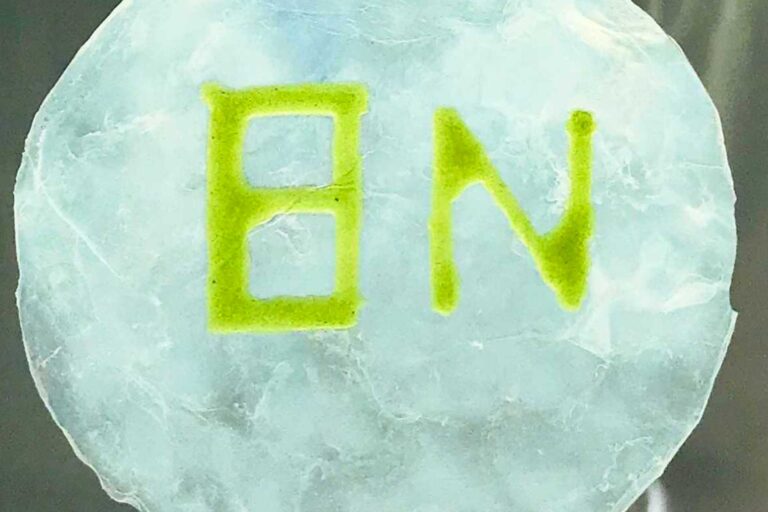
Meyer Lab – Growing your own t-shirt at home isn’t as complicated as it sounds
The development of a new technology which allows living organisms to be 3D printed into a piece of clothing – a possible venture into the practicality of fashion