The rise of multi-performance fabrics made from natural fiber blends
From eucalyptus tree pulp to merino wool, the strategic use of certified natural materials within a broader sustainability framework aimed at lowering carbon emissions and resource waste
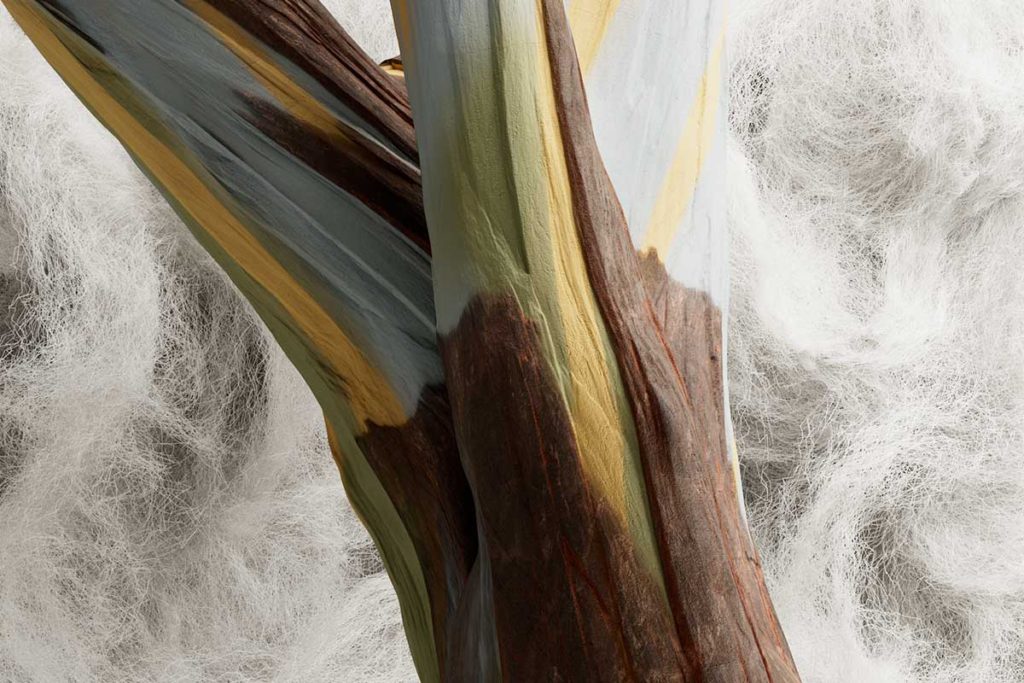
Eucalyptus sourcing and FSC-certified plantations as the foundation of Allbirds’ tree-based materials
Allbirds does not own eucalyptus plantations directly. Instead, through a long-standing partnership with Lenzing, the brand sources wood pulp derived from FSC-certified farms in South Africa. Certification by the Forest Stewardship Council ensures responsible forest management, addressing not only environmental protection but also social and economic conditions within local communities.
This framework helps prevent monoculture-driven land depletion, safeguards biodiversity by limiting excessive land occupation, and protects against exploitative labor practices. FSC certification also plays a critical role in monitoring land use to avoid the displacement of native flora in favor of intensive eucalyptus cultivation.
Thinned timber, responsible forestry practices, and the efficient use of lower-grade wood resources
According to Lenzing, most of the wood used for fiber production comes from thinned timber, a standard practice in sustainable forestry. Thinning allows wood unsuitable for high-grade applications to be redirected toward textile production, maximizing resource efficiency and reducing waste.
This approach ensures that forestry operations maintain healthy growth cycles while enabling wood that would otherwise be discarded to serve a productive purpose in fiber manufacturing.
Why eucalyptus is considered a low-impact crop in fiber production
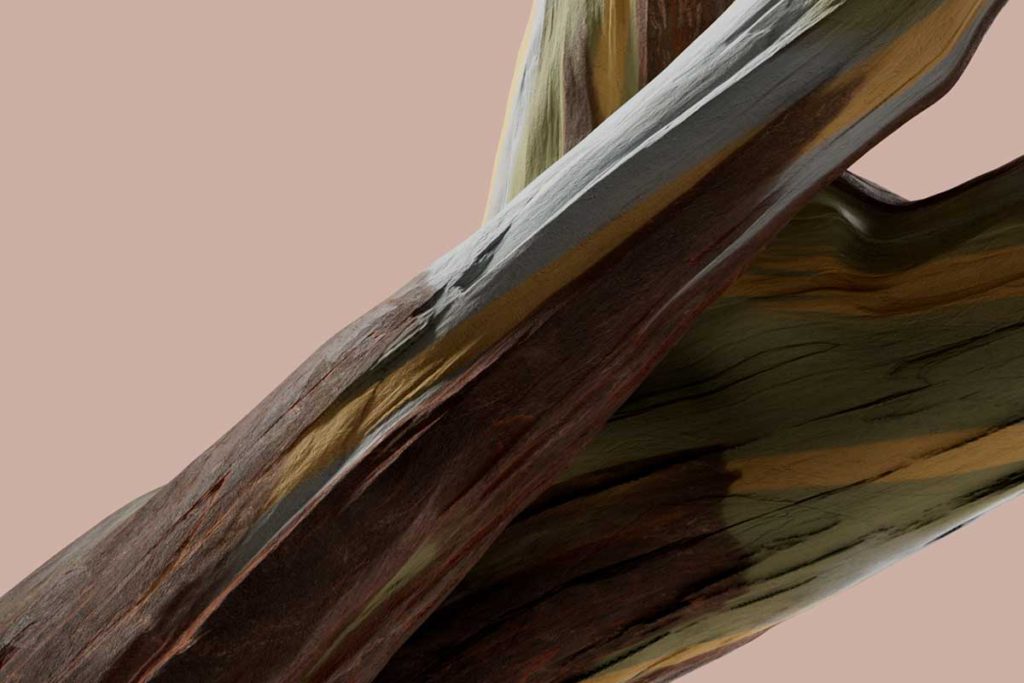
The environmental rationale behind eucalyptus cultivation lies in its agronomic characteristics. The trees grow rapidly, require minimal water—largely supplied through natural rainfall—and do not depend on intensive fertilization or irrigation systems.
Eucalyptus plantations also contribute to carbon sequestration, storing carbon dioxide in trunks, bark, and leaves. As explained by Kajimura, Sustainability Lead at Allbirds, this capacity aligns with the company’s broader strategy to reduce the carbon intensity of its material choices.
From microplastic pollution to fossil fuel-free fashion materials
In response to increasing concerns around microplastic dispersion and fossil fuel dependency in the fashion industry, Allbirds has focused since its inception on researching alternatives to petroleum-based synthetics.
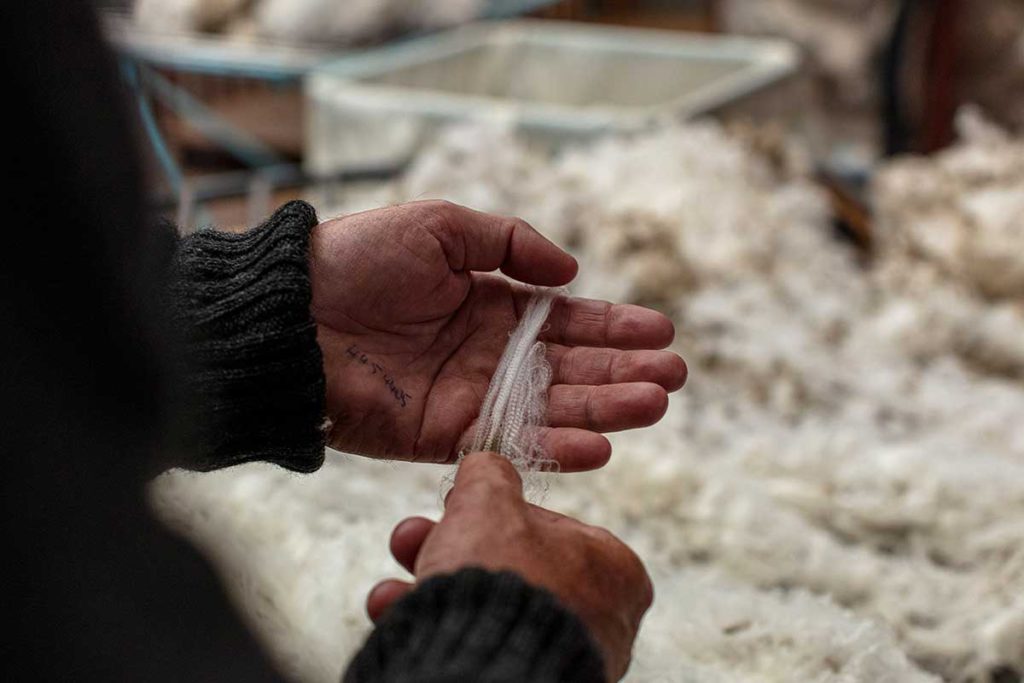
The brand’s early experimentation ranged from tree-derived fibers to merino wool footwear, a material chosen for its breathability, thermal regulation, and comfort without skin irritation. Merino proved effective, yet less suitable for warmer climates, prompting the search for a lighter, cooler alternative.
The introduction of eucalyptus fibers as a seasonal alternative to merino wool
The introduction of eucalyptus-based fibers addressed this functional gap. Beyond performance, the choice reflected Allbirds’ familiarity with wood-derived materials and the possibility of sourcing certified fibers from regions where industrial development can support local livelihoods while integrating into a global value chain.
From eucalyptus trees to finished fabric: how tree-based fibers are produced
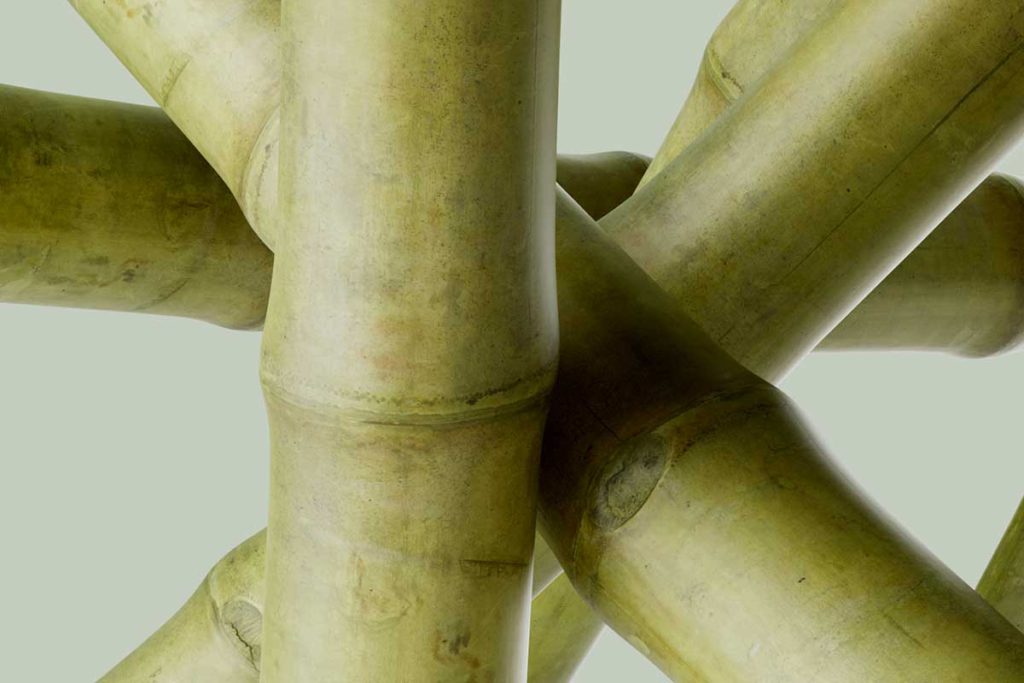
The production of eucalyptus-based fiber begins with the conversion of harvested wood into chips, which are then processed into pulp. A solvent-based solution is applied to extract cellulose, which is subsequently regenerated into yarn. By aligning and spinning these fibers, the final fabric structure is formed.
Closed-loop fiber production and the reduction of water and chemical waste
One of the defining features of this process is its closed-loop system. According to Allbirds, more than 99% of the water and solvents used during production are recovered and reused.
Compared to conventional cotton, this method requires substantially less water and contributes to a markedly lower carbon footprint, reinforcing the environmental rationale behind cellulose-based fibers.
Trino® textile explained: combining eucalyptus fiber and ZQ-certified merino wool
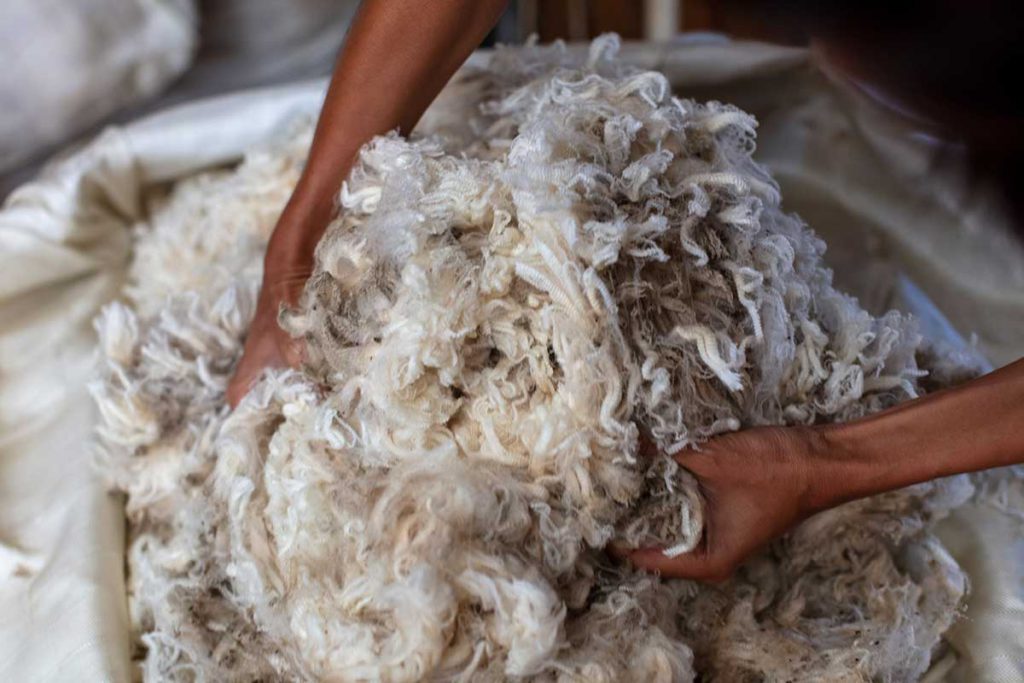
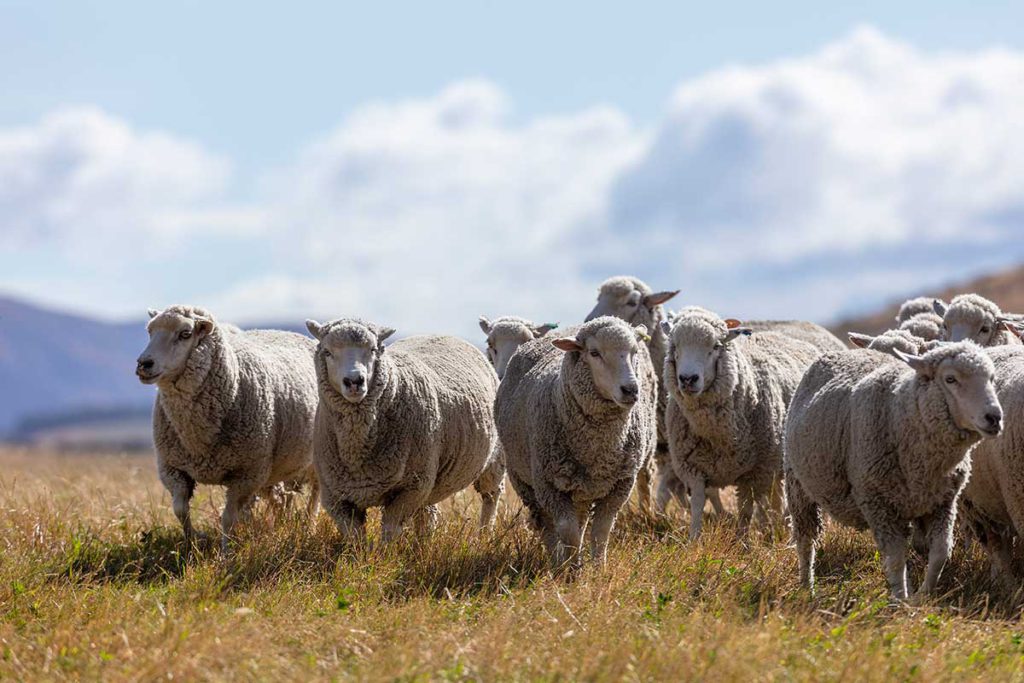
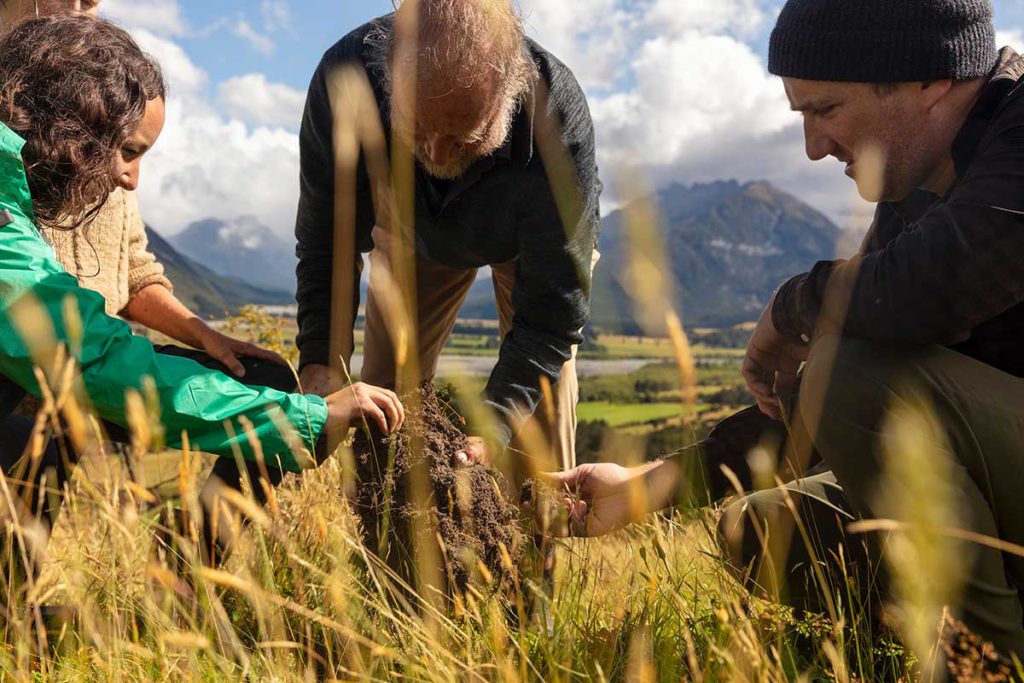
Trino®, Allbirds’ proprietary textile, combines eucalyptus-derived cellulose fiber with merino wool, the material that originally defined the brand. The wool component is ZQ-certified, a standard emphasizing regenerative farming practices, animal welfare, soil health, and ecosystem balance.
Through close collaboration with its supply chain, Allbirds developed what Kajimura describes as a “super yarn,” integrating the functional advantages of both fibers: softness, breathability, moisture management, and durability.
Why Trino® is not a mono-material and how recycled components are integrated
In finished products, Trino® is not always used in isolation. To improve longevity and performance, Allbirds incorporates additional certified materials where necessary.
As stated on the company’s website, recycled synthetics may be used selectively to reinforce natural fibers. Laces are often made from recycled plastic bottles, insoles partially from castor oil–based materials, and recycled nylon is introduced in limited quantities to enhance yarn resilience. Details regarding production costs remain undisclosed in line with internal company policy.
Material innovation beyond Trino®: introducing TrinoXO™ and chitosan-based fibers
Trino® represents an evolution of two materials already central to Allbirds’ strategy: eucalyptus fiber and merino wool. A subsequent development, TrinoXO™, integrates chitosan—a biopolymer derived from discarded snow crab shells sourced from food industry waste.
This innovation introduces natural odor-reducing properties while minimizing reliance on chemical treatments, extending garment freshness and reducing washing frequency.
Biopolymers, garment longevity, and reduced washing as sustainability strategies
Chitosan is among the most abundant biopolymers on Earth, and its application in everyday apparel reflects Allbirds’ focus on durability rather than disposability. By reducing odor and wear, garments require less frequent laundering, lowering water and energy consumption over their lifecycle.
Biodegradability, circularity, and the limits of current fashion industry standards
While Trino® is composed primarily of natural fibers and could theoretically biodegrade under specific conditions, Allbirds does not market it as a fully biodegradable material. The brand cites the absence of standardized industry testing protocols and realistic end-of-life infrastructure.
Kajimura highlights that many existing solutions are either carbon-intensive or dependent on large-scale systems that may introduce additional environmental trade-offs. Any credible circular model, she argues, must align with actual consumer behavior rather than idealized scenarios.
Lampoon reporting: prioritizing material intelligence over aesthetic-driven fashion
Enhancing the tactile and functional experience of clothing through carefully balanced material combinations remains central to Allbirds’ philosophy. This approach prioritizes human comfort and long-term use over purely aesthetic considerations, countering an industry historically dominated by synthetics and accelerated consumption cycles.
Replacing petroleum-based synthetics while acknowledging technical limitations
While constructing footwear and apparel exclusively from natural materials presents technical challenges, Allbirds aims to replace petroleum-based synthetics wherever possible. Plastic-derived components are used only when necessary and are sourced from recycled streams.
As part of its broader climate strategy, the brand continues to increase the proportion of responsibly sourced natural and recycled materials across its collections.
Educating the supply chain to work with natural fibers instead of synthetics
Developing high-performance natural materials requires cultural change across the supply chain. Kajimura notes that many manufacturers are accustomed to synthetics, whose behavior under heat and mechanical stress is predictable.
Natural fibers behave differently. Although production machinery often remains unchanged, processing parameters—such as heat settings—must be adapted, requiring ongoing testing and collaboration with suppliers.
Open-source material innovation and the future of biobased fashion materials
According to Allbirds, one of the fashion industry’s structural gaps is the limited willingness to invest in fully biobased materials capable of meeting consumer expectations, including alternatives to animal-derived skins.
Open sourcing material research is seen as a key lever for accelerating innovation, improving efficiency, reducing manufacturing costs, and making sustainable materials more accessible to a wider market.
Allbirds founders, material-first design, and the origins of a sustainability-driven brand
Allbirds was founded by Tim Brown, who questioned why a renewable and high-performing material such as merino wool was largely absent from footwear. Together with Joey Zwillinger, an engineer with expertise in renewable energy, he developed a new approach to shoe design grounded in material innovation.
Today, Allbirds continues to experiment with natural and low-impact materials, positioning material research not only as a technical challenge but as a cultural statement within the fashion industry.