Is Valentino Couture about desire – or about voyeurism and denial?
One hole in the wall, many readings: Alessandro Michele’s Valentino couture show becomes a device of voyeurism, a controlled fashion spectacle where desire is visible, regulated, and denied
Alessandro Michele’s Valentino: couture as a controlled act of looking
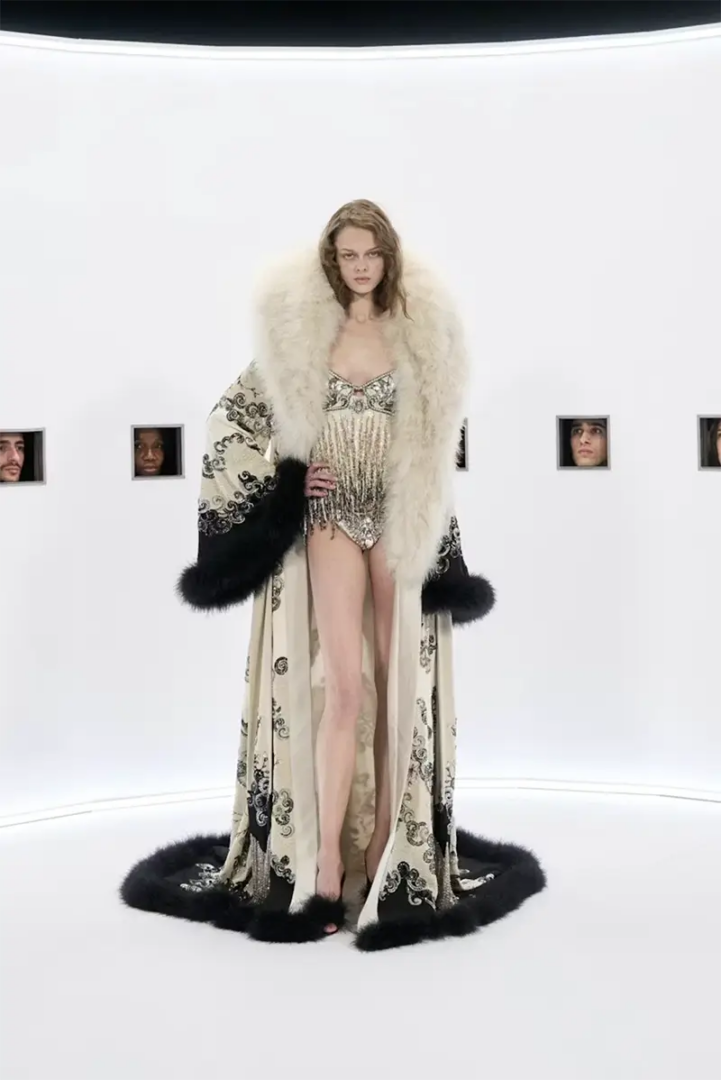
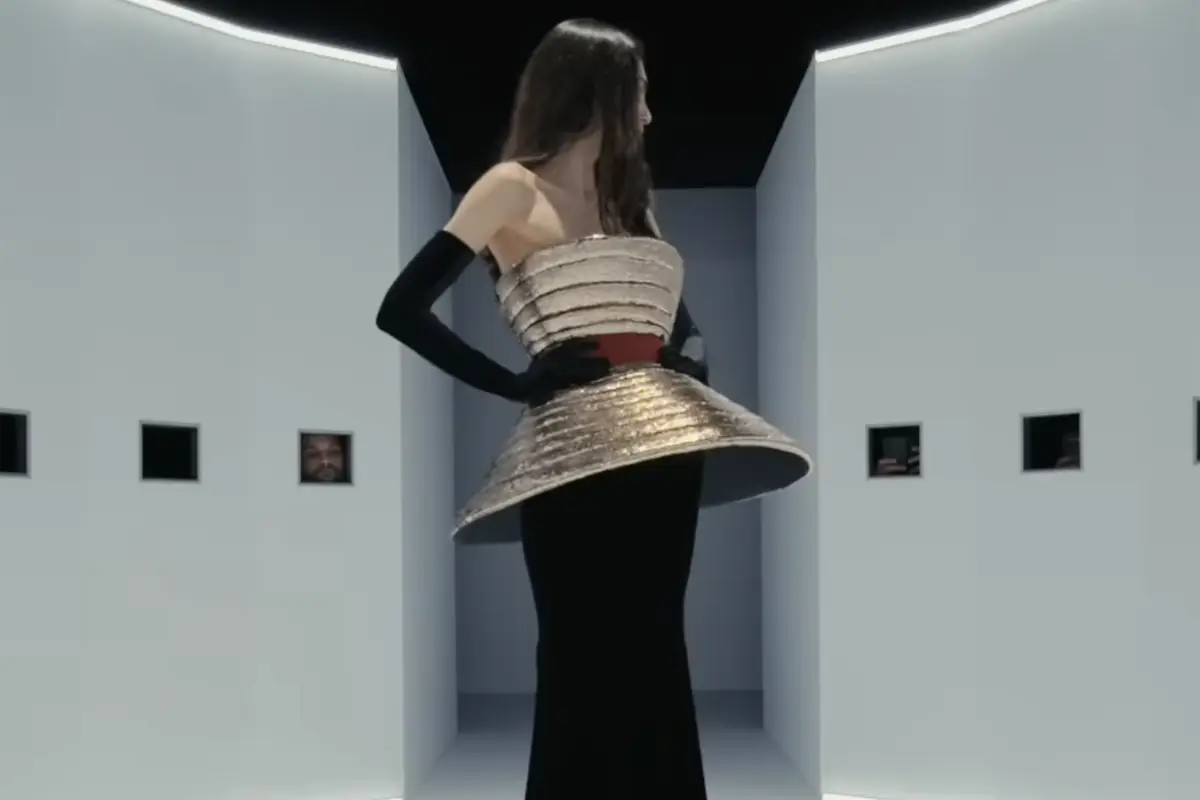
You don’t walk into a show. You don’t watch it unfold. You stop in front of it. A wall with small openings cut into it. Frames at eye level. One body at a time. You wait, then lean in, look through a hole. Inside, the clothes don’t move. They stand there, lit and sealed. They’re too close to ignore, but too far to touch. The space is deliberate, measured, enforced.
There is no procession, no collective moment or shared rhythm. Only isolated encounters, all rationed and timed. You are allowed to see through the hole, but never to enter. The opening works like a peephole, or a vitrine turned cruel. You spy on something you desire, but it refuses you. They are not worn. They are watched.
The show begins by teaching you how to look. No runway means no collective gaze, no shared movement. It is a controlled act of viewing that isolates you into an intimate, individual experience. You must be doing something illicit. An act of voyeurism that sits between you and the object of your desire.
Kaiserpanorama and couture voyeurism: Michele’s architecture of desire
Michele brings the Kaiserpanorama to couture and turns you into a voyeur.
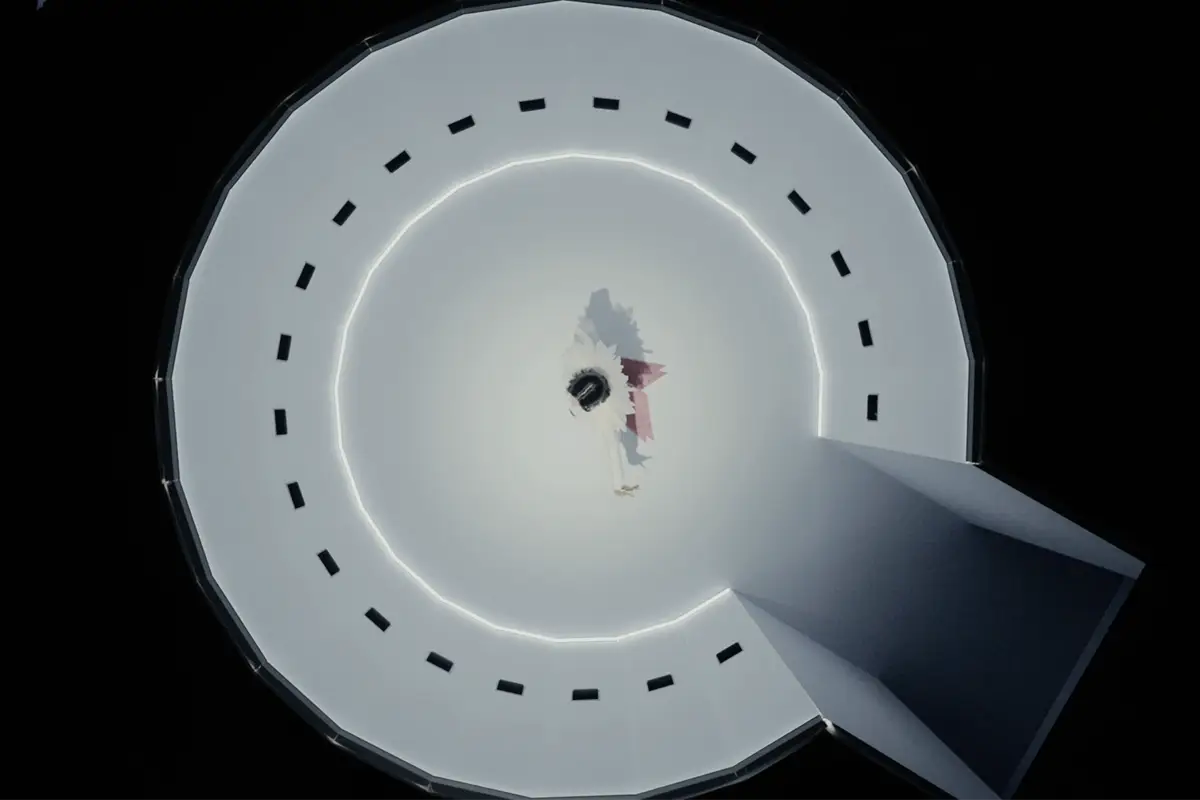
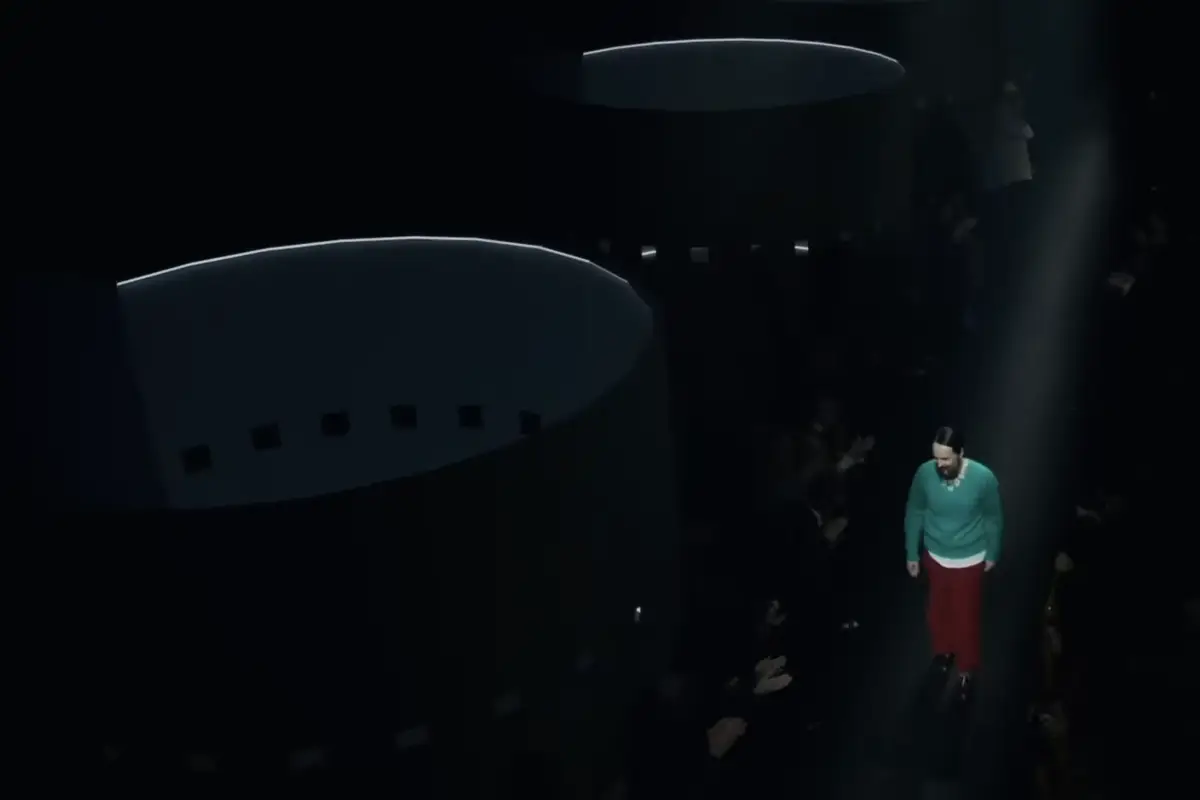
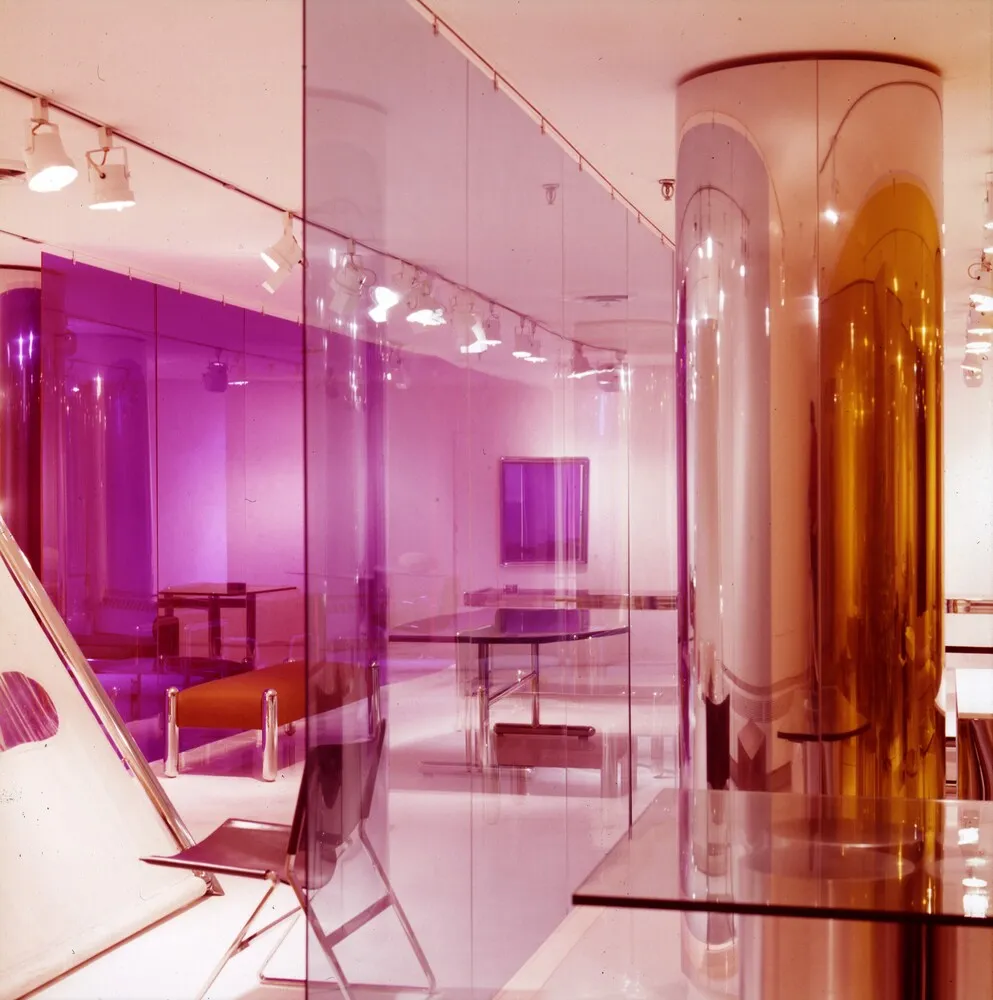
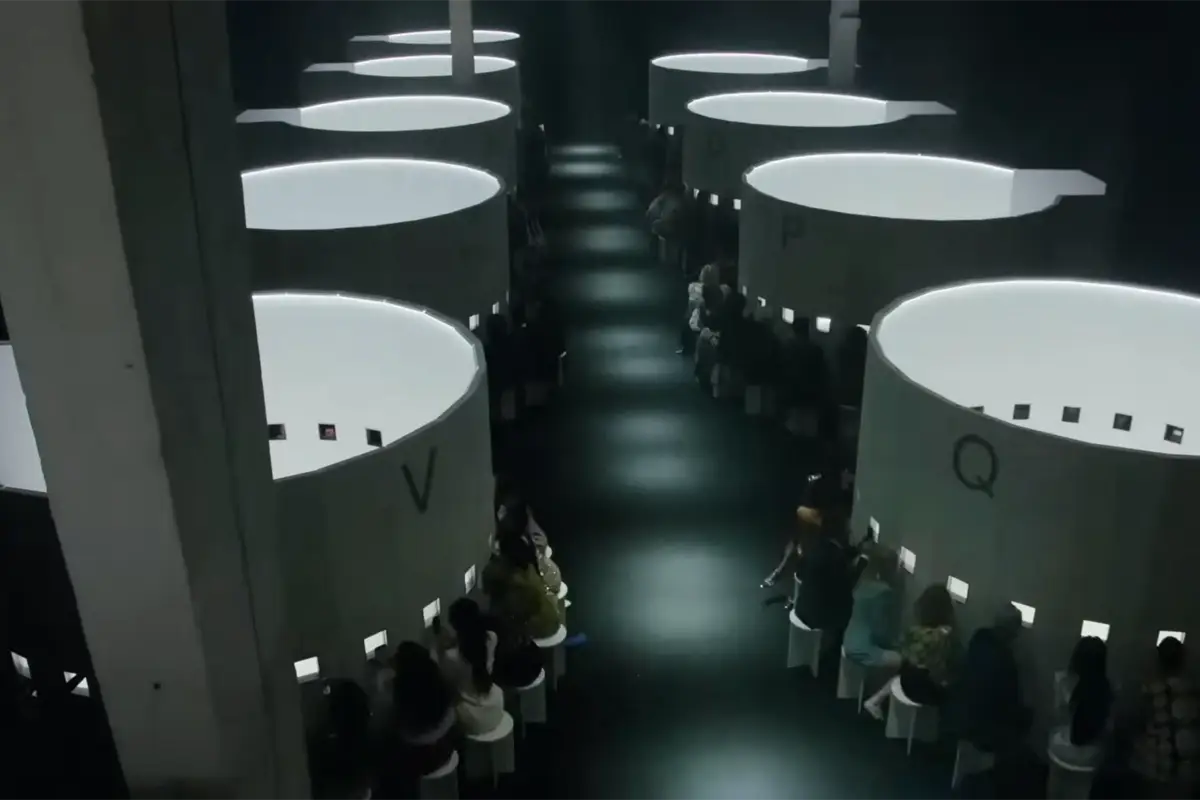
Voyeurism here is orchestrated by architecture. The space is dominated by twelve Kaiserpanorama-style cylinders, each packed with tiny, sprocket-like windows that allow only a glimpse of a single garment at a time. Inside, the dresses appear, linger for a heartbeat, then vanish. One look after another, each carefully timed, demanding full attention.
The cylinders function like miniature theaters. They reference Valentino as a boy in a darkened cinema, watching the actresses of his time in their full Hollywood glory: a form of close observation without contact. Michele described the mechanism in the show notes: «It teaches one to stay still, to focus the gaze and to assume a position built on attention.»
The cycle of appearance and disappearance creates a rhythm the spectator cannot control. You are trained to look through the hole, to linger, to wait – each window a glory hole for the queer gaze, arousing yet denied. The couture remains untouchable, its immobility intensified by the mechanics of its display. You are turned on by what you’re not allowed to touch. Couture here functions as prolonged sexual frustration. No climax, just pure tension. The work is precise. Every angle, every rotation, every opening is calibrated to prolong desire.
Valentino, Rome, and the politics of suspended desire
Valentino, like Rome, builds desire and tension, never delivering the climax.
More than before, Valentino becomes an extension of Rome. The late Valentino Garavani was Roman, as is Alessandro Michele. There is an organic oneness between the show and the city. Rome itself trains you to look, to wait, to desire from a distance. Beauty is everywhere – unavoidable. A spectacle you can never possess or touch.
In La Grande Bellezza, Paolo Sorrentino captures this logic. Tourists, aristocrats, voyeurs of every kind stare, observe, submit to a beauty that will not submit in return. They line up in palaces, take injections, pose, preen, participate in rituals that only gesture at access. Rome asks nothing of them but attention. It punishes action and rewards observation. It is sacred and crude, holy and humiliating. You are trained to look, and nothing more.
Valentino understood Rome. Alessandro Michele now channels it. The cylinders, the peepholes, the measured rhythm of viewing – this is Rome transposed into couture. The dresses, like the city’s architecture and its cinematic tableaux, stand untouchable, immobile, excessive, permanent. Desire becomes suspended. You are a witness to a system of beauty built for perpetual observation, a network of sights that intoxicate without delivering. City and couture share the same logic: excess, stillness, tension. Alluring and cruel.
Specula Mundi: Valentino couture as a closed system of excess
Specula Mundi, or mirror of the world, is the title of the show. Yet it mirrors Rome more than the rest of the world. Excess and immobility form a closed circuit, detached from the present economic climate. Couture does not respond to instability; it ignores it. It freezes itself into an autonomous, sealed world.
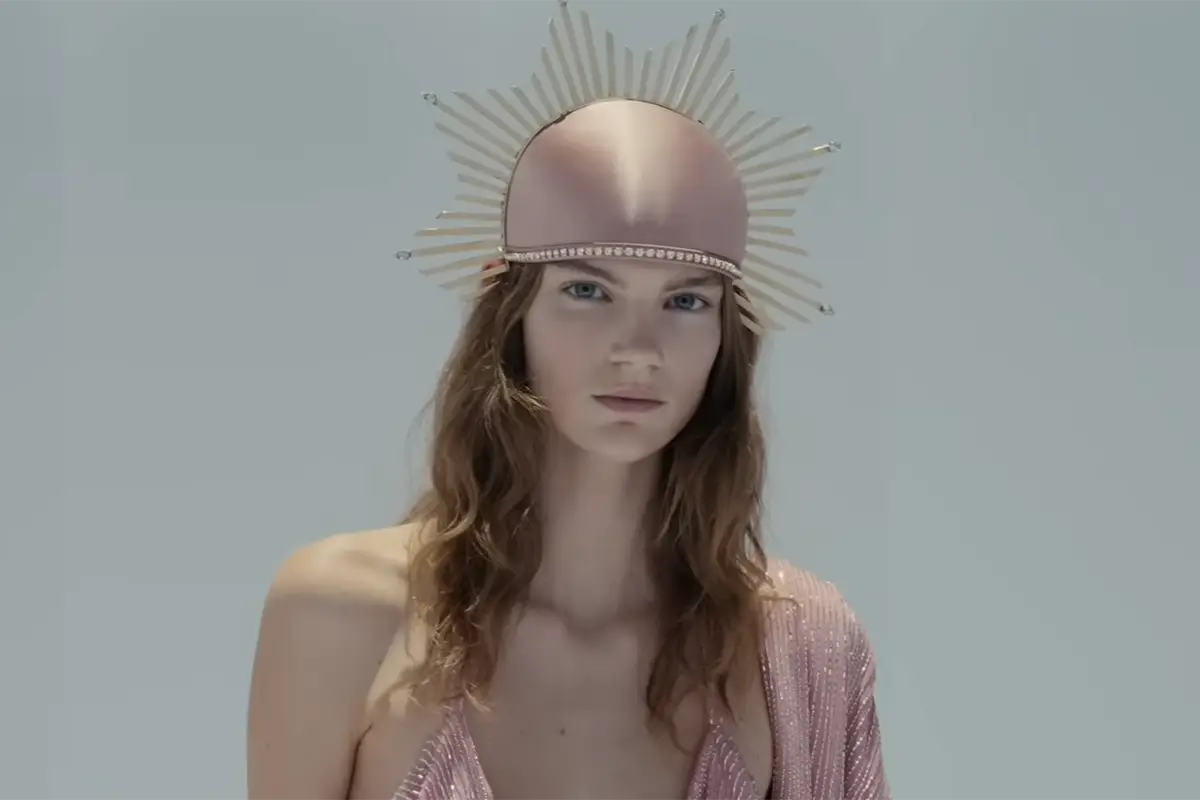
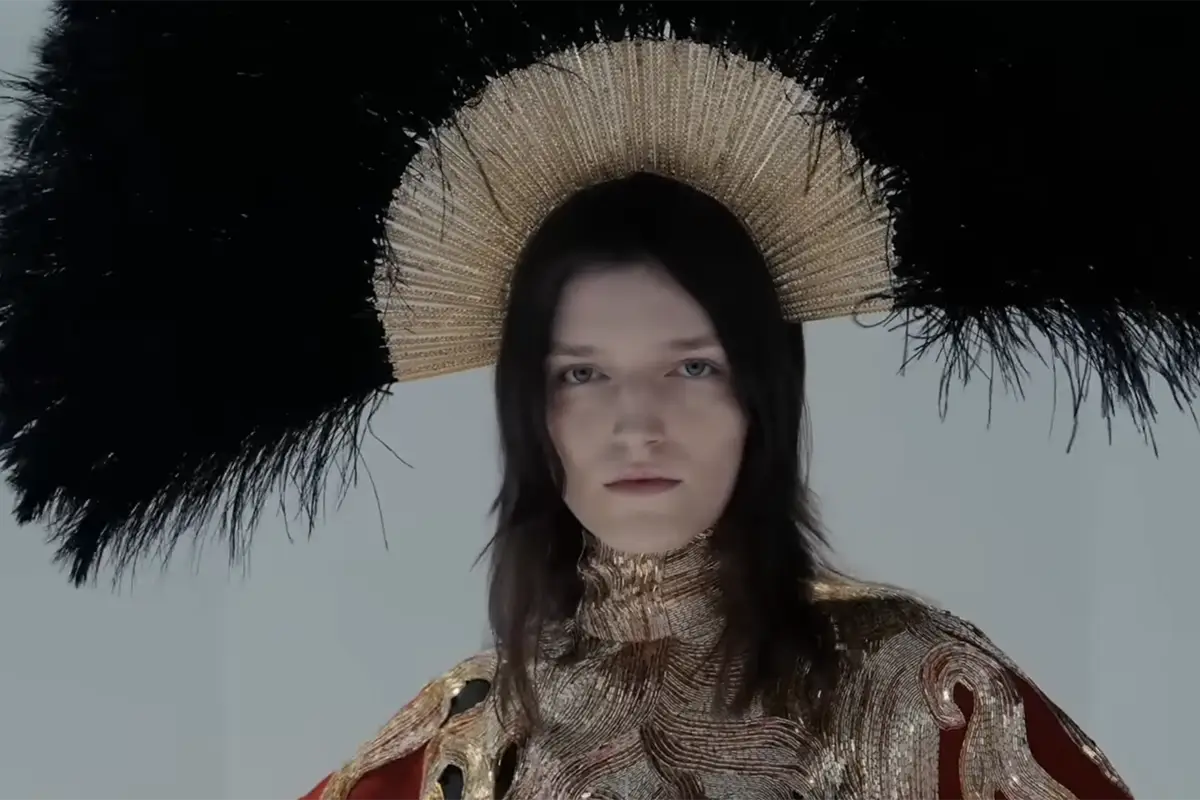
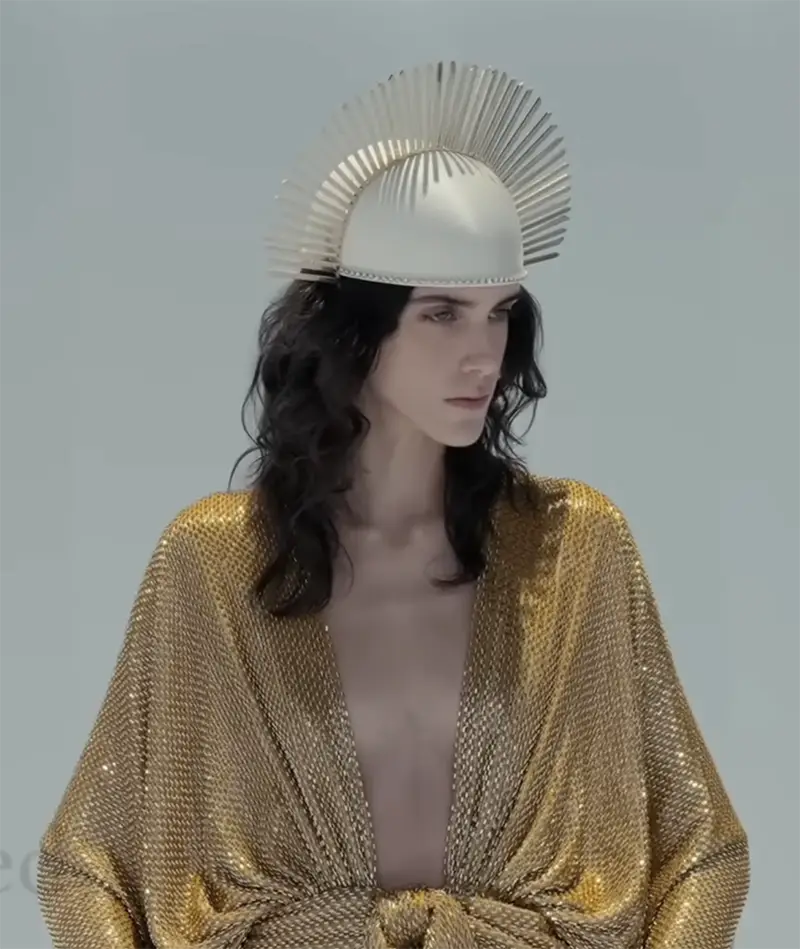
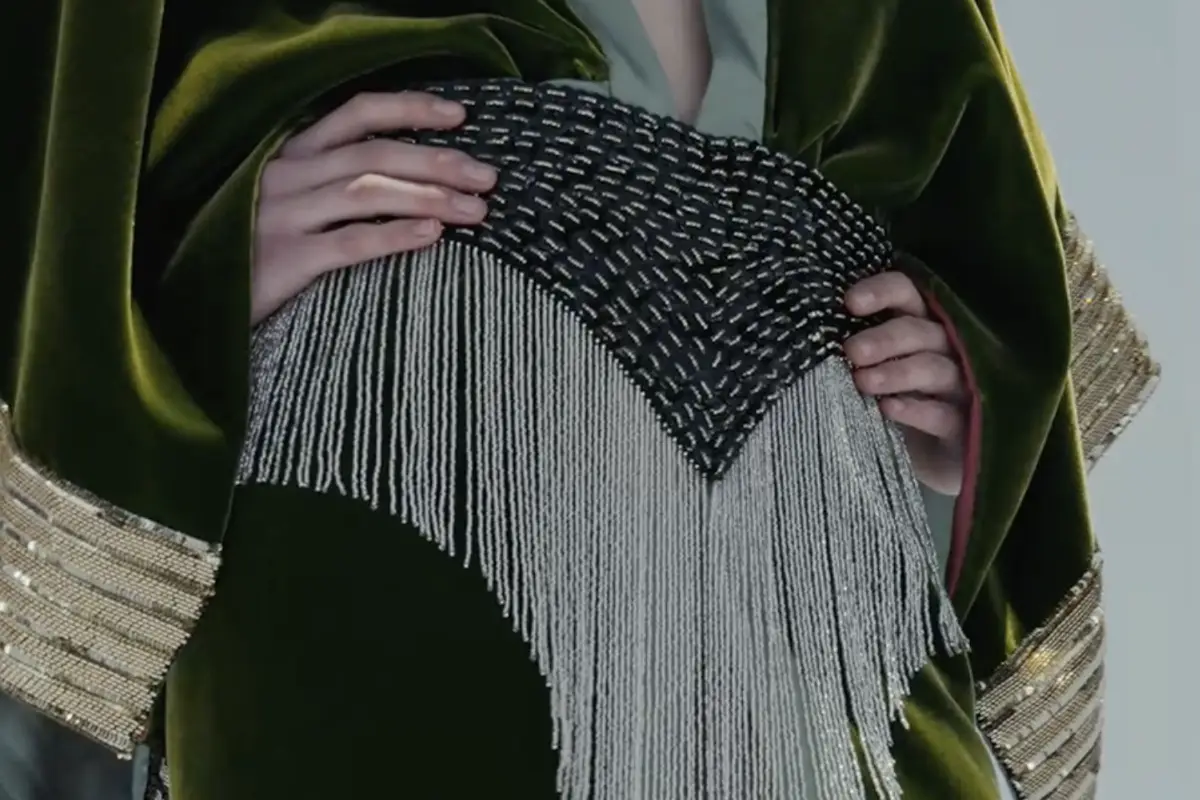
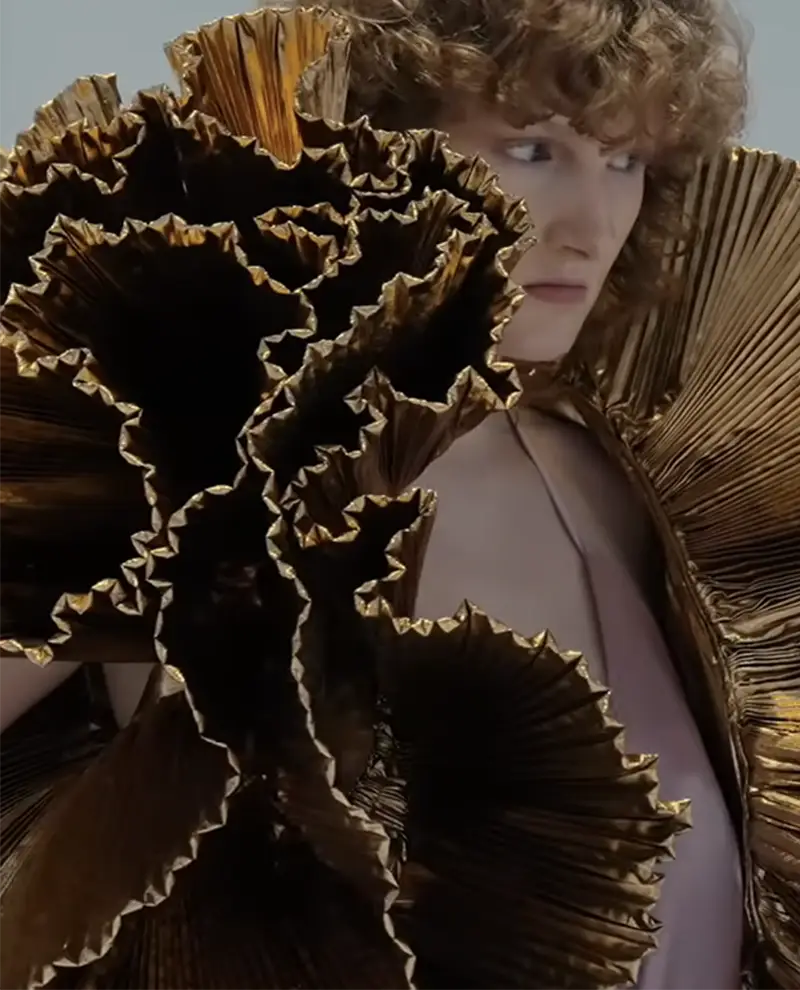
Inside this bubble, Michele’s designs become amplified fantasies. Feather fans unfold like movie set pieces, recalling the scale and precision of Old Hollywood. Headpieces spin outward in frozen kaleidoscopes of glittering geometry. Chain-mail gowns catch the light. Ornamented Greek gowns drape like theatrical statues. Opera gloves stretch endlessly, trains trail in exaggerated devotion, bows cluster in maximalist density. Tailored suits carry the same intensity.
Wealth, artistry and history are distilled into image. Indulgence is guaranteed. The outside world, with its uncertainty and instability, is rendered irrelevant. Couture becomes a self-contained system: a private theater of opulence that exists entirely for observation, desire and fantasy.