Fashion needs authorship above all! Gucci and those sexy brands that are movie producers
As fashion brands invest in cinema, the question is no longer communication vs. marketing, but where authorship is produced and allowed to outlast the runway cycle
The Beast by Ami Paris & The Tiger by Gucci: Lasting presence over quick reaction
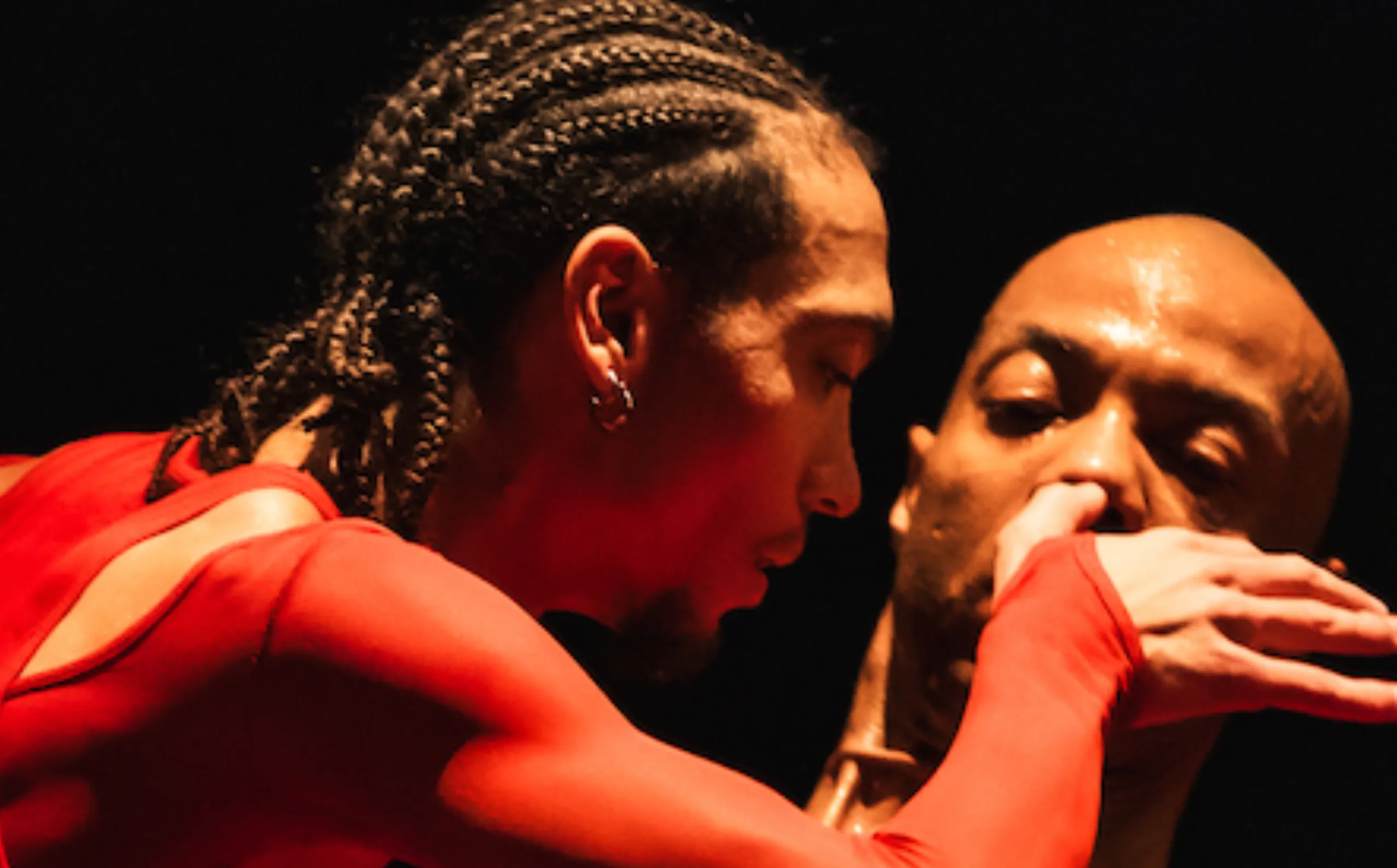
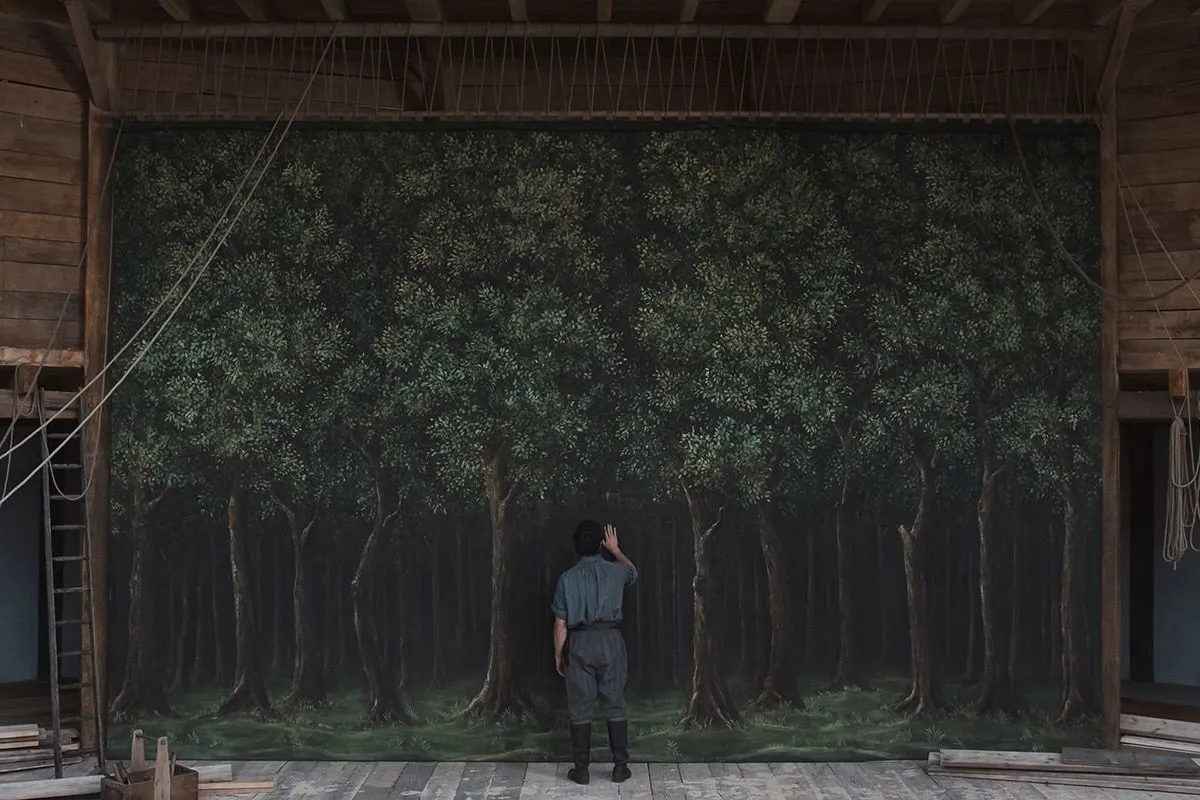
The Beast by Ami Paris brings out a different side of the brand. Fashion film allows a less provocative brand to explore tonal and conceptual territory impossible on the runway. The film is darker, slower, more narrative-driven than any Ami Paris show could be. The runway communicates accessibility, brevity and immediate consumption. The film allows the brand to engage with mood, existential themes, subtle cultural commentary.
The impact of The Beast over an Ami Paris show is straightforward — extended afterlife, cultural discussion, critical engagement. Unlike the runway, which is bounded by fashion week cycles, The Beast circulates in multiple contexts. It reaches film audiences, critics and cultural commentators who may or may not follow seasonal fashion. Authorship, again, emerges through patience and presence rather than immediacy.
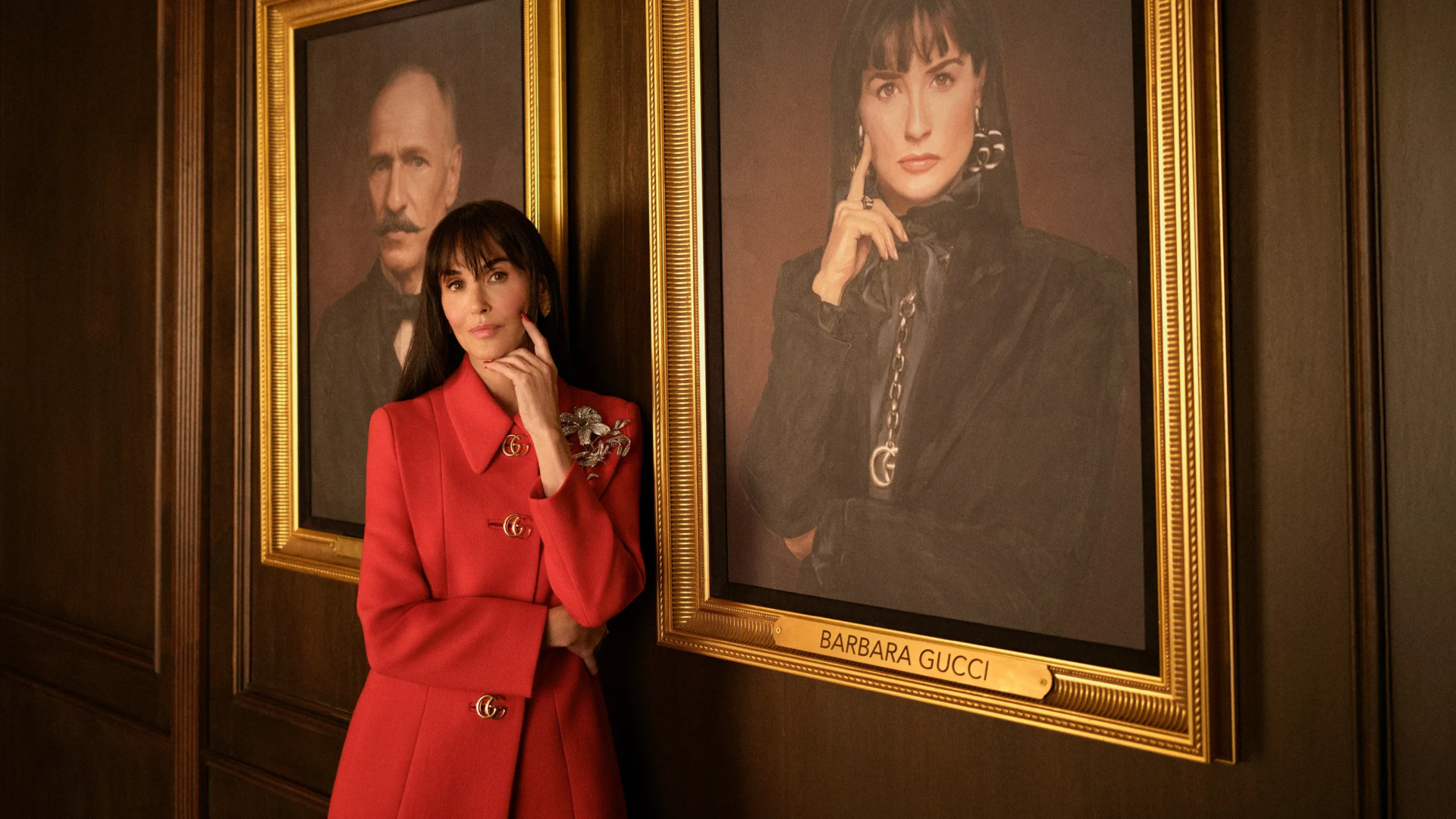
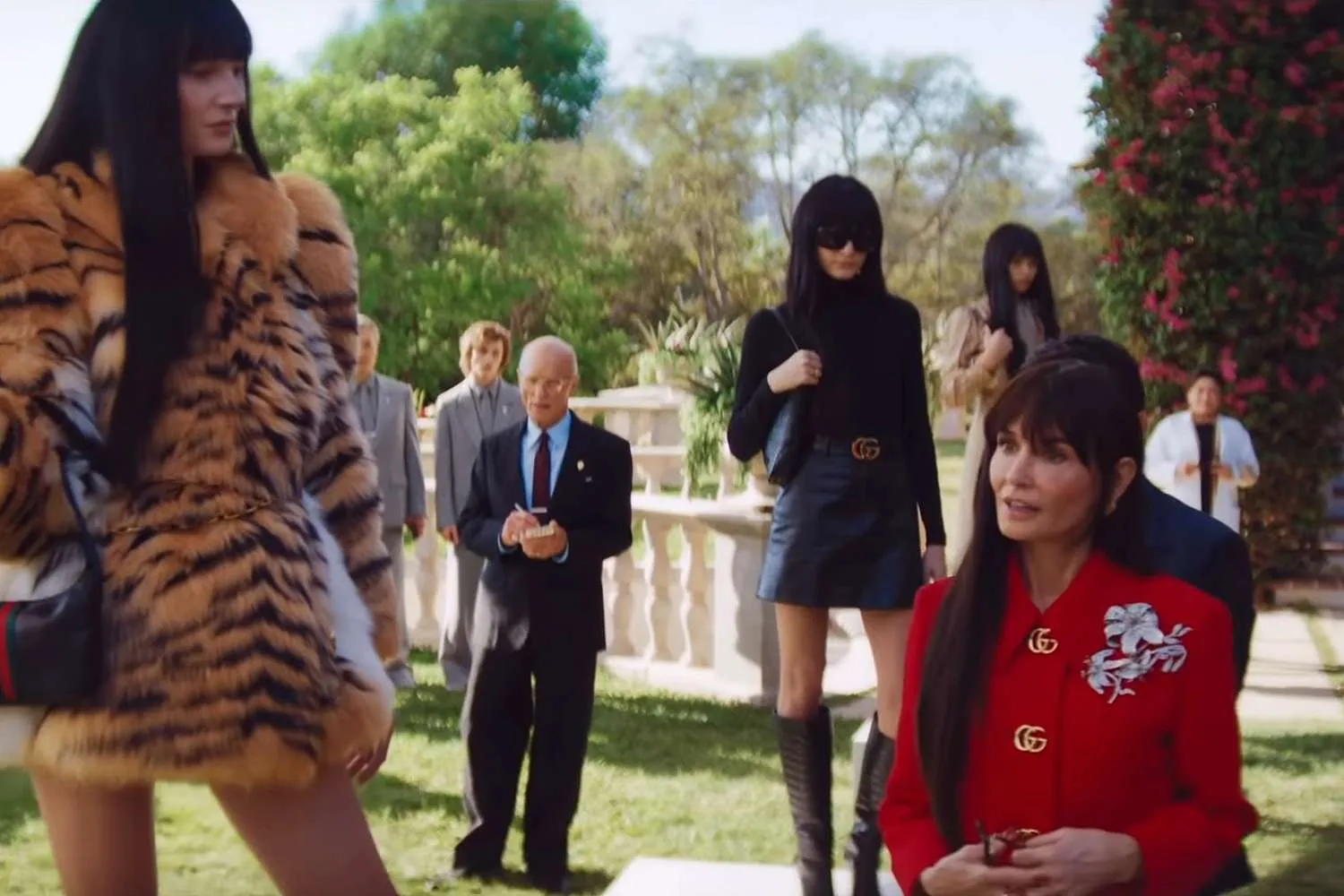
The Tiger, which Gucci presented in September instead of a traditional fashion show, is the latest fashion film that prioritizes presence over immediacy. High production values, visual effects, extended storytelling — this allows Gucci to explore themes beyond clothing presentation. Fashion is present, but secondary to narrative impact. Gucci shows work in bursts of immediacy, but The Tiger maintains visibility and discussion across time. It positions the brand within a broader cultural conversation, from film criticism to online discourse.
Fashion film and the runway: where is fashion headed?
Do fashion shows and films now serve as tools of communication or marketing formats? The answer is likely neither. Both establish authorship, but they use different means. The difference is no longer in intent but in effectiveness.
Runway has always been the place where a brand’s vision is tested. A show that condenses months of work into a short sequence, and it has to hold it all together conceptually, visually and emotionally. This is where a brand demonstrates control over image, over casting, over space and narrative. For decades, the show mattered because it produced consensus. If it worked, the season was defined.
This function is still there, but the conditions around it have changed. The number of shows has increased, so has the speed of circulation. The attention span of the system has narrowed. Shows are consumed primarily as images, often detached from sequence, sound or context. What remains is more of documentation than experience. Even highly produced shows now struggle to exist beyond a brief press cycle. The runway continues to launch collections, but is the capacity to hold meaning over time as strong?
Fashion film has now shifted from collaboration to authorship
Fashion has begun to invest in cinema, and it goes beyond collaboration or sponsorship. No branded films or visual extensions of campaigns, but full productions, built around directors, scripts, actors and festival distribution. This takes years to develop and circulate slowly, and it’s done through criticism rather than virality. The aim is no longer to explain the brand or reference its products. Their value lies elsewhere.
Cinema offers something the fashion show no longer reliably provides — duration, memory and validation. A film is watched in sequence, discussed as a whole and positioned within a cultural hierarchy that fashion doesn’t control. It invites more interpretation and less reaction. The afterlife is now measured in reviews, retrospectives and references. When brands decide where to place their most ambitious ideas, the choice reflects where those ideas are more likely to survive. The question is no longer which format is more expressive, but which one still produces authorship.
The fashion show at its best: Authorship through immediate reactions
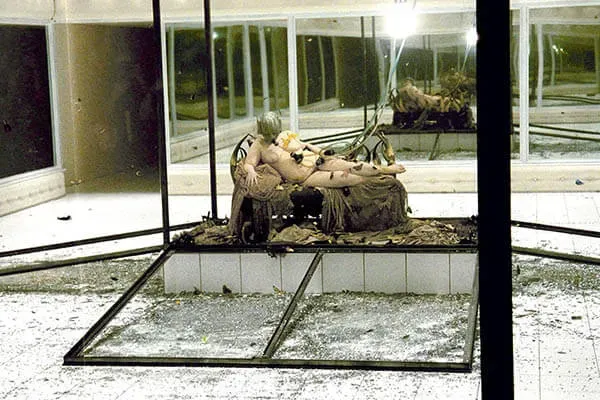
When Alexander McQueen presented VOSS back in 2000, the show didn’t introduce a collection as much as impose a condition. The models were enclosed inside a mirrored box, visible only after an extended delay, while the audience stared at its own reflection. The glass then shattered, revealing a nude woman breathing through a mask. The clothes were almost secondary now. What remained was the experience. It was controlled, violent, uncomfortable but impossible to dilute. The show fixed itself in memory.
This is what the fashion show has always been capable of at its strongest. It can compress months of work into a single moment that reorganizes how a brand is understood. It can establish authorship through control over space, casting, sequence, sound, proximity. The room matters. The timing matters. The fact that it happens once, in front of a limited audience, has historically been part of its power.
Other shows hold a strong place in history as well. Martin Margiela’s early presentations displaced the runway entirely, replacing spectacle with absence and anonymity. John Galliano’s shows at Dior turned the format into narrative theatre. They used excess and historical fantasy to construct worlds that went beyond the garments. Are these moments remembered as marketing exercises? Not so much. They are remembered as aesthetic, cultural and irreversible decisions.
Immediacy of fashion shows: Real-time meaning that cannot be replicated elsewhere
The fashion show excels at immediacy. It produces meaning in real time, under controlled conditions. The show demands attention without explanation. Unlike cinema, it doesn’t rely on duration or narrative development. When a show works, it communicates faster than any other format fashion has. This efficiency gave the runway cultural leverage for decades. A strong show could dominate discourse for weeks, influence an entire season, define how a collection would be read before it ever reached stores. It created an impact quickly and decisively.
That capacity has not disappeared entirely. Brands like Prada and Miu Miu still use the runway as a thinking device rather than a delivery system. Their shows generate friction, debate and misreading, because they resist immediate clarity. Even today, the fashion show can still be a place where ideas are tested in public.
But the conditions that once made the runway dominant have changed. What was once rare is now constant. What was once experienced as a whole is now fragmented into images. The fashion show still produces impact, but the impact no longer guarantees memory.
Fashion film invites slow circulation over the show’s instant coverage
Fashion film is built around time and attention. Unlike the runway, it unfolds sequentially and exists outside the seasonal calendar. Scripts, directors, casts, production timelines — all these stretch it far beyond the few minutes of a show. Showcasing garments directly is not the priority here. The film establishes presence, narrative tone and cultural visibility beyond the terms of the fashion system.
Early experiments were mostly sponsorship or costume support. Brands provided resources, directors shaped the work. Brands then started to move toward full production, commissioning films designed first as cinema, with the brand visible but not explanatory. The industry saw the newer format with the collaboration of Ami Paris with Bertrand Bonello on The Beast, Prada’s short cinematic pieces, Karl Lagerfeld’s shorts for Chanel. The brands invested in a structure they couldn’t fully control. Fashion film became a reception process that unfolds slowly more through critique and circulation than immediate press coverage.
Fashion film operates under different conditions too. It allows duration. A two-hour or even ten-minute film can be watched repeatedly, analyzed, referenced. It invites external validation of film festivals and critics. Cultural institutions step in independently of the brand’s intent. It allows experimentation. Here, narrative, tone and emotional impact can be explored in ways that would not translate on a runway.
American Gigolo: The moment fashion entered the male cinematic body
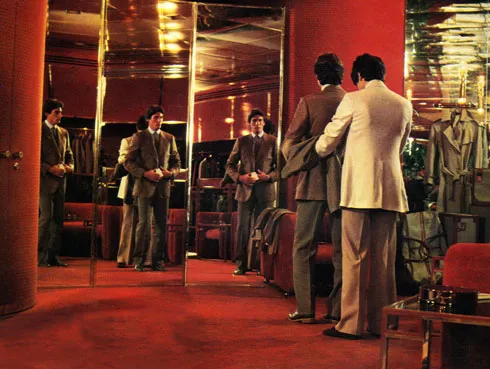
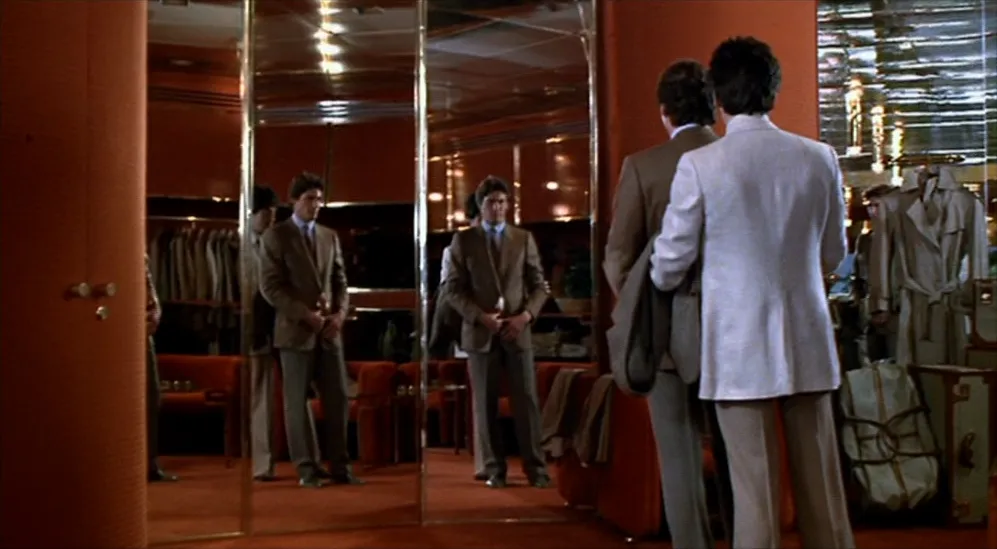
When American Gigolo was released in 1980, it did more than launch Richard Gere into stardom. The film created a direct relationship between fashion and film. Giorgio Armani’s tailoring took center stage, moving fashion from a background costume to a narrative architecture. The clothes were inseparable from character construction. Cut, fabric, silhouette — this articulated Julian Kaye’s authorship, desirability and social mobility. The camera lingered on dressing rituals, on the precision of a jacket falling into place. Masculinity was performed through wardrobe discipline.
What made American Gigolo decisive was the structural integration. Armani’s suits reshaped the cinematic male image — softer shoulders, fluid lines, European restraint. They introduced a new visual code to the American male clothing of the 1980s. Fashion was no longer decorative. The film showed that clothing could define power, class and erotic capital as clearly as dialogue and plot. The result was a model for future collaborations. When fashion aligns with character and narrative logic, it builds identity instead of advertising.
Screen over the runway: The shift after COVID-19
The shift of fashion toward film was accelerated by the pandemic. When physical shows were canceled or moved entirely online in 2020 and 2021, brands had to find alternative ways to present collections and maintain relevance. Some experimented with live-streamed runways, but these largely retained the limitations of the runway — brief duration, limited narrative control, a press-driven life span. Fashion film offered a format that could be produced remotely, edited precisely, released strategically. The films didn’t replace shows. They allowed brands to maintain visibility, assert control and invest in cultural memory during a period when traditional avenues were inaccessible.
Strange Way of Life: How Saint Laurent placed fashion in cinema
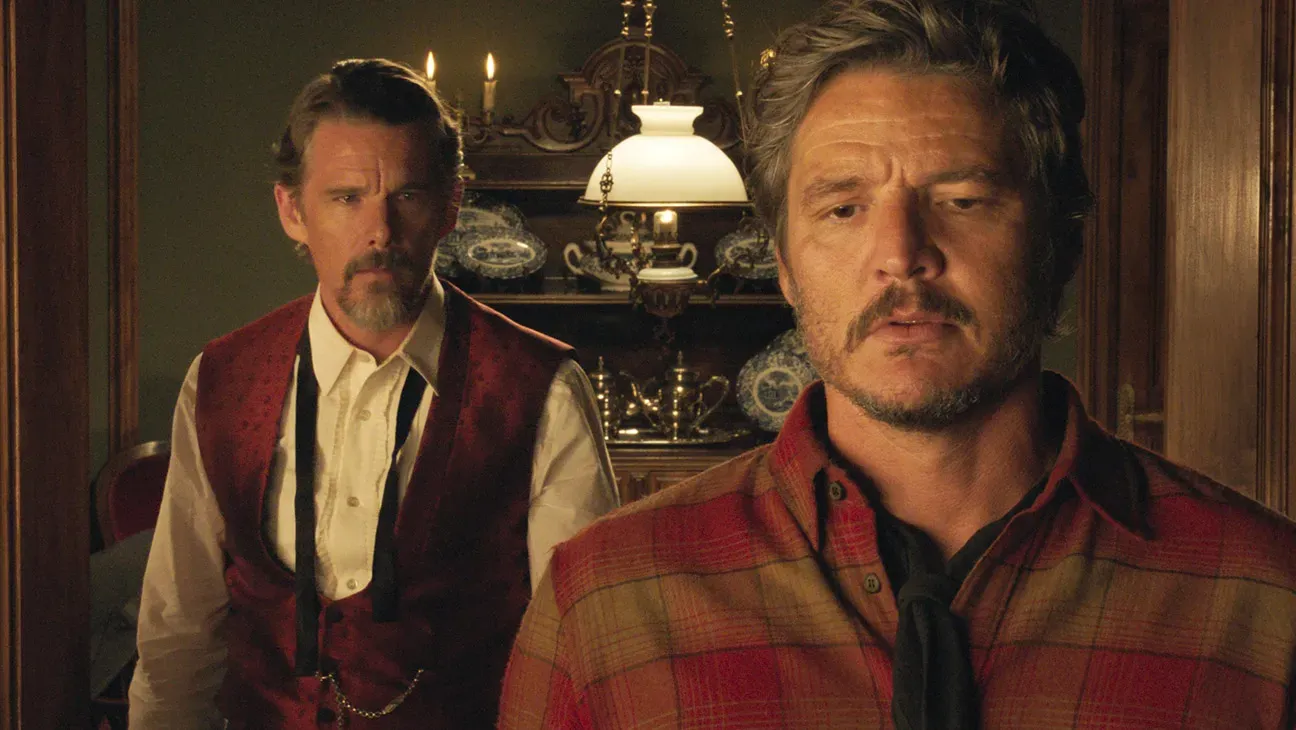
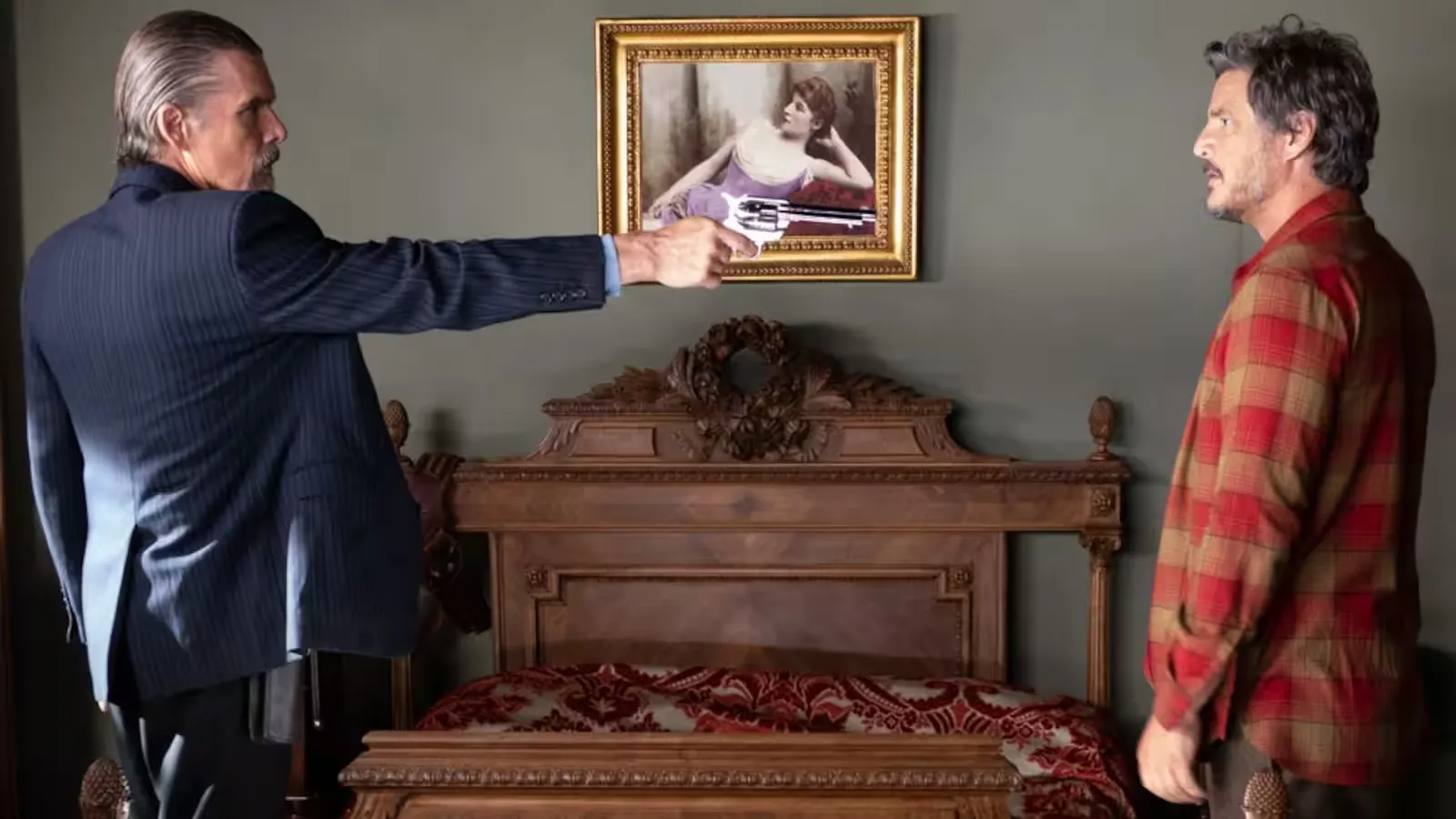
When Strange Way of Life was released in 2023, Pedro Pascal and Ethan Hawke were the main names making headlines. The short film about two gunfighters brought a new format of fashion film. The name of Saint Laurent was nowhere in the forefront. It was a fashion film functioning as a quiet statement of a brand. The narrative, direction and casting were designed first as a film project, with fashion present but not foregrounded. The film even premiered outside of Paris Fashion Week, in a context normally reserved for cinema rather than fashion.
The advantage over the runway here is evident. A Saint Laurent show communicates immediacy — a controlled mood in a short burst, images circulating for days. But the film allows the brand to extend its influence beyond the runway window. It creates cultural discussion. It’s cited in criticism. The film enters archives where it can be referenced months or years later. The afterlife is measurable in reviews, screenings, essays, way beyond social impressions or street-style photos.
With Emilia Pérez, Saint Laurent positioned itself within a broader cultural context
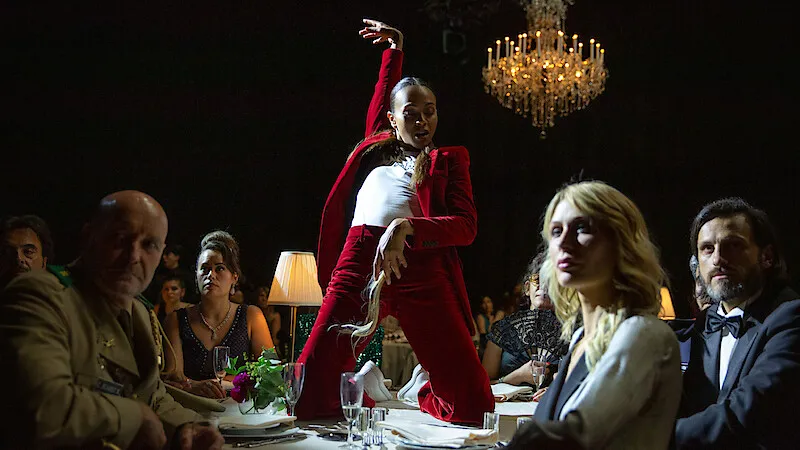
Emilia Pérez represents a different strategy. The film maintains strong fashion presence but is still framed as cinema first. Costumes are visible, but narrative, pacing and mood dominate. The film was released in festival circuits and media outside fashion. This allowed it to reach audiences who would not normally attend a runway show. The film received thirteen Academy Award nominations with two wins and four wins from ten Golden Globe nominations. It entered Hollywood first — an entirely different territory.
Compared with a Saint Laurent fashion show, Emilia Pérez extends attention span and embeds the brand in conversation beyond the immediate fashion press. Shows, even high-profile ones, are compressed into twelve minutes, quickly consumed, disappearing from cultural memory after a week. A film such as Emilia Pérez operates on months of discussion, analysis and reference. Authorship here is the brand’s cultural relevance that persists longer than the immediate spectacle of the runway.
Fondazione Prada Film Fund: Fashion as structural patron of cinema
Fondazione Prada Film Fund marks a shift from symbolic engagement with cinema to material input. When they launched it in 2025, the primary goal was to support filmmaking and production processes. Now, the fund supports fourteen feature projects across development, production and post-production, spanning twenty-six countries. The slate includes Apichatpong Weerasethakul, Tatiana Huezo, Hlynur Pálmason, Corneliu Porumboiu, Yuri Ancarani — directors associated with disciplined, research-driven cinema. Four projects are in development, nine in production, one in post-production. A distribution that underscores involvement across the entire lifecycle of filmmaking.
Miuccia Prada frames the initiative around artistic dynamism, experimentation, the need to materially sustain visionary practices. The emphasis here is not on image control or brand narrative. Enabling filmmakers who require concrete production support to realize complex, demanding work is the goal.
This repositions fashion within the cinematic ecosystem. Instead of appearing inside the frame, Prada operates within the system that allows films to exist. For the fashion industry, this signals a broader cultural ambition — moving beyond seasonal visibility, toward long-term participation in the intellectual and economic conditions that shape contemporary auteur cinema.
Will fashion film eventually replace the runway?
The fashion show remains significant because of what it cannot control. Its value lies in immediacy. It happens once, in real time, in front of bodies that react. Sometimes it’s as intended, sometimes not. There is momentum in the room, a collective response that cannot be edited, corrected or fully managed. Even within a controlled environment, the show is raw, unfiltered. Sound glitches, casting choices, awkward pacing, unexpected reactions — these elements are part of the format’s authorship. The show produces tension, risk and presence.
This is something film cannot replicate. Fashion films are constructed through layers of mediation — editing, post-production, framing, pacing. They are precise by design. Nothing is accidental. Emotional impact is engineered. It’s not witnessed. The thrill of a show comes from exposure; the impact of a film comes from construction.
Fashion film is not meant to reproduce the runway experience. They exist to relocate fashion into spaces where it doesn’t naturally belong. Cinema allows brands to operate outside fashion’s immediate codes and to engage with subjects that cannot be addressed directly through clothing presentation. A film like Emilia Pérez is not about showing garments; it is about positioning a fashion brand within social, political and cultural conversations that exceed the limits of the runway. When fashion enters cinema, it does so as something adjacent to culture, authorship and narrative authorship. The brand is no longer speaking to insiders at a show, but to critics, audiences and cultural institutions that don’t revolve around fashion. The authorship produced here is less spectacular and more durable.
Fashion in cinema: Risk, resources and the absence of consequence
Fashion shows are expensive but predictable. They rely on large teams, short timelines, established systems of visibility. The outcome is immediate and largely contained within the fashion cycle. Films require different resources. They involve more people, longer production periods and extended post-production. Their reception is uncertain and develops over time, often outside fashion’s usual channels. From an operational standpoint, films are heavier and less controllable.
Fashion brands can absorb this uncertainty. They are not dependent on box office results or audience performance. A film can fail commercially and still serve its function. What is at stake is not revenue but positioning. Collections will continue, shows will continue, the brand’s structure remains intact. This imbalance explains why fashion films are viable. Cinema becomes a space where brands can invest ambition without threatening the system that sustains them.
Susanna Galstyan