
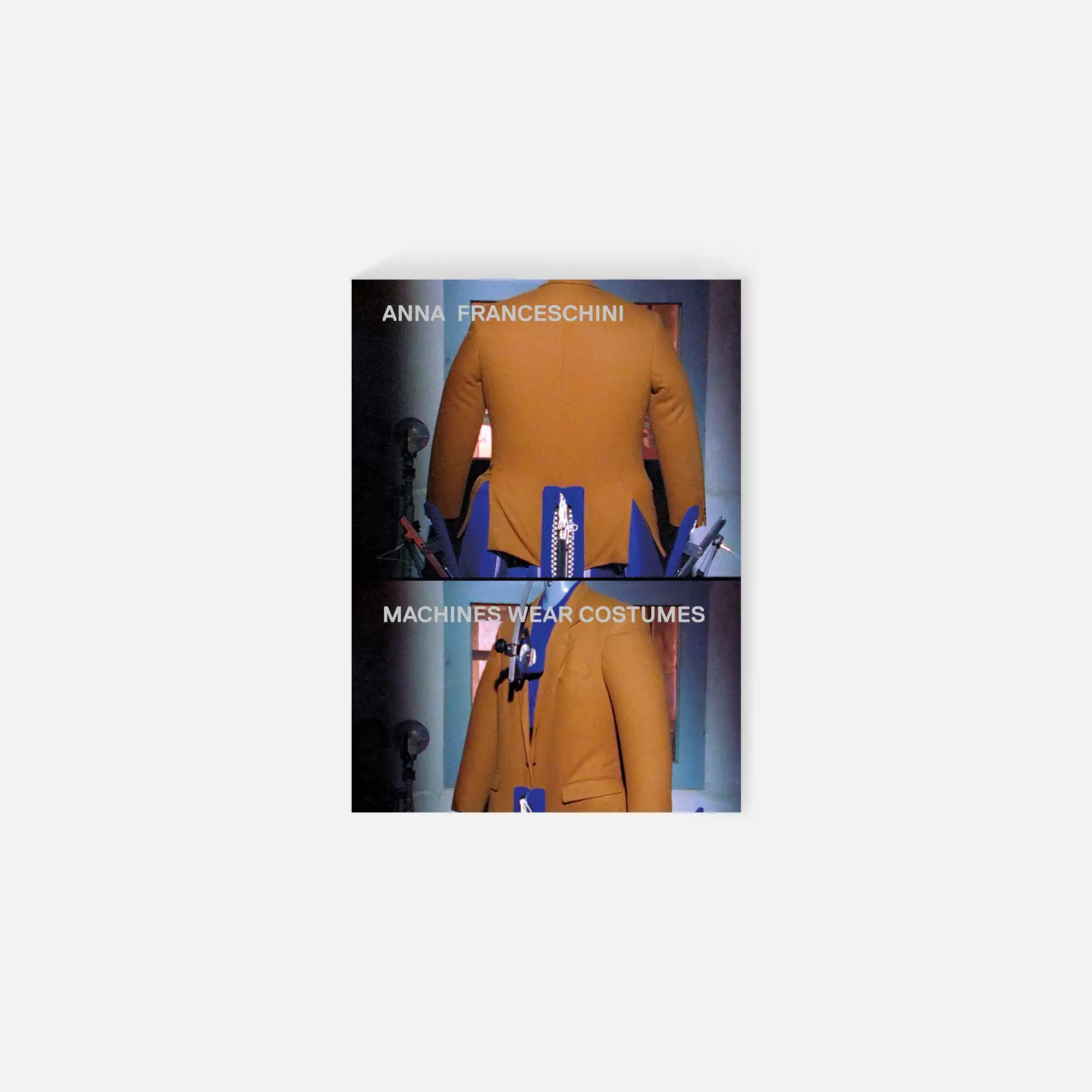


Anna Franceschini – Machines Wear Costumes
32,00 €
Out of stock
The first monograph on Anna Franceschini explores animation, kinetic sculpture, moving images and the relationship between machines, bodies and desire. Published by Lenz Press in 2026.
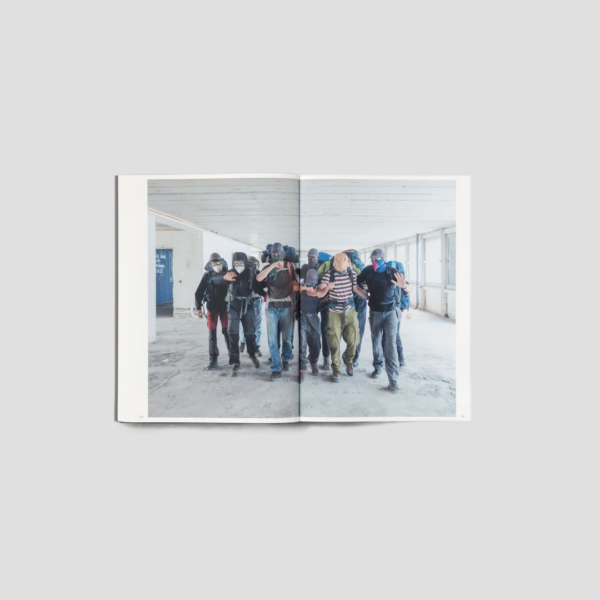
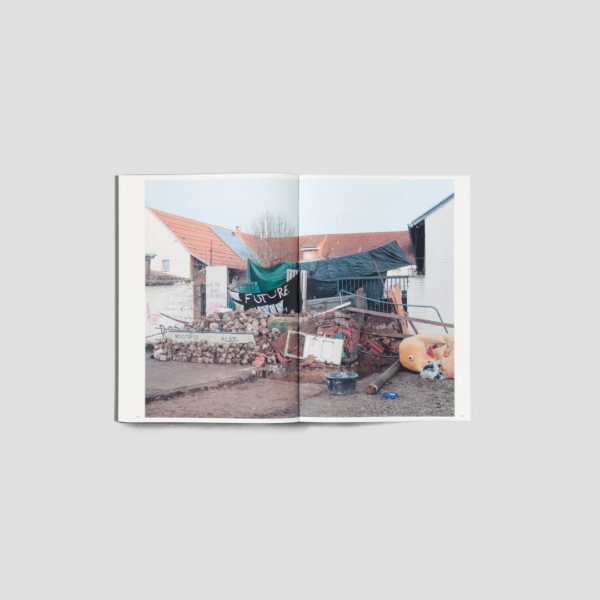
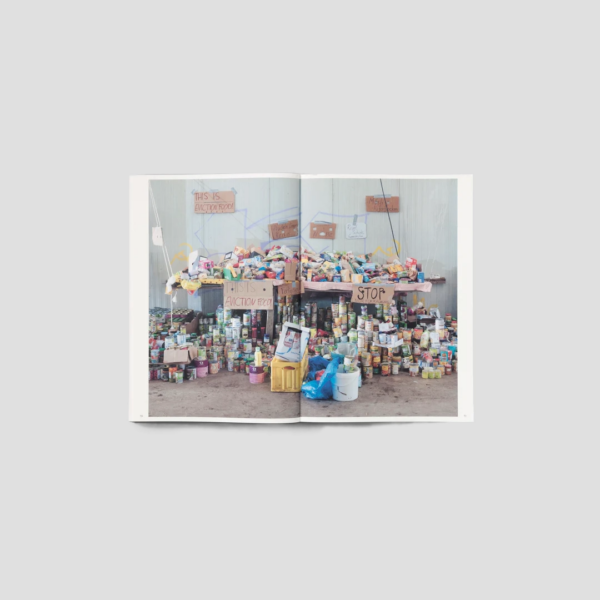
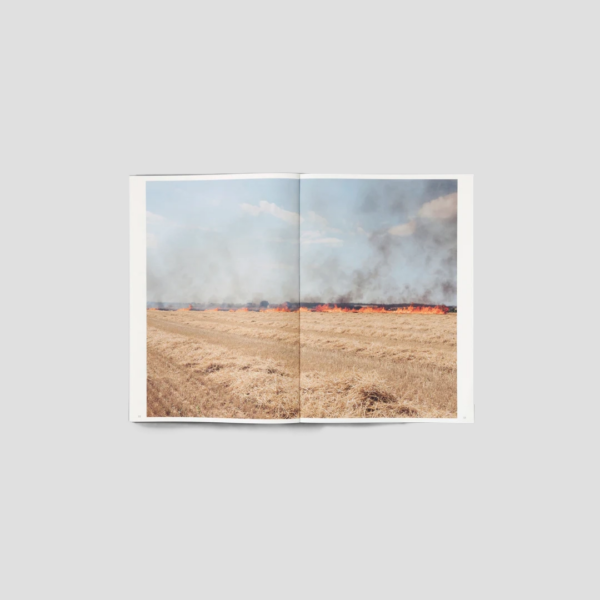
Machines Wear Costumes is an art monograph dedicated to Italian artist Anna Franceschini, published by Lenz Press in Milan. Bringing together works created between 2007 and 2025, the book examines the artist’s practice across experimental cinema, kinetic sculpture, performance and the animation of everyday objects.
Conceived by Vela Arbutina and Anna Franceschini, and edited by Attilia Fattori Franchini, Anna Franceschini and Ilaria Gianni, the publication takes the form of an associative glossary rather than a chronological catalogue. Images, essays and quotations establish connections between different works, materials and theoretical references.
Anna Franceschini: Machines, Cinema and the Animation of Objects
Born in Pavia in 1979, Anna Franceschini works across moving images, performance, sculpture and experimental film. Her research examines the mechanical structures of cinema and the possibility of giving manufactured objects an autonomous, animated presence.
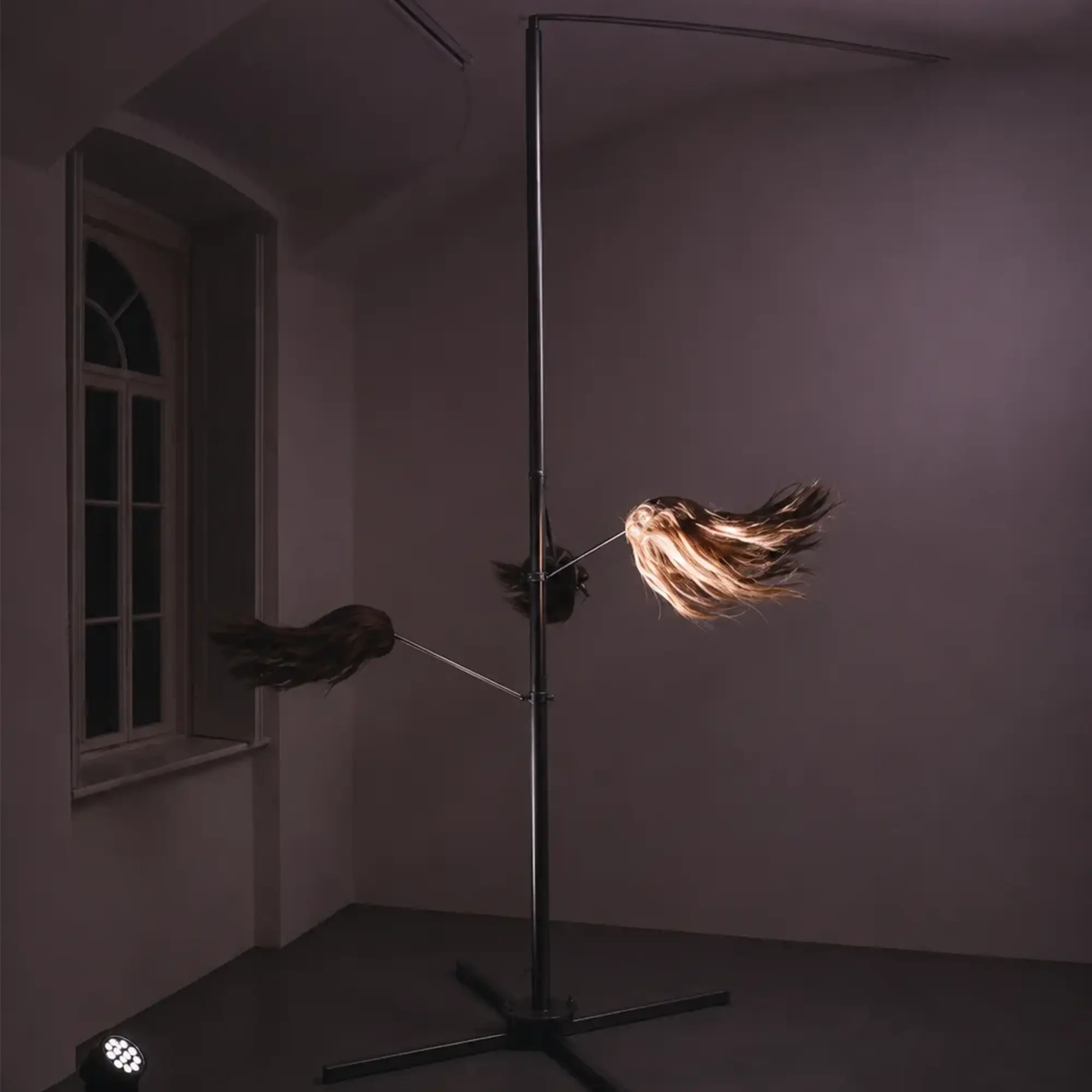
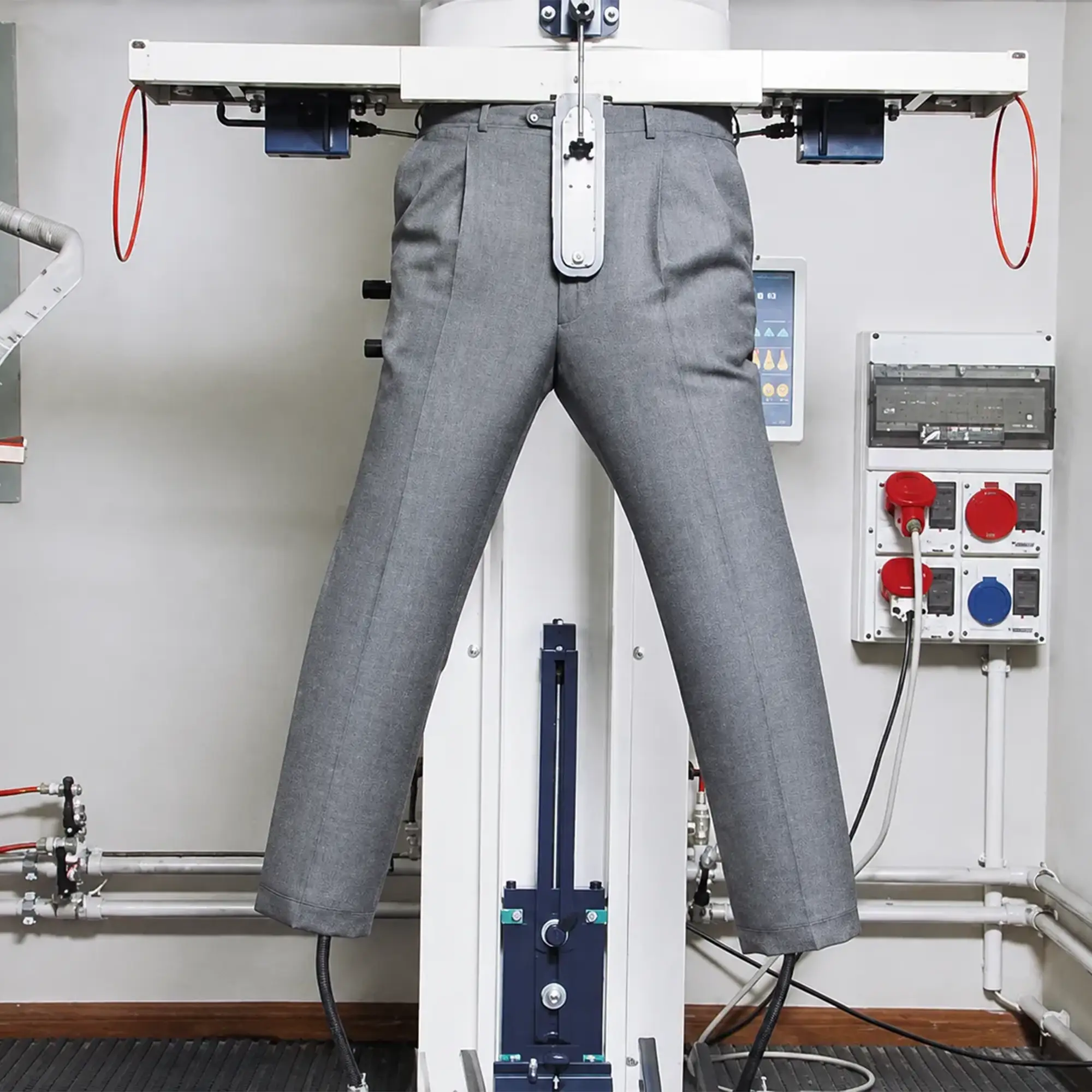
Motors, rotating mechanisms, industrial objects and everyday commodities become part of installations in which movement operates as a form of expression. Through repetition, rotation and carefully constructed sequences, Franceschini investigates the point at which a machine appears to acquire intention, personality or desire.
Her work reverses the conventional relationship between cinema and mechanical technology. Rather than considering the machine only as a device for producing images, Franceschini approaches mechanical movement itself as a cinematic event.
Machines Wear Costumes: A Glossary of Animation, Body, Machine, Ghost, Desire and Window
The publication is structured around six principal entries — Animation, Body, Machine, Ghost, Desire and Window — developed through smaller thematic subdivisions.
The glossary creates relationships between works that may be distant in time but connected by recurring gestures, objects and conceptual concerns.
Individual entries move between artistic analysis, literary references, philosophical fragments and descriptions of Franceschini’s installations.
The book draws on Walter Benjamin’s The Arcades Project, with its fragmentary method of constructing meaning through juxtaposition, and Aby Warburg’s Mnemosyne Atlas, where recurring images establish relationships across different cultural and historical contexts.
In Machines Wear Costumes, this approach invites readers to move between entries rather than follow a prescribed sequence. Interpretation emerges through repetition, association and the proximity of images and texts.
Animation, Kinetic Sculpture and the Politics of the Body
Animation occupies a central position in Franceschini’s practice. Mechanical movement becomes a means of constructing gestures, personalities and relationships between objects.
Her installations bring together technologies associated with industrial production and the visual language of performance. Automata, rotating structures and theatrical mechanisms suggest forms of life that exist between the mechanical and the organic.
The artist’s research also engages with the legacy of Marcel Duchamp’s bachelor machines and the relationship between machinery, eroticism and artistic representation.
Franceschini’s animated objects challenge conventional distinctions between active and passive, human and non-human, subject and apparatus. Through these mechanisms, movement becomes a site of reflection on agency, desire and the cultural structures that organize the body.
A Monograph Between Contemporary Art and Experimental Publishing
Machines Wear Costumes combines newly commissioned contributions with extracts from previously published texts.
The book includes essays by Mohamed Almusibli, Attilia Fattori Franchini, Ilaria Gianni, Ingrid Luquet-Gad, Jeppe Ugelvig and Marianna Vecellio, alongside a wider collection of critical voices.
Designed by Vela Arbutina, the publication extends Franceschini’s artistic method into its editorial structure. Instead of presenting a definitive interpretation of the artist’s practice, the book operates as a system of connections between cinema, literature, sculpture, technology and critical theory.
The volume also includes a list of works from 2007 to 2025, a biography and a colophon.
Published by Lenz Press and promoted by Kunstverein Gartenhaus in Vienna, the monograph was supported by the Italian Ministry of Culture through the Italian Council programme.
/ 176 pages
/ 19 × 26 cm
/ english language
/ softcover




Comments are closed.