Sustainable Matters

Fashion Creativity must be restrained: only if you are constrained, you push it forward
When fashion can no longer expand through excess, it turns inward: constraints on materials, production, and image become the new territory where creativity proves its intelligence and its force

From chalet myth to recyclable aluminum: Casa Italia at Milano Cortina 2026
Bivouac-inspired design, recycled aluminum and reflective façades structure Casa Italia in Cortina, Livigno and Milan (where Triennale hosts the MUSA exhibition)

The hottest title in Japan? Living National Treasure
First established in 1950, the title of Ningen Kokuhō – “Living National Treasure” – is given to artists who keep Japan’s traditional arts alive: it’s not the object that is...

The rise of multi-performance fabrics made from natural fiber blends
From eucalyptus tree pulp to merino wool, the strategic use of certified natural materials within a broader sustainability framework aimed at lowering carbon emissions and resource waste
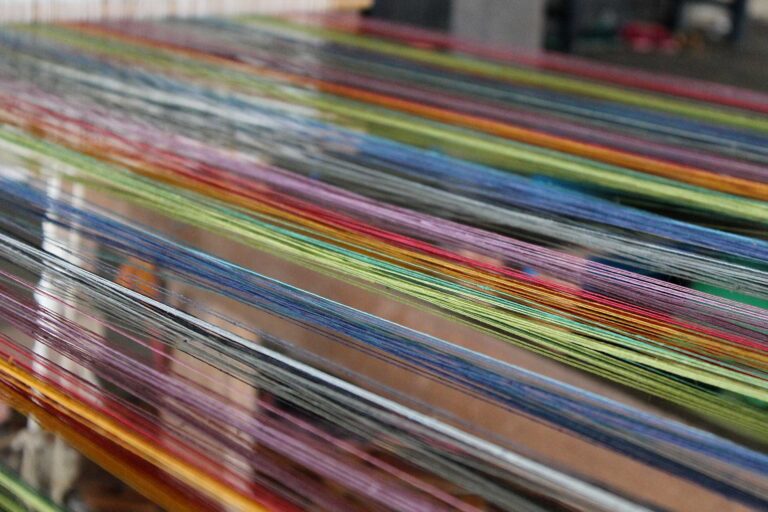
The lotus plant: much is left to be discovered and not only about the fiber
If silk isn’t the first natural microfiber, then lotus certainly is. Acknowledging the ability to multitask within a community, Samatoa supplies women with work whilst keeping R&D in the fiber...

From eucalyptus trees to lyocell fibers: promises and limits of sustainable fashion
Lyocell from eucalyptus recovers over 99% of solvents in closed-loop production, uses about 600–800 liters of water per kg versus ~2,700 for cotton, and is biodegradable when FSC-certified
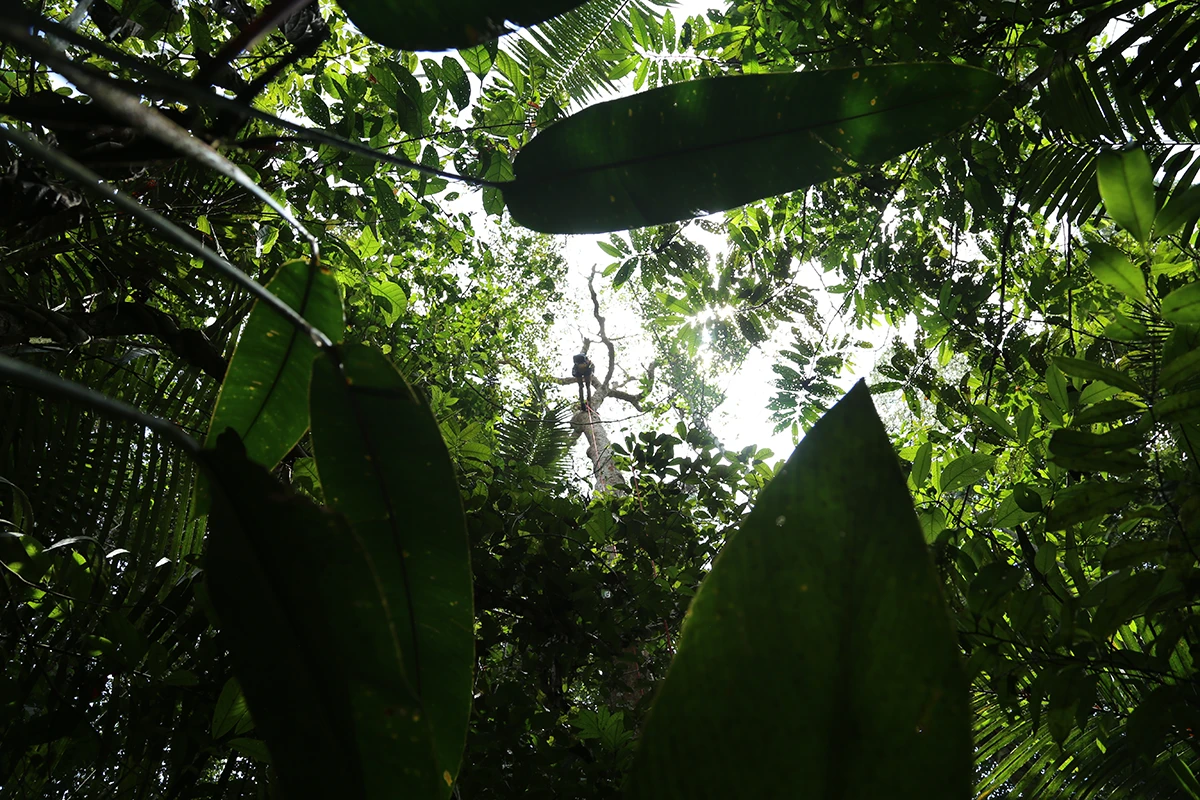
No return to nature, data is not the enemy: James Deutsher on DEEP
The raw logic behind biodiversity, technology and extraction: James Deutsher’s DEEP proposes a new ecological intelligence – humans are no longer the main character

India’s colonial legacy: a journey through Udaipur, Jaipur and the echoes of the British Raj
India confronts its colonial past in the contradictions of everyday life, where economic gaps and uneven infrastructures echo policies of extraction that continue to influence development across cities and regions
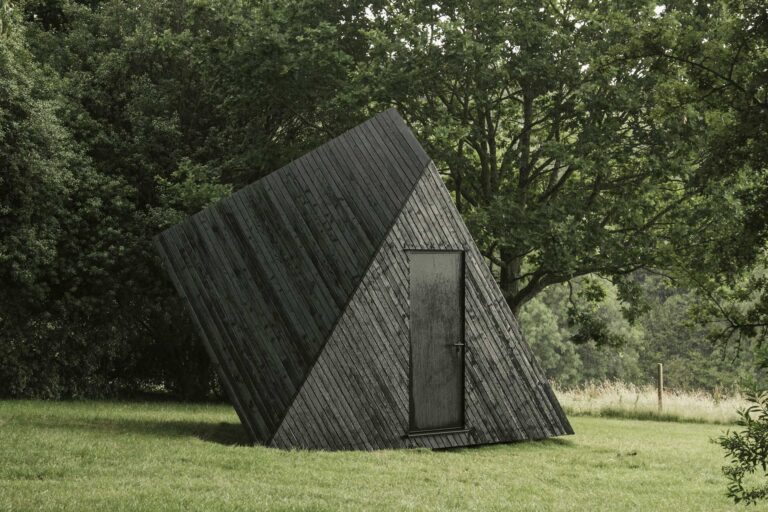
Modular architecture: Prefabrication is not a limit; it is a discipline
«Prefabrication is not a limit; it is a discipline». In conversation with Valentina Moretti of Italian based Studio More and Zoë and Jonathon Little of UK based, Koto design studio
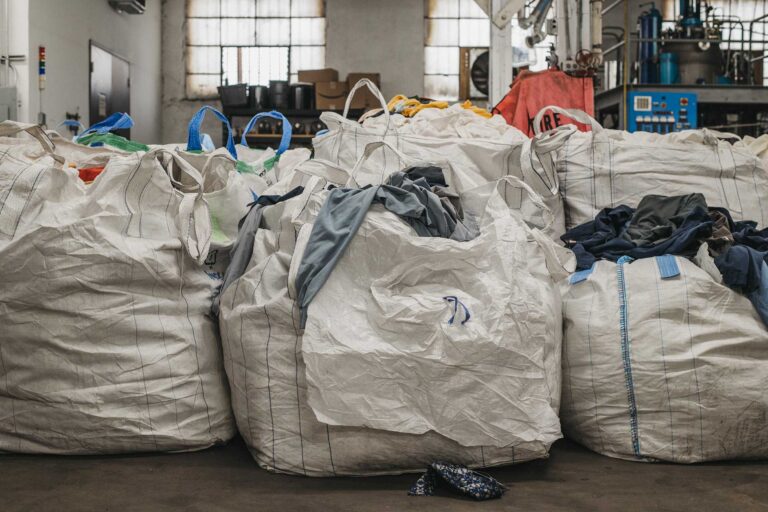
What is a digital clothing label? Fashion’s sustainability code
A new generation of intelligent clothing labels transformed the smallest detail on a garment into a platform for transparency, traceability, and sustainability – linking consumers, brands, and recyclers

Mycelium is emerging as a viable material for packaging and textile design
The a sustainable textile research: the option that comes from mushrooms. «We want to prevent as many of our resources going to landfill»

Celine in Milan takes the city’s most powerful corner, adapting instead of erasing
At Via Montenapoleone’s most strategic crossroads, Celine’s creative director chooses to work with an inherited architectural shell, framing continuity as both a design and sustainability statement
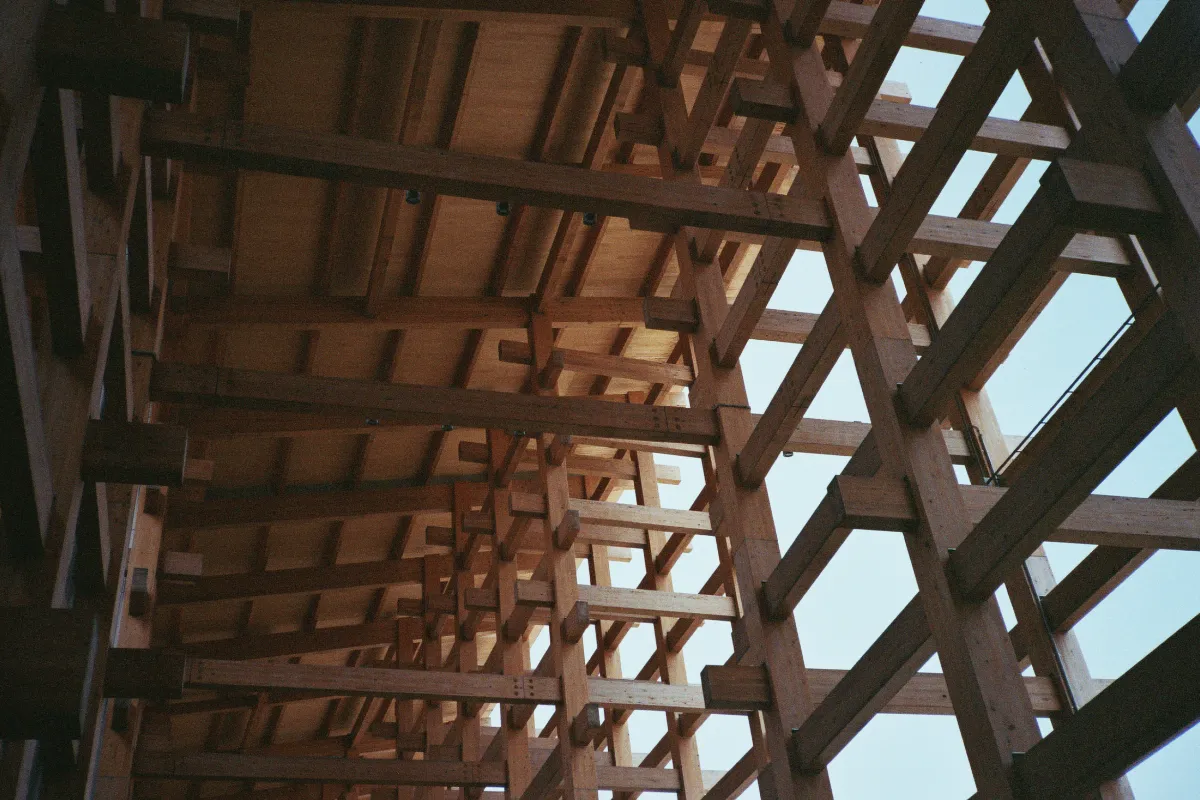
What are the limits of timber architecture? The case of the Grand Ring after Expo Osaka
Built as the world’s largest wooden structure, the Grand Ring raises questions of lifespan, reuse, governance, and fire risk in large-scale timber architecture
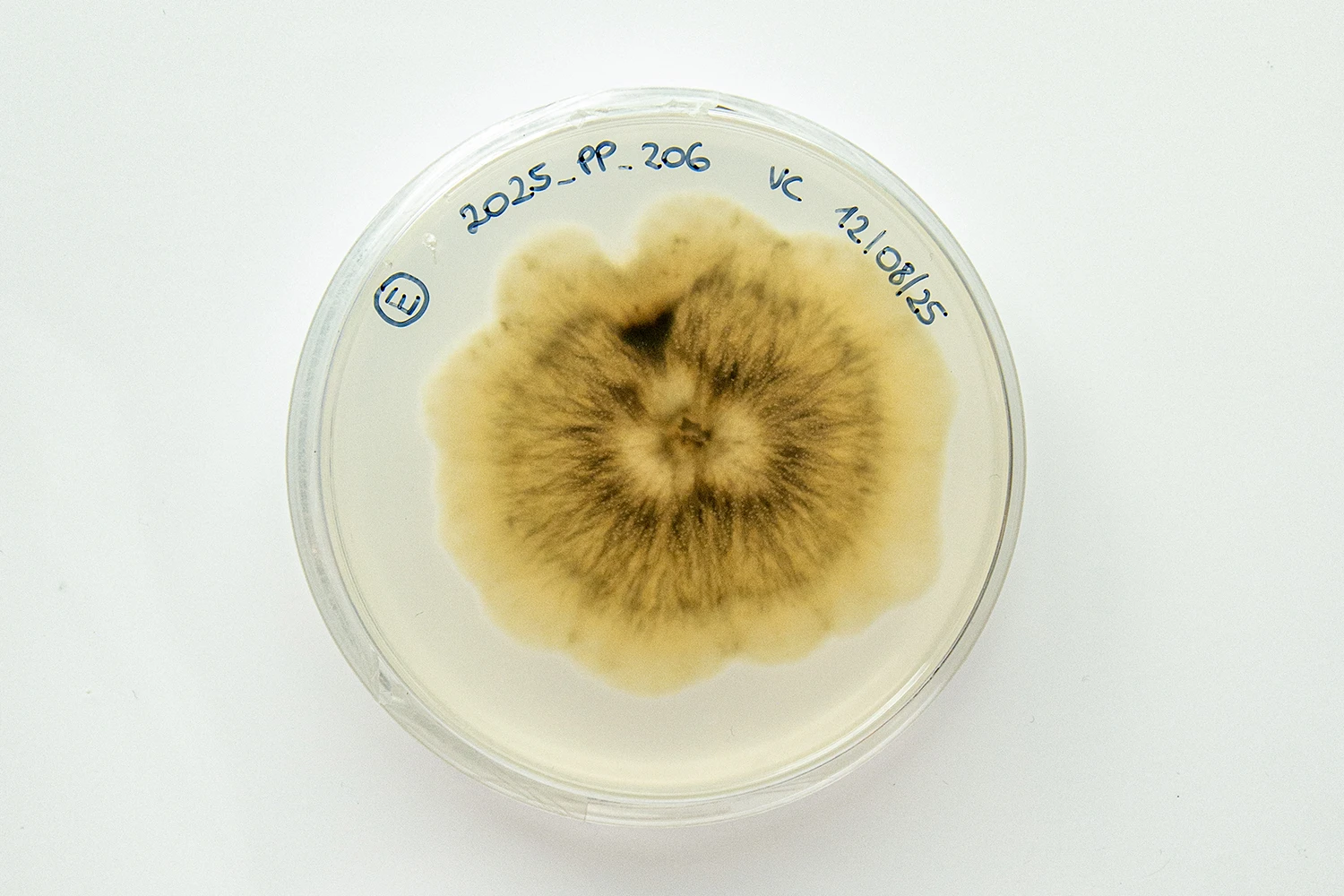
Mold: from spores to plastic, the intelligence of decay
Plastic – our most unnatural artifact – is no longer immune to the appetite of life: experimental microbial consortia are being developed that combine bacteria and fungi to attack complex...
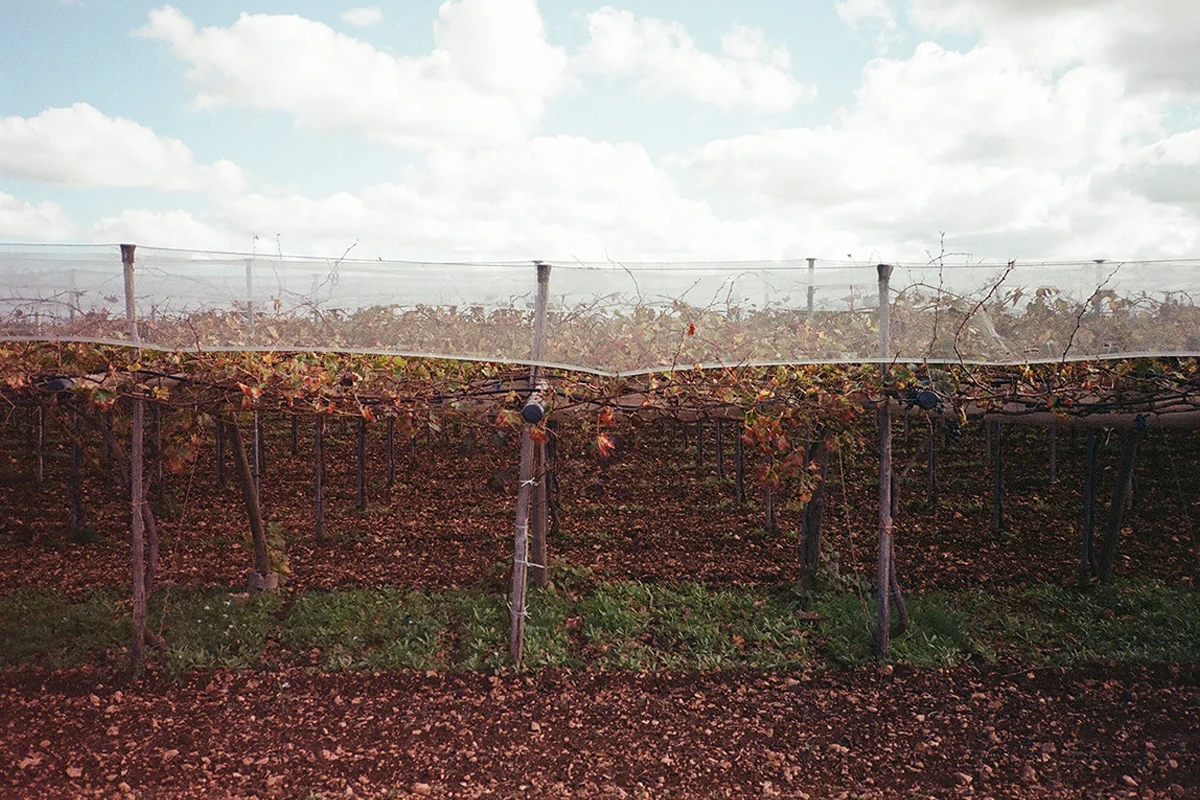
The world’s first regenerative cotton grown under agroforestry
A globally relevant case study: supported by the Armani Group, a pioneering protocol for regenerative cotton grown through agroforestry is moving forward – while the first 1,000 T-shirts reach store...

Bergen, one of Europe’s rainiest cities: an offering to the sea
In Norway’s rain-soaked city, Bergen Assembly 2025 invites audiences to listen to the rain, the sea, and the more-than-human world as active collaborators in the creation of art and meaning
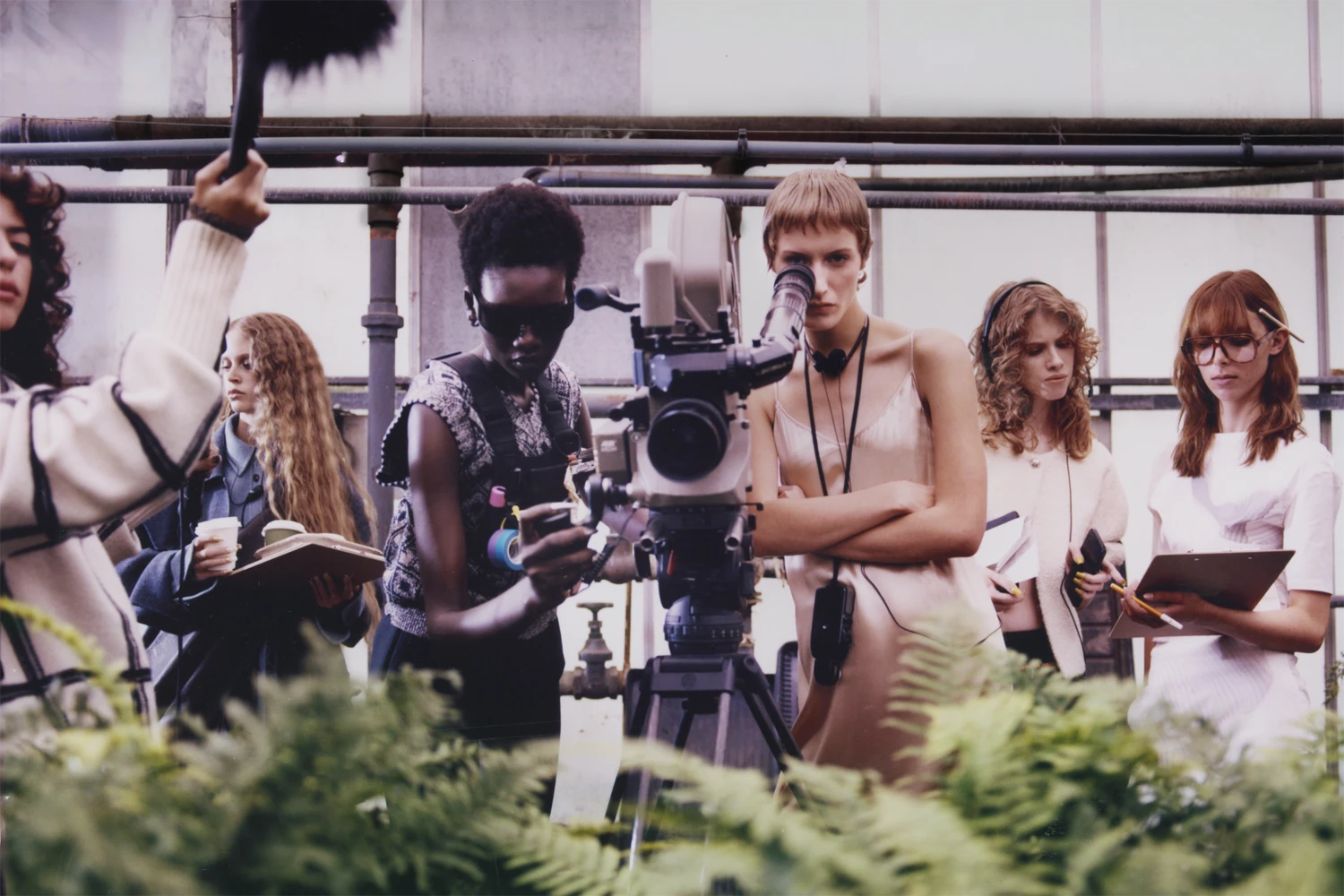
Can cinema define itself as a sustainable and inclusive industry?
Inside the film industry’s green awakening: from solar-powered sets and recycled costumes to mentoring programs like Women in Film & TV and the BFI diversity standards

Inside Mater, the Peruvian center blending ancestral knowledge and science
In Peru’s Sacred Valley, Mater studies native species and climate data to preserve ancestral agricultural knowledge. Photographer Gaia Anselmi Tamburini translates this research into a visual record

Why can’t we recycle car parts? Because they’re designed not to be
The automotive industry leaves behind a global trail of damage: a residual mix of plastic, foam, glass fibres, and micro-tissues is mostly landfilled. Not easy to clean this up
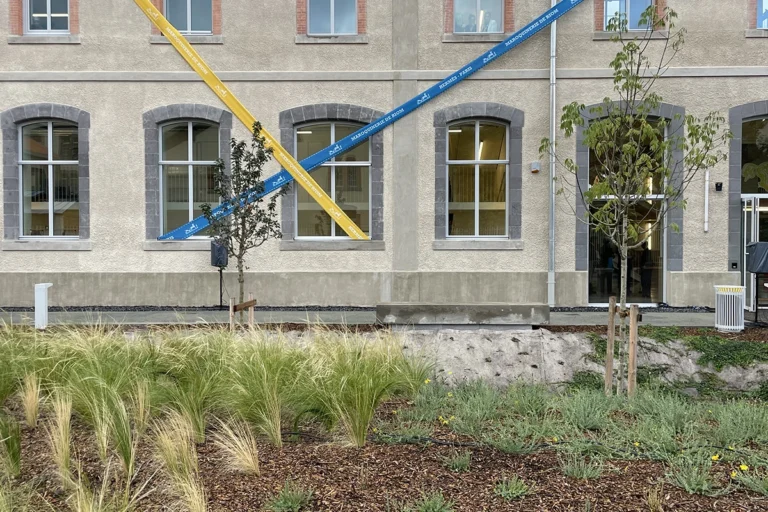
Hermès Manufactory Riom: two and a half days to craft a Birkin
When luxury deserves respect: 250 new jobs in a French province, education and culture in a manufacturing district, handmade saddle stitching
How digital craftsmanship is redesigning the textile supply chain
From Amsterdam, BYBORRE has established a new model of digital manufacturing that blends transparency, precision, and responsibility — proving that technology can help fashion produce less, but better.
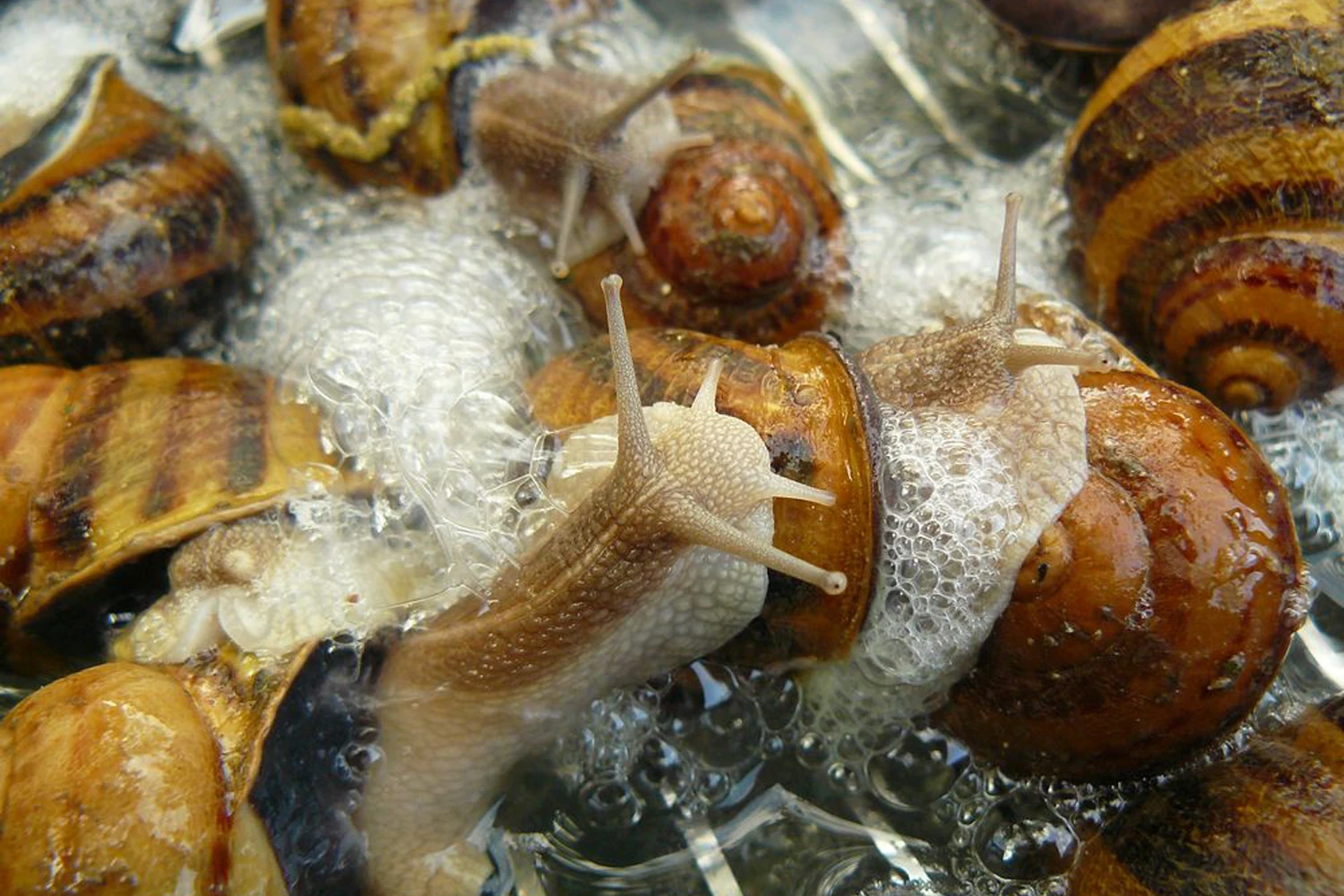
The future is gastropod: protein without the planetary price tag
Vienna’s Gugumuck Farm: free-range snails grown on kitchen scraps and herbs can out-perform chickens and pigs in feed efficiency and shrink agriculture’s footprint
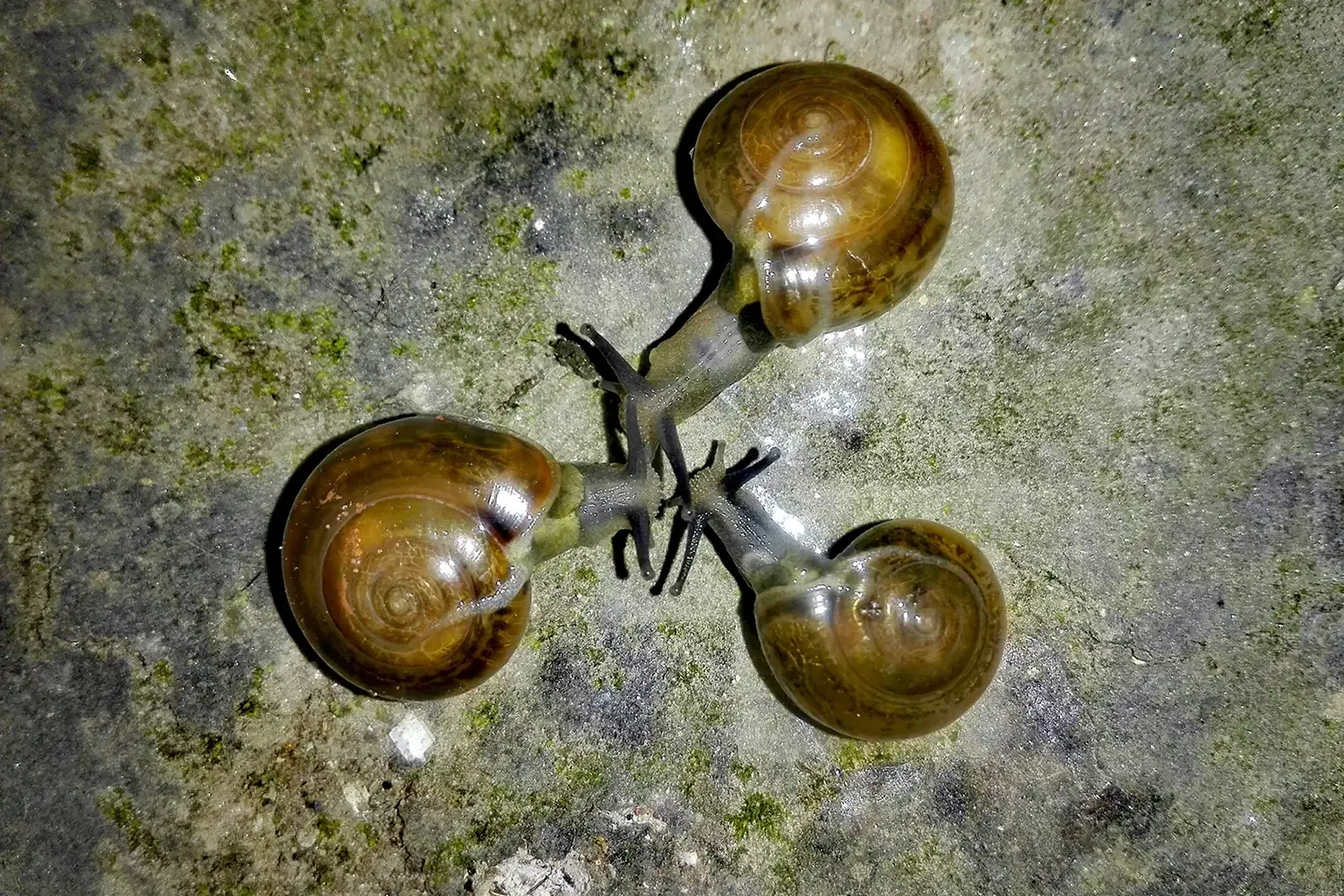
Snails: love darts, reciprocal insemination, and polyamorous courtship rituals
Yuri Tuma, co-founder of the Institute of Postnatural Studies: snail mating behaviors that complicate pleasure, violence, and post-patriarchal sex narratives in backyard biodiversity hotspots

Snails as Symbols: from garden pest to cultural mirror
Snail mucin, gardening blogs, Derek Jarman, and heterotopias: a multi-layered reading of the garden as a metaphor for systemic violence
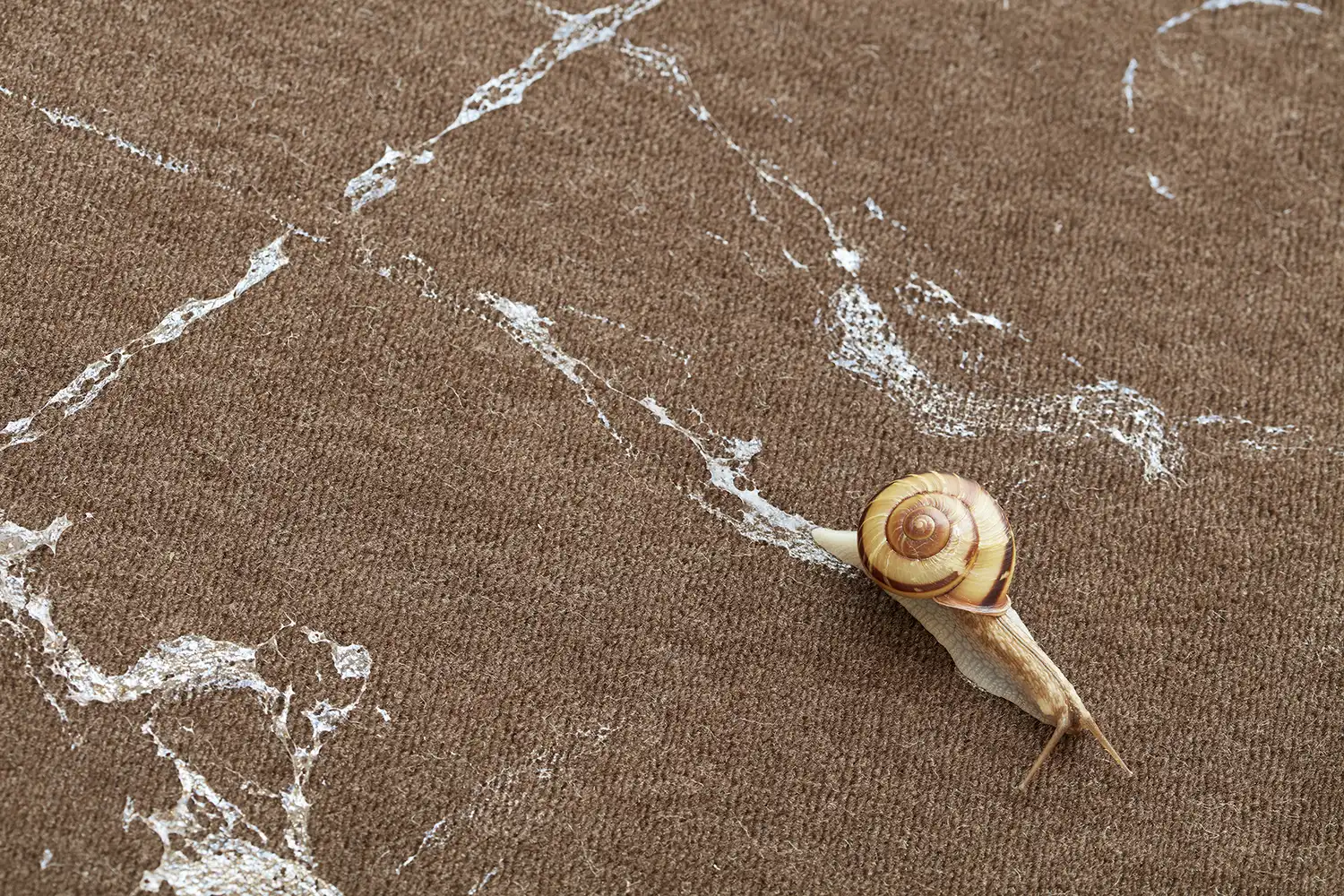
Inside a global boom of snail mucin in beauty
The great snail rush: exploring the global supply chain, ethical farming innovations, scientific research, and the cultural evolution that turned an unlikely ingredient into a cornerstone of the beauty industry

Cashmere and beyond: the infrastructures that hold Loro Piana together
Across continents and climates, from Mongolia’s steppe to Italy’s factories, the infrastructures behind Loro Piana’s materials reveal a complex web of relationships between herders, scientists, and artisans
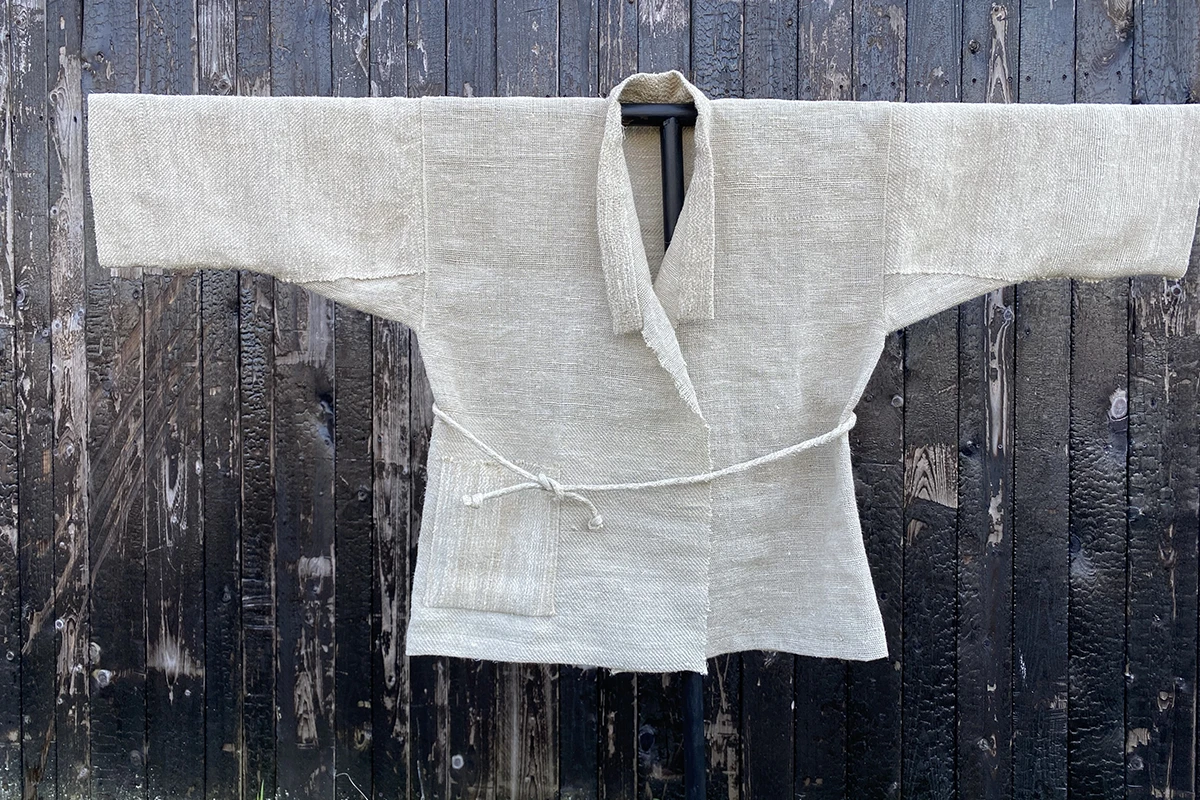
Cattail: the wetland plant can restore Dutch peatlands and provide fiber for textiles
As the Dutch countryside sinks into clay-rich peat, Studio RietGoed turns resilient cattail into a dual solution—restoring waterlogged soils while developing plant-based textiles for tomorrow’s fashion

Who said carbon is a market? When offsetting becomes upsetting
“Outsourcing the consequences of your own bad decisions is not the path.” The illusion of carbon neutrality: why climate change can’t be solved by buying carbon offsets and outsourcing responsibility.
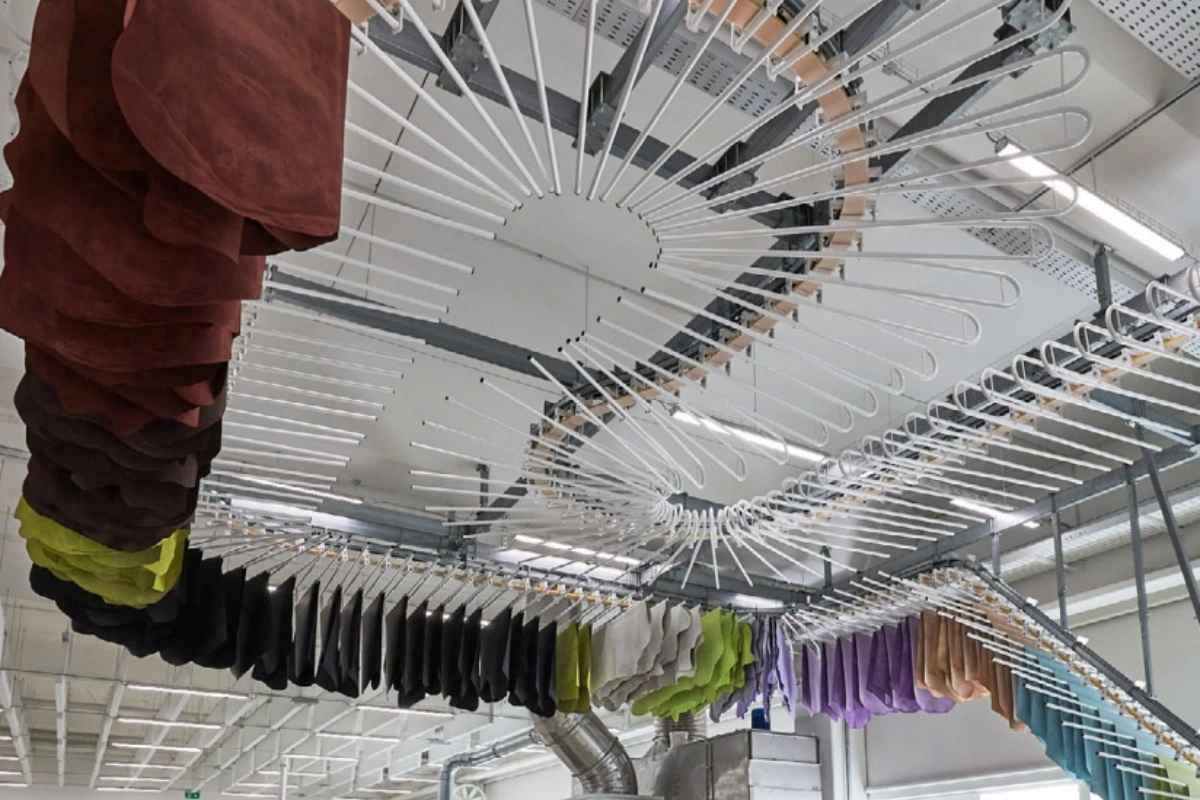
Gucci’s path toward sustainable circularity
Reforestation through One Tree Planted and resale on The RealReal, Gucci's ongoing commitment to social and environmental responsibility

Stockholm’s all-wood district: building with wood reduces carbon emissions and stores it
A city of wood: though there has been recent interest in Biophilic Urbanism and the existence of wooden structures, no project of this size has been created out of this...
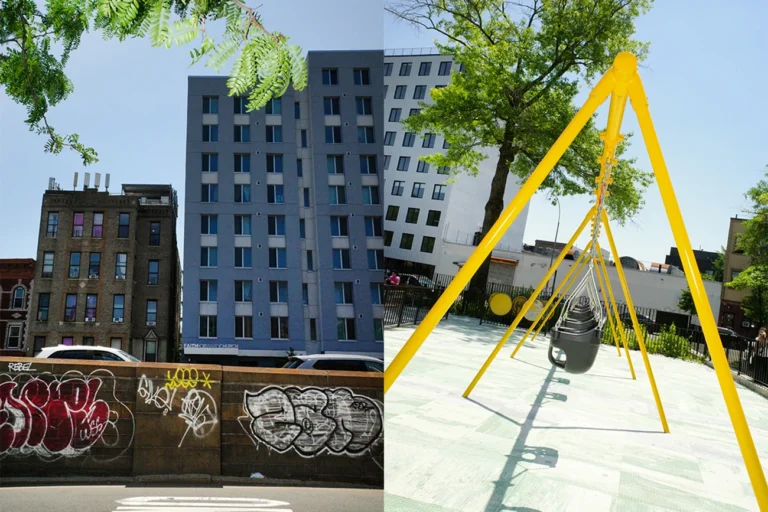
New York City civic power and urban planning: neighborhoods contested
From Elizabeth Street Garden to Willets Point, and through East Harlem, Port Morris, and East New York: urban transformations in New York's neighborhoods

Glyptic: an ancient craft saved from oblivion by one Maître d’Art, Philippe Nicolas
A jewel depends on the level of exhaustion of its creator. Métiers d’art: the art of carving stones and gems in high jewelry – calling it ‘glyptic’ may be reductive,...

Alpine resilience through grounded design
Courmayeur Climate Hub: where the landscape thinks and architecture listens
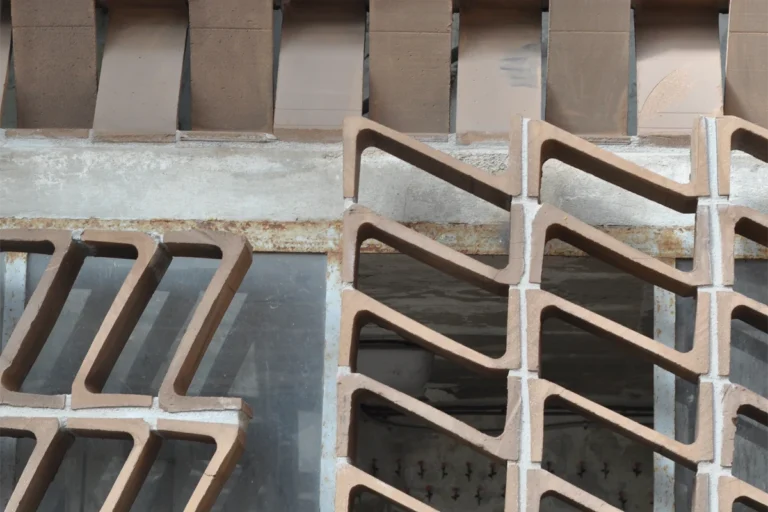
Terraformae and the raw vitality of terracotta: design must get its hands dirty
Terraformae explores terracotta’s circular potential—recyclable, binder-free, and with up to 70% lower CO₂ emissions than cement—through design-led experimentation and process optimization

Under Suspended Rupture: Community and Isolation Beneath LaGuardia
David Rothenberg’s long-term visual study of Landing Lights Park exposes how the proximity of landing planes shapes the lived experience of East Elmhurst—where infrastructure divides bodies and communities
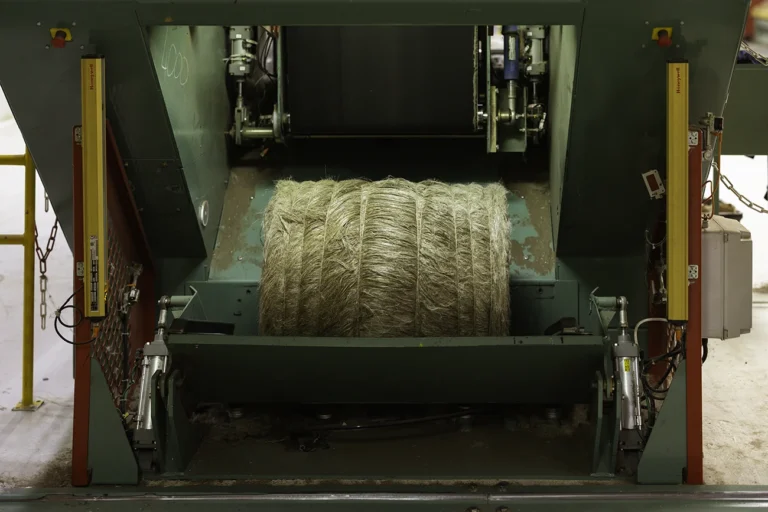
Why is linen a noble fiber? A short or global supply chain: from Normandy to Italy
From the Terre de Lin cooperative to the manufacturing of the Albini Group: European linen and its traceability, between crop rotation, varietal selection and industrial weaving
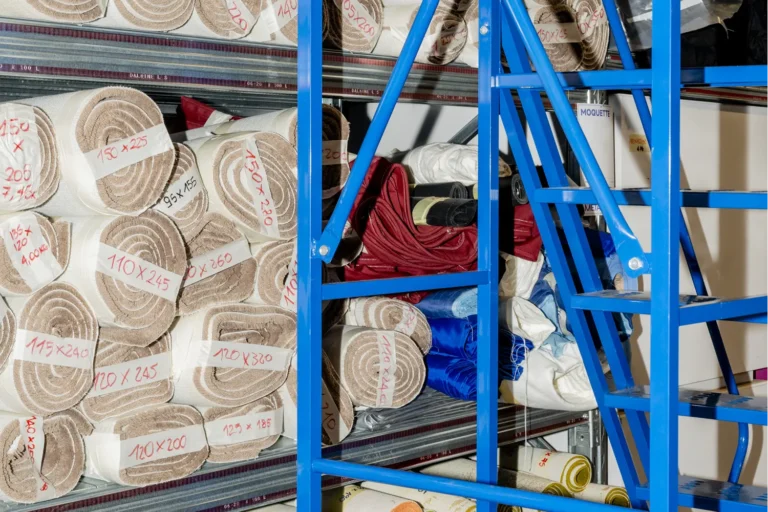
Fashion Weeks must be about rules and regulations – not about parties and glam
The more fashion capitals jump on the so-called sustainability requirements, rules and regulations, the more critics begin to wonder if a sustainable fashion week can ever exist

Is being homosexual less polluting than being heterosexual?
A provocation for Pride Month. Human activity pollutes, and bringing children into the world makes things worse: will same-sex couples be the saviours of the Anthropocene?

Caterina Ravaglia: vegetable tanning is a personal mission
A custom mesh machine, recyclable metal, suede underlay, artisanal choices: Caterina Ravaglia for Kate Cate—no shortcuts to fast fashion

Art Basel 2025: What Hides Behind Every White Wall of the Fair?
White walls, invisible materials, global logistics: Art Basel 2025 lays bare the environmental paradox of art fairs, where aesthetic minimalism meets concrete consumption
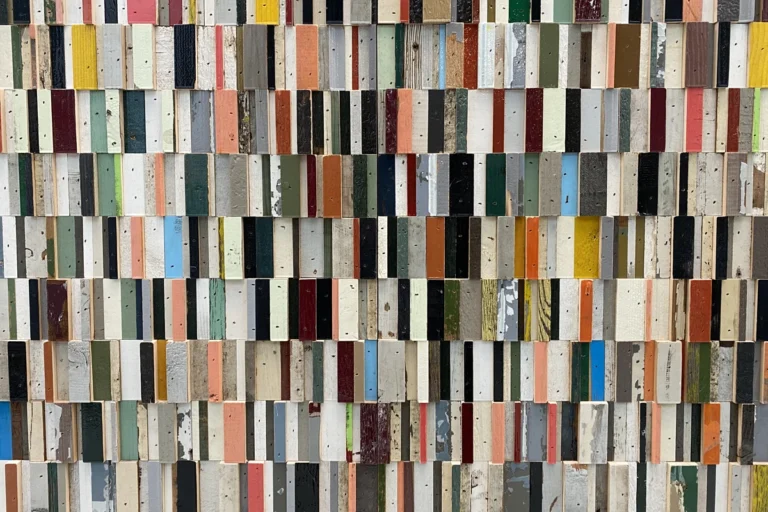
Piet Hein Eek’s Work with Wood Scrap: “There Are No Poor Materials”
From scrapwood cabinets to masterworks: the story of a Dutch Designer who built a global creative ecosystem around circular design, teamwork, and manufacturing Integrity
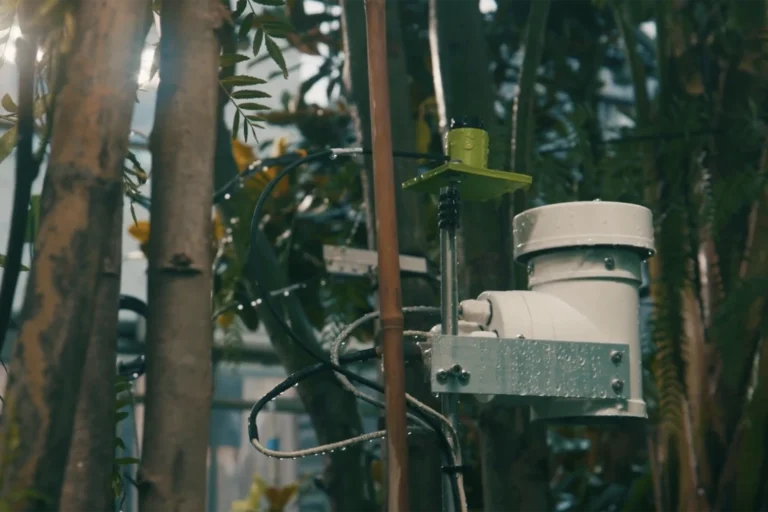
Bas Smets: architecture must care for the survival of human beings, animals and plants
“These trees were planted by Napoleon in the 18th century—an early lesson in large‑scale reforestation that we would do well to emulate today.” Interview with Bas Smets, co‑curator of “Building Biospheres”
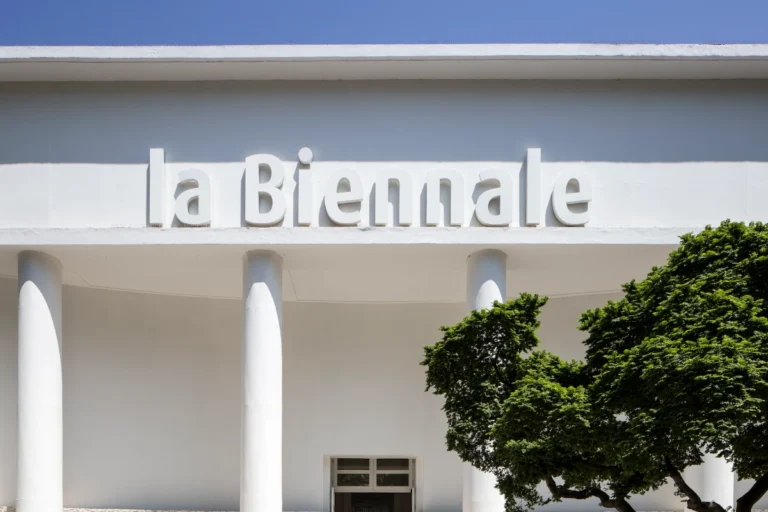
Trees Are the Patrons of Architecture: Inside Carlo Ratti’s 2025 Biennale
“Reforestation has to begin in a concrete, local way—tree by tree, sidewalk by sidewalk. It’s one of the few effective answers to overheated cities." An interview with Carlo Ratti about...

Neom’s The Line: Sustainable architecture, or grim dystopian future?
From a post oil focused Saudi Arabian economy, to developing carbon neutral, walkable cities with futuristic design and technology principles setting new standards for urban living

Slow Fashion on the Edge of the Atlantic
Craft, culture, and the coastline: a visual story by Peter Georgiades exploring the work of South African designers: raw materials, local craftsmen, local materials, ethical practices

What is velvet? One name, many fibers
What sets velvet apart from other woven fabrics is not the kind of fibers it is formed from but the techniques used to manufacture it. What is velvet made of?