From seed to fiber: Assocanapa and the rebuilding of the hemp supply chain
In Piedmont, Assocanapa is working to rebuild the industrial hemp supply chain through university research, agricultural mechanization and new textile and construction applications
Assocanapa: Italian hemp between supply chains, research and processing
The history of industrial hemp in Italy is one of partial revivals and fragmented supply chains. Assocanapa was founded in 1998 in Carmagnola, in the province of Turin, becoming the first organization to attempt to rebuild a national network.
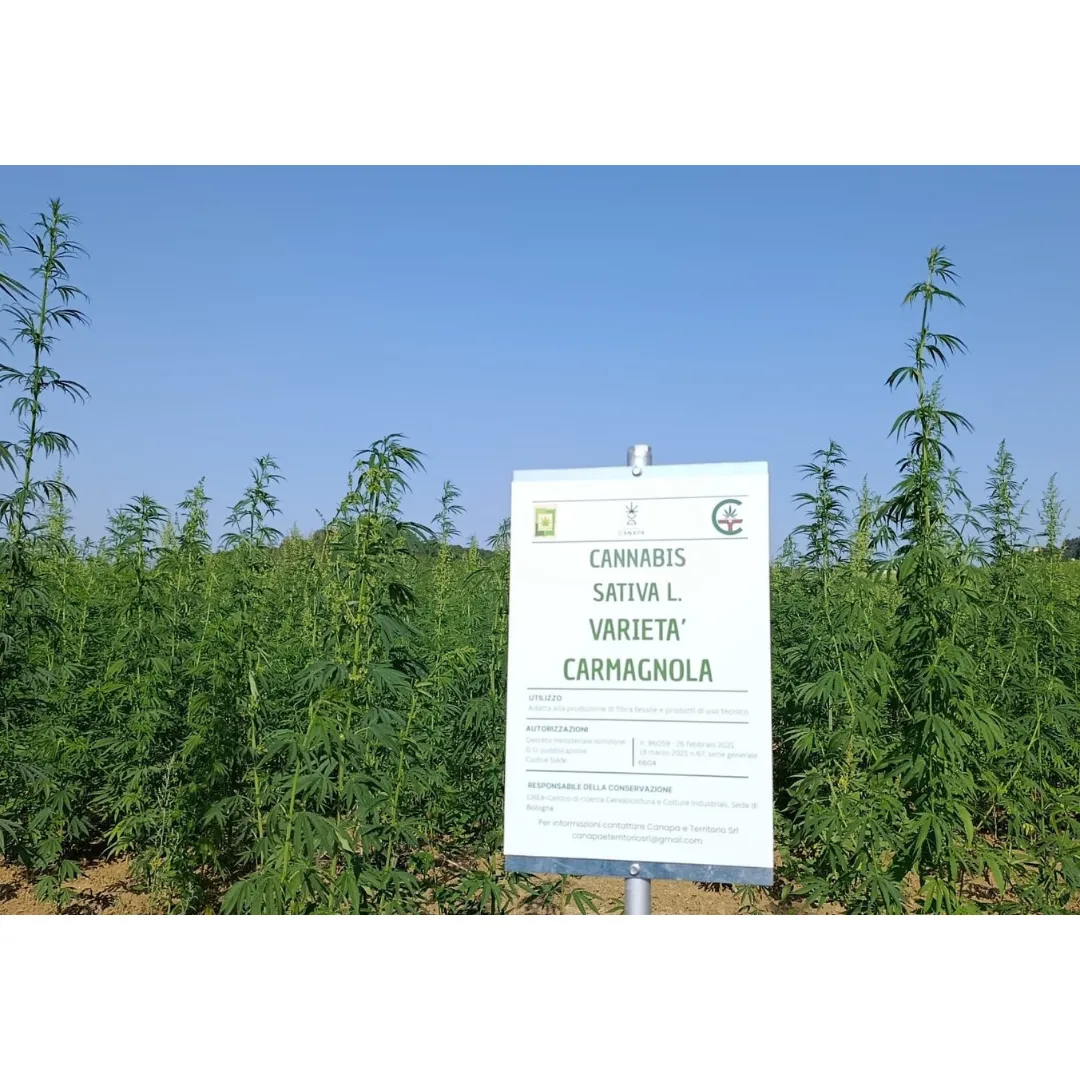
Federica Varavalle, one of its founders and now legal representative of the limited company, recalls: «It was 1998. Felice Giraudo, the founder and now honorary president, took the Carmagnola and Carmagnola Selezionata varieties to CREA to have them re-entered in the national and European catalogues. Only then could they once again be considered industrial hemp and therefore legally cultivated».
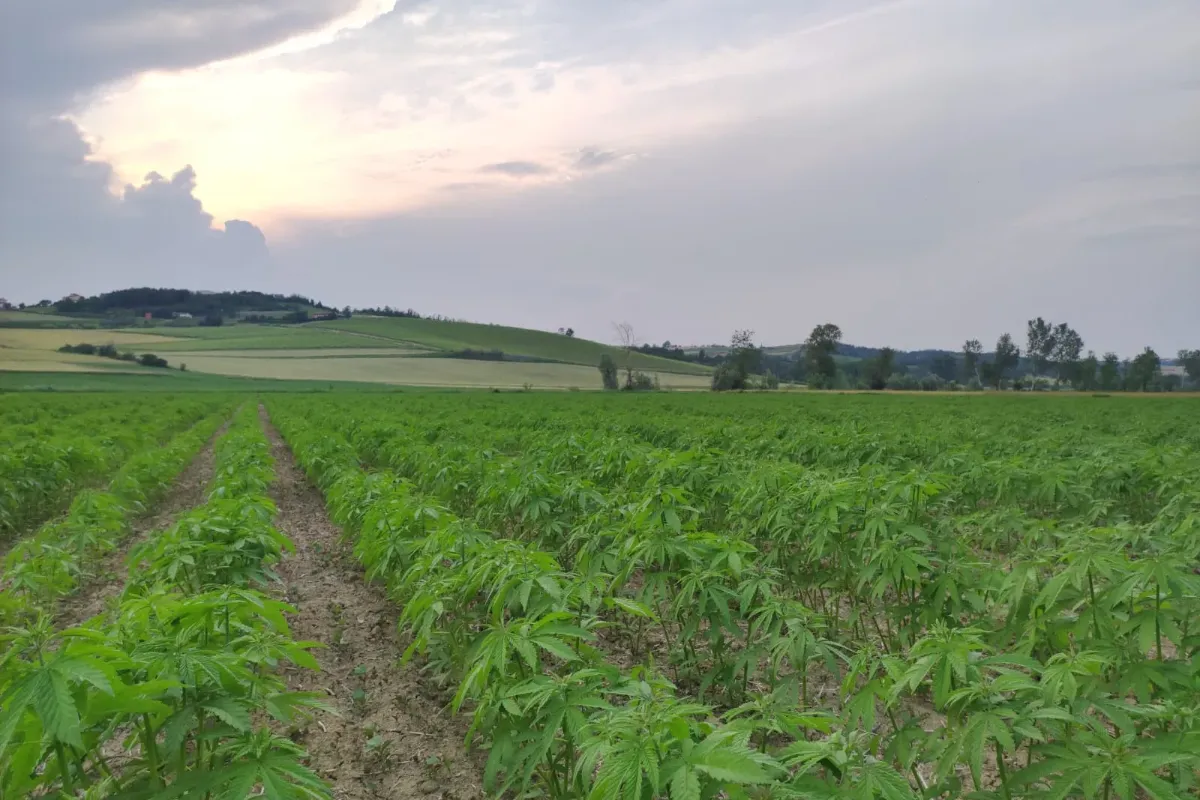
In 2002 the association became a company; in 2018, the Procait cooperative was established, bringing together Piedmontese farms engaged in multiplying and producing Italian varieties: «Today there is only one active seed supply chain in Italy, concentrated in Monferrato, where a core of farms reproducing Italian industrial hemp varieties was established from the outset. This year around eighty hectares had been sown, but half were lost because of heavy rain in June and July».
Rebuilding a balance between agriculture and industry
Assocanapa was founded to establish a stable link between agriculture and industry: «We strongly advocated for Law 242 of 2016. It finally recognized hemp cultivation and introduced protections for farmers, but the next link in the supply chain – processing – was overlooked. Promoting hemp as a beneficial crop is not enough; we also need to build the means to make industrial use of it».
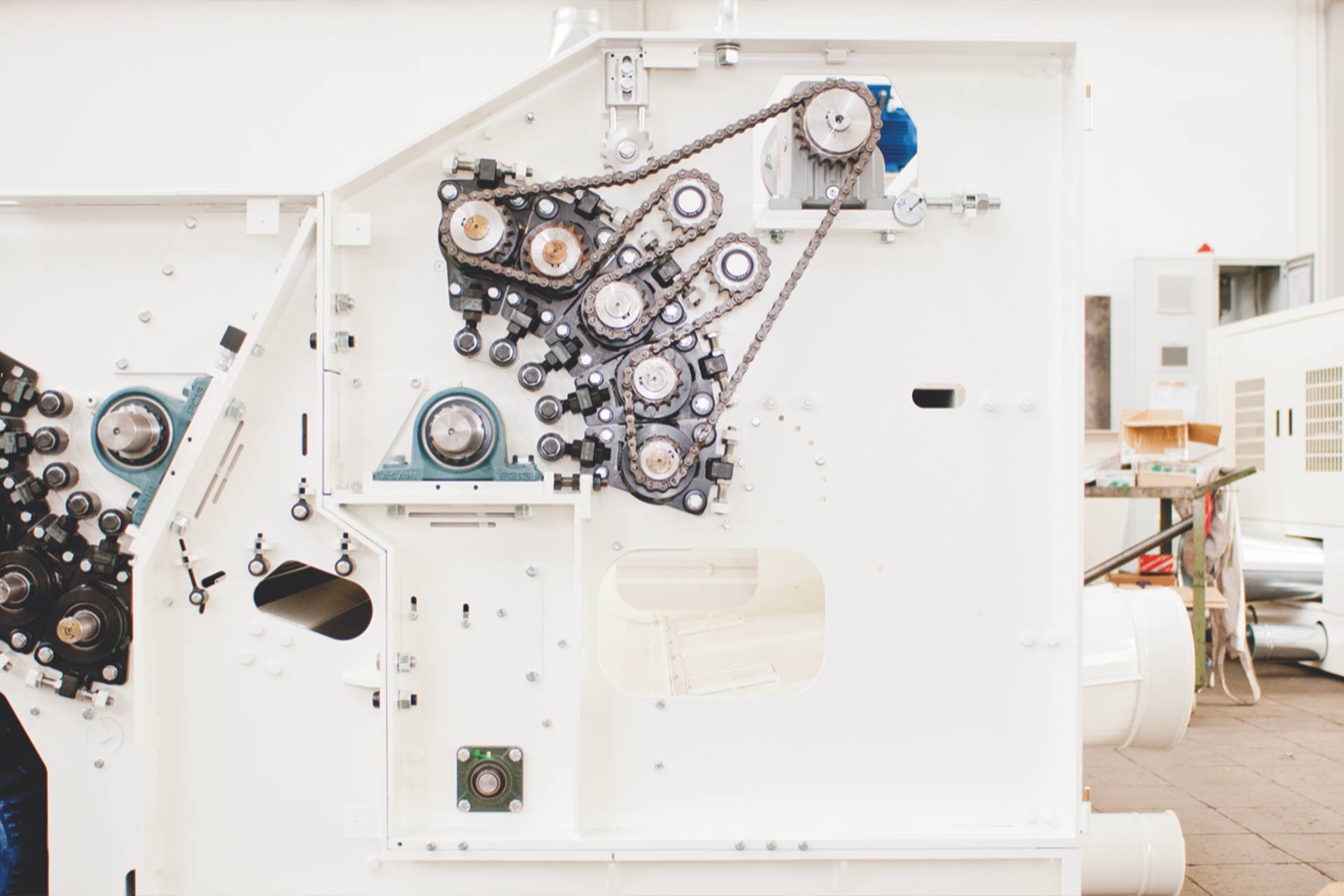
According to Varavalle, the principal limitation remains the lack of primary processing plants: «Separating hemp shives from fiber is the critical point. Major investments have been made in Piedmont, Puglia and Tuscany, but every attempt failed: the machinery was not economically or technically viable».
More than ten years ago, Assocanapa had already launched a project with the National Research Council (CNR) to build a machine capable of processing hemp stalks: «That prototype showed that mechanization is possible, but it has never led to actual industrial production. What is needed today is a systemic approach that brings together agricultural, mechanical and financial expertise».
The break in the supply chain is cultural as well as technological: «For decades, we stopped growing and processing hemp. Widespread knowledge that had been integral to Italian agriculture was lost. Today we have to start again from scratch: training operators, building machines and educating consumers».
Natural raw materials for the ecological transition
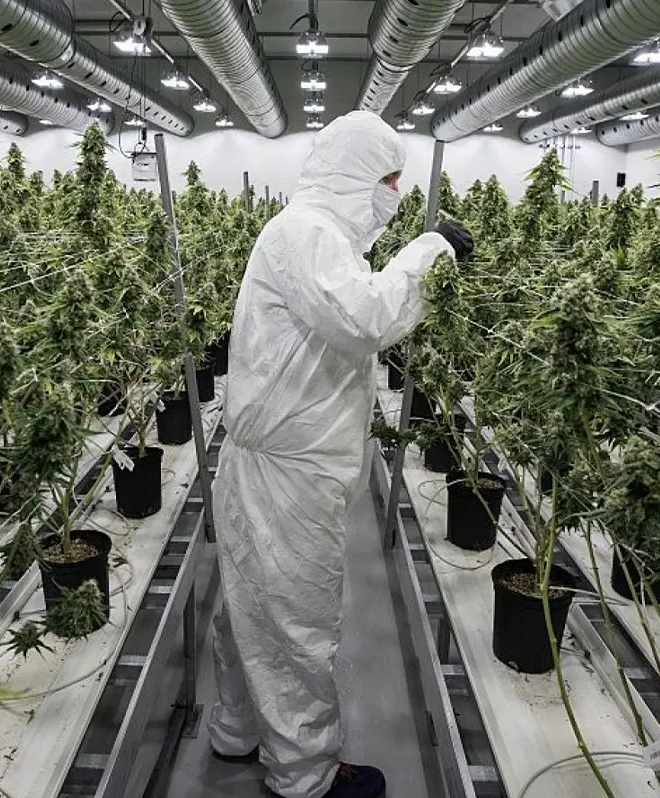
Within Europe’s ecological transition, hemp is once again emerging as one of the most promising natural raw materials: «European policies are steering agriculture and industry towards a more sustainable model. Hemp meets all the environmental requirements: it uses little water, needs no pesticides, enriches the soil and contributes to carbon dioxide sequestration».
Assocanapa emphasizes that hemp is a strategic resource not only for reducing emissions but also for agricultural diversification: «It has a short life cycle and can be grown in rotation with cereals or legumes, improving soil fertility. It offers a wide range of applications, from textiles to construction, food and bioplastics».
In recent years, the crisis affecting conventional raw materials and rising energy costs have prompted many companies to take an interest in hemp: «Industry is looking for alternatives to petroleum-derived materials. Thanks to its versatility, hemp can be used in very different products: insulation panels, automotive components, bioplastics and technical textiles».
Production continuity, however, remains a French advantage: «In France, hemp cultivation and processing never stopped. In Italy, the supply chain was interrupted for decades. We are now trying to reconnect production and processing, but infrastructure and widespread expertise are still lacking. We need regional decortication plants and a stable network of processors».
Textile hemp and the return of Italian fiber
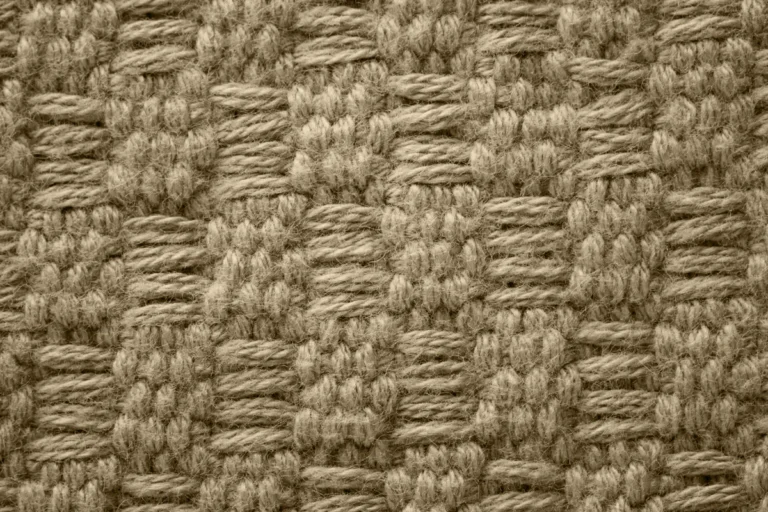
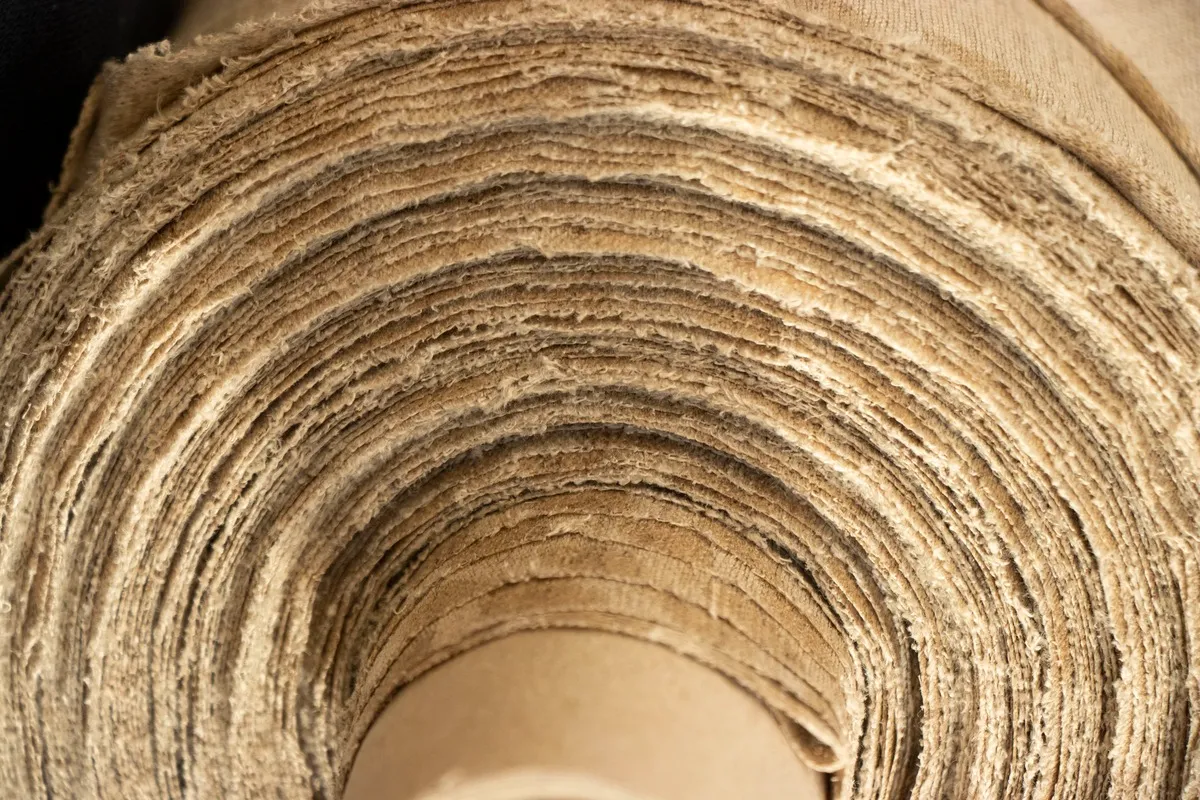
Textile hemp is among the sectors attracting the greatest interest. Since 2024, an agricultural trial has been underway in Piedmont in collaboration with a foreign company to recover Italian fiber: «We have been working on it for more than a year and the results are surprising. An industrial plant could be established right here, where Carmagnola originated. It would be a return to tradition, but with new technologies and an international outlook».
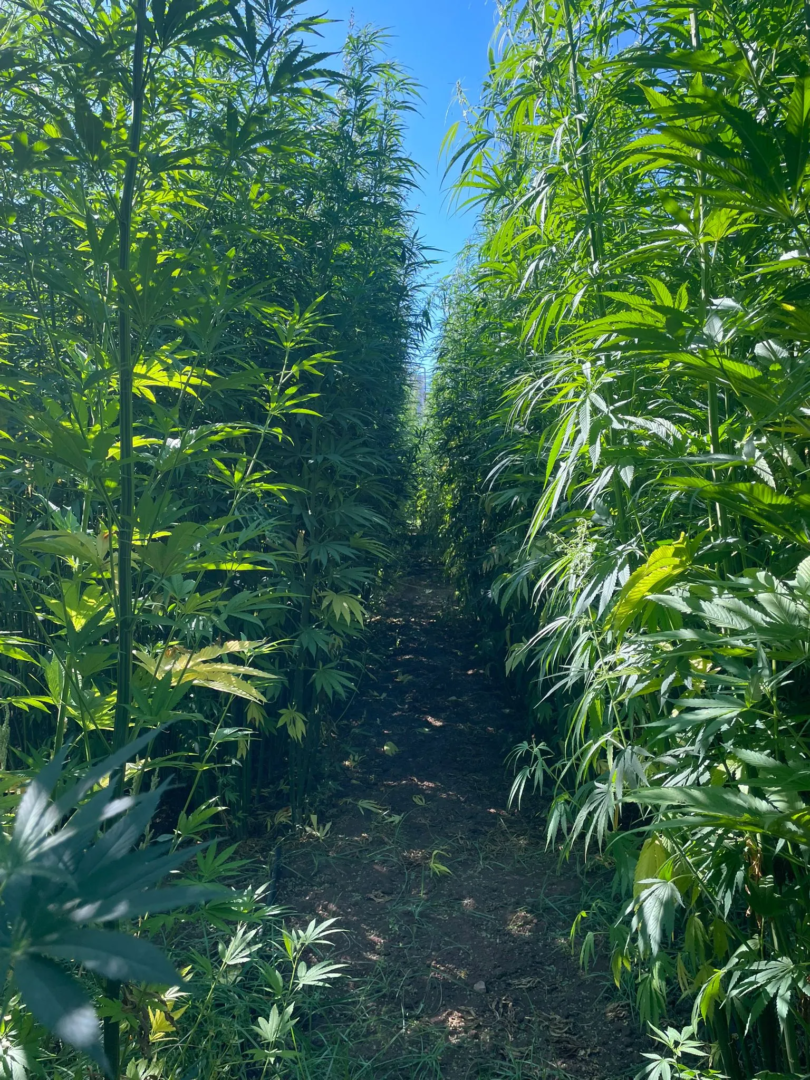
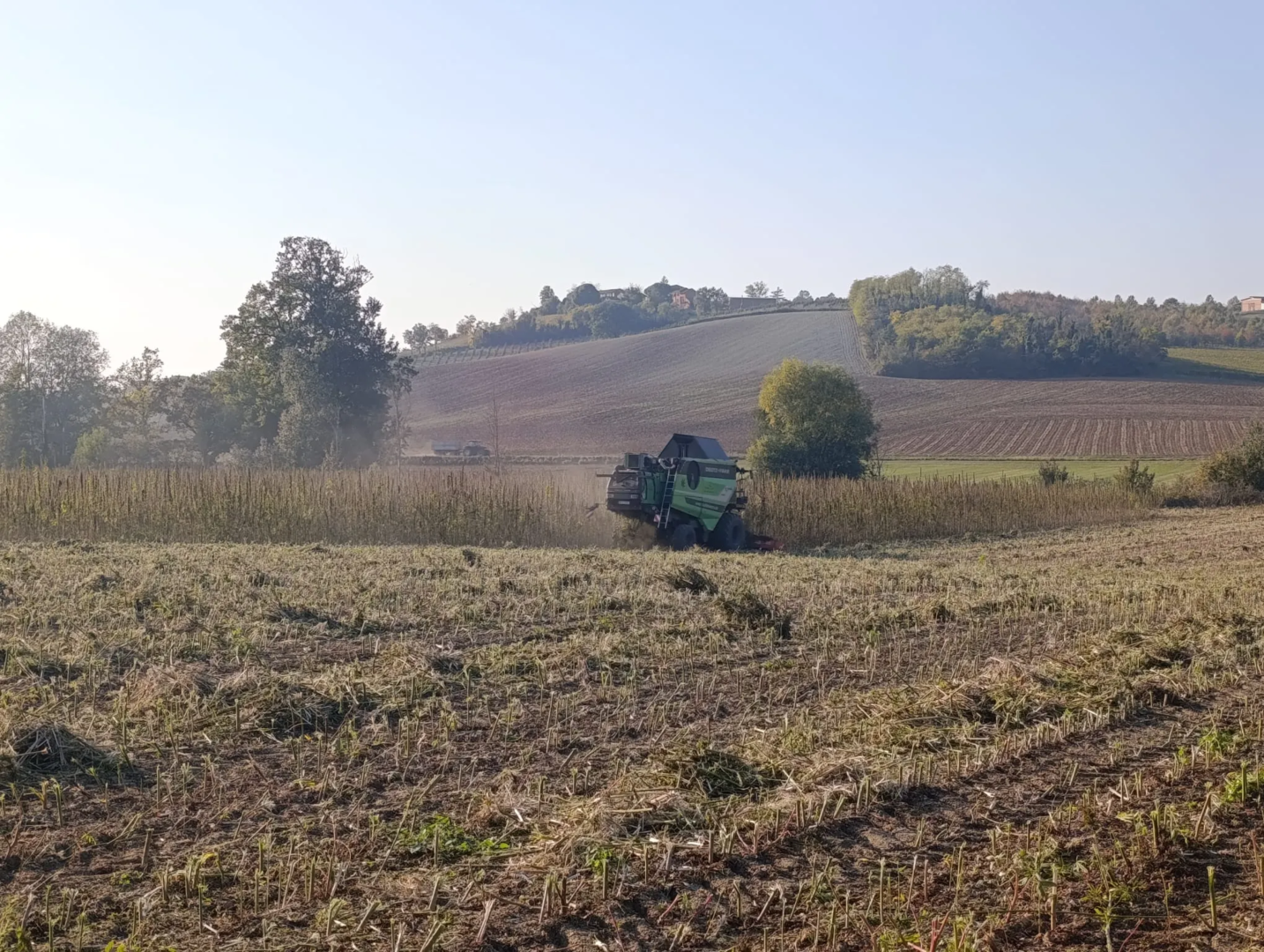
Italian genetics, Varavalle explains, «are considered among the best in the world for fiber quality and crop yields». Harvesting nevertheless remains a technical obstacle: «The problem is combine harvesting. Only one machine can harvest seeds from these giant plants, but it comes from abroad and is too expensive. Our dioecious varieties produce half as much seed as monoecious ones, so costs rise. Farmers need to be taught how to cultivate them correctly to realize their full potential».
Assocanapa is working with several Italian universities to resolve technological bottlenecks: «With the Federico II University of Naples, the University of Eastern Piedmont and the University of Padua, we are working on seed harvesting, stem cutting and stalk processing. At the same time, we are developing innovative products such as thermal and acoustic insulation panels and lightweight construction blocks. We believe we can present concrete results within a few months».
Varavalle sees the Piedmont trial as a turning point: «This is not simply about recovering a tradition, but about building a replicable model. If we succeed in establishing a textile supply chain in Piedmont, we could transfer the know-how to other Italian regions, bringing uncultivated land and forgotten skills back into use».
Sustainability in the textile industry and local manufacturing
Hemp is entering the textile sector with the prospect of recreating an entirely Italian supply chain: «Textiles are the sector that can give hemp the greatest visibility and economic value, but sustainability must extend from cultivation to the finished product. Talking about natural fiber is not enough if industrial stages are outsourced or fail to meet environmental standards».
The aim is to build production models in which sustainability is social as well as environmental: «We need a balance between profitability and responsibility. Hemp can exemplify comprehensive sustainability: a natural material combined with an ethical system of work that values local areas and expertise».
At the same time, the use of hemp in construction and agriculture continues to grow: «These two sectors are already mature enough for initial industrialization. Insulation panels, hemp-shiv-based lime products and agricultural growing media are becoming more widespread. Food and cosmetics are also advancing, although still on a smaller scale».
Assocanapa also provides training: «Many young farmers are approaching this crop. We organize meetings, technical consultations and field demonstration days. Practical knowledge is fundamental: only with the right technical approach can growers achieve competitive yields and quality products».
Circular economies and new production models
Assocanapa promotes an approach based on circular economies: «The future of hemp depends on our ability to use every part of the plant. Farmers must be able to sell several products to different buyers: seeds for food or sowing, hemp shives for construction, fiber for textiles or bioplastics. Only then does cultivation become economically sustainable».
The group participates in working groups with public and private organizations to define supply chains connecting farmers, processors and researchers: «Every country is moving to replace fossil raw materials with plant-based materials. Hemp is ideally suited to this transition, but it requires real investment and consistent policies. Our direct experience, spanning almost twenty years, enables us to pass on practical expertise and train people who want to enter the sector».
The goal is an integrated production model: «A hemp supply chain must be conceived as a complex organism. Every link is connected to the next. Without coordination between agricultural production, processing and the market, a sustainable industry cannot exist».
Behind the rebuilding of the supply chain lies a network of trials, failures and new alliances: «We are at a moment of transition. There are plenty of difficulties, but the interest is real. Hemp is a plant that teaches us something: it grows quickly, adapts and regenerates the soil. The supply chain must also learn to regenerate itself. Our task is to demonstrate that hemp can once again become a pillar of Italian manufacturing, provided it is approached with expertise, method and perseverance».