Industrial hemp: where does decortication stand in Italy?
Processing centers and investment in machinery: where the potential of hemp cultivation stalls in Italy. Rachele Invernizzi of South Hemp: «We could have no competition»
Industrial hemp: uses and associations
Hemp cultivation represents a potential turning point in the ecological transition. The number of businesses and small producers investing in the revival and potential of what has been called green gold is growing. Associations have emerged to create networks of companies involved in hemp production and processing. Among them is Assocanapa, founded in 1998 as a group bringing together three separate entities: Assocanapa Coordinamento Nazionale per la Canapicoltura; Assocanapa Srl, a seed company that produces and markets hemp products; and PROCaIT, an agricultural cooperative of Italian hemp growers.
Federcanapa, founded in 2016, represents the hemp sector at a technical and scientific level before institutions and industrial sectors. It conducts research into methods for cultivating and processing industrial hemp and into its potential applications.
Hemp processing: decortication
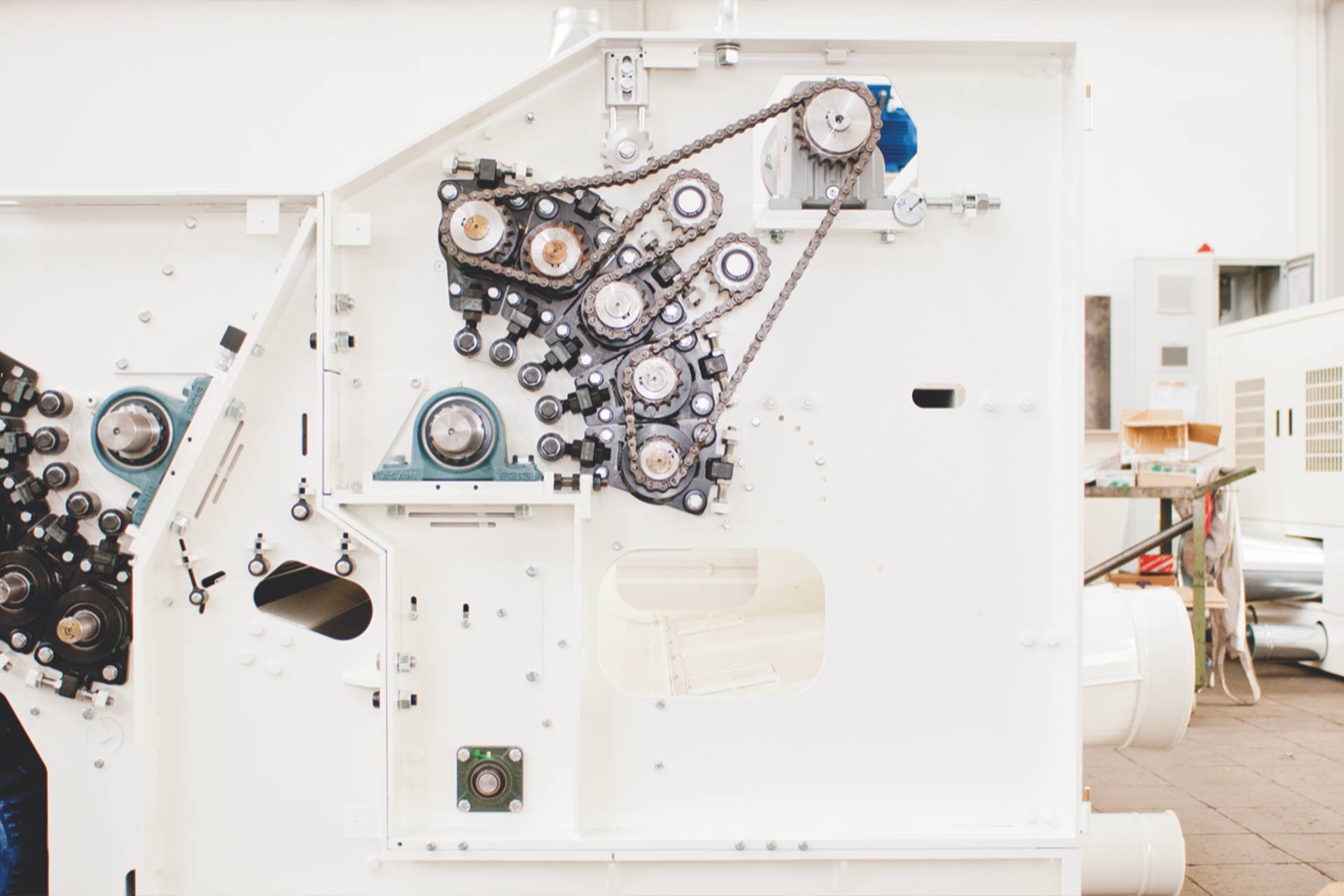
Hemp is processed using primary-processing plants that separate the different parts of the stalk through several cycles. The process – decortication – consists of operations that free the fibers from the woody core of the stalks. The decorticator, or decortication machine, is made up of rotating grooved cylinders. These repeatedly bend the stalks, separating the shives from the fibers.
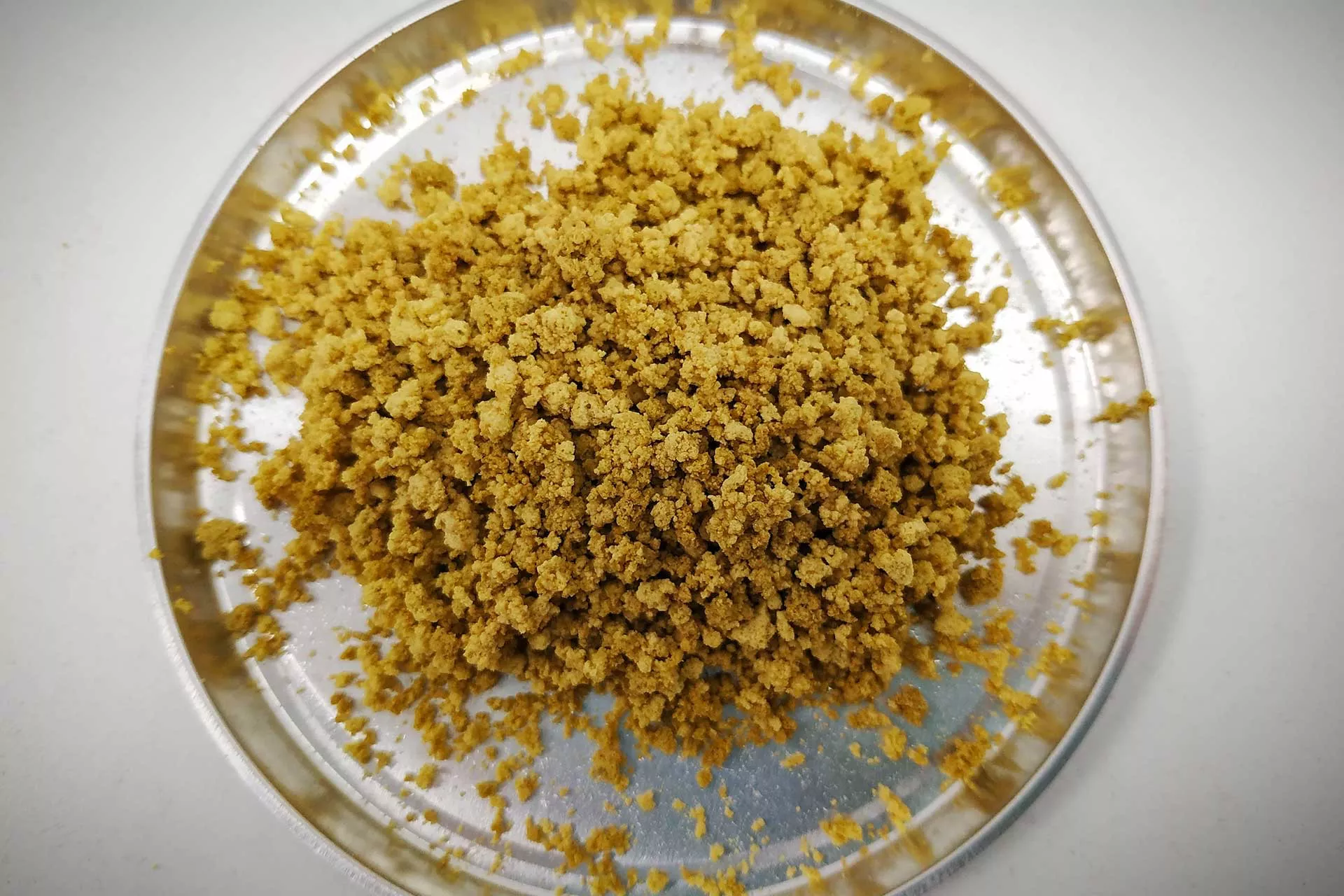
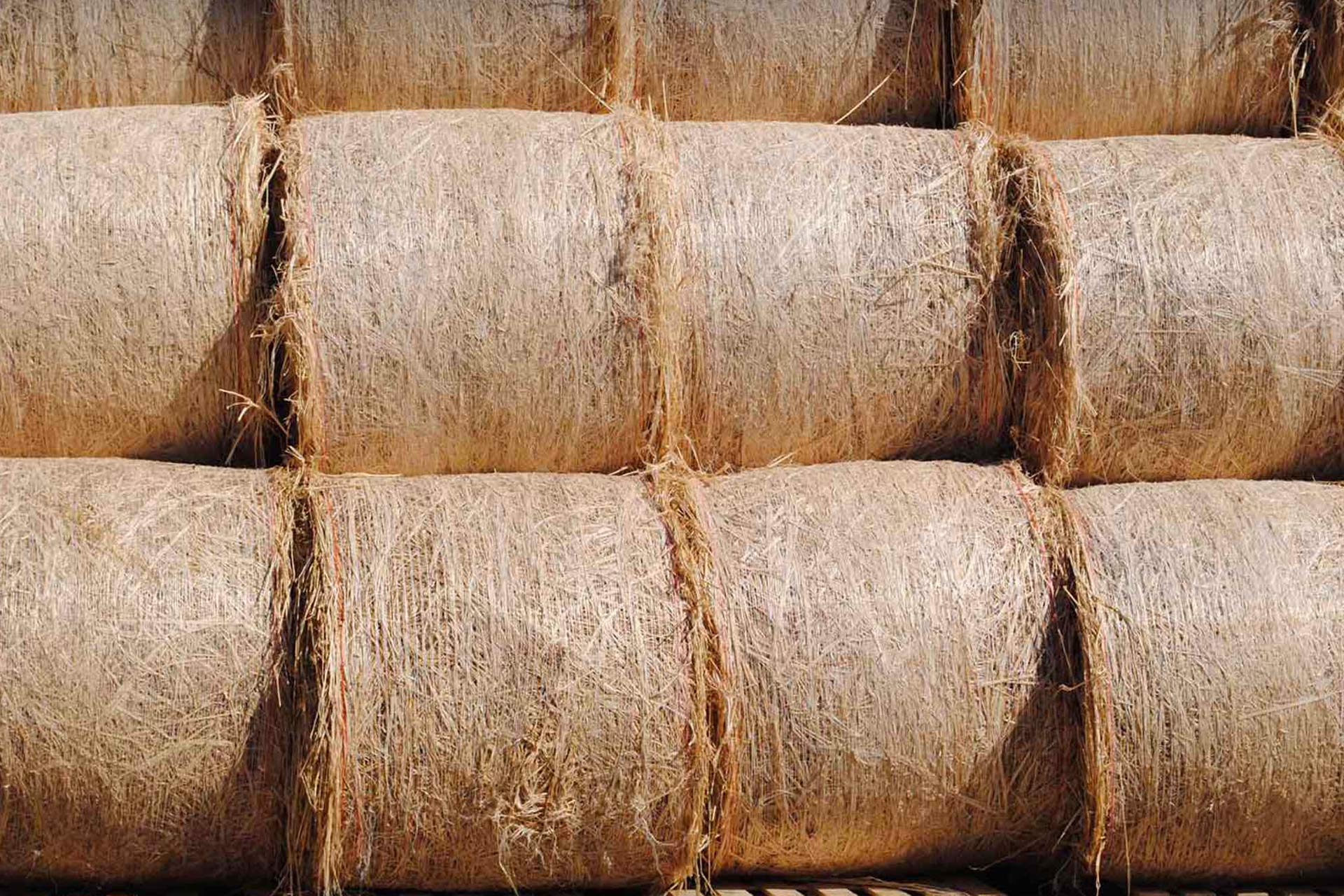
Hemp stored in round bales is then opened and the stalks cleaned of soil and stones. The next stage consists of breaking the stalks as they pass through calenders or rollers that split the hemp straw. The resulting fiber then moves to the scutching stage, where a turbine cleans and separates the fibers. The result is hemp shive and fiber.
Decortication requires specific machinery and systems. In Italy there are only four processing plants: Assocanapa in Carmagnola, Turin; Bio Hemp Trade in Cerignola, Bari; Canapa Filiera in Vecchiano, Pisa; and South Hemp Guide in Crispiano, Taranto.
South Hemp, a hemp processing center in southern Italy
South Hemp has developed an agricultural supply chain across central and southern Italy, involving Lazio and Marche as well as Puglia. The company processes four fiber varieties using French seed. Its objective is to test Italian seeds, working closely with the seed supply chain through fiber-harvesting trials. South Hemp is headed by Rachele Invernizzi, who is also vice president of Federcanapa.
Invernizzi explains: «What Italy needs most are processing centers. We opened our South Hemp Tecno operating site in Crispiano at the end of 2014. By 2019, we had reached 500 hectares under cultivation, with 230 companies working with us. Because of Covid we have been at a standstill for a couple of years, but demand is constant. We are continuing with research and development projects. In Europe, hemp is completely sold out until September, when the new harvest arrives. We need to start producing straw, but we need centers to process it. Demand is high: if we start with three or four plants in Italy, we could have no competition».
South Hemp: Rachele Invernizzi, vice president of Federcanapa
«The current limitations on continuous and effective hemp production are the machines, because they are not always suitable. Investment is needed. Machinery for this type of processing exists in Europe. It needs to be adapted somewhat to the kind of straw processing carried out in Italy, which is different from that of northern European countries. Our straw gets more sun and grows vigorously because our climate favors this crop, from the sea to the mountains. At an altitude of 1,100 meters in Sicily, I have seen hemp of rare beauty».
South Hemp produces high-quality fiber – ninety-seven percent clean – used in nonwovens and the automotive sector. When carded, it can be used for padding and yarns. Hemp shive is widely used in bio-construction, animal bedding and plastics as a biocomposite.
Invernizzi: «We are working with a partner on a project to develop a plant that should become operational in 2023. The current line works well at seventy percent, but it has a problem with material intake. We have a dust- and fiber-cleaning department that works perfectly. What we want to achieve by implementing our line are the decortication and scutching processes. They must be able to process hemp gently, so that we obtain good fiber and can then weave it. Hammer processing does not make this possible. Upgrading the plant will lead to a conversion to mechatronics, with electronic components in both the motors and the management of products and conveyor belts».
Industrial hemp: Italy’s 2021 Budget Law
The Italian government is also addressing this growing sector. In December 2021, the first Hemp Supply Chain Round Table was held. Its objective was to approve a development plan with adequate funding capable of increasing production. Under the 2021 Budget Law, Mipaaf – the Ministry of Agricultural, Food and Forestry Policies – allocated ten million euros. Three million were made available for the development of the hemp supply chain. Hemp could therefore count on its first funds to strengthen synergies among sector operators, build a coordinated system, improve production and focus on research. There were three lines of intervention. The first consisted of financial support for the entities involved – 300 euros per hectare, up to a limit of fifty hectares. The second aimed to develop new hemp varieties and processing methods. The third sought to support companies investing in post-harvest operations: drying, cleaning, decortication and packaging facilities.
Hemp has an ancient history in Italy
Originally from Central Asia, hemp spread to China and then to Europe. With the expansion of the Maritime Republics, Italy became the world’s second-largest producer. In the 1930s, the country had as many as ninety thousand hectares under hemp cultivation. In the 1940s, Italy was among the leading countries in the production of Cannabis sativa, commonly known as industrial hemp. Postwar competition led to a gradual decline in production in favor of other crops. Synthetic fibers such as nylon entered the market. With the rise of the green economy and the growing need for more sustainable solutions, hemp has returned as an active crop, attracting the interest of many producers.
Industrial hemp: uses and associations
Hemp cultivation represents a potential turning point in the ecological transition. Hemp is a resilient plant that benefits soils. It can sustain multiple production cycles, reducing water consumption and eliminating the use of fertilizers and pesticides. Its roots extract pollutants from the soil. The plant absorbs large quantities of carbon dioxide, reducing pollution: one hectare of hemp absorbs more CO2 than three hectares of woodland. Hemp is versatile because of its many uses. It creates no waste, since every part of the plant can be used, making it relevant to the transition toward a circular economy. Its cultivation now involves numerous industrial sectors. Through the processing of fiber and hemp shive, the woody part of the stalk, it is used in fields ranging from textiles to bio-construction and bioplastics, from food to therapeutic applications. In Italy, this activity is developing slowly but steadily. The number of businesses and small producers investing in the revival and potential of so-called green gold is growing.