Federcanapa and industrial hemp today: where does the Italian supply chain break?
A conversation with Beppe Croce, president of Federcanapa, on industrial hemp in Italy: how to cultivate and process it without a linear supply chain
Federcanapa and the construction of an industrial hemp supply chain that Italy still lacks
Federcanapa was founded in 2016 with the aim of giving structure to a sector with a long history in Italy and a still-fragmented present. The Federation brings together farmers, processing companies, research laboratories and operators active across the different stages of the industrial hemp supply chain. «The aim is to connect those who produce hemp with those who use it», explains Beppe Croce, president of the Federation. «If there is no complete supply chain, with agricultural and industrial continuity, hemp remains a collection of isolated initiatives».
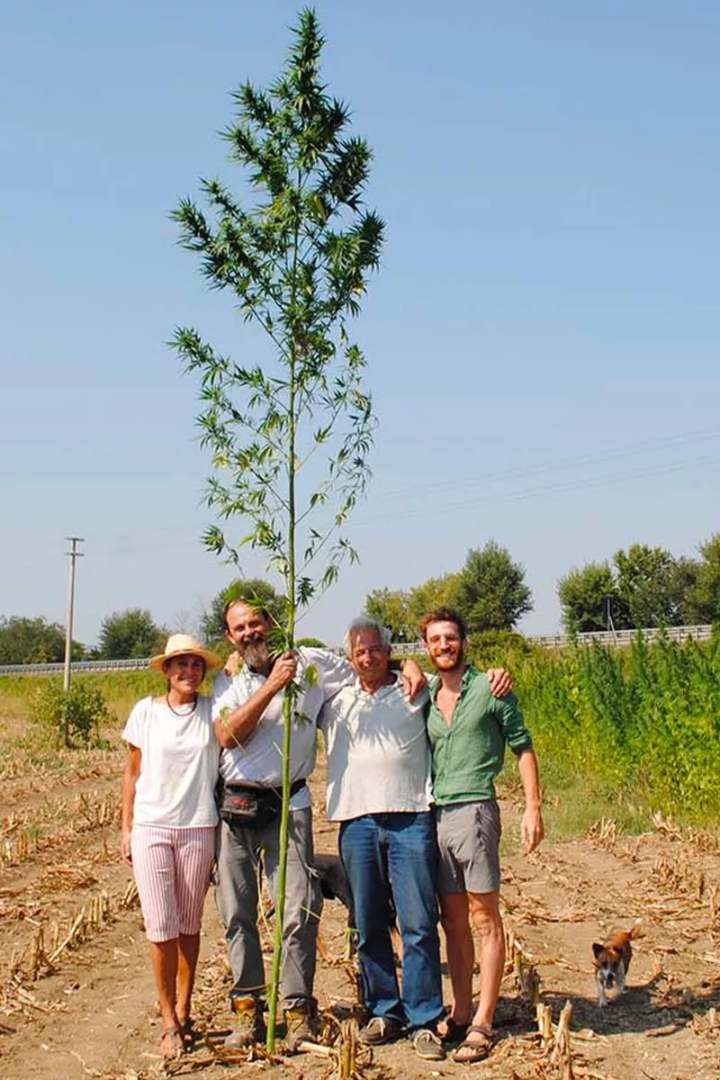
Hemp was a widespread crop in Italy until the 1960s, when it was progressively replaced by synthetic fibers and production models oriented toward monoculture. Its return over the past twenty years is not driven by agricultural nostalgia, but by the possibility of integrating a multifunctional crop into sectors now seeking renewable materials. What is missing is not cultivation, but processing capacity: the supply chain is an industrial system before it is an agricultural extension.
Circular economies that exist only in part
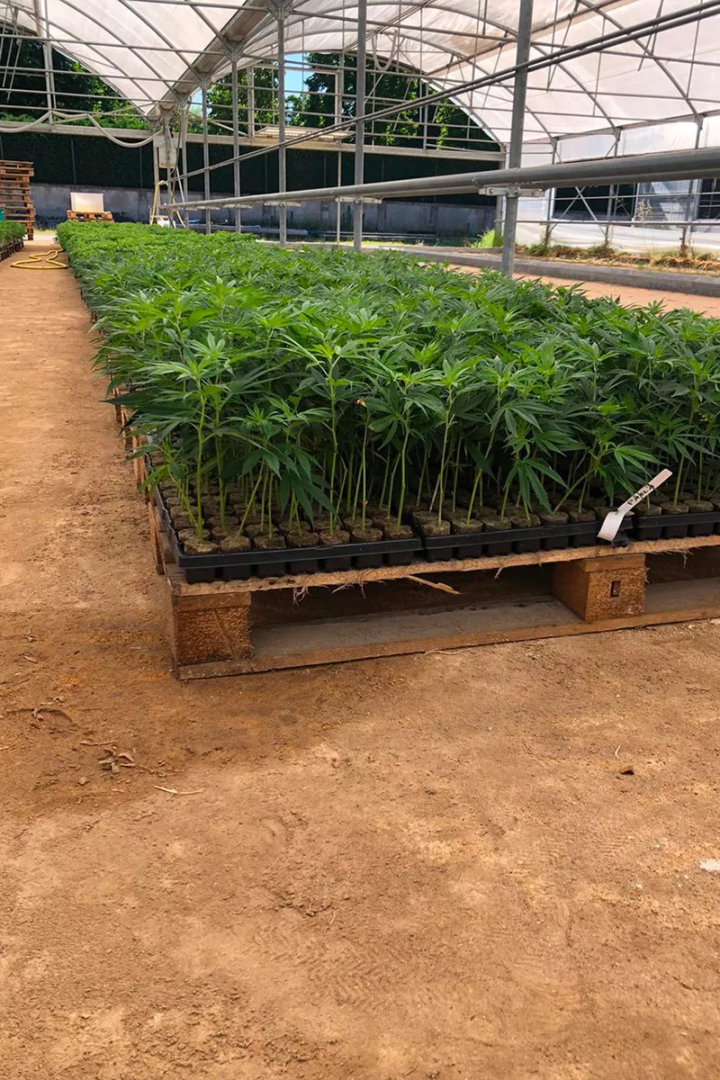
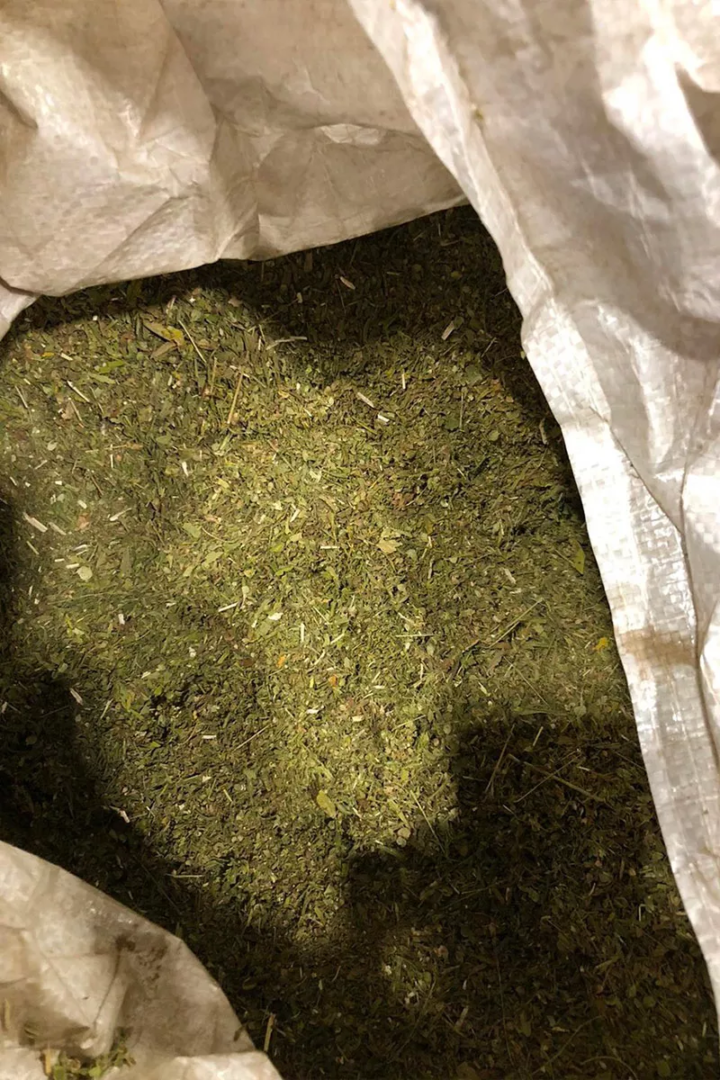
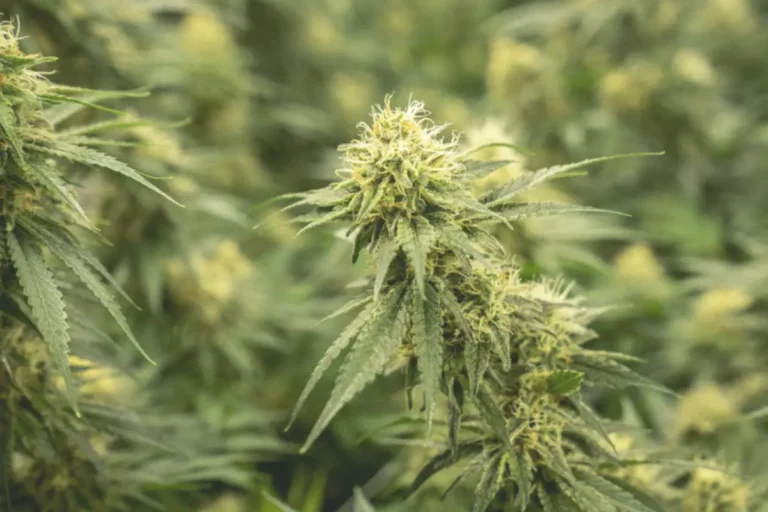
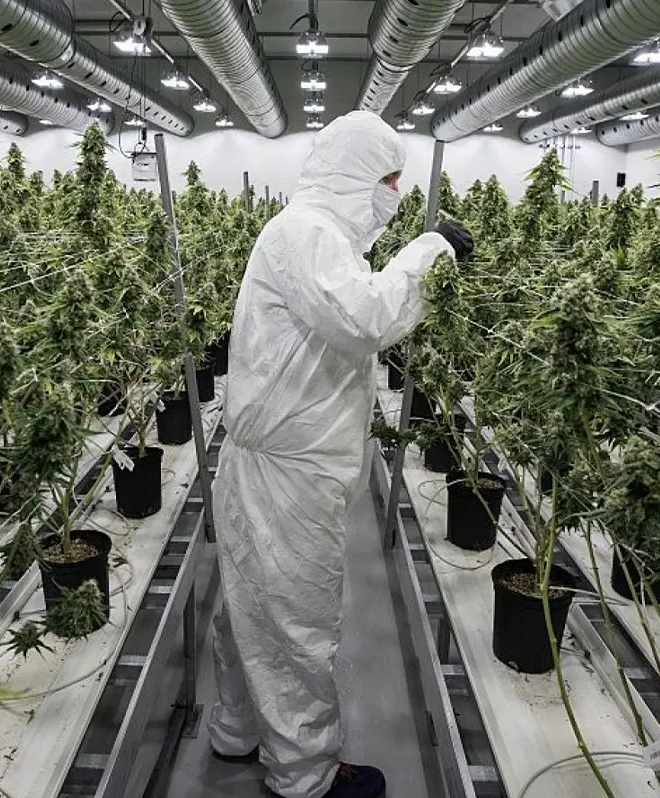
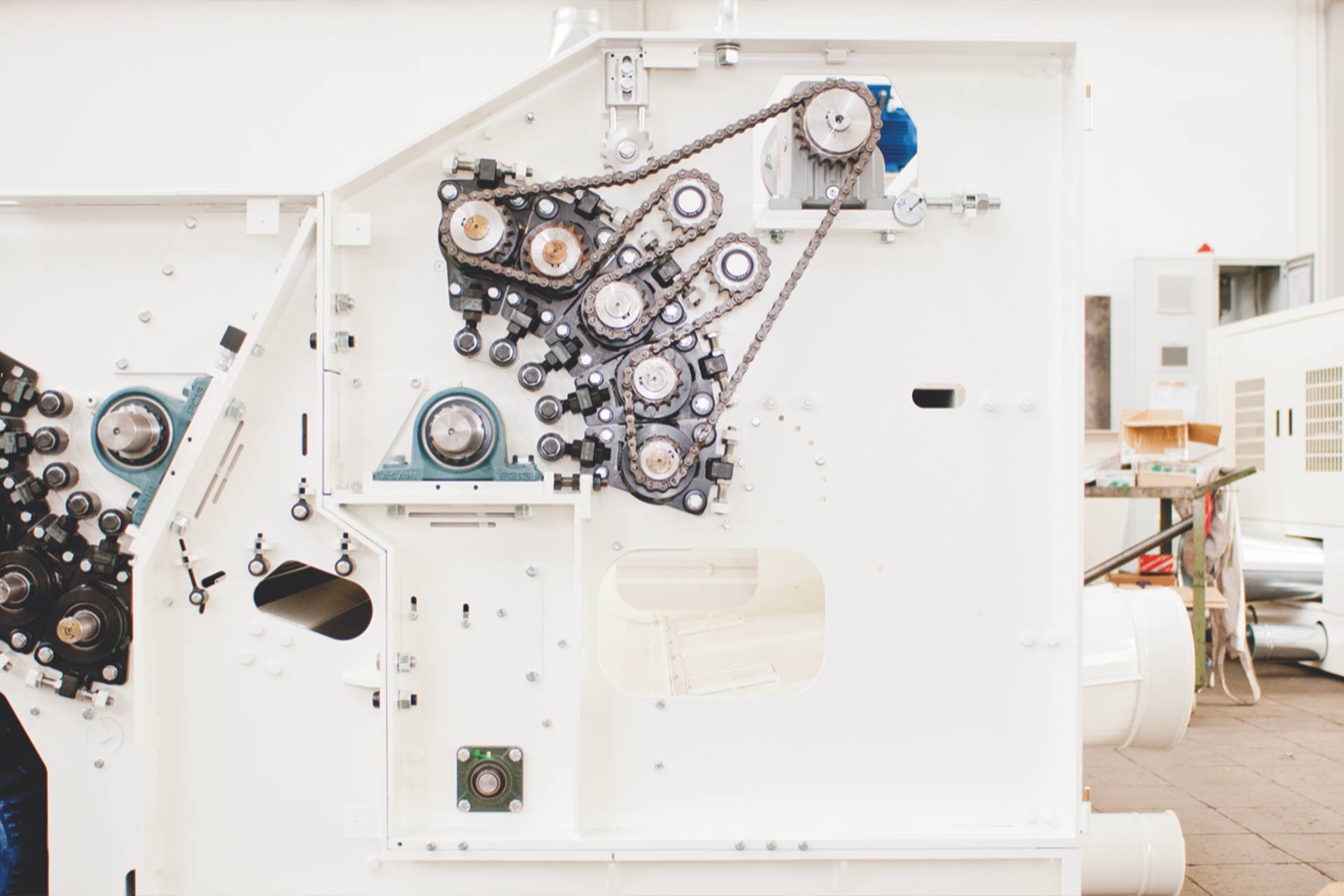
Hemp is a plant that can be used in its entirety: long fiber, short fiber, hemp shives, food seed and biomass for extraction. Its place within circular economies is almost immediate in theory, but in practice Italy has a supply chain that breaks down shortly after the agricultural stage. Turning hemp into a material usable on an industrial scale requires plants, continuity of harvest and logistics: «Something is moving on the processing-plant front. In Parma there is an operating plant for short fiber and hemp shives. In the Marche, a small plant processes long fiber. In Verona, hemp-shive pellets are produced».
At present, however, these operations are still insufficient to sustain constant volumes or continuity of supply that would allow farmers and end users to plan production and processing over time: «The problem is not a lack of interest. The problem is discontinuity. France moved forward because it invested on an industrial scale. Today there are two completed plants and a third under construction. They aligned agriculture, processing and demand. They have a supply chain». In Italy, many projects are announced before they are actually built: «Until they are switched on, they create nothing».
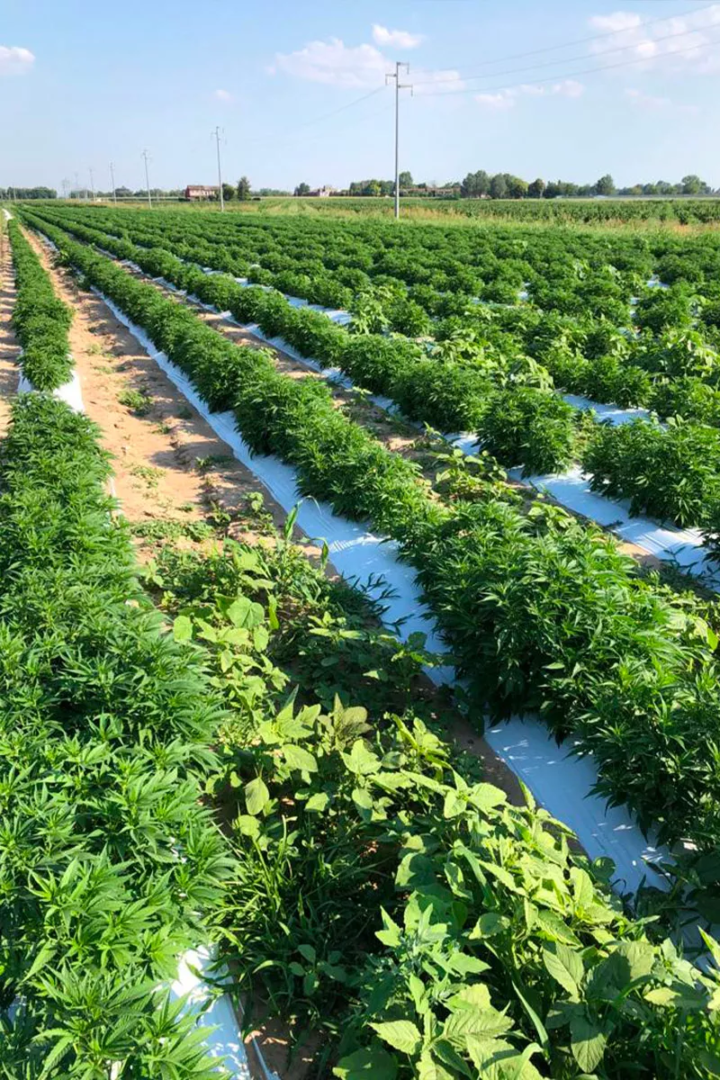
The distance between potential and actual operation can be measured in everyday farming: a farmer can sow hemp only if they know who will take the harvest, at what price and on what timetable. The crop is stable; the supply chain is not yet. It exists more as a shared intention than as infrastructure.
Sustainability as an agricultural effect, not a narrative
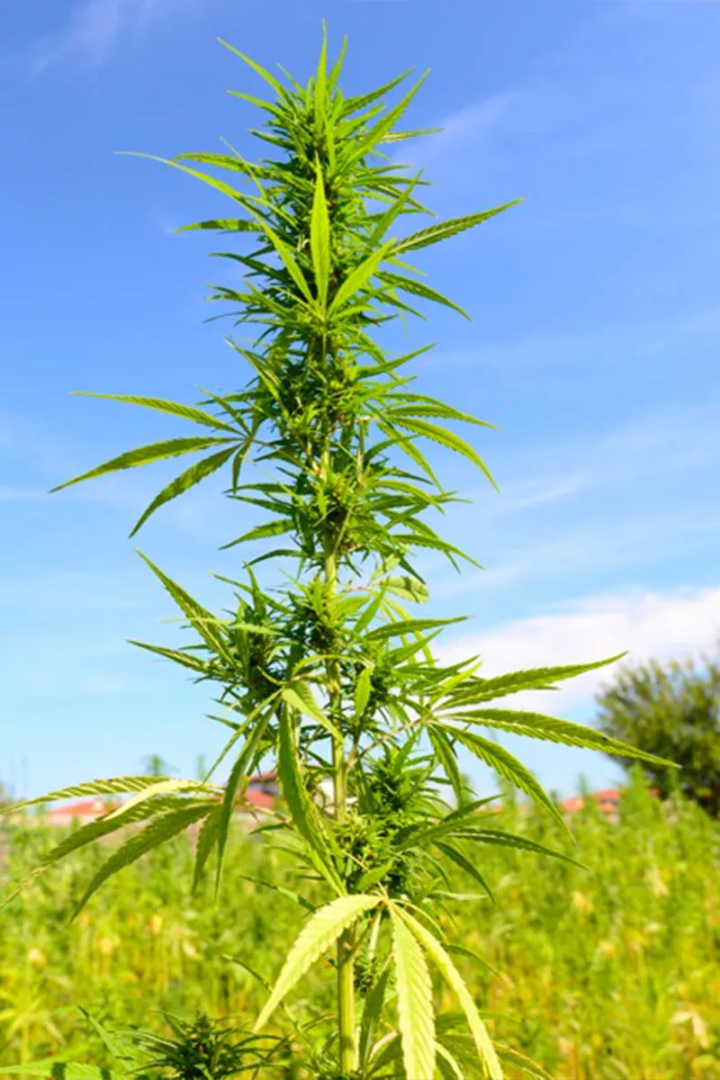
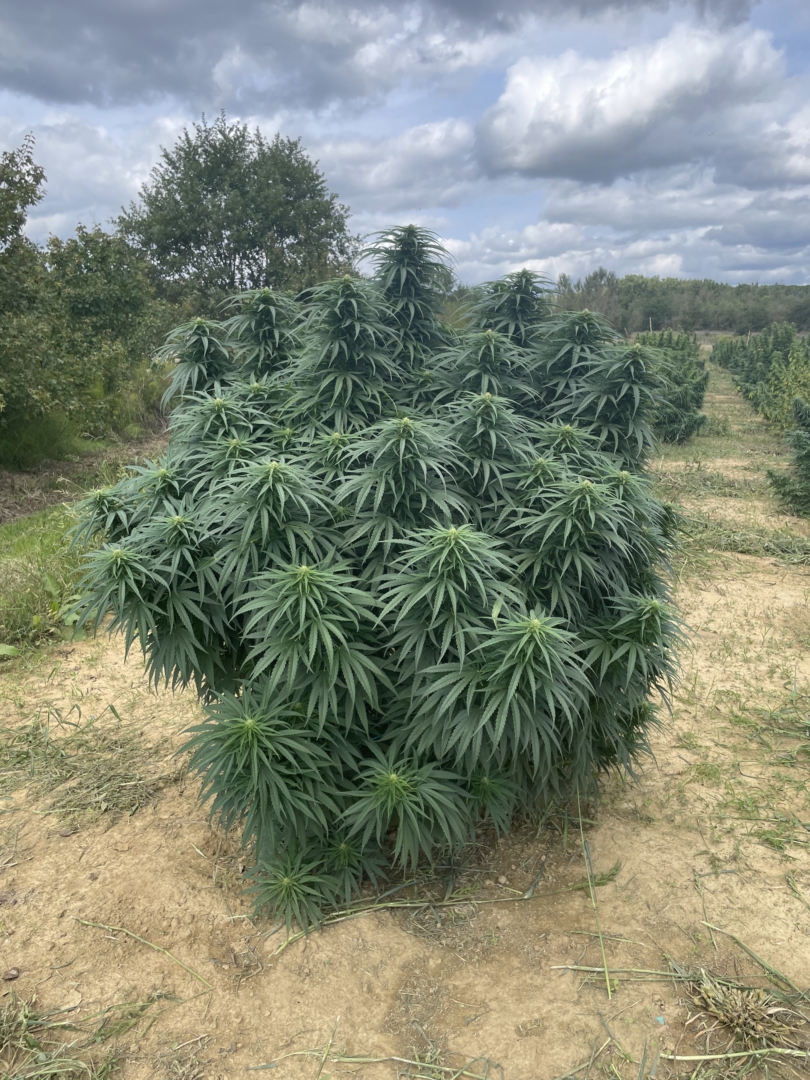
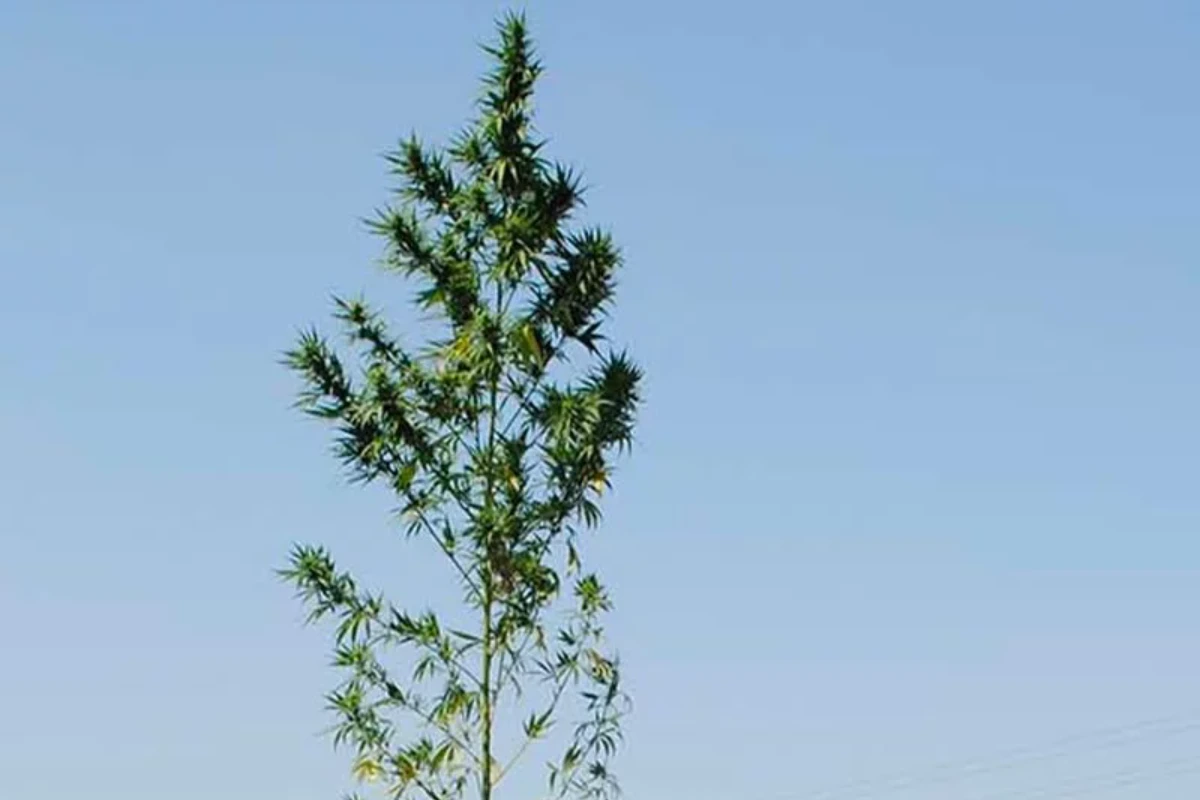
Hemp is a crop recognized for its contribution to agricultural sustainability. The issue is not slogans but soil behavior: «When grown densely, hemp smothers weeds and acts as a natural herbicide». Its root system leaves soils better structured; its short growing cycle allows it to be introduced into rotations without depleting fertility.
In many Italian areas, hemp has been introduced to break continuous cropping patterns and restore agronomic diversity. Its spread, however, is not determined by its agronomic qualities but by the presence or absence of processing plants. The sustainability of the crop is stable; the sustainability of the supply chain remains conditional.
Natural raw materials missing from the domestic market
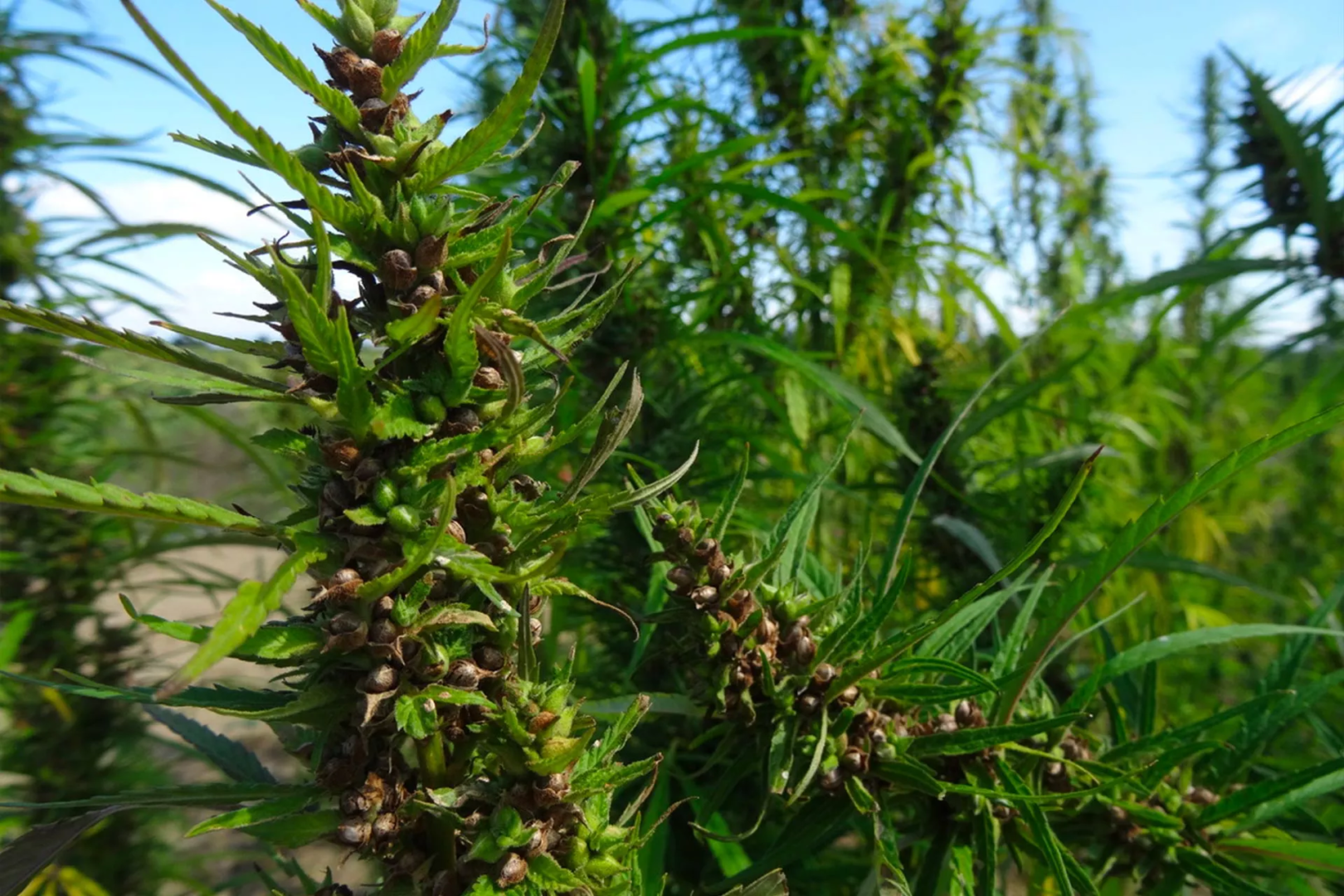
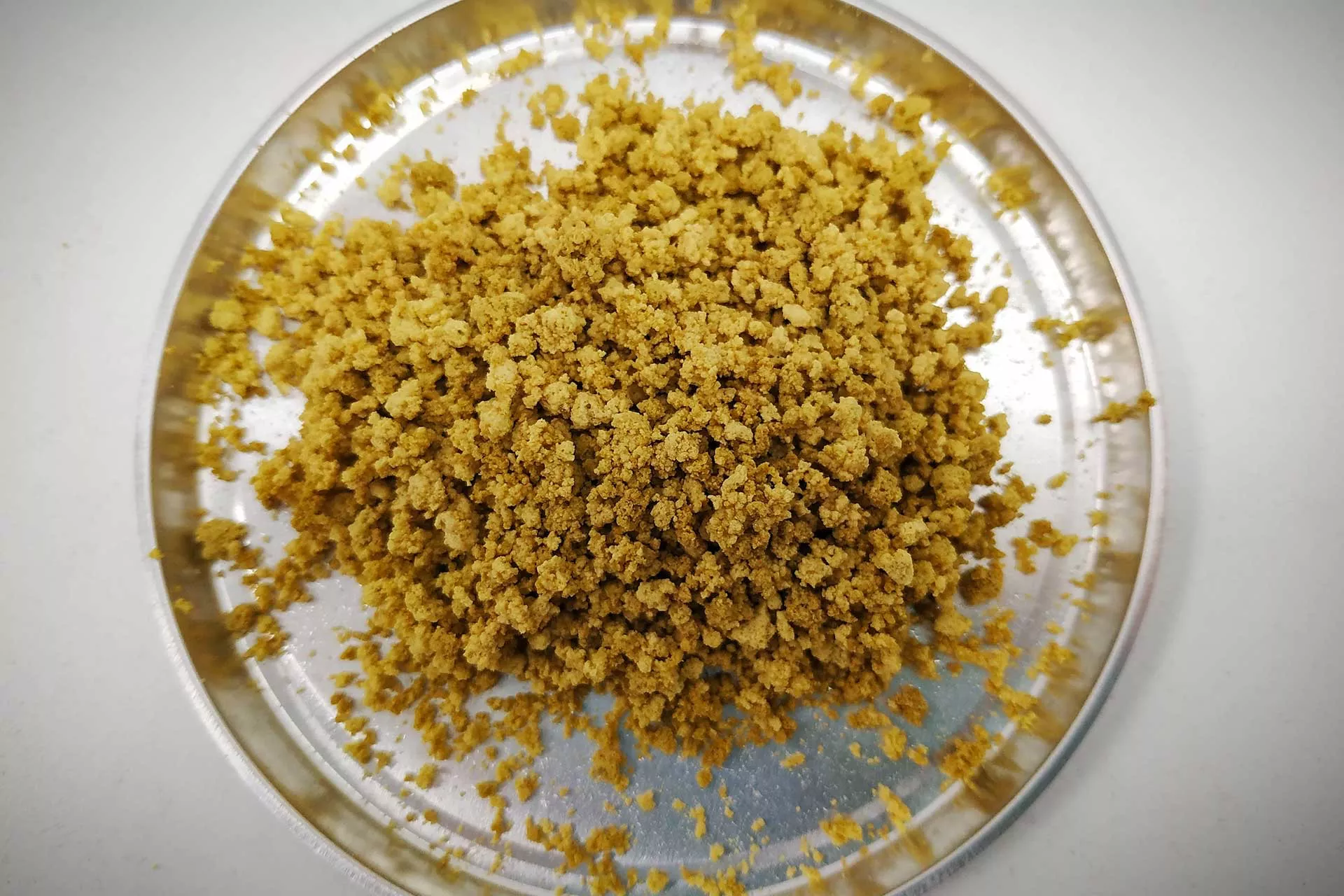
There is growing demand for hemp seed for food use among processors and small producers, but domestic supply is insufficient: «There is strong demand for seed, but national production cannot meet it. In some Italian tenders, foreign operators came first not because they were more advanced, but because they had product available».
The Italian Carmagnola variety continues to be grown for seed and fiber, but in recent years varieties from Northern Europe, selected for higher yields, have also been tested: «An Estonian variety produced very high yields in some contexts. It depends on the soil, it depends on the area. You cannot generalize, but it has potential that deserves to be studied with greater continuity».
The objective, in any case, is not to choose the best variety but to establish a repeatable cultivation pathway capable of guaranteeing a supply of processable seed every year. Variety trials are frequent today but fragmented, conducted on isolated plots or small areas. What is needed is a system capable of turning local experiments into continuous production.
Textile hemp: a supply chain that exists only in the story of its possibility
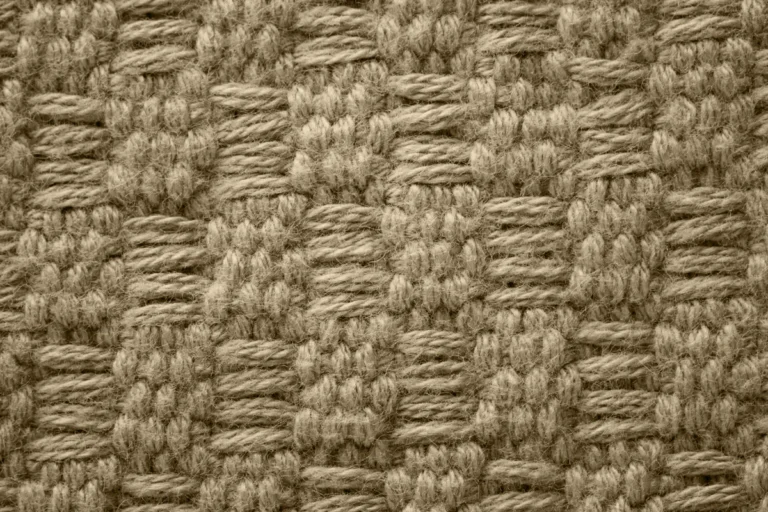
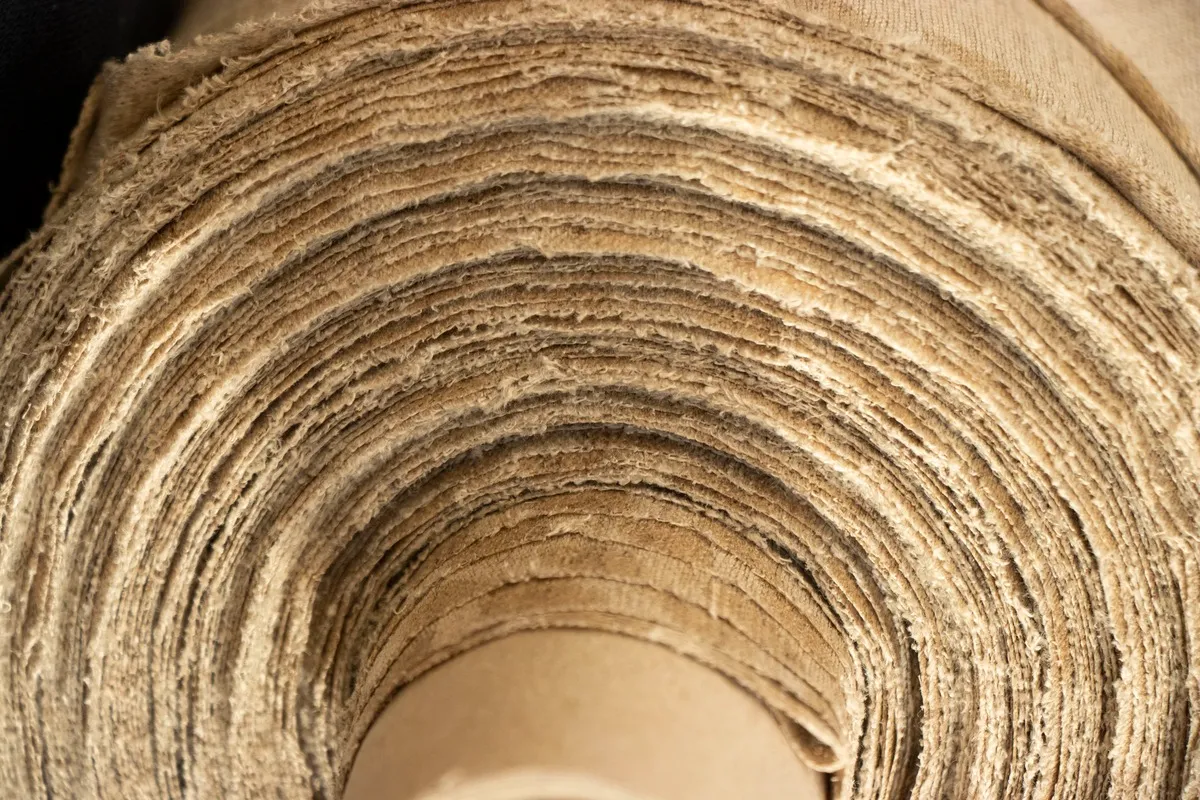
Textile hemp is the sector that most clearly reveals the gap between potential and present conditions. Long fiber requires dedicated spinning, retting processes and mechanical treatments that turn it into material suitable for yarn. The technologies exist: some survive in industrial memory, while others have been reinterpreted by European spinning mills working with “difficult” fibers or fibers with limited commercial availability.
This, however, is not the real limitation: «Textiles have not taken off. The interest is there, but there is not enough demand at scale».
Some Italian companies have experimented with fabrics for hospitality, furnishing materials and technical components, but this is not yet a supply chain; these are pilot projects, experiments limited by the availability of raw material: «Short fiber will probably take off first, because it can be absorbed by the technical-materials sector, furniture or design».
The fashion textile sector requires continuous availability, consistency of performance and narrative capacity: elements that cannot exist until processing is stable.
In this sense, hemp appears as a fiber that is already known and already viable, yet still suspended. It is a material that could become distinctive, but today industrial certainty and continuity of demand are still missing.
Construction as a driving sector that still does not structure a supply chain
Construction is currently the sector using hemp most continuously: plasters, bio-bricks, insulation panels and composite systems for construction and renovation. Its appeal comes from reducing the footprint of materials and from hemp’s ability to regulate humidity and improve insulation: «Not only individual homes but entire building complexes are now being constructed».
Growth in demand, however, does not coincide with maturity of the supply chain. Processing plants still do not cover demand, logistics are discontinuous and volumes are unstable. Construction can drive the supply chain, but it cannot replace it. The risk is growth that comes too early: building without a supply chain means building while depending on imports or irregular production.
Between regulatory interpretations, public perceptions and the construction of common ground
The legal definition of industrial hemp in Italy continues to be shaped by interpretations of different parts of the plant and by the boundary between agricultural, technical and therapeutic use. The discussion concerns cultivation less than what can be processed, transformed or marketed: «The Security Decree mainly created confusion in communication. Those rules were then interpreted by the courts, and all recent rulings have recognized the possibility of using the plant in the absence of significant psychoactive effects». The thresholds guiding assessment are not laws and do not originate in the agricultural sector, but in international forensic literature. The result is a framework that does not prohibit, but makes perception uncertain.
The European Parliament has allowed the entire plant to be used, without distinguishing between stalk, leaves and inflorescences. It is a political and technical indication intended to become a basis for regulatory harmonization: «We asked the Ministry of Agriculture not to obstruct the process. If it does not intend to support it, it should at least refrain from intervening to block it». The sector can grow only if regulation stops being perceived as a gray area.
In this scenario, Federcanapa has a dual objective. On the one hand, to build a place where supply and demand can meet in a verifiable way, without fragmentation: «We receive requests for raw materials or processed products that often do not find an immediate response, not because producers do not exist, but because there is still no structured point of connection».
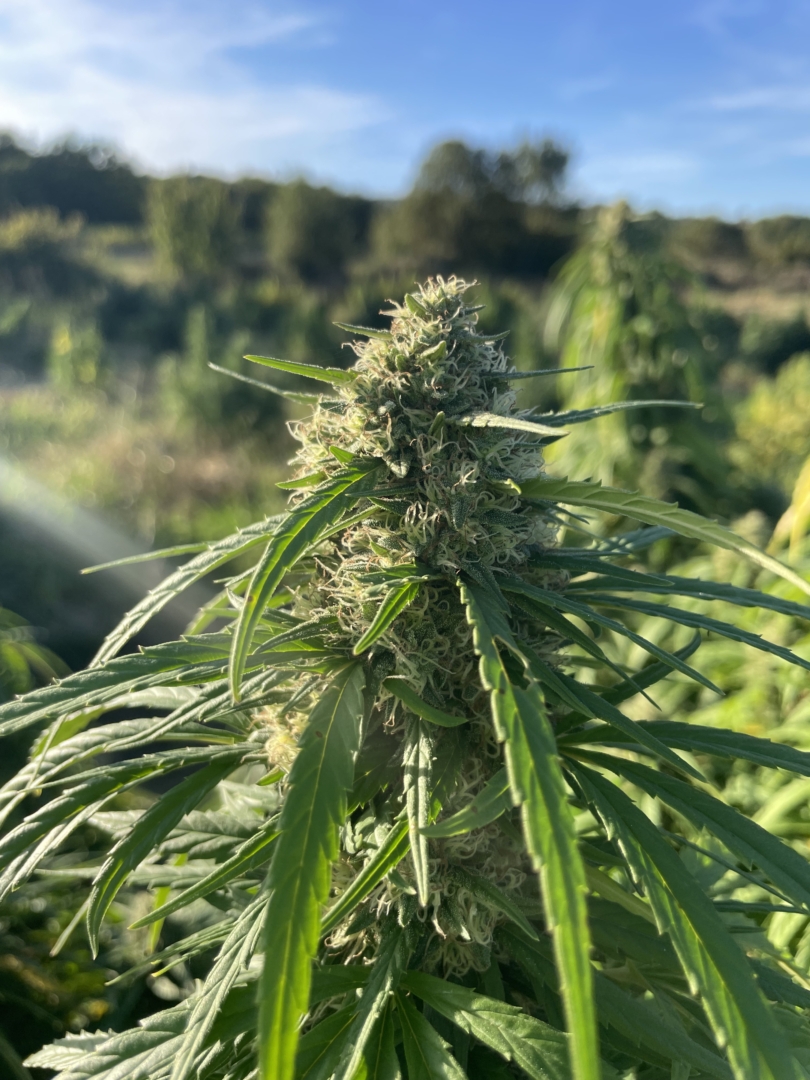
On the other hand, to promote hemp for therapeutic use: «Medical cannabis can help change public perception of the plant as a healthcare, industrial and agricultural resource. The most important effect could be cultural even before it is economic».
The industrial hemp supply chain in Italy remains in a phase of definition. Cultivation, processing plants and uses across different production sectors are progressing unevenly, with some areas developing and others still at a standstill. The picture remains open.