Hemp and lime for green building
Renovation, historic preservation and energy efficiency. A natural combination recovered from the past, and the case for public support in Gilberto Barcella’s book
Hemp and lime for green building: Gilberto Barcella’s vision
«I am writing this book in an attempt to clear my conscience». This is how Gilberto Barcella, author of the book Hemp and Lime: Between Tradition and Innovation, from Bio-building to Neo-building, introduces his reflections. The issue is not simply to recognize hemp as a versatile resource for construction, but to explore how it could become central to energy saving and environmental sustainability. Countries including France, Sweden, England, Bulgaria and Israel have already recognized the value of hemp and lime for efficient, durable buildings.
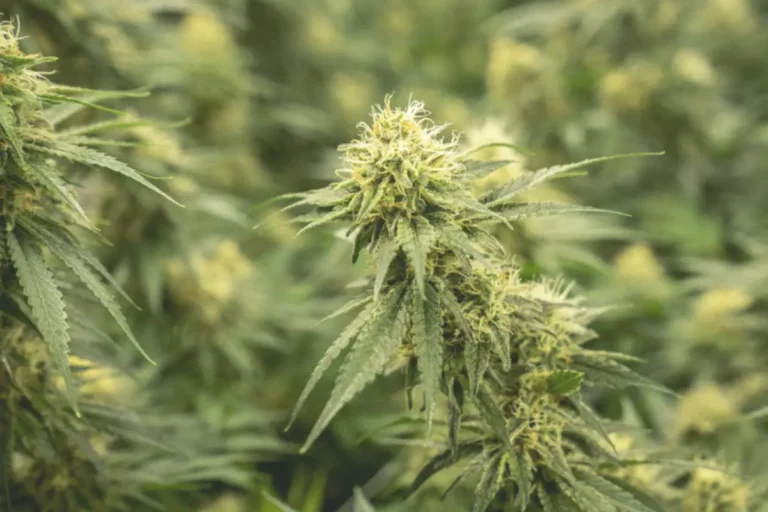
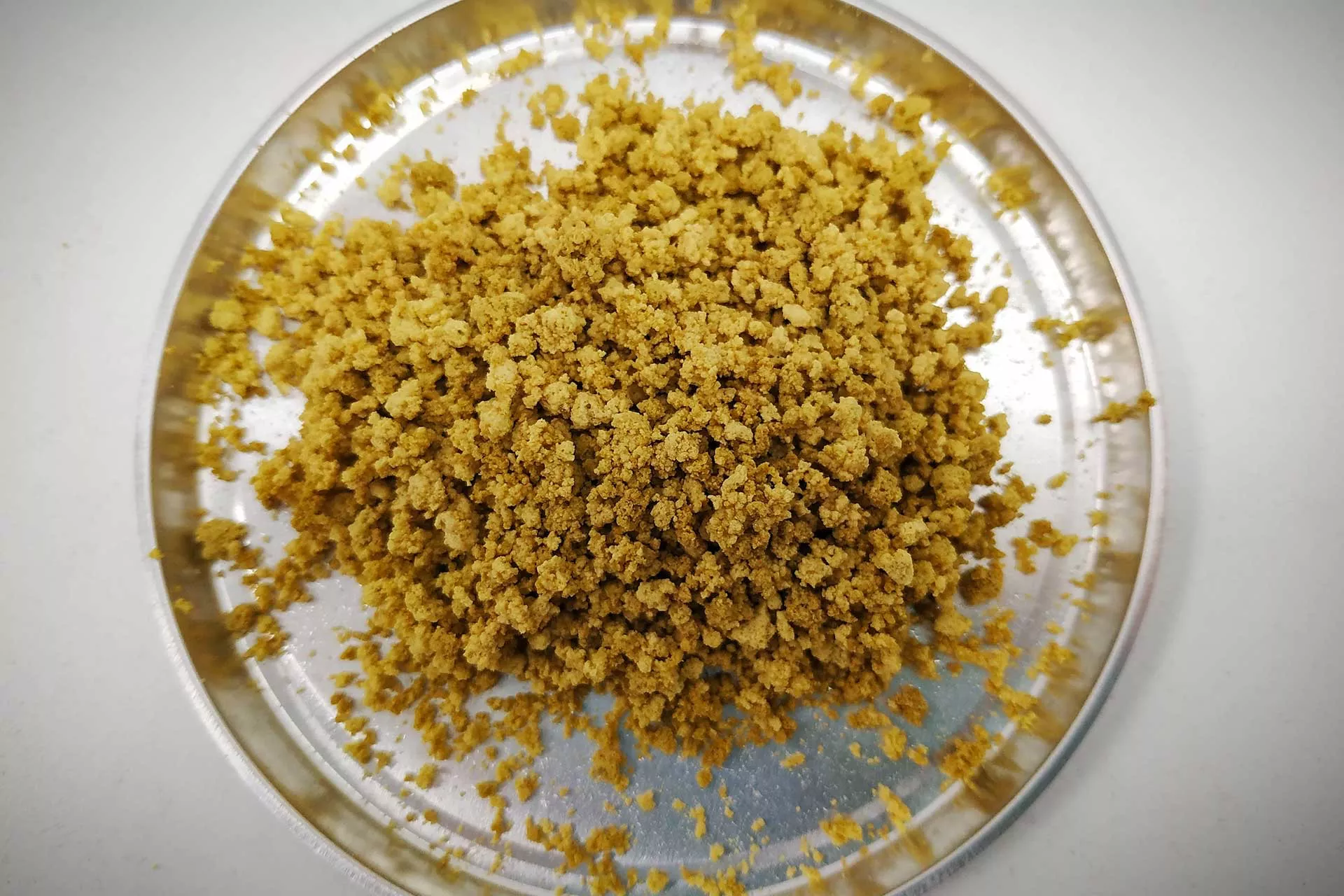
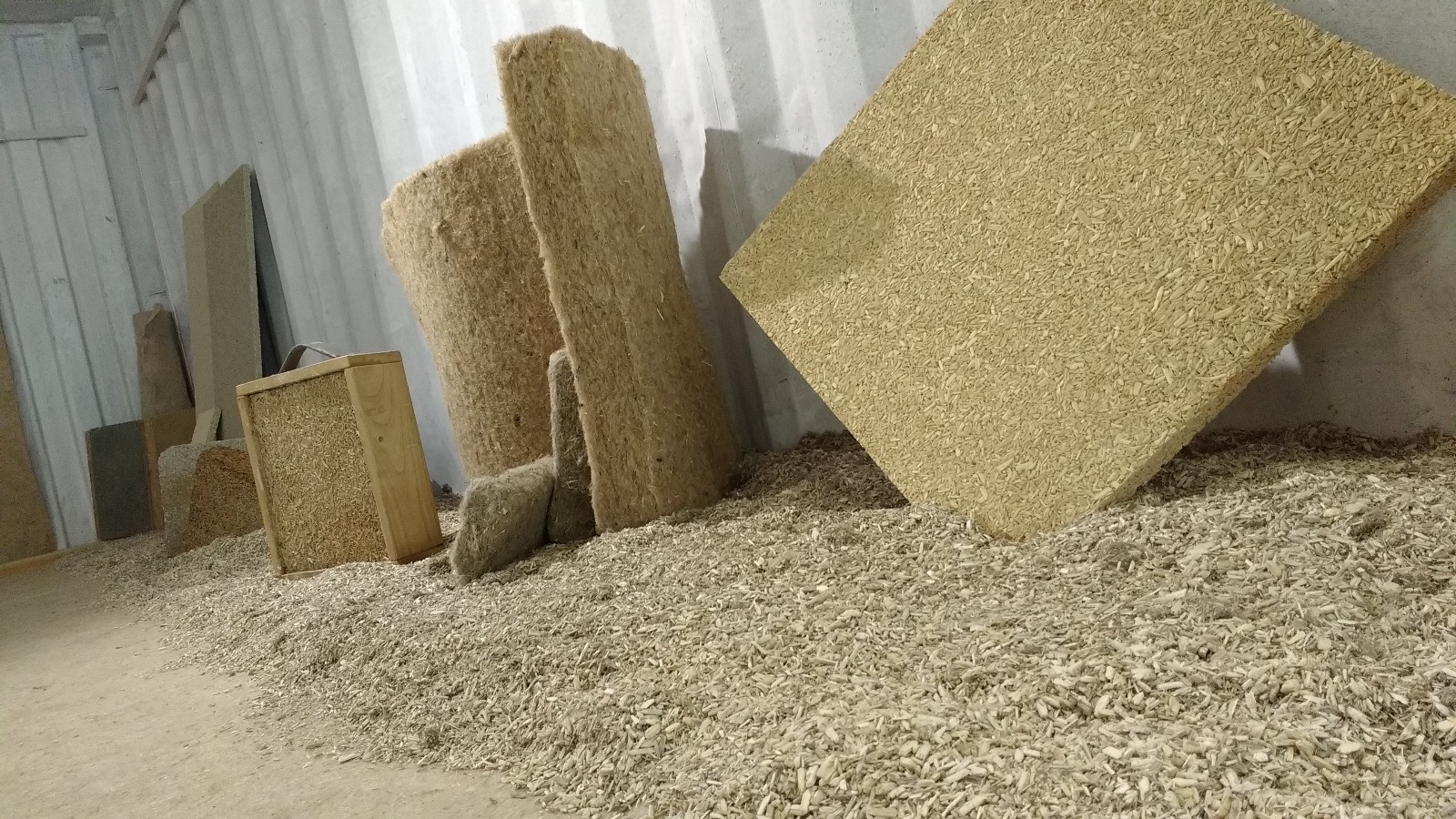
«In Italy, we are still behind», Barcella explains. «We talk about energy efficiency and eco-bonuses for synthetic materials, such as expanded cellular cements and synthetic insulation, which are often preferred at the expense of natural solutions». With five hundred building sites behind him and a patent for hemp-and-lime biocomposites, Barcella proposes an industrialized system for creating efficient, recyclable and natural building envelopes. In construction, hemp is used in the form of shiv, a by-product of fiber processing, combined with lime, a natural binder derived from limestone.
The first written document on the use of hemp
The answer may therefore lie in tradition, although this is a word the author prefers to connect with the meaning of “handing down” rather than “betraying”, as the materials we conventionally call traditional today might do despite having no virtuous historical precedent. It is better, then, to speak of history. «Hemp allows us to reintroduce into building systems the air lime that was central to historic buildings and monuments now regarded as eternal, such as the Colosseum, medieval baths or castles that we can still see, visit and inhabit today despite the centuries, wars and natural disasters», the expert continues.
«The first written document concerning the use of hemp and lime to build a good wall in conditions of high humidity dates back to Leon Battista Alberti’s De re aedificatoria, from around 1450. Today, when I talk about these materials to architects or designers, I am asked whether there are examples of houses built using this technique». The difference lies in contemporary innovation, which can draw on examples from the past and today’s techniques to provide an additional incentive for enhancing a durable final product.
Hemp and lime against pollution from construction
In terms of pollution, construction is the industrial sector responsible for forty percent of the gases released into the environment. This is due to the materials used for building envelopes, whose sourcing process produces CO2 and leads to solutions that do not offer energy efficiency comparable with natural materials. The issue of external insulation systems is subject to legislative constraints that construction must comply with, but these should be reconsidered in the case of insulation made from natural mass materials.
There are also the savings that could be achieved by introducing this construction formula. «In Italy, average annual consumption for winter heating is twenty-five liters of diesel per cubic meter. If every home were insulated with hemp and lime, the country could save forty-five billion euros a year in heating costs. Polystyrene is certainly cheaper, but hemp delivers savings over the medium and long term», says Felice Giraudo, founder and president of Assocanapa, interviewed and quoted in Barcella’s book. «Today, a conventional external insulation system costs around seventy euros per square meter and upwards, depending on changes in raw-material prices. Hemp and lime compliant with building regulations costs twice as much, and we require at least fifteen additional days of work», Barcella adds.
Hemp biocomposites
Building with hemp biocomposites provides strong thermal performance by regulating indoor temperatures and insulating interiors from fluctuations outside: retaining heat indoors in winter and protecting against external heat in summer. Hemp-and-lime biocomposites are mapped within the LEED building certification protocol — Leadership in Energy and Environmental Design, the system for rating the energy efficiency and environmental footprint of buildings developed in the United States in 1989 by the U.S. Green Building Council — and comply with the Minimum Environmental Criteria established by the Italian Ministry of the Environment.
[envira-gallery id=”70874″]
Hemp and lime for carbon-negative buildings
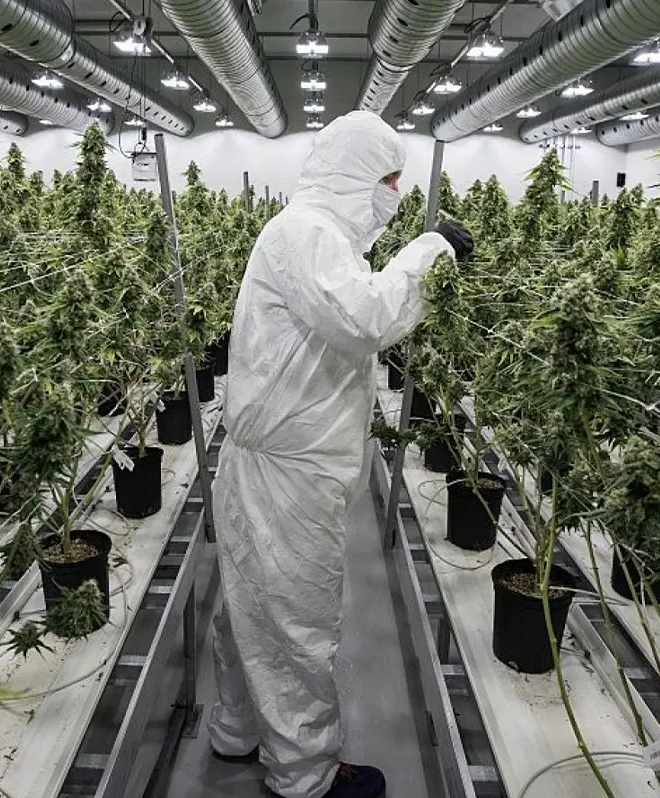
Aiming for carbon negative construction is consistent with the European Union’s position and its objectives for the future. Starting from an agricultural raw material such as hemp — zero-waste, positive-impact and locally reproducible — is necessary and increasingly relevant. At the same time, the surge in demand generated by state incentives for renovation and building energy efficiency cannot be matched by the available supply of hemp because the Italian market has a bottleneck. «It is not enough to have good ideas; you have to confront the market as it actually is», Barcella continues.
«If I decide to install a hemp-processing plant in central Lombardy, to serve three regions such as Lombardy, Veneto and Piedmont I need to cultivate at least ten thousand hectares of hemp. Then I could become a player capable of competing with France, which is where we currently source it. At the same time, I would have to produce fifty thousand tonnes of hemp shiv and thirty thousand tonnes of fiber, while competing with Chinese, French and Latvian producers in the automotive and fiber sectors. If I open a company like that today, I crash into other markets. If the State, through incentives, replaced synthetic materials with hemp for old and new buildings, the demand for hemp shiv could not be met. Only the State can take that step and rebuild the supply chain».
The hygroscopic qualities of hemp
The market, the country’s interests and those of companies involved in producing synthetic-compound materials are not the only factors in this transition. First of all, there are people who would like healthy homes: the hygroscopic qualities of hemp are scientifically measurable, as shown by studies conducted by the University of Bath, as are the antibacterial, antifungal and breathable properties of lime.
Yet homes are also expected to be completed quickly and to meet different aesthetic requirements. «A thousand years ago, houses were built in stone, in the colors of the earth or natural pigments. Today’s culture cares whether a house is beautiful, colorful, water-repellent and free of stains; people ask for ‘Austrian yellow’. What does that mean? Conventional construction is moving in the opposite direction from the culture of the past, which in Italy today belongs only to a niche of experts, people with a pronounced environmental sensitivity or restorers». The recovery of cultural heritage is another issue.
Hemp and lime for the conservation of historic heritage
One project demonstrating these properties on existing buildings affected by deterioration caused by high humidity and severe saltwater stress, as in the Venetian lagoon, involved the sacristy of the former monumental complex of the Abbey of San Tommaso dei Borgognoni on the island of Torcello. There, a six-centimeter layer of low-density hemp and lime — compared with the eighteen centimeters required with “modern” materials — together with an external intervention to restore the façade, allowed the walls to recover their original color and appearance. They remained unchanged even after the 2018 Venice flood. Similar work was subsequently carried out in several historic residences in Venice and at the Fattoria dell’Autosufficienza, an applied ecology center in the Romagna Apennines, on the edge of the Foreste Casentinesi National Park, which began with a ruined structure.
Hemp: a resource for the future of construction
«Italy has an enormous problem: preserving works of art. We have seventy percent of the world’s artistic heritage, much of it stored in museum basements where it is deteriorating. The buildings cannot maintain regulated temperature and humidity conditions, which would be ideal for their preservation. This is why systems to regulate humidity or restoration work are necessary. In Turin, the intervention inside the Salesian museums, including the room of the Madonnas of the World, restored habitability to an environment that had been full of mold and water infiltration. Hemp and lime is a solution that can also help art», Barcella points out.
For more recent buildings, examples include the Case di Luce apartment complex, built in the municipality of Bisceglie by Pedone Working using lime-and-hemp biocomposites, which received the CasaClima 2017 Platinum Cube and won the Energy and Hot Climates category at the 2016 Green Building Solution Awards; as well as nine buildings under construction in the Verona area at San Vito di Negrar and six apartments in Pedemonte di San Pietro.
Gilberto Barcella
Gilberto Barcella has worked in construction since 1998 and with hemp biocomposites since 2010. Since 2018, he has served as manager of the technical-commercial and research and development area at Senini S.r.l. in Montichiari, Brescia. In parallel, he teaches professional development courses for architects, surveyors and engineers throughout Italy, collaborates with the Polytechnic University of Milan by holding seminars and supporting research and in-depth studies, and has been a speaker on several courses organized by the National Association of Biological Architecture.