Guidebook
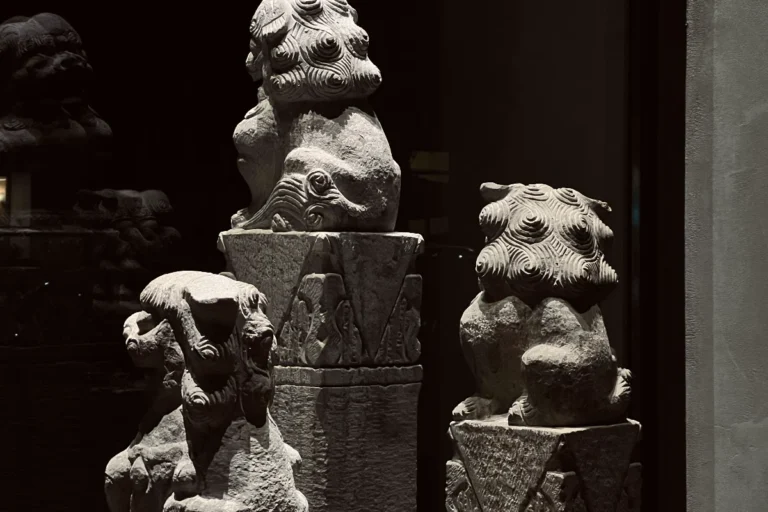
A study in Cantonese gesture, labor, and spatial ethics
In Milan’s De Angeli district, Ba Restaurant maps a quiet Cantonese lineage—through untreated materials, slow kitchen rituals, and the deliberate absence of visual symbols of identity
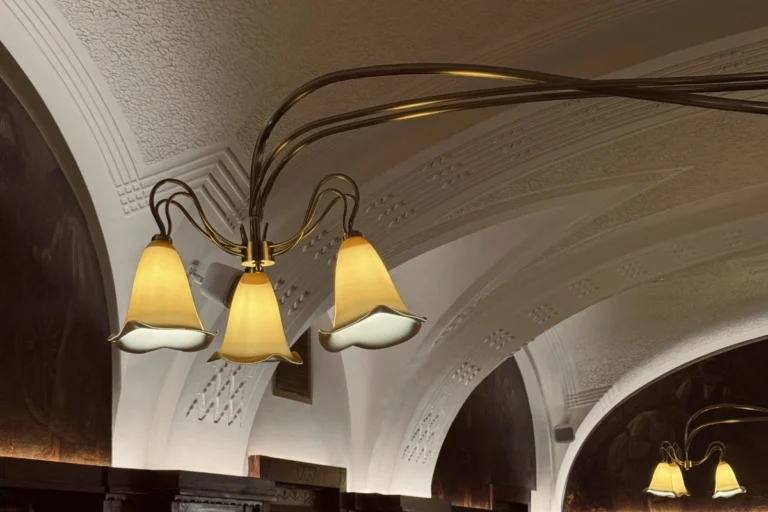
W Prague’s Art-Nouveau Shell and Modernist Core in Dialogue
At the former Grand Hotel Evropa, W Prague reinterprets Czech Art Nouveau through restored details, a new architectural volume, and a narrative of memory and transformation
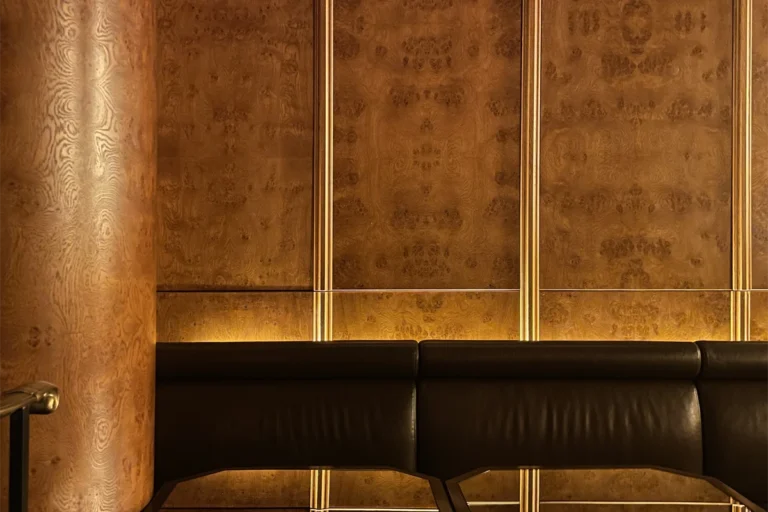
Hôtel Balzac: design and architecture of intimacy in Paris
The renovation of Hôtel Balzac focuses on sustainability through the use of locally sourced materials, circular production methods, and a design prioritizing durability over appearance
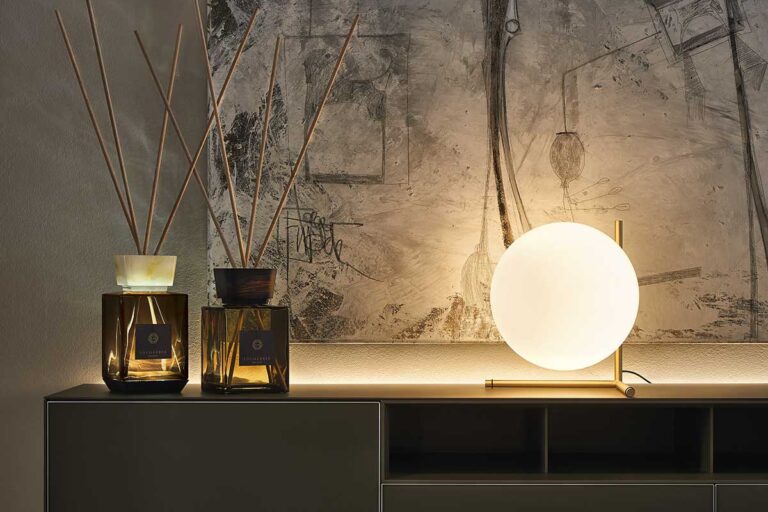
Tappi rari, Locherber. Natural does not always mean good
Brigitte Bärlocher takes us through the history of the famiy and how natural does not always mean good: «What we do is find a balance between natural and chemical. We...
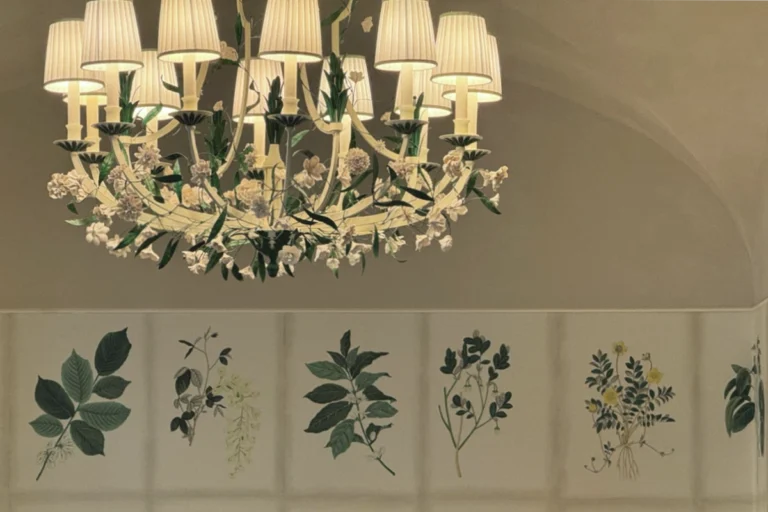
Onde: A Mediterranean Enclave in Florence
Rinascimento and the Sea: Onde, the new restaurant at the Four Seasons Hotel Firenze, embodies the essence of the Mediterranean within a historic Florentine palace
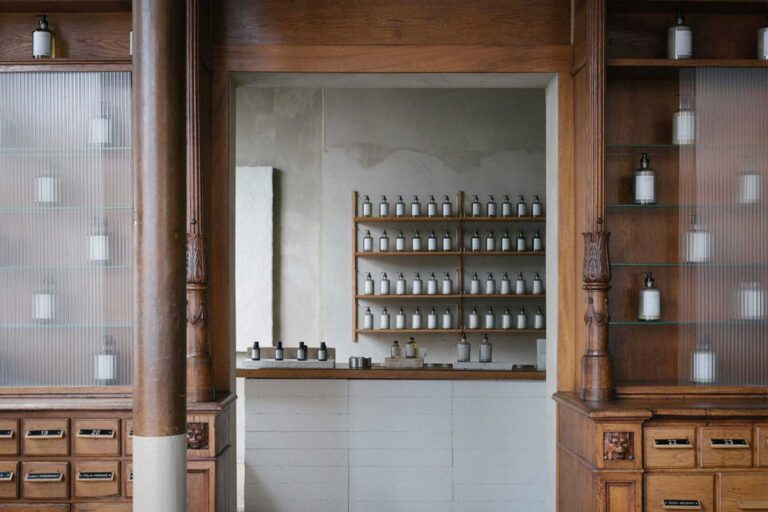
Apotek 57, Copenhagen. No room for chemical-ridden produce in the kitchen
«It is difficult to buy something that is not organic in Copenhagen», states Chiara Barla founder of the eatery located in a Seventeenth-century pharmacy. Milk, yogurt, and eggs are sourced...
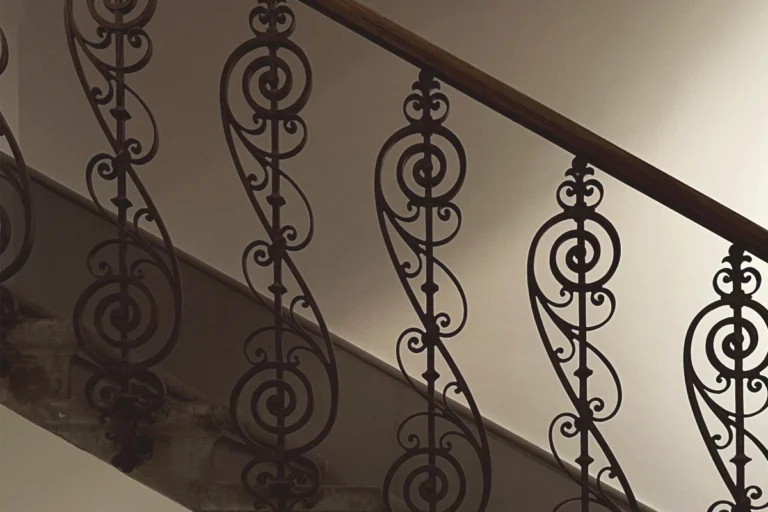
Frescoed Angels, Rough Stone, and Tuscan Marble: Two Heritage Buildings Reimagined in Florence
From medieval trade guild associations and 19th-century urban renewals to contemporary design interventions: Hotel Calimala preserves the past and writes a new chapter in Florence’s ongoing story
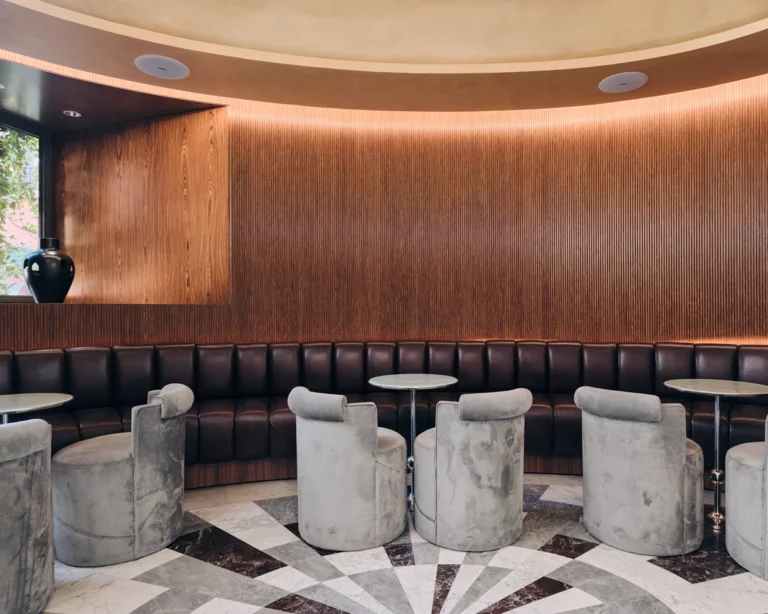
W Rome and Giano: Architectural Layers and Mediterranean Culture
Michelin-starred chef Ciccio Sultano spearheads a culinary fusion that bridges Sicilian traditions with the rich heritage of Roman cuisine at Giano, within W Hotel Rome
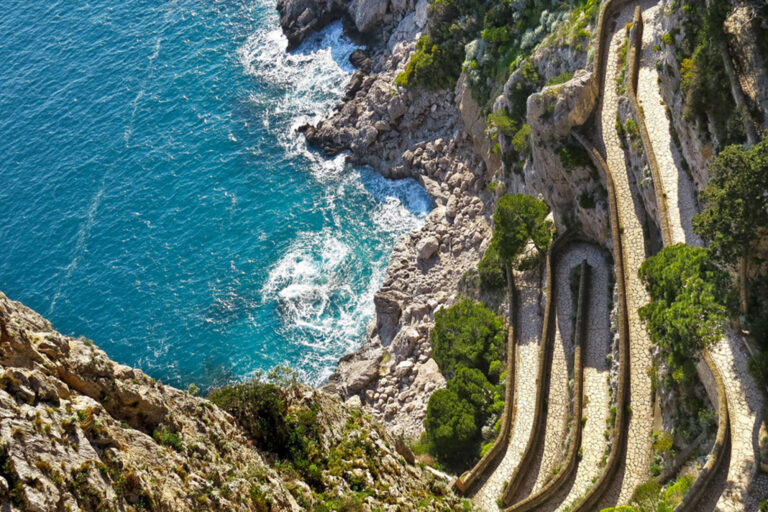
Carthusia, Capri. What does the most beautiful place in the world smell like?
Those who land on the island are dazzled by the light and surprised by the orography - but it is the perfumes that get you drunk. Carthusia fragrances encapsulate the...
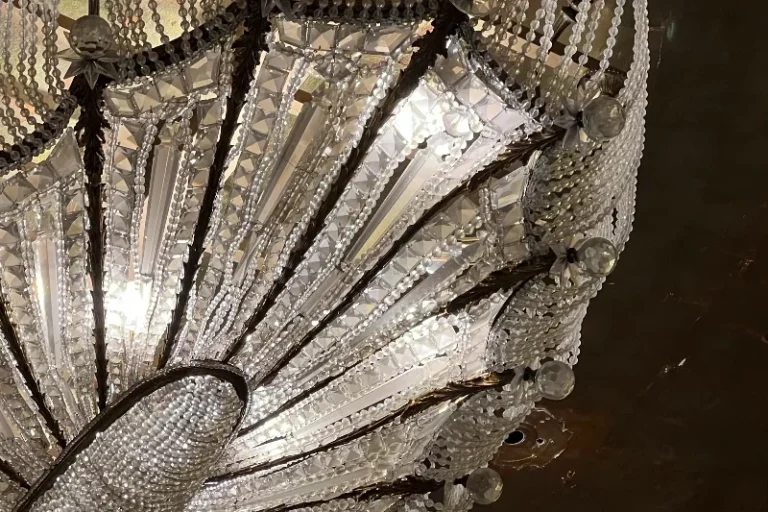
The St. Regis Rome and Its Spring: How Rome’s Cultural ‘Piazza’ Keeps Evolving
A steady cycle of renewal involves the urban fabric, the cultural sphere, and the very soul of a hotel that has nurtured the ideal of a radiant city for over...
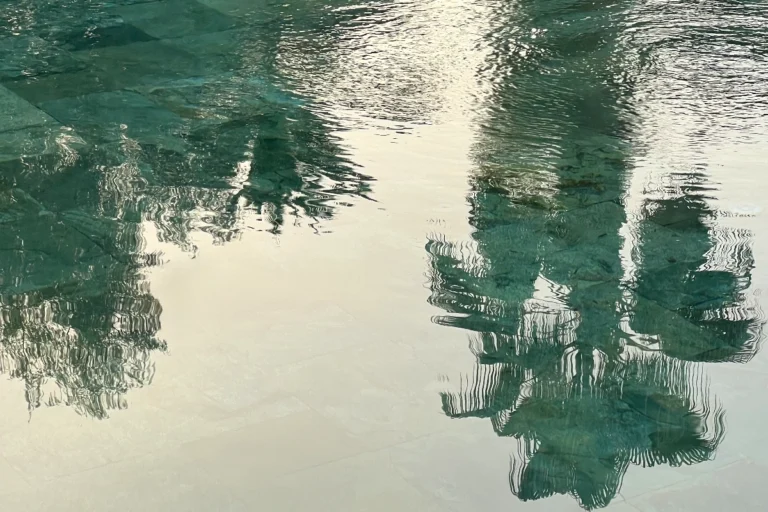
An Enclosed Oasis in the City of Gardens
In the interplay between nature and architecture, Four Seasons Marrakech captures the spirit of a city long defined by its gardens, water features, and cultural identity
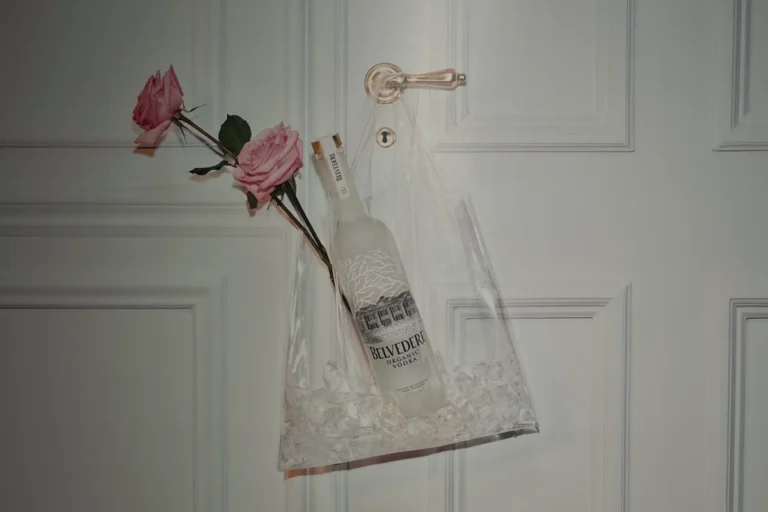
How Belvedere Defines a Greener Spirits Future
At the heart of Belvedere’s new “Off Script” campaign is the Belvedere Organic Vodka, composed of 100% organic rye and pure water drawn from Belvedere’s own artisan wells
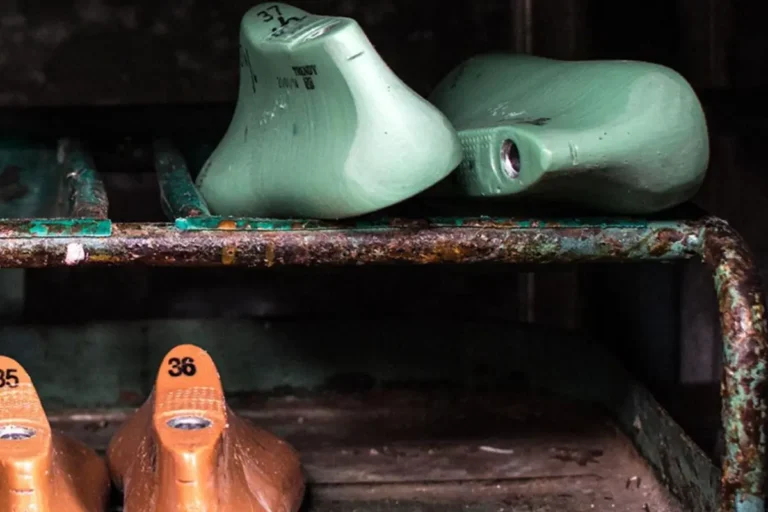
Italian Artisan: «Italian manufacturers and contractors from the fashion world»
Italian Artisan’s philosophy ‘Made in Italy, Made Easy’ expresses the platform goal to simplify and coordinate the Italian supply chain’s processes: David Clementoni and Olga Iarussi
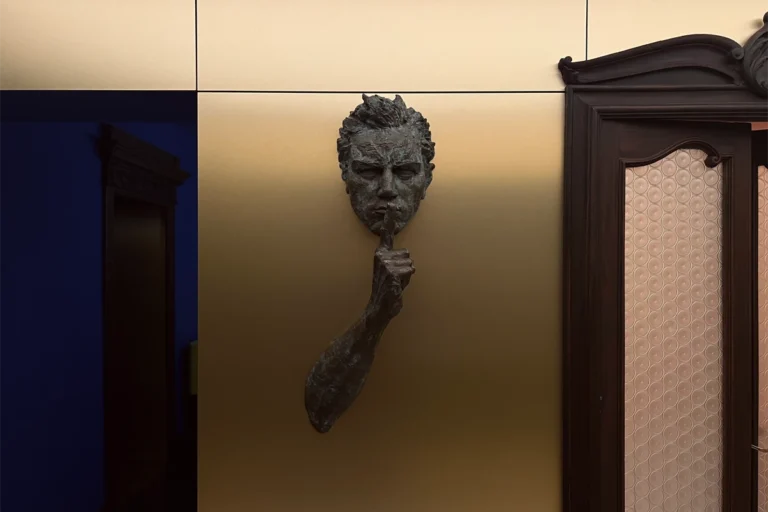
Contraste: Matias Perdomo Creates a Theatrical Dining Narrative
When cooking is an inventive laboratory, the dining room at Contraste becomes a theatrical set—somewhere between Uruguay and Italy, within interiors reimagined by Debonademeo Studio
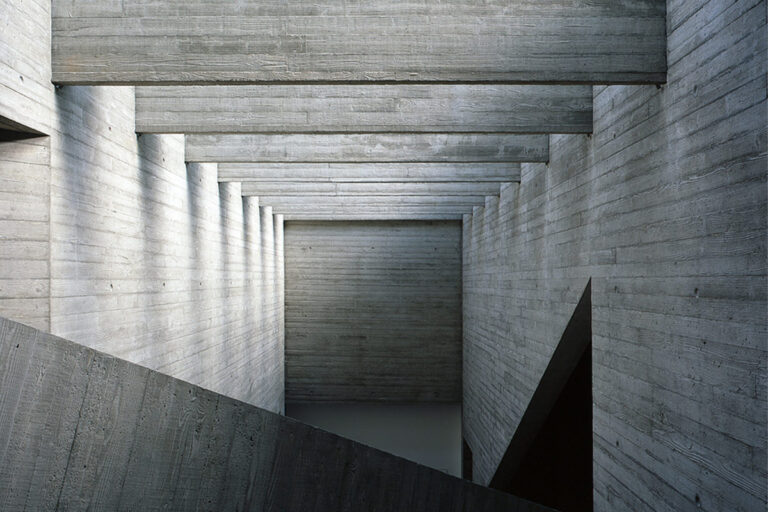
Mostyn Gallery, North Wales. Being at the periphery of the art market is a blessing
Llandudno, a seaside town. Lady Augusta Mostyn gave the first donation – in 2010, the gallery reopened its doors after a £5 million refurbishment
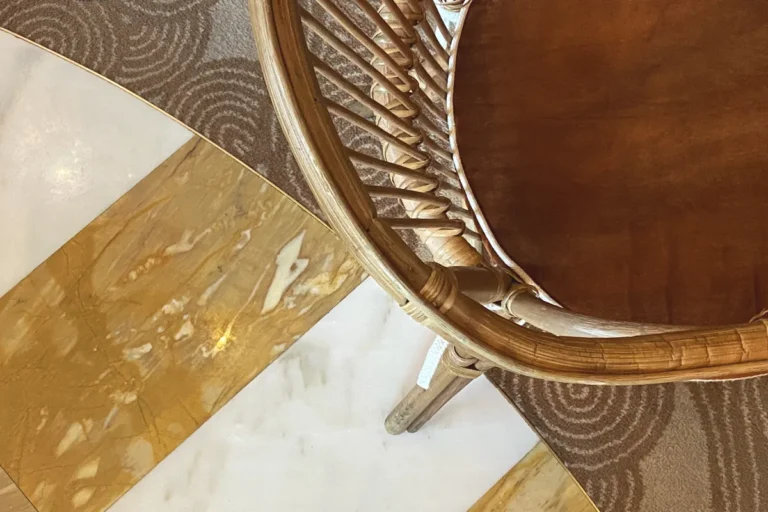
Gloria Intertwines a Dialogue Between Milan and Paris
This design concept integrates traditional Milanese architecture with French bohemian accents, highlighted by floral designs, vintage chandeliers, and dynamic ceramic pieces
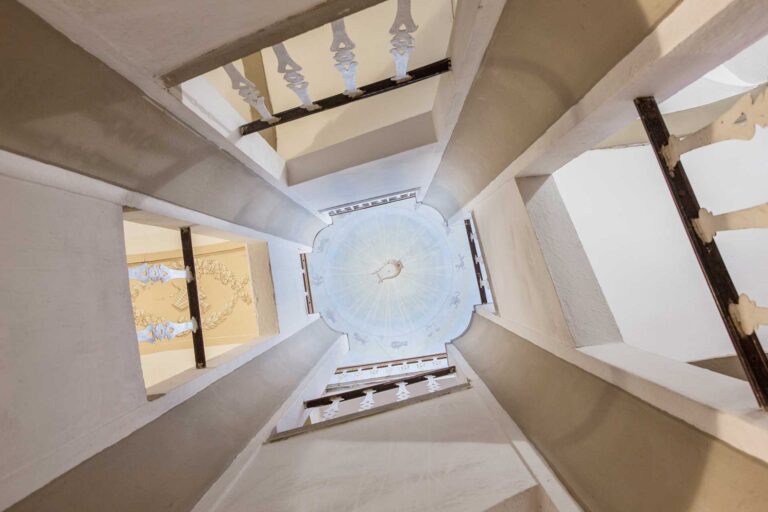
Umamma, San Miniato. A spot purchased online from a website that sold second-hand goods
Giovanni Settesoldi preserves the integrity of culture in the village of San Miniato with the renovation of a 600-year-old property under the superintendence of Fine Arts
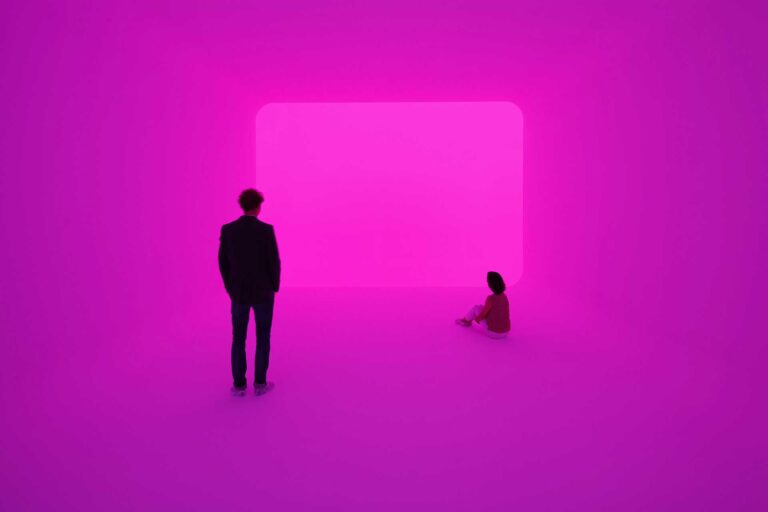
Copenhagen Contemporary. Designing art projects in the 7,000-square-foot of the B&W welding hall
In contrast with many art centers and institutions which implemented digital strategies to overcome the challenges imposed by the pandemic, Contemporary remains phisical
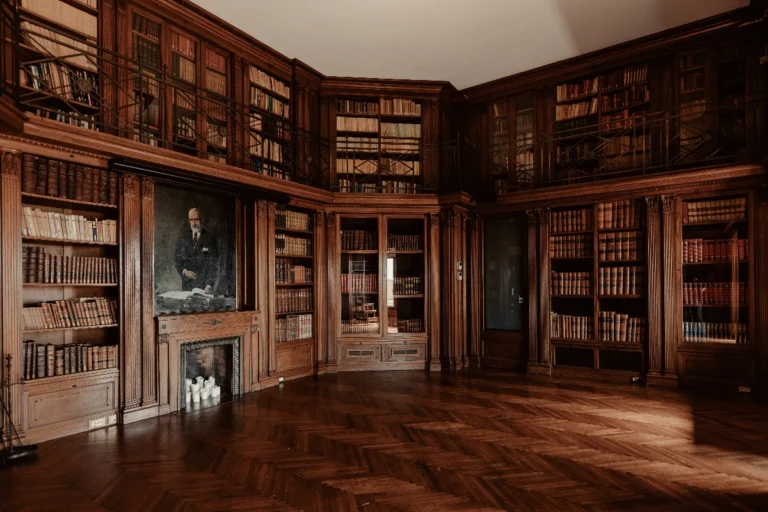
The echo of Noucentisme and the profile of a changing Barcelona
Noucentisme broke from Gaudí’s Modernist curves, seeking more structured forms – from a 1920s urban vision to a 2024 revival: how Grand Hotel Central on Via Laietana reflects Barcelona’s ongoing...

CraftMaker, London. Quality over quantity
A space of 1300 square meters, natural light penetrates inside from large windows illuminating the rooms and objects, arranged without a predefined order
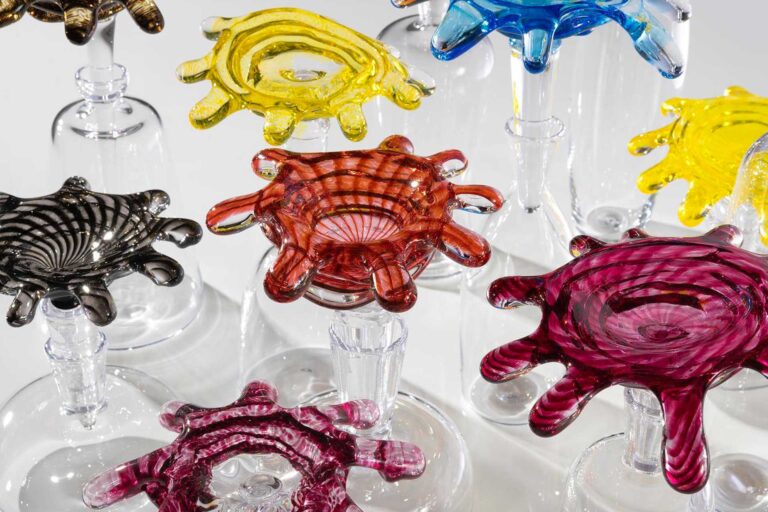
Craft Contemporary, Los Angeles. Craft as a conveyor of progress
Aiming to bridge the gap between folk and modern, Craft Contemporary symbolizes the dynamism of craft. «We wanted to communicate to the public that craft can be a conveyor of...
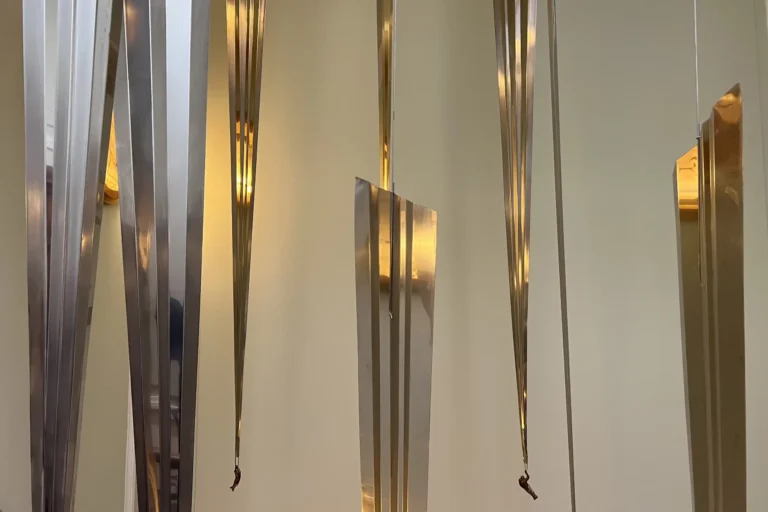
Atelier Inès Arts & Suites in Naples: craftsmanship, design and energy from the earth
At 138 Via Cristallini, Atelier Inès Arts & Suites combines a craft workshop with an art hotel, a landmark for the neighborhood. Inès Sellami and Vincenzo Oste introduce to the...
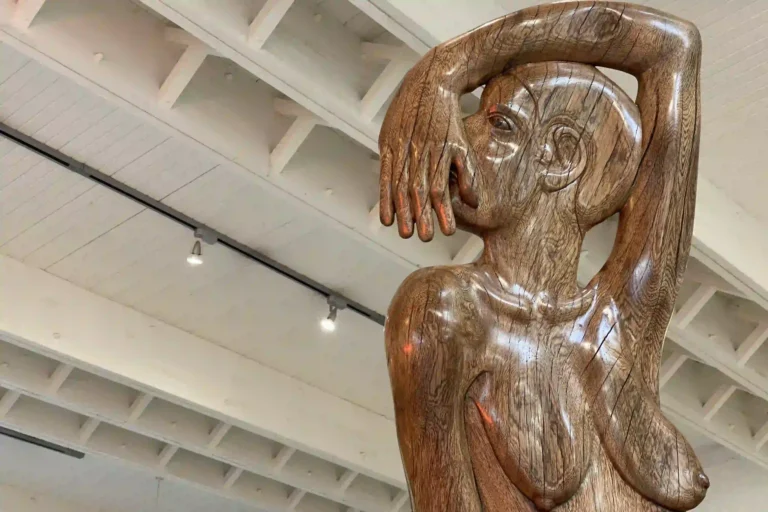
The Grande Provence, Franschhoek: a micro-European atmosphere in the Cape
Rolling panoramas frame the valley and accentuate the drama of the surrounding Rocky Mountains – the South African wine country is an hour's drive from Cape Town
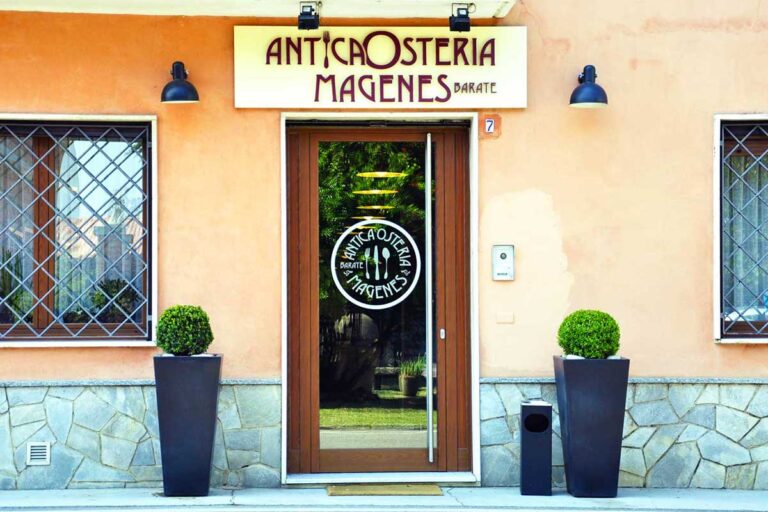
Antica Osteria Magenes, Gaggiano. Just outside Milan in the town of Barate 80 inhabitants and the ancestors of Pope Francis
A gourmet restaurant hidden in the Parco agricolo sud - the tourism potential of this area and the complexity of creating a system. A neighborhood that could become a district...
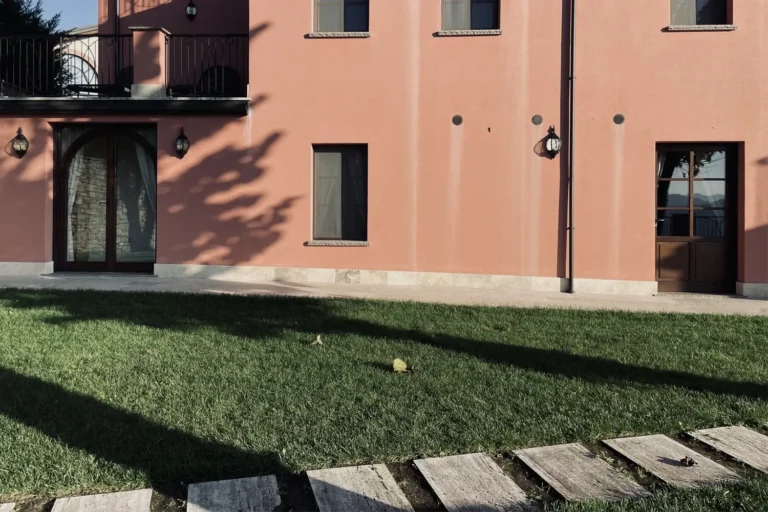
Monferrato: ‘Lorto’ Between Local Agriculture and Historic Architecture
In the hilly landscape of Alto Monferrato, recognized as a UNESCO World Heritage Site, Nordelaia combines the enhancement of truffles, hazelnuts, and local wines with the cuisine of LORTO, led...
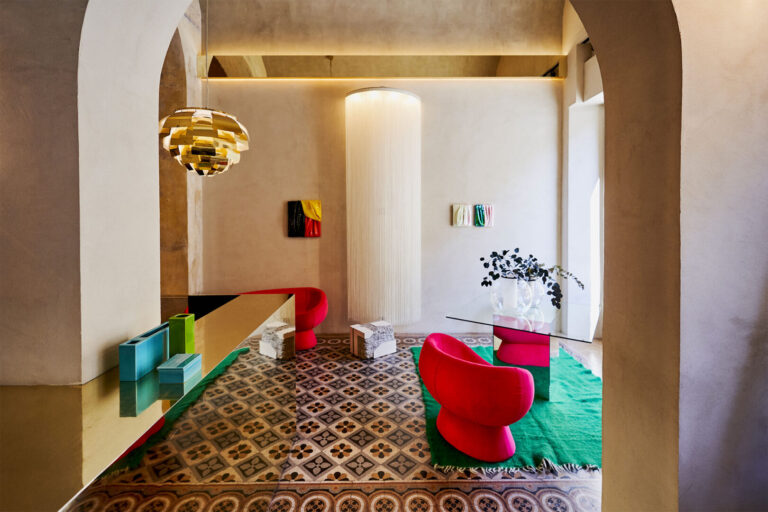
NERO Design Gallery, Arezzo. An archive for the sensorial experience of design
A journey through the language of shape and matter. A way to discover and to advance, on the edge between the past, present, and future. In conversation with Nero Gallery...
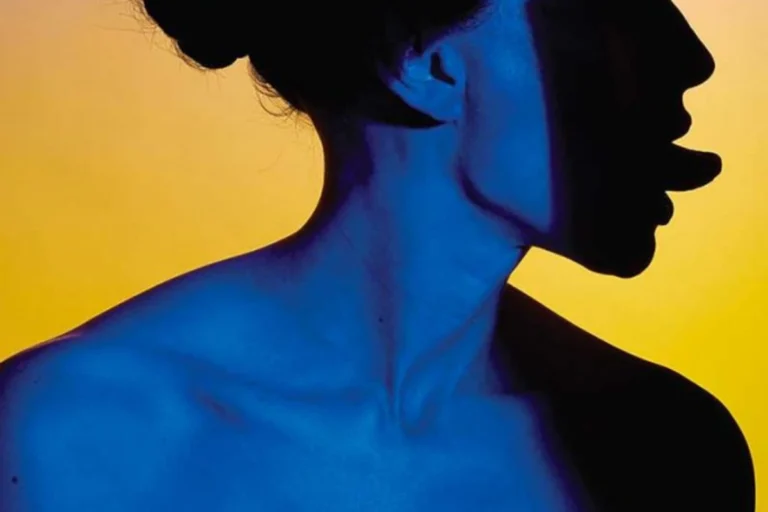
YME Universe, Oslo. Inside a building from 1844 described as Paris in miniature
Located between the Royal Palace and the Parliament in Karl Johans gate 39. «Oslo is segregated. It is a question if you are from the east or west side and...
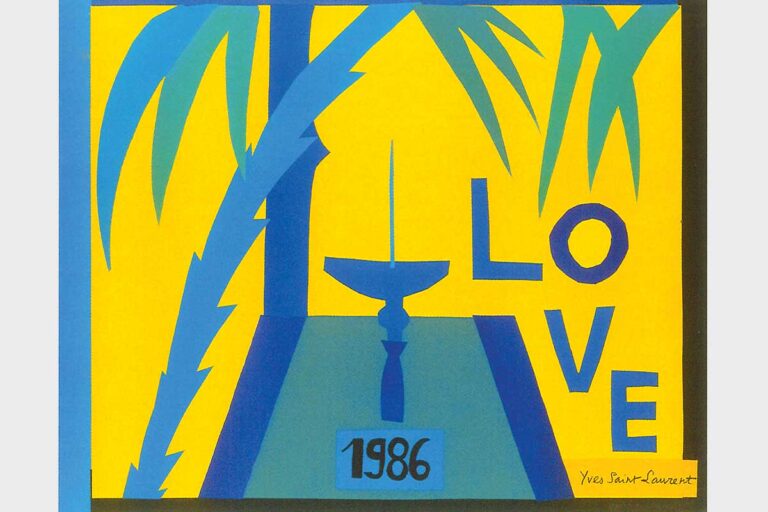
The Collection Mondrian and Saint Laurent’s relationship with Claude Lalanne – a pop Antithesis
A conversation with Olivier Flaviano, director of the Musée Saint Laurent Paris. He assumed the leadership of this Parisian institution in 2016 and worked for one year with Pierre Bergé
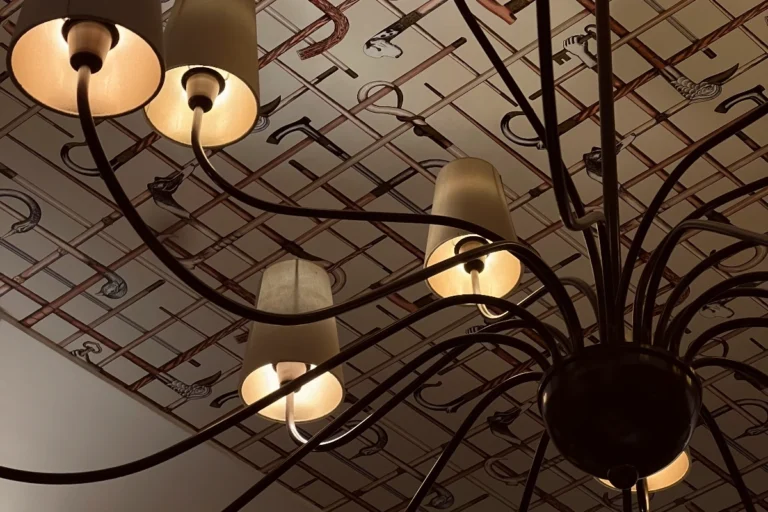
History, Architecture, and Gastronomy in a Transforming Milan
Step inside Ristorante Rubacuori at Château Monfort, a cultural landmark rooted in Milanese Liberty design, where historic architecture intersects with exceptional culinary artistry

YJY Maike Flagship Centre, China. The layout of an ancient Chinese palace led to a cultural complex
A 4,500 square-meter complex for culture in the city that is the starting point of the Silk Road and the National World Heritage site of the Terracotta Army
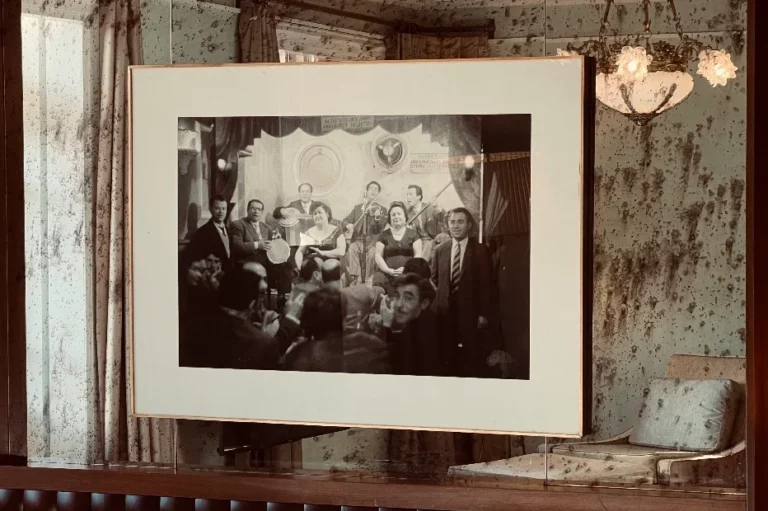
Maçka Palas: a Living Tribute to Italian-Turkish Heritage
Embodying the legacy of two civilizations meeting across the Mediterranean: Giulio Mongeri's Art Deco architecture, Ara Guler's photographs, and a hammam-inspired spa
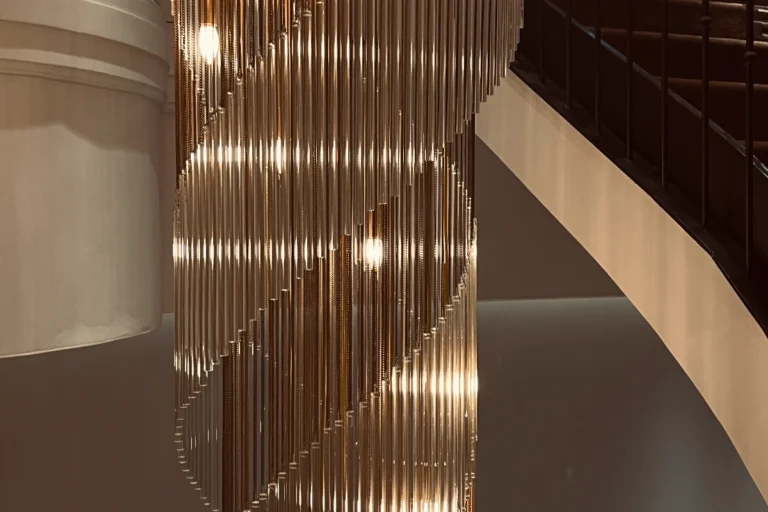
Mandarin Oriental Savoy, Zurich: An Exploration of Its Rebirth and Legacy
The renovation of the Mandarin Oriental Savoy Zurich highlights its 19th-century origins and recent architectural updates designed to preserve Zurich’s oldest grand hotel
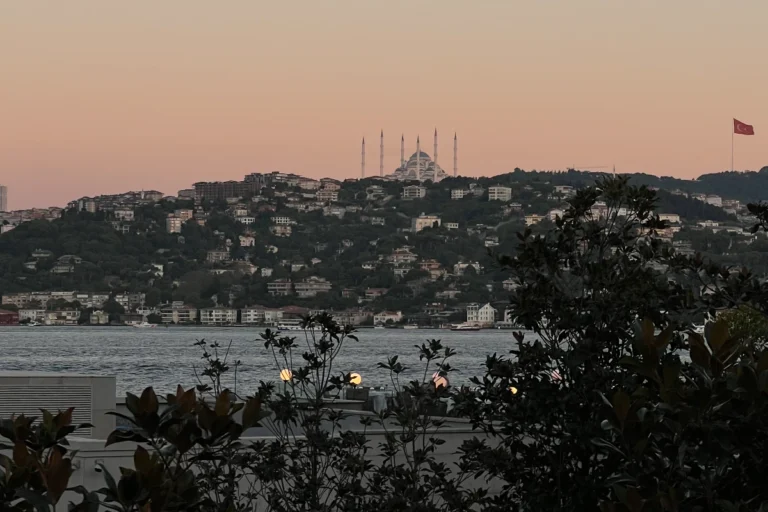
Navigating Istanbul’s Heritage from the Mandarin Oriental Bosphorus
Located in Besiktas and overlooking the Bosphorus, the Mandarin Oriental Bosphorus represents a fusion of Istanbul's millennia-old past and contemporary design inspired by Ottoman palaces
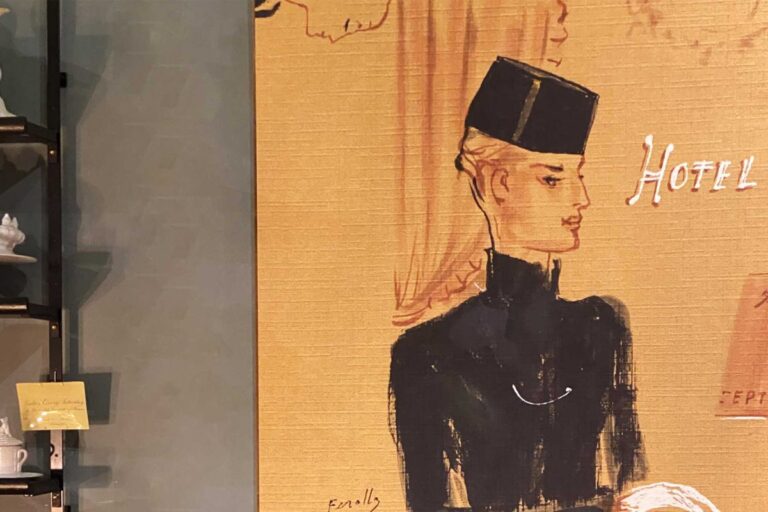
Daria Reina has made Diana Vreeland’s diktat her own: the eye has to travel. Chez Dédé, Rome
Painting, photography and a collection of objects picked up around the world or designed by the artistic duo who launched the concept store
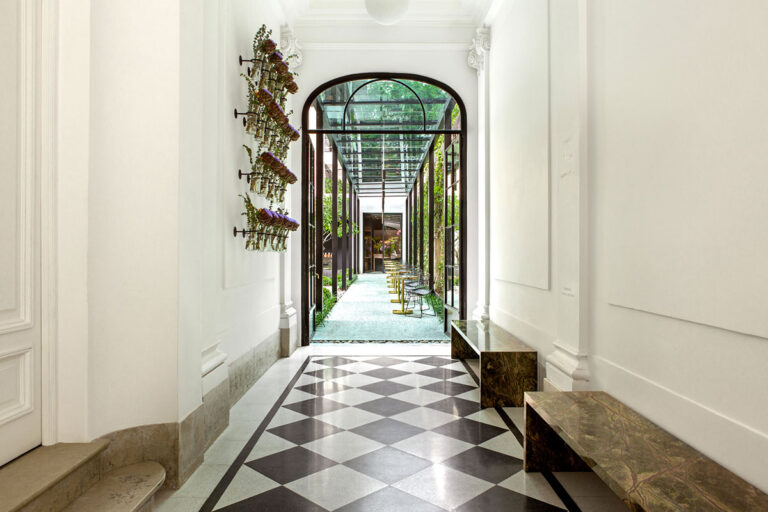
Casa Cavia, Buenos Aires, under the creative direction of Guadalupe García Mosqueda
A restaurant, cocktail bar, Ampersandpublishing house, bookstore, and flower shop housed in a rationalist villa belonging to Argentina’ s heritage – under the creative direction of Guadalupe García Mosqueda
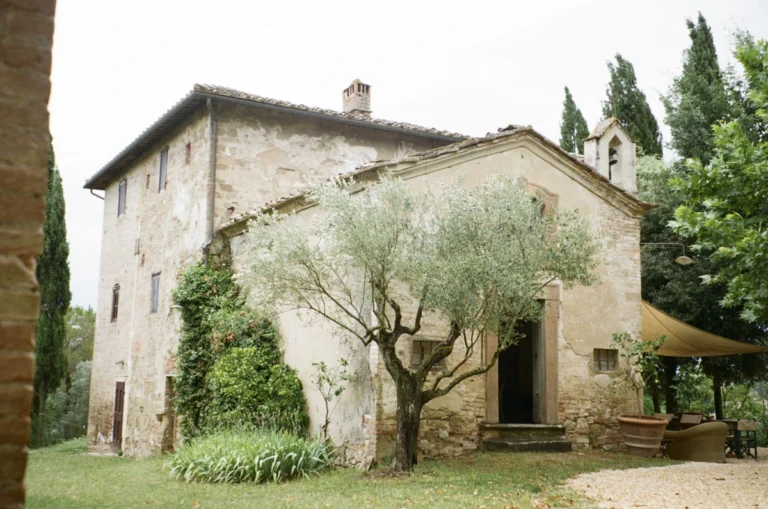
Casa Farsetti: a relational space for city castaways and digital anchorites
A real experience with real people, where human honesty and authenticity are non-negotiable values. Casa Farsetti dusts off a 1700s farmhouse with the spirit of a couple in their 30s...
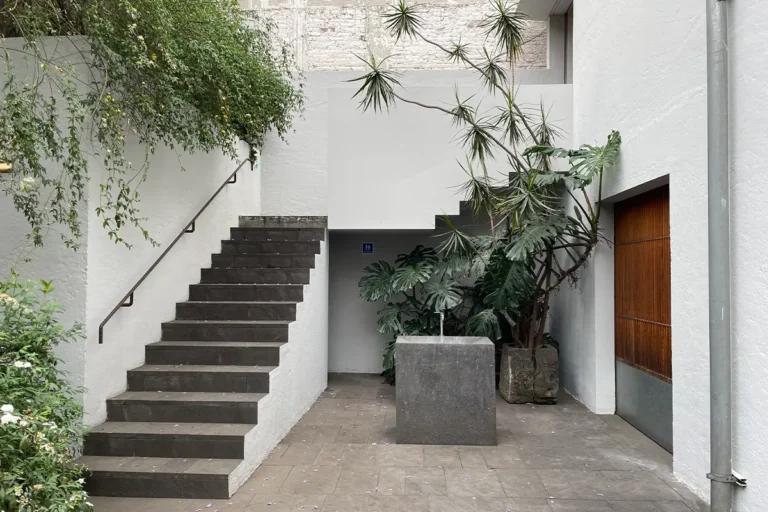
kurimanzutto: contemporary art between Mexico and NY
kurimanzutto’s first exhibition, Economía de Mercado, took place in 1999 in Mexico City and remained open to the public for less than twenty-four hours
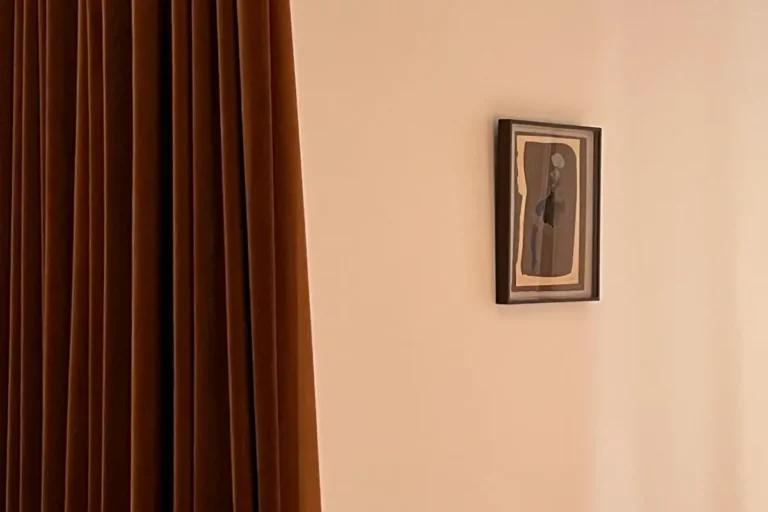
Mona, Athens: slow living, industrial heritage and a view on the Acropolis
Entrepreneur Shai Antebi and Creative Director Eftihia Stefanidi conceived Mona as «a homage to the art of living». Furniture, textiles and design objects crafted from industrial waste materials, walls revealing...
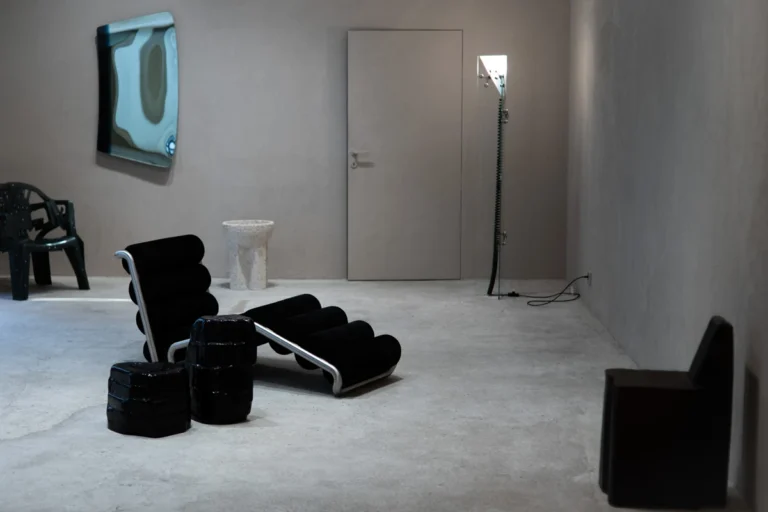
CØR and VAUST bring Berlin’s roughness to Paris
The creative heart of Paris is home to a brutalist space designed by the Berlin-based studio VAUST dedicated to exploring collectible design and functional art
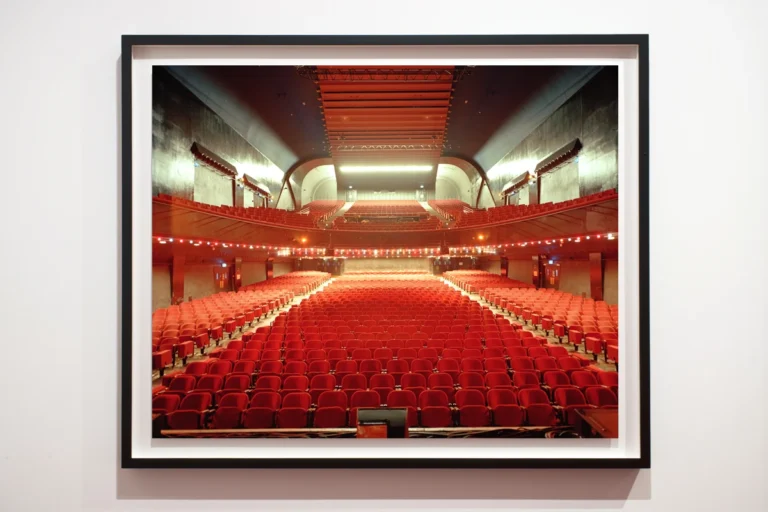
Alice Guareschi: an action for house lights
The 16 photographs that make up Je m’appelle Olympia were shot right after the live activation of the light choreography in the theatre's empty space

Nicolas Schuybroek: Arte Povera as an antidote to the society of appearance
Arte Povera and Gesamtkunstwerk, American Minimal Art and Radical architecture – Nicolas Schuybroek's work for Aesop is an installation of soap bars supported by a removable and reusable MDF structure
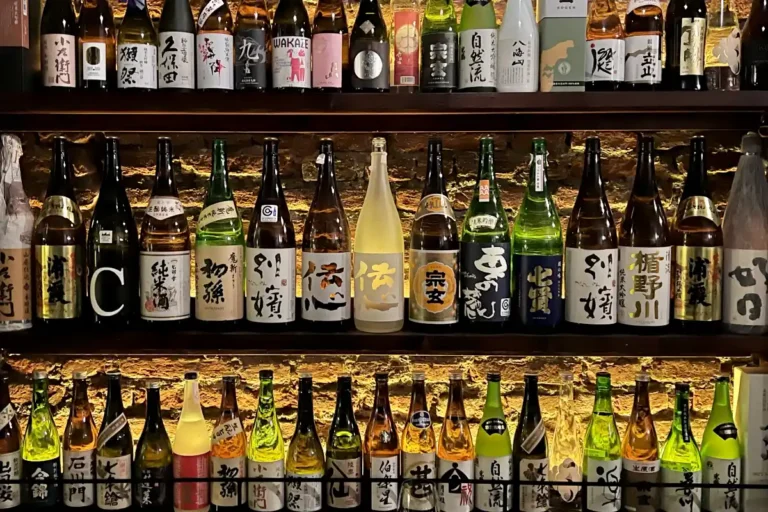
Sakeya, Milan: a House of Sake with a fusion bistro inspired by Obanzai cuisine
Chef Masaki Inoguchi combines seasonal ingredients and the Obanzai culinary tradition with European flavors to accompany the sake tasting experience in the Japanese speakeasy
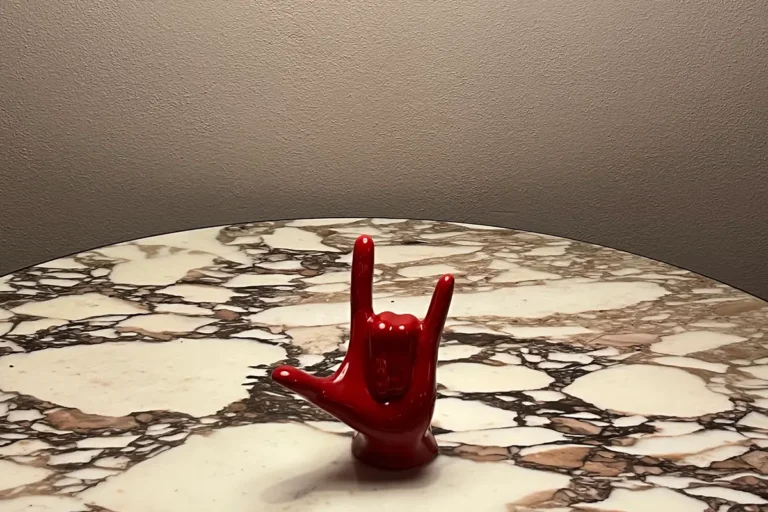
Sine by Di Pinto: Neapolitan heritage, organic materials and cultural humor
After traveling the world, chef Roberto Di Pinto opened his gastrocratic restaurant, Sine. Organic and locally sourced products are used to celebrate his Neapolitan roots – and vocation for art
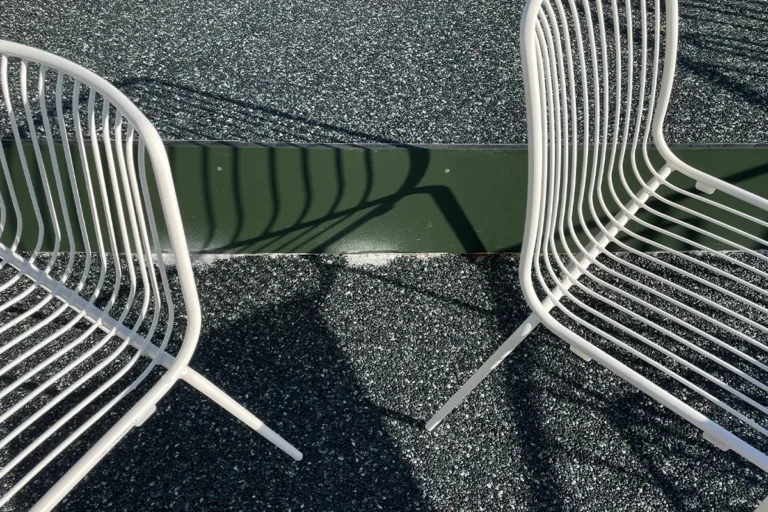
Adler Historic Guesthouse, Südtirol: Brixen is a big sustainable family
Silvana Messner and the Myar family: how the recent renovation managed to preserve the hotel’s five-century heritage, with a green tower and a rooftop pool
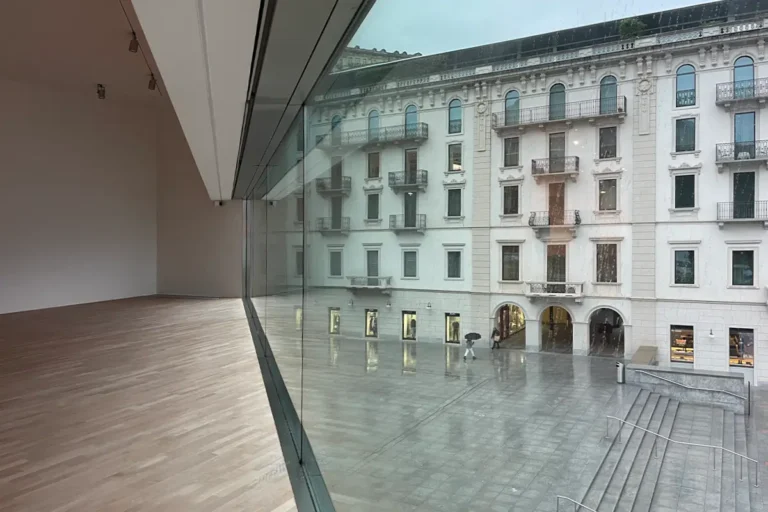
Swans, lindens, and horse chestnuts: nature taking over the streets of Lugano in fall
From Renaissance church Santa Maria degli Angioli to the LAC and MASI contemporary art exhibitions: if you walk around Lugano you can stop to chat with the swans
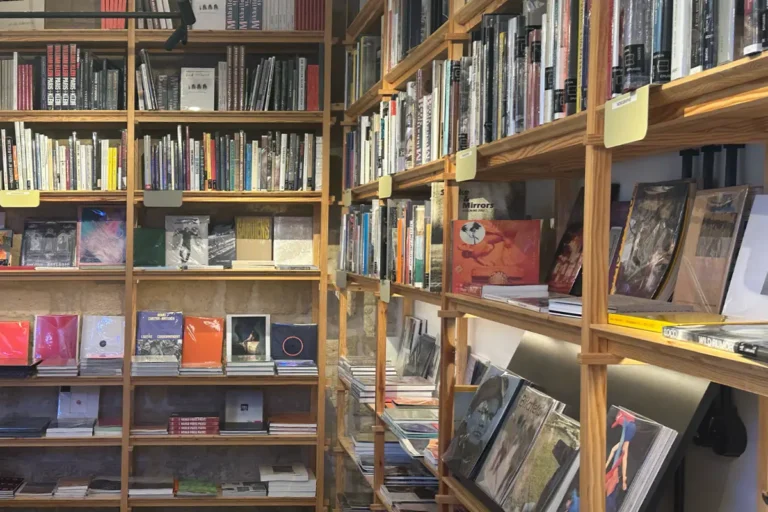
MEP, Maison Européenne de la Photographie: a space devoted to photography since 1978
MEP Paris shop: experts, researchers, and scholars can find a space dedicated to photography from 1950 to the present day, with a collection of 36,000 references, 4,000 of which published...