Human bodies: the illusion of inclusion
Naked, not free: what Elska Magazine reveals about racism, ageism, and exclusion in the gay community. Photographer Liam Campbell maps the world through gay men
Elska Magazine – human bodies as an urban archive: an interview with founder and british photographer Liam Campbell
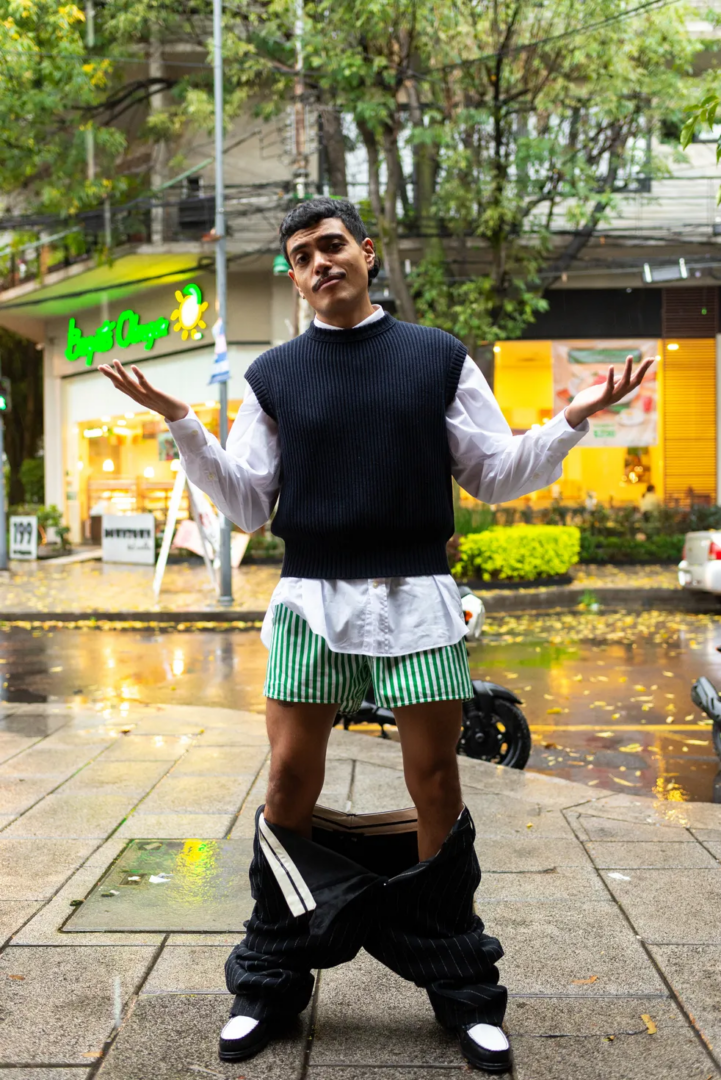
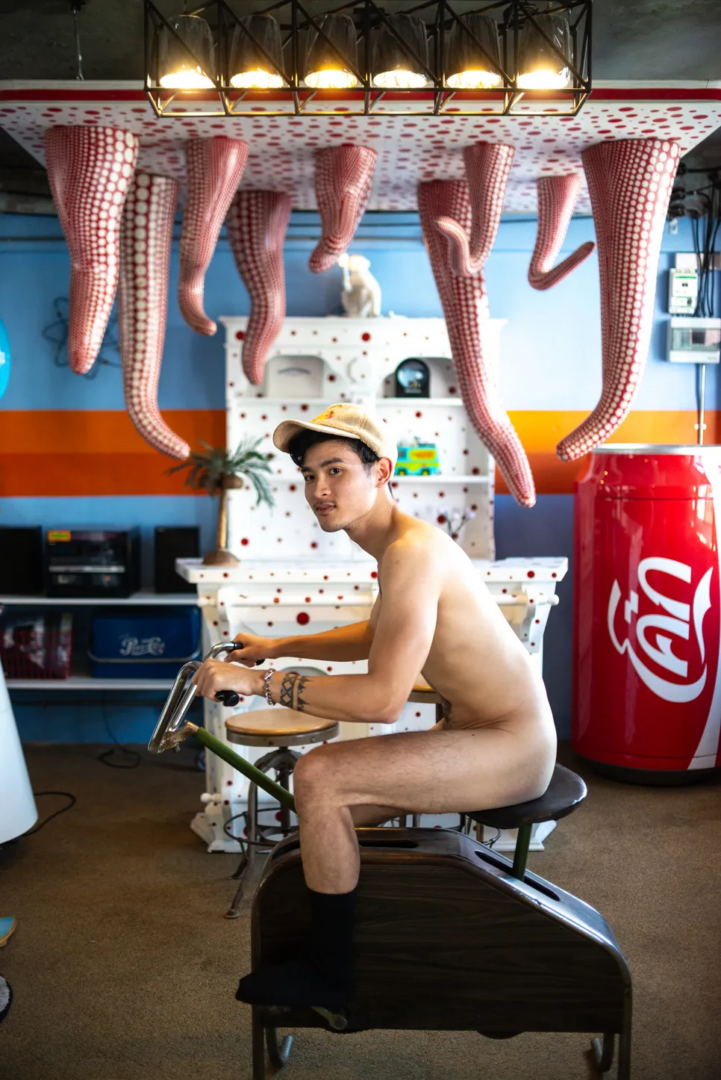
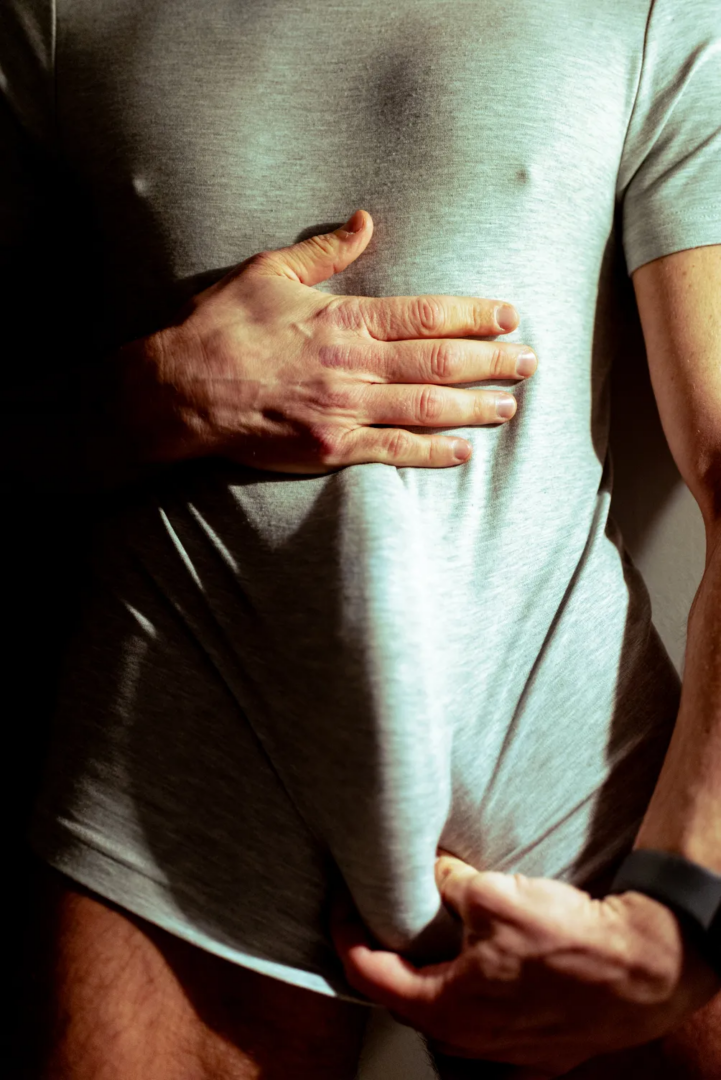
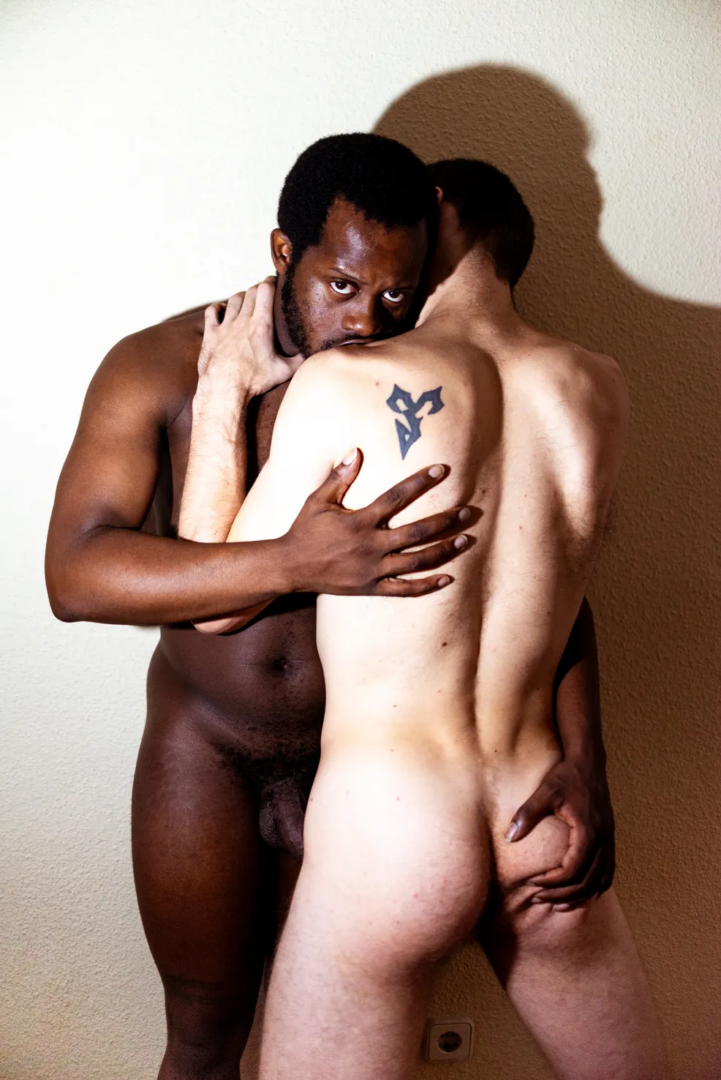
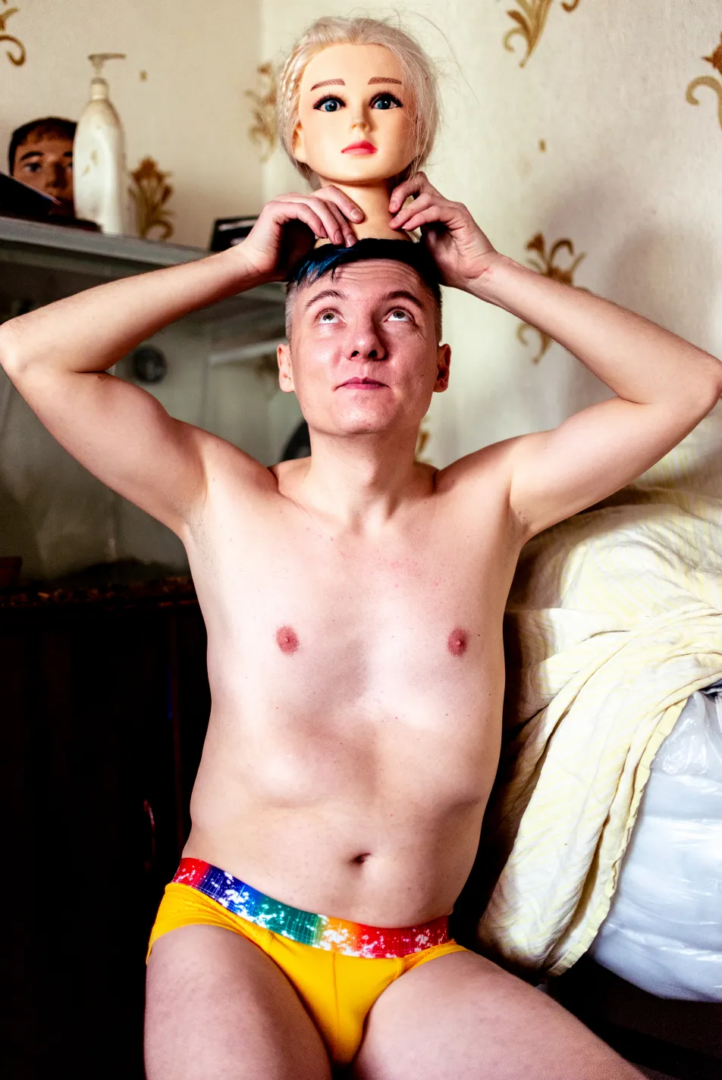
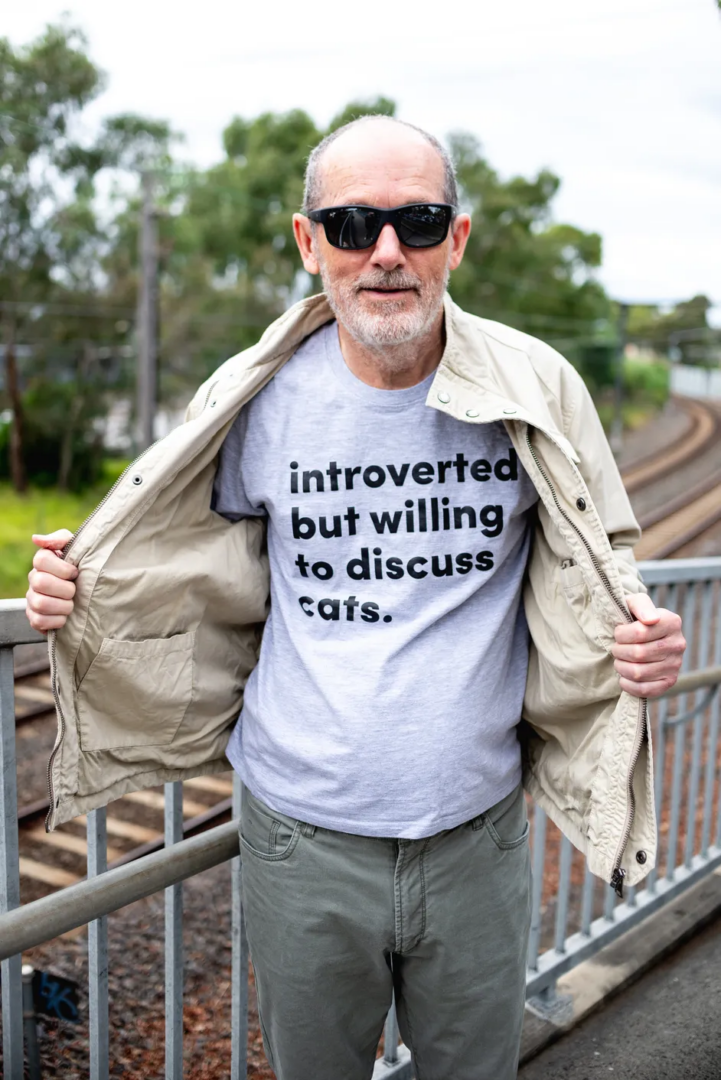
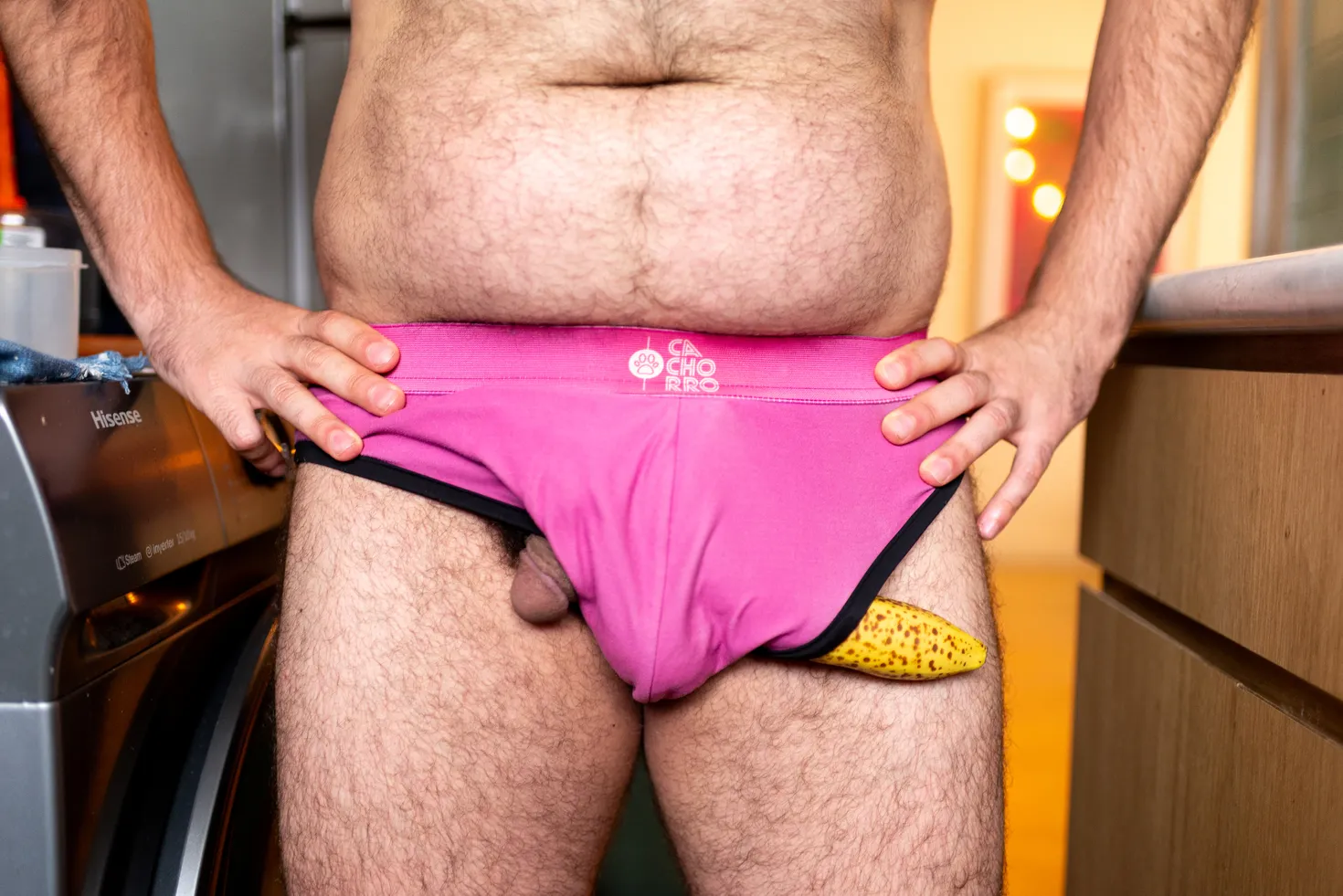
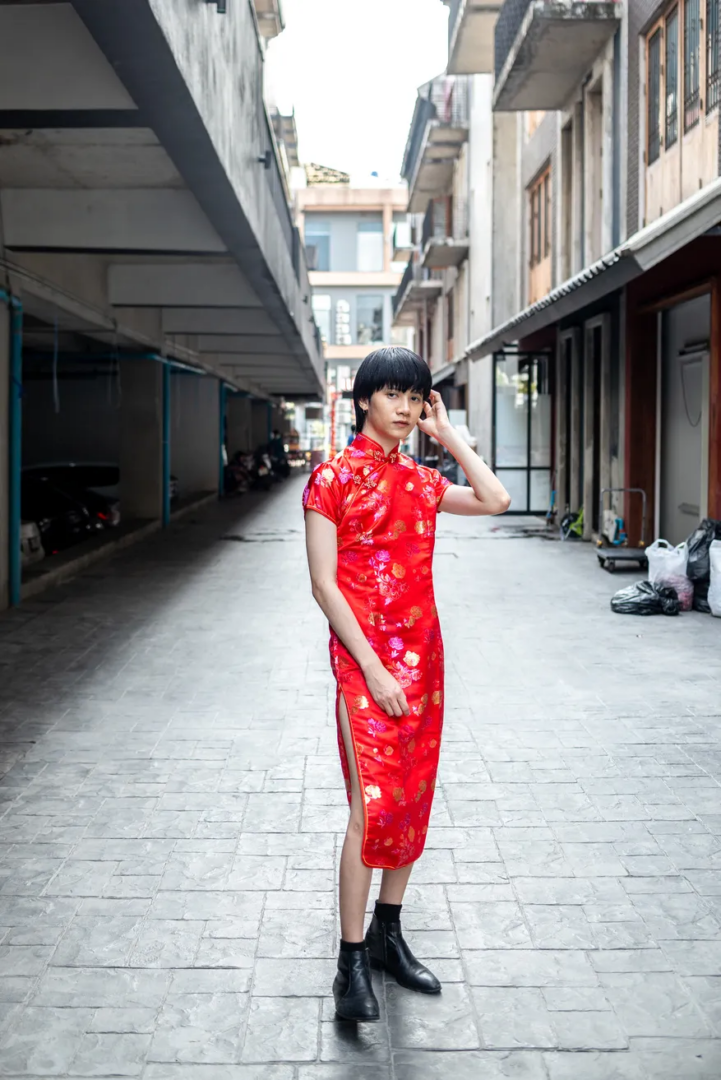
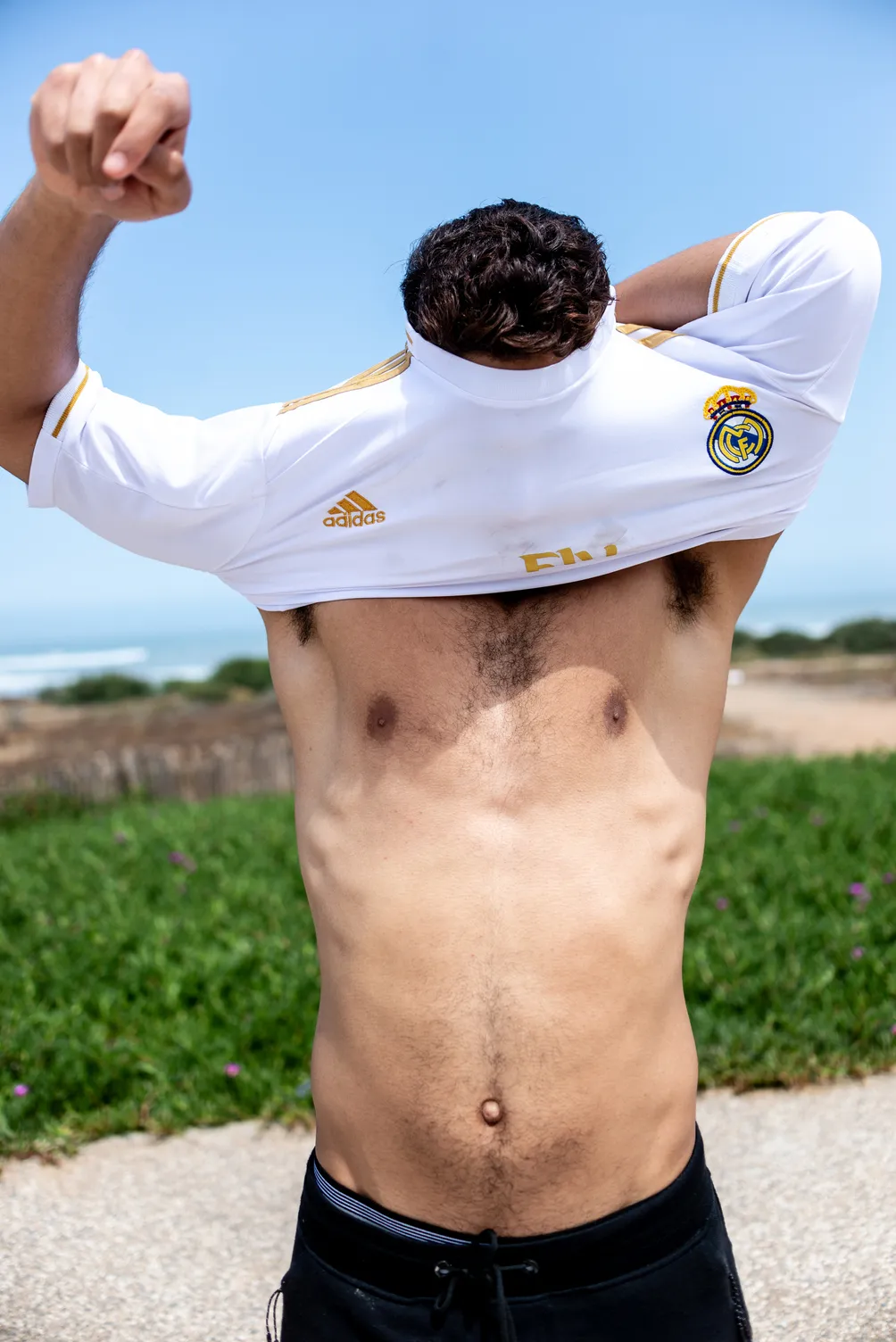
Elska Magazine feels like an international gay men’s atlas with a documentary approach — and a twist that, whether intentional or not, ends up being political. It’s a queer fantasy infused with subtle reflections on the highs and lows of society. British photographer Liam Campbell — his founder, editor, and creative force — travels to a different city for each issue, where he meets local men and shoots them. Some are comfortable posing nude, others aren’t. The British Journal of Photography once described it as ‘part intellectual queer pin-up mag and part sexy anthropology journal’. You’ll find small dicks and big ones, slim bodies and fuller figures, conventionally attractive guys and those who defy stereotypes. Couples about to have sex and people walking down the street. Bears, twinks, twunks, femmes. Older men and younger ones. Black, Asian, white, brown. The result is intimate, at times erotic, and occasionally uncomfortable.
Elska isn’t just about the images — Campbell also writes about his encounters and the people he meets. Each man’s personal story becomes a thread in a broader narrative about the city itself. After visiting more than 50 cities over the past decade — the magazine is published every two months — the magazine has evolved into a unique form of queer archive: a raw, honest exploration of what it means to be gay in different corners of the world.
From Lviv to the world – it all started with Grindr: Liam Campbell still meets people on gay apps. It’s riskier, but more inspiring
It all started with Grindr and other similar apps. Back in 2015, Campbell — who had previously worked as a French teacher — was hoping to break into fashion photography. Living in London, it wasn’t too hard to land small gigs like assisting on shoots or doing lookbooks, but the work wasn’t particularly lucrative. To pay the bills, he started working as a full-time flight attendant.
“Everywhere we went for layovers, I got into the habit of doing a local shoot”, he recalls. “I’d find a guy on Grindr and shoot him — sort of fashion-style, outdoors — and then sometimes some indoor shots, less fashion-y and more nude portraits. After a year I had the idea of making a little zine and use some of these photos I’d take during layovers – I decided I’d do one issue for one city”. His first choice may seem quite obscure for a queer independent publication. It was Lviv, Ukraine, where Campbell was drawn thanks to his east European political studies background, with a focus on democratization in Ukraine and Georgia. It was also a cheap place to start. Then came Berlin, Reykjavík, Lisbon, Istanbul, Cardiff, Toronto.
The project took off and became Campbell’s only job. He still meets people on gay apps. It’s riskier, but more inspiring: “The stories I get are more real. You can also apply on Elska’s website or people will message me on Instagram, but I try to go back to the spontaneity of the beginning, going to places with almost no plan. When people contact me on social media, sometimes they kind of want to be public. They tell me the story they want me to tell”.
All roads lead to Rome – Elska’s difficult first Italian issue ”They suggested I should go to Milan or Bologna”
Liam Campbell’s wandering around the world eventually brought him to Italy. Elska’s September 2025 issue was shot in Rome. It was a complicated process to get there. “It seems to me that Italian people don’t like the magazine, but the community always asks me to go to Italy. First time I tried, in 2018, it was going to be Palermo. Back then, I was trying to find people in advance and I was only able to find two men, so it got scrapped. Then I was supposed to go to Milan, to make things easier. The trip was supposed to happen in May 2020 – my flight was cancelled due to Covid-19”, says Campbell.
As an old proverb goes, all roads lead to Rome. Italy’s capital didn’t meet Elska with open arms: “I was told Italians are a bit conservative and maybe that’s true. I guess some people thought it was a little too much for them to be in Elska, some found it tasteless. They suggested I should go to Milan or Bologna. Rejection became a part of the story. What surprised me is also how diverse Rome was. I guess people were expecting traditional Italian men, but that’s not what they got”.
Casablanca – Morocco’s exoticization and Liam Campbell’s dangerous trip where being gay is illegal
Liam Campbell also travelled to places where being gay is illegal. One of them was Casablanca, although it is historically recognized as a safe haven. “Morocco has been romanticized as a gay paradise. We know homosexuality is not permitted and that there’s machismo all over the country, but somehow the idea that it is a feast for gay men still exists”, says Campbell. It probably stems from sex tourism, mostly a white people privilege, and historical exoticization: André Gide, Paul Bowles, and William S. Burroughs wrote about homosexual experiences in Morocco during the 20th century.
Liam Campbell learned it is far from being a queer hotspot: “I was threatened by the security guard at the hotel I was staying in. I brought someone to the hotel to photograph him, and the guard stopped us. He showed me a picture from Grindr on his phone and told us he knew what we were doing. I had to leave and move to a different hotel. Another guy threatened me after we did the interview. He said he wanted money and that he would come to my hotel with some friends. It was scary. And even though it was easy to chat with people, only two out of ten or twelve agreed to show their face in the magazine—and even then, they still used aliases”.
From Bangladesh to Almaty – the weight of prejudice on Western minds. Russia super homophobic? It’s more political than social
Campbell also felt unsafe in Dhaka, the capital of Bangladesh, another place where homosexuality is criminalized as a ‘carnal intercourse against the order of nature’. That time, though, it might have been shaped by European prejudice. “I was being cautious when people wanted to meet. They were enthusiastic about being photographed and didn’t even want to meet in public—just come straight to the hotel. Culturally, they were very warm, so maybe I misread their enthusiasm. I had my own prejudice because it’s a Muslim country, because there have been murders of activists. The men I met wanted Bangladesh to be more open. They were quite defiant. And they wanted to use me as a way to express that defiance. One of them told me afterward that he participated because he wanted to use the publication to prove that his life was at risk—and include it in his asylum application. He put Elska in the file. And he got asylum in Sweden“.
Almaty, Kazakhstan’s largest city, shattered some of Campbell’s preconceptions. There, he met a few guys who had just escaped Russia, six months after Putin’s full-scale invasion of Ukraine kicked off. “What we hear about Russia being super homophobic—it’s more political than social. Honestly, the society is way more open than their government wants you to believe. Lots of people have fled, but that doesn’t reflect the everyday reality”.
Body types and ageism – Lviv was too white and pretty, Reykjavík was too ugly
Elska was also a way for Liam Campbell to experience firsthand that gay men are often their community’s biggest critics. The project has now found his niche but received a lot of backlashes at the start. The Lviv issue was seen as too white, too pretty. “That city’s a pretty homogenous place: everyone featured was white and mostly young. Maybe the older generations didn’t want to take the risk. Plus, most of them were quite fit. That first issue kind of set an idea of a certain type of person for Elska”, says Campbell.
That didn’t last long. “The third issue was in Reykjavík, Iceland’s capital. There was a guy in his 50s, a few with larger body types. My intention was always to shoot everyone I met, not caring about his physical appearance. In this case, people complained that some of the men featured were ‘ugly’ and were ‘ruining the experience.’ Obviously, they assumed I was doing some kind of mainstream erotic project with models”.
Racism and stereotypes within the gay community: people didn’t want Asian people on the magazine
It got even darker. “The fifth issue was in Taipei, it was the first one I was doing in Asia. Again, I got plenty of complaints. People unsubscribed—they didn’t want Asian people on it and justified it as their preference. When that happened, I decided to book another trip to Asia. One reason I started this project was to show regular people from all over the world. I thought people would look at someone and say, ‘Oh, I actually like this guy.’ Maybe that was naive”, Campbell reflects.
Racism is just as present in the gay community — if we can even call it a community — as it is anywhere else. “I’ve done three issues in Australia, and some of the men told me it’s a very racist country. I also know that an issue shot in Asia tends to sell less than others. That means I have to plan each issue carefully to keep things financially sustainable. Stores that carry the magazine don’t want issues they think won’t sell. It also depends on the cover — some people are considered conventionally attractive and widely accepted, while others simply aren’t”.
Campbell – who says Elska is now a “sustainable” source of income that allows him to provide for himself without losing money – looks back on what these ten years around the world have taught him. “There seems to be more social consciousness in the gay world. People say they’re happy about diversity and inclusion. I don’t know if that’s really true. I can see it by looking at which covers get attention and which ones don’t. Same on social media — photos featuring ‘conventional’ beauty get massive engagement, way more than others. The dialogue has shifted, but the actual reality hasn’t followed”.