Lampoon MECCANO: Thinking as a form of disobedience – the Editor’s letter
Lampoon’s latest issue – MECCANO is the title and the manifesto. From children’s toys to analytical diagrams, human thought becomes a form of disobedience: we will not surrender to social media
Lampoon MECCANO: thinking is a form of disobedience – the publisher’s letter
Clickbait, web marketing, headlines designed to push users to click a link. Leo XIV recalled Francis de Sales, patron saint of journalists and communication: the media cannot “allow algorithms designed to win at all costs the battle for a few more seconds of attention to prevail over professional values.” Algorithms over the quality of writing. Easy consensus and easy outrage.
“We did not suddenly become stupid. This is not only a cultural crisis: it is a systematic training that rewards ignorance,” Umberto Eco seems to answer, in an impossible dialogue: “I come from a time when words carried weight. In recent decades I have witnessed a coarsening of the human being. Social media is the symptom. Social platforms do not inform: they excite. They do not explain: they simplify. They are the mirror of a society that has made criticism ridiculous and expertise boring. It takes almost heroic resistance to step away from all this. In a world that wants you stupid, thinking is a form of disobedience.”
Lampoon MECCANO: from paralympic athletes’ prosthetics to algorithms
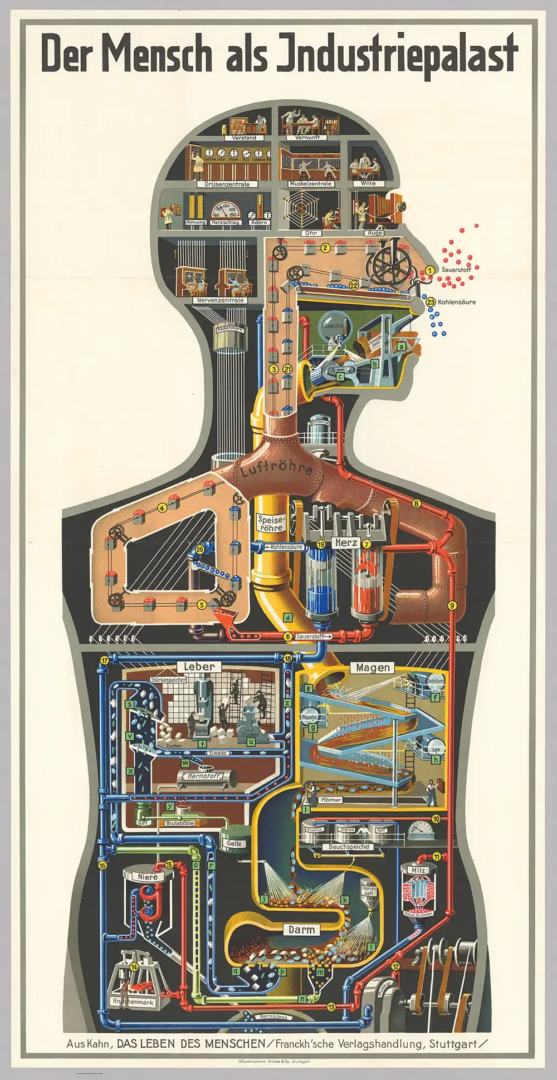
MECCANO, movement and balance between bodies. We are feeding what will destroy us. Artificial intelligences will do without us. Our human labor will no longer be needed — everything will be done by machines more efficiently and more precisely than how we dare. Creativity is useless and overtaken by the algorithm. Mechanics and technology — children will have to learn to speak English and — even sooner — to write computer code. Lampoon MECCANO doesn’t need an introduction: it moves forward on its own.
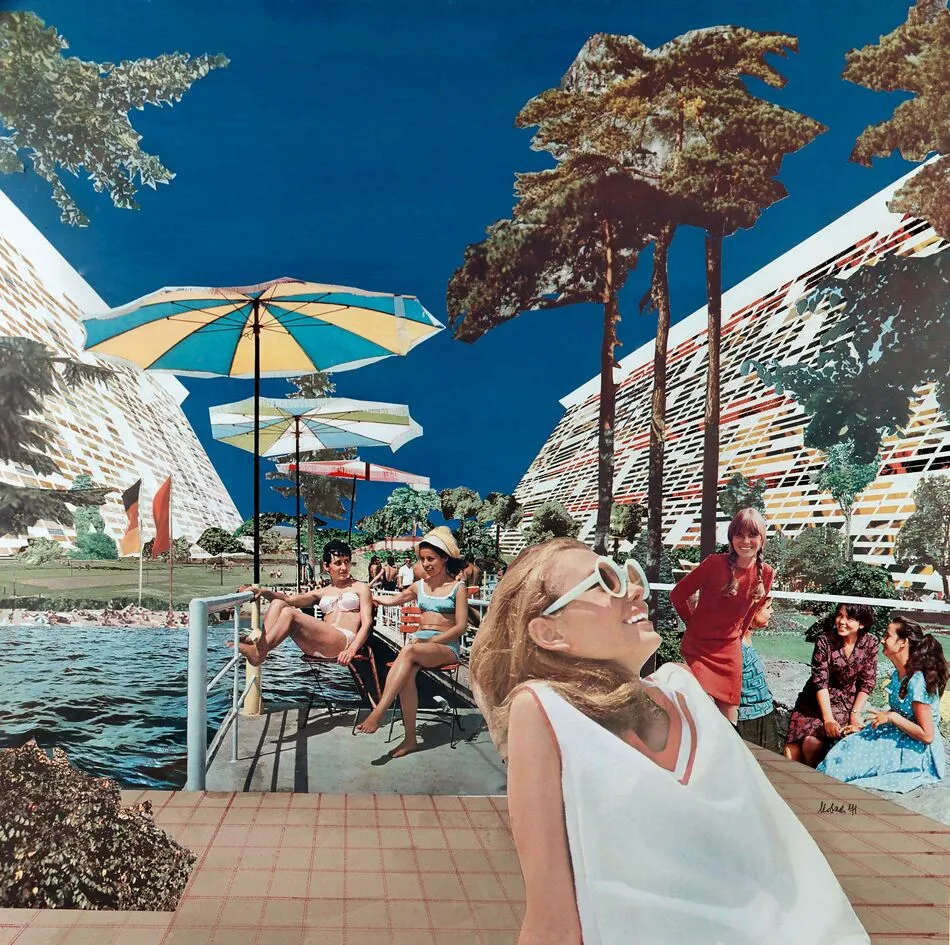
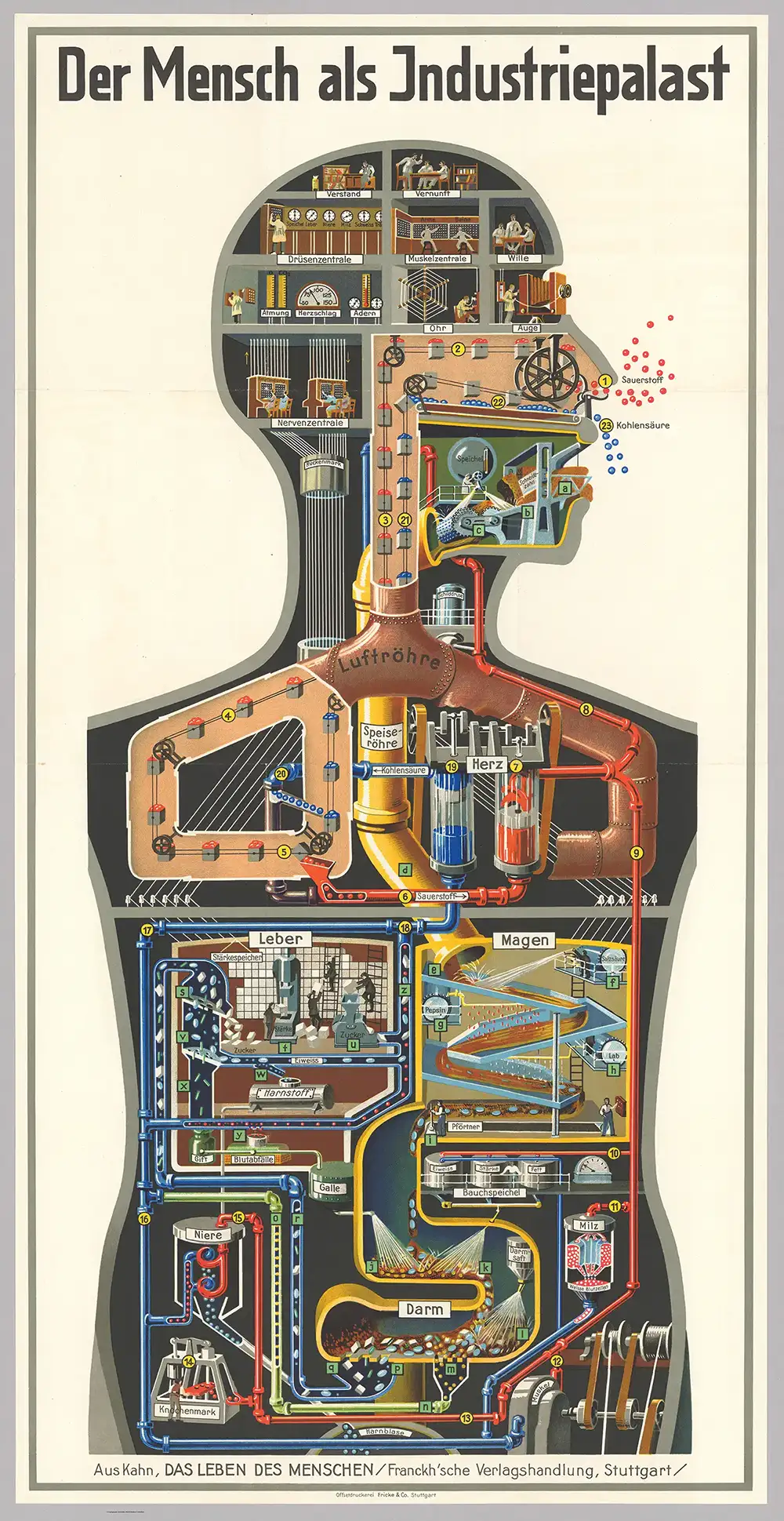
From Paralympic athletes’ prosthetics to OMA Studio’s diagrams — we wanted to make this work tough, a little violent, ironic and light, scientific and obsessive. References to Nanda Vigo and to post-Brutalist architecture in Uzbekistan. We are still in love with fashion. Not with clothes, not with garments — but just with fashion: fashion as an art of time itself, a continuous investigation into why one expression resonates as present while another feels outdated. MECCANO does not enter into the debate on artificial intelligence — rather, it serves as a pretext for revisiting Umberto Eco’s words above and the broader concerns surrounding social media. Social media is an advanced machine that can stimulate envy in human beings — and where there is envy, there is no irony.
Lampoon MECCANO — toys and Lego bricks
We play with children’s games: building bridges, railways, skyscrapers. Meccano pieces, Lego bricks. You would place Barbie’s head under the elevator of the toy garages, and the elevator would come down to crush her head — even though you might have preferred to guillotine her, like Marie Antoinette after the death of Lady Oscar. In a recent interview, Miuccia Prada reiterates that we must study, study, study, read literature, go to exhibitions. She remains the most poignant symbol of our Milan — an industrial city, a city of machines and cars. In Milan we would like more trees. In Milan we would like more words from Mrs. Prada — we would like her to tell us how it’s done.
Billions of euros, remnants of communism: from Milan, we must declare to the world that we embrace complexity. Sure, a machine can do it all perfectly — but perfection has never interested us. As human beings, we like mistakes, fragility, delays, excuses, and lies that serve no purpose. Lampoon MECCANO is predominantly about this: gears that jam, parts that need replacing, stripped screws, electrical connections that no longer turn on.
Lampoon MECCANO: boredom, machines, and social media
Technology applied to machines is overtaking us: our ability to concentrate has diminished. We are interrupted by constant messages, digital inputs — staying focused on what we are doing exhausts us. We look for the pause, the distraction. Boredom is no longer productive: those moments when we had nothing else to do but be bored, wander with our thoughts. If we get bored, we open a social media feed and enter a hypnosis that devours us and devours our time.
I do not know whether we will be able to save ourselves, or whether we are destined to become automatons with reduced intellectual capacity. We may be responsible for a social divide that grows deeper, making the rich richer and the poor poorer. We can laugh about it — we know that lightness is the best weapon — even if these lines of mine are heavy in their own way. What I do know is that we will never surrender, my love, we will fight against these machines — and if things were ever to turn bad, if machines were to reach the point of crushing our hearts — who cares: I have you.
Carlo Mazzoni