What is the difference between sustainable and regenerative agriculture?
From regenerating contaminated soils to sustainable water management: hemp and regenerative agriculture, the RiqualifiCanapa project in Piedmont
Sustainable and regenerative agriculture: two different approaches to soil health
Sustainable agriculture can be defined as a set of practices that together aim to reduce the negative impact of cultivation, such as crop rotation, the use of natural fertilizers and the protection of biodiversity. Regenerative agriculture goes further: it aims to actively restore degraded land, increasing its productivity and ecological resilience.
Typical regenerative-agriculture practices include mulching, composting, rotational grazing and water-resource management. These techniques improve soil structure, reduce CO₂, strengthen ecosystems and contribute to long-term food security.
Canavese Canapa promotes regenerative agriculture through the use of hemp, distinguishing this approach from the better-known model of sustainable agriculture.
Hemp and regenerative agriculture: Canavese Canapa restores degraded soils
Within regenerative agricultural practices, hemp emerges as a key crop for remediating compromised land, improving fertility and increasing crop resilience to climate change. This is the view of Virginia Avallone, co-founder of Canavese Canapa, an association established in Piedmont in 2016 to promote hemp culture and its uses. Avallone explains: «Conventional agriculture, with the excessive use of chemical fertilizers and intensive practices, compromises the quality of land and soil».
RiqualifiCanapa: a phytoremediation project for contaminated agricultural soils
Since 2022, Canavese Canapa has developed the RiqualifiCanapa project, focused on recovering contaminated land through phytoremediation. Hemp, thanks to its phytoremediation properties, has proved to be one of the most effective crops for retaining and absorbing heavy metals and chemical agents present in the soil. Research remains ongoing to determine exactly which parts of the plant retain the metals — Editor’s note.
The project focuses particularly on viticulture, a sector in which the use of copper-based fungicides has negatively affected soil and root health. By alternating summer hemp cultivation with winter phytoremediation plants such as clover and radicchio, RiqualifiCanapa has managed to limit the dispersion of pollutants, improving soil quality without compromising productivity.
Fiber and seed hemp: different roles in soil regeneration
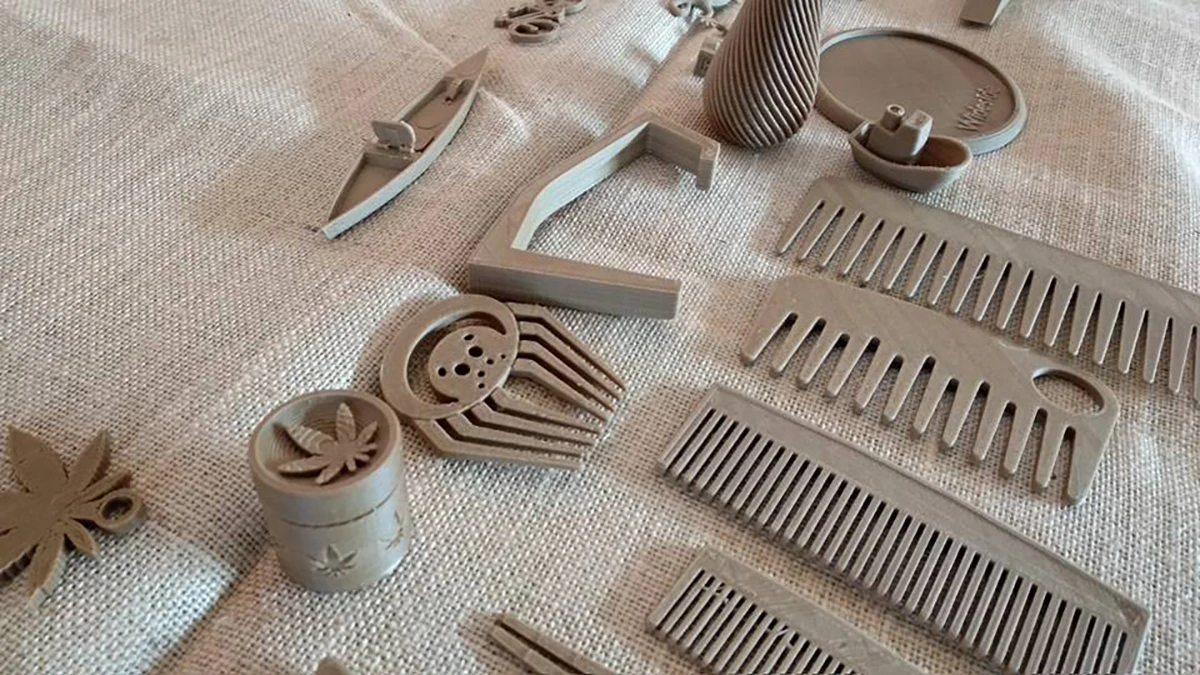
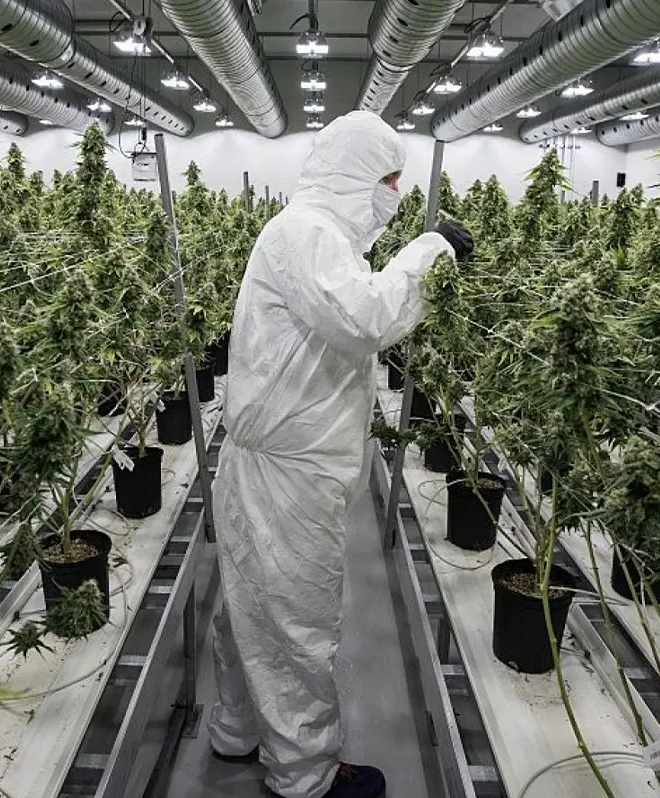
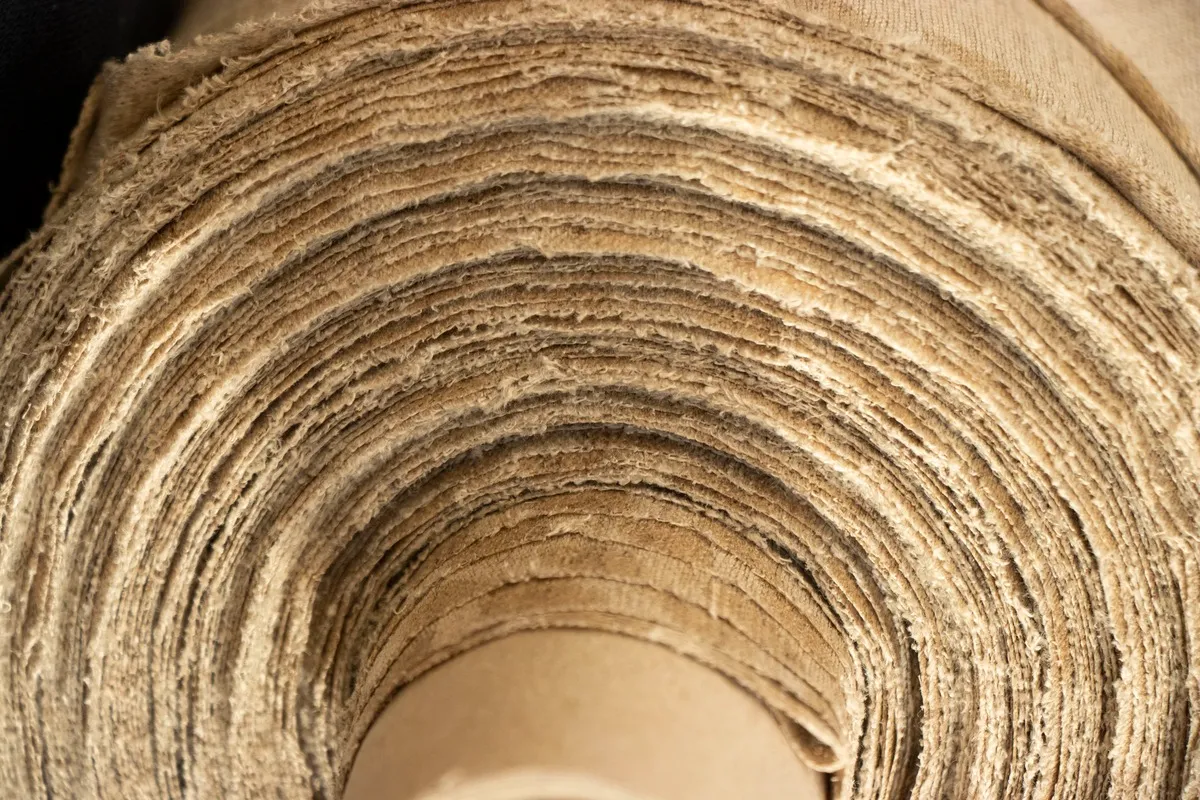
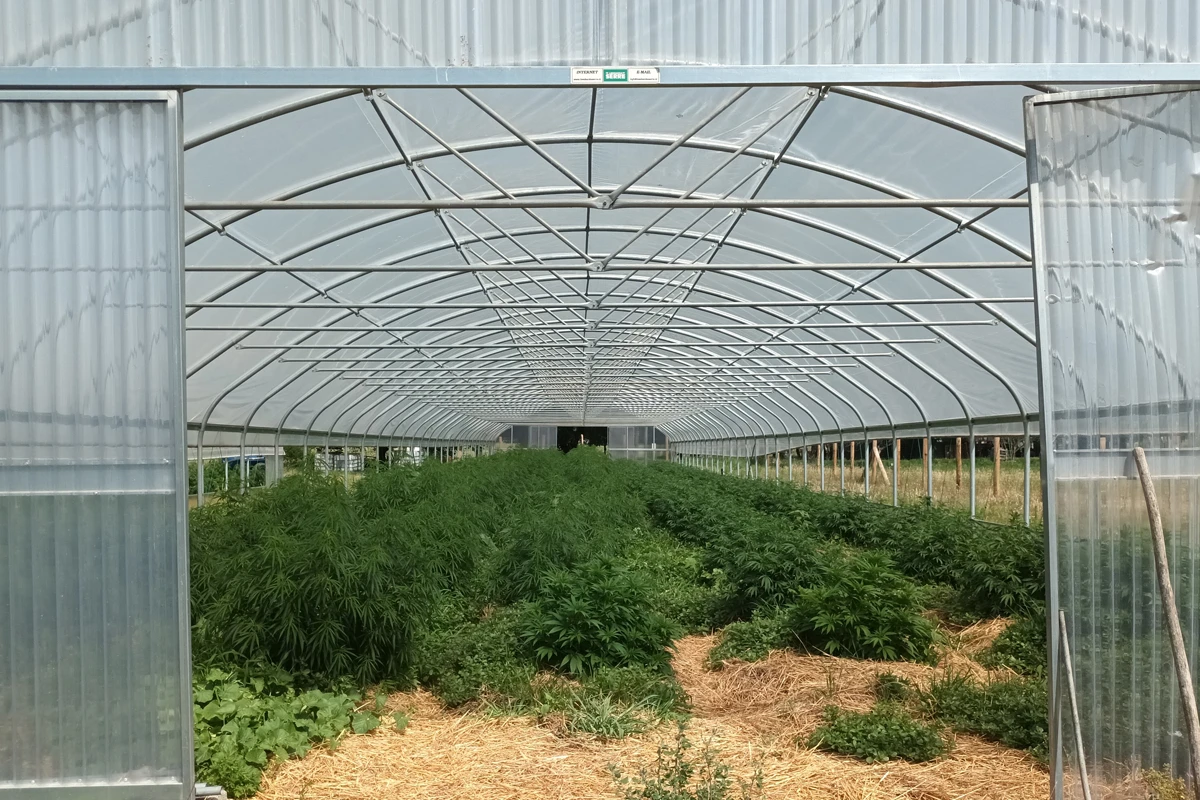
In regenerative agriculture, both fiber and seed hemp varieties can be used. Fiber hemp, tall and densely grown, is useful for suppressing weeds, preventing erosion and increasing organic biomass. The fibers obtained are used for textiles, paper and building materials.
Seed hemp, more compact and suited to open spaces, produces nutrient-rich seeds, oils and proteins. During its growth cycle, it naturally enriches the soil with organic matter, improving fertility and structure.
Regenerative techniques with hemp: rotation, mulching and dry farming
Hemp can be integrated into crop-rotation systems, alternating with legumes. Legumes enrich the soil with nitrogen, which benefits hemp in the following season. Rotation helps prevent disease and pest infestations.
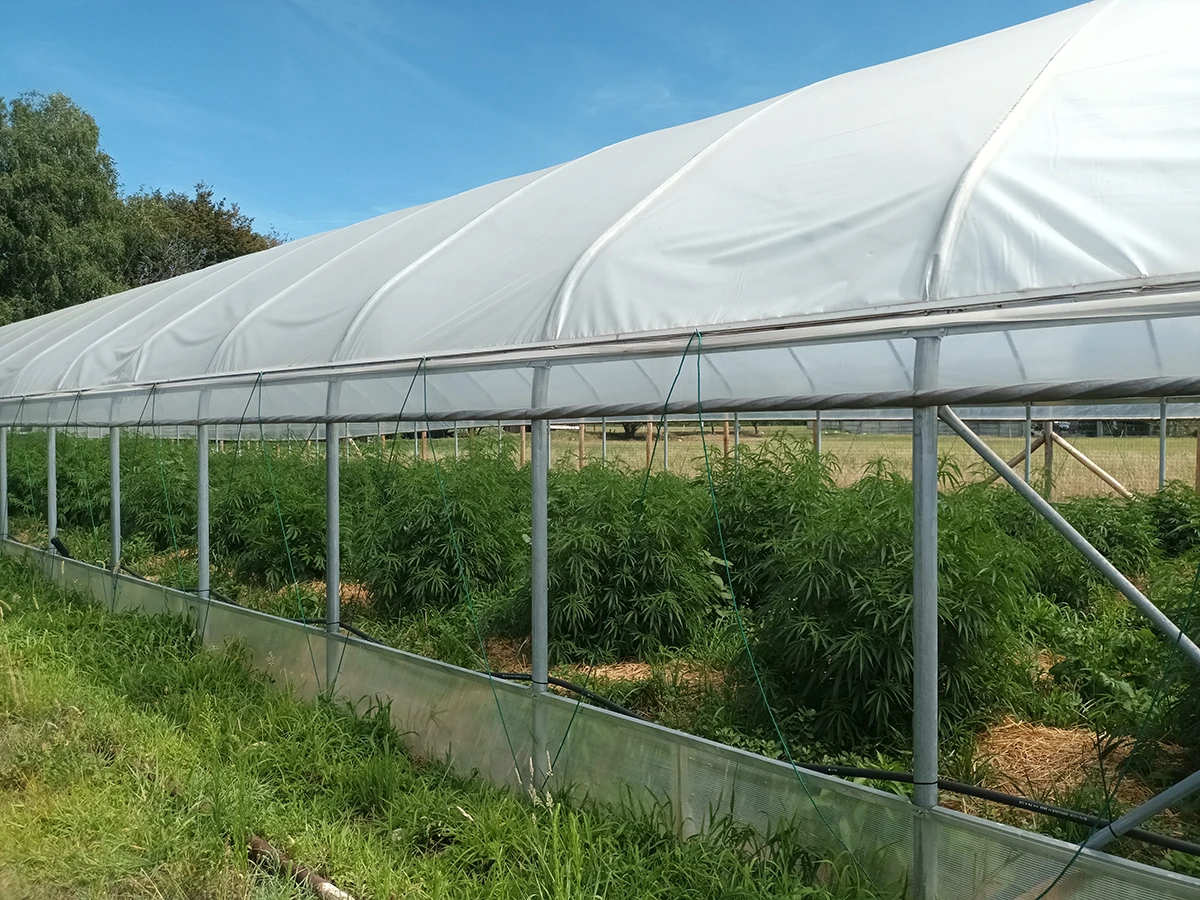
Mulching, using organic residues such as straw or dry leaves, protects the soil, preserves moisture and limits weed growth, eliminating the need for herbicides. Low-impact drip irrigation can reduce water use by up to 70 percent compared with traditional sprinkler systems. Hemp is also suited to dry farming, with rainwater collection and management techniques that prevent waterlogging and fungal diseases.
The environmental benefits of hemp: natural regeneration and waste reduction
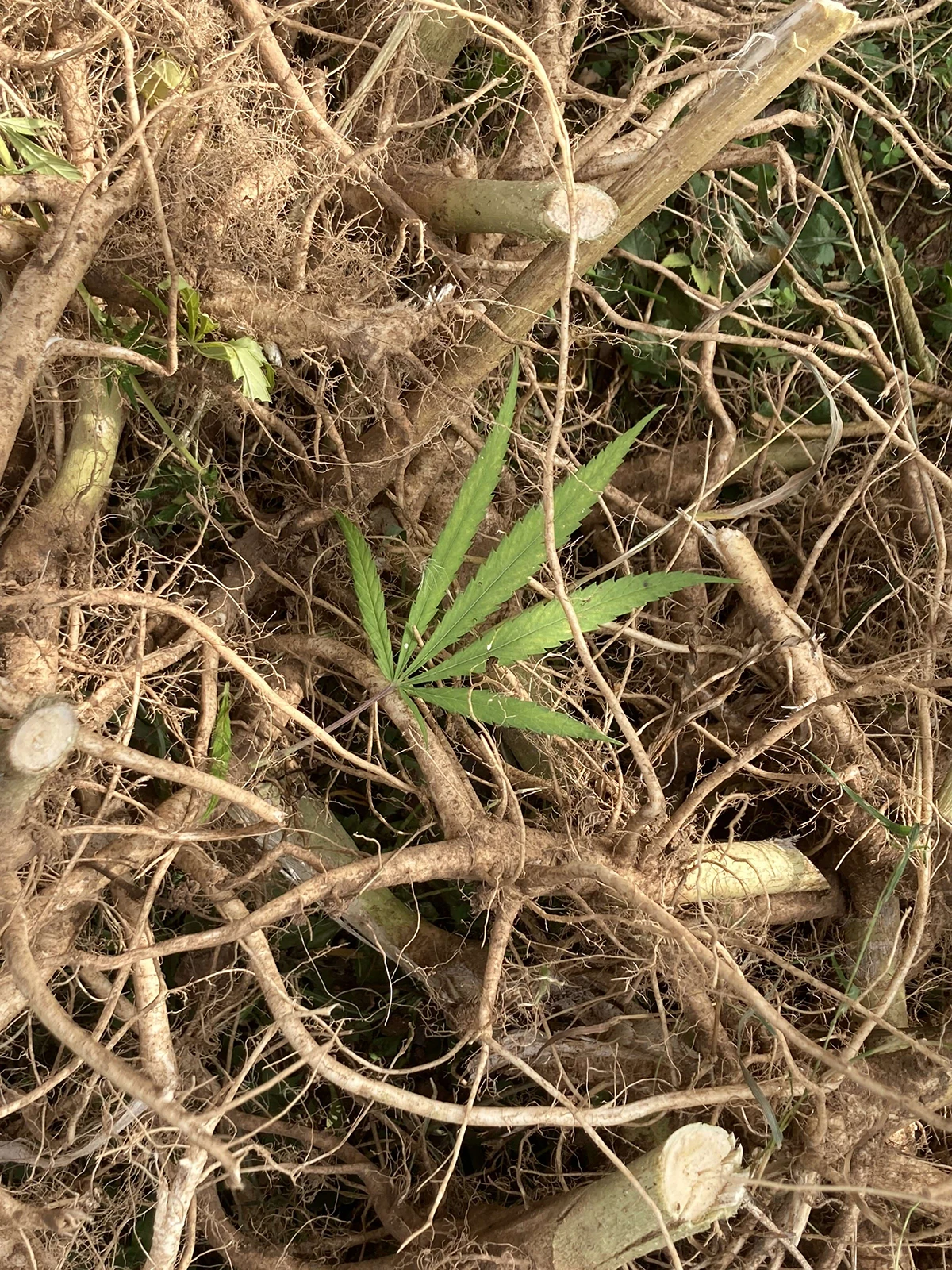
Hemp roots penetrate deeply — they are taproots. They promote aeration and break through compacted layers. When the plant completes its cycle, organic residues help nourish the soil, making it more fertile for subsequent crops.
Hemp has also proved effective in the environmental remediation of contaminated sites, as shown by cases in Italy — Taranto, in the former ILVA area — and abroad, including Chernobyl, where it has been used to remove heavy metals and toxins from soils at lower cost and with less environmental impact than other remediation technologies. Studies are also under way into the possible reuse of contaminated biomass.
Hemp enables efficient use of resources: producing one kilogram of fiber requires around 2,000 liters of water, compared with the 10,000 needed for cotton, and it does not require chemical pesticides, as it can be managed through manual or mechanical practices.
Regulatory and bureaucratic obstacles to regenerative hemp in Italy
Despite the evident advantages, legislative and bureaucratic barriers persist in Italy, hindering the spread of hemp in regenerative agriculture. One of the most paradoxical concerns seedlings that grow spontaneously from fallen seeds, which can be considered illegal when their genetic identity cannot be established with certainty. Canavese Canapa actively campaigns on these issues, promoting an update of the regulatory framework.
Canavese Canapa: a network for soil regeneration
Founded in 2016 by farmer Luca Bertetti and accountant Virginia Avallone, the Canavese Canapa Association also draws on the expertise of Daniele Leone, a food technologist who in 2019 started a farm specializing in the production of hemp flowers.
The association operates through a network of growers, technicians and enthusiasts, with the aim of spreading scientific and technical knowledge of hemp and supporting projects such as RiqualifiCanapa, at the forefront of soil regeneration.
Debora Vitulano