Jamie Diamond stages fictional families to challenge photographic truth
From Craigslist casting to Japan’s rental relationship services, Jamie Diamond hires strangers to stage families and paid interactions, documenting constructed intimacy
How Jamie Diamond challenges photographic truth through constructed family portraits and staged identities
“What appear at first glance to be conventional studio portraits are in fact fictions.” In the work of Jamie Diamond, photography unfolds as a site of construction, where intimacy is assembled and continuously negotiated. Over more than fifteen years, alongside her role as Head of the Photography Department at the University of Pennsylvania in Philadelphia, Diamond has developed a practice grounded in a sustained interrogation of the image’s authority. The camera carries no claim to neutrality; it intervenes, shapes, and ultimately produces the very reality it appears to depict.
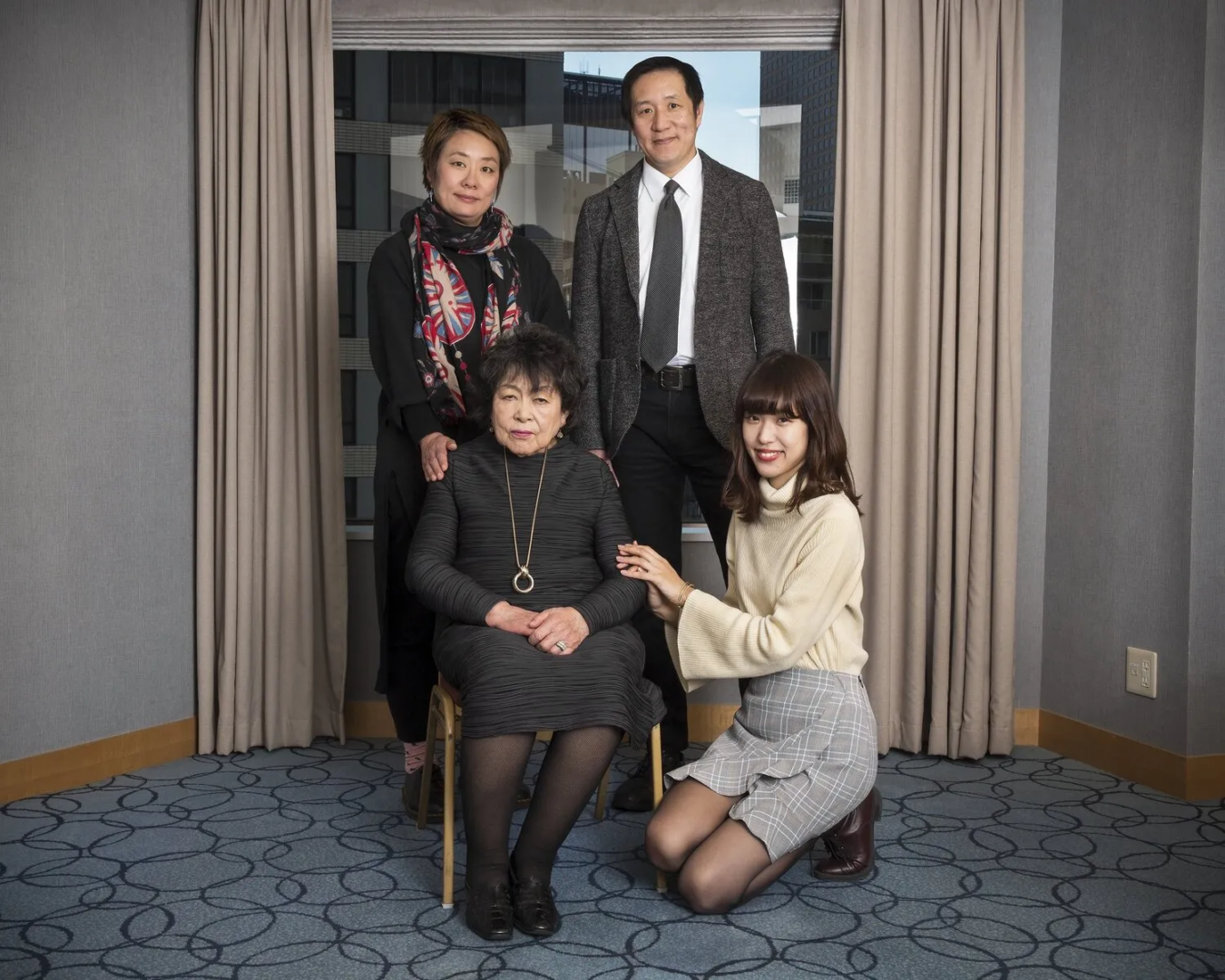
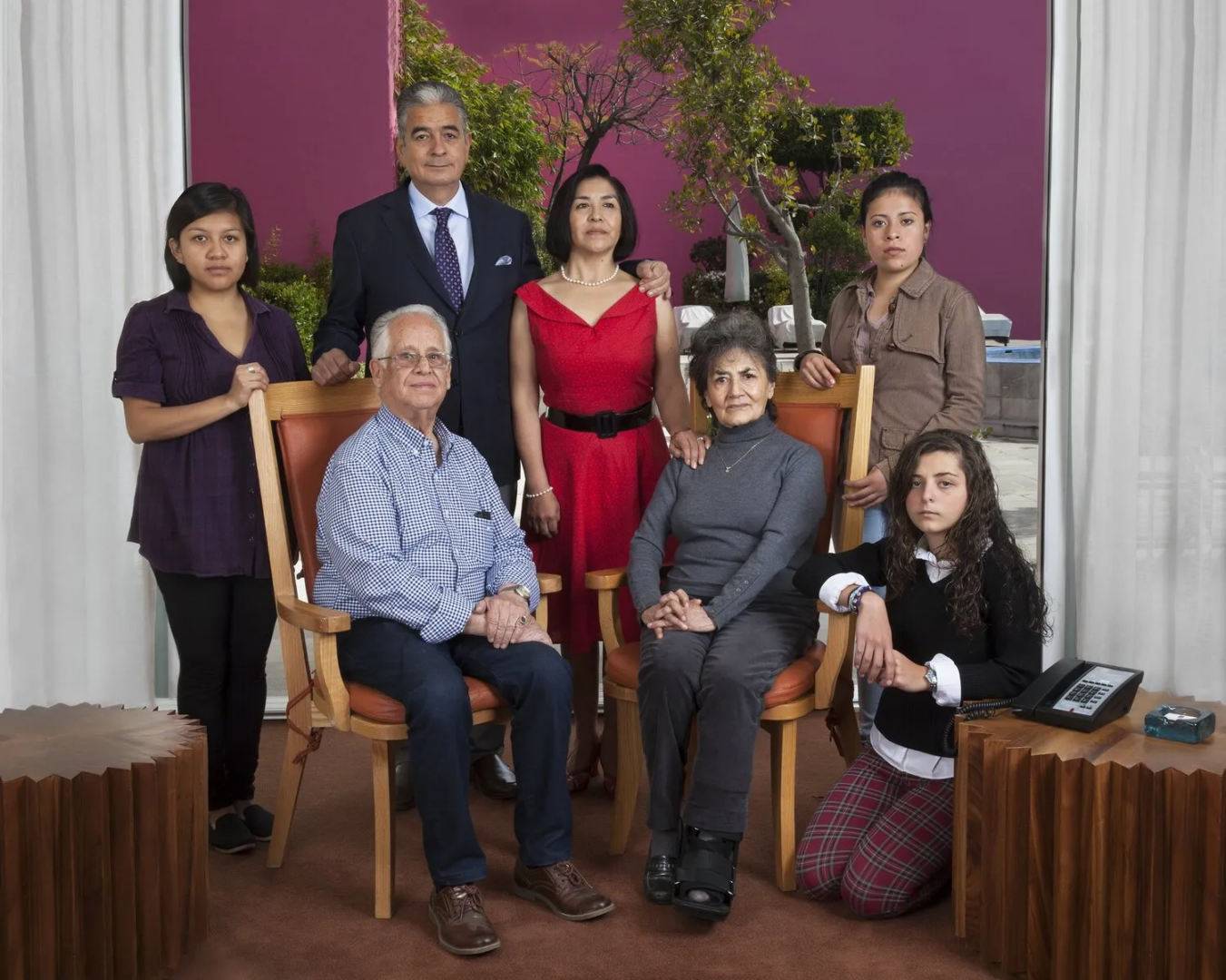
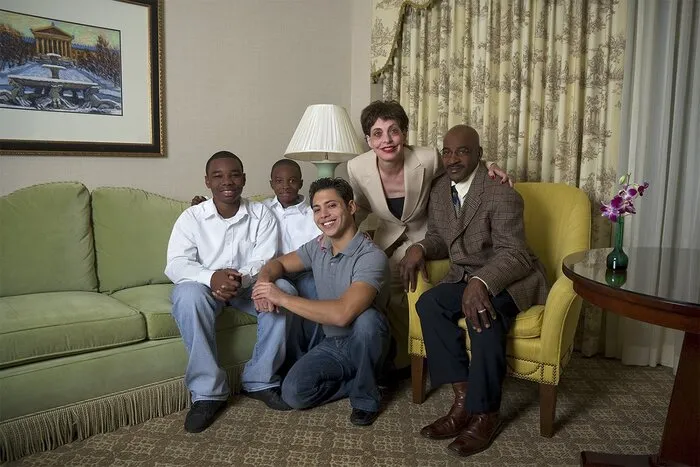
Her Constructed Family Portraits series offers one of the articulations of this position. Beginning in 2006, Diamond invited strangers through Craigslist to participate in fictional family scenarios, asking ordinary individuals to inhabit roles – mother, father, child – within orchestrated compositions. These images draw upon a deeply embedded visual grammar: the proximities between bodies, the choreography of touch, the calibrated and quiet expressions of belonging, they all compose recognizable codes of what a Family photograph should look like, result of decades of repetition. “The family portrait depicts a mythology or stereotypical ideal of a happy life, yet family is an ongoing performance where roles are assigned, with a constant expectation of an audience, both private and public.”
In a visual culture increasingly defined by synthetic images and algorithmic production, Diamond states: “I am interested in the space between the image and reality, in how photography can construct meaning undermining its traditional role as witness to or evidence of a truth. There are multiple truths and falsehoods embedded in each image”. Long before such technologies entered common use, Diamond’s work had already begun to dismantle the assumption that photographic images function as stable records of the world.
Constructed family portraits: staged intimacy and the illusion of authenticity in photography
The forced liaison between complete strangers generates a glitch, a visible state of quiet tension. They appear convincing, even familiar, while carrying within them a subtle dissonance that resists resolution. Recognition and doubt emerge simultaneously, destabilizing the viewer’s reliance on the photograph as evidence. “I’m interested in both the performance of the portrait and our innate fluency in its codes and gestures, as well as the shifting paradigm of the traditional family structure. The work explores the public image of family, themes of photographic truth, gender, class, culture and identity. As indicated by the titles of each work, each family is given the name of the hotel where the photograph was taken.” An additional element that disrupts the sense of familial warmth and intimacy, displacing identity into the anonymity of a setting.
This instability extends beyond the image into the conditions of its making. In fact, the two elements are intertwined. By inserting subjects in a fictional script, she not only questions the authenticity of the setting, but allows a chance to enter. Unpredictability is an essential component of authorship: the artist establishes a framework, then relinquishes it; the participants enter the work through an act of trust, offering themselves to a constructed fiction; chance intervenes, reshaping the outcome in ways that cannot be fully anticipated. Such dynamics position Diamond’s photography as a relational space, structured through acts of giving, from the artist herself, from the subjects, and from the viewer, because engaging with these images requires an acceptance of their terms, an awareness that what appears may have been staged. The willingness to inhabit that constructed reality is the actual truth, generated by a silent agreement among all parties.
Skin Hunger: paid intimacy, human touch, and the evolving economy of connection
Central to Jamie Diamond’s practice is the body, which, across her work, becomes a critical surface where cultural scripts are inscribed, rehearsed, and rendered visible in their inherent instability. This inquiry reaches a particularly acute articulation in Skin Hunger, a series developed in collaboration with professional touch practitioners who engage in physical contact with strangers in exchange for payment. As Diamond states:“At its core, Skin Hunger examines the evolving nature of human connection and the fate of traditional interpersonal relationships in a context of increasing technological integration and a broader societal shift away from social tactility”. Central to this research is the question of how intimacy is being redefined as touch – once a foundational mode of bonding and development – becomes increasingly regulated, scarce, and mediated by new social norms shaped by digital saturation, public health concerns, and heightened awareness of consent and sexual misconduct.
Skin Hunger emerges from Diamond’s long-term investigation, begun in January 2015, into the service economies that have developed around loneliness and the increasing demand for touch, intimacy, and connection. Within these emerging structures, real platonic human contact is available hourly, for a price, and is governed by explicit frameworks of boundaries, consent, and emotional labor. Within this framework, touch enters a system of transaction where intimacy is structured, negotiated, and performed. The gesture of contact carries a dual charge: it fulfills a fundamental human need while simultaneously exposing the conditions that shape it. Proximity and detachment coexist, generating a state of tension in which the authenticity of the encounter remains suspended within its own construction.
Japan to the United States: the rise of rental relationships and commodified intimacy
The research began in Japan, where rental family and friend agencies have existed since the 1990s, making it a foundational site for understanding the origins of this industry. Over four years of research there, Diamond traced how these services respond to isolation within culturally specific contexts. In 2019, she shifted from observation to immersion, taking her first photograph on the subject after hiring a “Handsome Weeping Boy” in Tokyo. As the work expanded into the United States, platonic intimacy-for-hire adapted to local cultural norms, with a particular focus on non-sexual physical touch. “For six years, I collaborated with professional Cuddlers who offer paying customers the opportunity to experience non-sexual intimacy with a complete stranger. I hired my first Cuddler in 2019 and since, had sessions both in-person and virtually”.
What we are left with, looking at the images of the series, is a sweet, yet uneasy residue of closeness, an affective register suspended between comfort and estrangement, presence and its commodified double.
I Promise to Be a Good Mother: motherhood, performance, and visual memory
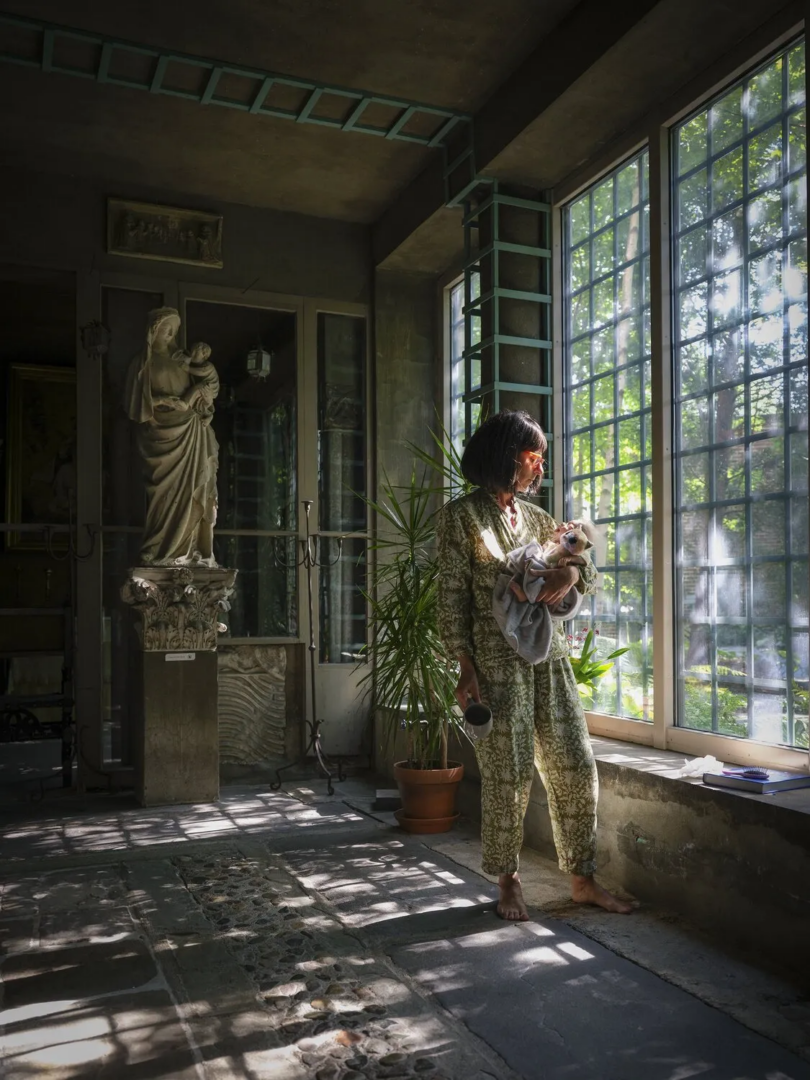
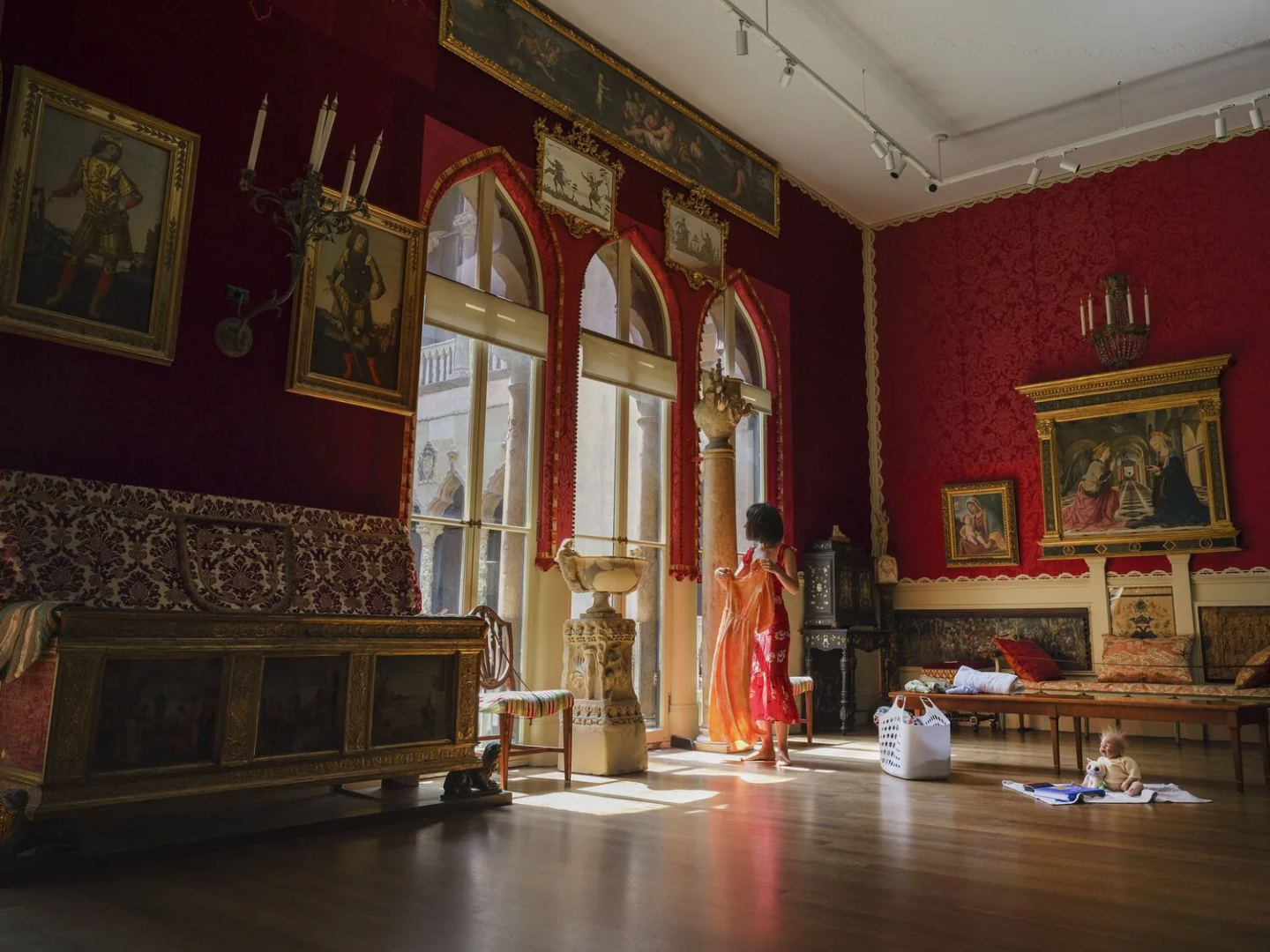
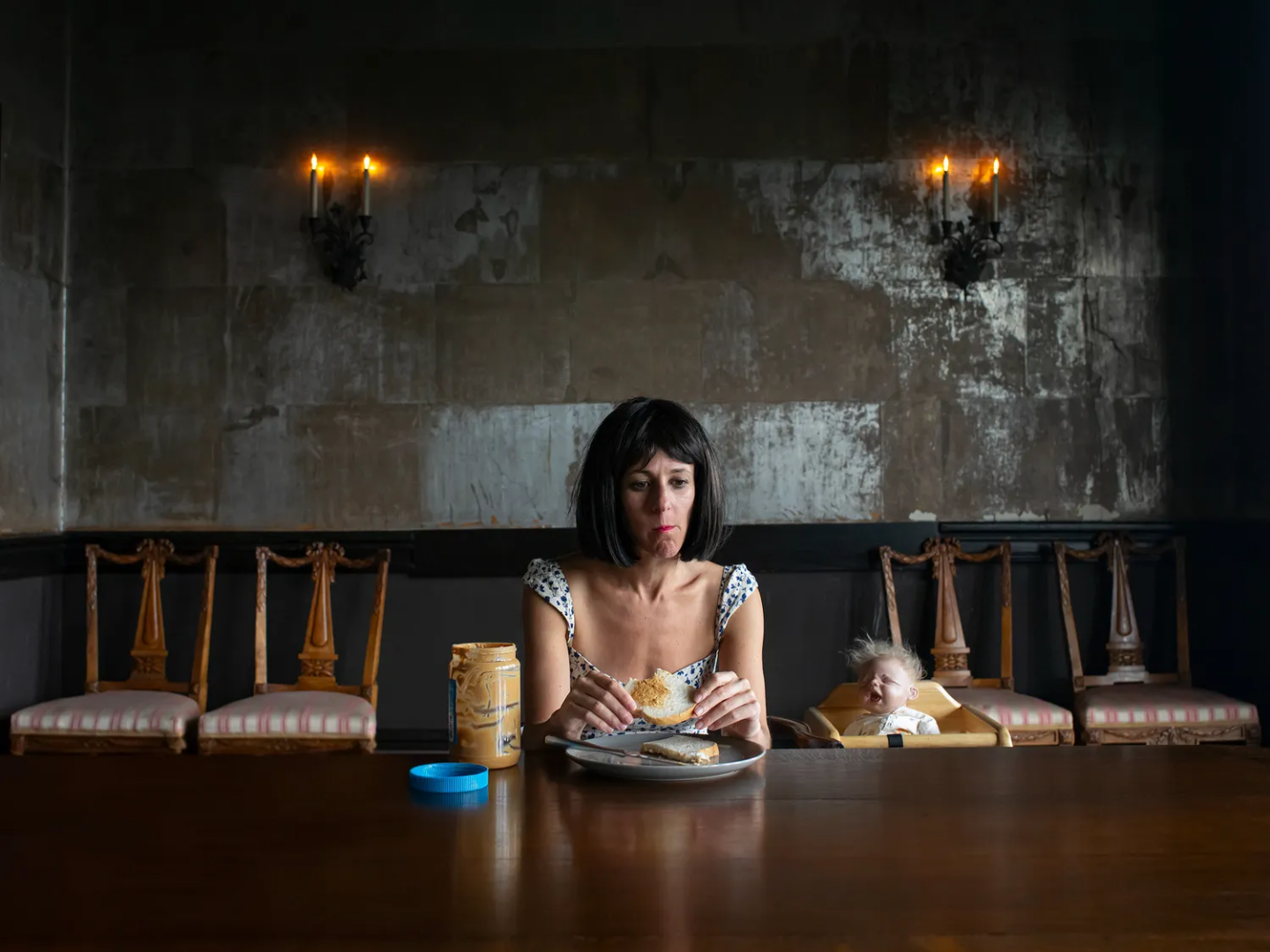
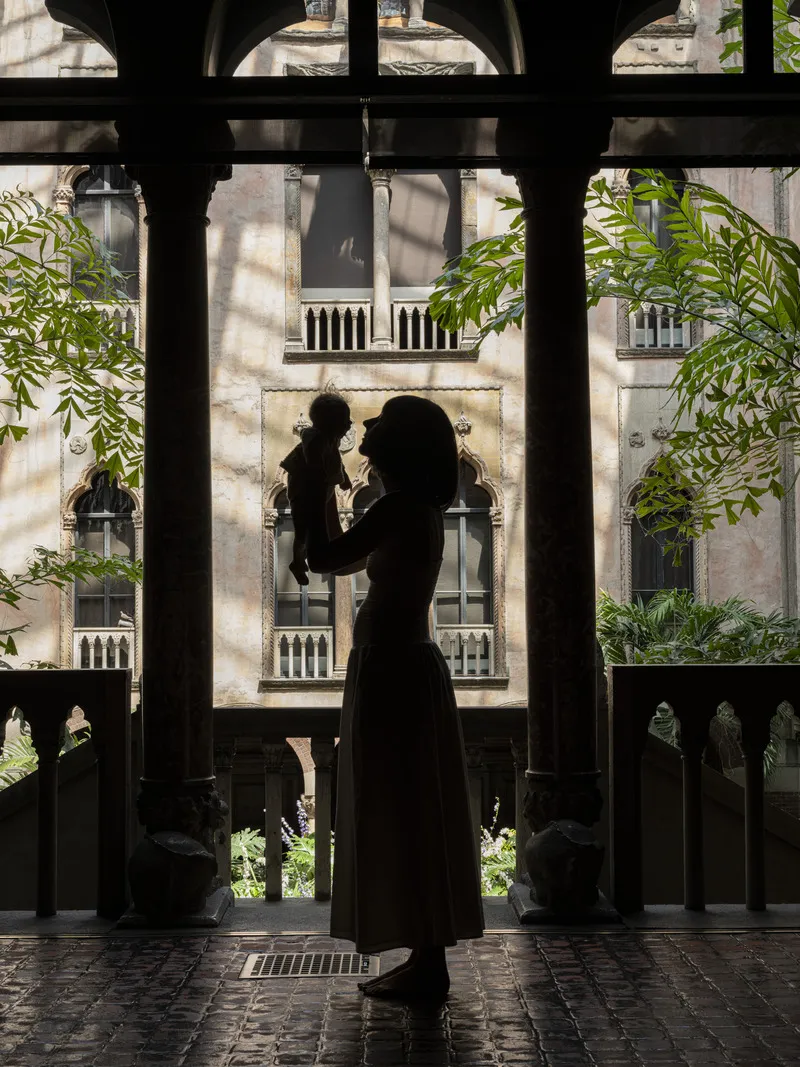
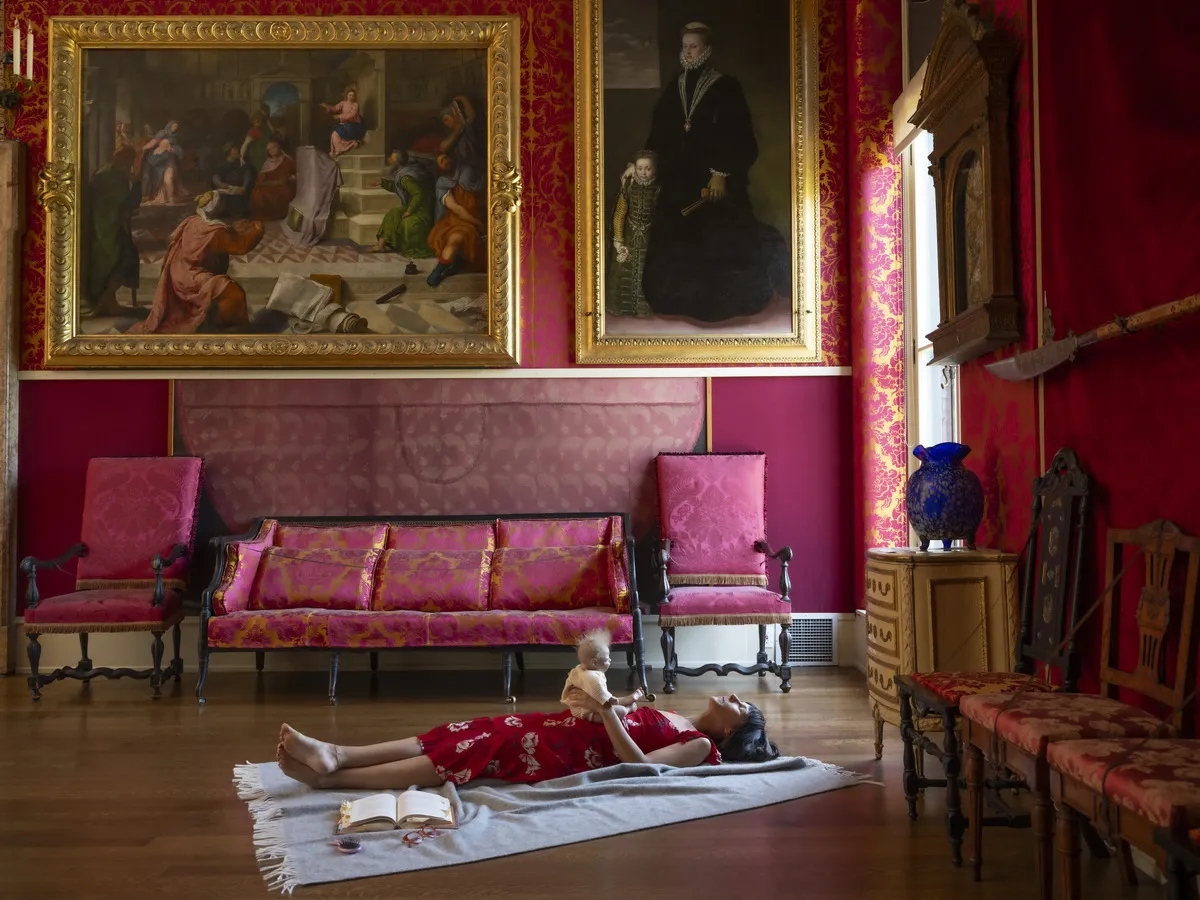
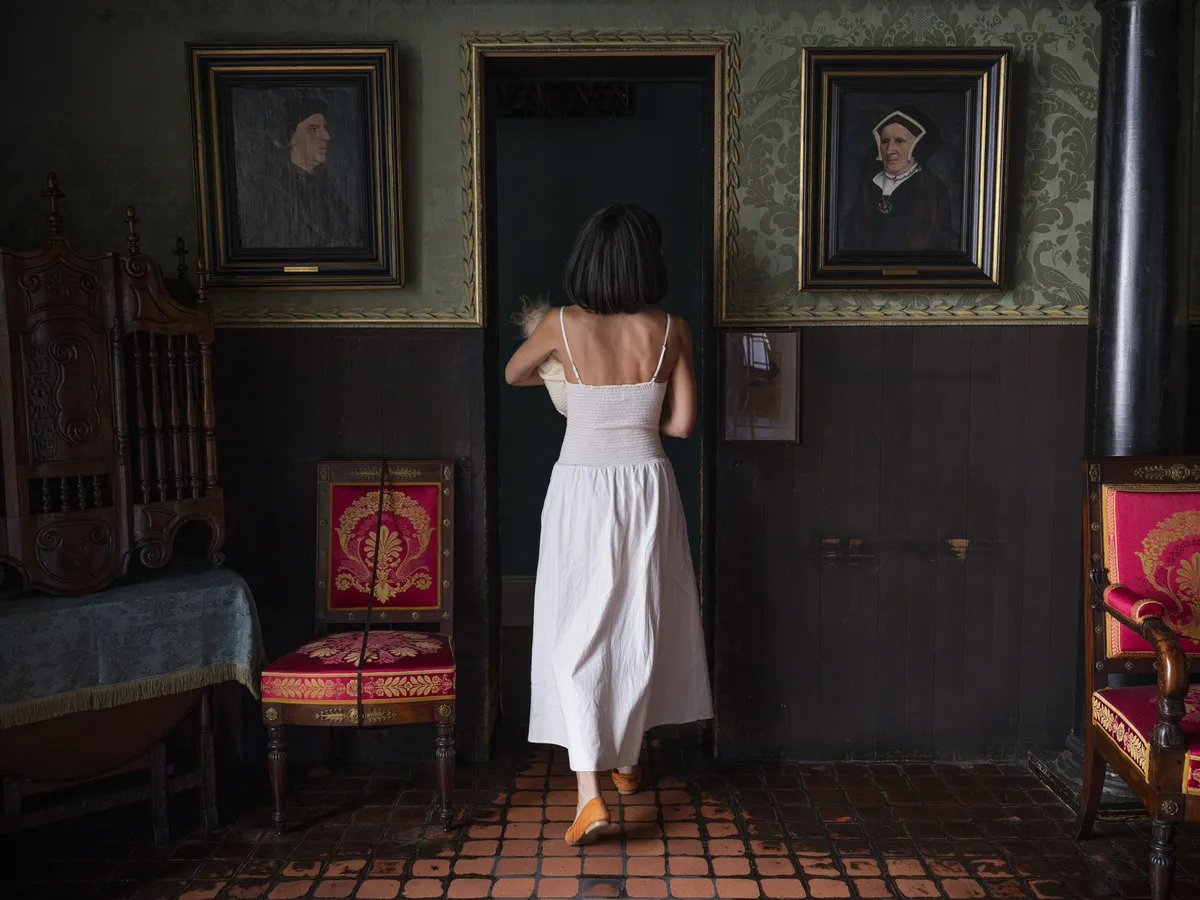
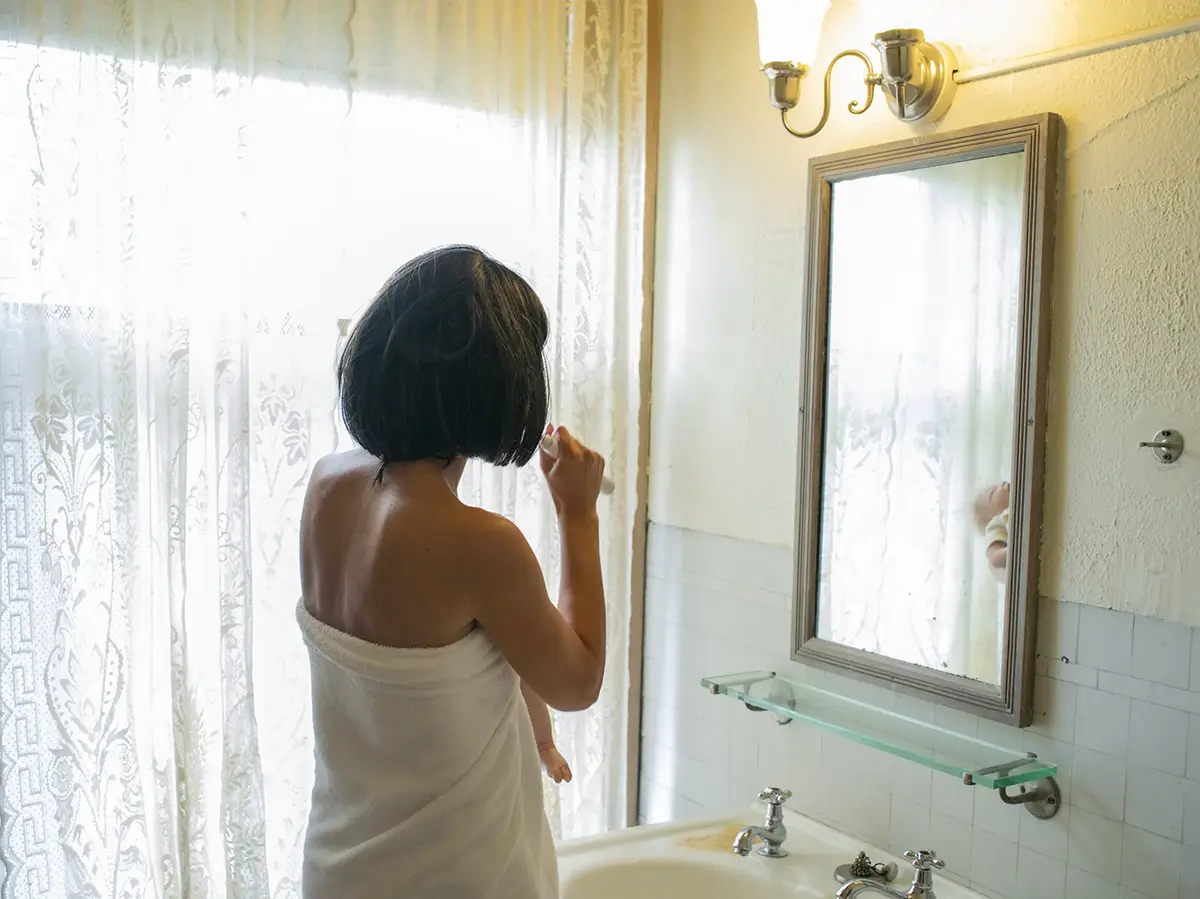
Further research into intimacy and the physical self is explored in I Promise to Be a Good Mother, where Diamond assumes the maternal role through a process of self-staging, bringing author and subject into a shared space. Wearing her mother’s clothes and engaging with a reborn doll, poised between surrogate and simulacrum, she constructs images rooted in memory while opening them to broader cultural and symbolic readings.
The project originates in a childhood diary that once attempted to define the mother–daughter relationship through a set of internalized gestures, later expanding into a more complex and layered reflection on maternal identity.
Madonna and child revisited: cultural codes and the construction of maternal identity
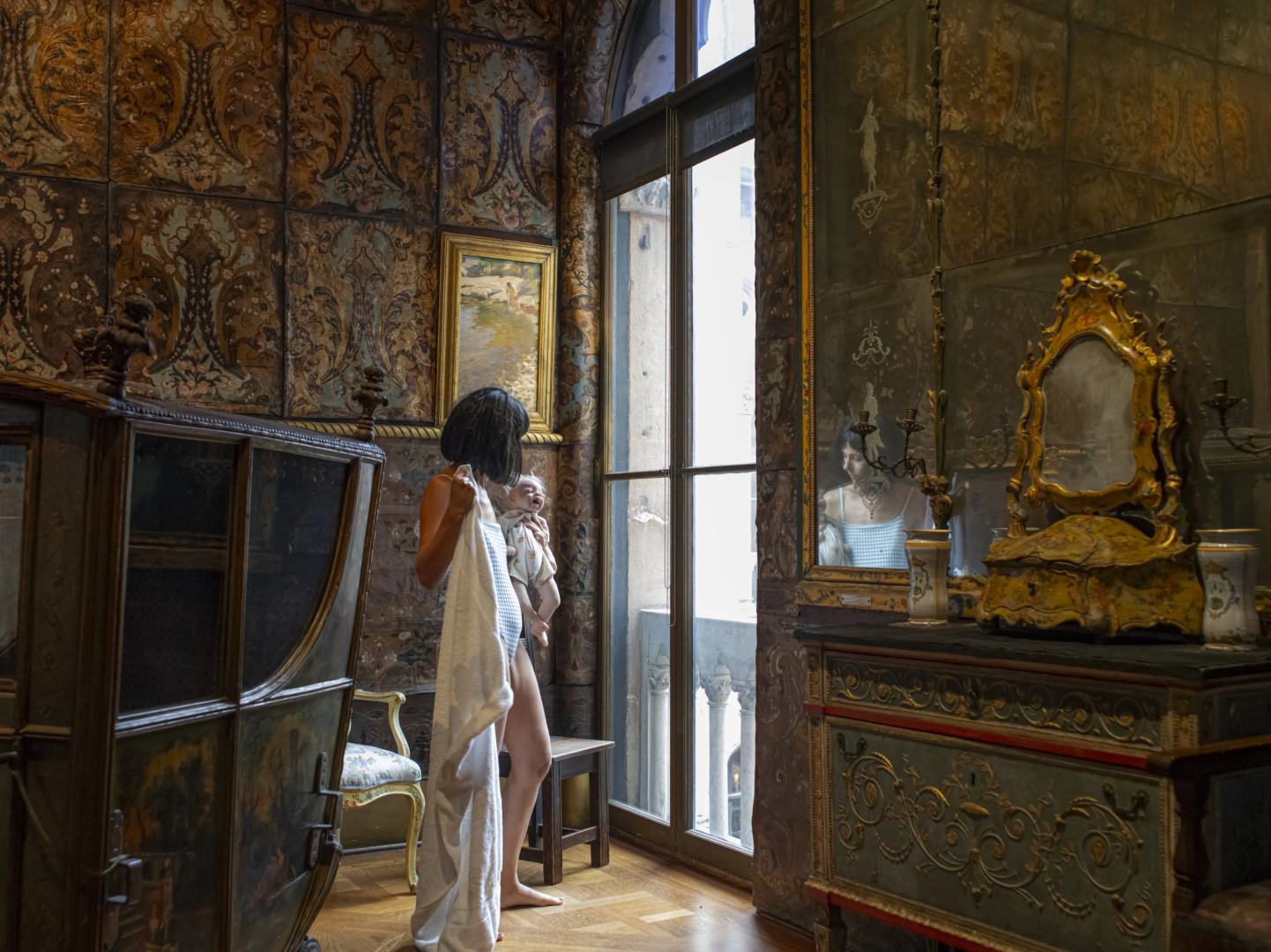
Within these images, the visual language of motherhood emerges through citation, repetition, and displacement. The iconography of the Madonna and Child resonates throughout, its compositional codes carefully activated while subtly shifted. Diamond navigates this terrain with precision, allowing inherited forms to surface as living structures shaped by centuries of representation. Motherhood appears as an inextricably linked constellation of performance, projection, and social expectation, sustained through visual and cultural continuity.
The staging of these scenes across domestic interiors and open landscapes intensifies their internal tension. Images that initially present a sense of harmony gradually reveal a more fragile coherence, exposing the mechanisms that sustain their legibility. The maternal figure unfolds as a fluid construct, continuously negotiated between lived experience and its representation.
Isabella Stewart Gardner residency: identity, performance, and institutional space
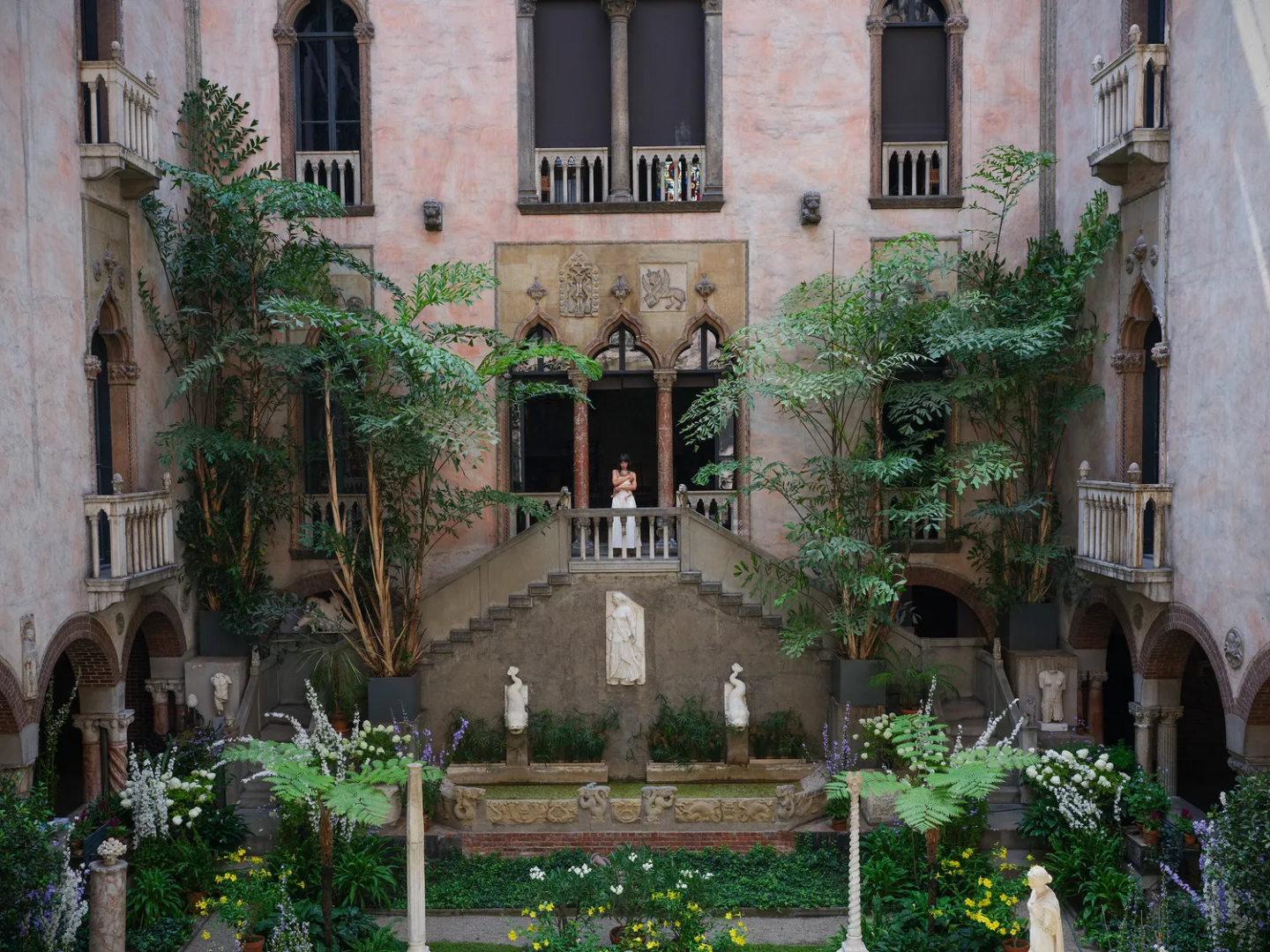
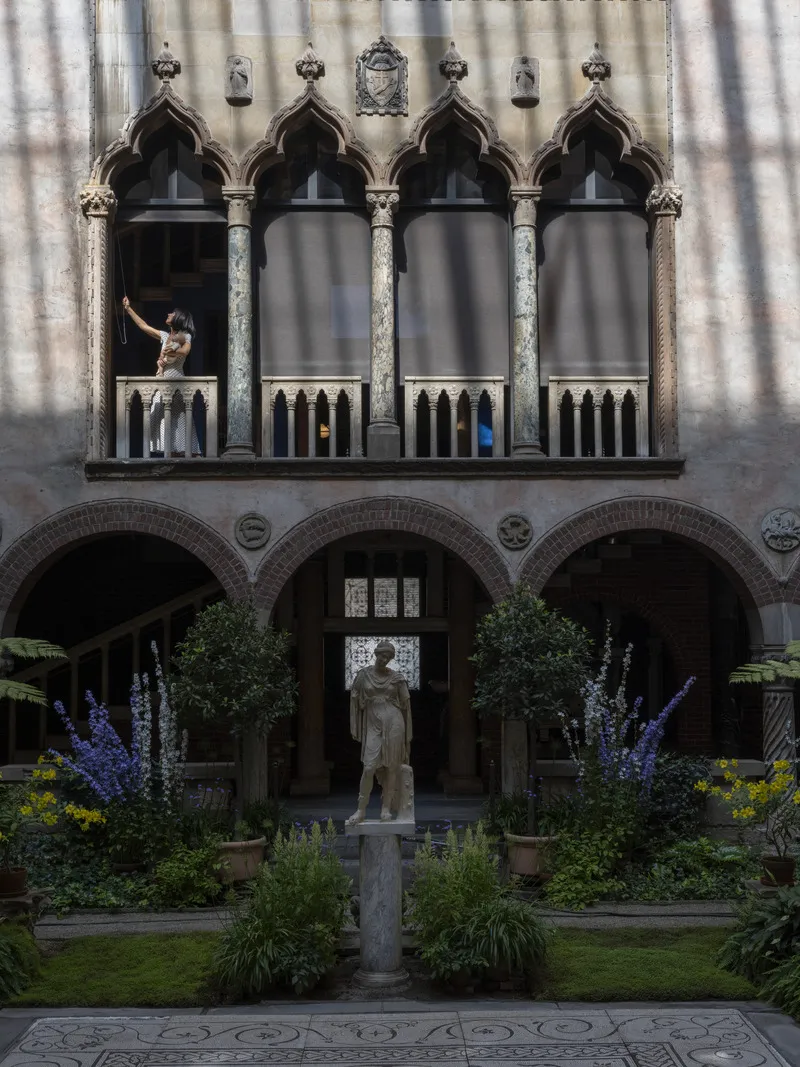
A further development of this work took place during Diamond’s residency at the Isabella Stewart Gardner Museum in Boston during the summer of 2025, where the project entered into dialogue with a collection permeated by Madonna-and-child imagery. The museum itself, suspended between private space and public institution, offered a context in which themes of preservation, identity, and performance converge. The figure of Isabella Stewart Gardner, shaped by personal loss and the careful construction of her public presence, extends this reflection, opening a parallel inquiry into the ways identity is staged and maintained over time.
Revisiting the series after becoming a mother introduces a shift in register, where lived experience permeates the constructed image with greater immediacy. The process absorbs the unpredictability of life, allowing it to enter the work as a force that exceeds intention and control. This dynamic resonates throughout Diamond’s broader practice, where structure and contingency operate in constant dialogue.
Sara van Bussel
Jamie Diamond biography: photography, performance, and the construction of identity
Jamie Diamond (b. 1983, USA) is a multidisciplinary artist whose work explores the construction of identity and intimacy through photography, performance, and film. Her work has been exhibited in solo and group exhibitions, some of which include, Osservatorio, Fondazione Prada, Italy; Prada Mode, Hong Kong; Canadian Centre for Architecture, Montreal; Museum für neue Kunst, Germany; Mass MoCA, North Adams, The Bronx Museum, New York; Trapholt Museum, Denmark; Kunsthalle Erfurt, Germany; Fondazione La Triennale, Milan; Deichtorhallen, Hamburg; and Museo d’Arte Contemporanea della Sicilia, Palermo. In addition, Diamond served as cinematographer and producer on the short feature film, A Minor Variation (2018) and directed /produced Skin Hunger (2024) which was screened at the Watermill Center, Trapholt Museum of Art and Design, The Church in Sag Harbor, NY and the Anthology Film Archives.