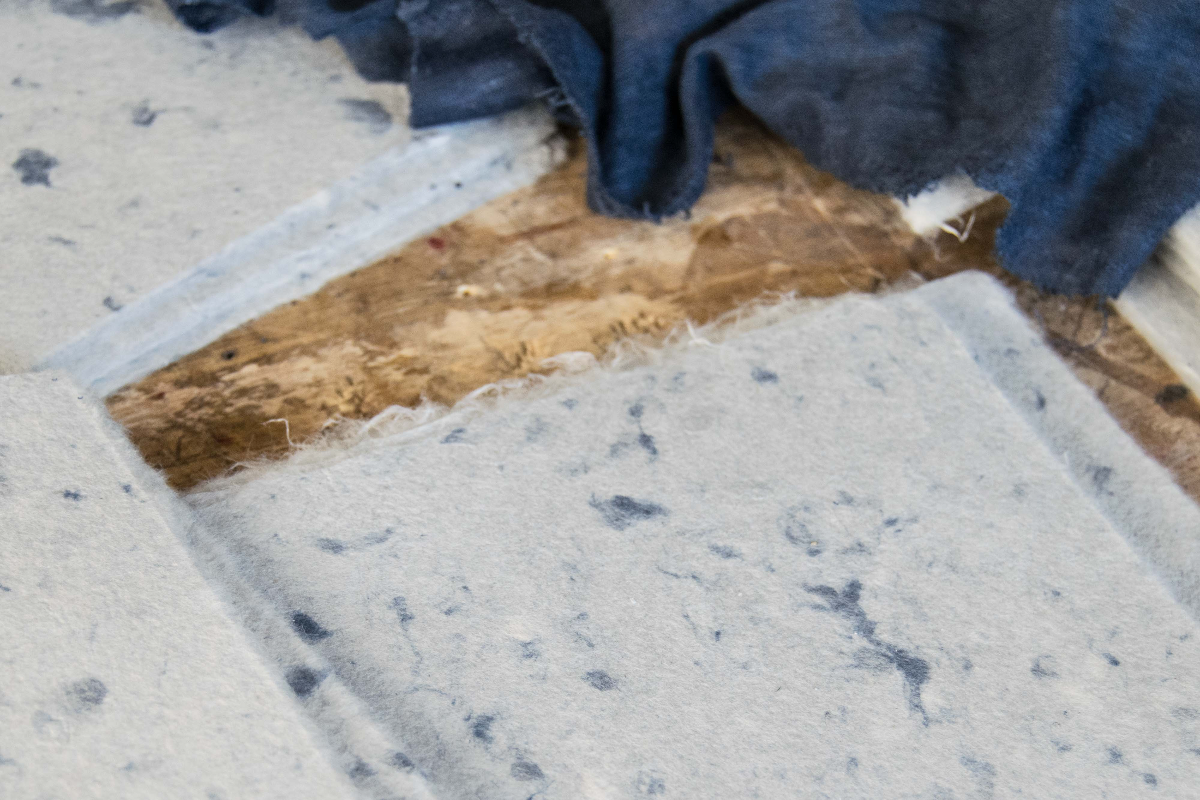
Rough paper from hemp textile scraps and paper waste
Muriel revives the tradition of paper made from hemp textile scraps and recovered materials, offering an alternative to conventional cellulose-based production
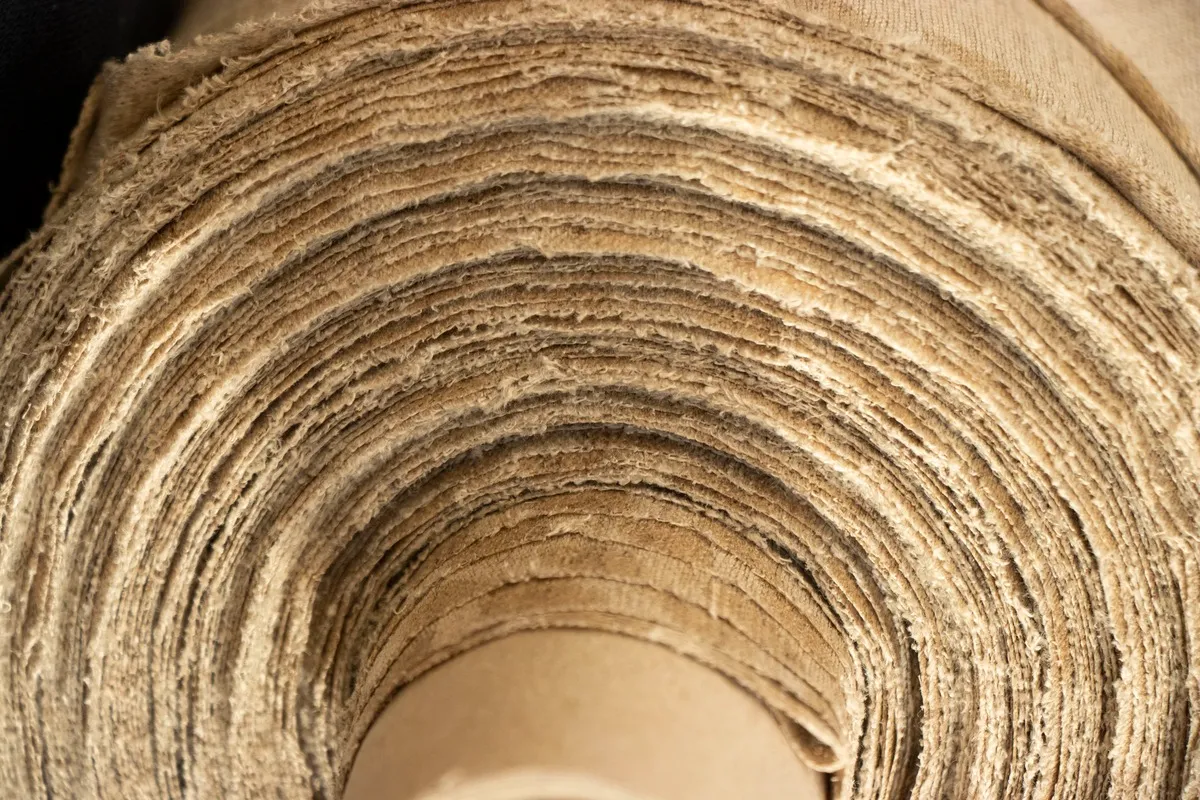
Paper, a rough material born from hemp rags
Today, the main raw material used to produce paper is cellulose, a molecule obtained from wood. Producing paper from cellulose comes at an environmental cost. Paper consumption is estimated to have increased by four hundred percent over the last four centuries, with consequences in terms of deforestation, pollution, and water and energy consumption.
One tree is enough to produce around nine thousand sheets of A4 paper, each requiring half a liter of water and the use of chemicals such as nitrogen oxides, carbon dioxide and sulfur. In Italy, around eighty percent of the paper produced in this way is currently recycled.
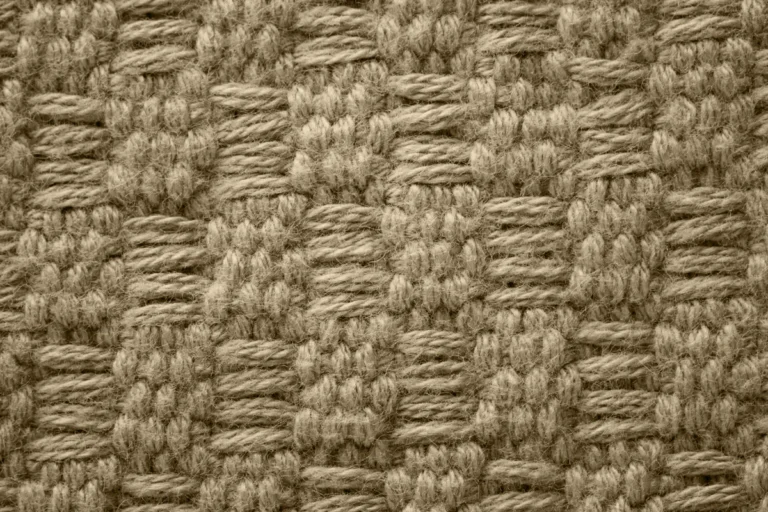
Yet paper originated precisely as a recycled material. Invented in China in the first century BC, for centuries it was made from rags and textile waste from hemp, wool, linen and cotton. In Europe too, where paper arrived around fourteen hundred years later, these raw materials were used until the end of the nineteenth century. The United States Declaration of Independence and the Gutenberg Bible were printed on hemp paper. A rough, porous and resistant material.
When paper became a mass consumer product, the paper industry shifted toward cellulose – despite its environmental impact – because it allowed larger quantities to be produced at a lower price and yielded smoother sheets. It is no coincidence that US paper magnate William Randolph Hearst, owner of forests used for paper production, was among the promoters of cannabis prohibition.
The return of hemp paper: sustainability and CO2 sequestration
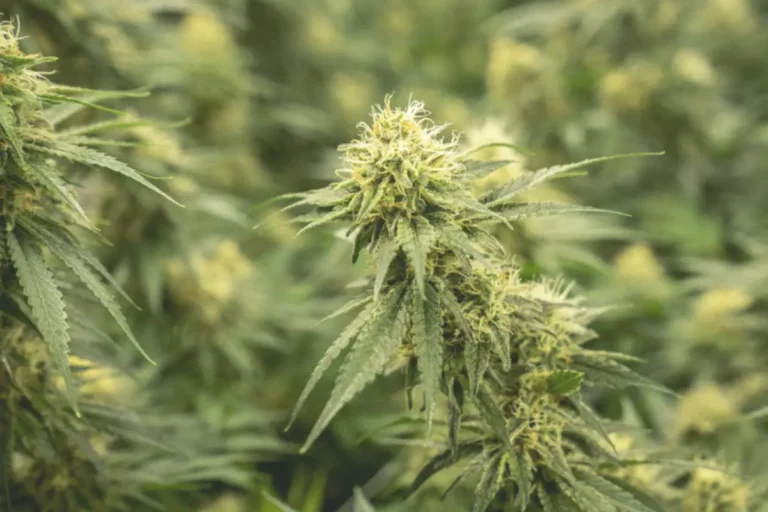
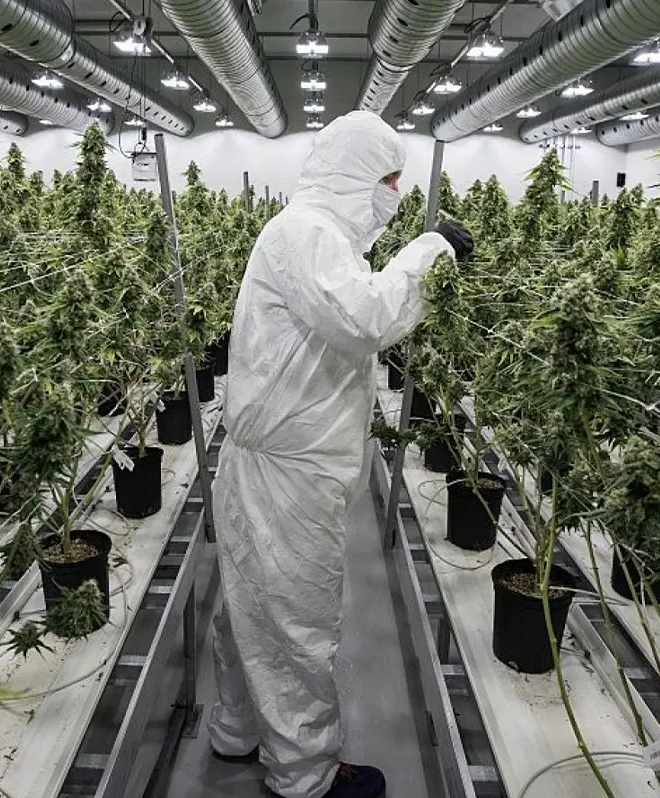
Hemp paper offers several advantages in terms of environmental impact. Its production cycle uses fewer chemicals than cellulose-based paper. Hemp does not require fertilizers or pesticides because it grows rapidly and naturally protects itself from pests. It needs less water than trees, while its capacity for CO2 sequestration is four times greater. Hemp also contains a lower percentage of lignin than trees.
Lignin is a sticky substance that binds cellulose fibers together and requires acids to dissolve it. Hemp fiber is also naturally white, unlike wood fiber, which is dark and must be treated with chemical bleaching agents.
Compared with cellulose paper, hemp paper is four times stronger and can be recycled up to seven times, compared with three times for the former.
Carta Muriel: handmade rough paper from waste raw materials
Recycling lies at the heart of Carta Muriel, a project by Veneto artisan Sonia Padovanello. Sonia handcrafts a rough paper, which she then decorates with pressed flowers, using paper waste and scraps of hemp-fiber textiles. The latter are supplied by Filotimo, an Italian brand producing slow-fashion clothing from natural fabrics, including hemp. The collaboration began in 2016 from a shared desire to reduce waste.
Sonia discovered the world of handmade paper while living in the United States and, once back in Italy, decided to pursue it alongside the office job she had at the time: «Every file, every document was printed and stored on paper, generating a large amount of paper waste. So I began taking these scraps home and using them to make new paper with an artisanal method».
At a certain point, Sonia decided to turn this hobby into a profession and trained with Sandro Tiberi, a master papermaker from Fabriano. Carta Muriel was founded in 2020 and is now based in Lessinia, in a combined home and workshop where Sonia lives and works with her family, using the garden to source the flowers she uses to decorate her products.

Paper from paper and textile waste: production processes compared
The production process itself is the same whether the raw material consists of paper waste, which Muriel sources through collaborations with local offices, or textile-industry scraps, such as Filotimo’s hemp-fiber garments. What differs is the way the raw material is prepared for subsequent artisanal processing.
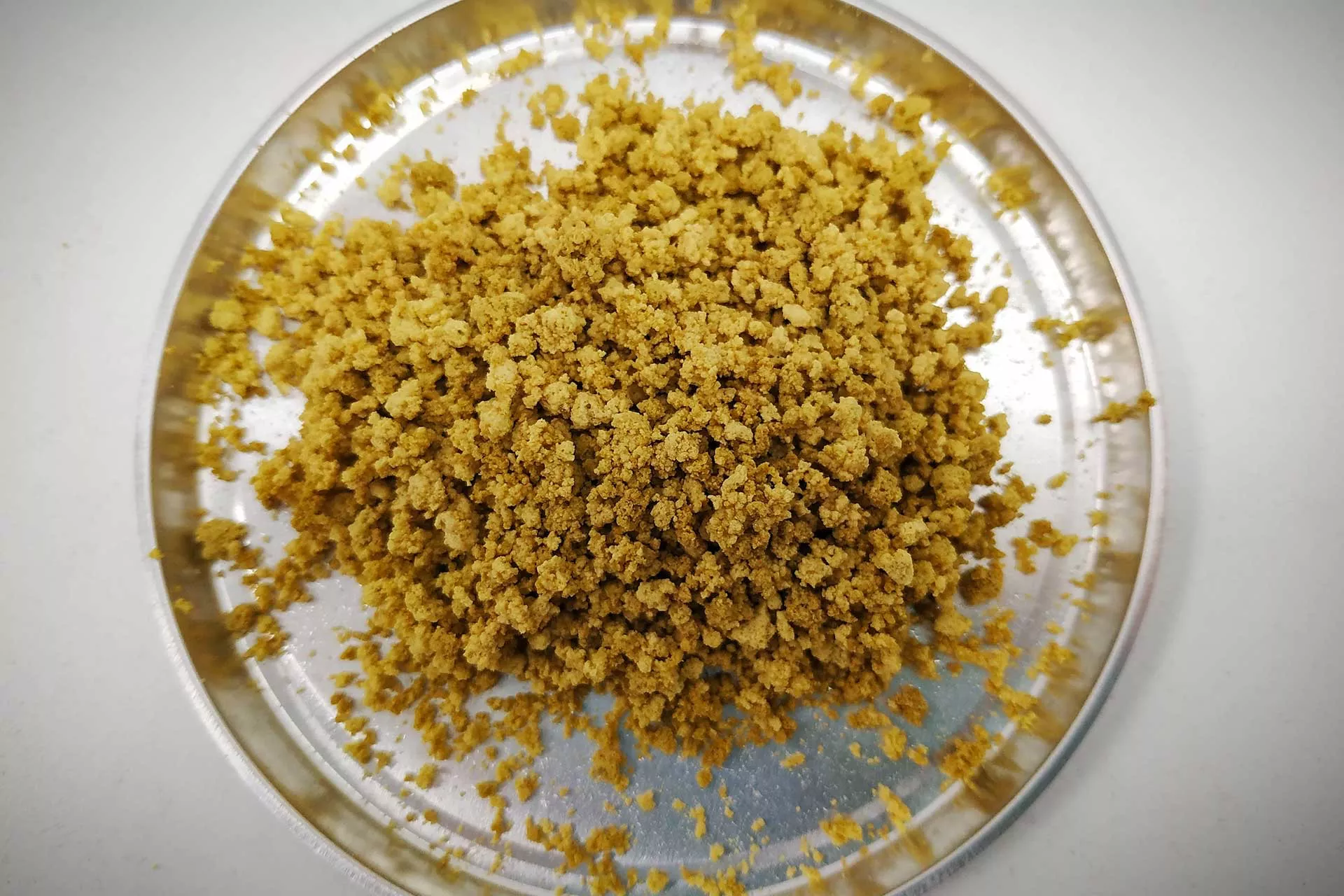
In the case of recycled paper, it is immersed in hot water and left to soak until it breaks down. Fabric, by contrast, is shredded and then boiled in caustic soda: «Hemp, which is a particularly tough fiber, can require up to six hours of boiling to be reduced to the pulp needed for processing, but it also produces a stronger paper. Caustic soda acts as an accelerator in this process».
Once reduced to pulp, the different raw materials undergo the same processing. They are placed in a vat filled with water to reduce their density. A frame is then inserted to sieve the resulting mixture: «This tool is fitted with a mesh that collects the material while filtering out the water».
The pulp is then removed from the frame and transferred onto a cotton cloth to dry: «What is known in the trade as a posta is then created: a stack made up of alternating layers of paper and cotton cloth. To help it dry, the stack is placed under a press, which removes the remaining water and also gives shape to the new sheets of paper».
Alongside waste materials, water is one of Muriel’s raw materials. To avoid waste, Sonia collects the water released during pressing and reuses it within her production cycle.
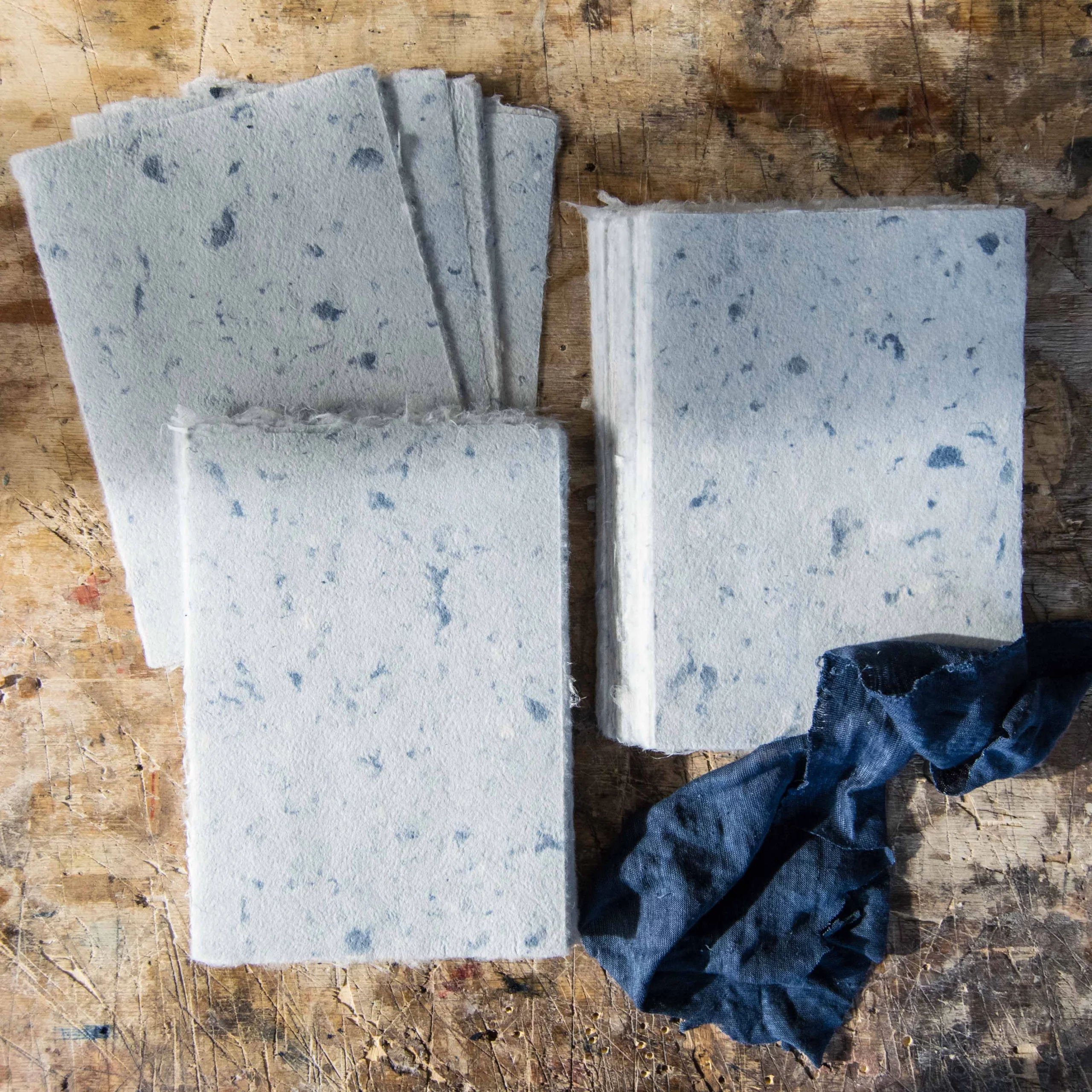
The rhythms of nature determine the roughness of the paper
After pressing, the sheets are separated from their cloths and left to air-dry. Sonia’s production is therefore influenced by the seasons and the climate: «In summer I can produce more because the paper dries quickly, while in winter the cold and humidity lengthen the process and reduce productivity».
Air-drying is responsible for Carta Muriel’s roughness: «The texture of paper depends on the drying method used. My products have a raw, rough texture because they follow the rhythms of nature».
The roughness is heightened by the pressed and dried flowers Sonia uses to decorate her products, emphasizing their material quality and connection with nature. This is another technique with ancient origins, historically used to compile herbaria. The Italian physician and botanist Luca Ghini is believed to have been the first to use it in the sixteenth century.
Sonia grows the flowers herself in her garden and presses them using reclaimed cardboard. They are left under pressure for three weeks and then glued to the sheets as a decorative element.
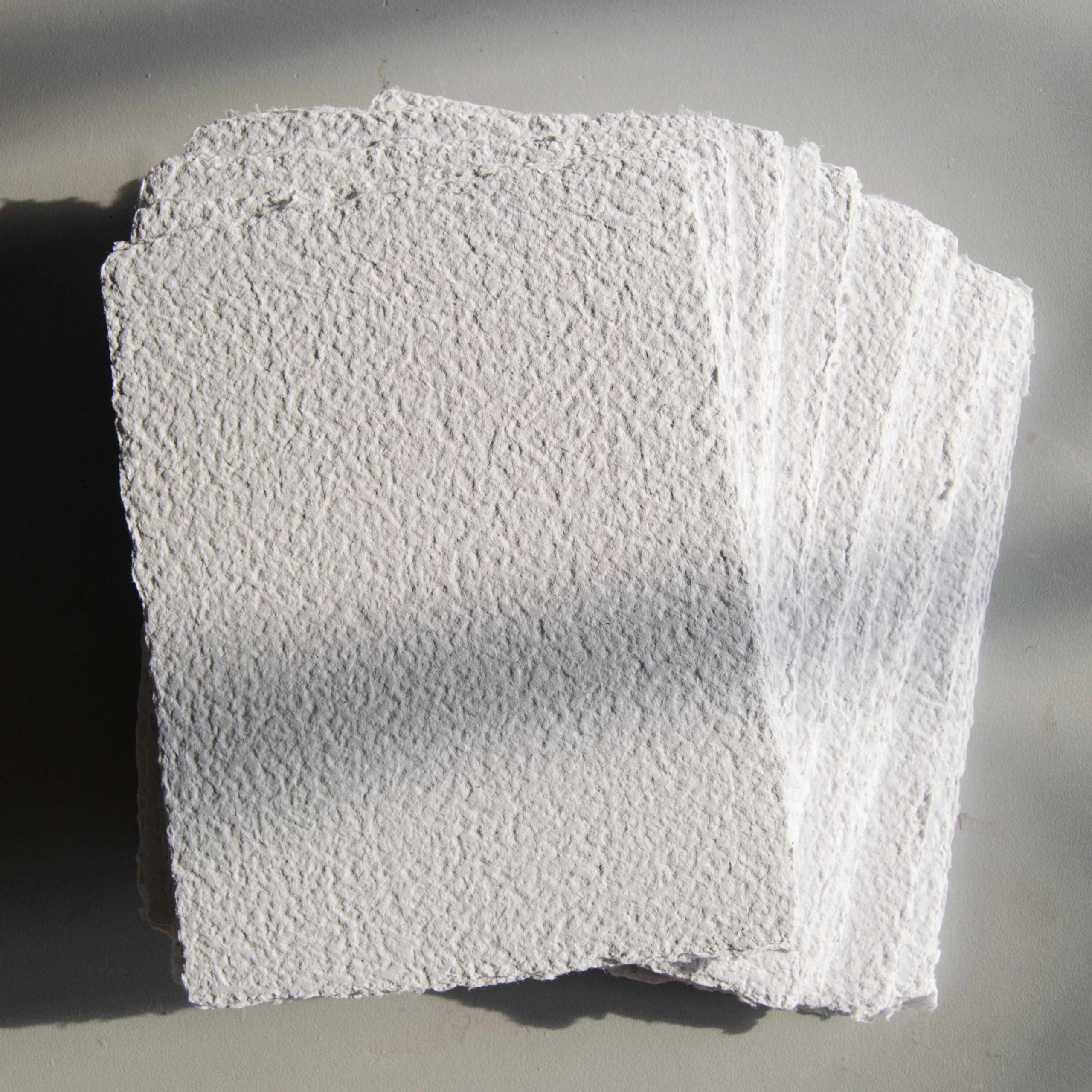
Textile and paper industries: a possible sustainable combination?
Together with Filotimo, Muriel is exploring the potential of combining the paper and textile industries in terms of environmental sustainability. Italy’s textile industry is estimated to generate one hundred and sixty thousand tonnes of waste, equivalent to around five hundred million garments, a figure that continues to rise. At European level, data indicate more than twelve million tonnes of waste, of which only twenty-two percent is recycled.
The textile industry is also estimated to be responsible for twenty percent of global pollution.
Using textile-sector waste in paper production could reduce its impact while providing the paper industry with a raw material more sustainable than cellulose. One limitation, however, may be the composition of fabrics. Paper has historically been made from fibers of natural origin, such as hemp: «Today, by contrast, most clothes are made from synthetic fabrics such as polyester. The question, then, is whether it is possible to produce quality paper products from fabrics of this kind, which are often poor quality».
More than sixty percent of textile fibers currently produced are estimated to derive from petroleum. Synthetic textiles are thought to account for eight percent of European microplastics released into the oceans, with the global estimate ranging between sixteen and thirty-five percent.
Every year, between two hundred and five hundred thousand tonnes of textile microplastics are estimated to enter marine ecosystems worldwide – they have even been found in Antarctica – as a result of the production, washing, use and disposal of synthetic materials.
Beyond textile and paper waste, paper production can also use other recovered raw materials: «There are paper producers, both artisanal and industrial, that have begun using citrus and fruit waste, or stone powder, which makes it possible to reduce water requirements».
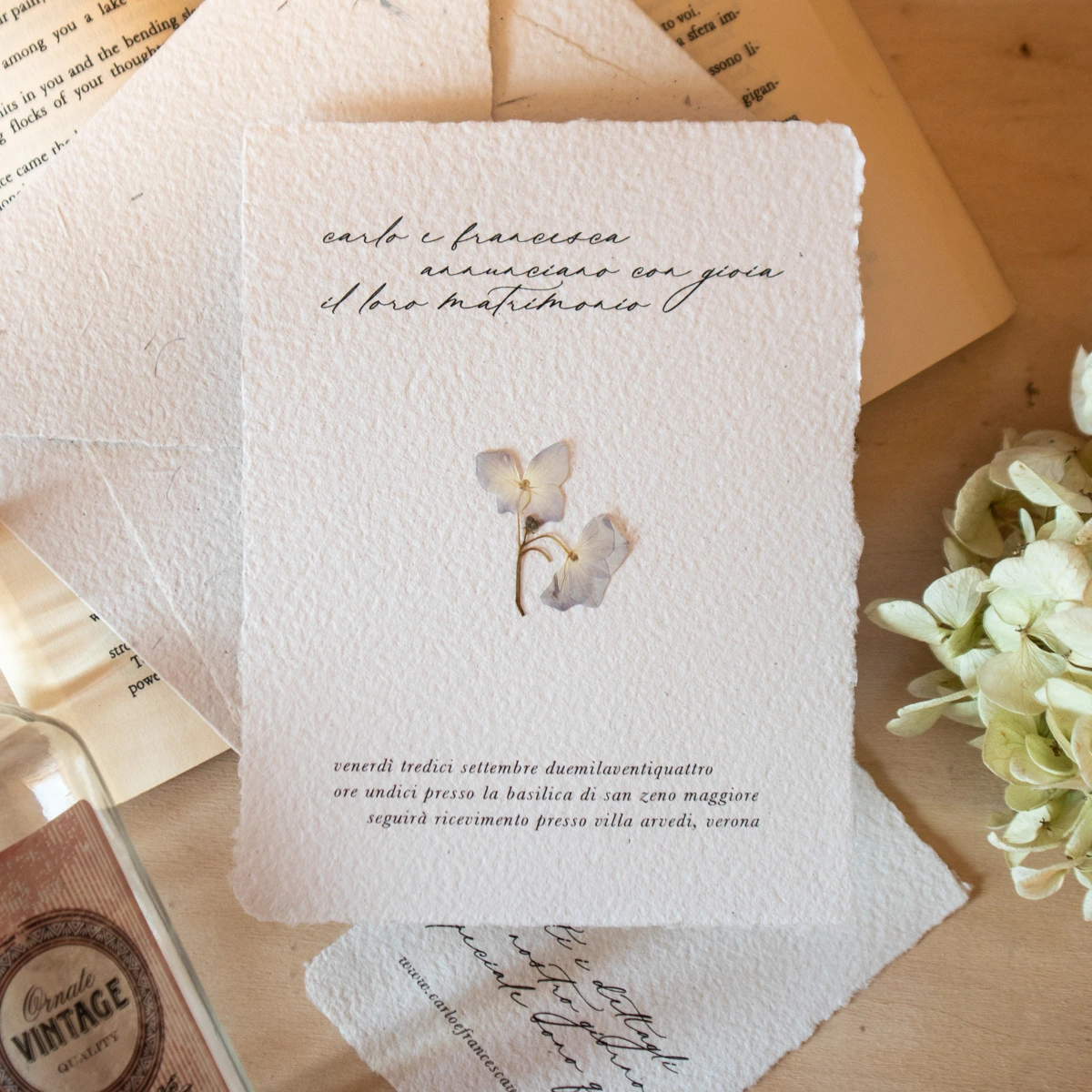
Carta Muriel
Carta Muriel is a project by Veneto artisan Sonia Padovanello, who produces stationery in Lessinia from paper waste and discarded hemp-fiber textiles. The latter come from a collaboration with Filotimo, an Italian slow-fashion brand that makes clothing from natural materials.
Carta Muriel’s products, aimed primarily at the wedding and events sector, are decorated with home-grown dried flowers and are intentionally rough. In her home-workshop, Sonia also runs courses teaching people how to make paper at home and press flowers.