Hemp powder and biopolymers: the result is fabric
Napee, based in Pesaro, has developed a fabric for clothing and automotive applications by combining hemp-processing waste with organically derived polyols
From hemp powder to fabric
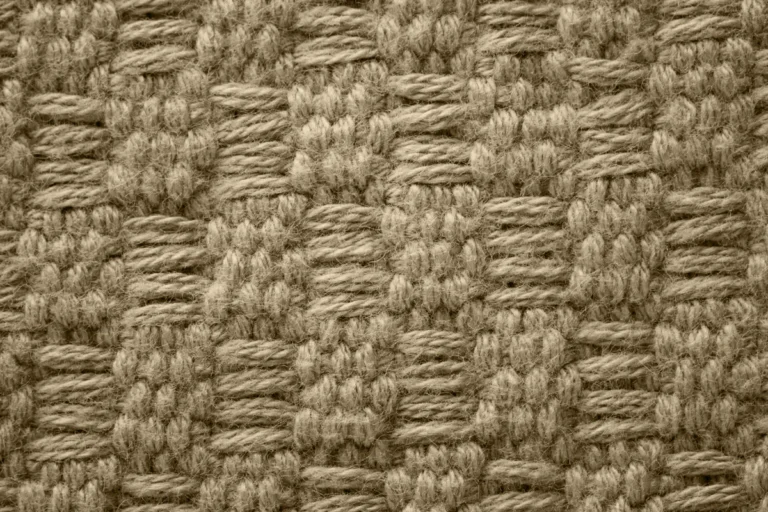
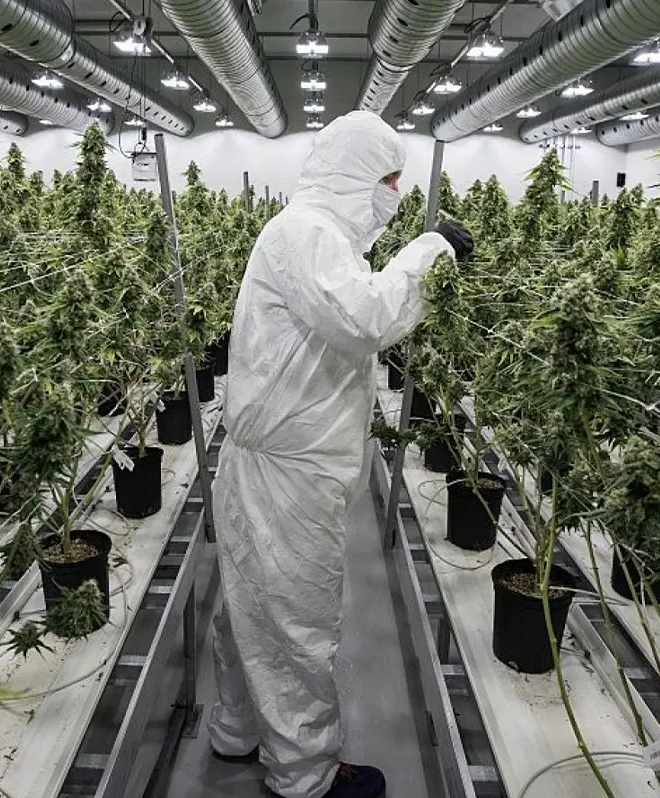
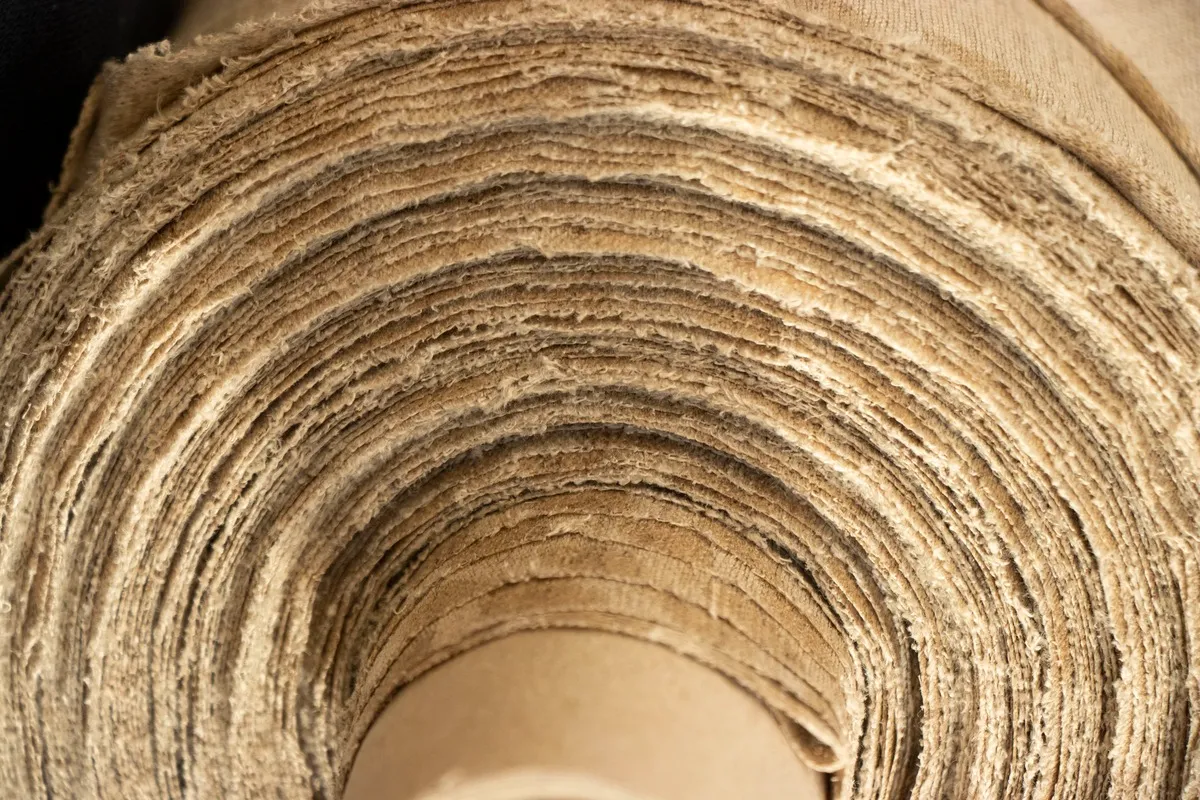
Alessandro Fabbri and Giuseppe Guido are the founders of Napee. Based in Pesaro, after years of research they developed a technical fabric that resembles leather but is plant-based. It can be used for bags, jackets and car seats. Hemp is at the core of the project, combined with other organic ingredients and natural oils. «The hemp we use comes from Italy. We try to reduce travel and transport as much as possible: they pollute and cost money. They make no sense from any point of view», Fabbri explains. The product begins where the processing of the plant ends. «The hemp supply chain follows a cycle. First comes sowing and growth, which take about five months in total. At that point processing can begin. To make hemp suitable for textiles, it is cut and retted directly in the field». An alternative is bio-retting, which takes place in water. At this stage, the different components of the plant are separated: fiber on one side, hurd – the inner woody part left after the bark fiber has been removed – on the other. The process is called decortication. The fiber then goes through combing, which removes further hurd residues and makes it uniform for spinning.
Processing hemp waste
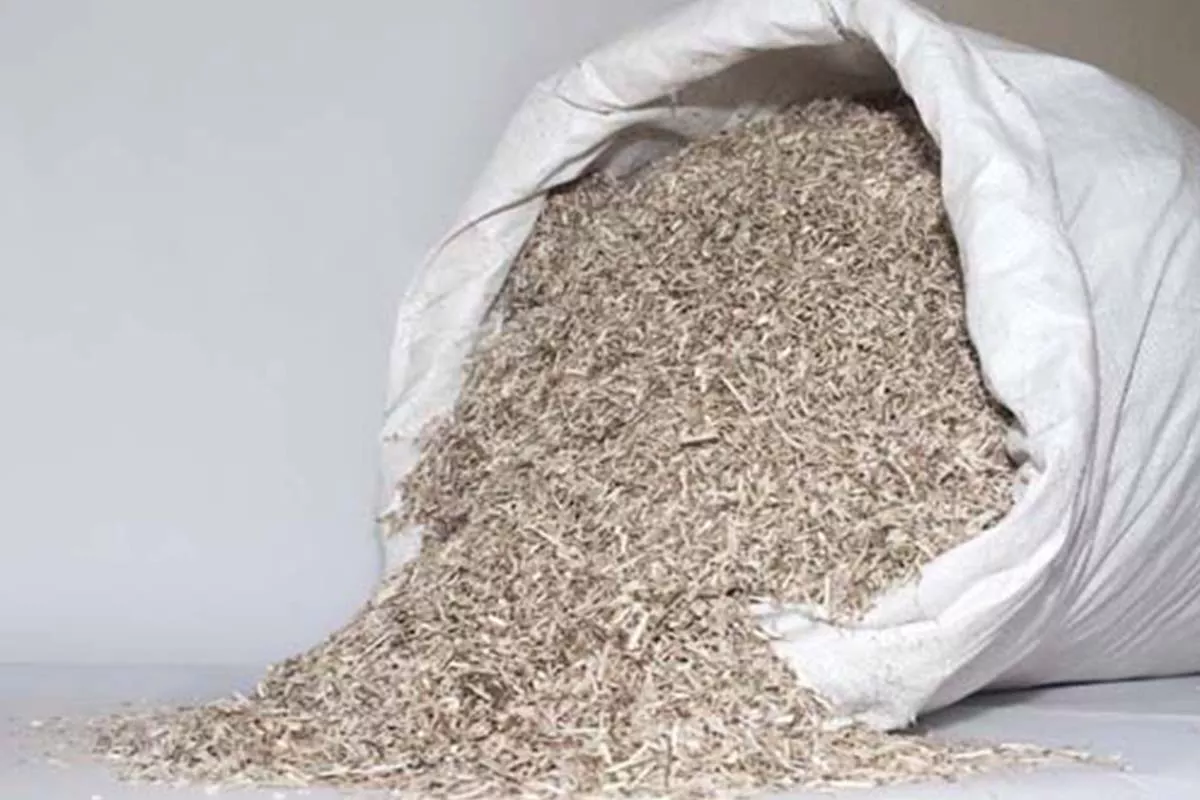
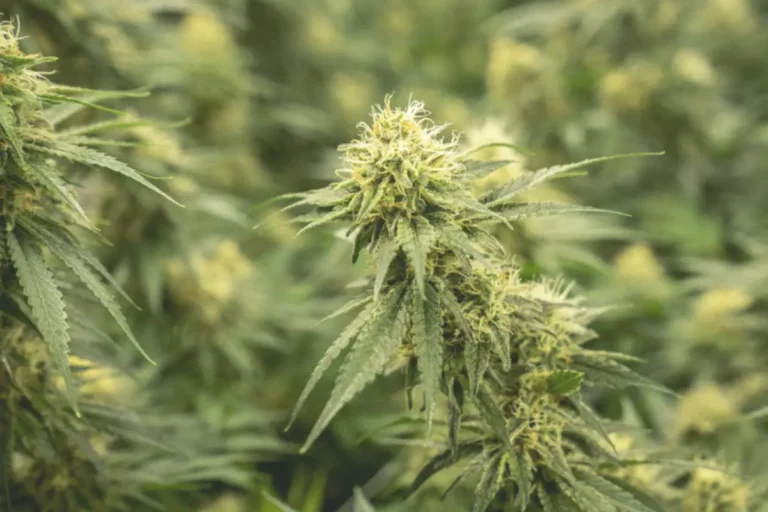
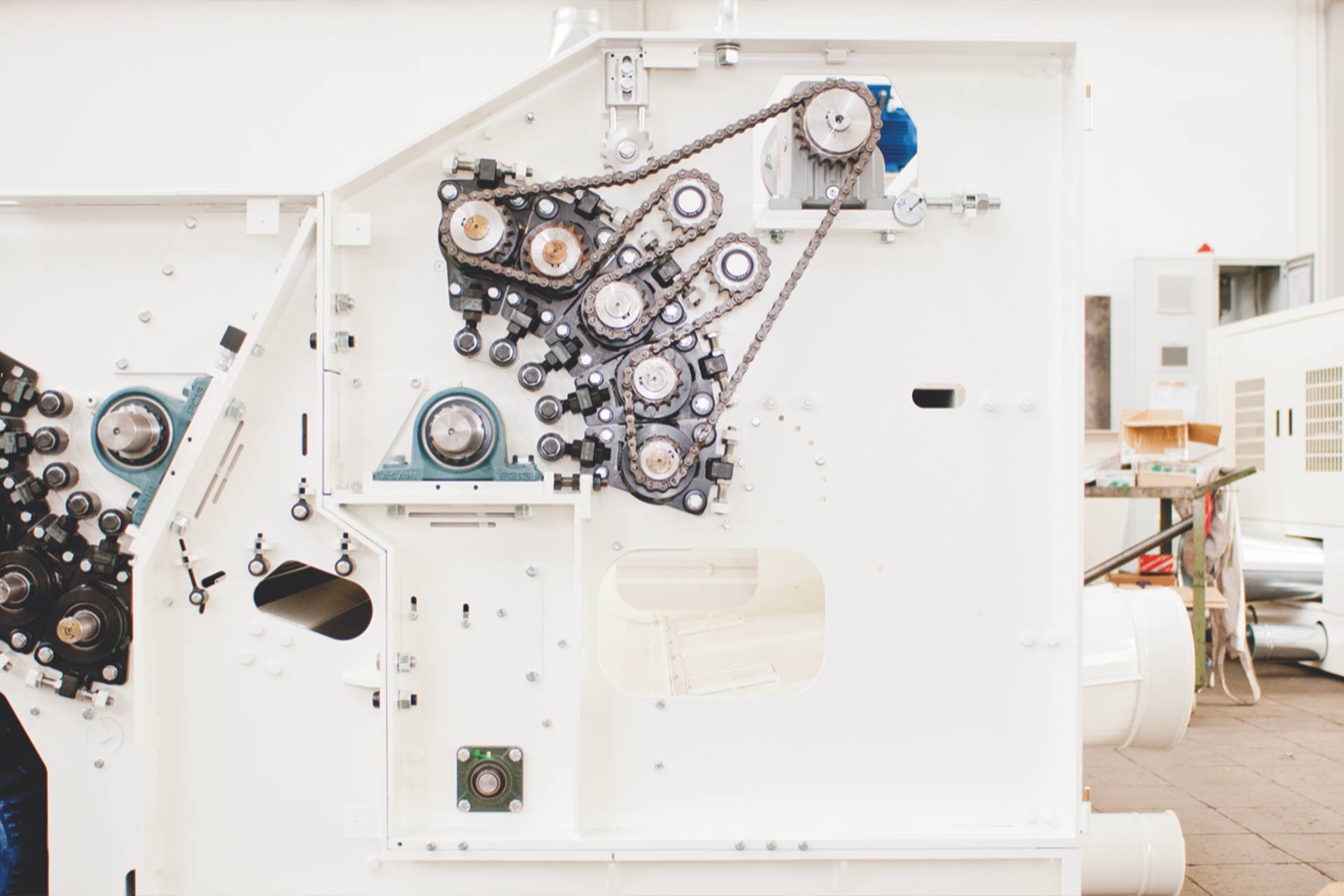
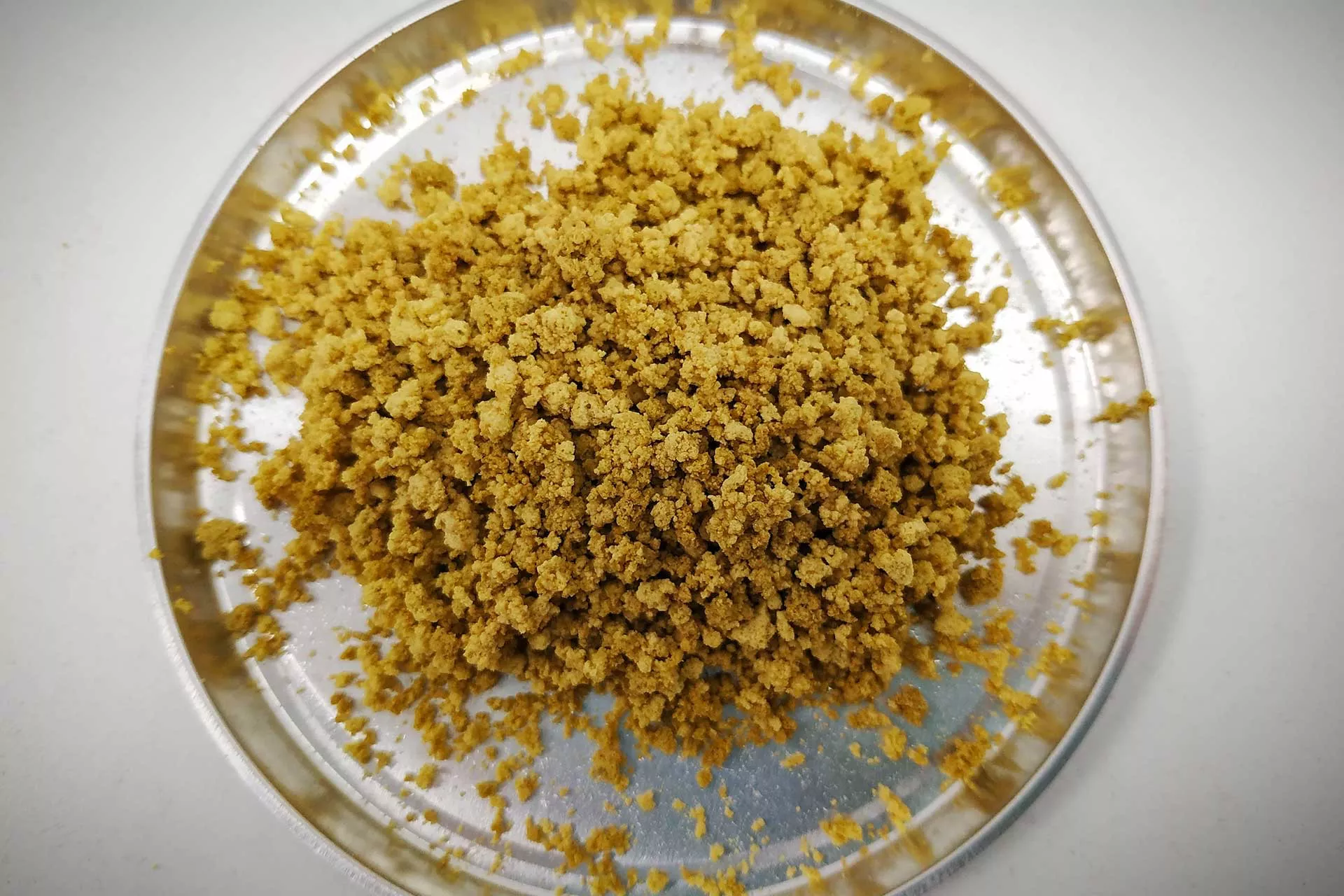
One hectare of cultivated hemp produces about ten tons of straw, which is then decorticated. The tops, or inflorescences, are intended for the pharmaceutical and cosmetics industries because they are rich in CBD, cannabidiol. «The stalk from which the hurd is obtained is divided into very small sections. The process generates a great deal of dust, which is normally discarded», Fabbri continues. Napee works with this production waste, collecting and grinding it until the resulting fragments are on the micrometer scale, a technique known as micronization. «It is then incorporated into a formulation we developed through research». The powder is mixed with organically based biopolymers. «They are polyols and make up the material that will later be coated. Polyols are largely derived from petroleum, apart from the rare exceptions that we use». The resulting biomass can be combined with more hemp, creating a fabric composed almost entirely of the plant, or with other organic plant-based textiles.
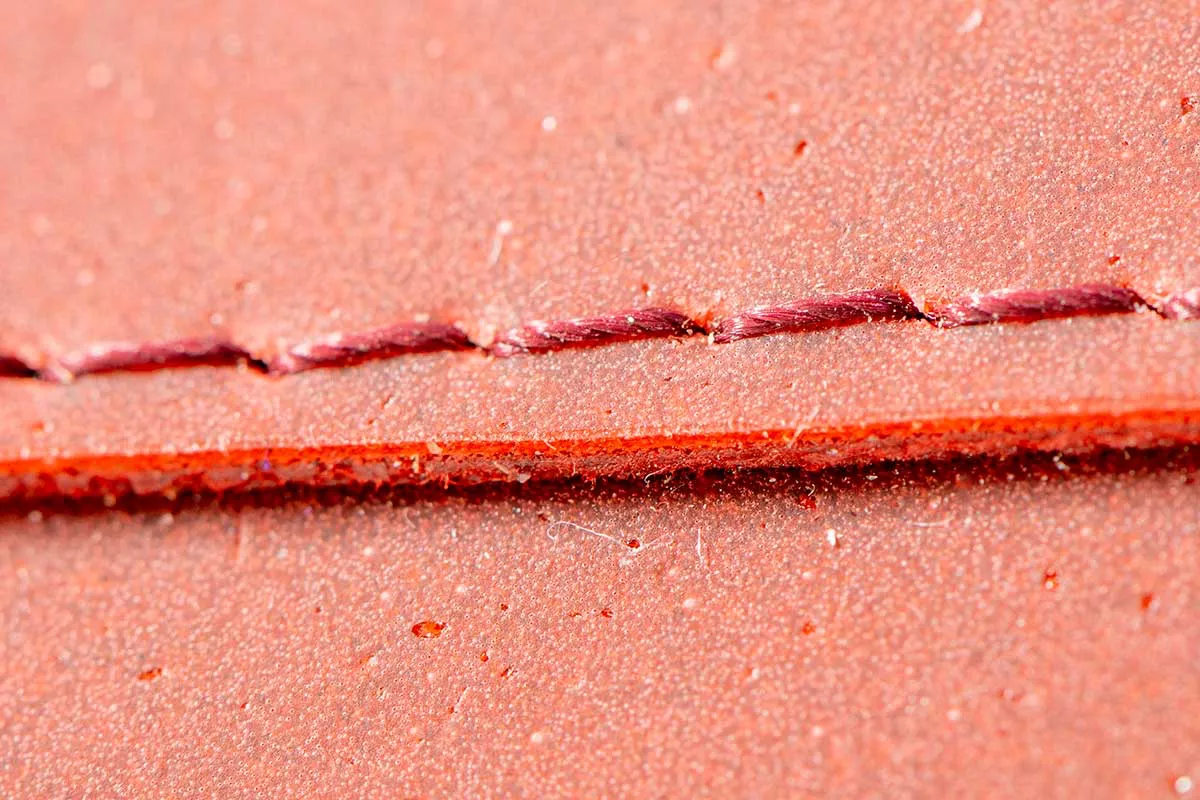
«We are using a biodegradable nylon supplied by an Italian company. We do not use polyester or any ingredient that is not natural», Fabbri continues. The plan for 2022 includes increasing the use of hemp in the form of liquid crystals. The next stage consists of coating the mixture onto a textile base. The Napee team is studying a fiber yarn – again made from hemp – and a basalt filament, a volcanic rock, that will make the final product flame-retardant. «We would like to use this blend in hi-tech applications, replacing carbon with basalt». The leather-like material developed by the start-up can undergo some of the treatments typically used for synthetic or animal-derived materials. One example is tumbling, which gives it an aged appearance while preserving softness. Another is embossing, which allows a pattern to be impressed onto the fabric. «We could have used another material, such as cork, but the result would have been less sophisticated, with fewer properties, and we would have obtained a less versatile product. Our fabric can change appearance and become crocodile-like or snakeskin-like through printing».
Napee Natural Leather
Napee works on a large scale and produces a minimum of three hundred meters per order, requiring about one hundred kilograms of material. In one week it makes approximately three hundred to four hundred meters. At industrial scale, the company estimates that the production system would require around twenty-five thousand tons of hemp to be cultivated each year, with a production rate of about two hundred thousand meters of sustainable fabric every seven days.
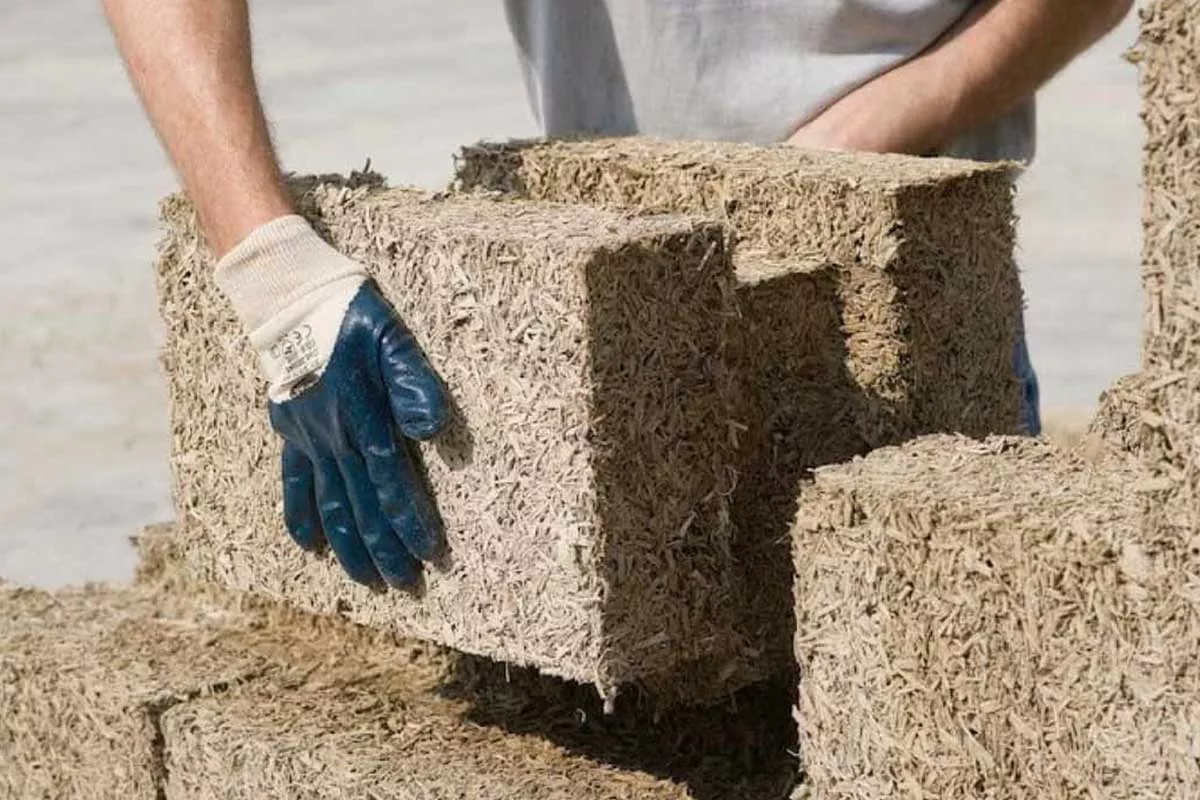
The cost? «Around forty or fifty euros per linear meter. It is a material intended for high-end lines, so the price has to match», Fabbri continues. «We chose hemp production waste because of its properties. It is thermoregulating, for example, as is the hurd from which it derives. We can say that one kilogram of hurd absorbs up to 3.76 liters of liquid water, twelve to twenty times its own volume. Much more than cotton». This also makes it difficult to process: «The powders have to be frozen and brought down to around minus seventy degrees. At that point they become more manageable. The fabric we obtain is breathable because it allows moisture to pass through and prevents condensation». One advantage of this process is the reduction of CO2: «We do not use seventy percent of the solvents employed in conventional coating processes, so the corresponding CO2 is eliminated. The plant starts absorbing carbon dioxide as it grows. It retains the carbon, which is the harmful part, and releases the aqueous component, water vapor. Hurd, the woody part of the stalk, does the same. Imagine its potential in bio-construction: a bio-brick made from hemp and lime is a brick in every respect, but it retains the properties of a living plant, so it will continue to absorb CO2. A brick made this way absorbs around twenty-two liters a day».
The history of hemp in Italy
«Until 1932, we were the leading country for its industrial production». This was due to the territory and climate, both favorable: «We had long fiber, up to six meters, which is more functional for textiles. Short fiber is more common where the climate is less mild and is used mainly in pharmaceuticals, with a particular focus on CBD, cannabidiol». This second type undergoes more processing than the first and generally measures between 2.5 and 10 centimeters in length. Fabbri’s connection to hemp comes from his home region, the Marche: «It had been retted here since the 1300s. The city of Macerata itself is called that for precisely this reason. In the Camerino area there are machines once used to spin hemp that date back to the fifteenth century». Nor was this limited to central Italy: «In Frattamaggiore, not far from Naples, there were twelve thousand square meters of closed industrial buildings and five thousand active companies, all working with hemp. Then things changed as attention shifted to other forms of production».
The fabric produced by Napee
Napee wanted to create fabrics within the territory itself, avoiding further movement of biomass and therefore long journeys: «Otherwise, all the CO2 we save risks being released back into circulation through transport. That would be a contradiction. This is why we try to work with closed supply chains». While production is aimed at larger companies – because orders begin at a certain length in order to reduce costs – the recovery of textile offcuts is directed towards smaller businesses: «Suppose that for every one hundred thousand meters of material, ten thousand are left over. We want to reuse them: we are contacting small companies and local craftspeople who might be interested in these smaller quantities of material. They could be useful for making small objects, such as dog leashes or bracelets, for example». This prevents the remaining material from being burned and CO2 from being released into the environment.
Uses of hemp
Among the most widespread uses of this plant fiber is the production of insulating biocomposites for the automotive sector. In the past, hemp pulp was also used for paper, although its applications were limited – cigarettes and Bible pages, for example – because of its high price, approximately five times that of wood pulp. The market for hemp shives, meanwhile, is mainly focused on animal products and bio-construction, where they are used in combination with lime.
More recently, CBD has seen significant growth: in 2013, 240 tonnes of flowers and leaves were produced for medical applications (THC/CBD), food supplements (CBD) and essential oil for food and beverages, compared with 7.5 tonnes over the previous three years. Seed production has also increased, rising from 6,000 tonnes in 2010 to more than 11,000 tonnes in 2013. Seeds are obtained mainly from hemp crops in Central and Southern Europe: some areas are devoted exclusively to seed production, while others are selected for fiber cultivation. Because of this rapid growth and the many sectors in which it is used – pharmaceuticals, the food industry, fashion and construction – hemp is considered one of the plants of greatest interest for the future.
Elisa Cornegliani