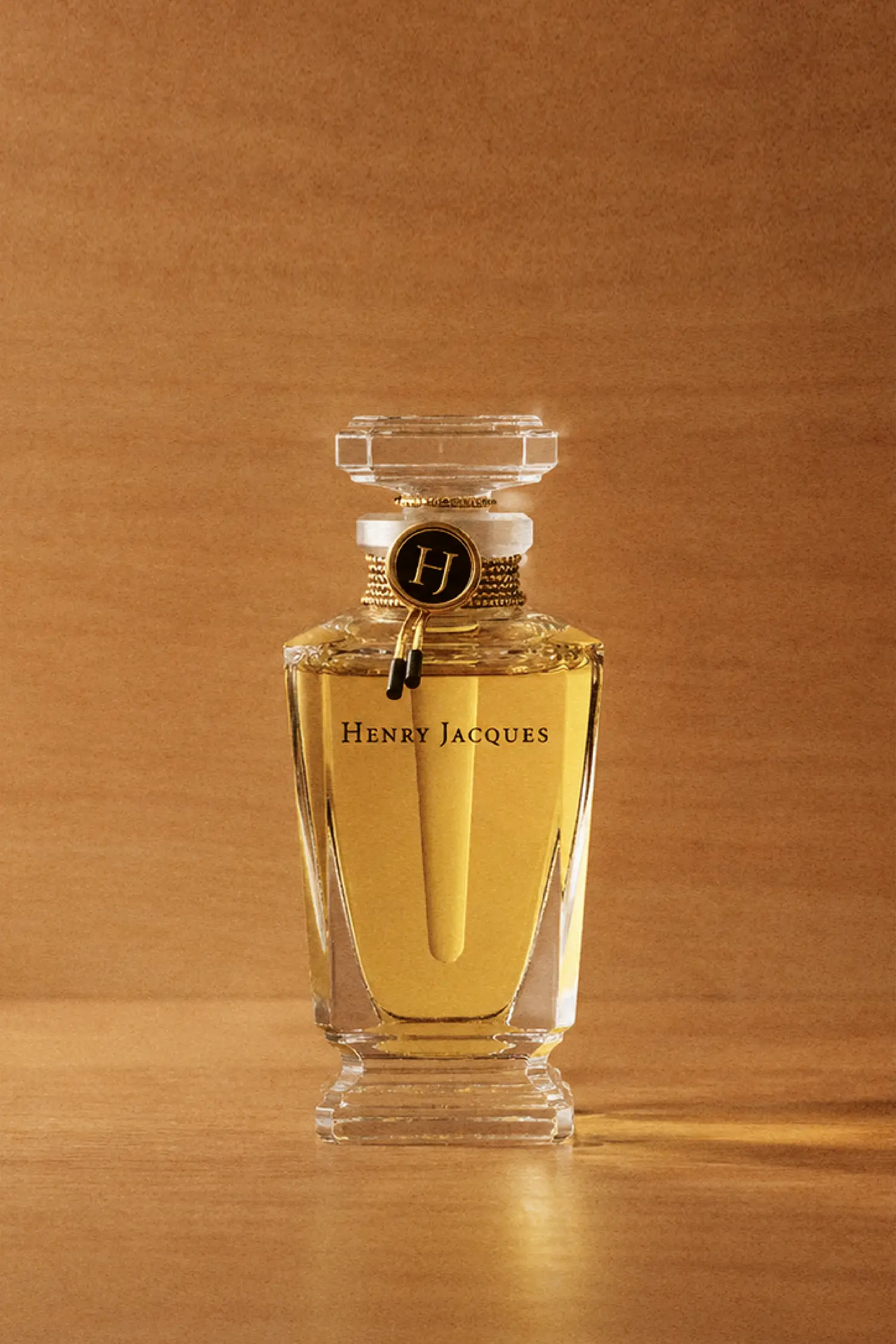
Cascador by Henry Jacques: the raw materials behind a citrus fragrance
From Calabrian bergamot groves to sawmill offcuts: the fields, stills and glass behind a fragrance in Les Classiques
Cascador by Henry Jacques: a fougère without a fern
Cascador is in the fougère family. Fougère is French for fern. The fougère is an accord built on lavender, oakmoss and coumarin. It recalls the smell of undergrowth. The word names a structure, not a plant. Cascador opens on bergamot, hesperidia and herbs. Its holds tea and Virginia cedar. Its base rests on amber and musk. The perfume belongs to Les Classiques de HJ, and the house presents it for men and women. Henry Jacques Cremona and Yvette Cremona founded the house in 1975, near Grasse. Their daughter, Anne-Lise Cremona, has led it since 2011.
Bergamot and hesperidia: the cold-pressed opening of Cascador
Hesperidia is the perfumer’s term for citrus materials. It refers to the garden of the Hesperides in Greek myth. Bergamot, Citrus bergamia, is the hesperidium most used in perfumery. Most of the world’s bergamot grows on the Ionian coast of Calabria, in the province of Reggio Calabria.
The fruit is not eaten. Its value lies in the peel. The harvest runs from November to March. Machines rasp the rind and wash the oil out with water. A centrifuge separates the oil from the water. Before machines, workers pressed the peel by hand against sponges. Calabrians called this the spugna method. No heat enters the process, which is why perfumers call the oil cold-pressed.
Bergamot oil contains bergapten, a furocoumarin that reacts with sunlight on skin. Industry standards limit it, so perfumers use bergamot from which the bergapten has been removed. The oil also contains linalool, limonene and linalyl acetate. Linalool and limonene appear on the ingredient list of Cascador, beside geraniol. European rules require labels to name these molecules above a set threshold. Each occurs in plants: linalool in lavender and bergamot, limonene in citrus peel, geraniol in rose and geranium. Bergamot also links the opening of Cascador to its heart. Earl Grey tea takes its flavor from bergamot oil.
Drop by drop: how Henry Jacques composes a formula
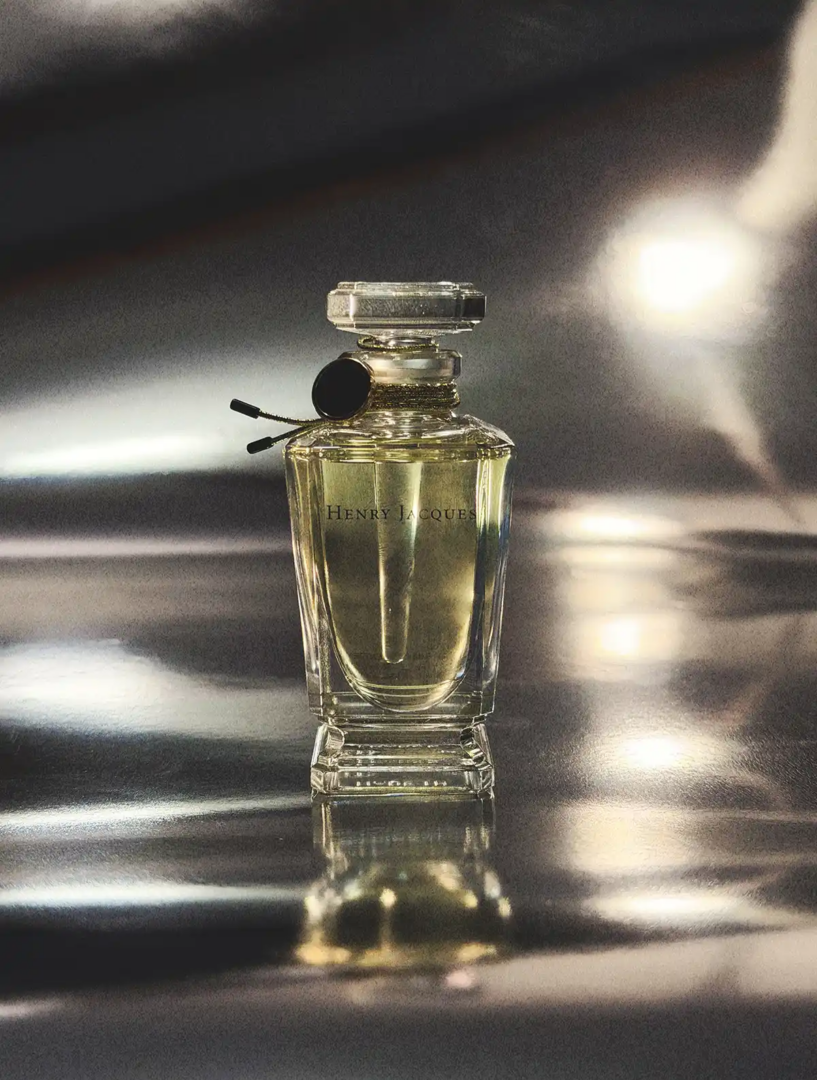
A Henry Jacques formula counts between eighty and two hundred components. The house draws them from a palette of two hundred sixty raw materials. A specialist adds the ingredients drop by drop, following the formula the perfumer has written. The mixture macerates overnight. The atelier blends it with organic alcohol and stirs it in vats for five minutes a day. The process lasts three to six months or longer. The La Motte laboratory bottles each flacon by hand.
A single drop covers one application, applied with a crystal stem. The Mists, launched in 2019, use spray engineering to control how the perfume disperses. Christophe Tollemer, the artistic director, designs the crystal flacons. He is an architect and interior designer. He worked on Le Grand Contrôle, a hotel at Versailles. Crystal-making families in the region produce them.
Brume and Solide: three forms of Cascador in Les Classiques
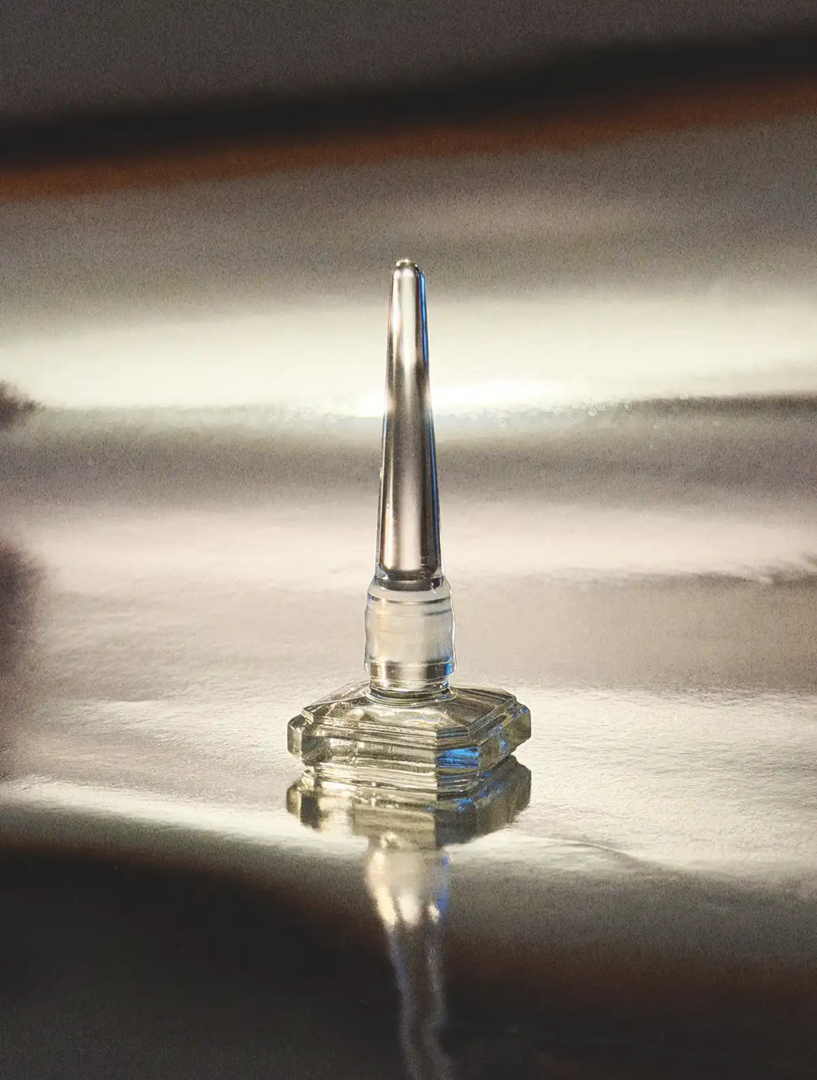
Like each of Les Classiques, Cascador exists in three forms. The Essence is the concentrate without alcohol or water, applied to the skin with a crystal rod. The Brume carries the concentrate in alcohol from organic farming. In Cascador those are the bergamot and the herbs. She has described the Essence and the Solide as perfumes that stay close to the skin. The Solide sets the perfume in wax, for use from a case named Clic-Clac. For the Brume the house designed a bottle named Splash and Spray. The glass stopper comes off, and a pump screws on in place of a plastic sprayer.
The Essence flacon by Christophe Tollemer: a crystal rod from stopper to skin
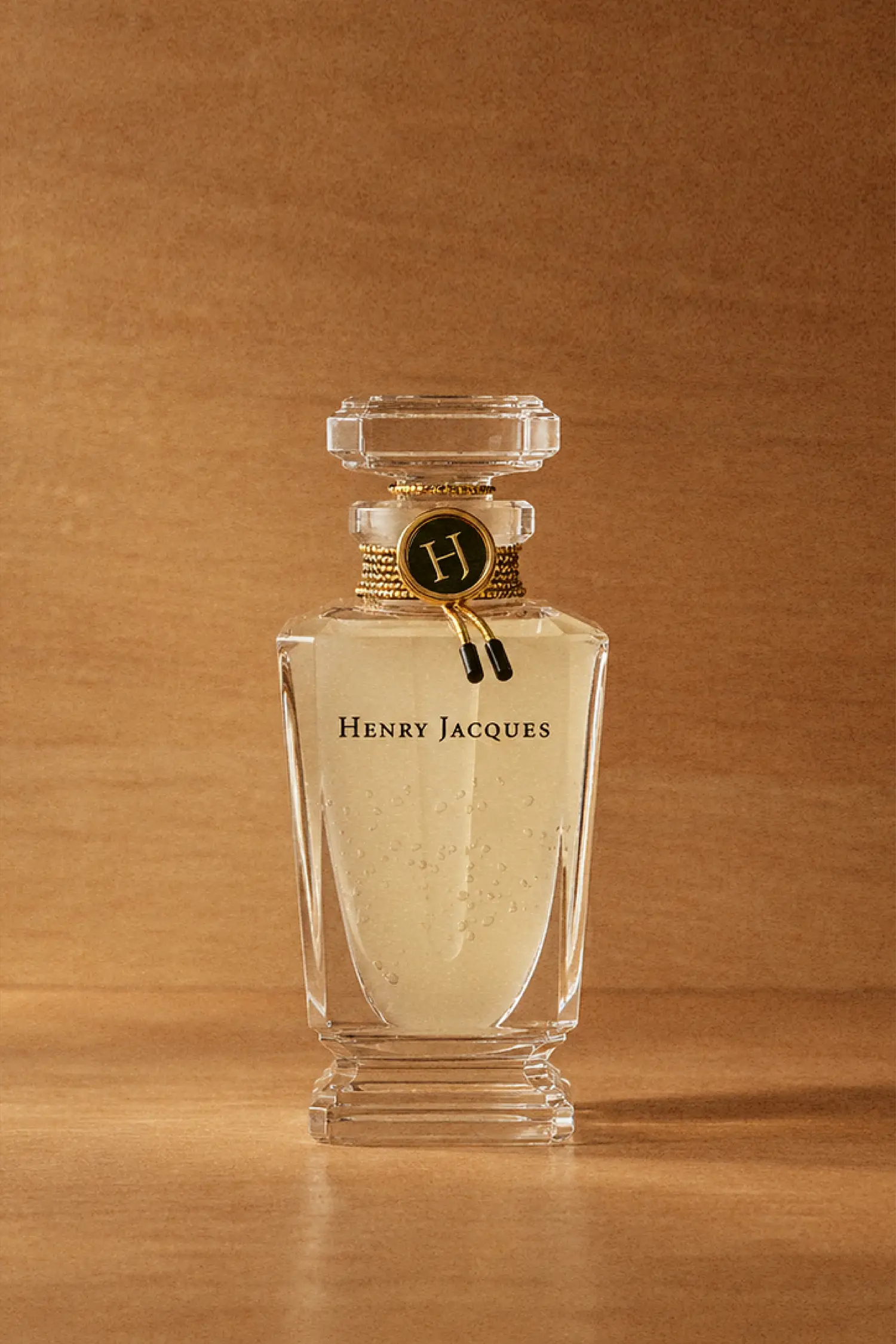
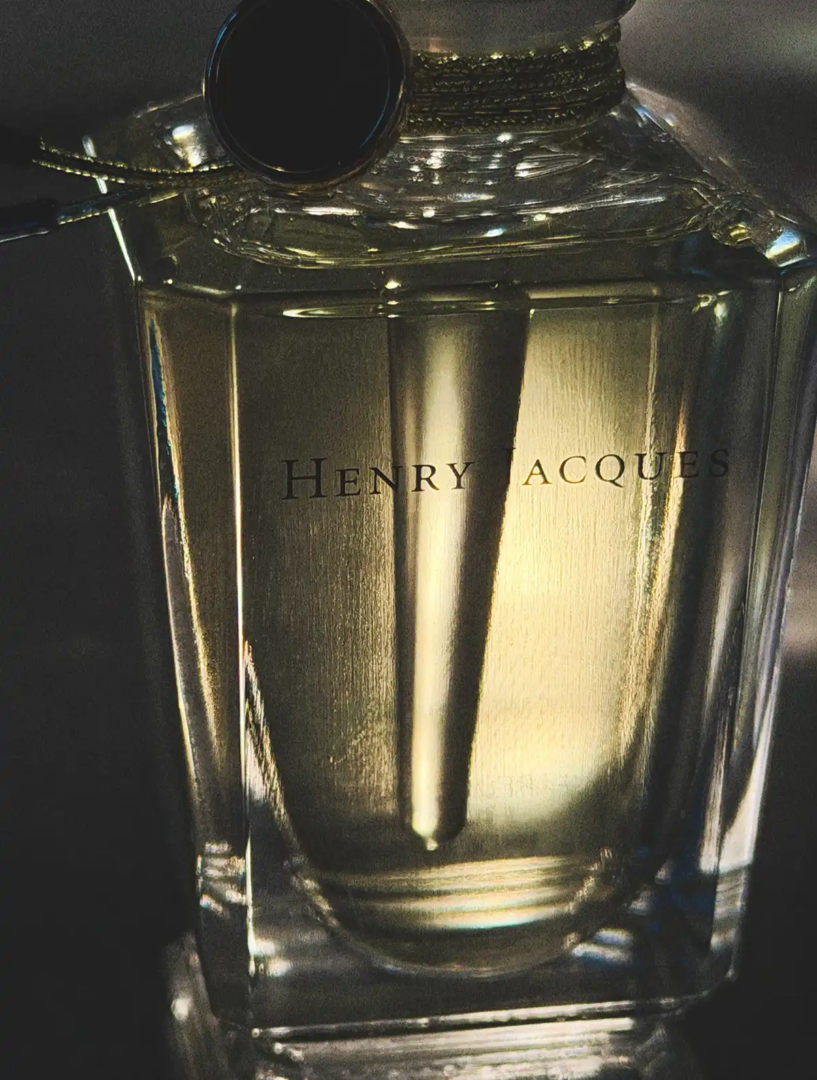
The Essence of Cascador comes in the same flacon as every Essence in Les Classiques. Christophe Tollemer, the artistic director of the house, designed it. He is a French architect and interior designer, and he also designs the house’s boutiques and limited-edition flacons. The house uses one design for all fifty Essences. It compares the flacon to a frame around a painting: the bottle should show the perfume, not compete with it. The concentrate holds no water or alcohol, so the colour of the raw materials shows through the glass. A thin crystal rod runs from the stopper into the perfume. The wearer lifts the stopper, and the rod carries one drop to the skin. The house calls this a forgotten ritual. When it opened at Harrods with the Essences alone, the rod surprised customers, Ms. Cremona has said. The flacon is sized to sit in the palm, and it comes in fifteen and thirty milliliters. The house does not name the glassmaker for Les Classiques. For its limited editions it commissions artisans to make mouth-blown crystal.
Henry Jacques Cremona, Joseph Sassi and forty years of commissions
Henry Jacques Cremona and Yvette Cremona founded the house in 1975, on the outskirts of Grasse. At the start, the couple met Joseph Sassi, a perfumer trained in the French school of fine perfumery. Ms. Cremonacontinues the methods of composition that Mr. Sassi set at the house.
For its first forty years, Henry Jacques worked for private clients. Each client commissioned a formula, and the house composed it for that person. The house sold no perfume in shops. Mr. Cremona drew on his travels for the formulas. Over the decades, the atelier gathered more than three thousand formulas. In the nineteen-nineties, changes in the perfume market pushed houses that worked on commission out of public view.
The Sur-Mesure service continues this work. A commission begins with a consultation on the client’s habits, memories and preferences. The perfumer composes a formula for that client, and the archive keeps it.
Anne-Lise Cremona and the third generation of Henry Jacques
Mr. Cremona retired in 2010. Ms. Cremona returned to the company that year and took over in 2011. At the time, haute parfumerie was moving toward standardization. She set out to bring the house in tune with her time. She organized the work of the house into three product lines. In 2014, Henry Jacques launched Les Classiques. That year, it opened its first boutique, on the sixth floor of Harrods in London.
Les Exceptions followed in 2016. The house opened in Beverly Hills in 2020. It opened on Avenue Montaigne in Paris in May 2022, forty-seven years after the founding. It counts ten boutiques and has its headquarters in Paris. The laboratory moved to a wine estate in La Motte, in Provence. There, since 2021, the house has grown Rosa centifolia on one and a half hectares. Antonin Khalifé, son of Ms. Cremona, composes for the house as a perfumer. With him, the family enters its third generation at Henry Jacques.
Henry Jacques
Henry Jacques is a perfume house founded in 1975 near Grasse by Henry Jacques Cremona and Yvette Cremona. For forty years, it composed formulas on commission for private clients. Anne-Lise Cremona has led the house since 2011. Its laboratory and rose fields are in La Motte, Provence. Its headquarters are in Paris, and it operates ten boutiques.