Rose Snow de HJ by Henry Jacques: the rose wax that crystallizes in the bottle
Perfumers filter wax out of rose extracts to keep a perfume clear. In Rose Snow de HJ, a fraction of it stays and forms crystals that melt at skin temperature
Rose Snow de HJ and the crystals of rose wax
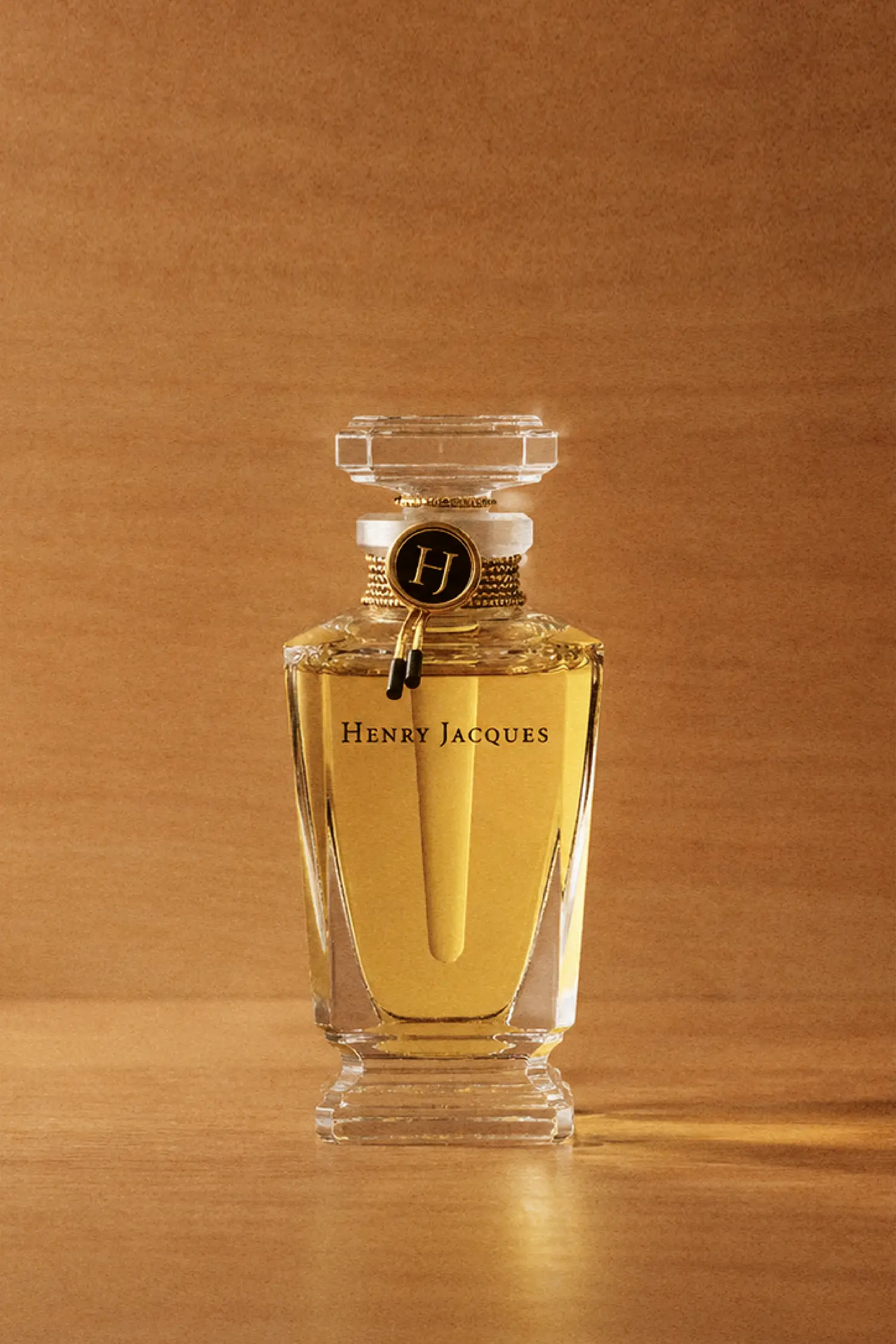
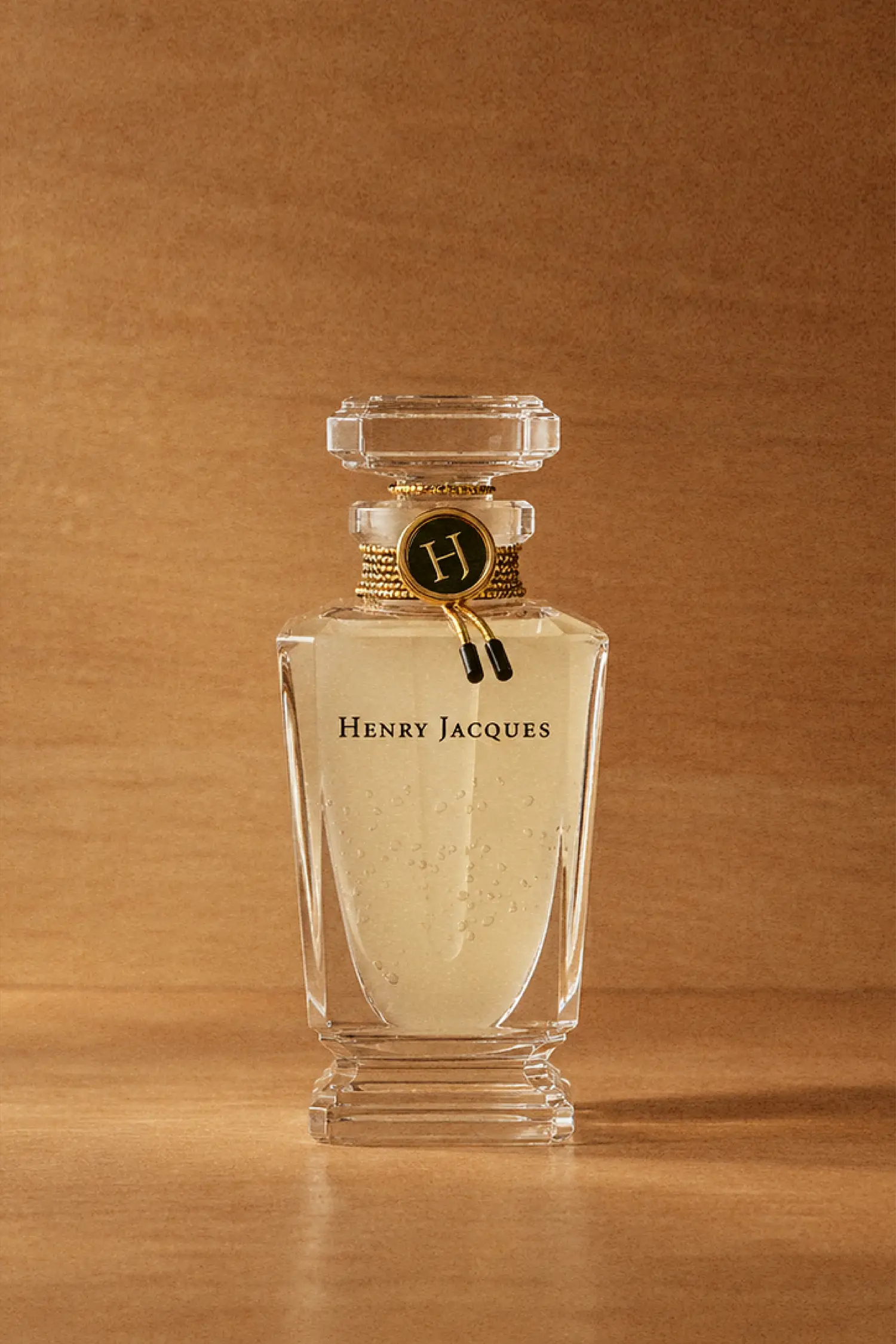
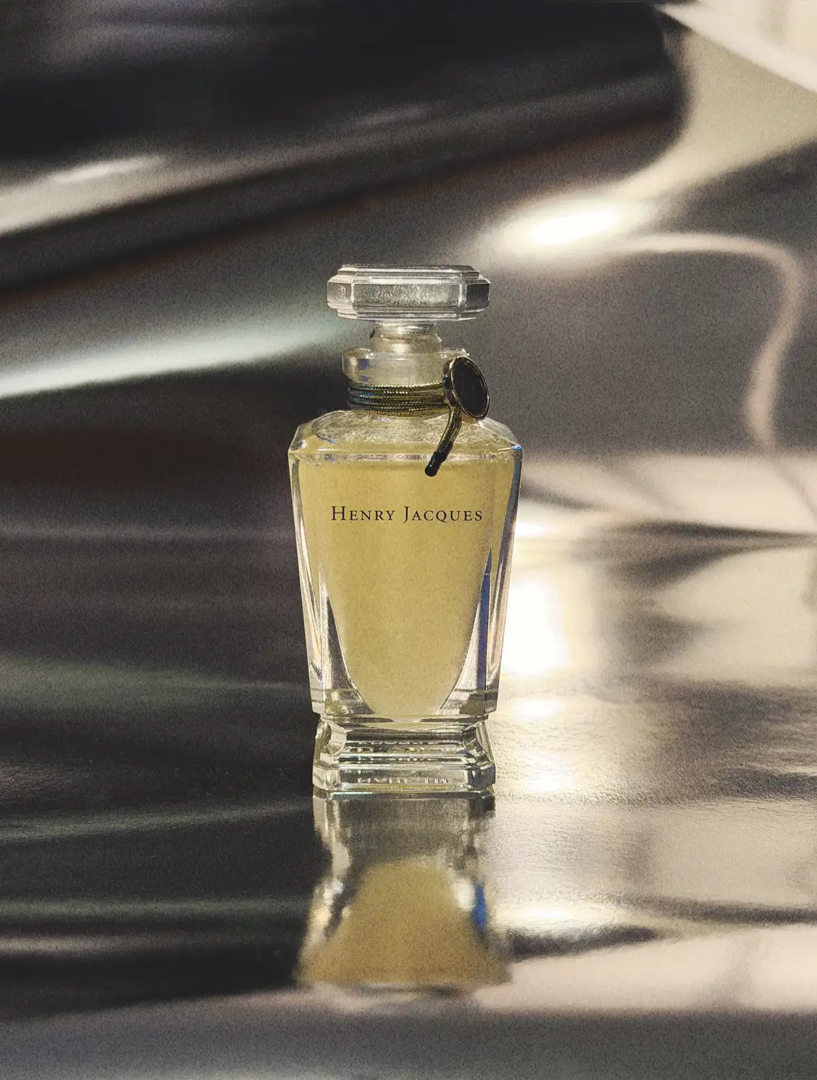
In the Essence of Rose Snow de HJ, a fragrance by the French perfume house Henry Jacques, the concentrate holds small crystals. They form from rose wax in the blend, and they melt when the perfume meets the skin. Fragrance databases list three notes: rose, iris and lemon verbena. Each comes from a different part of a plant, and each reaches the bottle through its own process of harvest, preparation and extraction.
Waxes are natural compounds that are solid at room temperature. Dissolved in a concentrate, they can remain in solution while it is warm and separate as crystals when it cools or rests. The warmth of the skin returns them to liquid. How a wax behaves depends on the extract it comes from and the formula that holds it.
In most rose extracts prepared for perfumery, producers separate much of the wax during processing. Following the rose from the field to the bottle shows where that wax comes from and at which stage it is set apart.
Rosa × centifolia: the May rose of Grasse
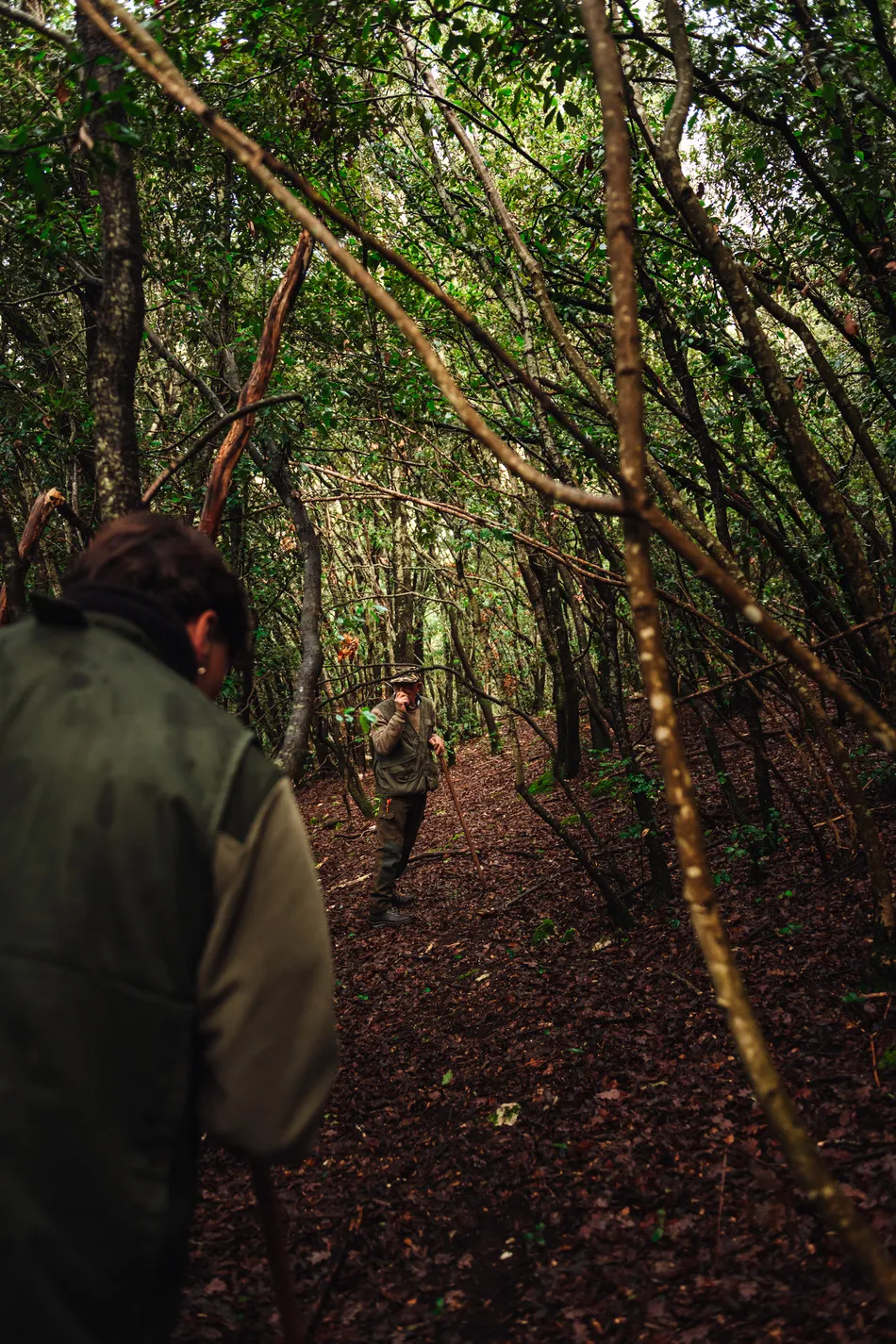
Rosa × centifolia is a hybrid rose with many petals. Around Grasse it is called rose de mai, after the month in which it flowers. The bloom lasts a few weeks. Pickers work in the morning, before the heat of the day reaches the fields. They pick by hand, one flower at a time, taking care not to crush the heart of the rose. The flowers go to extraction soon after picking, while the petals are fresh.
Centifolia has been grown around Grasse since the first half of the nineteenth century. Over the twentieth century, roses grown at lower cost in other regions and pressure from real estate development on the Riviera reduced the fields. Local production has risen again since the 2010s. In 2018, the city of Grasse reclassified part of its land for agriculture, including the cultivation of perfume plants. The same year, UNESCO added the perfume know-how of the Pays de Grasse to its list of intangible cultural heritage.
Producers do not distill centifolia with steam. They obtain its scent by solvent extraction, a method suited to delicate flowers.
From fresh petals to rose concrete
Solvent extraction runs in two stages. In the first, workers load the fresh petals into extractors and wash them with a solvent. The solvent takes up the scented compounds of the flower. It also carries off pigments and the waxes that coat the petal. Producers then evaporate the solvent under reduced pressure. What remains is the concrete, a waxy mass that is solid at room temperature.
The wax has a function in the living flower. It forms part of the cuticle, the outer layer that limits water loss from the petal. In the extract it carries little scent, but it gives the concrete its texture.
From rose concrete to rose absolute
In the second stage, producers wash the concrete with alcohol. The scented fraction dissolves in the alcohol, while much of the wax does not. Producers chill the solution so that the waxes set, then filter them out. They evaporate the alcohol, and the absolute remains: a concentrated extract that perfumers can blend into a formula.
The separation serves the finished perfume. An absolute with less wax mixes more readily into alcohol and holds its appearance as temperatures change in storage and transport. The amount of wax that remains varies with the producer, the method and the harvest.
The wax set aside at this stage has other uses. Cosmetic formulators work with rose flower wax as an ingredient in balms and creams.
In Rose Snow, rose wax is part of the concentrate and becomes visible in the glass. Henry Jacques has not published how the wax enters the formula.
Iris rhizomes and lemon verbena leaves
Perfumers draw iris from the rhizome, the underground stem of the plant, not from the flower. Iris pallida grows around Florence, in Tuscany. Iris germanica is cultivated in Morocco and China. Growers lift the rhizomes in their third year in the ground. They clean them, peel them, cut them and leave them to dry for several years. During drying, the rhizomes lose most of their water and become hard.
The fresh rhizome has almost none of the scent associated with iris. The odor develops slowly during drying and storage. Once aged, the rhizomes are ground and distilled. The result is orris butter, a material that is solid at room temperature, like the rose concrete. From planting to distillation, the process can take six years or more.
Lemon verbena, Aloysia citrodora, is a shrub native to South America. Travelers brought it to Europe, where it was grown in gardens for its lemon-scented leaves. Distillers steam the leaves to obtain an essential oil with a fresh lemon scent.
The Essence: a concentrate applied with a crystal rod
Each of the fifty fragrances in Les Classiques comes in three forms. The Essence holds the concentrate without added alcohol or water. The Brume carries it in alcohol, in a flacon that can be sprayed or splashed. The Solide presents it in solid form, in interchangeable capsules for a case named Clic-Clac.
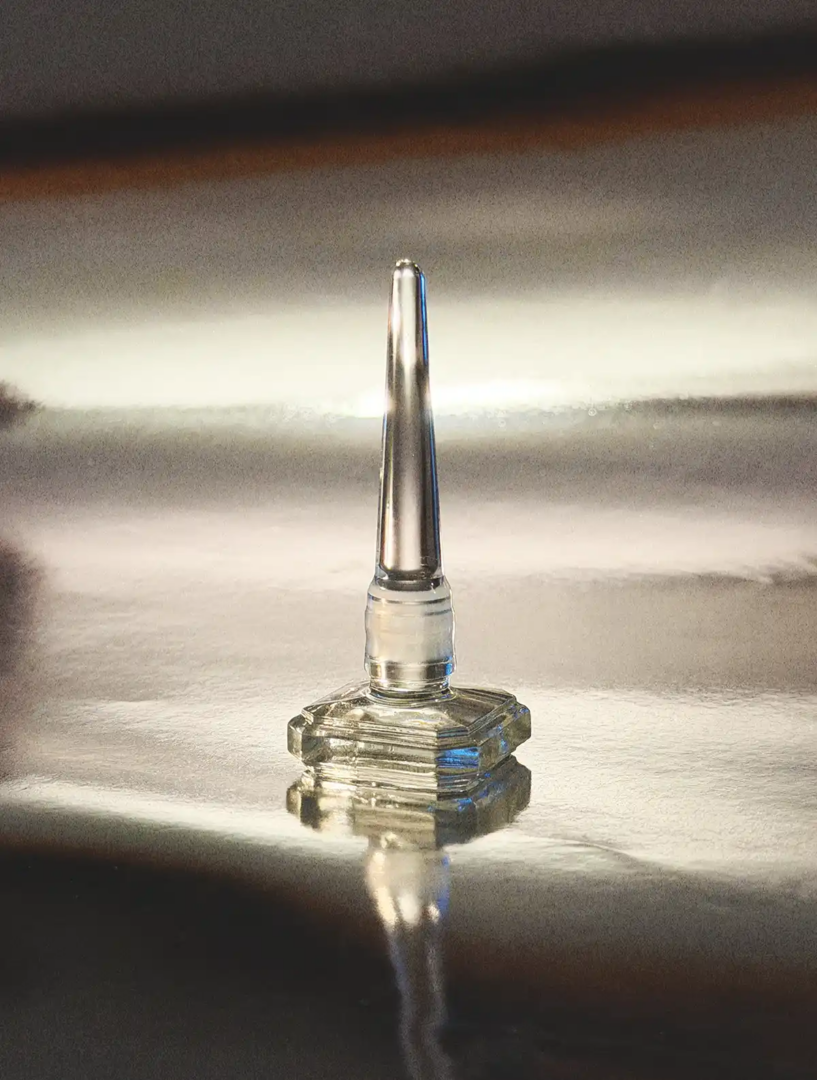
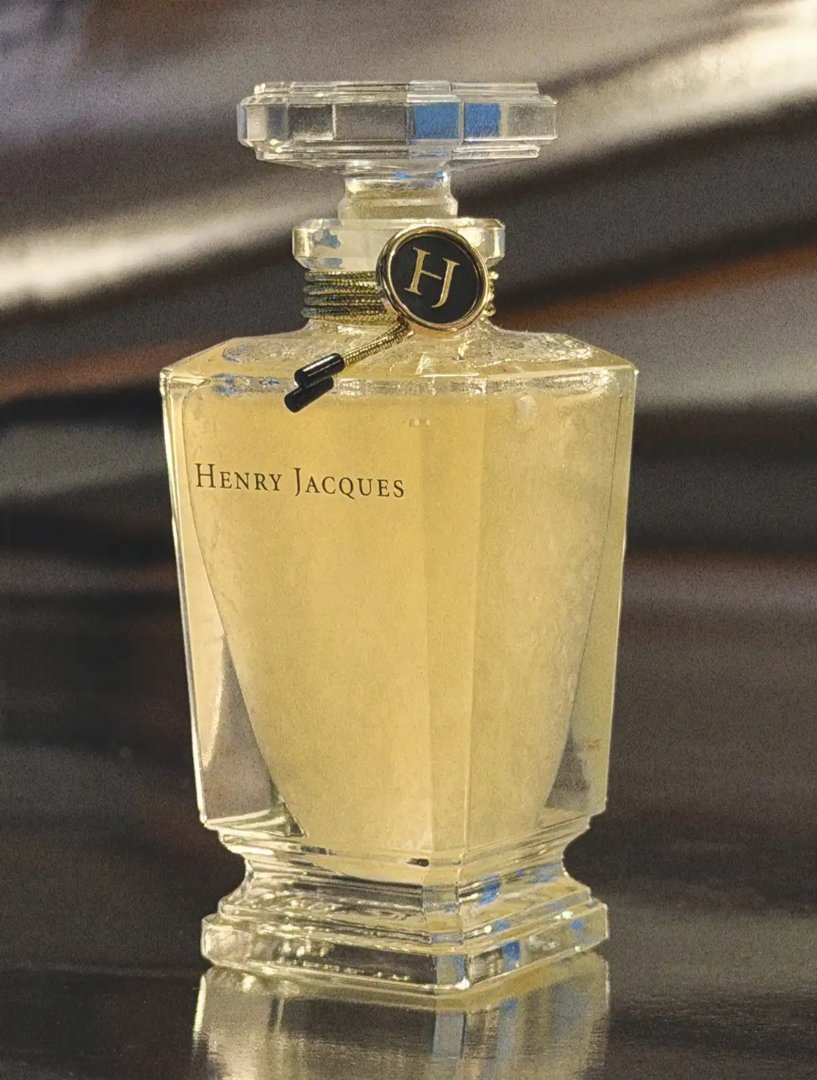
The wearer applies the Essence to the skin with a crystal rod, a gesture the house has brought back with its flacons. Christophe Tollemer, the architect who serves as artistic director of the house, designs the crystal flacons, which crystal makers then produce. The glass shows the color of each concentrate. In Rose Snow, it shows the crystals as well.
Henry Jacques works in its laboratory at La Motte, where staff fill the bottles by hand.
Anne-Lise Cremona and the third generation of Henry Jacques
Mr. Cremona retired in 2010. Ms. Cremona returned to the company that year and took over in 2011. At the time, haute parfumerie was moving toward standardization. She set out to bring the house in tune with her time. She organized the work of the house into three product lines. In 2014, Henry Jacques launched Les Classiques. That year, it opened its first boutique, on the sixth floor of Harrods in London.
Les Exceptions followed in 2016. The house opened in Beverly Hills in 2020. It opened on Avenue Montaigne in Paris in May 2022, forty-seven years after the founding. It counts ten boutiques and has its headquarters in Paris. The laboratory moved to a wine estate in La Motte, in Provence. There, since 2021, the house has grown Rosa centifolia on one and a half hectares. Antonin Khalifé, son of Ms. Cremona, composes for the house as a perfumer. With him, the family enters its third generation at Henry Jacques.
Rose Snow de HJ: Henry Jacques
Rose Snow de HJ is a fragrance in Les Classiques, the collection of fifty perfumes that Henry Jacques selected from its made-to-order archive. Fragrance databases list rose, iris and lemon verbena. In its Essence form, rose wax in the concentrate forms crystals that melt on the skin. Henry Jacques is a family-owned French perfume house founded in 1975, with a laboratory and rose fields at La Motte, in Provence.