How agriculture is reshaping professional haircare: the Davines Essential Haircare case
From Italian agricultural biodiversity to the European Regenerative Organic Center, Davines’ Essential Haircare shows how cosmetic research increasingly connects farming, formulation and professional haircare
Haircare has become one of the fastest-changing segments of the beauty industry. Product development increasingly begins long before formulation, extending into agriculture, ingredient sourcing, packaging design and professional practice. A shampoo or conditioner is no longer understood solely through its performance in the salon. It reflects decisions made across laboratories, farms, manufacturing processes and distribution networks.
This evolution has altered the role of professional brands. While performance remains central, formulation is now developed alongside questions concerning raw materials, biodiversity, traceability and production methods. Haircare increasingly intersects with agriculture, industrial design and scientific research, placing cosmetic products within a broader production system.
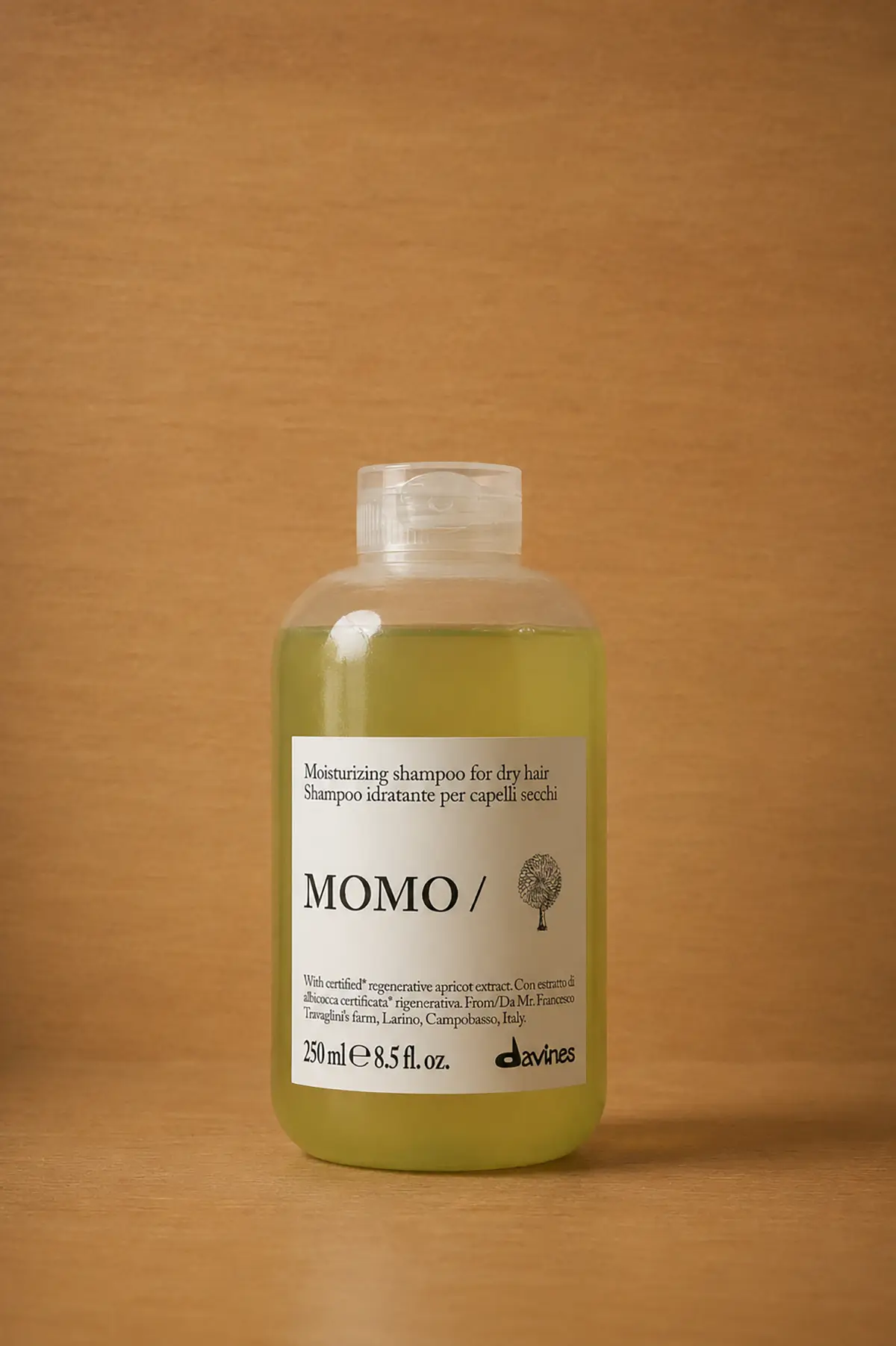
Among Italian companies, Davines has contributed to this evolution through Essential Haircare, a product family that has gradually become the company’s platform for experimenting with ingredients, packaging and agricultural partnerships. The line illustrates how professional cosmetics can integrate research conducted both inside and outside the laboratory.
Professional haircare after performance
For decades, professional haircare largely differentiated itself through salon expertise and formulation performance. Products were primarily evaluated according to technical characteristics such as hydration, repair, volume or color protection. Research focused on chemistry, while ingredient sourcing remained largely invisible to the end user.
Over the past fifteen years this framework has broadened. Ingredient provenance, agricultural practices and production systems have become part of cosmetic research itself. Laboratories increasingly collaborate with agronomists, botanists and ingredient producers, expanding the definition of what product development entails.
Davines Essential Haircare as a research platform
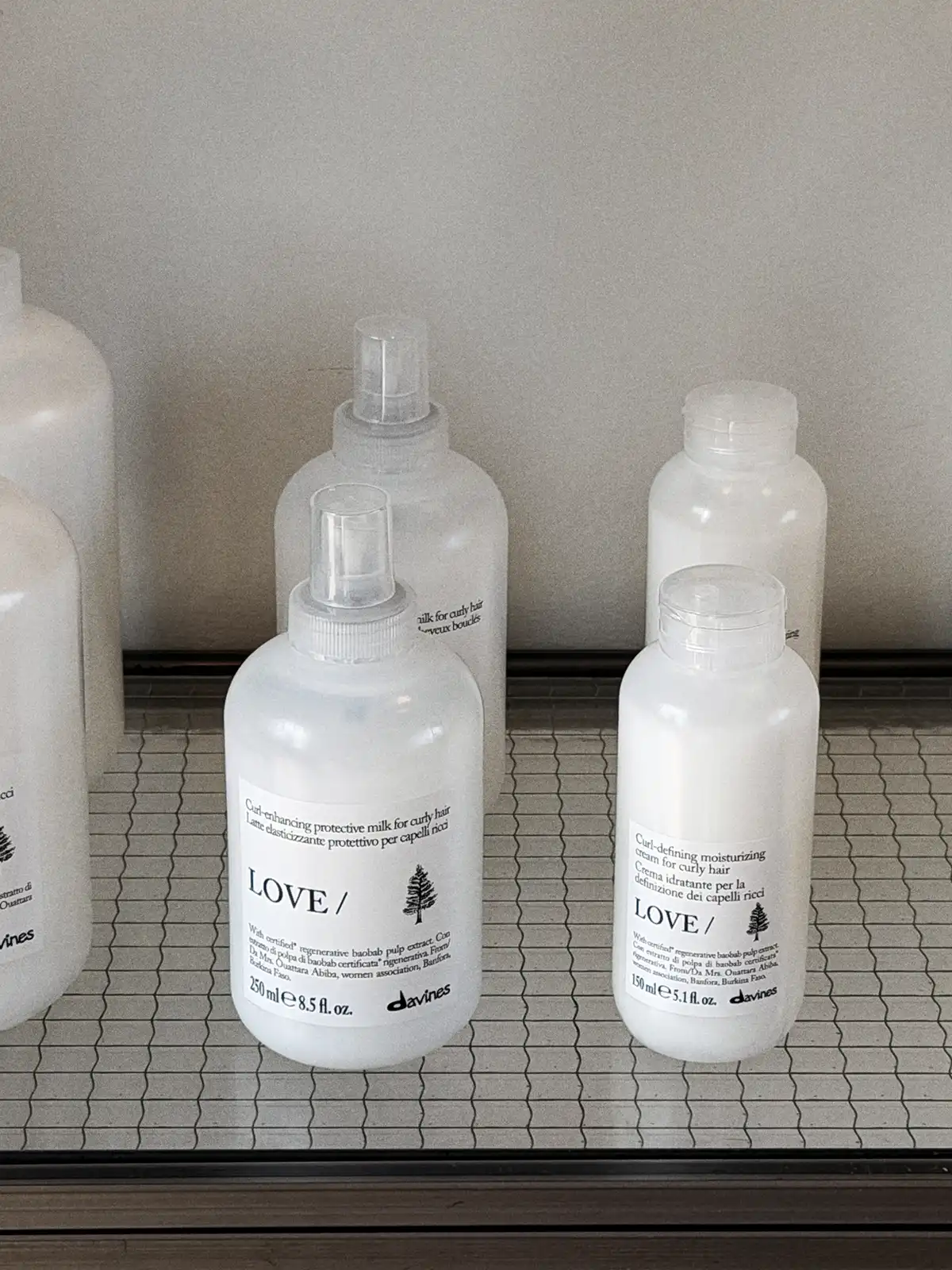
Introduced in 2006, Essential Haircare represents one of Davines’ longest-running product families. The collection addresses different hair conditions through dedicated shampoos, conditioners and treatments, each identified by a specific agricultural ingredient sourced in Italy.
The line was conceived around the idea that ingredients could establish a direct relationship between cosmetic formulation and agricultural biodiversity. Each family incorporates an active ingredient originating from a different Italian farm, many developed in collaboration with Slow Food Presidia, connecting professional haircare with local cultivation systems and regional plant varieties.
The agricultural origin becomes part of product development. Cosmetic research begins with the characteristics of a cultivated plant and continues through extraction, formulation and professional application.
Ingredients exist and are cultivated before landing in a laboratory
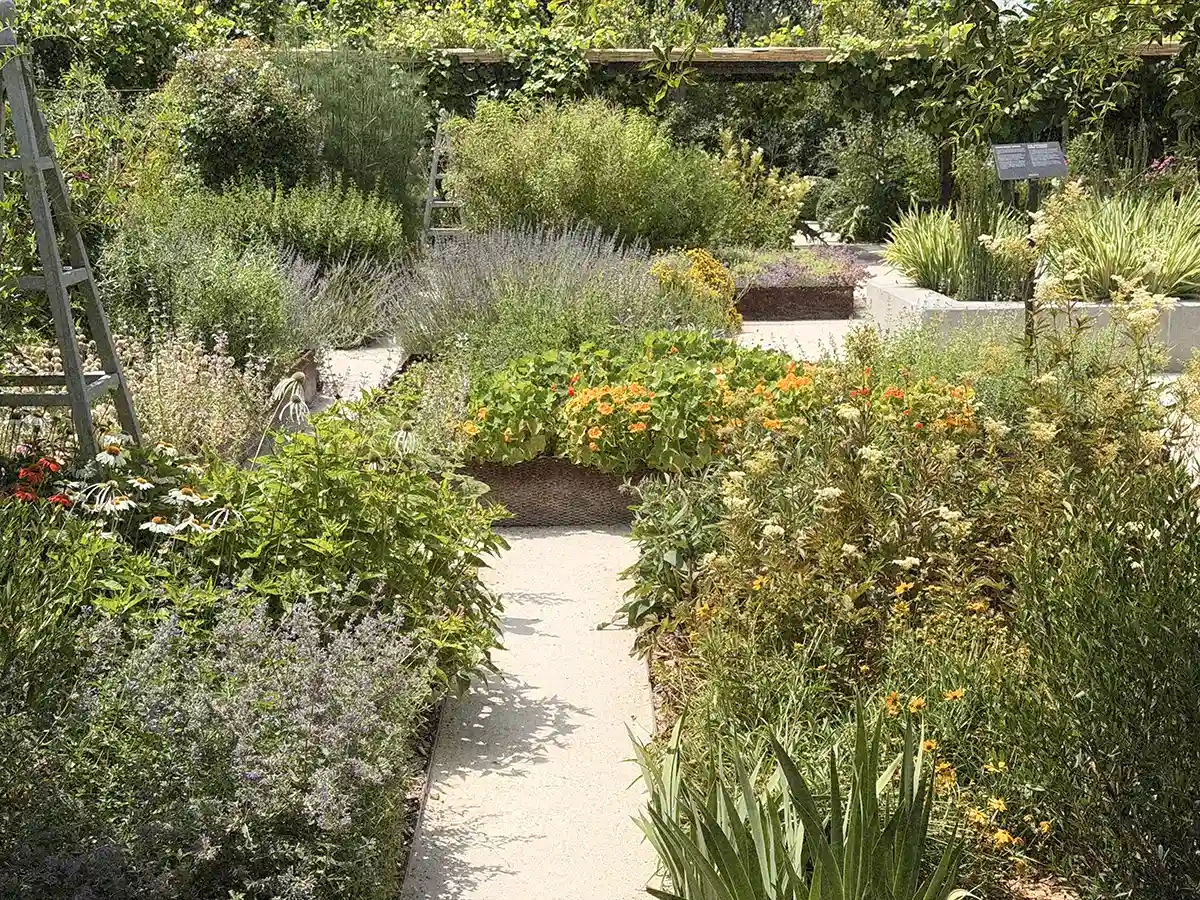
Ingredients often appear at the end of the production narrative, listed on packaging after the product has already been developed. Davines connects cosmetic development with agricultural knowledge. Italian farms producing ingredients for Essential Haircare become part of the same research process as formulation scientists and product developers. The value of an ingredient is therefore not limited to its functional properties but also includes the conditions under which it is grown and preserved.
The emphasis on agricultural diversity has also contributed to preserving plant varieties that exist within specific territories and production traditions. By collaborating with growers working with regional cultivars, Essential Haircare links professional cosmetics to agricultural systems that extend beyond industrial monocultures.
This relationship between biodiversity and cosmetic research increasingly positions haircare within a wider conversation about food systems, agriculture and scientific innovation. The product becomes the final expression of a much longer process, beginning in the field before arriving in the laboratory.
The evolution of Essential Haircare reflects this broader transformation. Rather than separating cosmetic science from agriculture, the collection demonstrates how haircare increasingly depends on both. In recent years, that connection has expanded further through Davines’ investment in regenerative agricultural research, where ingredient cultivation itself becomes part of cosmetic innovation.
The European Regenerative Organic Center: extending cosmetic research into agriculture
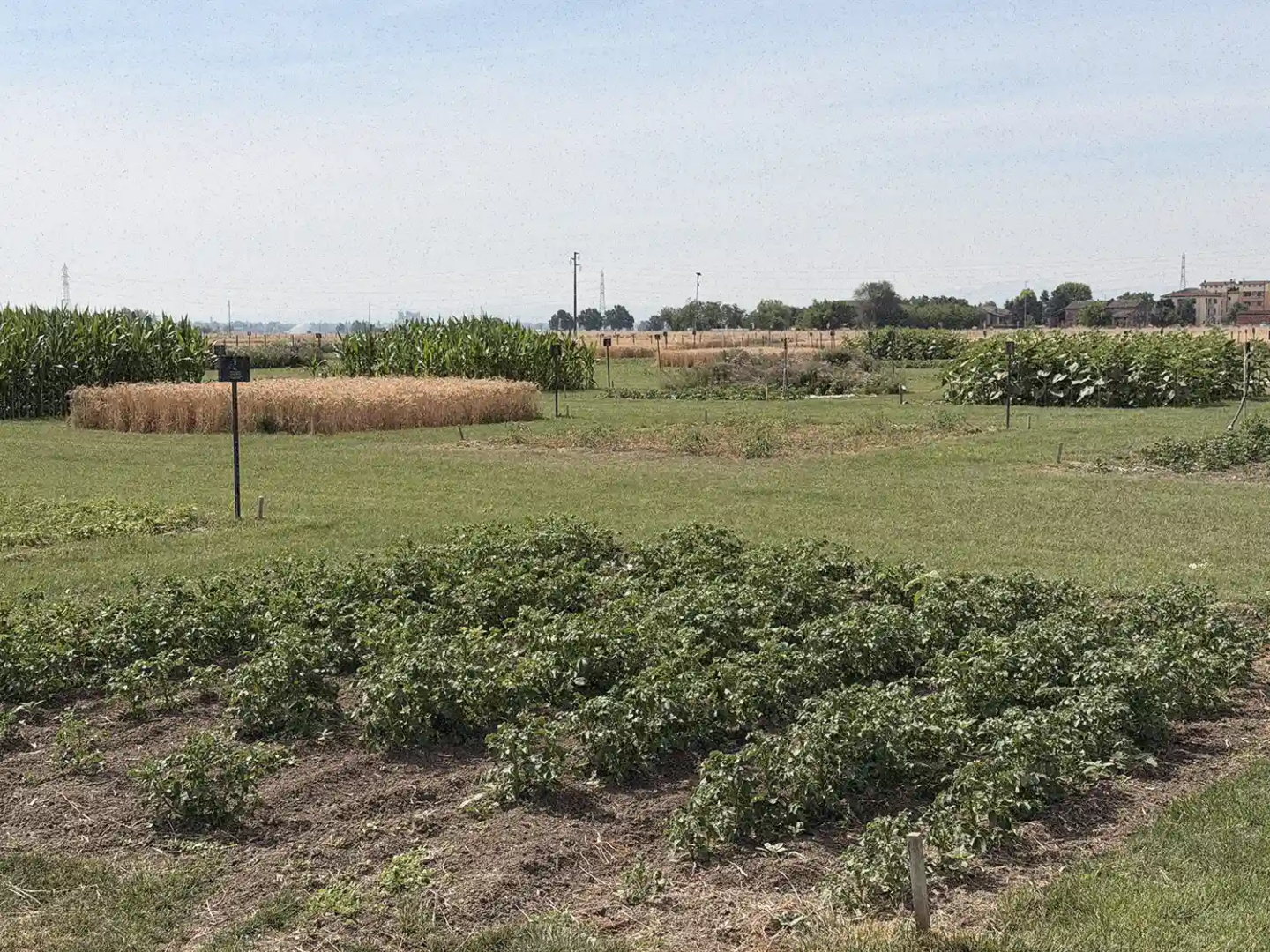
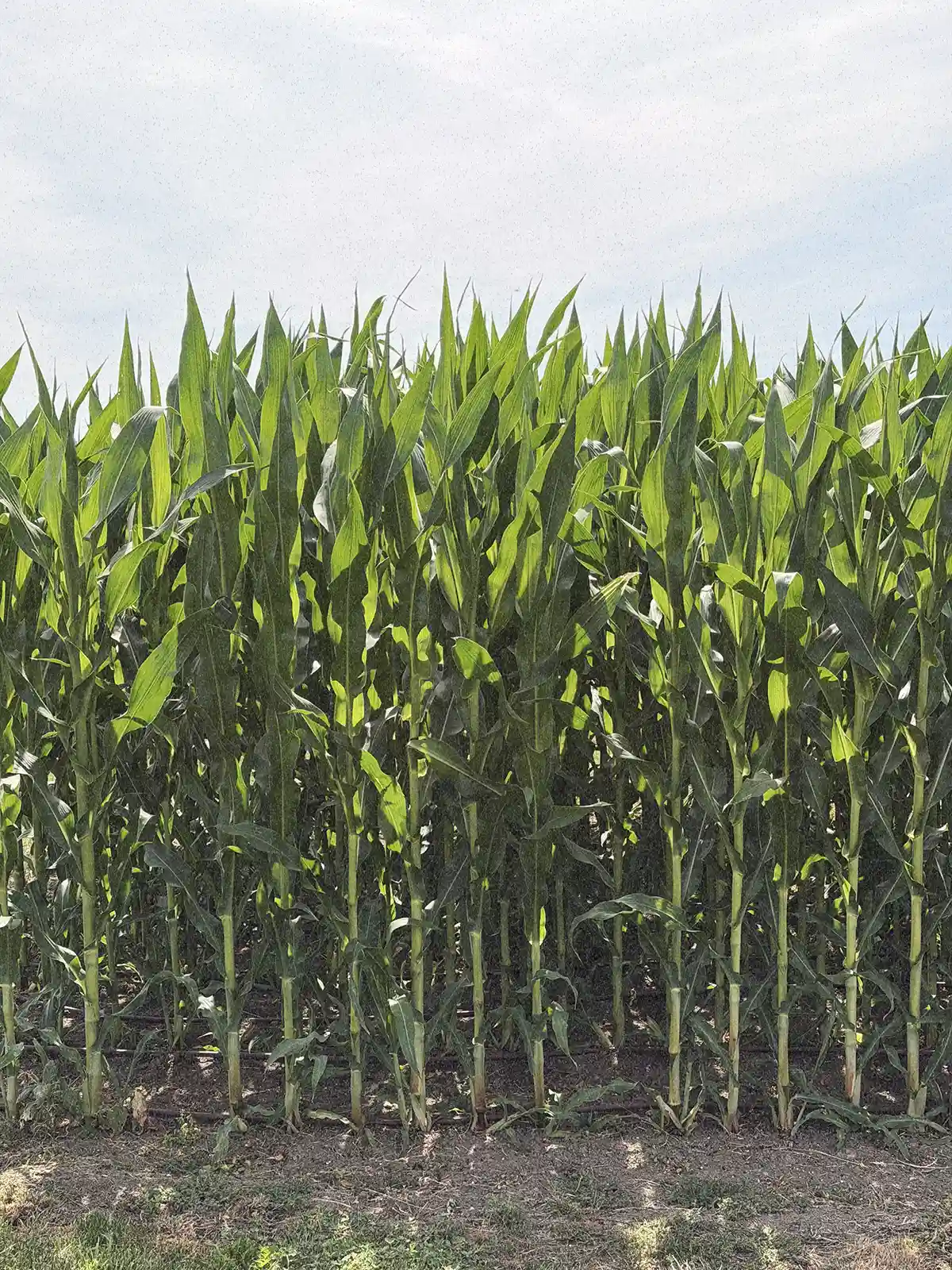
The European Regenerative Organic Center (EROC) expands that research beyond formulation. Established near the Davines Village in Parma in collaboration with the Rodale Institute, EROC operates as a research and demonstration center dedicated to regenerative organic agriculture. Rather than supplying ingredients directly to a single product line, the center investigates cultivation systems that may influence the future availability and quality of botanical raw materials.
Regenerative agriculture, without the term “organic”, focuses on restoring soil health, increasing biodiversity and improving the resilience of farming systems through practices such as crop rotation and cover crops. Regenerative organic agriculture builds on these same principles and excludes synthetic pesticides and fertilizers. In other words, every regenerative organic system is regenerative, but not every regenerative farm is organic.
Occupying approximately seventeen hectares, the EROC combines agronomic research, field trials and educational activities. Researchers study soil health, biodiversity, crop rotation and cultivation methods while evaluating how regenerative agricultural practices affect the resilience of farming systems over time.
Davines Village: where research becomes interdisciplinary
The relationship between laboratory and agriculture is reflected in the organization of the Davines Village itself. Opened in Parma in 2018 and designed by architect studio Matteo Thun & Partners, the campus brings together research laboratories, production, training, offices and experimental gardens within a single site. Scientists, formulators, designers and agronomists work in close proximity, reducing the separation that traditionally exists between research, manufacturing and education.
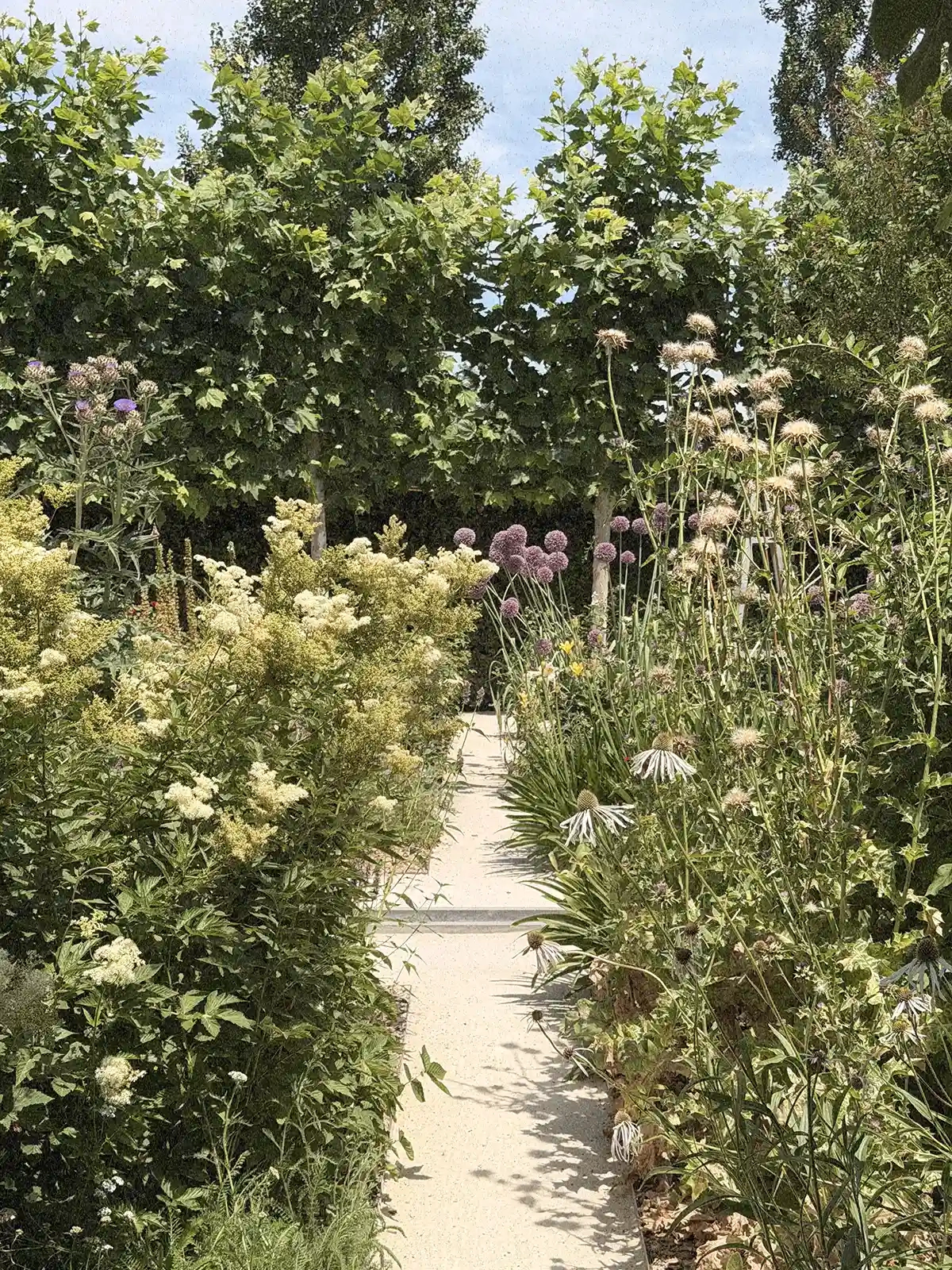
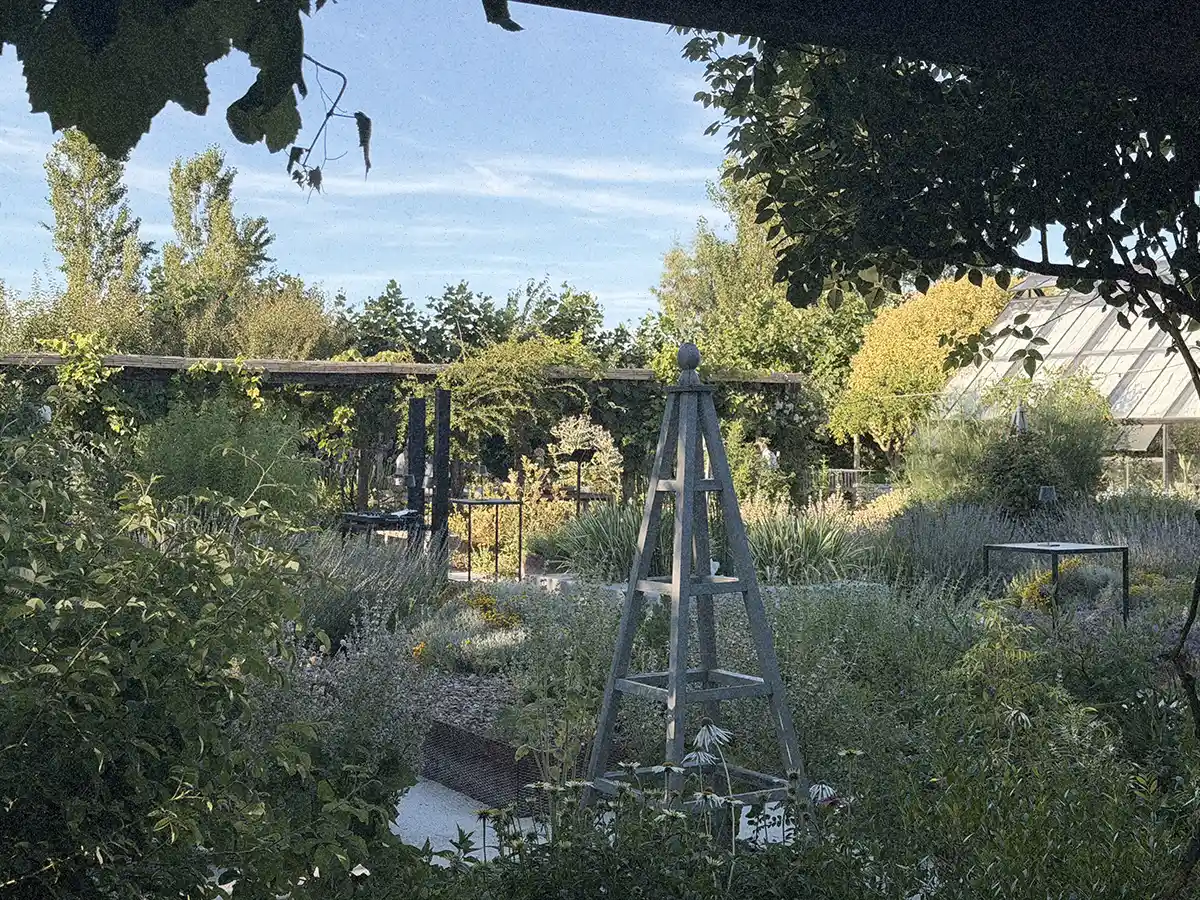
The Scientific Garden, located within the campus, functions as a living collection of botanical species used for observation, education and research. While it does not replace agricultural production, it reinforces the connection between cosmetic development and plant knowledge, allowing botanical research to remain visible throughout the product development process.
Rather than treating agriculture as an external supplier, Davines integrates cultivation, scientific investigation and formulation into a continuous workflow. This interdisciplinary structure increasingly reflects the direction taken by professional cosmetic research, where collaboration between different fields produces knowledge that no single discipline could generate independently.
Packaging of Davines as part of product development
Alongside liquid formulations, the collection includes solid shampoos wrapped in paper with a reduced use of materials. Their formulas reach biodegradability levels between 99.3 – 99.8 %, according to the OECD 301 standard for readily biodegradable ingredients.
Packaging redesign has also focused on reducing virgin plastic and transport impacts. In 2025, the refill system introduced for The Century of Light Progress reduced plastic consumption by 92 percent, decreased overall material use by 48 percent, and increased the amount of product transported per pallet by 47 percent, illustrating how packaging decisions increasingly influence manufacturing and distribution as much as product presentation.
Therefore packaging becomes an interface between industrial design and cosmetic science. Decisions concerning materials, refillability and logistics are evaluated with formulation, extending product development beyond chemistry alone. Between 2021 and the end of 2025, the company also supported the collection of 3,436 tonnes of plastic waste, an amount equivalent to approximately 85 million plastic bottles, as part of its broader circularity initiatives.
The Davines Group
Davines is an Italian professional haircare brand founded in Parma in 1983. The company works between cosmetic research, salon culture and sustainable beauty, developing haircare products through a model that considers ingredients, packaging, production and environmental responsibility. As a family-owned B Corp beauty company, Davines defines beauty as a practice of care: for hair, for people and for the systems that connect industry, nature and daily rituals.
Sebastian Zössmayr