The fault is the last human trait: Jonathan Llense photographs circuits that stay unlit
Every screen is engineered to ignite at a touch: Jonathan Llense assembles complete circuits that withhold the spark, and claims failure as the gesture reserved for the human
Headlines engineered to push the click, algorithms winning the battle for a few more seconds of attention: platforms do not inform, they excite; they do not explain, they simplify. “In a world that wants you stupid, thinking is a form of disobedience”. Llense’s pictures decline to excite. The connection holds, the light stays off — an act of disobedience carried out with a duct, a spring, a cold bulb.
Machines are built to work. Every interface in circulation is engineered for guaranteed ignition: the screen wakes at a touch, the feed refreshes at a pull, each contact between eye and surface closes a circuit and releases its measured pulse of stimulus. Perfection belongs to the apparatus. What belongs to the human is the fault: the jammed gear, the skipped thread, the loose contact, the connection that stays cold. A circuit that is complete in every component and still declines to turn on describes a malfunction in engineering terms; in human terms it describes a choice. Jonathan Llense builds this shoot around that choice.
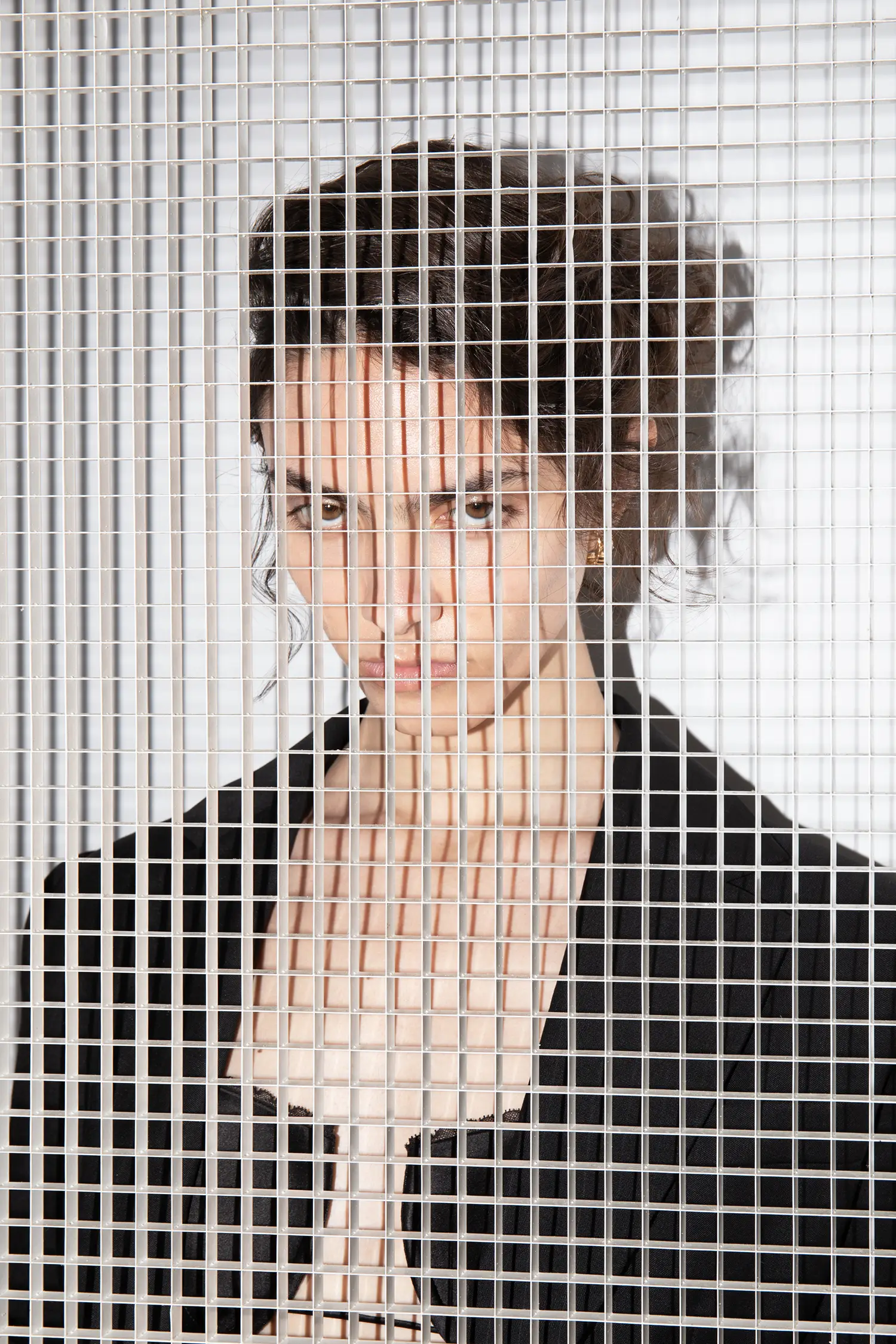
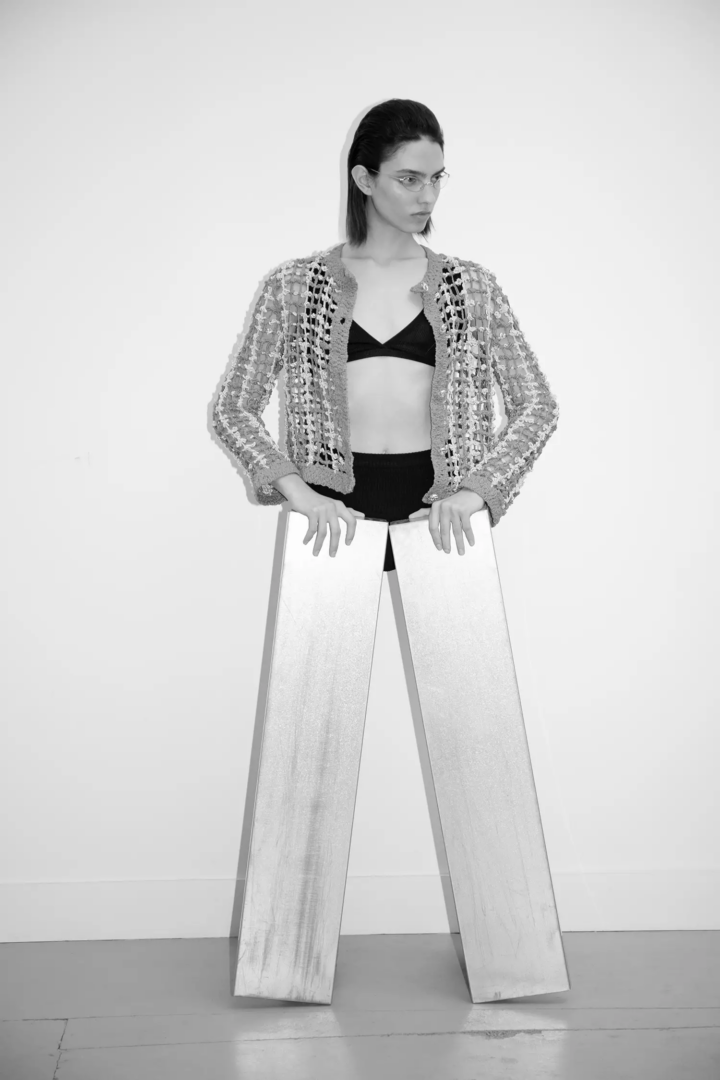
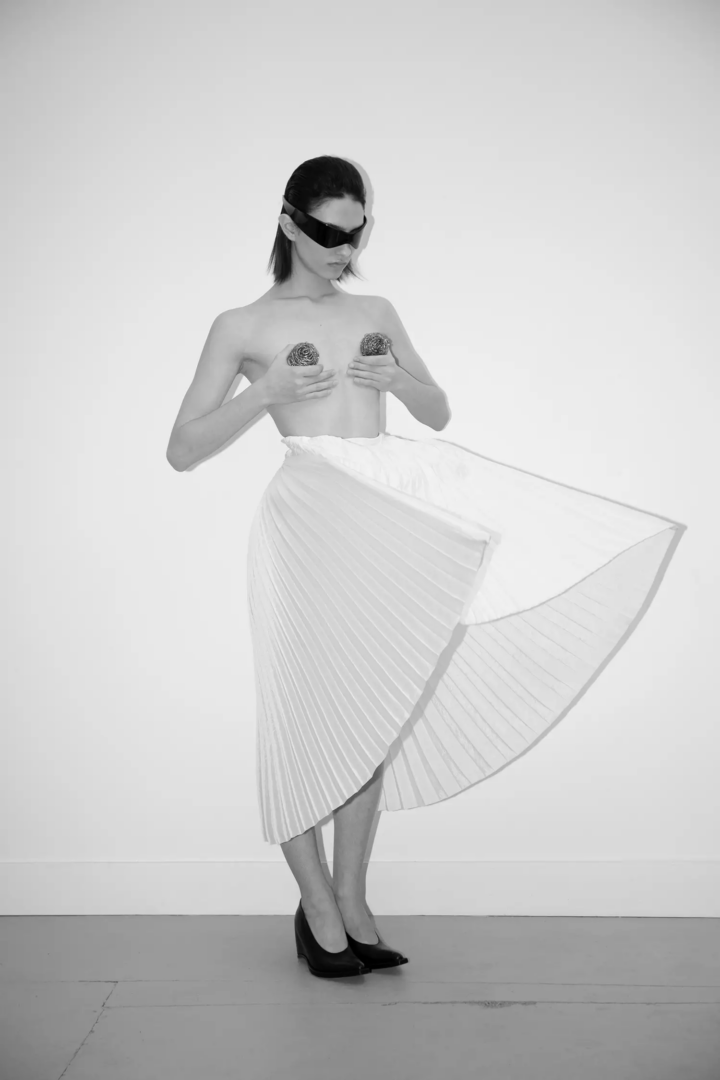
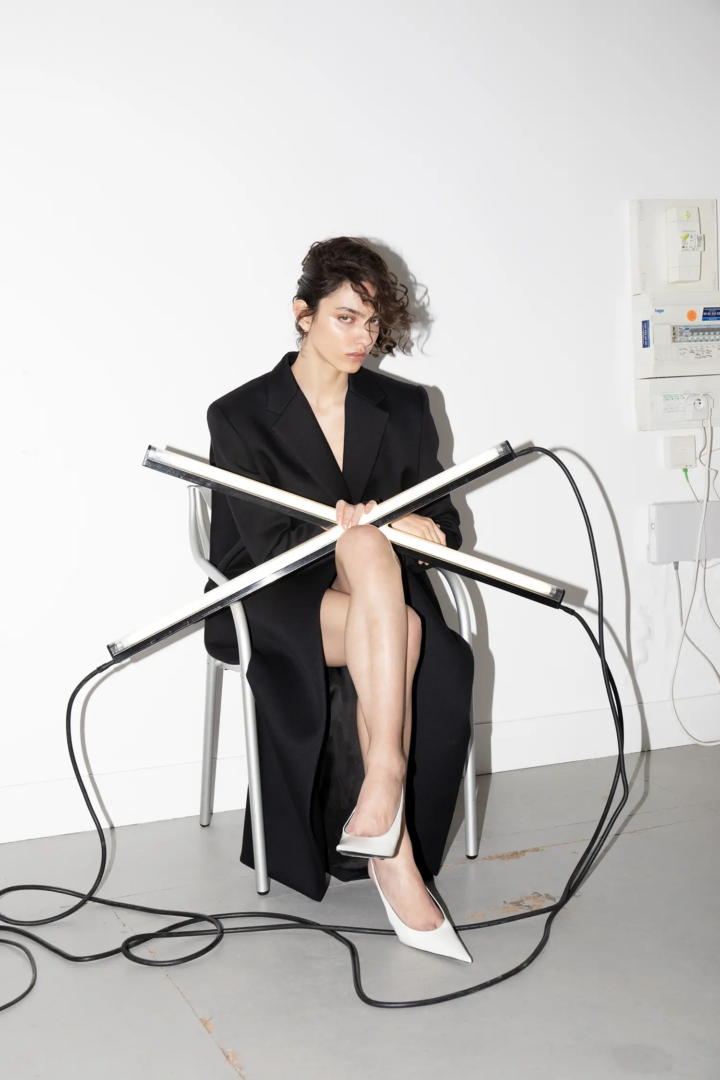
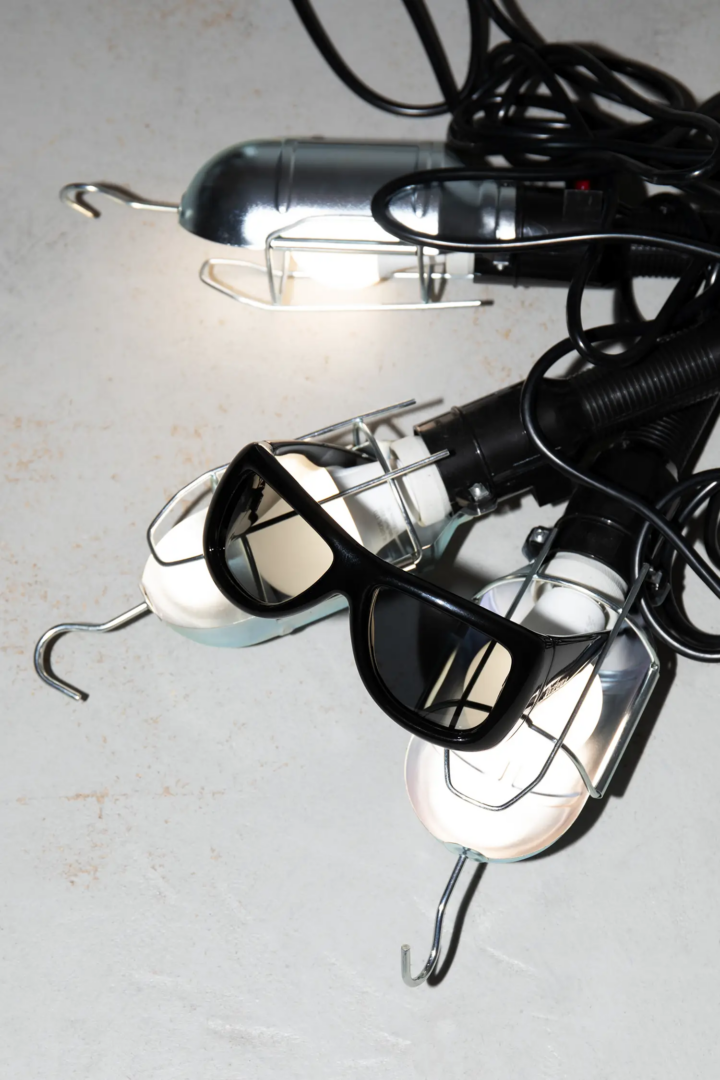
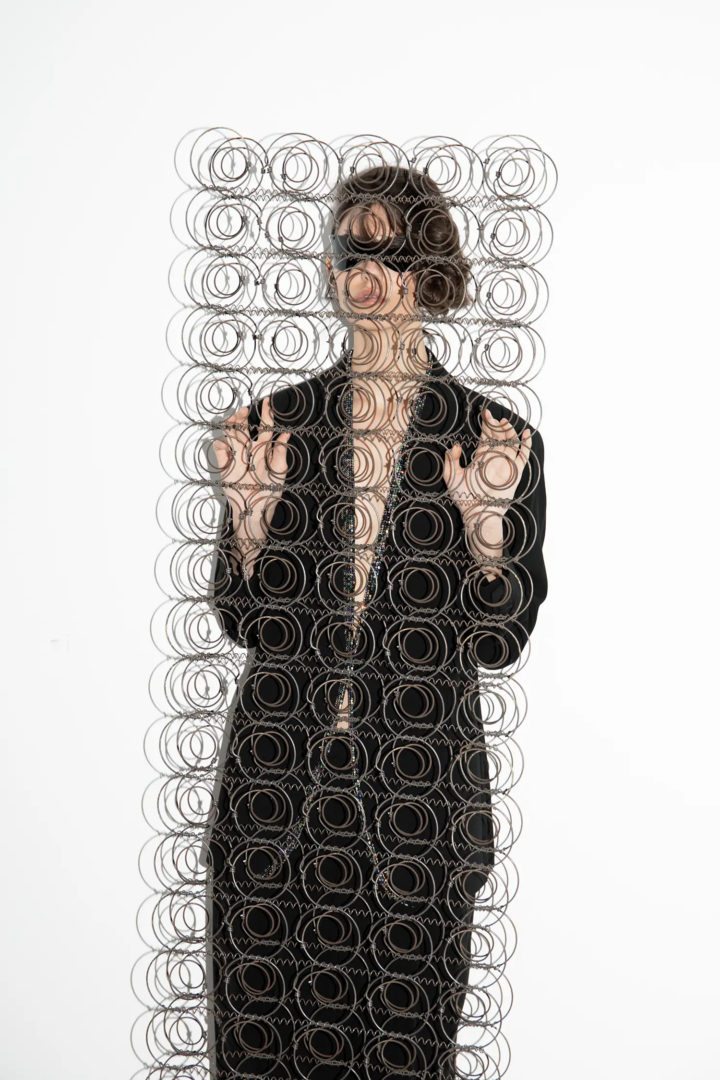
The evidence is material. A corrugated aluminum duct, the kind that vents a dryer or a kitchen hood, rests on a model’s shoulders, closed in a loop, worn with the weight and ceremony of a torc necklace. A coil of mattress springs stands between the camera and the body, filtering the figure through a grid of steel spirals. Welded wire mesh cuts across a face; a pair of work lamps hangs disassembled against a wall, cables loose, bulbs cold. Every object belongs to the vocabulary of conduction: metal, wire, spring, filament. Every object has been relieved of its duty. The assembly is exact, the components touch, and the current declines to pass.
Man Ray’s Électricité and the short circuit: fashion imagery built on withheld energy
Photography and electricity share a history of mutual fascination. In 1931 the Compagnie Parisienne de Distribution d’Électricité commissioned Man Ray to produce Électricité, a portfolio of rayographs in which household current became an erotic subject: a nude torso crossed by a sine wave, a lightbulb glowing like an organ of the body. The commission asked photography to advertise the spark. Llense works the same territory from the opposite terminal. His conductors stay inert: the duct carries air to nowhere, the springs support no sleeper, the lamps hang unlit in daylight. Where Man Ray charged the image, Llense grounds it. The title of the series describes a technical fault and performs an aesthetic position, an image of fashion that completes every connection required for seduction, then keeps the switch open.
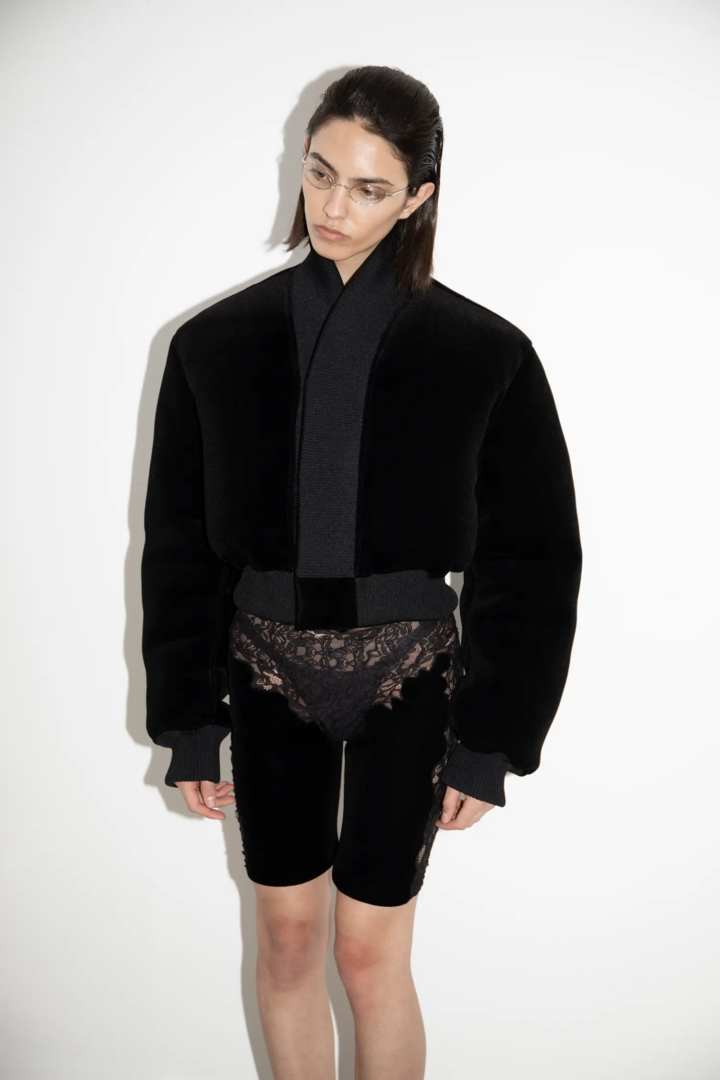
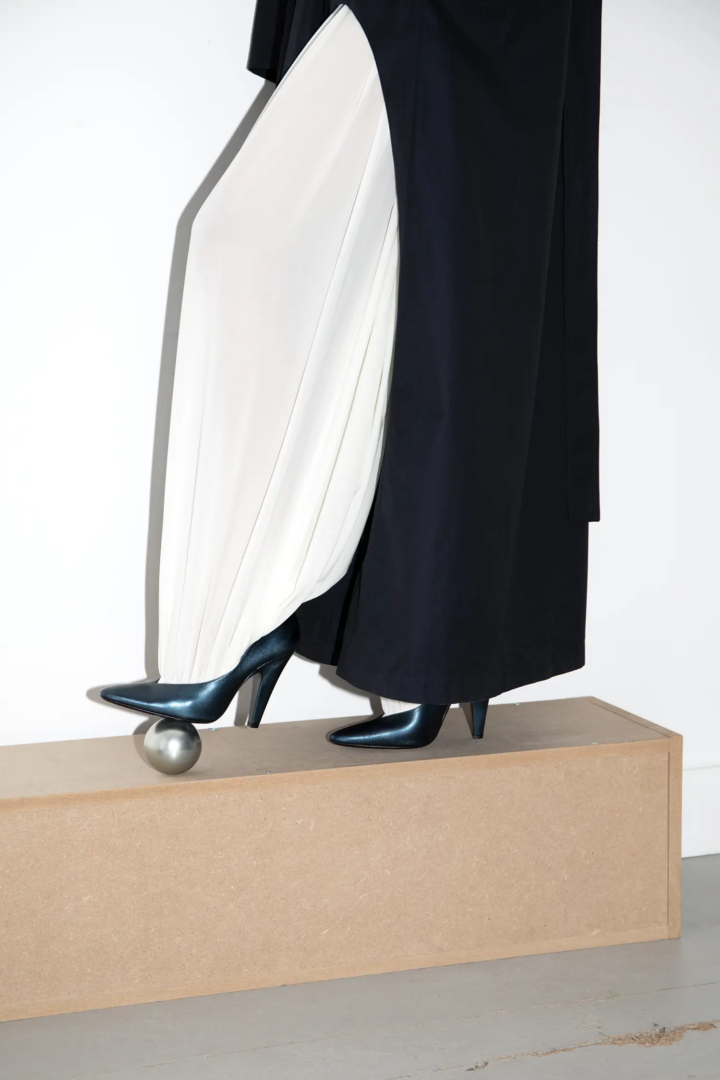
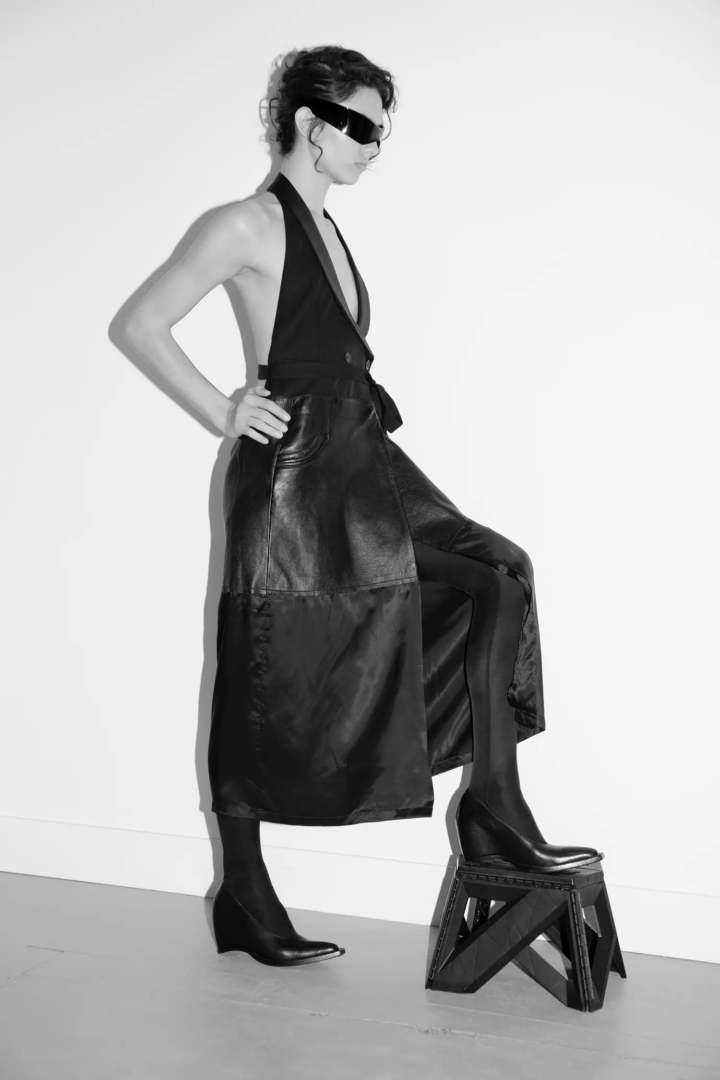
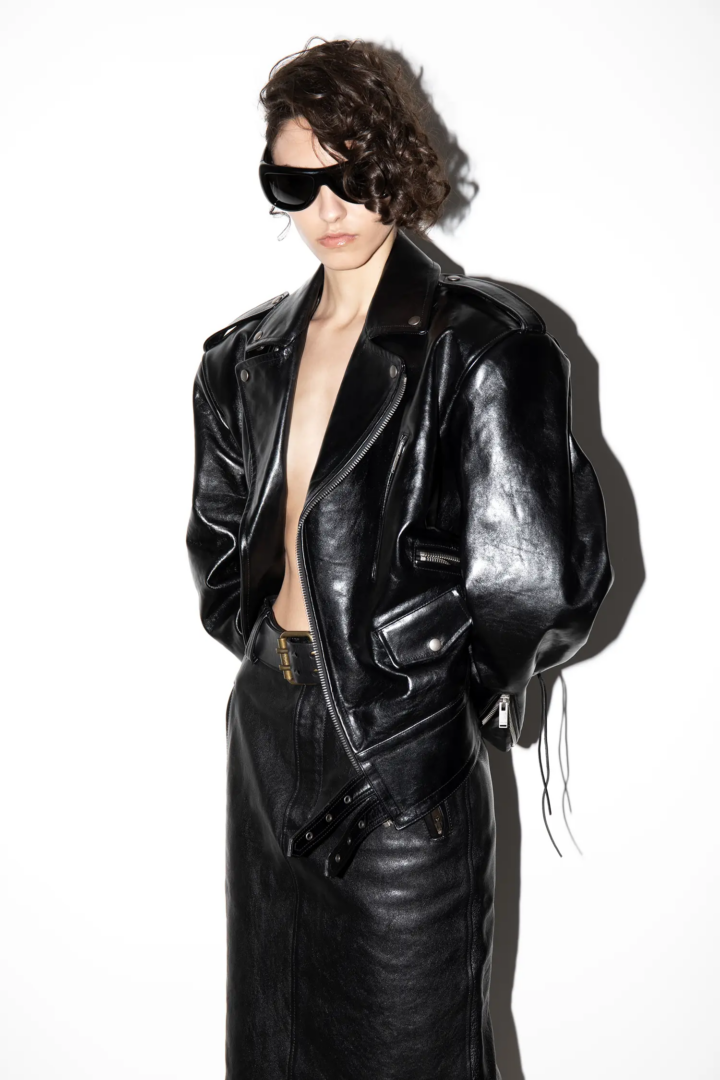
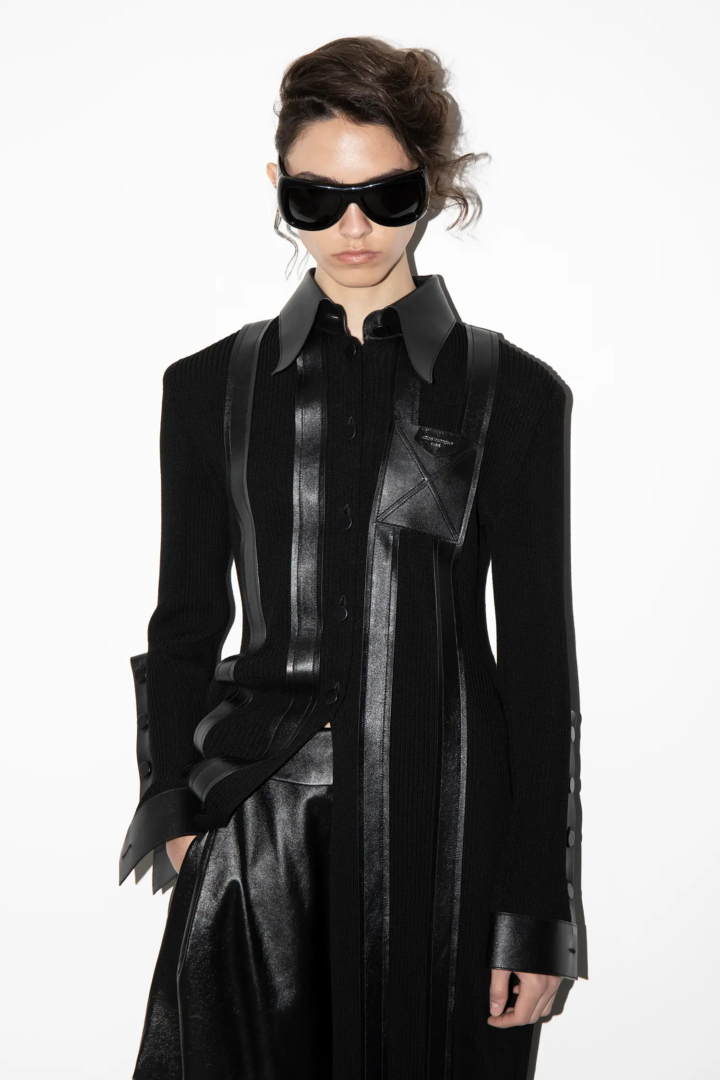
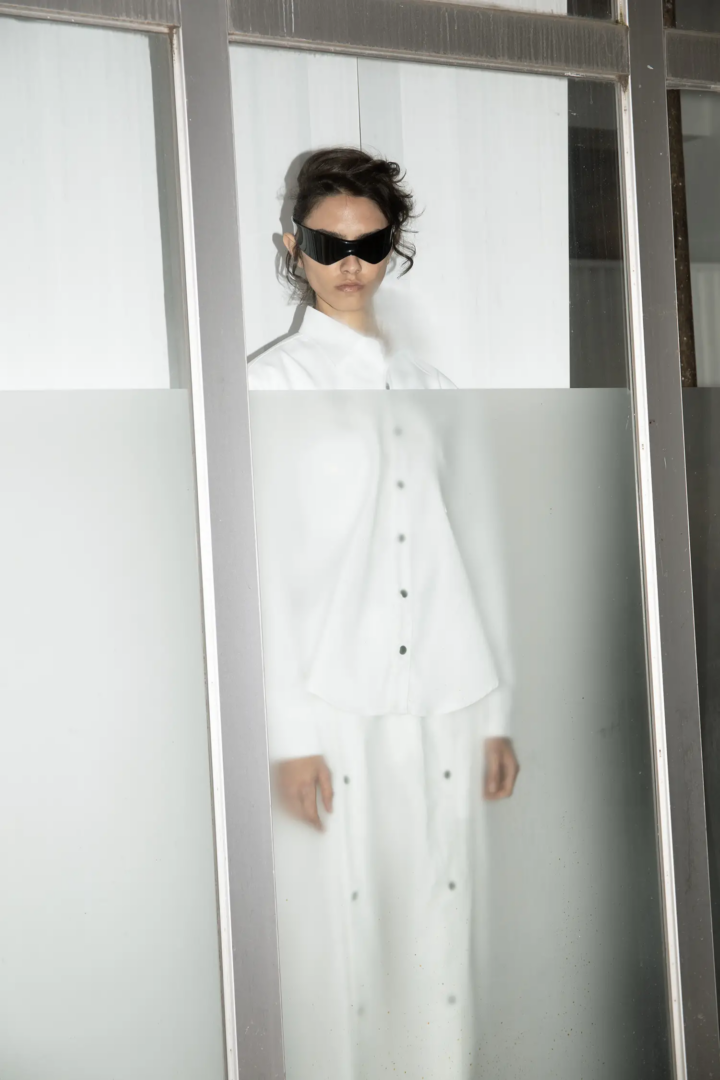
The clothes follow the same logic. The palette holds to black — leather, velvet, lacquered cotton — worked in matte surfaces that absorb the flash rather than return it. Faces disappear behind shield sunglasses and wire mesh; a model drinks from an aluminum can, indifferent to the lens; poses stay frontal, documentary, closer to an inventory photograph than to an editorial gesture. The lighting confirms the register: direct flash, hard shadow, the white ground of a product still life. These are pictures that conduct attention and hold it short of excitement.
Jonathan Llense: found objects, détournement, and a sculptor’s method in fashion photography
Llense arrives at fashion from sculpture by way of the street. Born in 1984 in Lille, he graduated from the École Supérieure des Beaux-Arts de Valenciennes in 2010 and from the École Nationale Supérieure de la Photographie in Arles in 2013; he lives and works in Paris. His practice is shaped by daily walks through the city: he identifies what he calls «visual systems» — default forms, improvised arrangements, DIY repairs — and combines elements already present in his surroundings into new configurations. People and objects appear in his images in odd couplings, staged in dialogue with daily experience; scrap, industrial debris, and bodies enter a game of formal association and semantic shift. These vernacular détournements restore the theatricality of everyday space. His editorial work extends the method to magazines including M Le Monde, Numéro Berlin, Double, and Exhibition.
Editorial Team
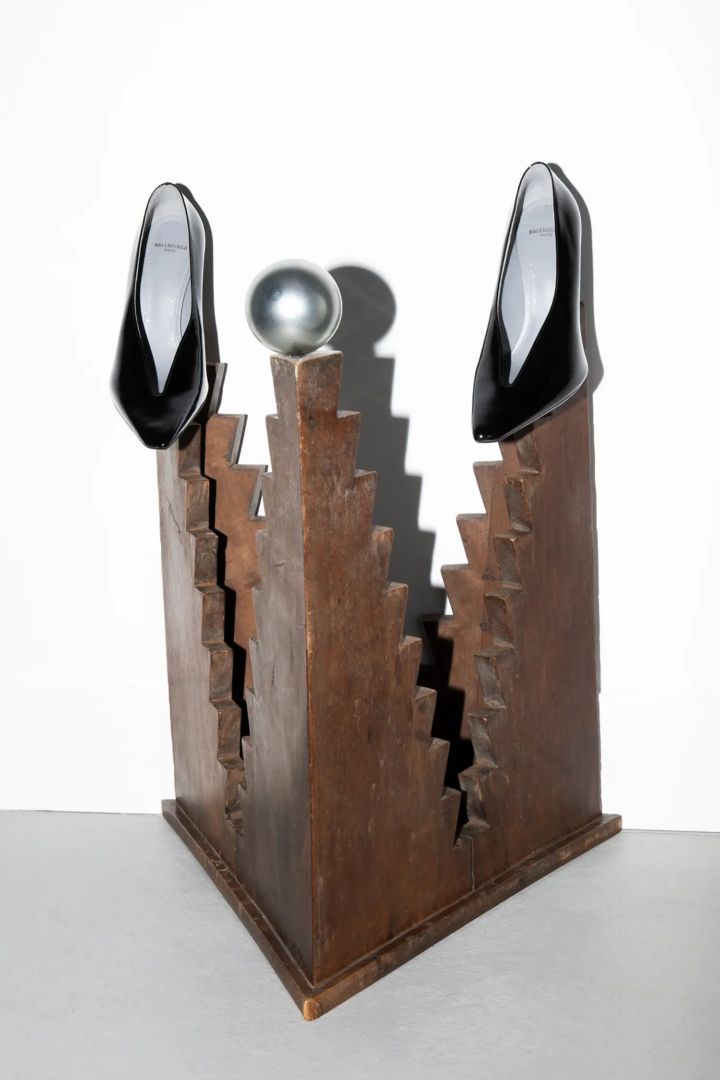
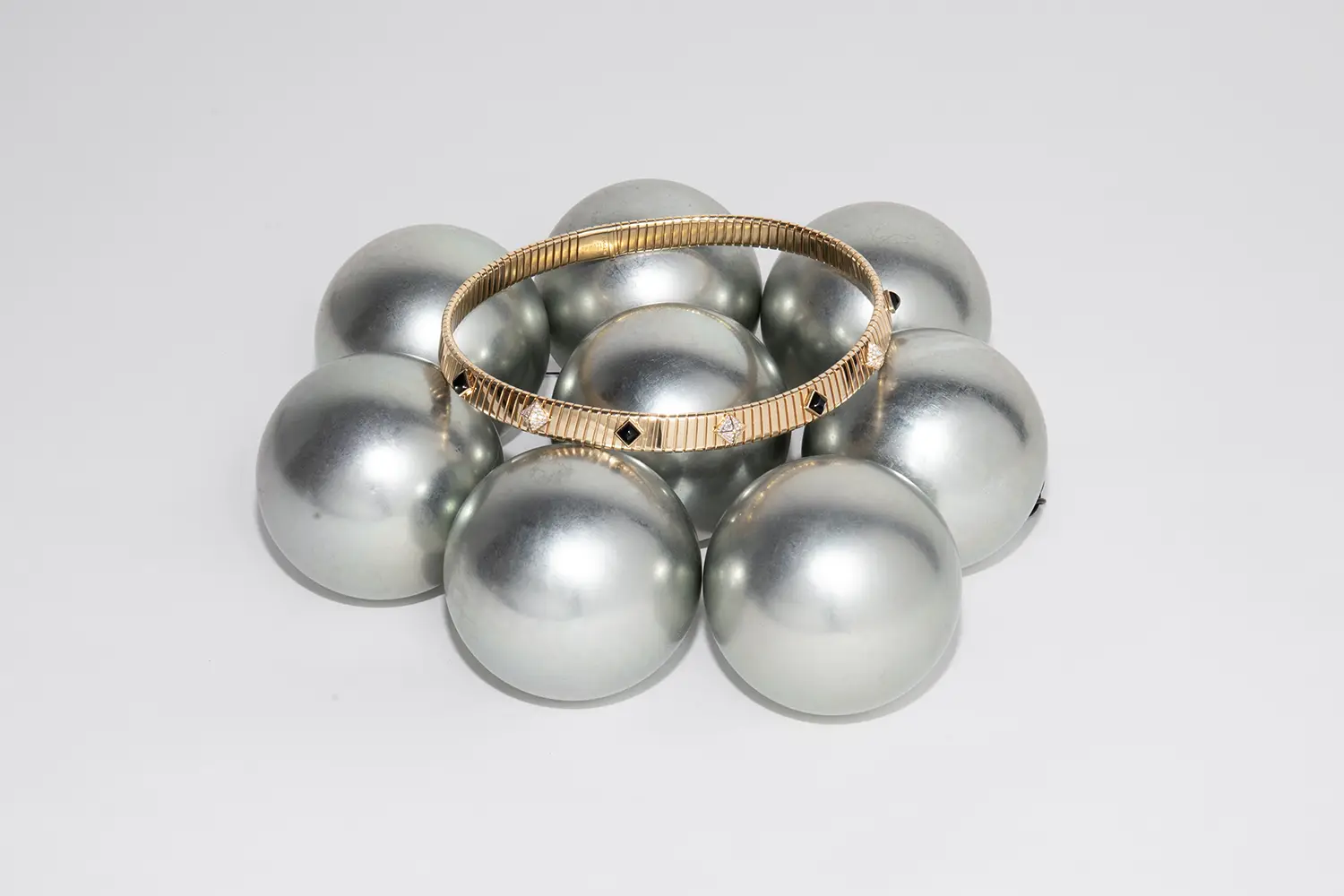
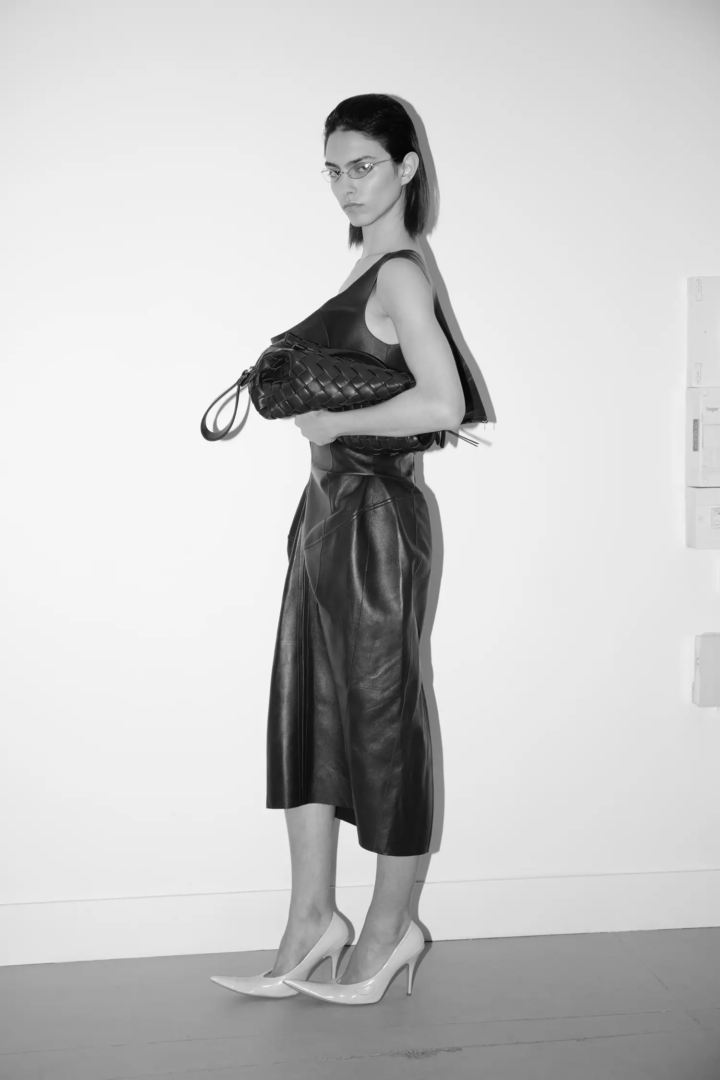
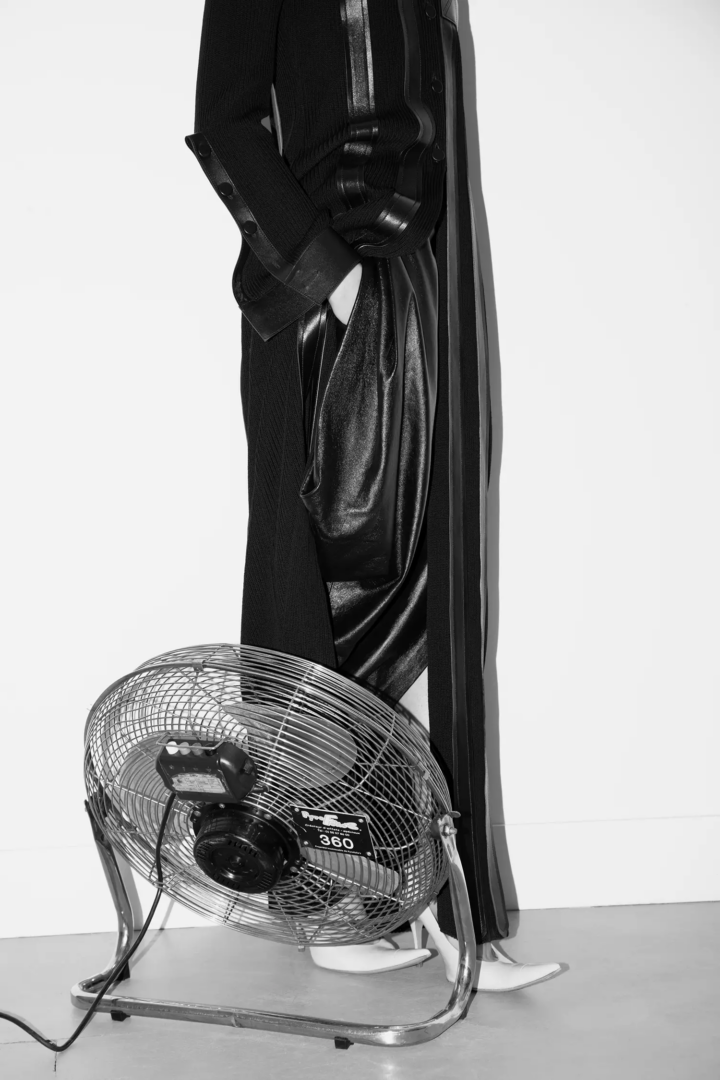
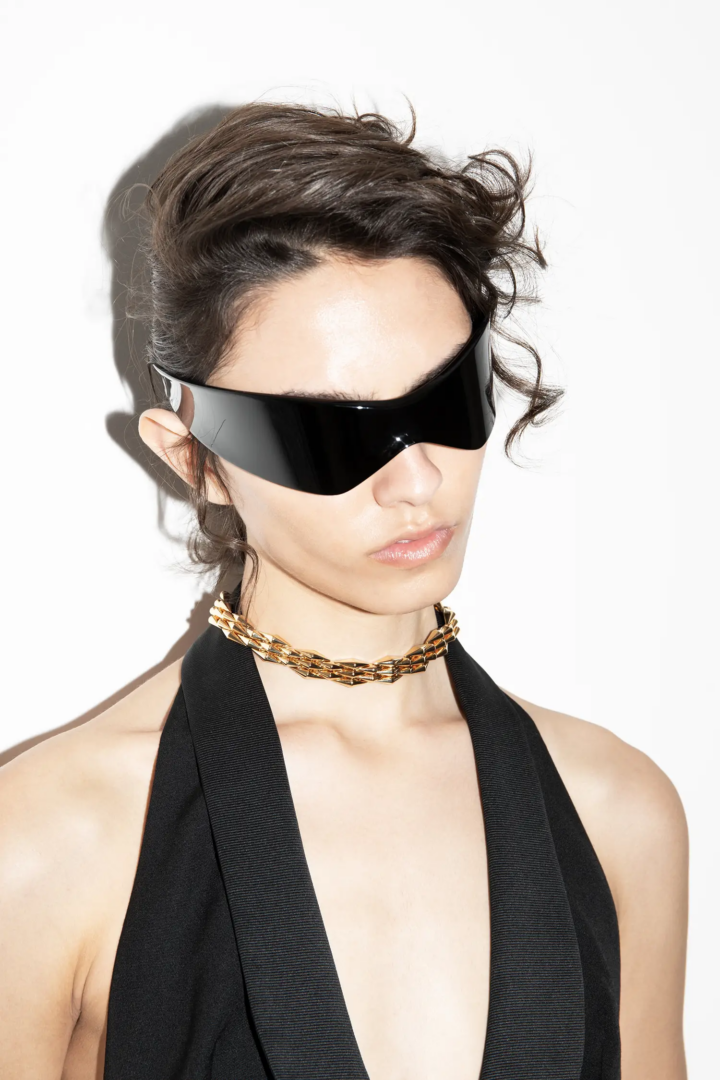
Photography Jonathan Llense. Styling Belen Casadevall.
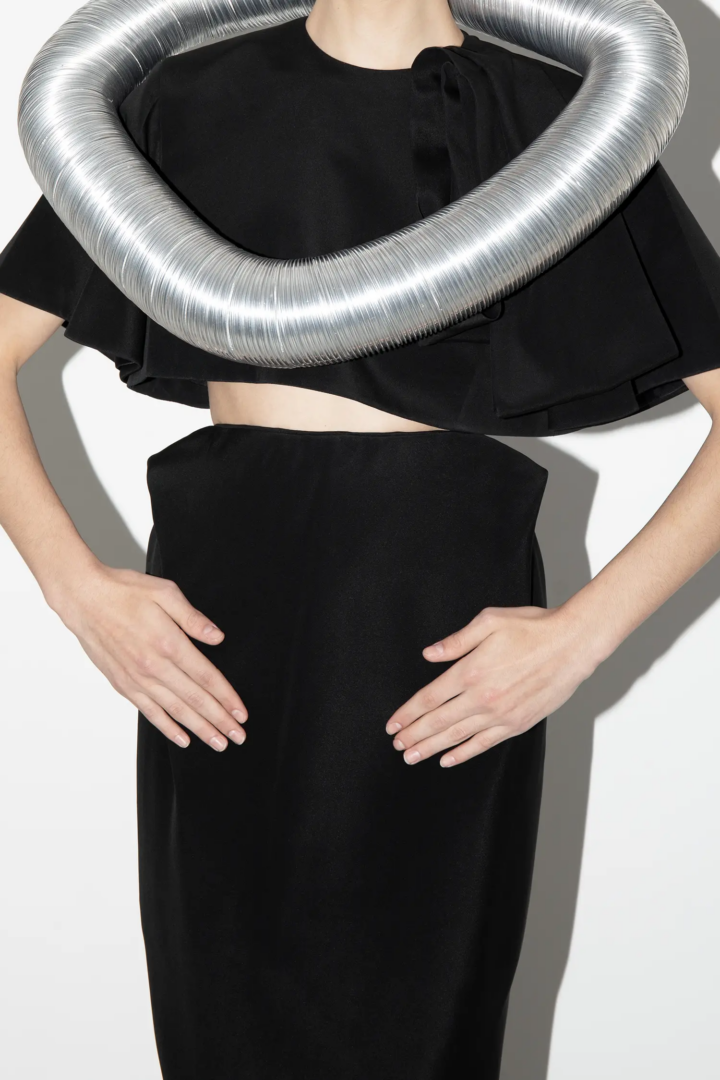

Photography Jonathan Llense. Styling Belen Casadevall.