Green building and industrial hemp in Italy: sustainability and supply-chain limits
Mario Catania explains how hemp can become a concrete resource for the ecological transition, combining industrial production, environmental sustainability and social development
From agricultural memory to the material of the future: hemp as a language of living
From textile fiber to building material, from agricultural crop to a tool for soil regeneration: hemp is once again defining the materiality of the present. After decades of industrial silence, a plant once common across the Italian countryside is re-emerging as a response to many of the questions now surrounding sustainability, land use and local production.
«Hemp is a plant that comes up against third-party economic interests — pharmaceutical companies, synthetic textiles, oil. If they started using it, the way forward would open up», explains Mario Catania, journalist and founder of Canapaindustriale.it. Since 2013, through the publication, he has documented the evolution of a supply chain that remains incomplete but is in motion, connecting agriculture, construction, scientific research and industrial policy.
A forgotten plant brings sustainability back into the conversation
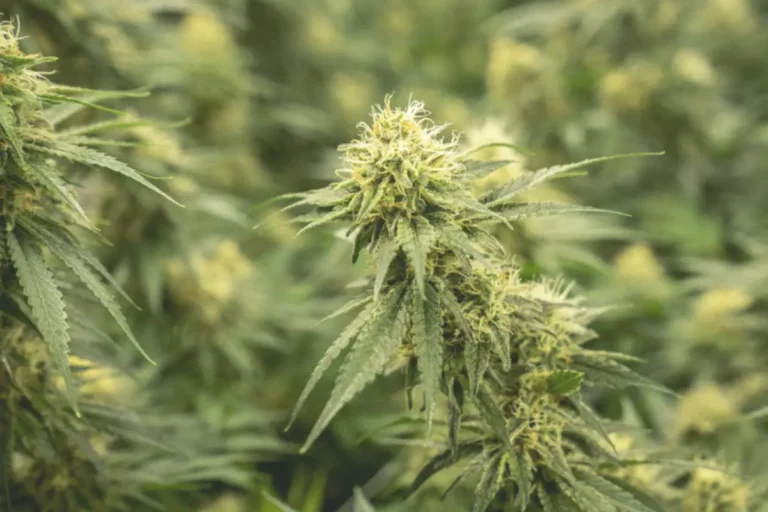
Until a few years ago, hemp cultivation in Italy was limited to a few hectares devoted to food oil production or isolated experiments in the cosmetics sector. Its use as a fiber and biomaterial was held back by an uncertain regulatory framework and by linguistic prejudice: speaking about cannabis automatically meant evoking recreational use.
The 2016 law marked a turning point, recognizing hemp as a crop capable of reducing environmental impact, limiting desertification and restoring soil fertility: «That legislation restored confidence among farmers and investors, opening the way to new supply chains and industrial research». Initial funding — seven hundred thousand euros a year — was enough to reignite debate, but not to build a stable production infrastructure.
In 2025, the legislative framework changed again. The so-called Security Decree introduced a ban on the production, distribution and sale of hemp inflorescences, even with minimal THC levels, equating them with narcotic substances. The measure has been challenged by regions, trade associations and producers, who consider it an obstacle to the growth of an already fragile agricultural and economic sector.
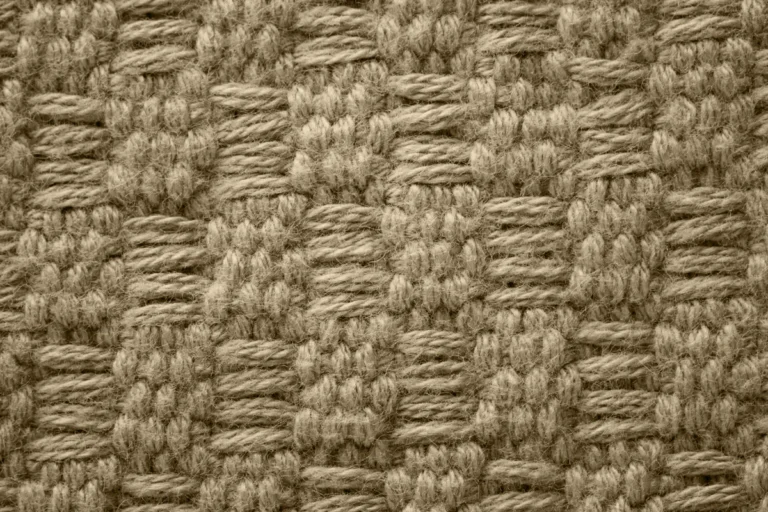
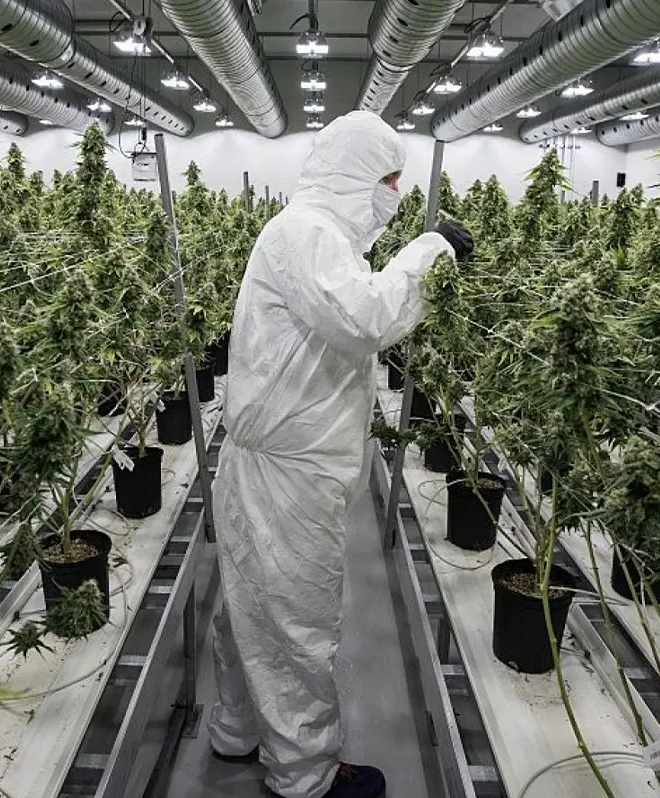
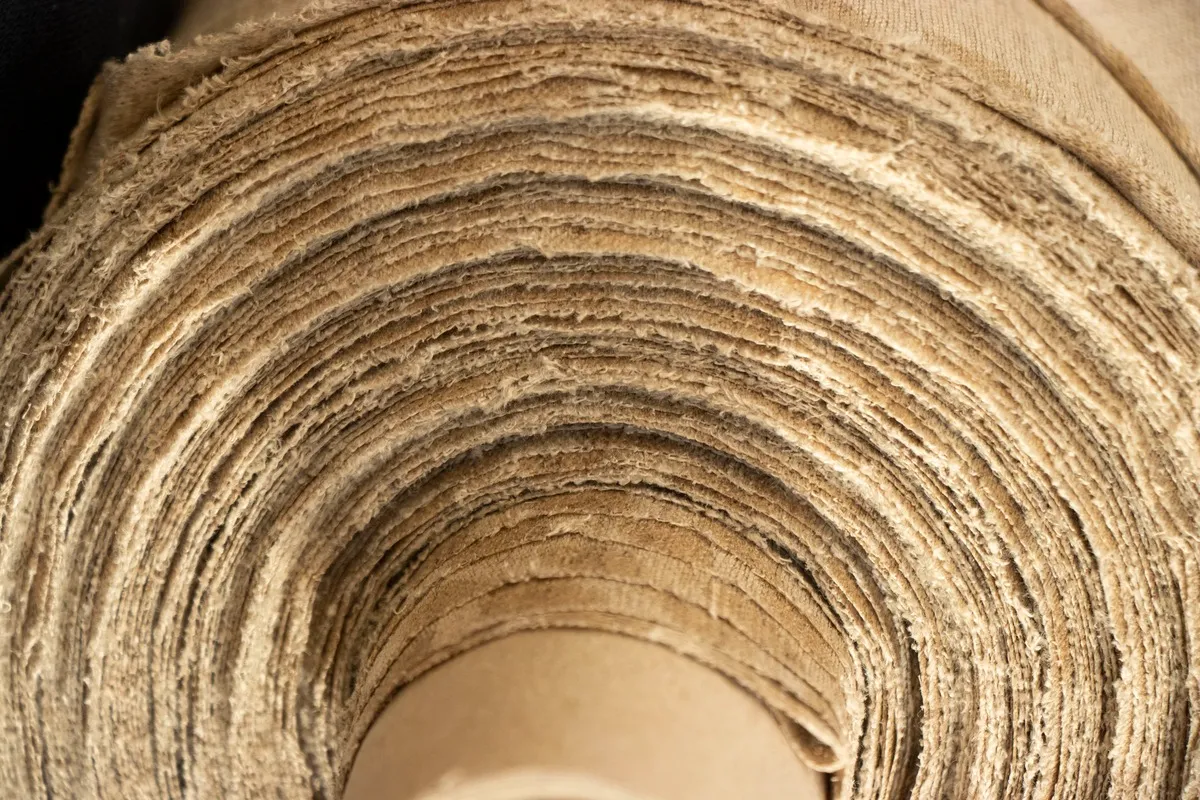
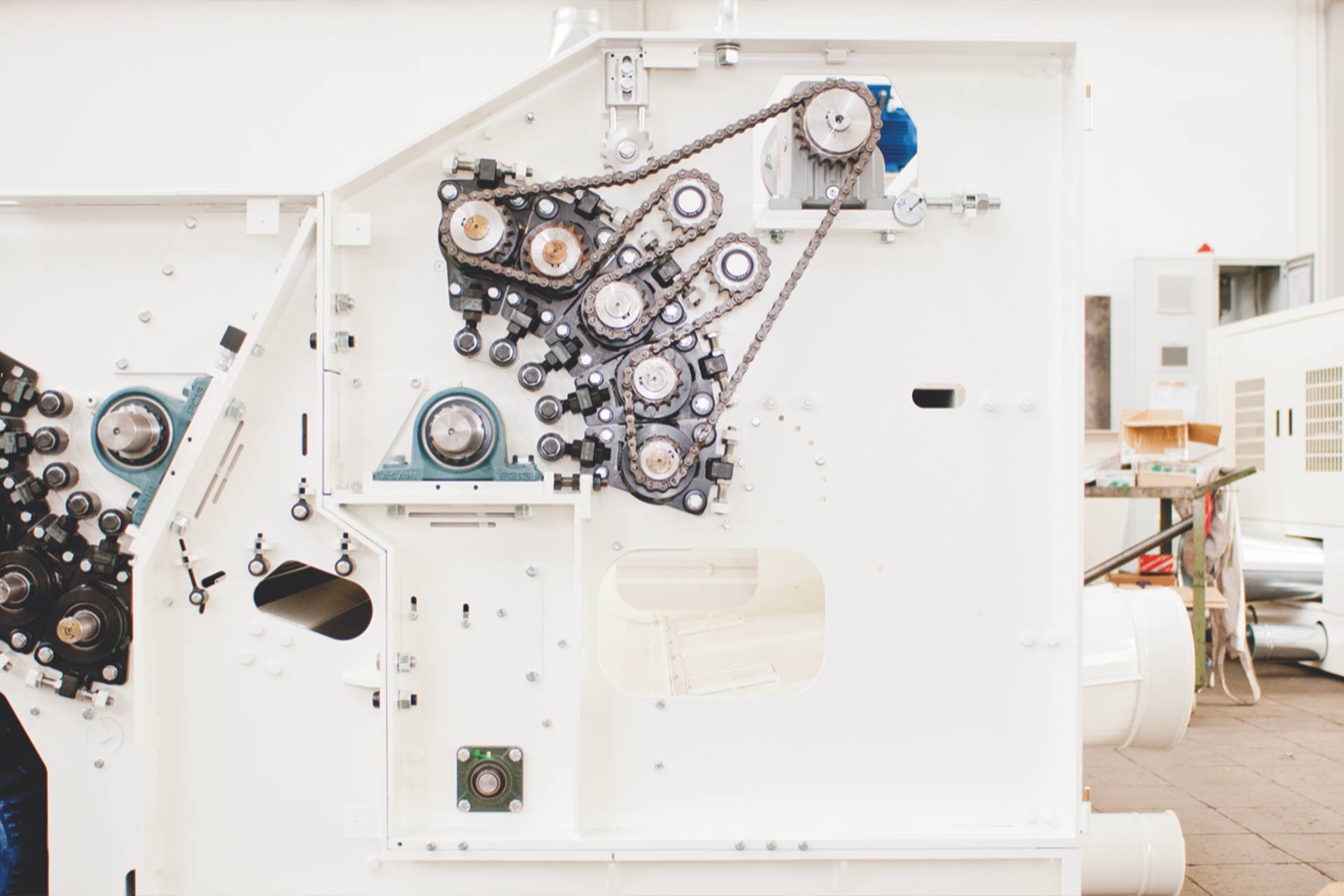
Plants cultivated for textile or construction use require long, clean fiber, obtainable only through specific machinery for decortication and the separation of hemp shives: «In Italy, mechanization stopped with prohibition and the arrival of synthetic fibers. China, on the other hand, continued to develop processing machinery, becoming the world’s leading supplier of hemp fiber».
Circular economies and new districts: a material that regenerates the territory
Hemp is a crop that integrates into existing agricultural systems: it regenerates the soil, absorbs carbon dioxide and adapts to different rotations and climates. It is both a raw material and an ecological tool. This is why its reintroduction in Italy coincides with the search for an economic model more deeply rooted in local territories: «Hemp is the only carbon-negative supply chain known to humankind. One cubic meter of hemp removes around sixty kilograms of CO₂ from the environment. Construction alone accounts for forty percent of global emissions: if we changed the material, we would change the system».
Here, the concept of a circular economy translates into a closed cycle: the plant grows, absorbs CO₂, is transformed into biomaterial and returns value to the environment and landscape. According to trade associations, however, the recent regulatory crackdown risks affecting more than three thousand companies and thirty thousand workers, with estimated annual turnover of around half a billion euros.
A setback that threatens years of experimentation in a sector that had begun to connect agriculture, manufacturing and research.
Urban regeneration and rural architecture: living sustainability
In construction, hemp is redefining the very concept of living: «Today, a hemp house costs only slightly more than a conventional one, but offers many additional advantages, beginning with healthier air and constant humidity levels, as well as the absence of mold formation and natural thermal regulation».
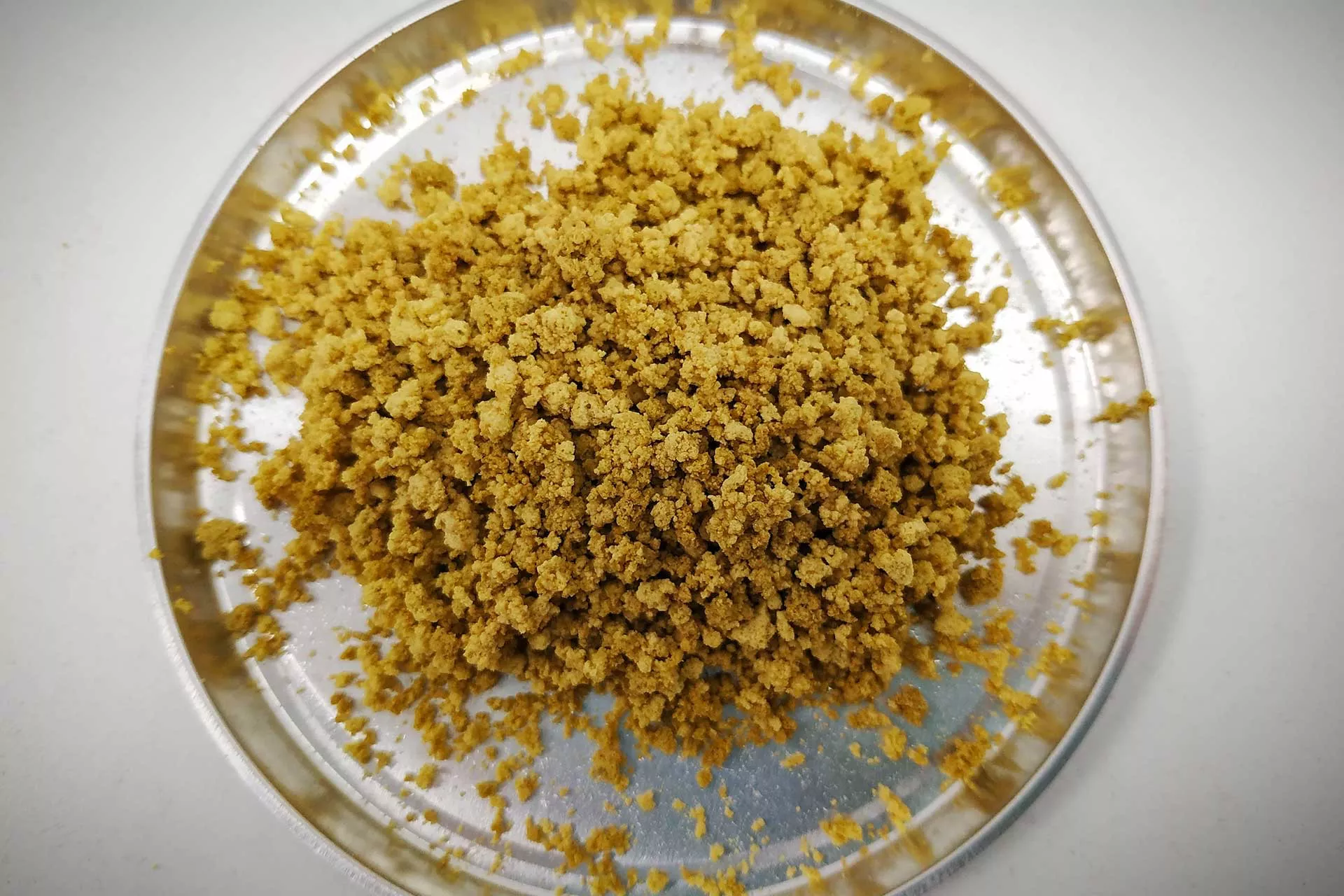
The most widely used material is a biocomposite of lime and hemp shives, the inner part of the stalk. According to a study by the Polytechnic University of Milan, one cubic meter of this compound removes around sixty kilograms of carbon dioxide from the atmosphere. The result is a carbon-negative construction system that continues to capture CO₂ even after installation.
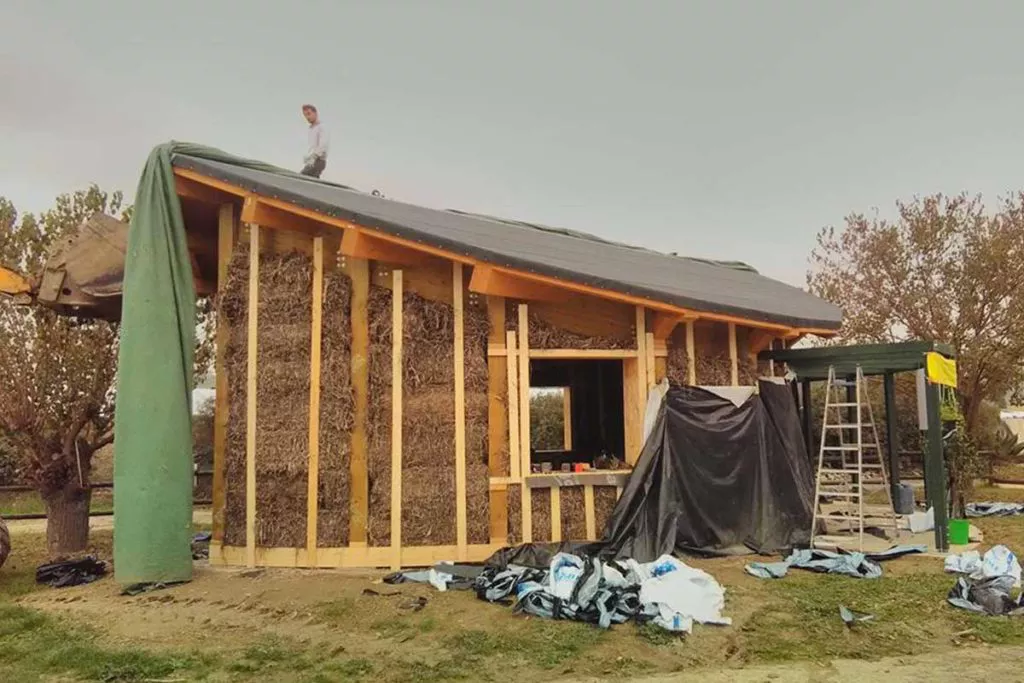
In Italy, the first lime-and-hemp house was built between 2009 and 2012 in San Giovanni in Persiceto, in the province of Bologna, by Olver Zaccanti. The building withstood the 2012 earthquake without damage, confirming the material’s seismic-resistant properties. In Bisceglie, Puglia, Pedone Working studio created the Case di Luce and Case nel Verde complexes using local materials and low-impact techniques.
Local authorities are also beginning to recognize hemp as a resource: in 2025, the Autonomous Province of Trento included the plant among materials intended for green building and phytoremediation, within projects for soil remediation and rural forestation.
Natural raw materials and architecture: from the Etruscans to contemporary research
The use of hemp as a building material is not a recent discovery. In the Ellora Caves in India, a mixture of lime and hemp helped preserve frescoes and structures for more than fifteen centuries. In the nearby Ajanta Caves, where hemp was not used, insect activity destroyed at least a quarter of the paintings.
The Etruscans also knew the properties of the plant. Their rammed-earth walls, made by pressing clay and hemp straw between two formworks, anticipated the principles of modern thermal insulation. The memory of that technique — a mixture of earth, fiber and lime — returns today as a model of organic architecture based on natural raw materials available locally: «Building houses and apartment blocks in hemp is equivalent to planting hectares of forest. It is a way of giving back what we have taken from the environment».
When innovation passes through ethics: Italian companies and the construction sites of the future
Italy is now home to companies that have transformed green building into a competitive sector recognized internationally. Tecnocanapa by Senini managed Europe’s largest hemp-and-lime construction site in Divinya, Sweden: 6,300 square meters of timber-and-hemp buildings intended to host training and meditation activities. The project stores 190 tonnes of CO₂ within the structures.
In the province of Cuneo, the European Eco-Bati project focuses on renovating public buildings with natural materials available within a radius of 150 kilometers. Its objective is to pave the way for ethical construction capable of reducing environmental impact and generating circular economies on a regional scale.
Beyond the material: hemp as a political and cultural issue
While green building represents the most visible part of the supply chain, hemp remains a political issue, intertwined with the right to health and the institutional management of research: «In Germany, the United States and Canada, the production of medical cannabis is supervised and monitored by the state. In Italy, the response comes from the bottom up».
National production, concentrated at the Military Chemical-Pharmaceutical Plant in Florence, does not meet demand and keeps the underground market alive. The case of Walter De Benedetto, prosecuted for cultivating cannabis for therapeutic use, brought renewed attention to the absence of a common strategy: «Patients should be put first. They come to cannabis after every other drug».
At the regulatory level, the conflict between national and European law is evident: Brussels has launched a review procedure into the compatibility of Italian restrictions with single-market rules. Industry associations argue that the Italian decree penalizes supply chains linked to innovation and urban regeneration.
A plant that gives back: toward measurable sustainability
From agriculture to construction, hemp is re-emerging as a tool for tangible sustainability. It is not only a matter of replacing materials, but of redefining the relationship between production, environment and responsibility: «It is a material that gives back more than it takes. A plant that forces us to rethink the economy and the way we build the future».
Between cultivation and culture, hemp defines a paradigm shift: not merely a material, but a way of conceiving the productive landscape. Its growth depends on the Italian system’s ability to turn it into a stable resource, part of a strategy rather than an exception.
Mario Catania
Mario Catania (Rome, 1983) is a journalist and author. In 2013 he founded Canapaindustriale.it, an information platform dedicated to economic and regulatory developments in the hemp supply chain in Italy and Europe. He contributes to national publications and covers sustainability, agricultural policy and innovation in the biomaterials sector. In 2019 he published the book Cannabis. Il futuro è verde canapa.