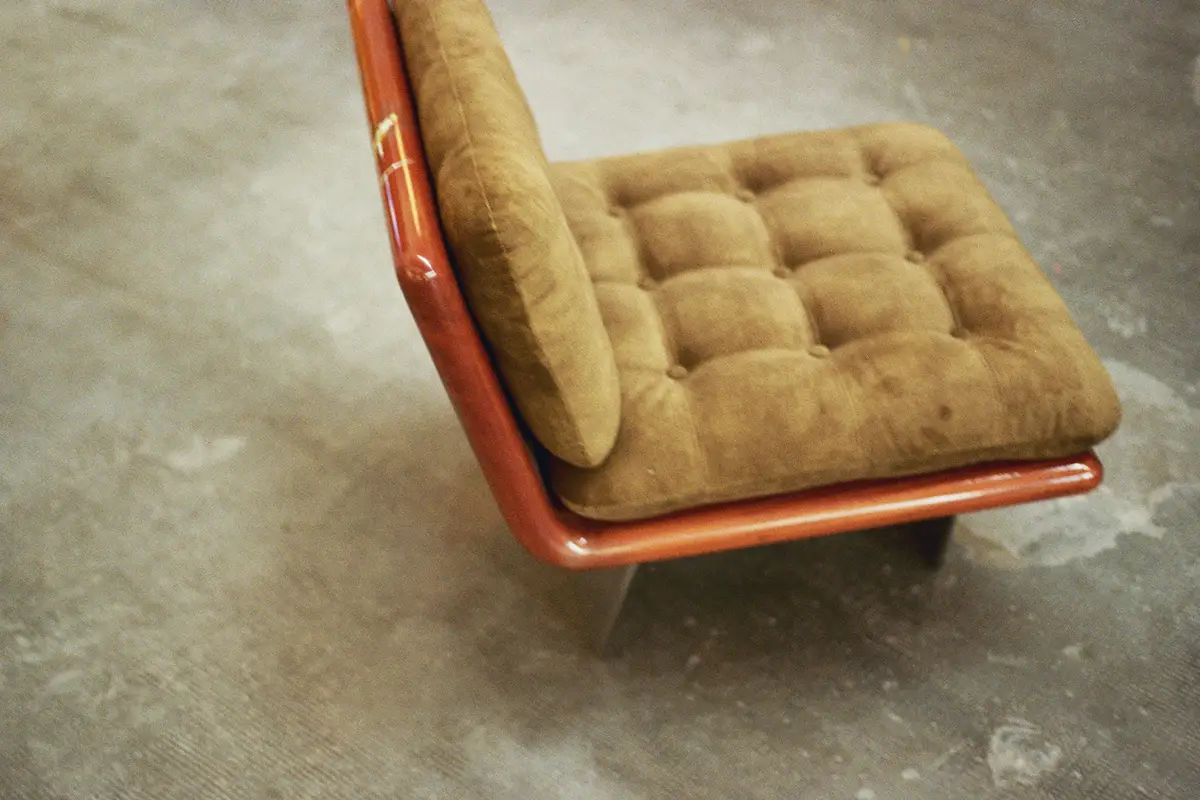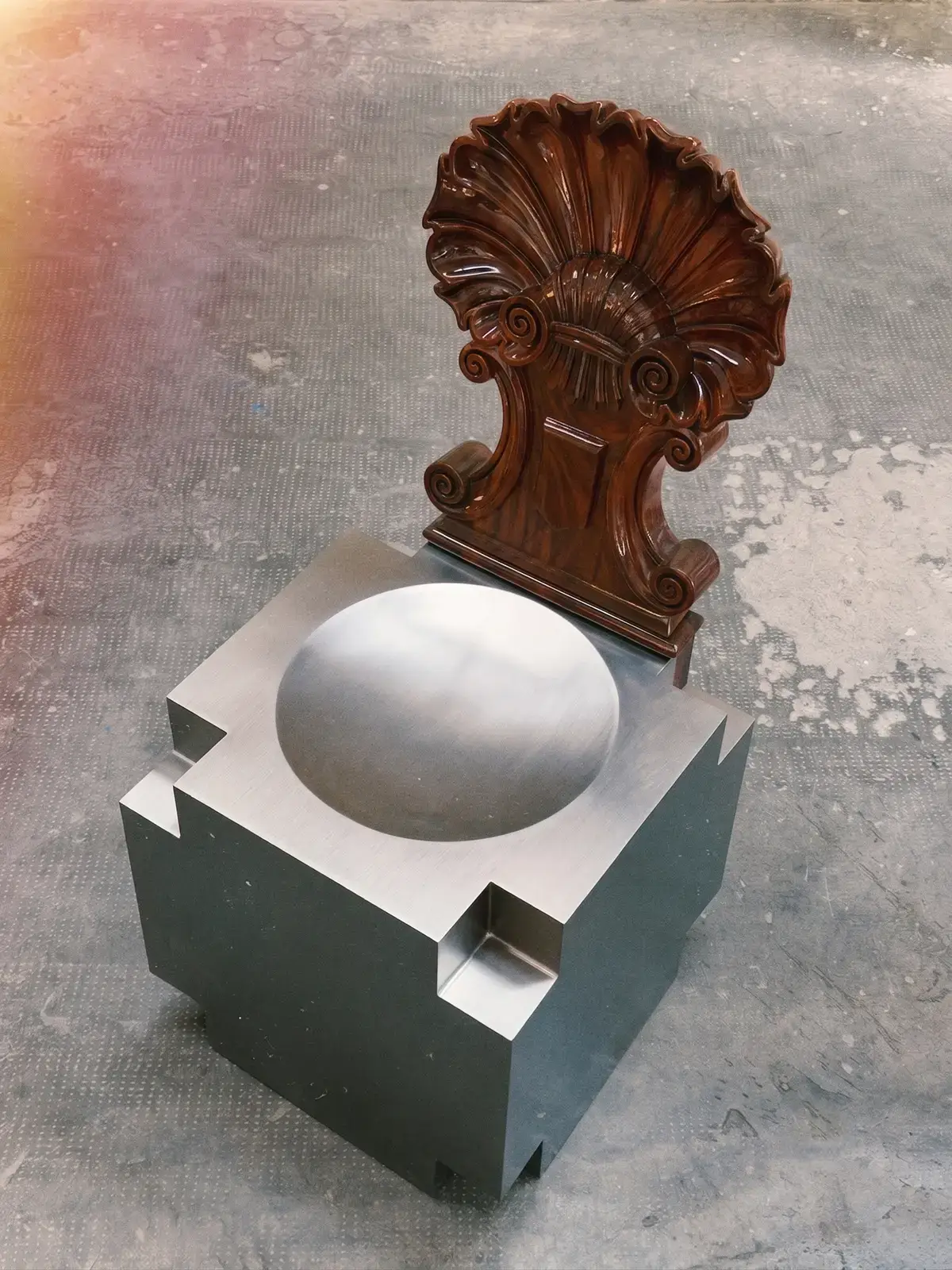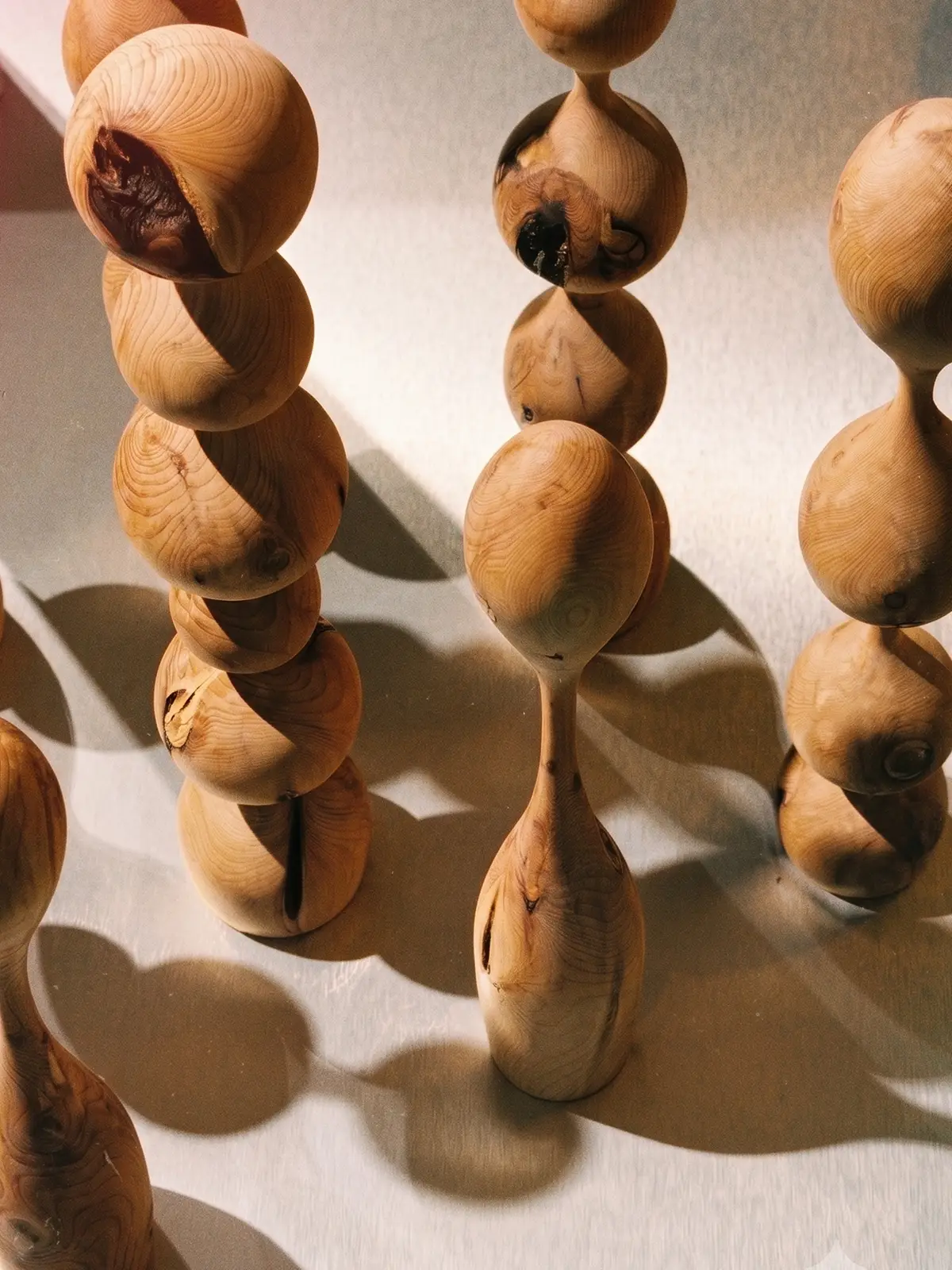
Isola Design Festival 2026: ten editions, one neighborhood, new horizons
The tenth edition of Isola brought the festival back to its Milanese roots — and showed just how far an independent design platform can travel in a decade without losing sight of where it started
Isola Design Festival Returns to Its Roots for a Landmark Tenth Edition
From April 20 to 26, 2026, Isola Design Festival ran its tenth edition under the title TEN: The Evolving Now — and the choice of venue said everything. Rather than pushing further into new Milan territory, the festival came back to the Isola district, the northern neighborhood where it first took shape a decade ago. Fabbrica Sassetti, a 1930s wool-spinning factory, served as the main hub. Five additional spaces — Atelier Kondakji, Copernico, Fondazione Catella, Stecca3, and ZonaK — extended the program through the surrounding streets.
The return was deliberate. After ten years of international growth, Isola grounded its anniversary edition in the place and the logic that originally defined it.
Why Fabbrica Sassetti Was the Heart of This Year’s Festival
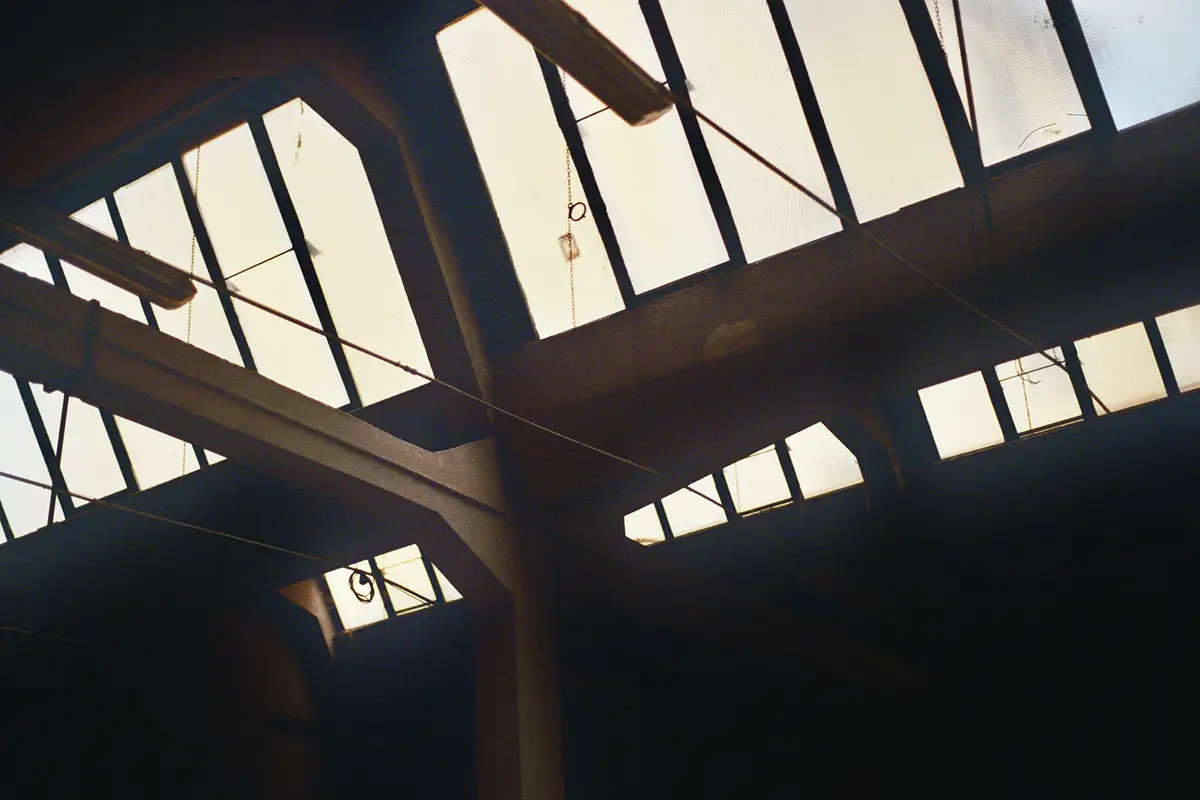
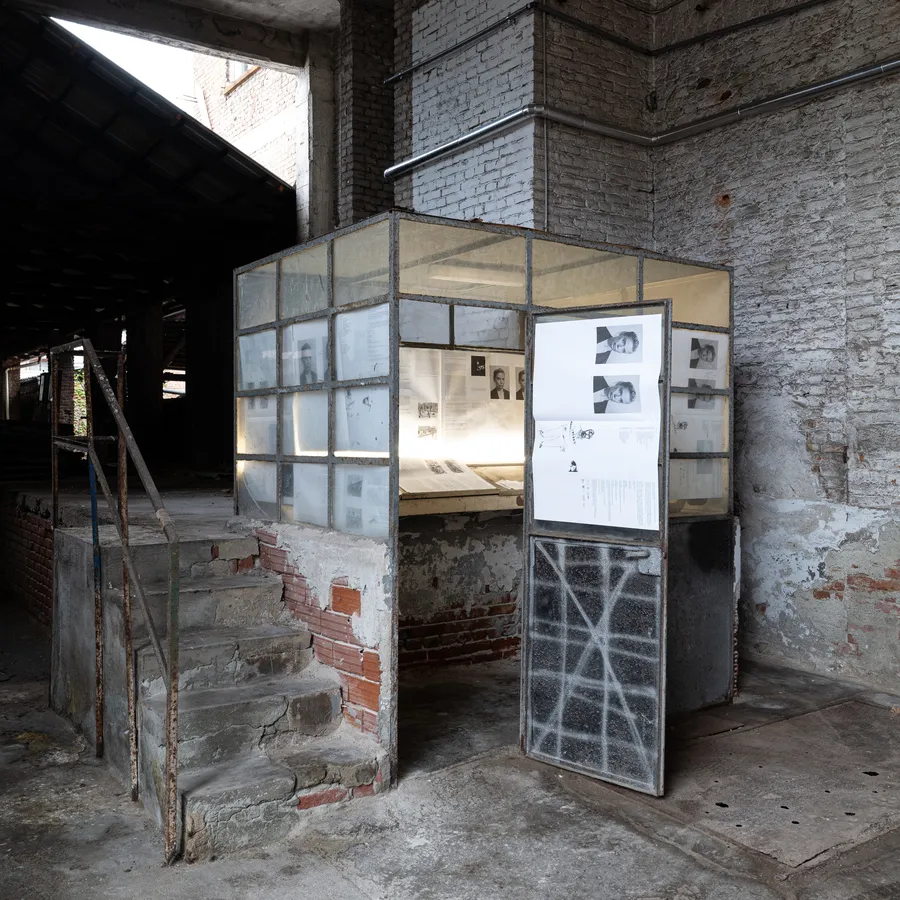
Fabbrica Sassetti is not a neutral space. Built in the nineteen-thirties for industrial textile production, it reopened specifically for this edition, carrying the material memory of the district with it. That choice set the tone for the whole program: processes over surfaces, transformation over spectacle, production over polish.
Inside, the festival’s most established formats found their home. No Space for Waste returned with its focus on reclaimed materials and visible making. Rasa — The Indian Collective brought together craft practices, cultural identity, and contemporary object-making from India. The Dutch Atelier continued the festival’s longstanding dialogue with Dutch design culture. Isola Design Gallery rounded out the concentration of programming in the building.
In each case, the emphasis fell on the conditions behind the object — raw materials, industrial knowledge, artisanal technique — rather than the finished piece in isolation.
The Full Map: Every Venue That Shaped Isola 2026
Beyond Fabbrica Sassetti, this edition sprawled intelligently through the neighborhood. At Atelier Kondakji, Shape of Belonging examined identity and memory through artisanal techniques. Copernico hosted the Isola Design Awards Winners’ Showcase, giving the prize’s 2025 cohort a physical platform in Milan. Fondazione Catella presented Default Is Not Universal — The Same Design, Different Perceptions, a curatorial project developed with Ithra featuring designers from the MENA region.
Stecca3 offered one of the edition’s most research-focused contributions: The New State of Materials by Materially, exploring the intersection of material experimentation, industrial processes, and ecological thinking.
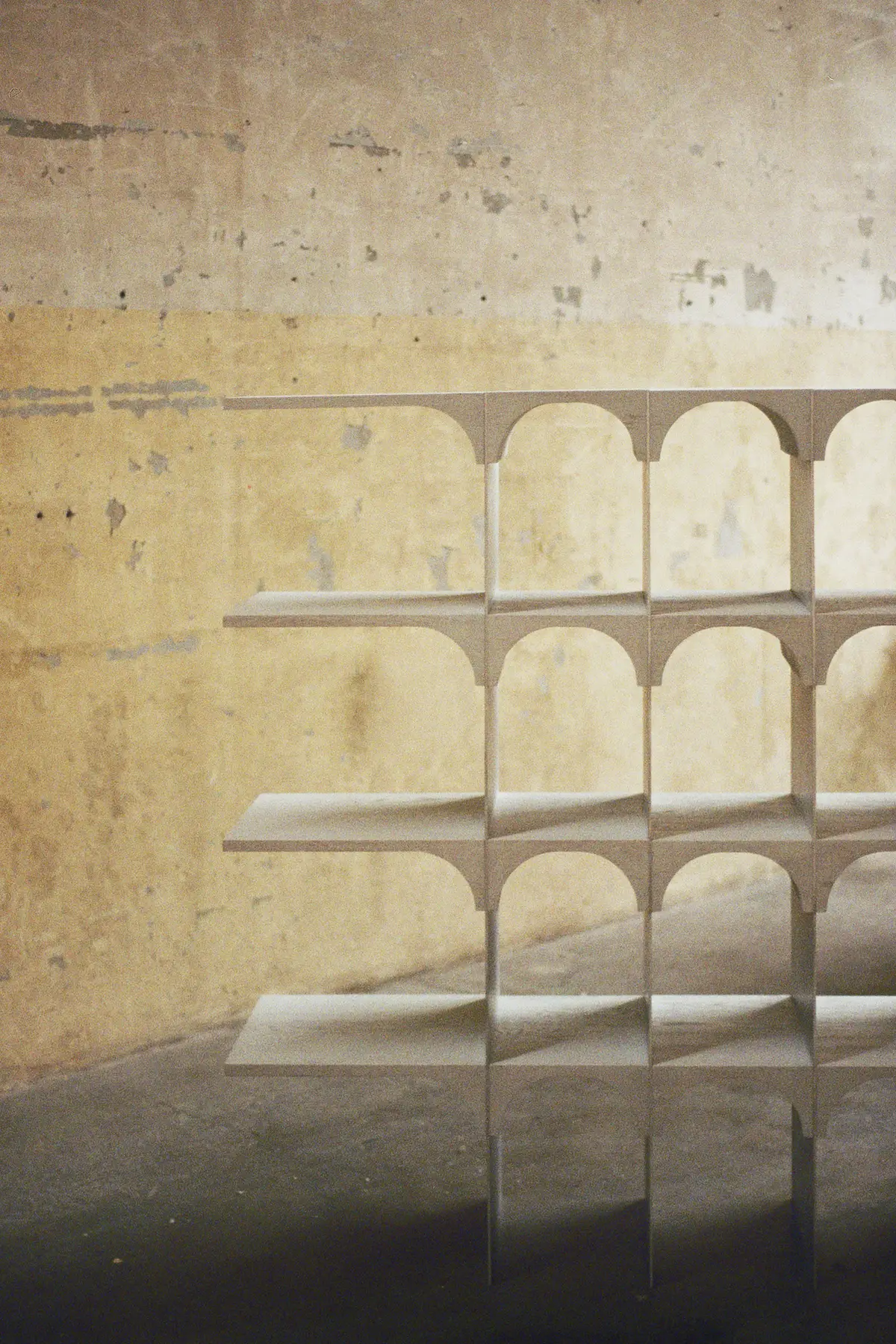
The domestic scale also featured prominently. At CASA NM3 on Via Carlo Farini, a sequence of four rooms divided by movable partitions — echoing the spatial logic of Mies van der Rohe and Lilly Reich’s Velvet and Silk Café — housed updated versions of the NM25 and NM26 storage systems alongside new kitchen and desk elements. At Brussels House, the exhibition From Matter to Meaning traced a three-part arc from raw substance to sustainable outcome, drawing on Brussels’ design community. At casa OZ, interior designer Anna Orlenok opened a transformed ringhiera apartment to the public, placing natural materials and craft in dialogue with works from ADD-Art Gallery.
ZonaK: Where Isola Looked Forward, Not Back
While Fabbrica Sassetti anchored the edition in industrial memory, ZonaK pulled in the opposite direction. Two projects defined the space.
Archivi Futuri, co-curated with Pietro Petrillo, imagined what archiving could look like beyond 2050 — not just for objects and materials, but for knowledge, traces of daily life, and the intersection of craft with artificial intelligence. It was one of the most speculative and genuinely thought-provoking contributions of the week.
Rising Talents, meanwhile, continued one of Isola’s most consistent commitments: creating visibility for students, recent graduates, and emerging designers who haven’t yet found footing in the main circuits. The two programs together made ZonaK a counterweight to the rest — less about looking back at what Isola has built, and more about what comes next.
From Milan Neighborhood to Global Platform: A Decade of Isola’s Growth
Isola began where many independent design projects begin: in a gap. When the first edition launched, access to spaces during Milan Design Week was limited and expensive for studios operating outside the established commercial circuits. The festival positioned itself as an open platform, embedded in the neighborhood rather than imported into it.
That origin story is worth keeping in mind when reading the current scale of the operation. Isola Design Group now runs the Isola Design platform from both Milan and Dubai. Since 2024, it also operates Isola Studio, a consulting branch working with brands and organizations active in design. The festival itself has appeared at Dutch Design Week in Eindhoven, Dubai Design Week, London Design Festival, Tanween in Saudi Arabia, and Design Democracy in India.
The opening of Isola Space in Dubai marks perhaps the clearest sign of how far the model has traveled. Milan remains the place of origin and public presence. Dubai introduces something different: a permanent space, not tied to the calendar of design weeks, conceived as a continuous meeting point for local and international practitioners.