The house carved into the Amalfi Coast between Praiano and Positano
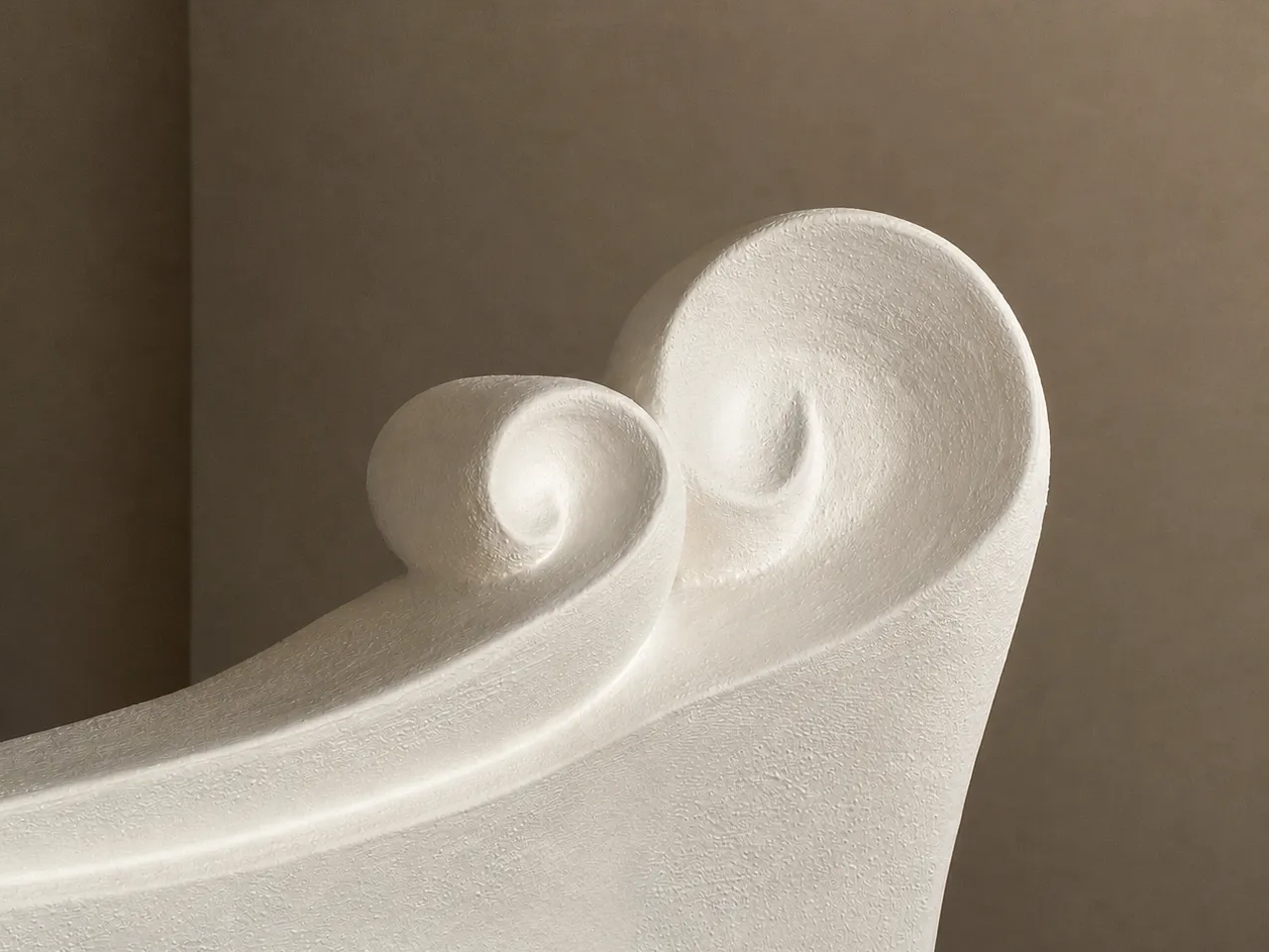
Born as a home carved into the rock, Piccolo Sant’Andrea is curved lines and arches that generate points of observation — an evolving presence in the hotel landscape of the Amalfi Coast
Architecture carved into the Amalfi Coast: Piccolo Sant’Andrea between Praiano and Positano
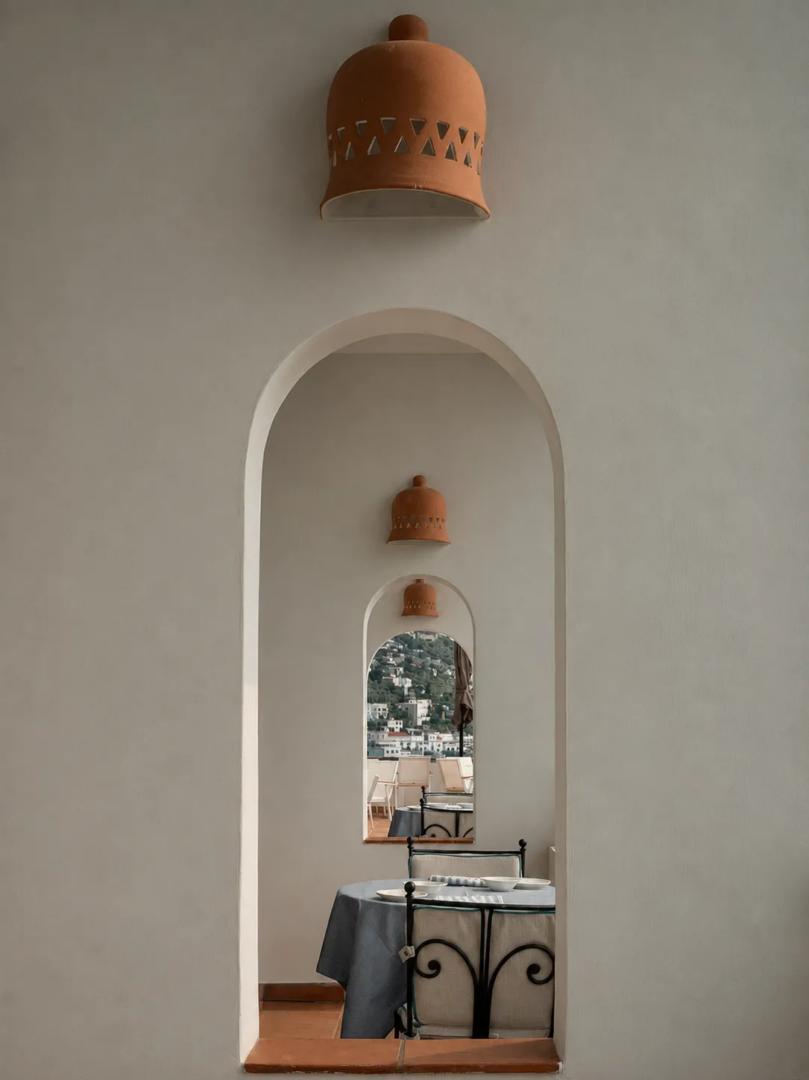
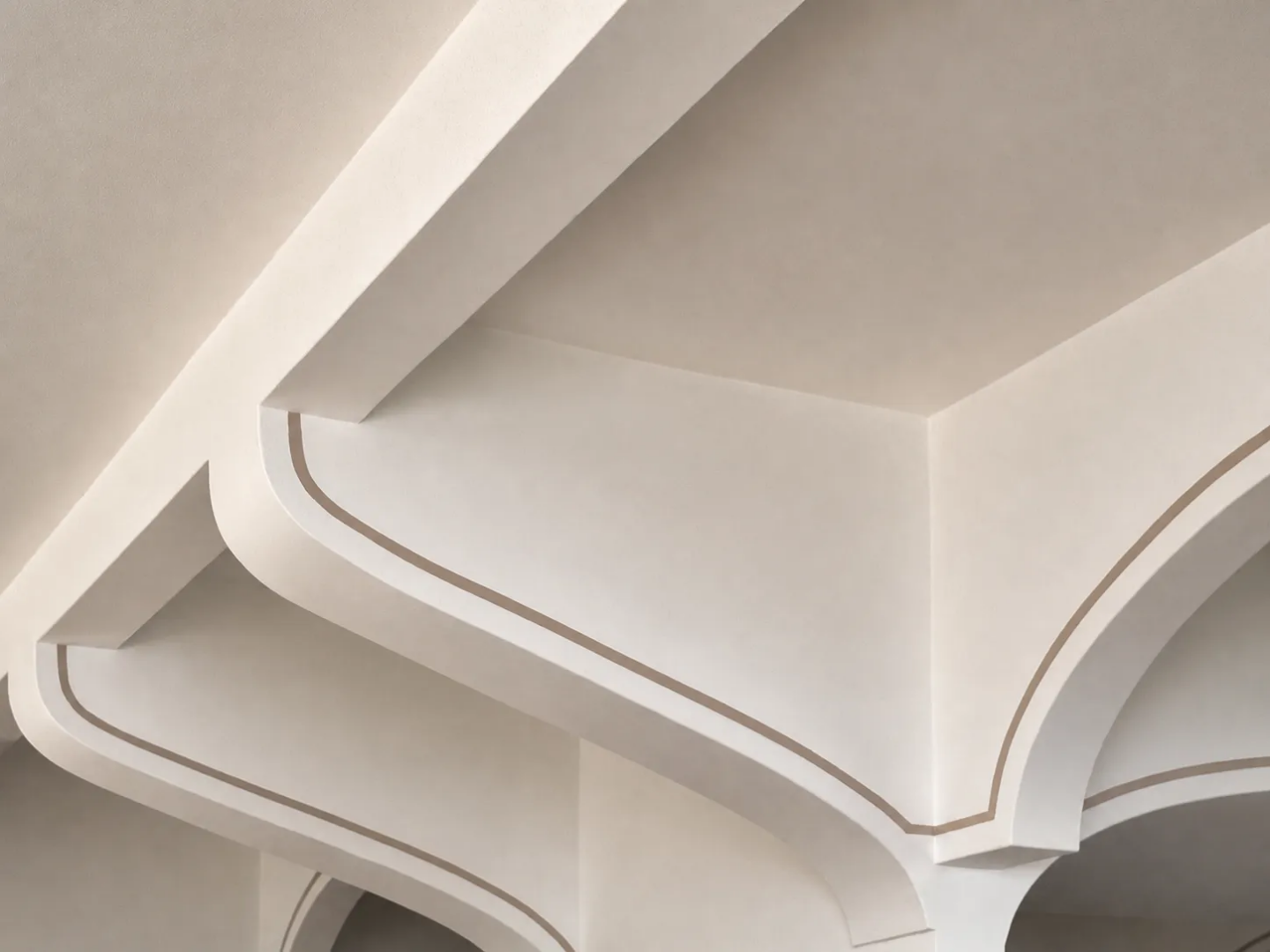
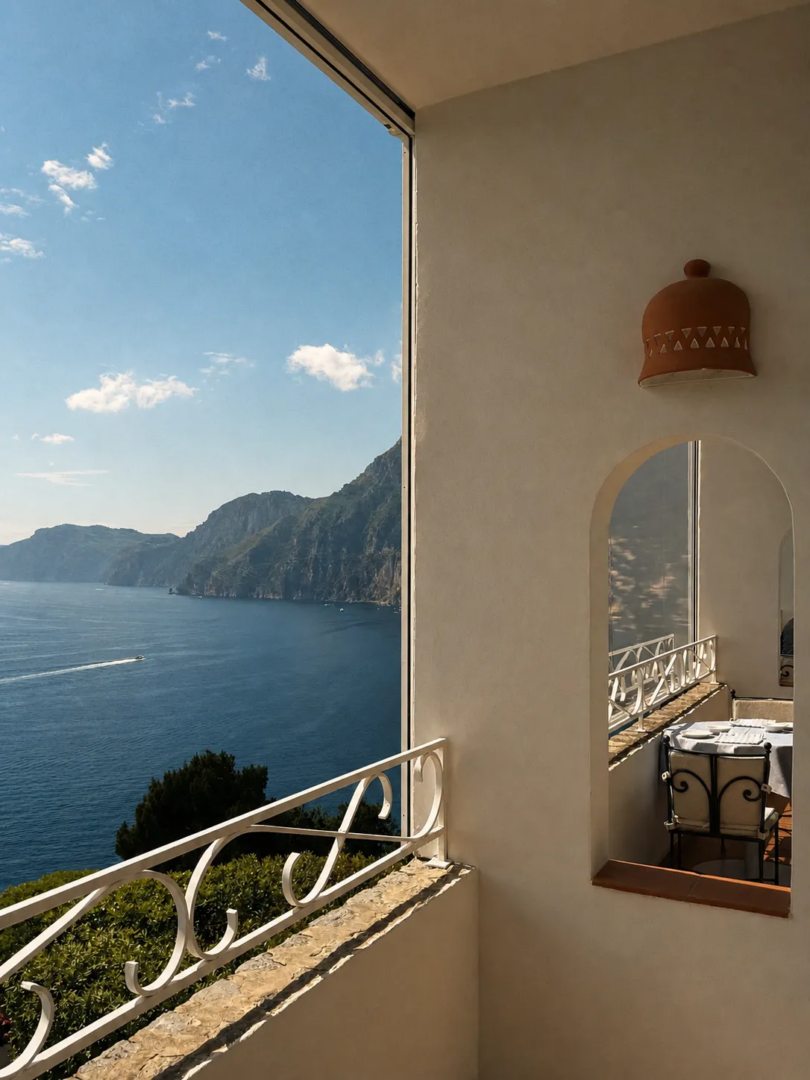
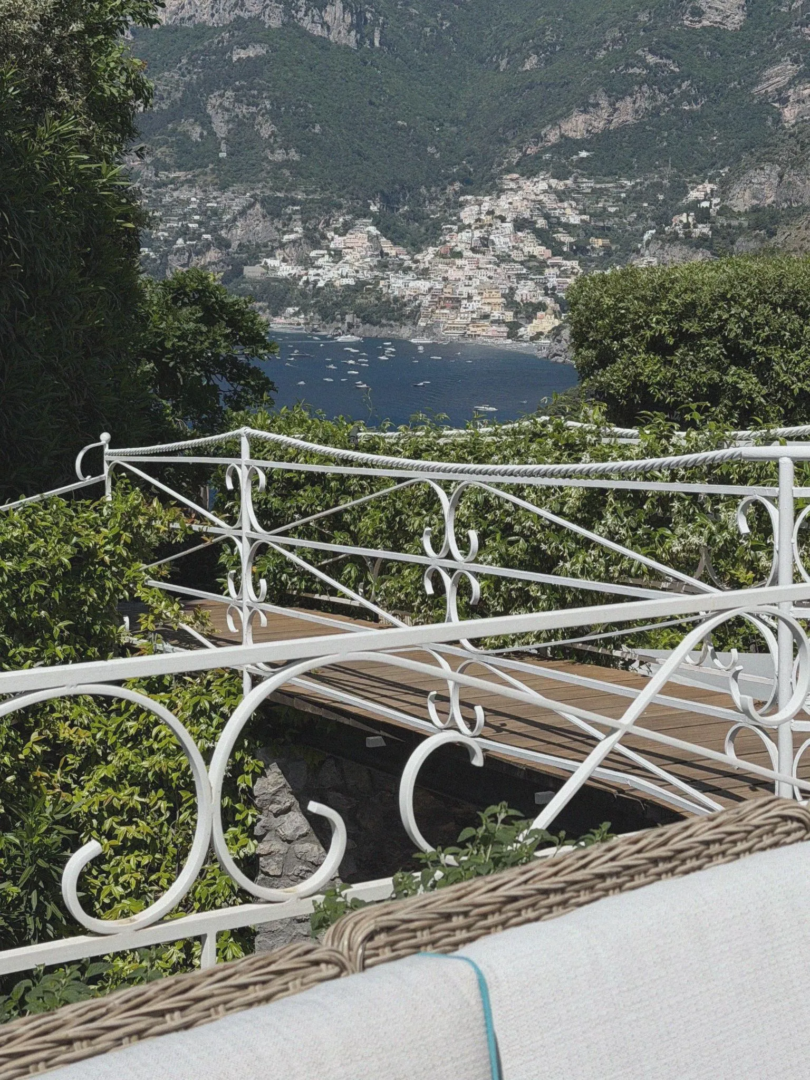
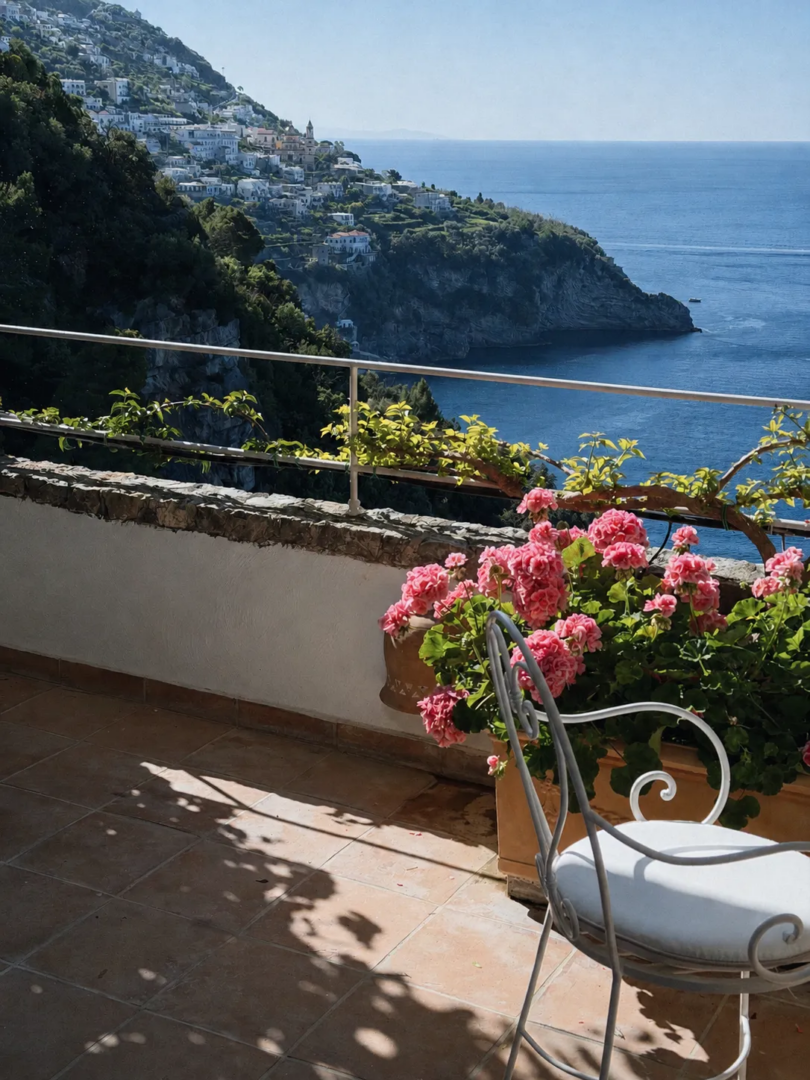
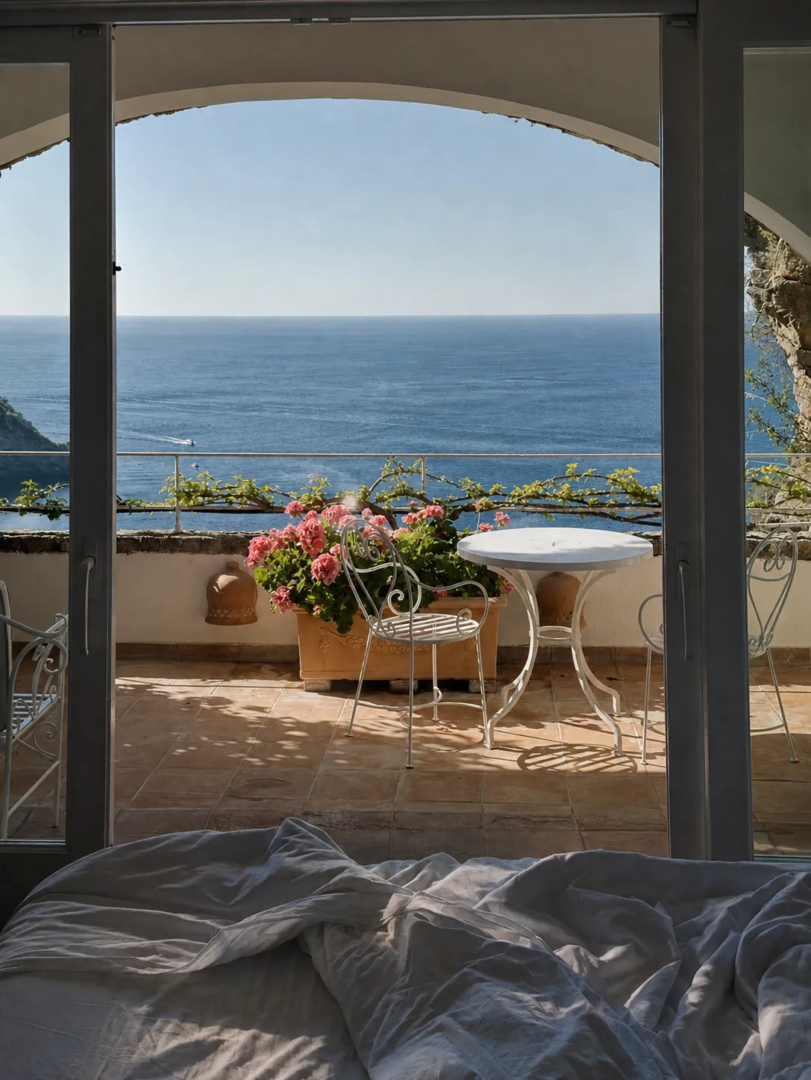
The Amalfi Coast is built on curves. The road bends with the cliffs, the terraces cascade in staggered layers toward the water, and every house is the outcome of a negotiation with the slope — each wall holding back roots and memory. Piccolo Sant’Andrea follows this logic. Positioned on the Pietra Piana promontory just outside Praiano, the structure wraps around the rock, and the rock shapes it back. Arches frame the sea. Curved pergolas collect the light and direct the eye. Each terrace becomes an observation point — Praiano to the left, Positano to the right, Capri straight ahead, the Galli Islands suspended somewhere in between.
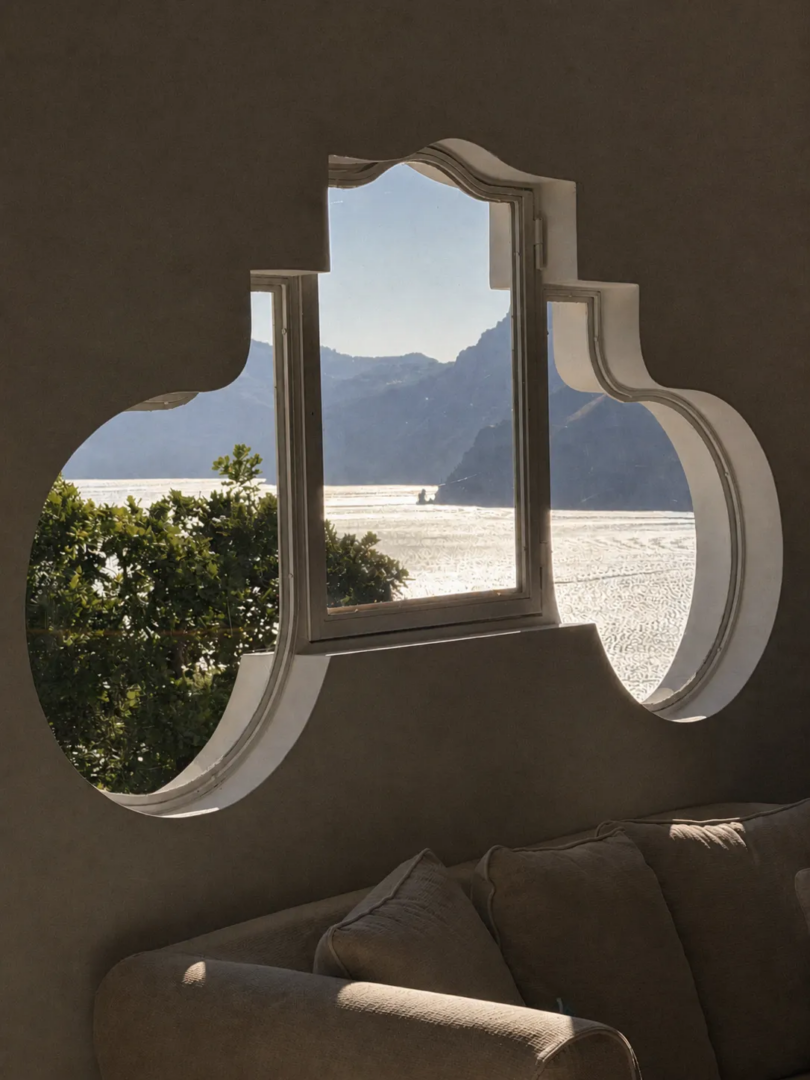
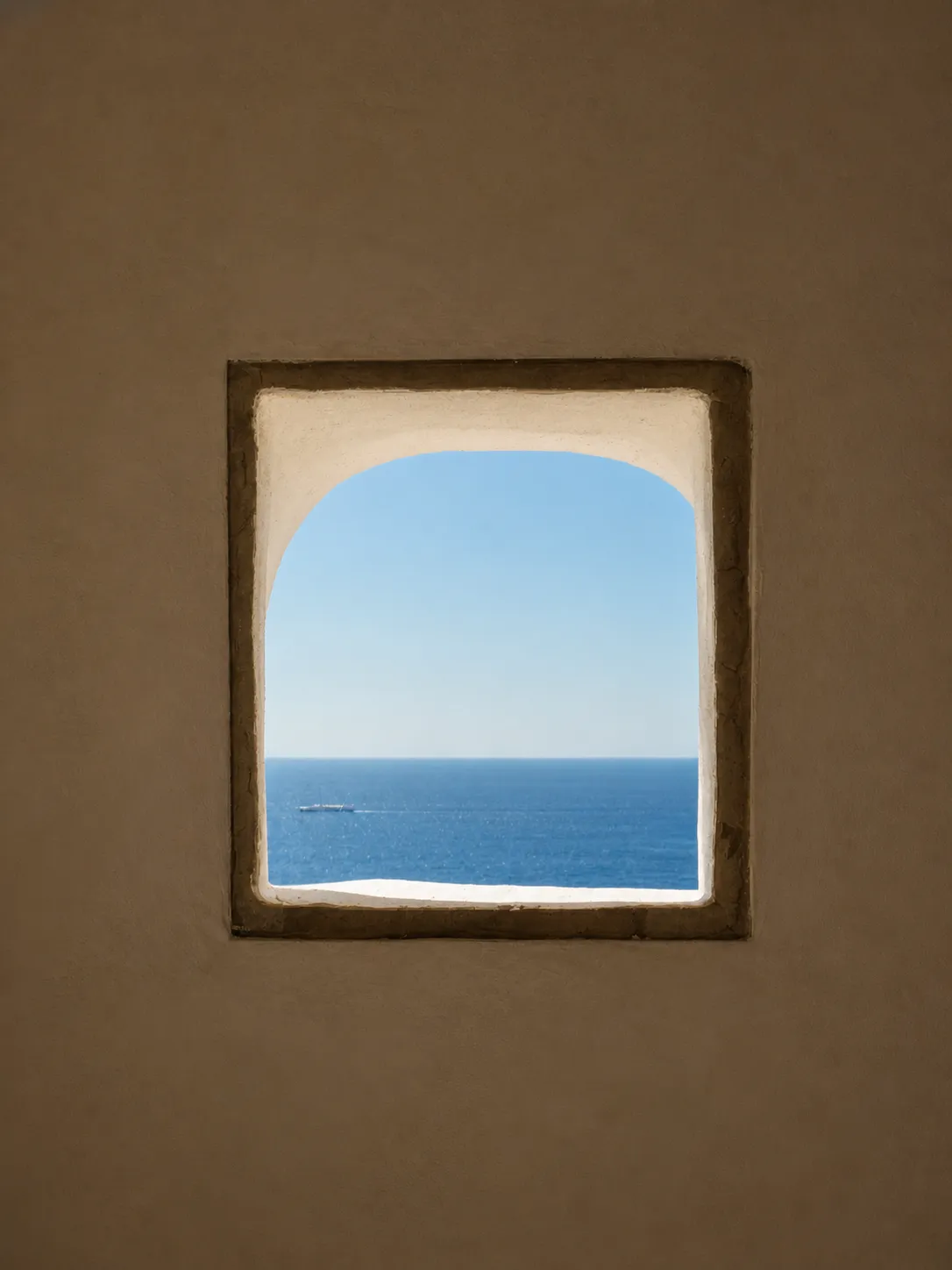
The same grammar carries through to the interiors: arched doorways and rounded alcoves soften the transition between spaces. Windows cut at unexpected angles open onto the landscape mid-corridor, mid-staircase, mid-thought — a glimpse of blue where a wall might have been. The geometry is fluid throughout, as if the building had absorbed the coastline’s own reluctance to go straight.
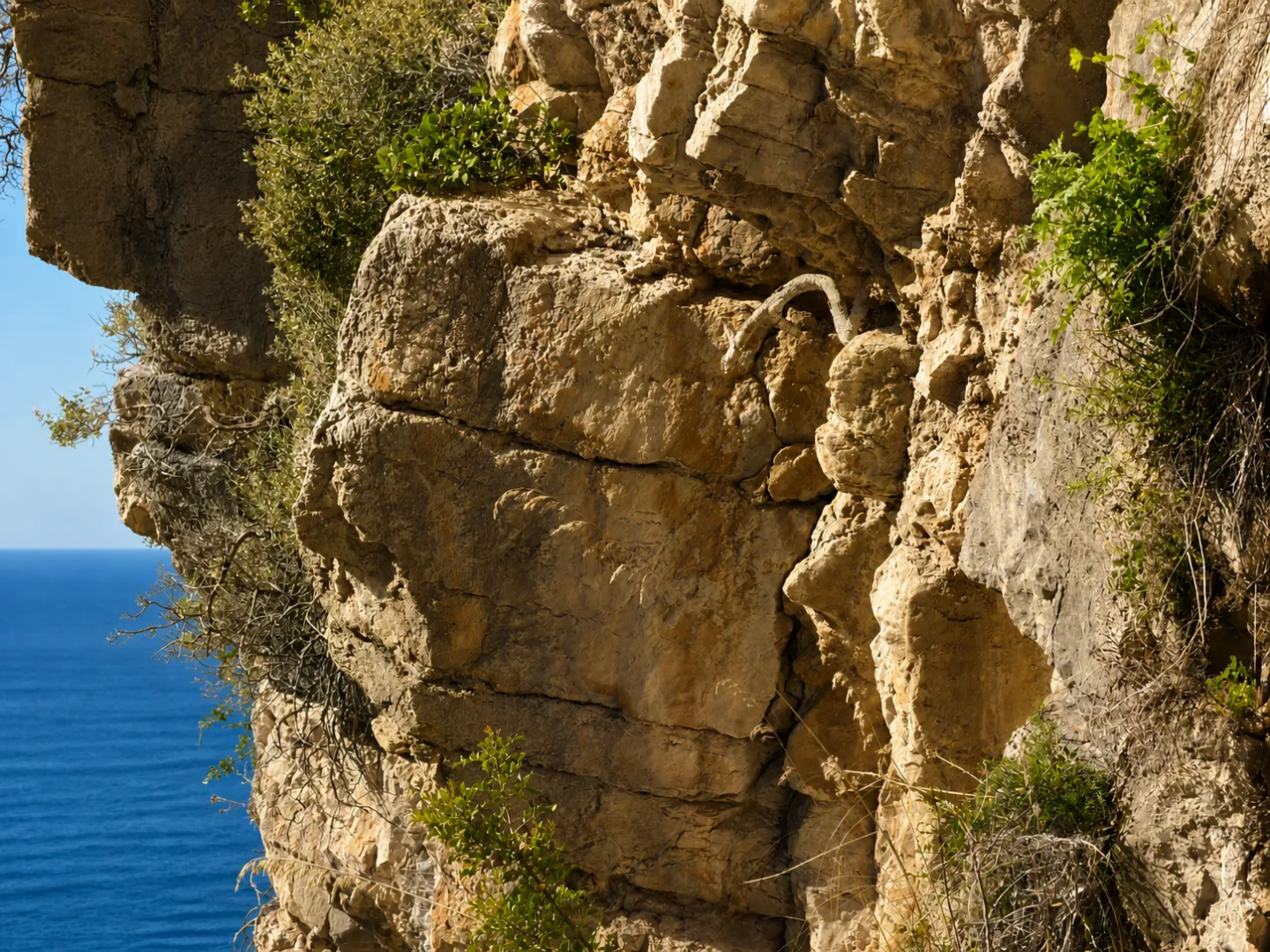
From the water — always the most revealing angle on this coast — the hotel barely raises its voice. Dry-stone walls, Mediterranean vegetation, the facades layered into the hillside: the volumes follow the contour of the slope so closely that the structure and the rock read as a single thing. That quality of restraint goes back to the origins of the place, and those origins explain almost everything.
From private villa to five-star hotel on the Amalfi Coast
In the 1970s, Odino Sartori — a Venetian entrepreneur — came to the Amalfi Coast and found himself standing on this promontory. He decided to build a home. A Mediterranean retreat where his family could return every summer and inhabit the coast on their own terms. For decades it remained exactly that. In 2017, his four children — Igea, Bruno, Elvio and Francesco — opened the family inheritance to guests. Five stars, twenty-seven rooms and suites, a scale kept intimate: even at full occupancy, the place feels quietly inhabited. It is a small grand house, and everyone inside it finds their own alcove, their own corner of it.
That sense of private ownership runs through the structure at every level. The irregularity of the internal pathways, the variety of orientations, the way each room holds a distinct relationship with the landscape outside — all of it traces back to a building that was lived in before it was ever managed. In a conventional hotel, a room is a module, reproduced with minor variations along corridors designed for efficiency. Here, a room is a consequence of its location: some face Positano, others look toward Praiano, others open onto
Venetian design meets Mediterranean architecture on the Amalfi Coast
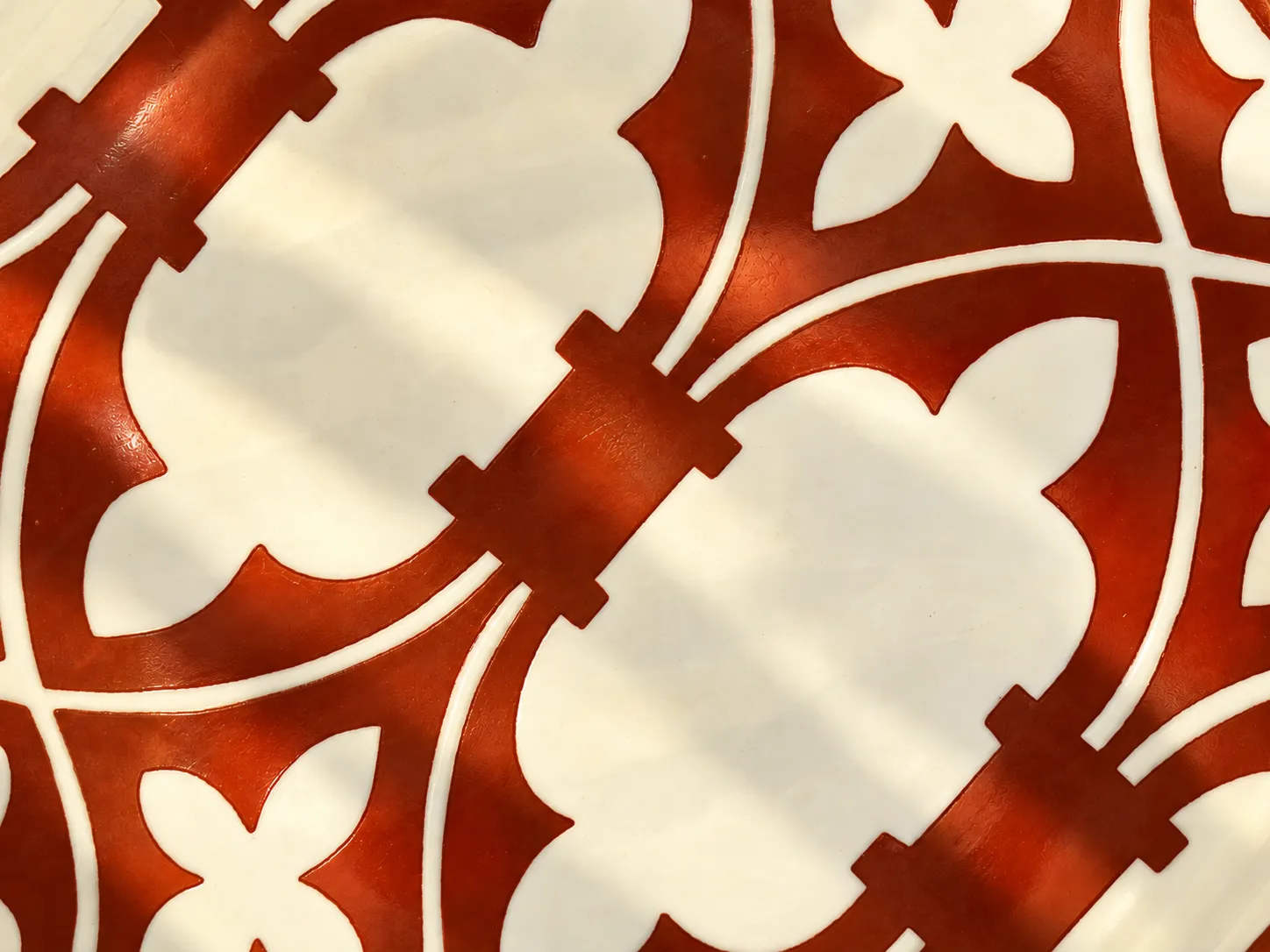
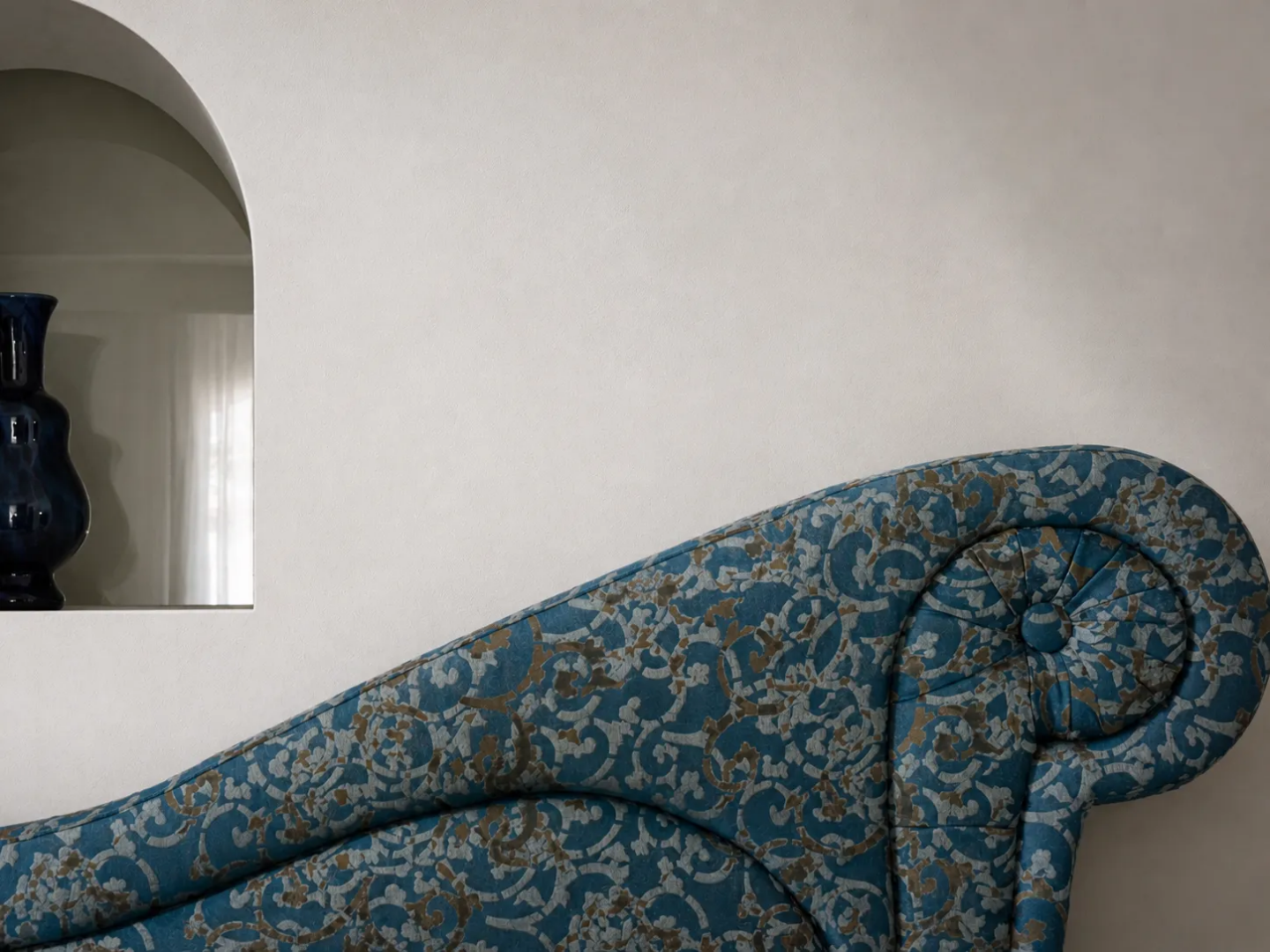
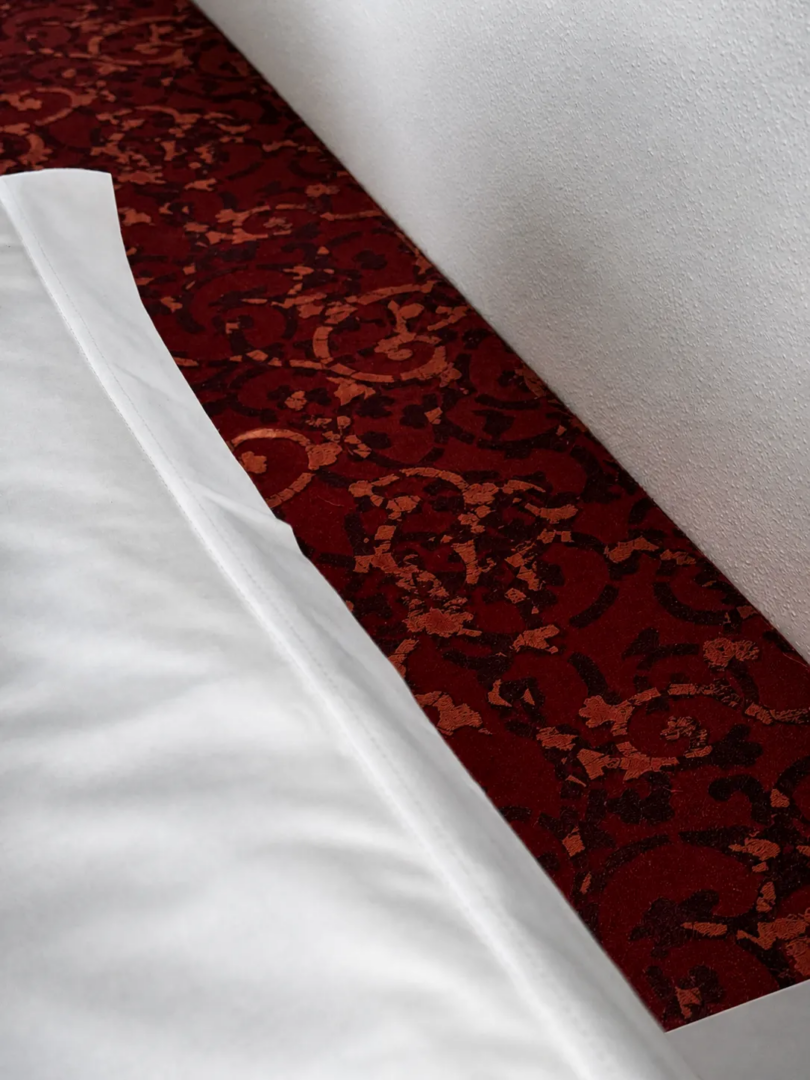
The Venetian origins of the founders enter the hotel in a quiet but recognizable way. Rubelli fabrics, Bisazza mosaics, chromatic choices that sit outside the conventional Mediterranean palette — traces of another culture of domestic life, carried south and set down on a Campanian coastline.
Suite Odi — dedicated to the founder, facing Positano — holds this duality most clearly. The palette is white throughout, but white on this coast is an active surface: sharp as chalk in the morning, absorbing warm orange at dusk, pulling back into shadow after dark. Against that shifting ground, the Bisazza mosaic lining the bath-pool introduces reflection and fragment, and the Rubelli fabrics in a peacock pattern bring the weight and intricacy of Venetian textile craft.
Suite Igea, dedicated to the family’s only daughter, works on a different frequency. Facing Capri, with a jacuzzi on the terrace and an unobstructed line to the horizon, it is dressed in coral, orange and cardinal violet — the colors of late afternoon in Praiano, when the light flattens across the water and the landscape tips toward the improbable.
The Venice connection extends to the art. Ravagnan Gallery — Piazza San Marco, in business since 1962 — curates the works displayed throughout the property, all available for purchase. Among them, Giorgio Tentolini’s compositions in layered tulle and wire mesh, where figures shift with the light and the distance of the viewer, and the post-surrealist canvases of Andrea Vizzini, painter and sculptor, whose work draws from classical mythology.
Wellness spaces on the Amalfi Coast: Piccolo SPA and infinity pool
No two spaces are alike. Just as the curves of the building keep generating unexpected geometries and sightlines, each room arrives at its own solution. Things move, objects change, every off-season becomes an opportunity to make the house a little more itself. Piccolo Sant’Andrea closes around the beginning of November, and that is when the work begins.
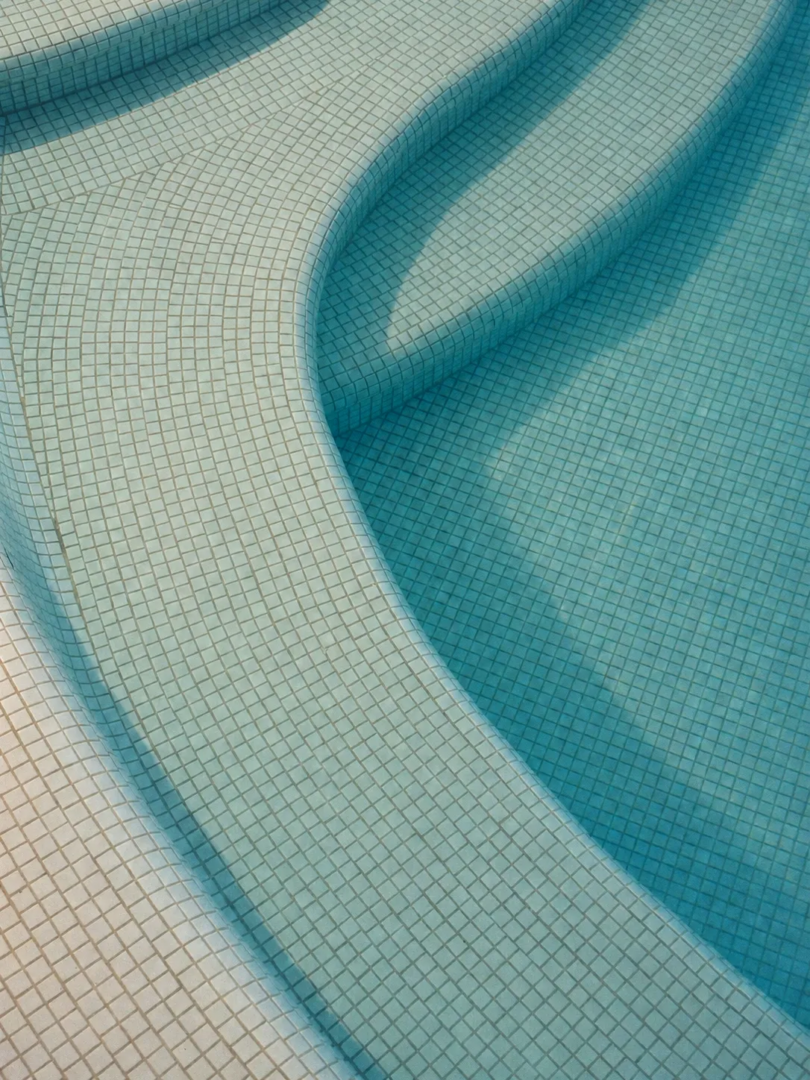
Movement is a constant here. The structure unfolds across roughly five levels — guests go up, come down, cross terraces, pass through gardens, corridors, stairs. The Piccolo SPA works on the same intimate scale as the rest of the hotel: heated indoor pool lined in Bisazza mosaic, sauna, Turkish bath, emotional shower, treatment cabin. One side opens toward the vegetation outside, with a small area for sunbathing. The Infinity Pool — an overflow edge, open from June through September — looks out over the water. The Vitality Garden sits under a gazebo in the green, with equipment for outdoor training.
Pietra Piana Restaurant, overlooking Positano
The Pietra Piana Restaurant — named after the promontory on which the entire project stands — opens in the evening with a view of Positano. The kitchen is led by chef Pietro Rossi. The tasting menus carry the family names: Odino, a surprise driven by the day’s inspiration, alongside Piccolo and Pietra Piana.
A few dishes worth noting. Among the amuse-bouches, a sphere of provola made from the whey left over from the morning’s fresh cheese: a by-product turned into something precise and telling. The fusilloni with cuttlefish ragù — finely sliced raw cuttlefish on top, burnt lemon powder. Everything is made in house, from the bread to the desserts.
During the day, the Garden Bistrot handles the lighter end. The Panorama Bar, overlooking Praiano, is the aperitivo hour.
Matteo Mammoli