How much it costs to make an image, and who pays for it
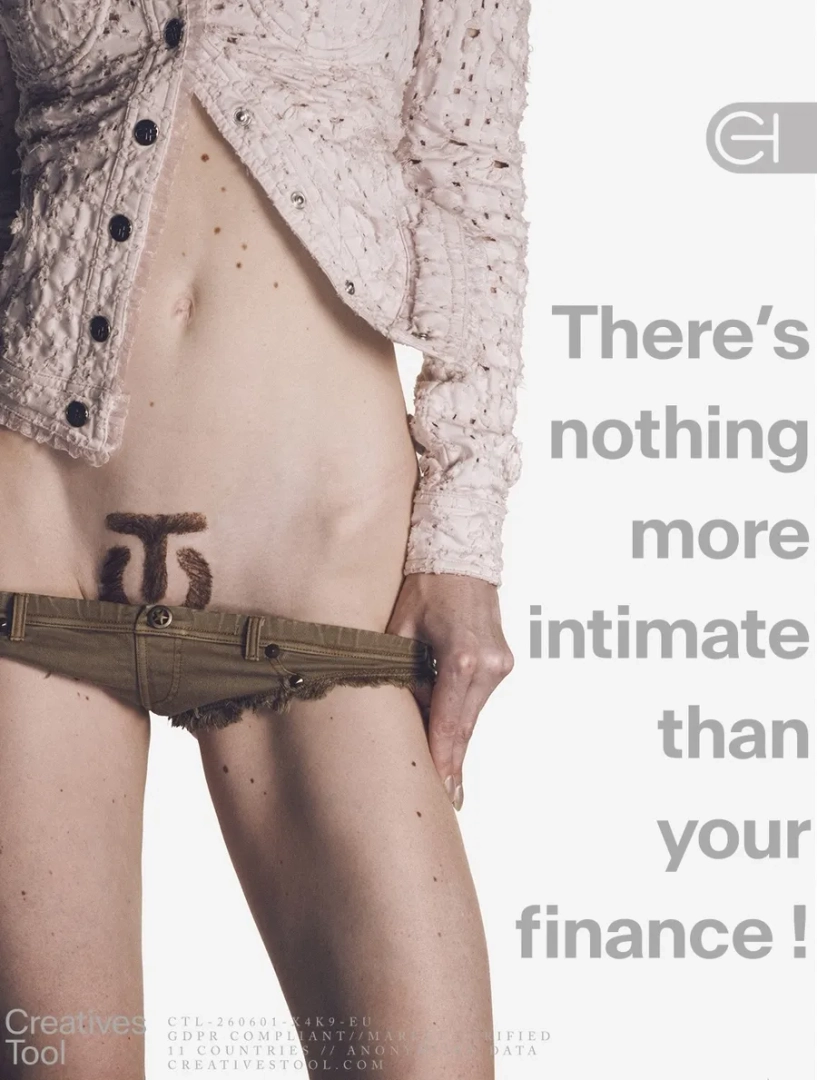
Thirteen years in fashion led Voranger to build Creatives’ Tool: it takes rates anonymously and returns median figures by brand, profession and years of experience. A photographer can look up what to charge
Natacha Voranger: «The idea was to create a tool where everyone contributes anonymously and the data is analyzed collectively — median rates, by brand, profession, years of experience»
Natacha Voranger built a platform on rates
The industry is saturated with creative professionals. A growing number of fashion creatives have begun to extend their practice past the established roles, applying skills developed within fashion to other fields and other forms of production. The movement runs back and its scale is becoming harder to ignore.
Voranger spent years working as a stylist before expanding beyond traditional fashion roles. She founded Creatives’ Tool, a platform designed to improve transparency around working conditions across the creative industries.
Freelance day rates in fashion photography: what a shoot costs in 2026
Freelance day-rate growth in the creative industries slowed to 1.2 percent in 2026. Permanent salaries rose 1.7 percent. Both sit below the market average, according to the Creative Industries Census, published by Major Players in April 2026. In Paris, a produced shoot day in fashion photography runs €4,000 to €7,000. The photographer’s fee accounts for €1,200 to €1,500. Stylists on the same jobs bill €300 to €700 a day. These are the figures Creatives’ Tool collects.
Racing to the bottom: why Natacha Voranger built a database of creative rates
NV: I’ve worked in fashion for thirteen years. Fashion creatives are racing to the bottom, rate-wise. Every year it gets less. Newcomers don’t know their value — they want to be active, so they accept whatever comes. They sell their skills for less than they should, and it impacts the ecosystem.
Bectu’s Big Survey of behind-the-scenes workers, fieldwork conducted in 2025, records 82 percent of freelancers describing their work as precarious. Confidence about the future in the sector stood at 24 percent.
Agency employment fell 6.8 percent: the market a rate database measures
Employment across UK creative agencies fell 6.8 percent year on year in 2025. Creative and non-media agencies contracted 14.3 percent, according to the IPA Agency Census, published in February 2026. In fashion, 38 percent of respondents reported layoffs over the same year, and 56 percent were looking for a new job, according to Fashionista‘s 2026 survey of the fashion workplace.
Saturation and normalized underpricing: fashion schools expanded faster than the industry
NV: Fashion schools have expanded faster than the industry. Young professionals enter a market already saturated, competing for a limited number of positions. Where access depends on exposure and networking, creative labour becomes difficult to protect. As more creatives compete for the same opportunities, rates fall. Underpricing becomes normalized.
Creatives’ Tool: median rates by brand, profession, and years of experience
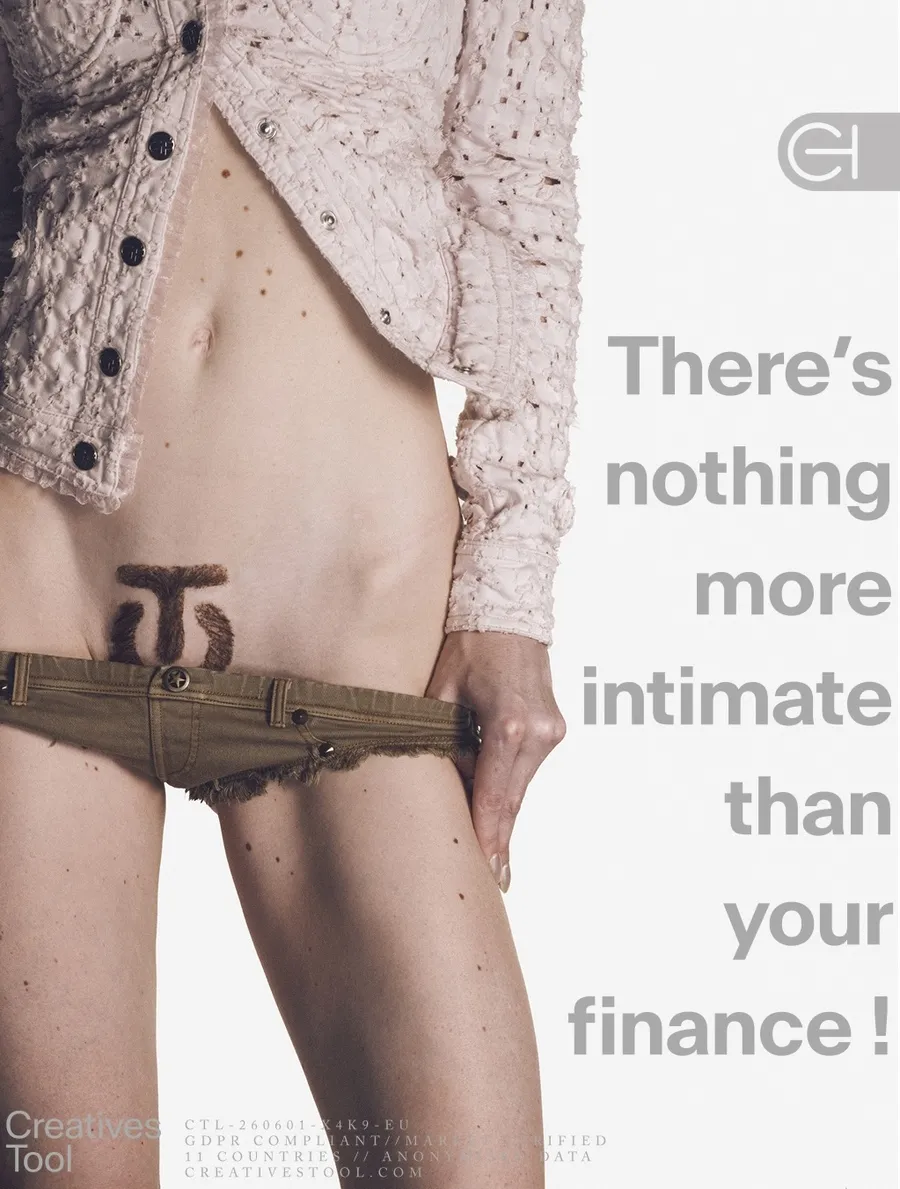
NV: The idea was to create a tool where everyone contributes anonymously and the data is analyzed collectively — median rates, by brand, profession, years of experience. A photographer with ten years of experience can look up what they should be charging and ask for that instead of accepting less. That’s Creatives’ Tool: what creative work is worth, based on data.
The EU Pay Transparency Directive set June 2026 as the deadline for transposition into national law. It requires pay ranges in job advertisements and gender pay-gap reporting from employers with 100 or more workers.
A system under pressure: how social media unpaid the editorial
NV: Looking at fashion today, it needs change; it’s outdated. The system was solid in the past. Magazines worked closely with brands, and creatives were commissioned to produce editorials. Social media changed the dynamic. People started buying fewer magazines, while the production of editorials continued. Working on these projects became almost unpaid. You would even invest your own money into magazine production with no guarantee of success. The pressure created by this acceleration runs past the economic; it changes how creatives judge where their time and skills are best invested. For some, the question has stopped being how to remain within the existing structure, and become how to apply the creative instincts developed within fashion elsewhere.
Devaluation of the image: one operator, one prompt, no team
NV: The fact that images are everywhere and easy to produce with AI implies a devaluation of the image. The fashion industry was built on creating images. To create an image, you needed a photographer, a set designer, a team of talent. That’s why the image had a value and a cost. You couldn’t have it for two euros because you needed to pay all these people, the studio, everyone involved. Now, since you can create an image with a tool, the value of an image is decreasing because you don’t need all those people anymore. You just need one person who knows how to use AI. The image itself loses value because it’s everywhere.
Fifty-eight percent of photographers lost commissioned work to generative AI
Fifty-eight percent of photographers have lost commissioned work to generative AI, according to a 2026 report on AI in fashion photography. The report puts income loss at $34,900 a year per photographer. AI platforms generate on-model fashion imagery for $0.05 to $5 an image, against $80 to $150 an image for a shoot. The report cites brands that cut photography budgets from $42,000 to $8,400 after moving to synthetic imagery.
AI can produce the image, but not the knowledge that precedes the prompt
NV: With AI, the image has lost its value within the system — human creativity still carries it. If you don’t have references, if you don’t do research, the AI images you produce will be poor. The best AI artists know their references. You still need to go to the library, go to museums.
I told my intern: you already have all the tools. You just need a good idea. If you can prompt well enough, you can create an image. The challenge is finding your own vision.
Creatives’ Tool as an extension of a practice inside fashion
NV: Creatives’ Tool is an extension of my practice in fashion. I still work in fashion, from another angle. The platform is built for the people I work with — all creatives in fashion. It comes from someone inside the industry who has experienced it firsthand.
Fashion as a method: the skills that transfer once the medium changes
NV: Stylists don’t realize how transferable their skills are. The job requires organisation — coordinating people, objects, timing, logistics. Those skills can be applied anywhere.
Natacha Voranger
Natacha Voranger has worked in fashion for thirteen years. She founded Creatives’ Tool, a platform designed to improve transparency around working conditions across the creative industries, where contributors submit rate information anonymously and the data is analyzed collectively into median rates by brand, profession, and years of experience.
Susanna Galstyan