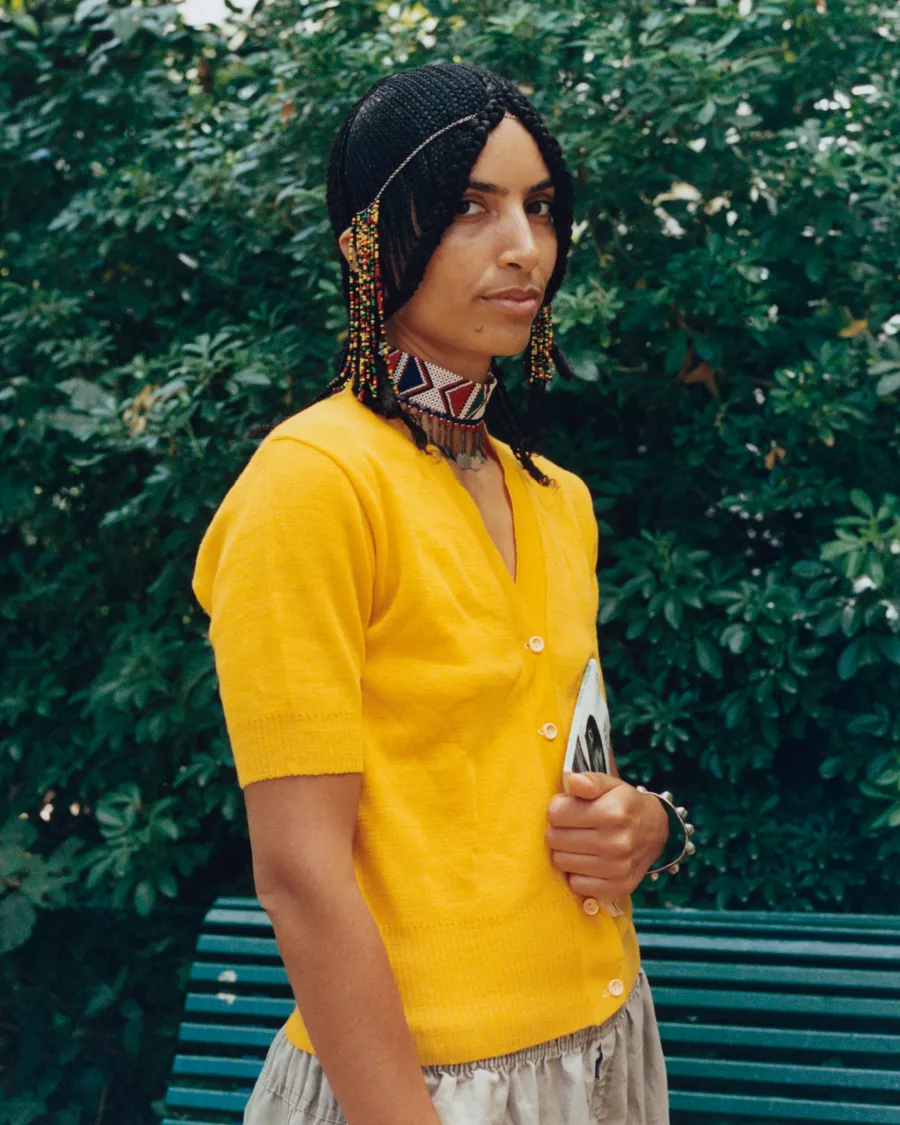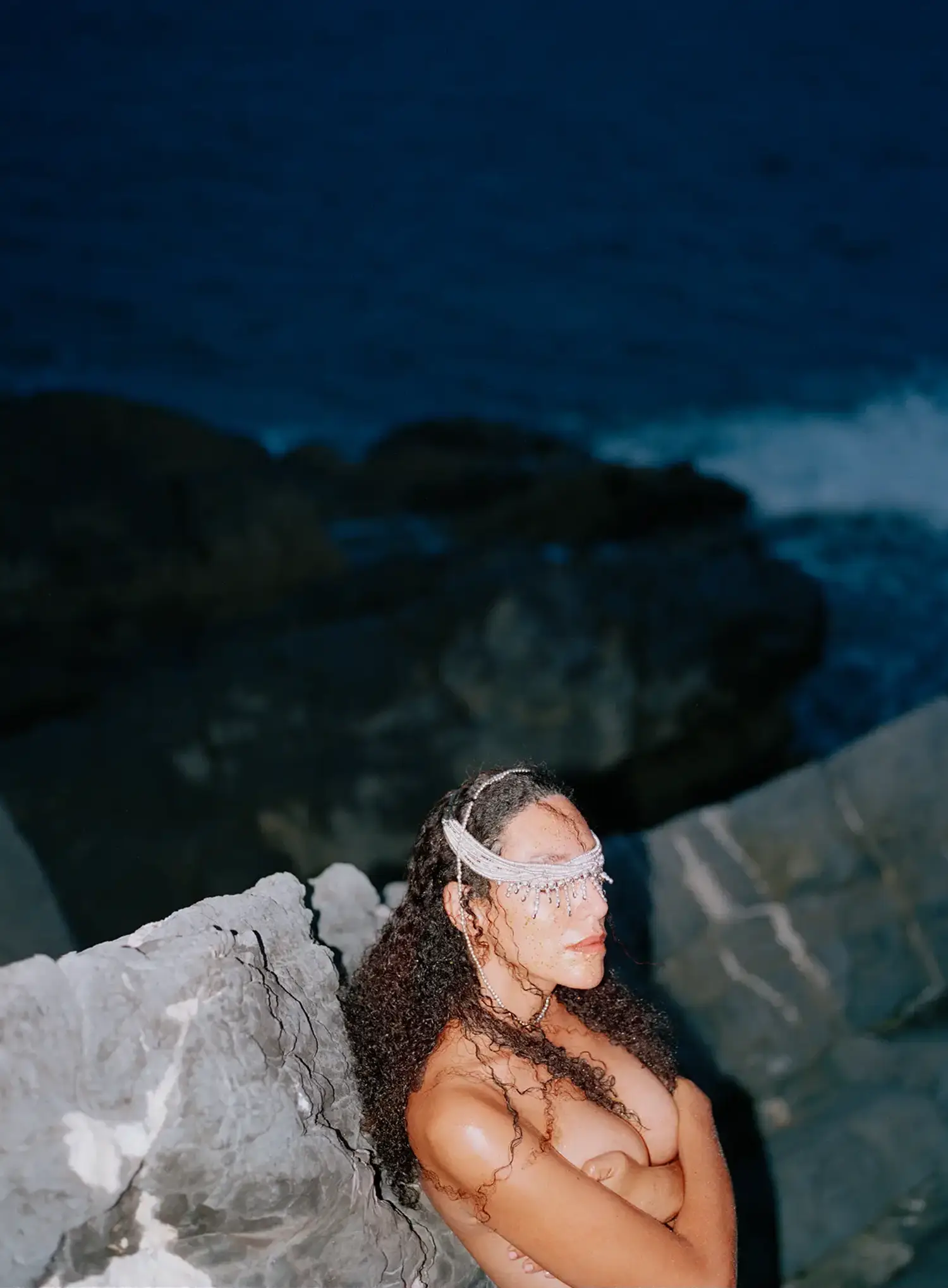
Fashion, activism, the world’s debt to Black women – an interview with Lea T
From the Givenchy campaign to life between Genoa and Brazil – transition, racism and the limits of inclusivity in the fashion system
Lea T, beyond fashion: the activism of Leandra Medeiros Cerezo
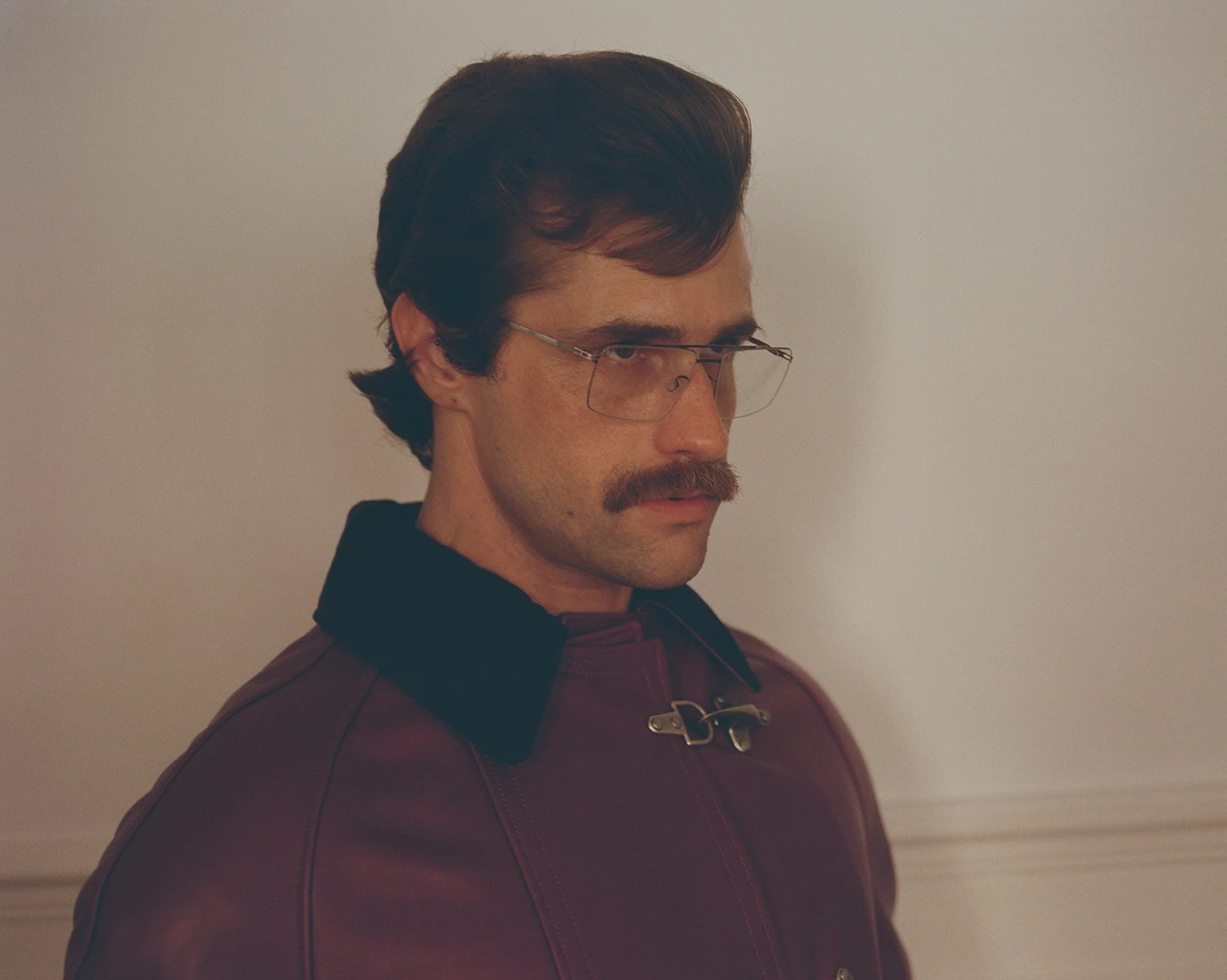
In 2010 her face appears in international campaigns and on international runways. Riccardo Tisci, a long-time friend, chooses her for Givenchy’s autumn-winter campaign. She is photographed by Mert Alas and Marcus Piggott. Lea T, legal name Leandra Medeiros Cerezo, was not the first transgender model in history. Before her came April Ashley, Tracey Norman, Caroline Cossey and Teri Toye, pioneers who made their way through a system that was often incapable of recognising them. With Cerezo, however, the presence of a transgender model in the image of a major international fashion house reaches a new level of visibility. Never before had a trans model, and a Black one, been entrusted with a leading campaign.
Today fashion is still part of her life, but it is no longer the centre of it. The T that follows Lea in her name is a tribute to Tisci, who stood by her at the pivotal moments of her transition. They already knew each other before that journey began: it was he who gave her her first pair of women’s shoes to wear. Cerezo now appears in MAX&Co.’s autumn-winter campaign, but when she talks, the discussion soon moves elsewhere. Politics, biodiversity, animals, art, travel, racism. The conversation breaks through the confines of her profession.
Lea T and fashion 15 years ago: when the world was still analogue
The first date set for this interview fell through. Cerezo had just arrived in Milan and found herself locked out of her home, “on the street, with a dog, a ferret and a lizard” in tow. A few hours earlier she had shared on social media the announcement of a Brazilian reality show devised by Luisa Marilac, a transgender YouTuber: ten trans women on a farm, among chickens and other animals. “I want to take part,” she had written. Two anecdotes that say a great deal about her.
Cerezo’s story, after all, does not begin with the dream of becoming a model. “I went to an arts high school, I wanted to do something completely different,” she says. Her interest in fashion came through the people she spent time with and a specific cultural moment: “It was the time of the Belgian design boom, of the Antwerp designers. There was a lot going on, it was full of fairly up-and-coming designers, a bit underground.” She moved in alternative circles and drew closer to that world without necessarily imagining that it would become her profession.
“We didn’t have Instagram, it was all word of mouth. You had to sneak your way into clubs, seek places out, you developed an eye for what was happening on the streets, in the neighbourhood. It was a world that was still analogue. You knew there would be people who could open up new visions for you. Being a model today is very different. It’s a job that is also very much tied to personality, and I’m a bit of a hermit in that respect. I had my rise, yes, but I’ve always been very shy by nature.”
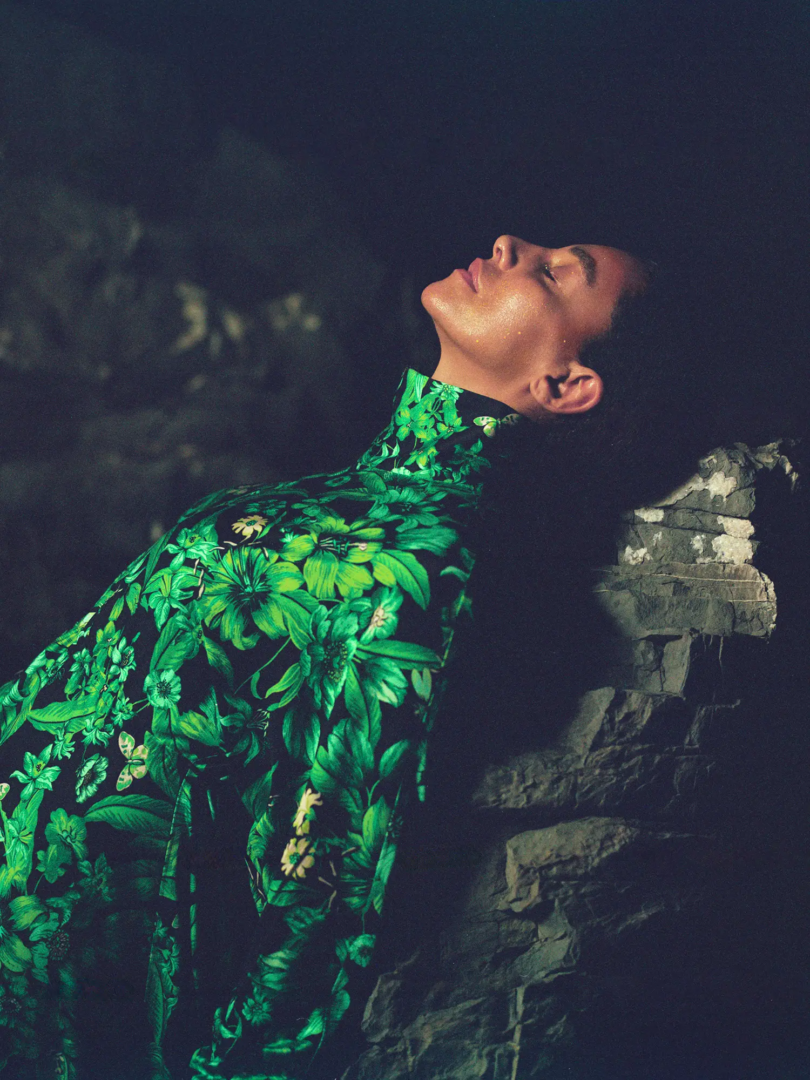
Lea T, the present in Genoa – far from the fashion capitals
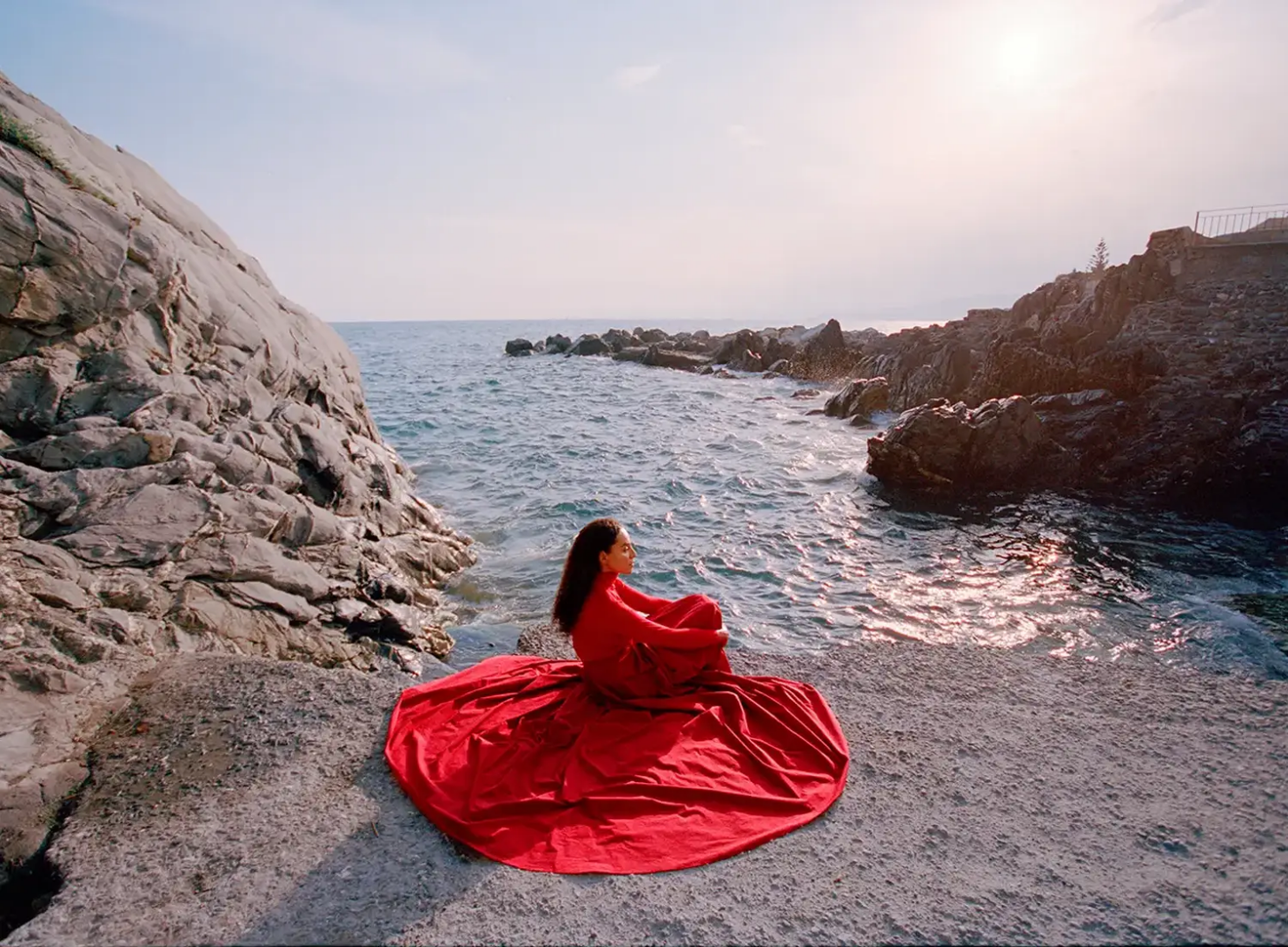
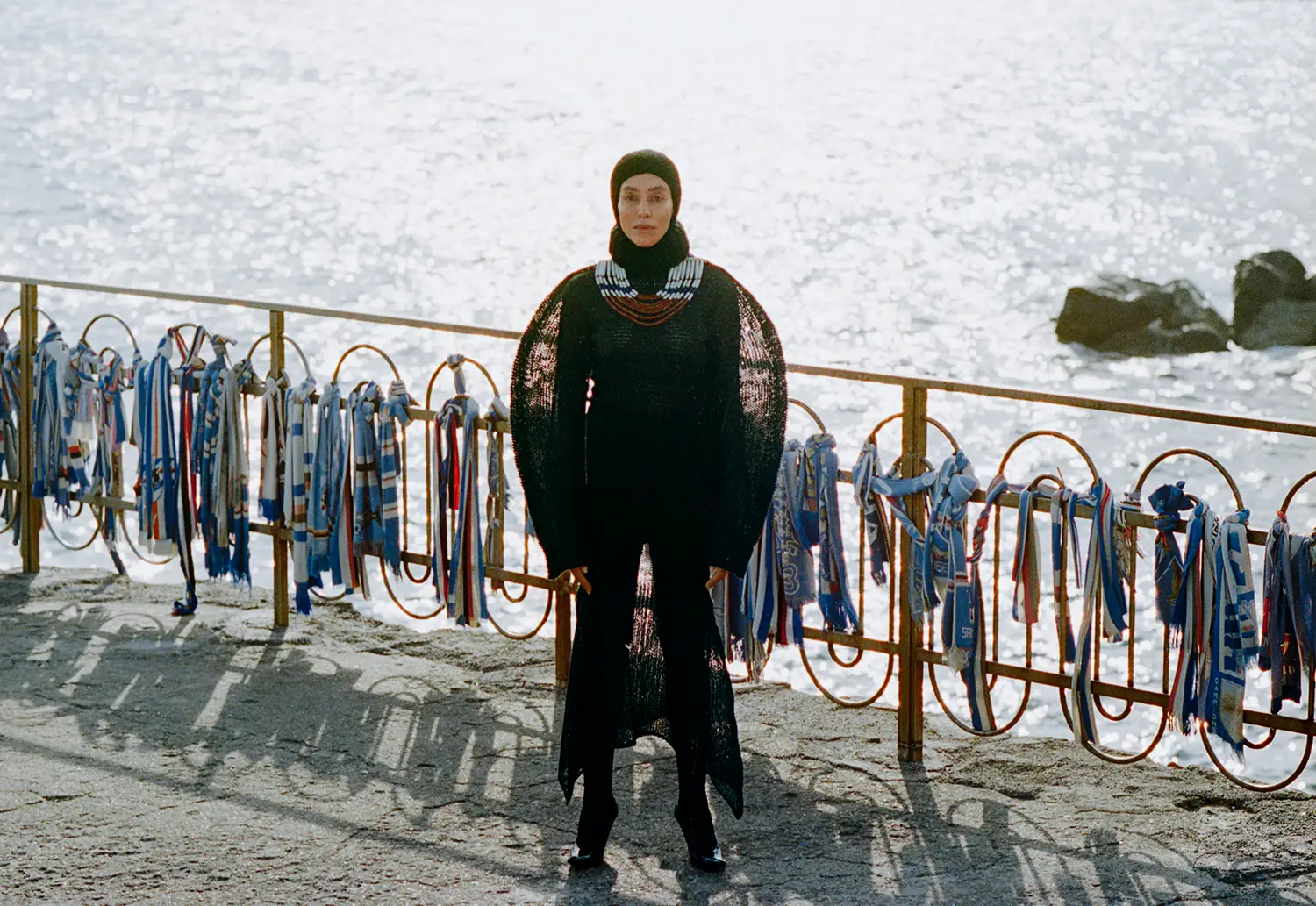
Today Cerezo is exploring other territories. It is not just a question of age: “Older models work in fashion now too, but in my position every plus is one plus too many. Everything carries a different weight.” In Milan she is taking a pattern-making course at the Istituto Secoli. She lives by the sea, in the Quinto neighbourhood of Genoa: the same city where she grew up. Born in 1981 in Belo Horizonte, she is the daughter of the Brazilian footballer Toninho Cerezo, who played in Italy for Roma and then for Sampdoria.
In Genoa she has found an environment different from that of the fashion capitals. “It’s a place with a lot of art and aesthetic sense, but you don’t breathe fashion the way you do in Milan, New York or Paris. You spend your everyday life with people who have no ties to that world. There’s this prejudice that the Genoese are closed people, but here, wherever you stop, you end up chatting with anyone, even in the middle of the street. In my opinion the Genoese are very welcoming, more so than the Milanese. That was kind of where I got caught out: I ended up staying there and never managed to leave again.”
A Catholic, traditionalist family – the time of transition
Cerezo often travels alone, sometimes in a camper van. Nomadism runs in her blood: her paternal grandfather was a clown. She knows her way around engines. In the past she has also spoken about possibly becoming a trainer of exotic parrots. She only cuts her hair at the full moon. An everyday life far removed from what one might expect of the face of Givenchy.
Her family’s Catholic, traditionalist upbringing affected Cerezo’s path to transition, making it harder for her – and delaying – the moment when she could confront her own identity: weighing on her was the fear of causing a scandal and of facing her parents’ reaction, which in the end turned out to be positive. For Cerezo, the transition, which she would have liked to undertake earlier, was a journey of self-recognition, a reunion with a part of her identity that for a long time she had not been able to live fully.
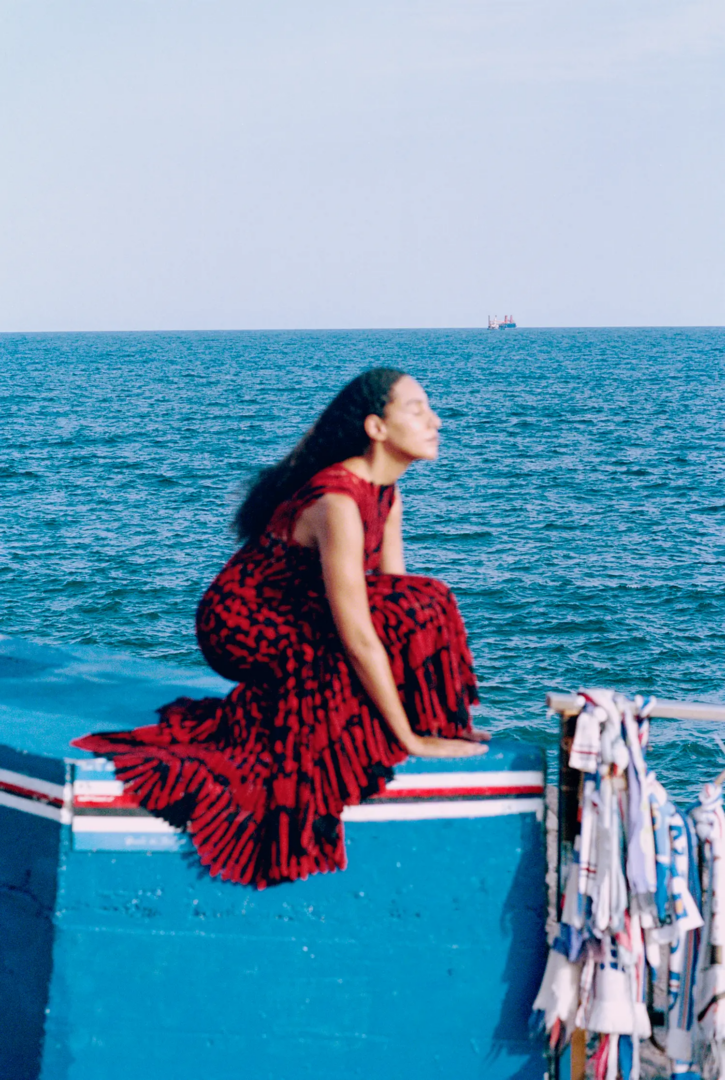
Brazil, Bolsonaro, the fear of violence
Before making Genoa her base once again, Cerezo had gone back to Brazil. She spent a period in the Chapada dos Veadeiros region, in the Cerrado, living in close contact with local communities, often without running water or electricity. It is a territory threatened by deforestation and the expansion of intensive farming, above all soy. Cerezo took a stand against these processes and began to face intimidation. She has said she found her car overturned in a ditch and slept with a machete in her bed. These were the years of Jair Bolsonaro’s presidency, and the political climate was growing increasingly hostile. In the end she decided to return to Italy. “I’m anti-fascist. The rope always breaks on the weaker side. We know all too well how it ends when these political parties come to power. I didn’t want to spend my time there, I found it risky.”
In Italy, too, Cerezo has feared for her safety. “It happened to me more than once, in Milan. One episode, though, was the most dangerous: they hurt my dog too. They didn’t even know I was transgender, it was violence against a woman. It’s a reality that many of us live with. When we women get together, the first thing we always say is: be careful, don’t go here, don’t go there. But continuing to talk about this climate of insecurity perhaps only makes things worse.”
The fashion system, the limits of inclusivity, the debt owed to the struggles of Black women
The Givenchy campaign gave Cerezo international visibility, but on its own it did not change the way the fashion system relates to transgender people. “Fashion has had to make compromises, in the sense that, compared with the past, it has opened up, and now on the surface it seems a more inclusive place than before. That’s not really the case: I have personally heard absurd remarks, not only to do with transphobia and homophobia, but often with racism too. I’m not talking about the stylists or the designers, but about the big bosses of the companies. They don’t give a damn: they want to hit their numbers. If something sells, fine, but we can’t kid ourselves that they’re genuinely concerned about social wellbeing.”
For Cerezo, it was certainly not fashion that drove the conquest of new spaces by transgender people, who won them through a history of struggle and marginalisation. “We managed to occupy these spaces thanks to a collective movement that doesn’t come from fashion, but from the street, from the ghetto, from a history of years and years of study, of street life, of prostitution and of all these marginalised places. We’re only here thanks to the Black women’s movement. As Angela Davis says, the Black woman is the one who carries the world on her shoulders. And yet they are often the most forgotten, especially Black trans women.” The question also concerns the relationship between power, race and gender: “The Black woman is the one who moves the world, the one who fights against the white man, because the white woman often – we see it in Italian politics – when she comes to power, allies herself with the predator.”
Giacomo Cadeddu