Audemars Piguet: the division of labour behind three watches
At the Atelier des Établisseurs in Le Brassus, watchmaking operates through a network of workshops. Galets, Peacock and Nomade bring together stone cutting, engraving, enamelling and movement construction. Photography by Lorenzo Venturini for Lampoon SALIVA
Audemars Piguet Atelier des Établisseurs: watchmaking through a network of workshops
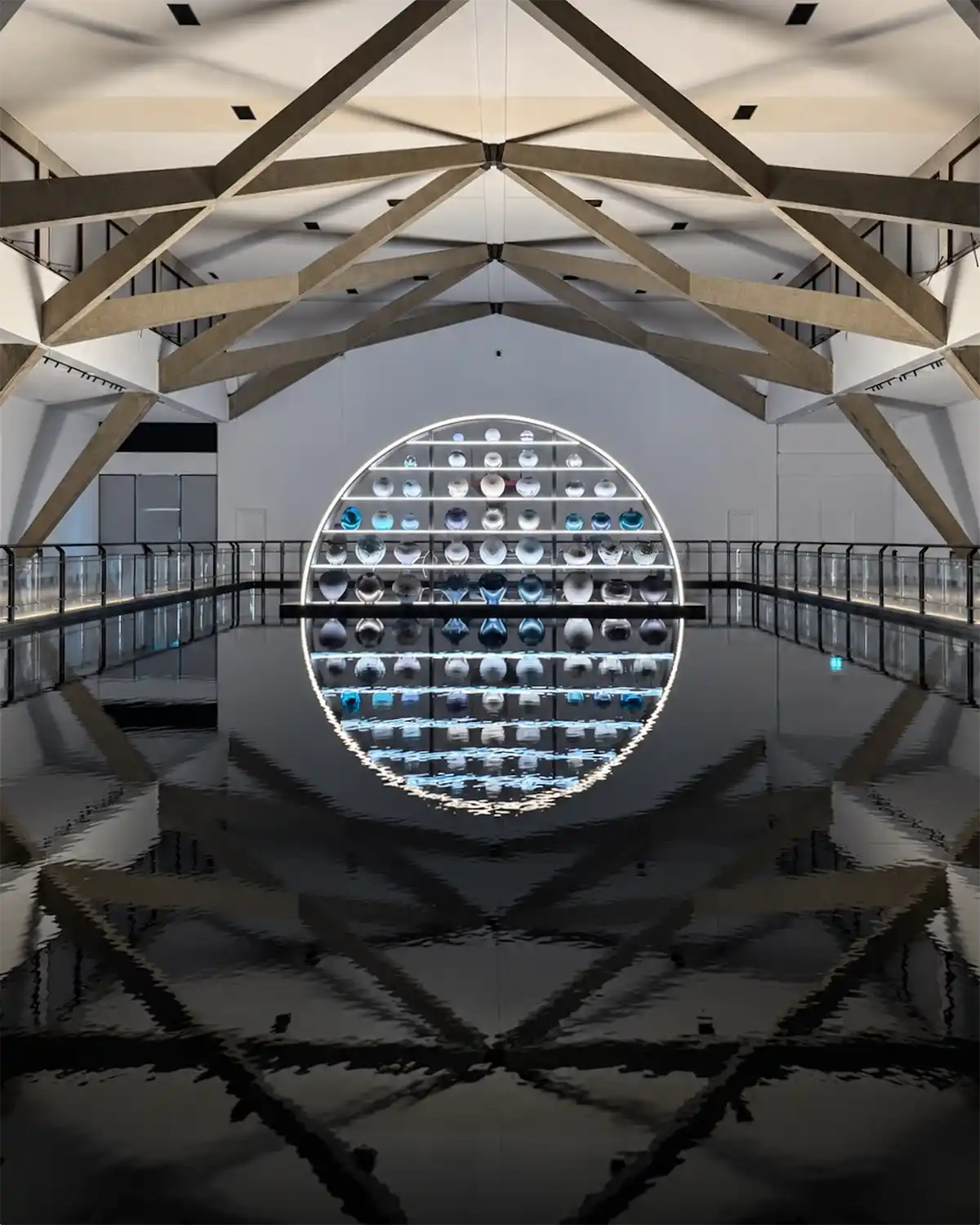
In 2026, Audemars Piguet established the Atelier des Établisseurs inside its museum in Le Brassus, Switzerland. The project revisits établissage, a system of watch production based on the coordination of specialists across workshops. Before manufacturing became concentrated within companies, designers, movement makers, engravers, jewellers and finishers contributed components to the same watch.
The atelier brings this division of labour into the present. Its three creations, Galets, Peacock and Nomade, examine the relationship between a watch’s mechanism and its exterior through materials, techniques and methods of construction.
Galets: gold, stones and Calibre 3098
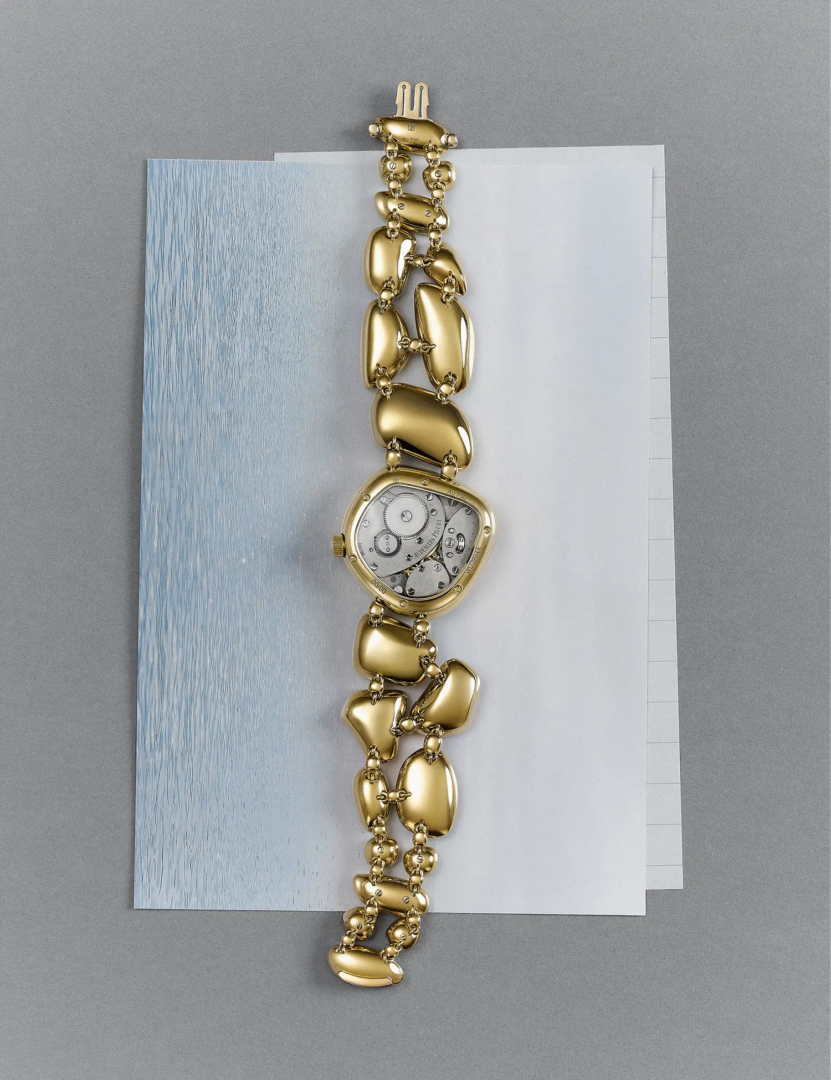
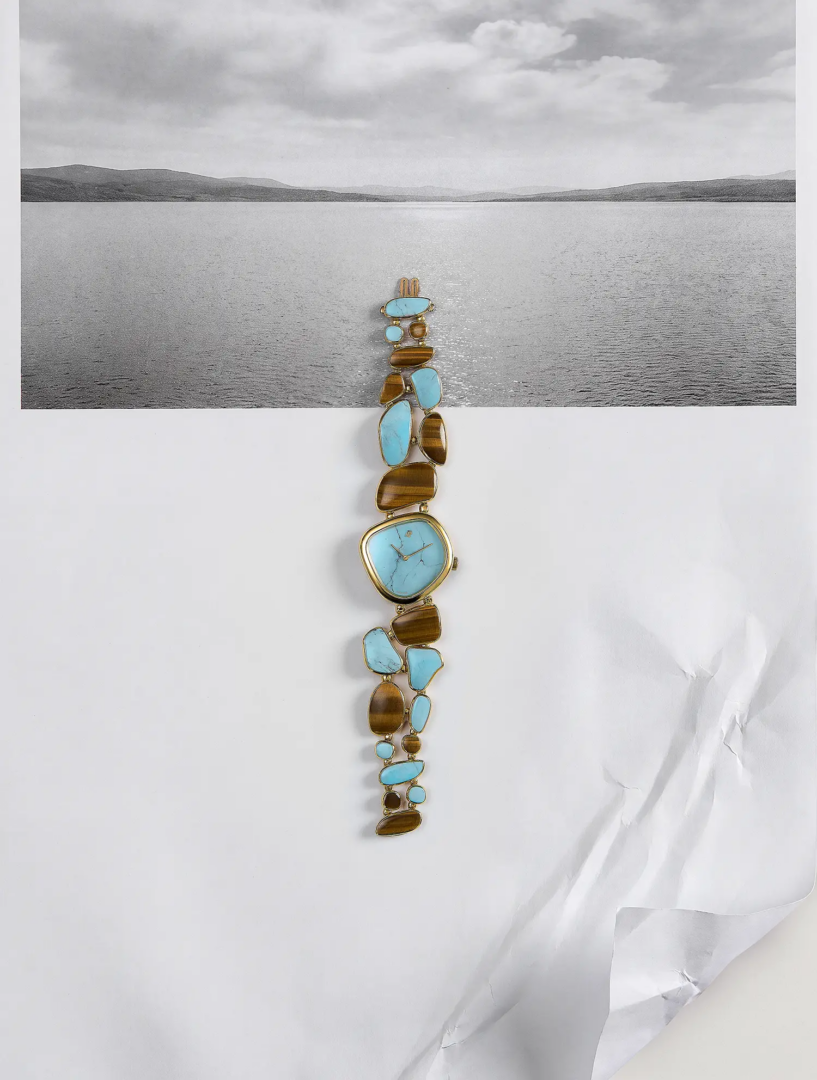
The Galets takes its form from stones found along the shores of Lac de Joux. Its bracelet combines 18-carat yellow gold with turquoise and tiger’s eye. Each link follows an outline determined by the stone, requiring joints that allow the bracelet to move around the wrist.
Inside the case, the hand-wound Calibre 3098 has been adapted to its shape. The bridges receive a grain finish applied by hand. The construction brings together stone selection, metalworking and movement assembly, with each component responding to the properties of the materials.
The relationship between the stones and the gold determines the bracelet’s structure. The watch’s form emerges from the process of selecting, cutting and connecting its components.
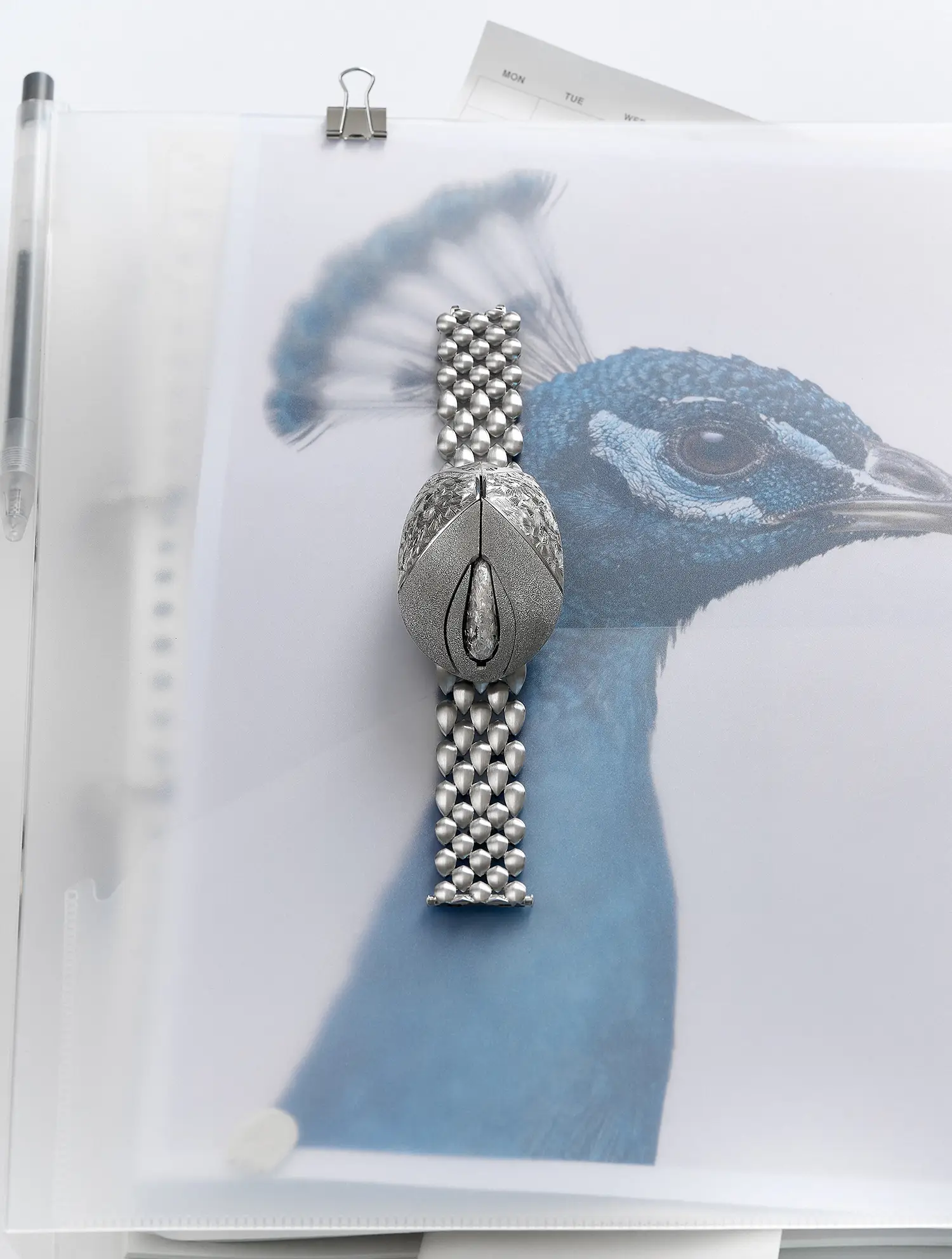
Peacock: gold, enamel and mechanisms of articulation
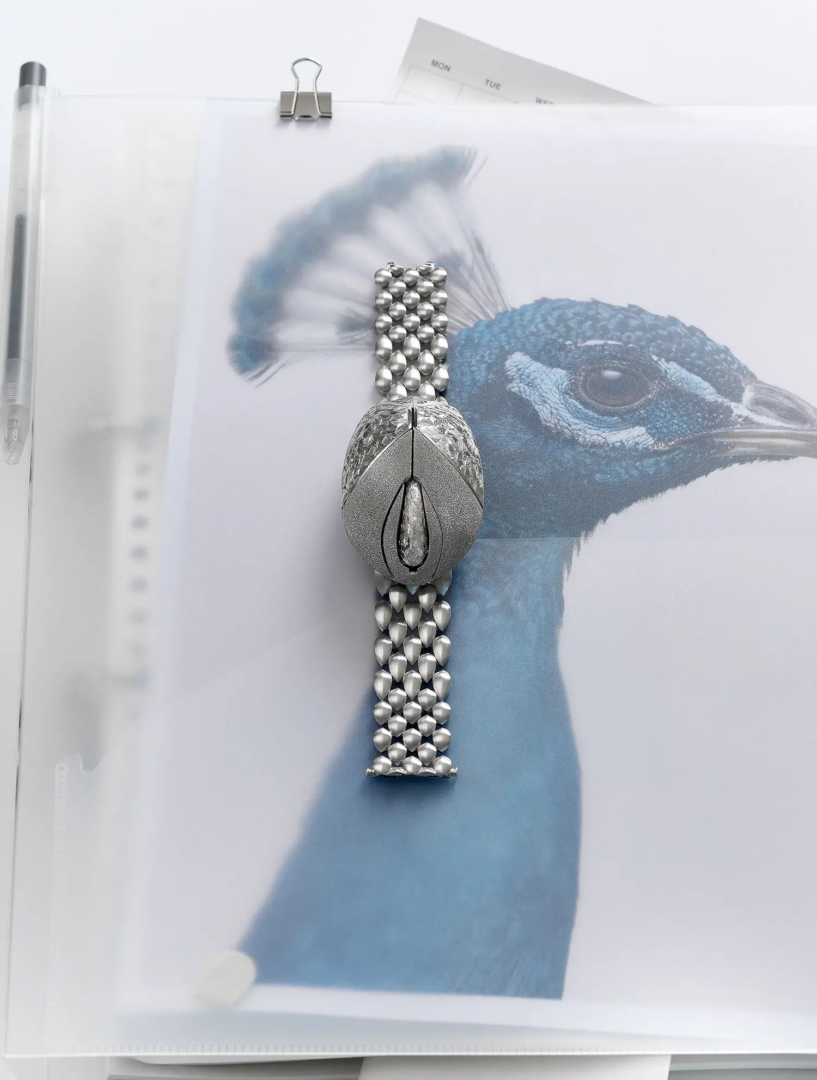
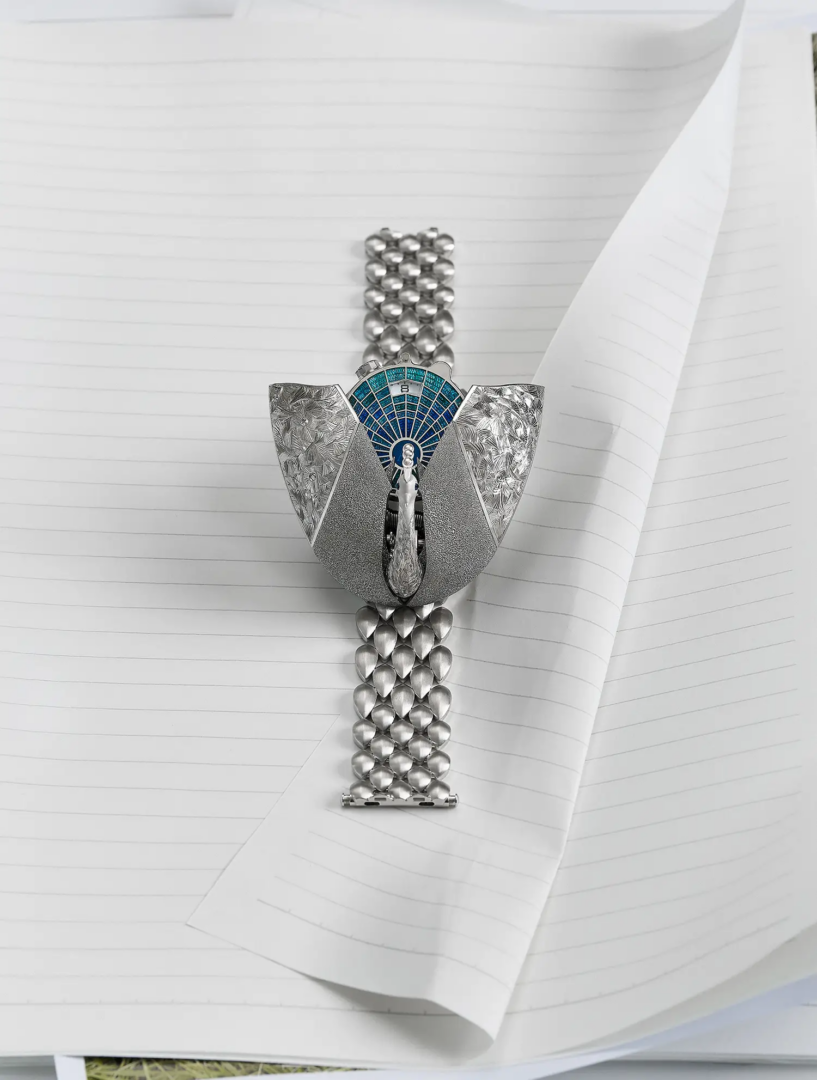
The Peacock addresses the concealment of time. Its white-gold case closes around a mechanism that opens to reveal a peacock and a dial with enamel. Engraving defines the surfaces, while components connected through gold joints control the movement of the wings and head.
Calibre 3098.2 powers the time display. The watch brings together the work of jewellers, engravers, enamellers and specialists in automata. Its construction places the mechanism of revealing time alongside the mechanism of measuring it.
The case functions as both a housing for the movement and a structure through which the watch transforms when opened.
Nomade: titanium, stones and Calibre 7501
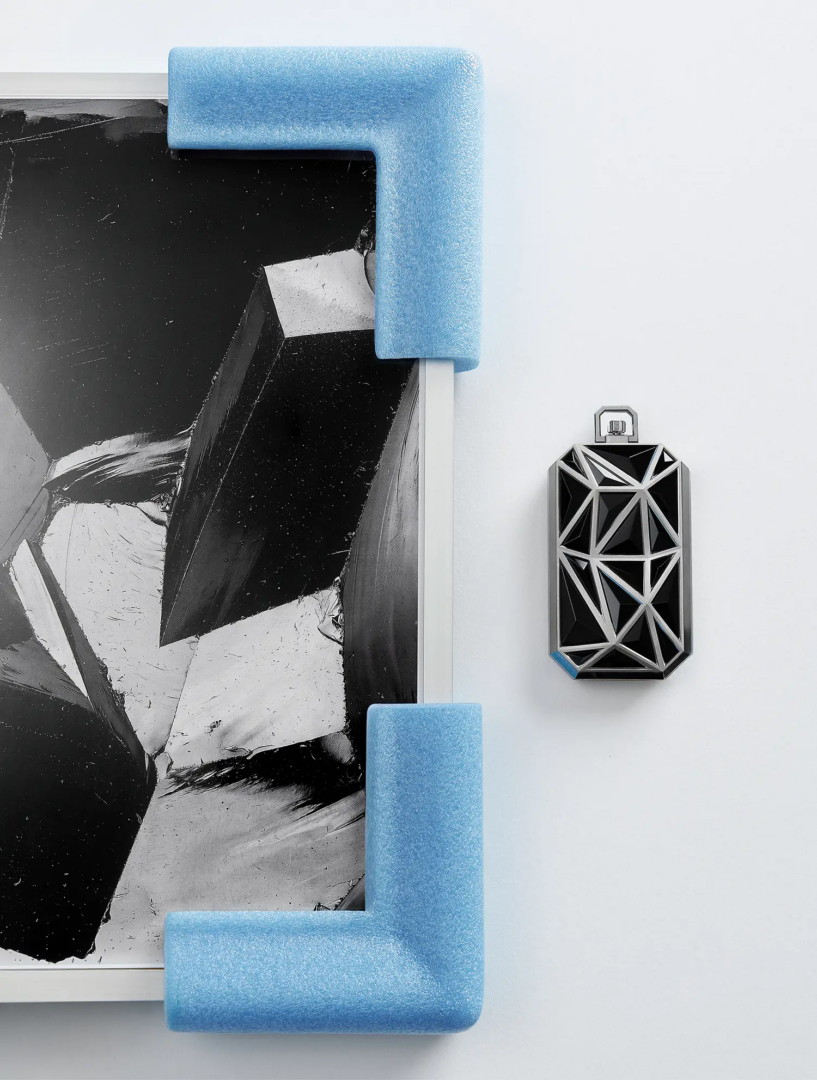
The Nomade moves between the pocket and the table. Its titanium case opens through a mechanism that allows the object to function as a watch or a clock.
Calibre 7501 is skeletonised by hand using a hacksaw, removing material from the bridges to expose the movement’s construction. Stones form part of the case, placing stone cutting alongside the engineering of its opening system.
The relationship between the movement and the case determines how the object is held, opened and positioned. Its construction connects the work of watchmakers, stone cutters and metalworkers.
Lorenzo Venturini photographs Audemars Piguet for Lampoon SALIVA
Across the three objects, the distinction between case, bracelet, dial and movement becomes less fixed. The stone determines the shape of the Galets. The opening mechanism determines how the Peacock displays time. The structure of the Nomade determines how it is held, opened and positioned.
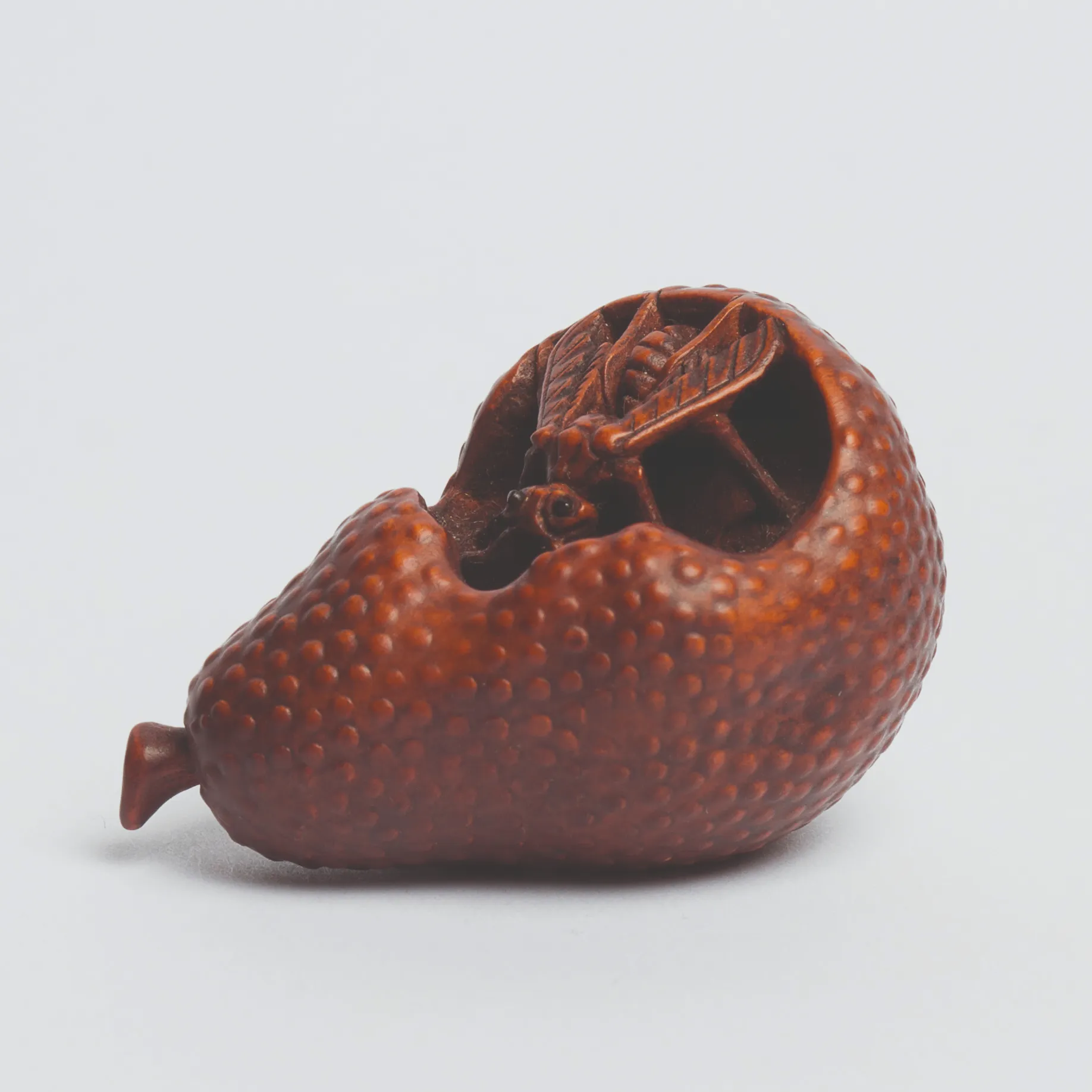
Photographed by Lorenzo Venturini for Lampoon Issue 34, SALIVA, the watches are presented through their materials and construction. The photographs place the objects alongside images of landscapes, animals and materials, establishing relationships between the watches and the sources of their forms.
Their production depends on a network of specialists whose contributions remain identifiable within the objects.