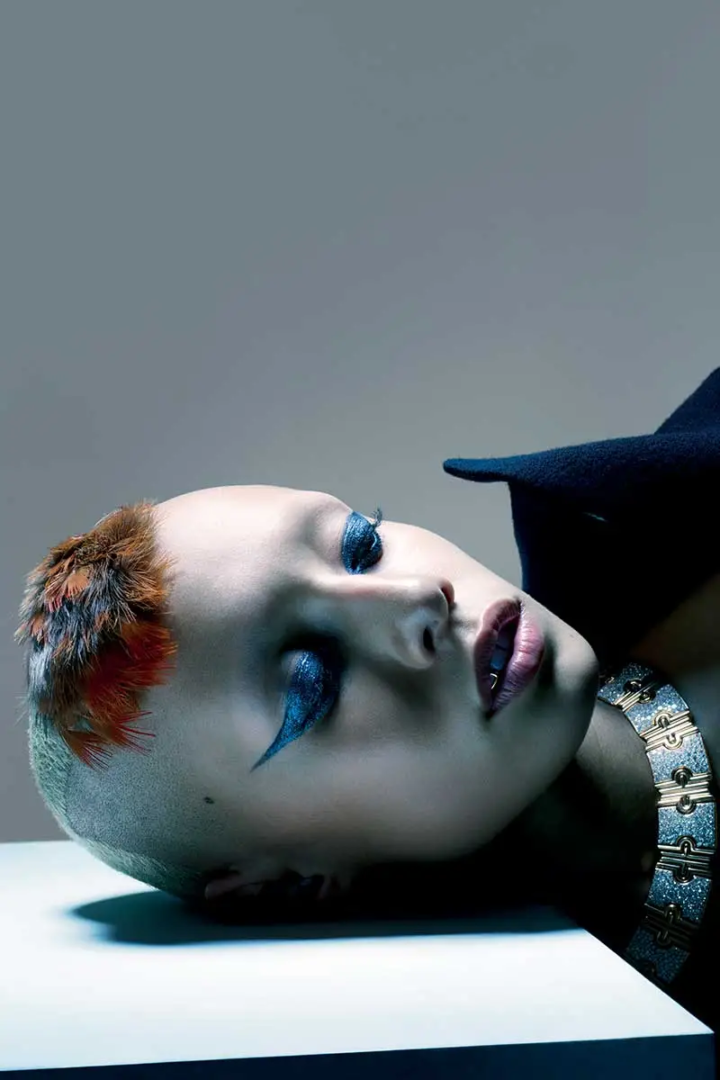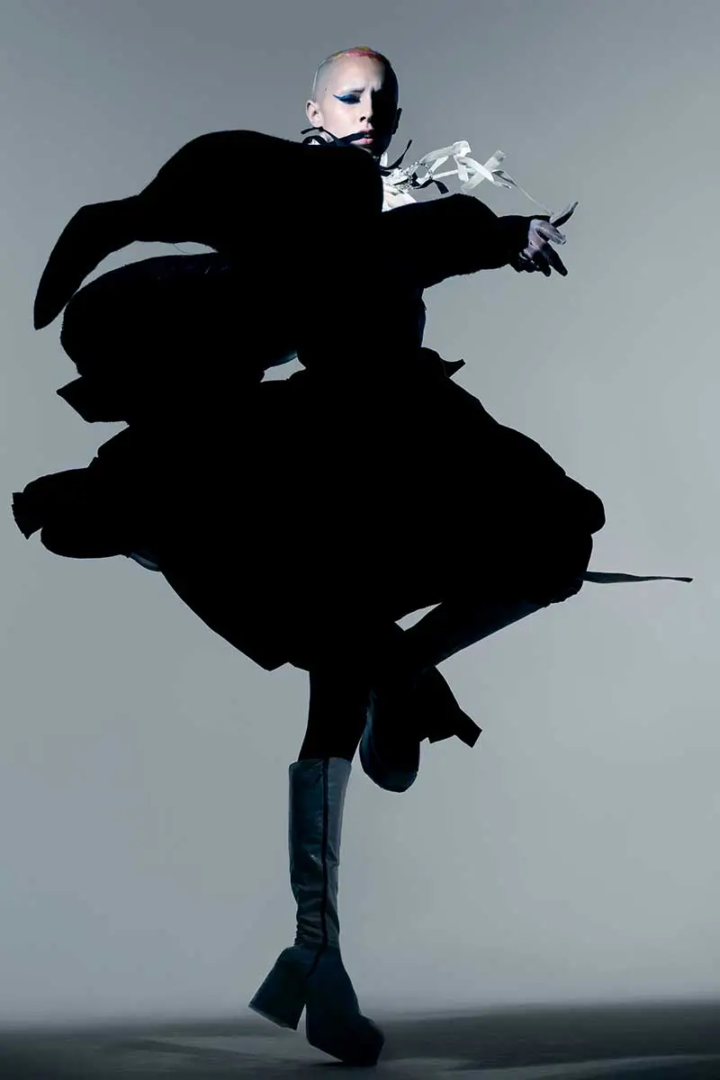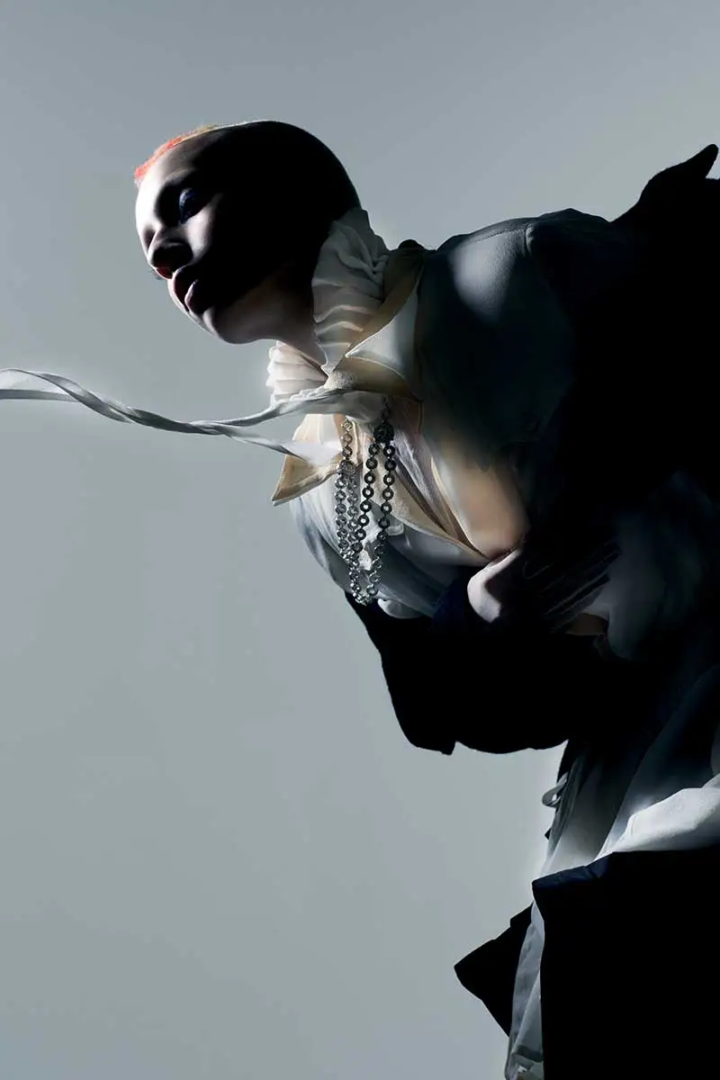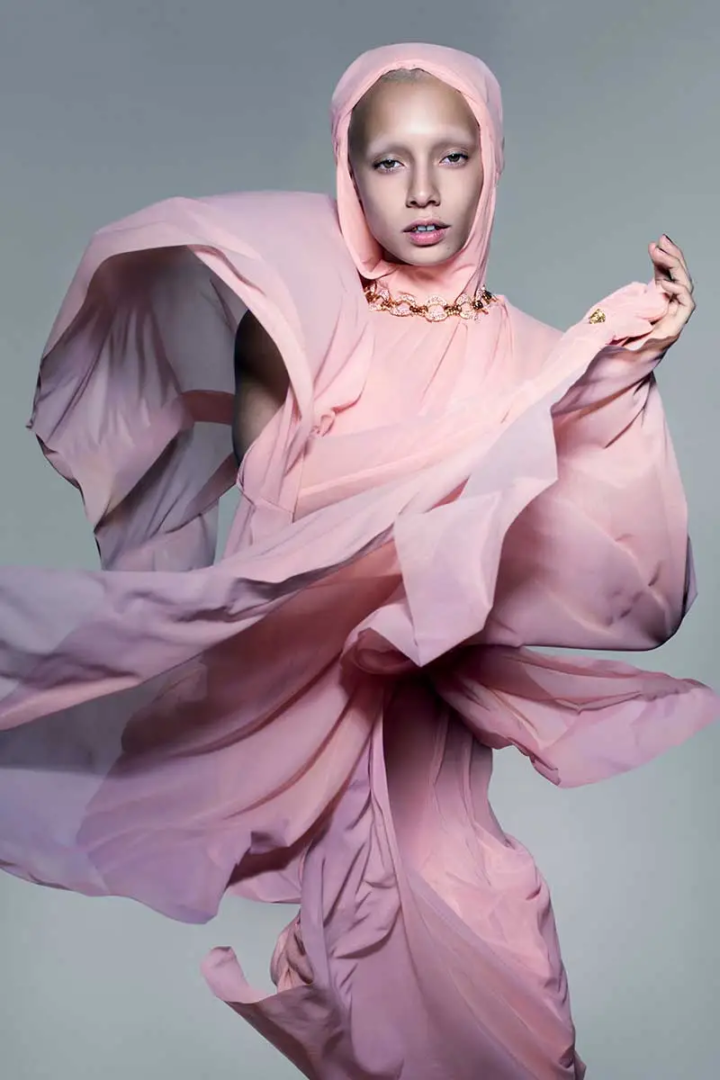
What does it mean to be Magnifico? a shooting by Nick Knight from Lampoon Archive
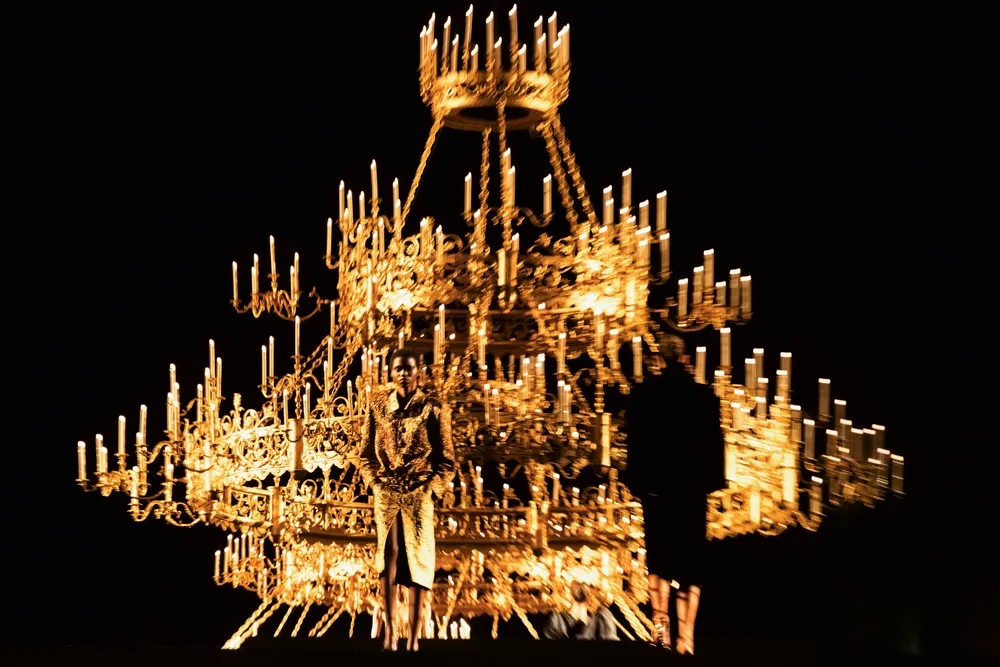
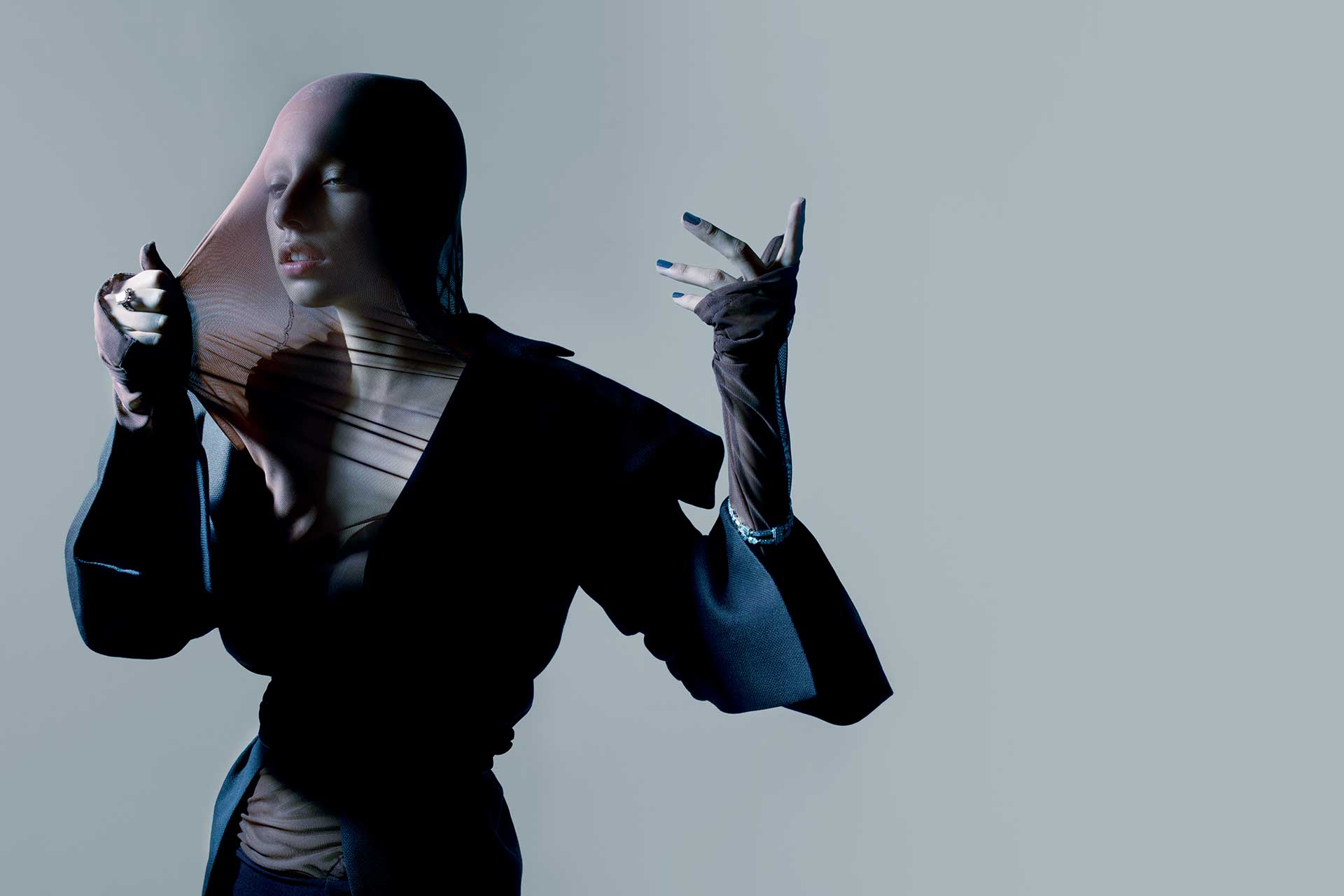
Magnifico – a shooting by master photographer Nick Knight from Lampoon Archive 2017 – featuring iconic model Jazzelle, presenting a fashion styling effort by Charlotte Roberts
Magnificence as a human condition between glory and downfall
The Lampoon Archive – Lampoon Issue 11 2017, Nick Knight worked on a photographic series that confronts the idea of magnificence — not as perfection or triumph, but as fragility, downfall, and the human power to rise again. Knight has challenged how beauty is seen, making images that are never mere documentation but acts of transformation. The shooting involved the iconic model Jazzelle. Fashion Styling by Charlotte Roberts.
Magnificence does not belong to perfection. It reveals itself in fragility, in mistakes, in the stubborn act of rising again after a collapse. True magnificence is not the triumph of power, nor the cold image of success, but the movement of life through art, literature, and history — the moments where sorrow becomes beauty and downfall becomes vision. It is in the streets of Naples, in the grandeur of Italian palaces, in the words of poets and novelists, in the unfinished, the broken, and the excessive. To speak of magnificence is to speak of humanity itself: restless, imperfect, luminous in its ruins, always reaching for the infinite sky. Lampoon has always been editing art and literature, searching for fashion and photography references.
The magnificence of broken images, downfall, and the human ability to rise again
Broken images exploded softly in his head, and he was moving out of himself in a silent swoop. Magnificent and Malaparte. Man is magnificent in his error, in his getting up again — nobody has ever liked the man sitting on his throne or pedestal, raised up off the floor, lost in his clouds. We are here, in our sins of the flesh and rage, in a Naples that will never go back to being as beautiful as it was, in an Italy that is still the centre of the world. Italians are the only ones who cannot see this. We didn’t know our own strength, Whitney Houston sang in the midst of her downfall, long before the end. Man is magnificent in sorrow and humiliation. The lucky man, the man sitting on the throne of his pride, power and happiness, the man wearing his winner’s trappings and insolence, is a repugnant sight — not a magnificent one.
Historical references. Joseph Conrad, William Burroughs, Jonathan Coe: literature collides with fashion and mortality
Maniacal eyes — wrote Lampedusa — are magnificent eyes. A shifting population, as changeful as the ocean which lay at its feet, stretched towards the horizon, sickly green and heaving with endless disquiet. Michelangelo, the Medici Pope. Maria Luigia was the last queen. Palazzo Pitti in Florence bounces off the decadence of Lisbon, the California of Dior, the Milan Cathedral for Prada. The clash between his strength and her imagination held more charm than speeches by countless generations of lovers
Joseph Conrad. William Burroughs, Jonathan Coe. Literature and fashion. You are magnificent when you come down to earth, in the shards and mud — collapse like a ruin, fall like a cup. Happiness is for the simple, it does not interest the gods — or who ends up seeming like one. Those who believe they are creating, impressing and deciding must in exchange be ready to die. The gods are never afraid to die, because they know that their life is less important than their deeds and words, than what they have been.
Magnfico. Limits, dreams, and the infinite sky as the final horizon for mankind
Magnifico. Limits only exist in the soul of those with no dreams. You know this. There is a place, on this earth, a place that has a sense, the centre of every pride, a place that shines and reflects the light of pale stars. This place is the end. All roads, all lives reach an end. Magnifico. Only the sky — only the sky — the sky is the only form of infinite allowed to man. We men are shafts of light that lose themselves in this sky — shafts that to the very end hope in the only thing they know how to do — like me, here and now — speak of love.
Magnifico – meaning and definition according to the vocabulary
From Italian dictionary magnìfico adj. meaning magnificent [from Latin magnifĭcus, comp. of magnus “great” and facĕre “to make”] (pl. m. -ci, anticam. also -chi).
1. a. Having and demonstrating magnificence, i.e., grandeur and nobility of mind, generosity and liberality: the m. prìnciples of the Renaissance; in iron. tone, to make m., to flaunt largesse in spending or giving. Referring to actions, behavior, occasions in which magnificence is displayed: a m. party; making m. gifts. b. Title attributed in the past to princes, great personages, magistrates, physicians, etc., and today reserved for rectors of universities (M. Rettore or Rector M.); by antonomasia, Lorenzo the Magnificent, or absol. il Magnifico, Lorenzo de’ Medici (1449-1492), lord of Florence.
2. Referred to thing (object, event, occurrence, situation, etc.), generally expresses admiration, as the emphatic equivalent of beautiful, beautiful, excellent, sumptuous, marvelous, and sim.: she had a m. necklace around her neck; a palace, a show, a trip m.; it’s a m. day, of fine weather; we had a m. evening, pleasant, amusing; it was a m. idea to visit me; of witticisms, anecdotes, strange facts: that’s magnificent!; hear a magnificent one.
Carlo Mazzoni