Maya Stepper: shaping silver between body and autonomy
From modeling to metal, Maya Stepper moves from being seen to shaping her own form, where material, memory and instinct define a practice rooted in reclamation and transformation
This conversation is part of Lampoon’s column on Talent, Taste, and Transformation curated by Anouk Jans
AJ: Modeling places you inside someone else’s vision. At what point did that stop being enough?
MS: Pretty soon after I started working in front of the lens — about a year in — I began trying to find small ways to bring my own character into the work I was doing. Some days more, some days less. I do love that I get to be a chameleon and embody a different vision on each set. There is a sense of freedom that comes with detachment from self. Ultimately, though, I craved the power of steering my own wheel.
AJ: You’ve been looked at professionally for years. What did living inside the image teach you about power?
MS: I learned that how I am perceived will ultimately remain outside of my control. The real power for me is accepting that and cultivating a confidence that surpasses the influence of others’ perceptions of me.
AJ: The body has been your medium for years. What changed when metal replaced skin as your material?
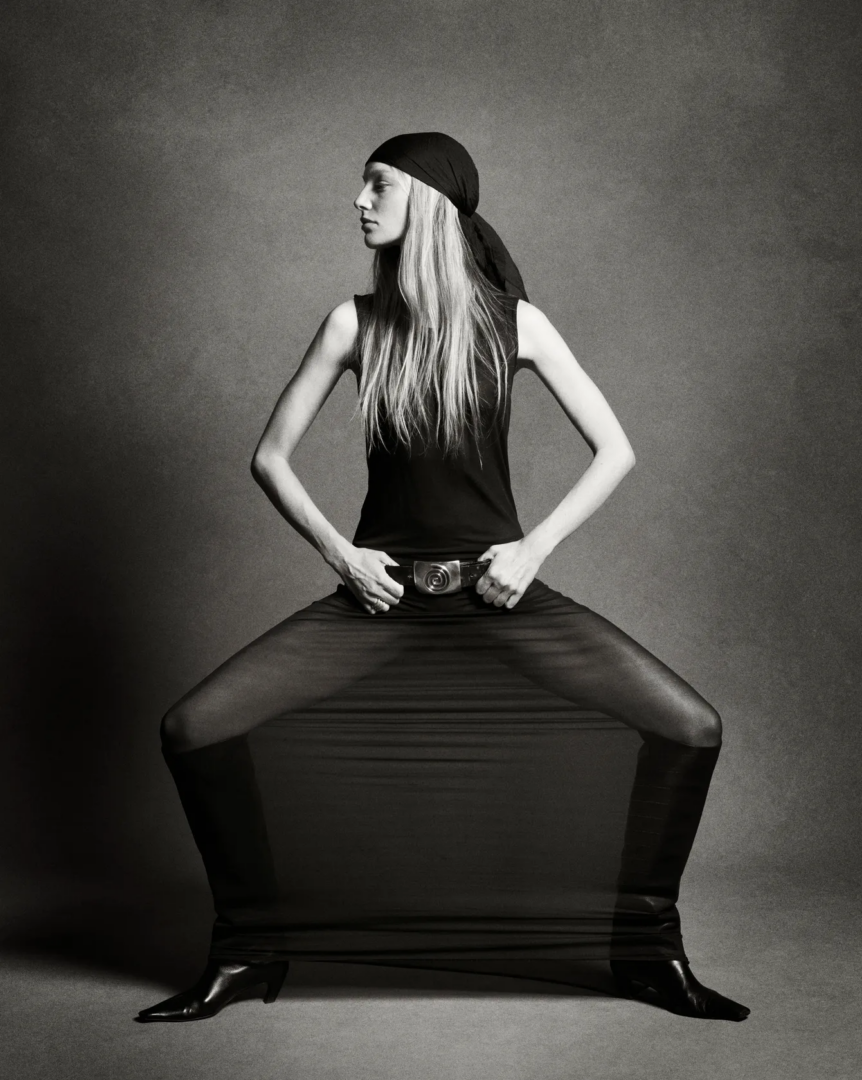
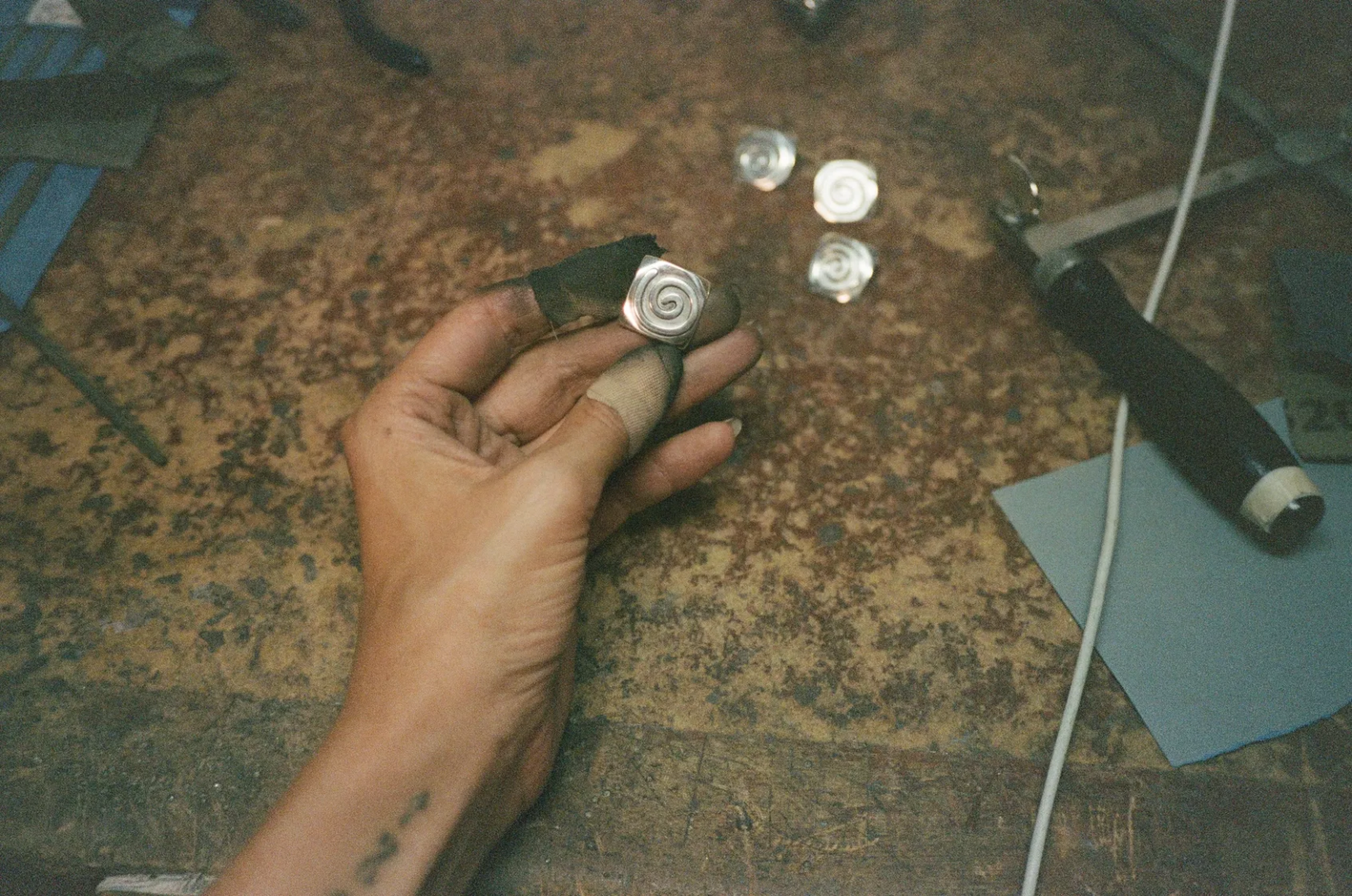
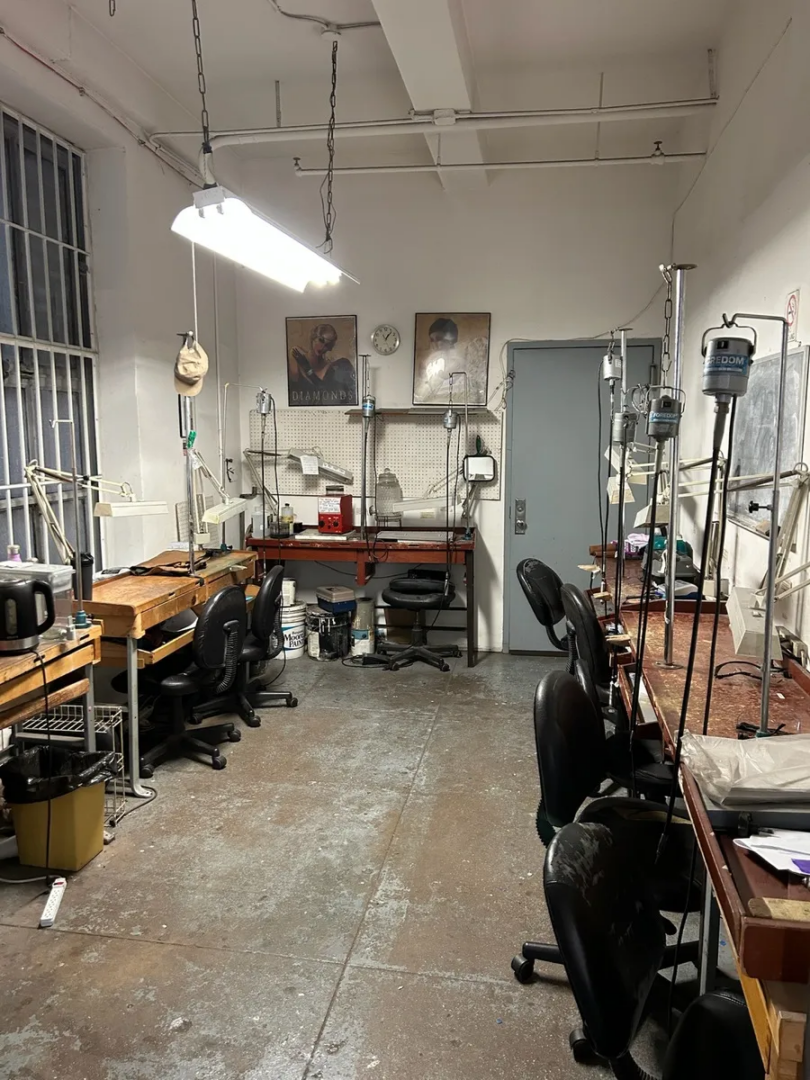
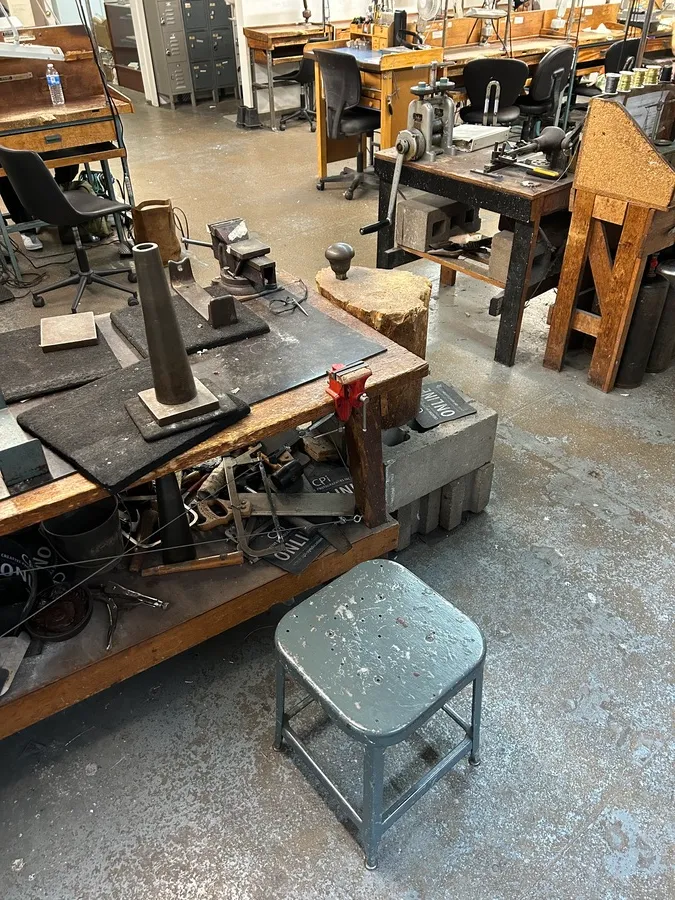
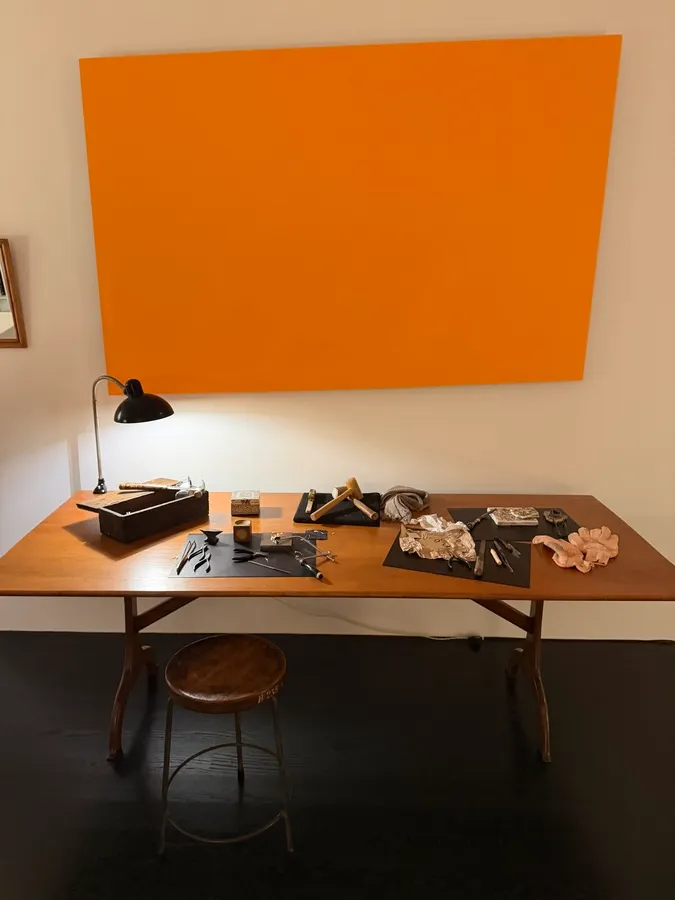
MS: Interestingly, because I handmake every piece of jewelry myself, I almost see it as an extension of who I am. The way I shape, bend and push the metal feels like a dance. Just as I learned to understand my body and its forms, I learned to understand metal in the same way. I discovered its strengths and weaknesses, its best angles, and how to shape it into its strongest form.
AJ: Modeling requires flexibility. Design requires decision. How did you adjust to that shift?
MS: I learned to be flexible in making decisions, mainly because design teaches compromise. A piece breaks during the process — now what? Do you try again in exactly the same way, or do you learn from it and approach it differently the next time? In a way, I think both worlds are less different than one might assume.
AJ: When did your interest in crafting jewelry move from fascination to practice? Was there a first object that made it real?
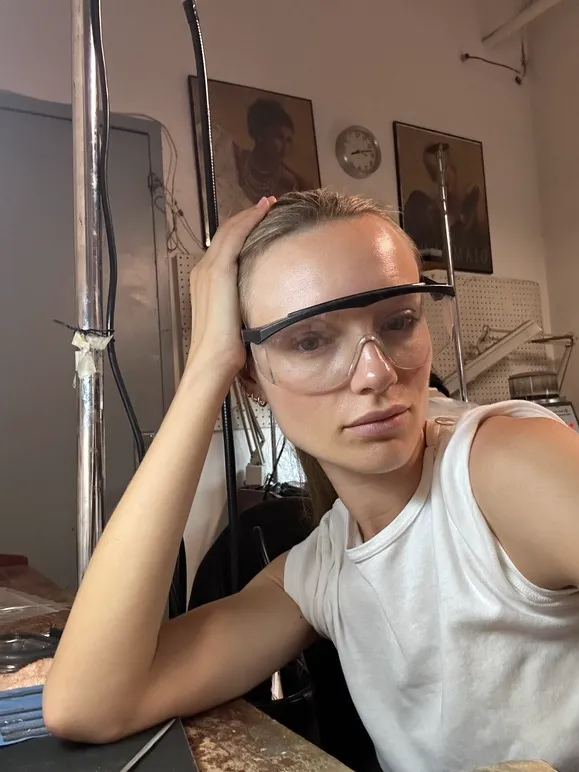
MS: Since childhood, I’ve always been someone who loves to create. My dad told me that, as a toddler, I used to sit in my room with giant scissors, cutting intricate shapes. Somehow, they trusted me with those. I love working with my hands. I’ve made ceramics, painted, sewn, stitched, beaded — you name it. Working with metal had been a long-standing dream of mine and during lockdown I told myself: life is short and dreams are meant to be lived. Do it now. So I signed up to earn a goldsmith certificate.
AJ: Why silver? What does that material allow you to express that gold or other materials do not?
MS: There is a certain energy in silver that I’ve always felt drawn to. It feels calming and mysterious.
AJ: Your pieces often carry a strong sense of shape. Where do those forms originate: architecture, nature, memory?
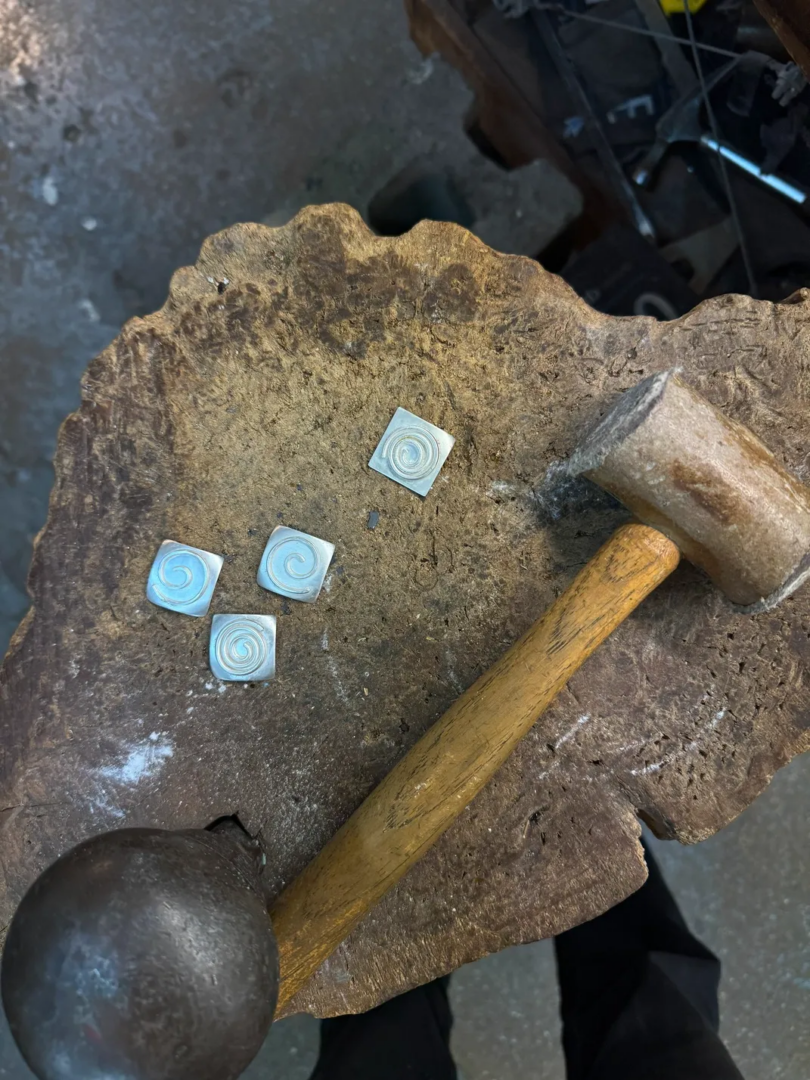
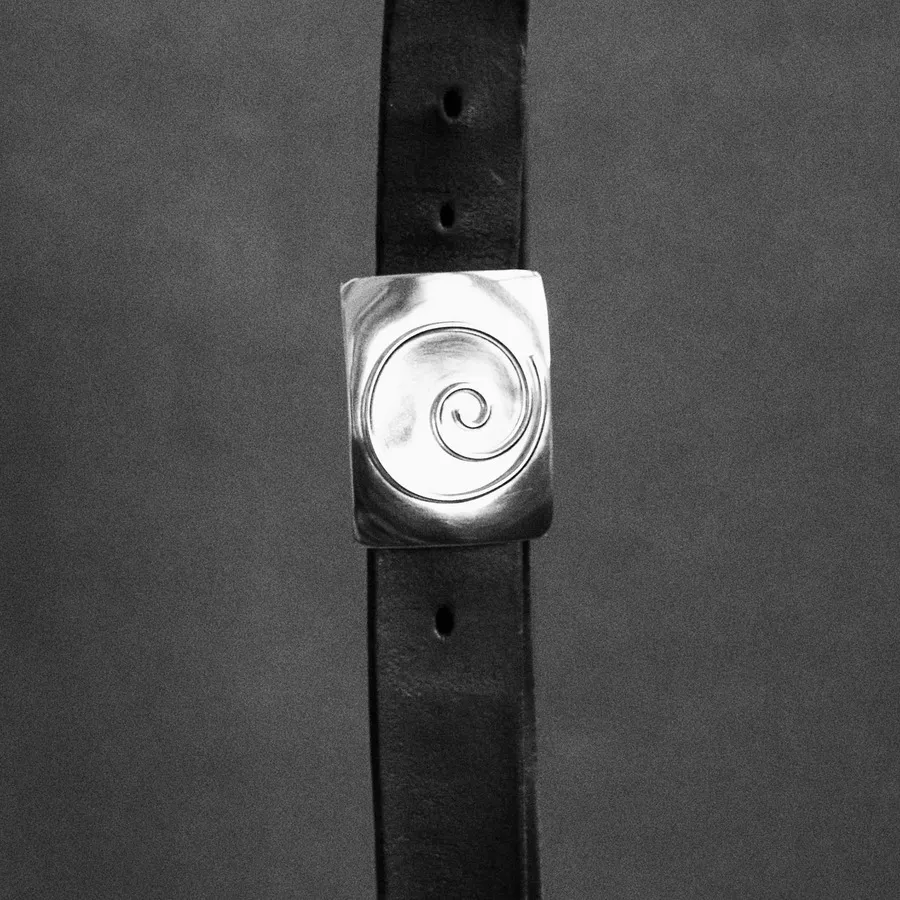
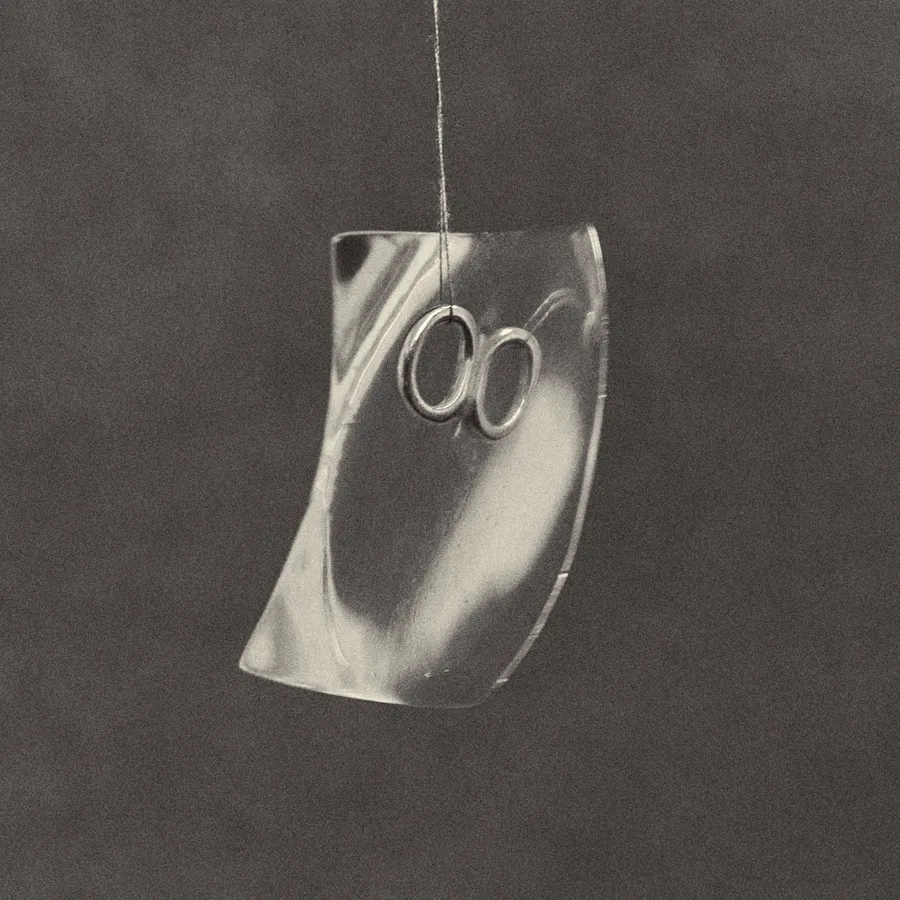
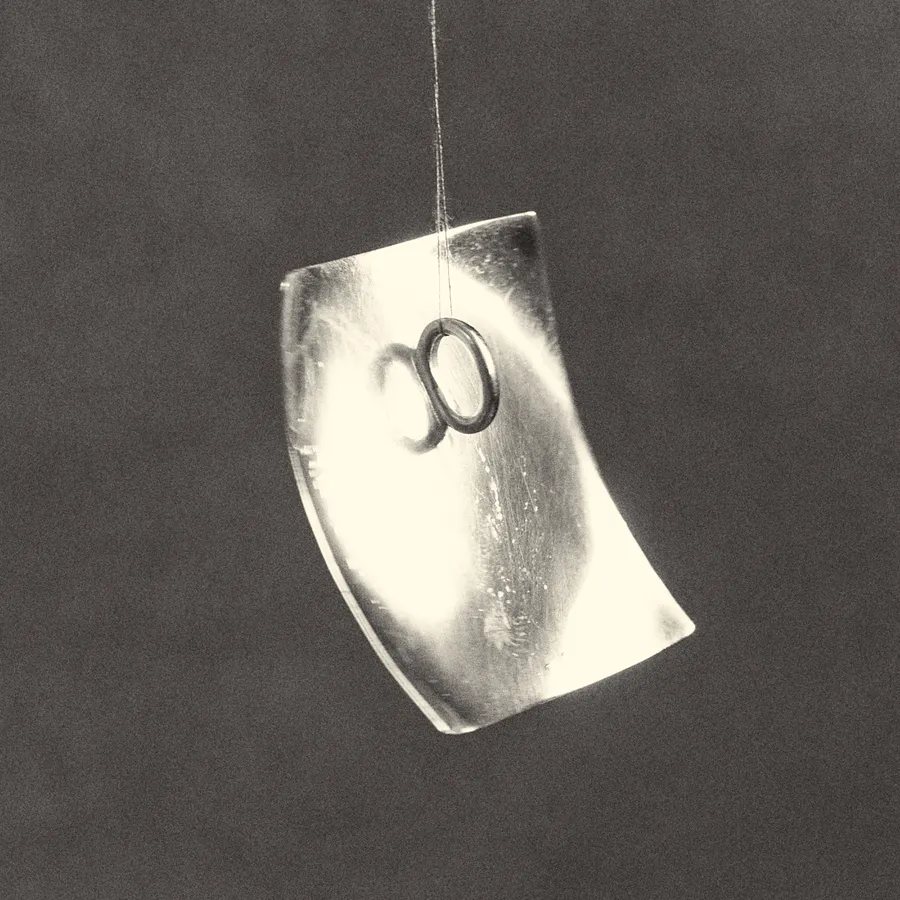
MS: Nature has always been my source, my muse. I let shapes come to me organically and intuitively ended up creating this square piece with a spiral — two very contrasting forms. It inspired me to find a way to harmoniously combine them. A year after working on this first collection, I found out that my mother used to wear a silver necklace made of tiny squared spirals. It must have lingered in my subconscious all this time.
AJ: Vintage plays a visible role in your personal style. How does collecting or wearing vintage influence the way you design?
MS: What I like about vintage is that these objects have survived through time. If I find something relevant today, despite it having existed for decades, that reflects quality to me. That sense of longevity is what I strive for in my own work as well.
AJ: Personal taste can be instinctive. How would you describe yours without referencing fashion at all?
MS: My personal style is a collection of my experiences as a human being and the way I express who I have become through travel, love, passion and inspiration.
AJ: What did working in fashion teach you that you consciously rejected when building your own brand?
MS: The whole concept of starting a “brand.” I consciously chose not to do that. I didn’t want to pressure myself into creating a machine that constantly has to keep spinning, producing and expanding. I chose to release my work as art. There is no separation between my work and who I am.
AJ: You often wear your own pieces. What does it mean to become the first body that tests the work?
MS: I am my work. It’s the most authentic thing I’ve ever done. If I wouldn’t want to wear it myself, I wouldn’t make it.
AJ: Who do you imagine wearing your pieces? Is it a specific person or a certain attitude?
MS: I imagine someone who is conscious. Spiritually, I love the idea that I’m now connected to everyone who has touched, looked at, thought about or purchased my pieces. They are for whoever they reach. Everything happens for a reason.
AJ: Your partner photographs the pieces. How does that collaboration shape the way the work is seen?
MS: Nobody knows me the way he does. It is a level of intimacy I only share with him and something I deeply wanted for this first collection.
AJ: Working so closely together, how do you separate the personal from the professional — or do you?
MS: The lines between our personal and professional lives are very blurred and I actually find that fundamental and beautiful. We love talking about work and hearing each other’s often very different perspectives. That exchange constantly inspires me.
AJ: Modeling exposed you to constant external validation. How do you measure success now?
MS: I don’t always find this an easy path to navigate. Through social media, and especially through my work, I’m often measured by the approval of others. As I grow older and move further into art, I’m learning that success comes from knowing that what I do is authentic to myself.
AJ: Where do you see yourself evolving next, both as a designer and as a person shaping this work?
MS: Let’s just say I’ve never been solely focused on jewelry, though it felt like a wonderful entry point for me. Coming from the world of fashion, it seemed accessible. I just came back from India, where I worked on Collection 2. I feel that my path as an artist is leading me toward increasingly larger objects.