The Nightclub Crisis: we dressed to get laid – now we swipe
Once the outfit was the search query and the door was the filter – now the algorithm sorts desire, and the club uniform survives only as a costume to photograph. How to explain the nightclub crisis?
The nightclub crisis: from fetish codes to the harness on the fast-fashion rail
The numbers are in. Between June 2020 and June 2024, the UK lost 480 nightclubs — ten closures a month, two a week. The pace is accelerating. The Night Time Industries Association now projects that if the trend holds, no nightclubs will remain in the UK by 31 December 2029.
In the US, the share of adults having sex weekly fell from 55% in 1990 to 37% in 2024, with the steepest drop among 18 to 29-year-olds. A 2024 global survey found 80% of Gen Z respondents felt lonely, against 45% of Baby Boomers. Average weekly social time fell from 12.8 hours in 2010 to just over 5 by 2024. One in four men under 35 in the US reports feeling lonely on any given day.
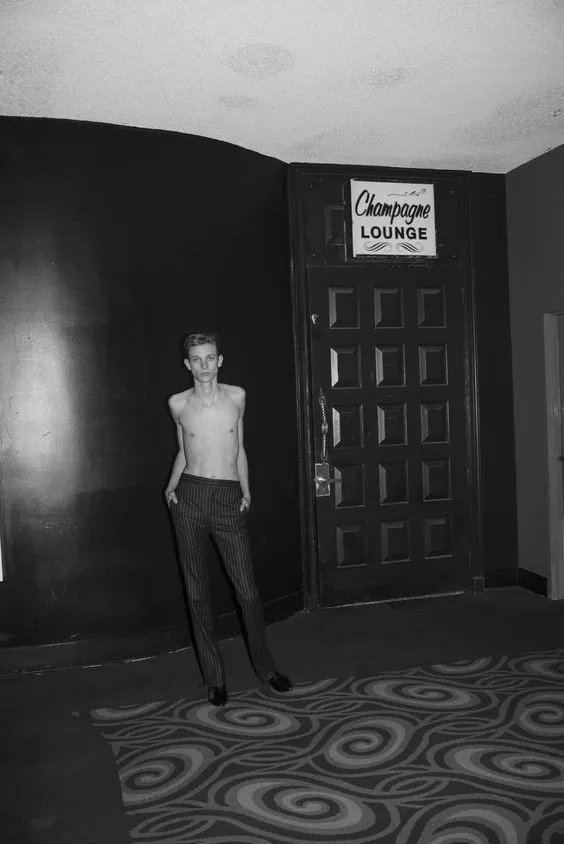
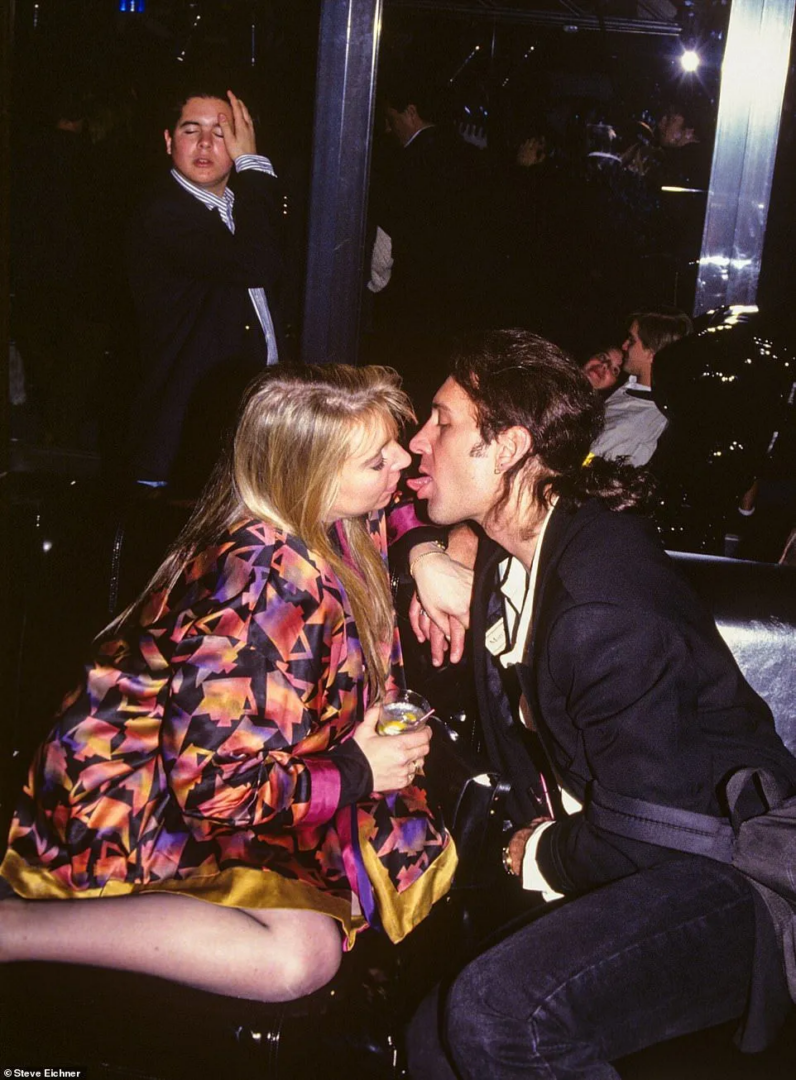
This is the nightclub crisis — and the clothes tell it. We used to dress to get fucked. The afternoon went into building a body somebody would want to peel out of later, into becoming legible to a room that would recognize you. Latex pulled tight over damp skin. Leather that creaked. A safety pin set close to the throat. You wore the thing that would drag a stranger across a dark room. The outfit was a proposition and a password at once.
That economy shifted. The outfit no longer hunts, because the app already did the hunting. Desire moved off the dance floor and onto the screen. The clothes stayed behind, stripped of the job that made them dangerous. People dress, when they still bother, to be photographed.
Getting ready in the hot bathroom mirror: millennial dressing as physical ambition
Start with the body in the mirror, because that is where the night began. A millennial getting ready in 2009 had a ritual. The shower, the razor, the bathroom fogged with steam. Perfume at the throat and the wrists. Foundation under unforgiving light, the outfit tried twice and changed once. The whole rite aimed at one thing: to be touched by the end of the night.
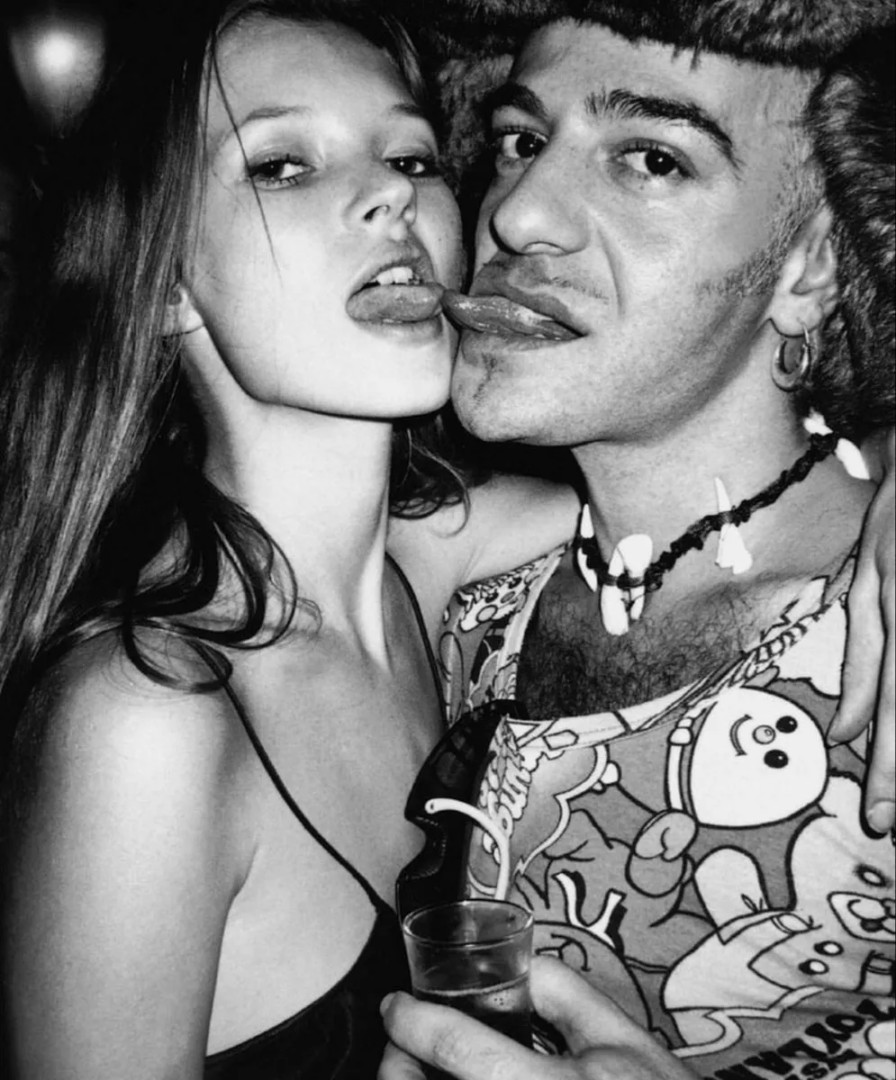
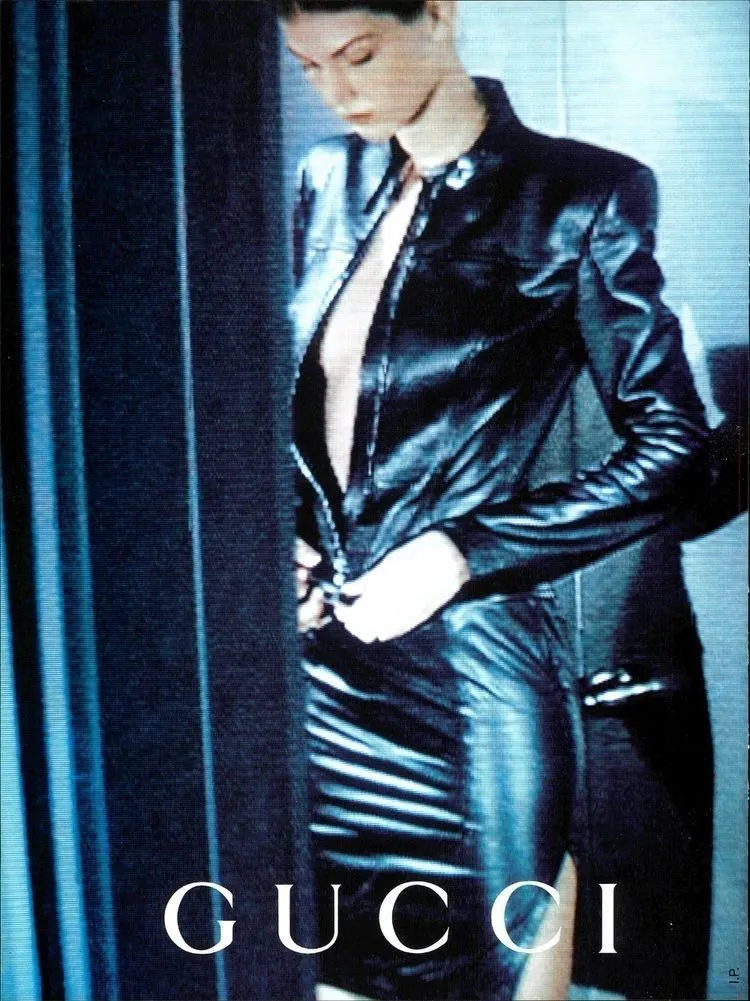
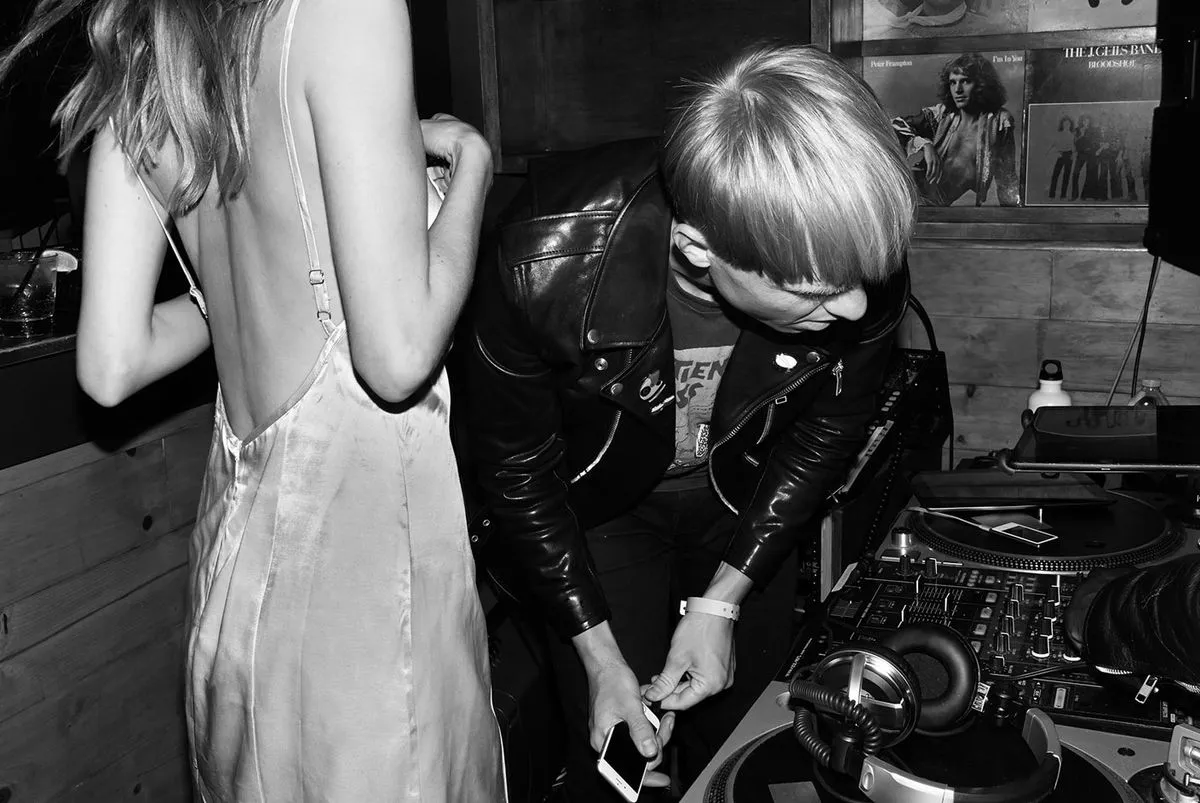
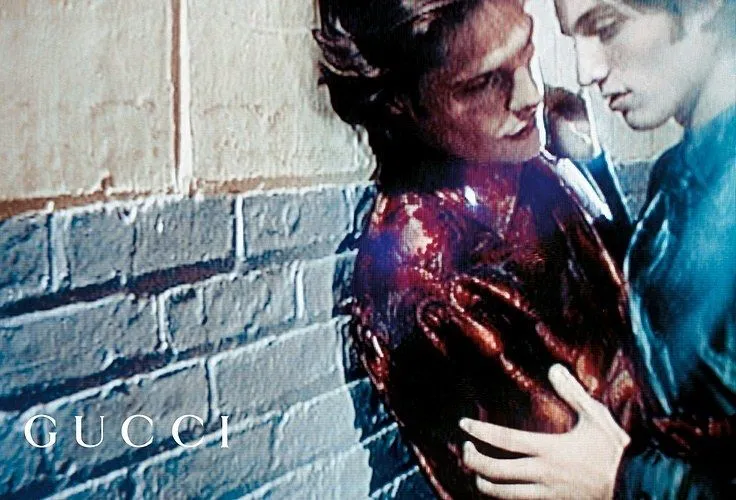
The clothes were built for it. Low-rise denim cut to the hip bone. Jersey shrink-wrapped to the torso. The Hedi Slimane silhouette — razor-thin tailoring and a leather jacket — carried from the indie-sleaze floor to the smoking area. Tom Ford’s Gucci had spent a decade teaching the room what cleavage and one open button could do. The look was sweat-ready. It expected a crowd, a hand, a stranger.
Gen Z dresses for the front camera, not the dance floor
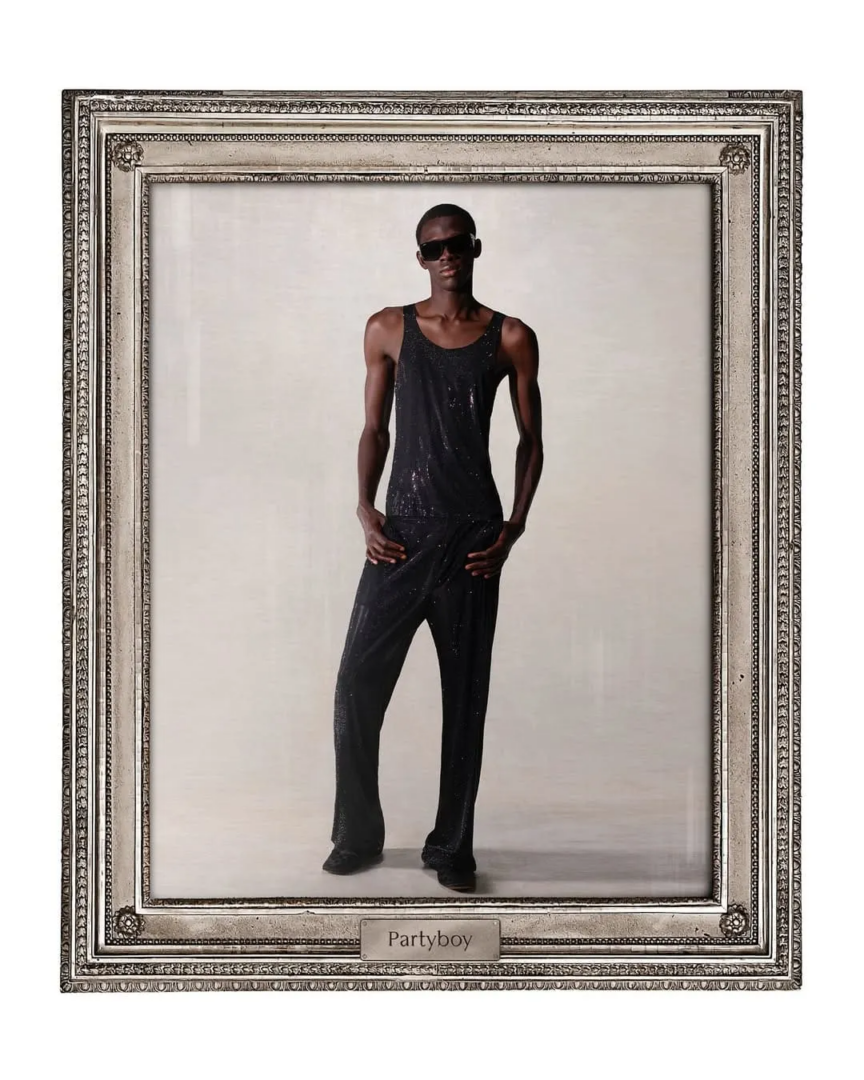
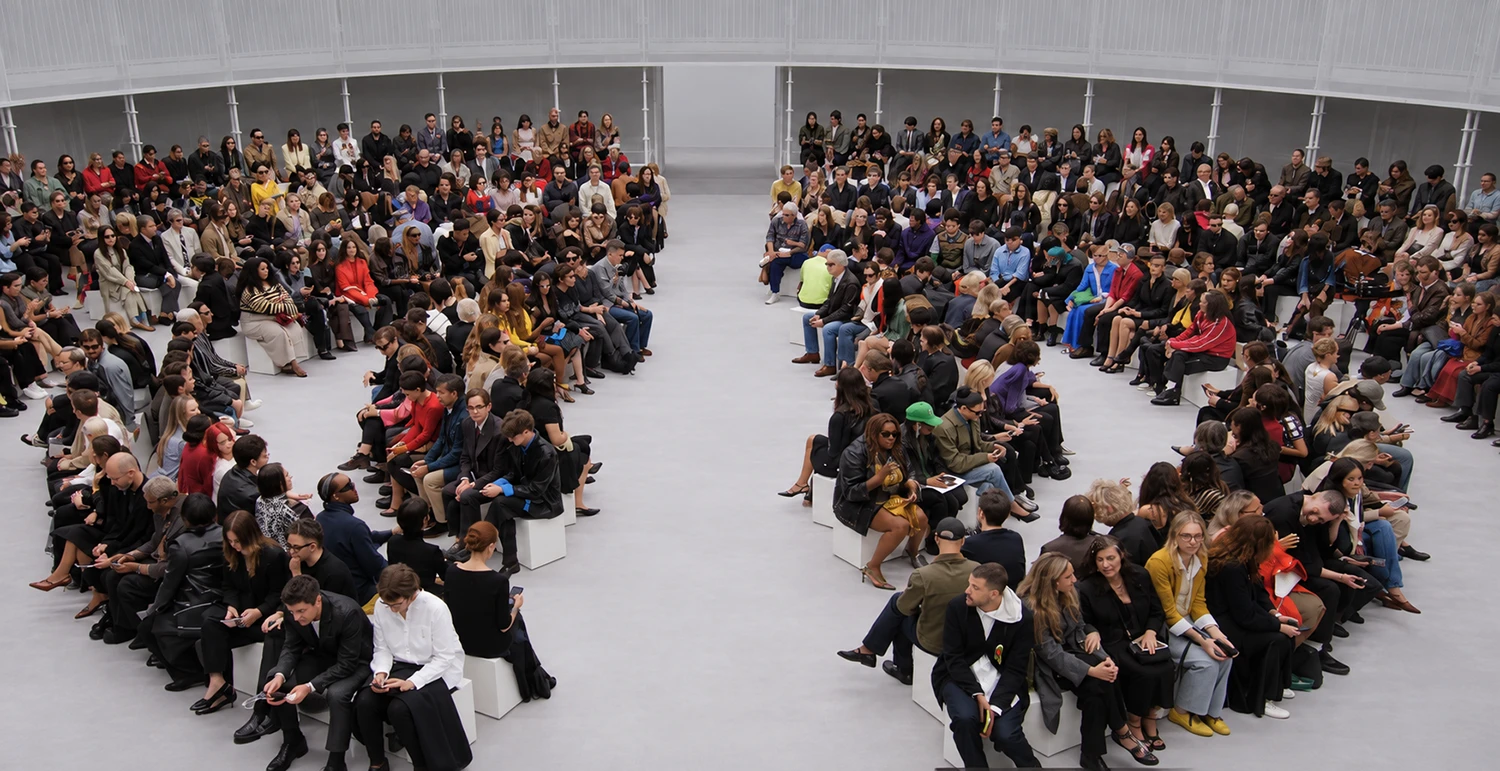
Gen Z runs the same ritual. The vanity is identical; the audience moved. The mirror is now the front camera, and the outfit is built to read in a thumbnail. A micro-skirt over opaque tights. A mesh top above the waistband of boxers. Corset bones worn outside. Berlin black for the ones who want to look like they know. The body is cut for the still frame.
The data holds the paradox. About 24% of adults aged 18 to 29 had no sex in the past year — double the figure from 2010. Around one fifth of both Gen Z men and women identify as involuntarily celibate. Of the women who abstain deliberately, 64% cite political reasons. The most documented generation has the least physical contact. When the room watching is a feed, the body performs for capture, not for touch.
How the city invented the one-night stand: a brief history of dressing for sex
Dressing to get laid is not as old as it feels. For most of history, courtship sat under supervision — domestic, community-bound. You met a match at church, at a sanctioned dance, inside the neighborhood. Clothing obeyed etiquette, signaling class and readiness for marriage, not appetite.
The city broke that. Industrial wages pulled the young into towns and handed them three things: money for leisure clothes, unsupervised nights, and anonymity — the cover to experiment.
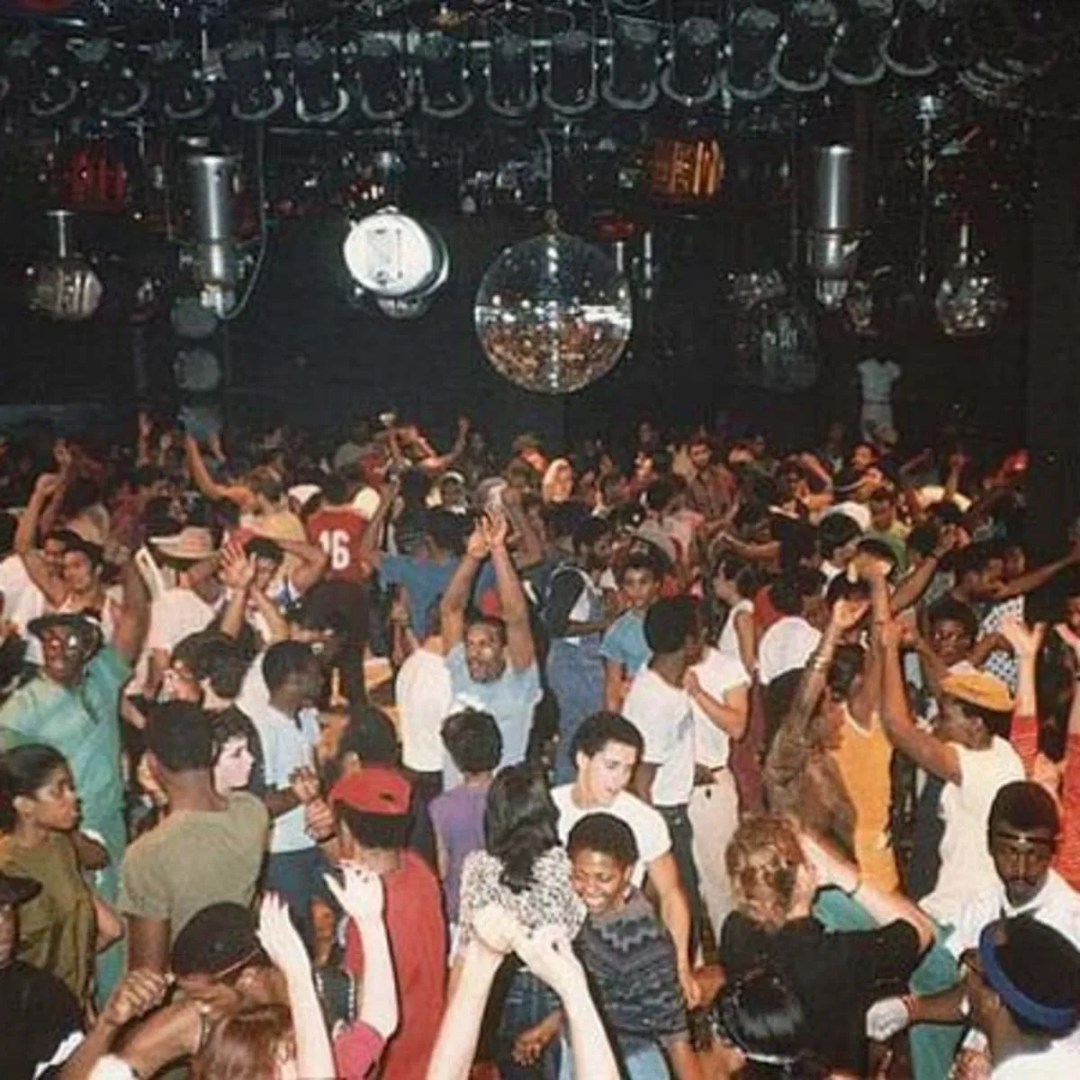
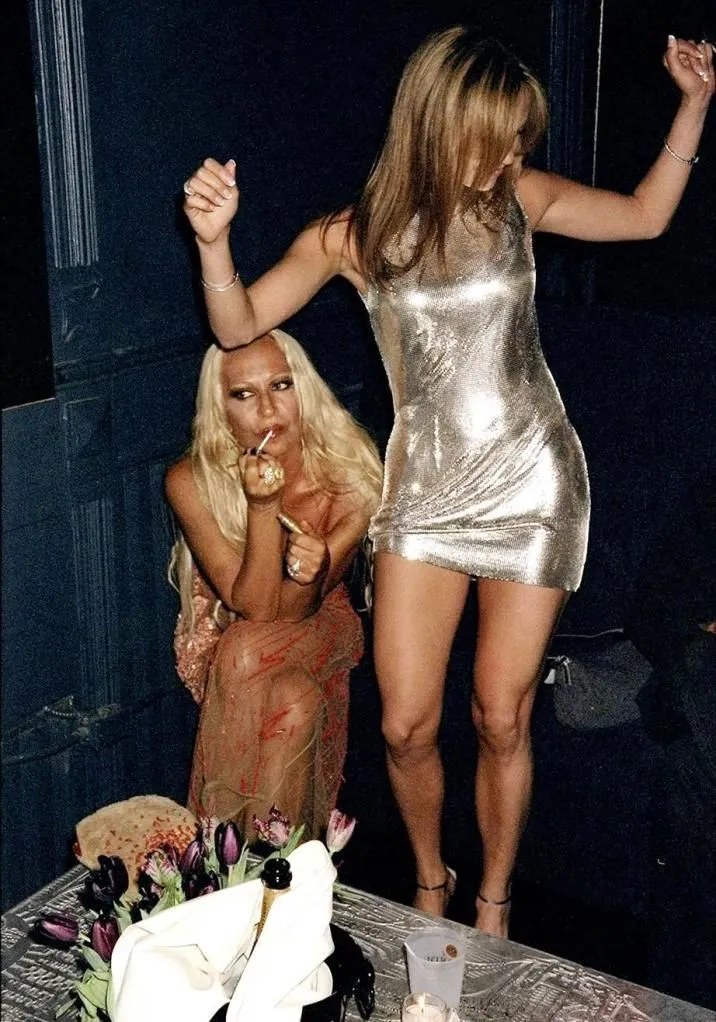
The room did the rest. A nightclub is built for low light, loud sound, bodies pressed close, drink. Speech fails in that noise, so the body talks. Under a strobe the flesh becomes legible in a way it never is by day. The seventies set the template. Disco institutionalized dressing for the body and for sex. Halter tops, open silk, metal-bright fabric cut to catch the mirror ball. Flash, sweat, and a frank promise.
The Nightclub Crisis vs the eighties club: the door as filter, the outfit as tribal code
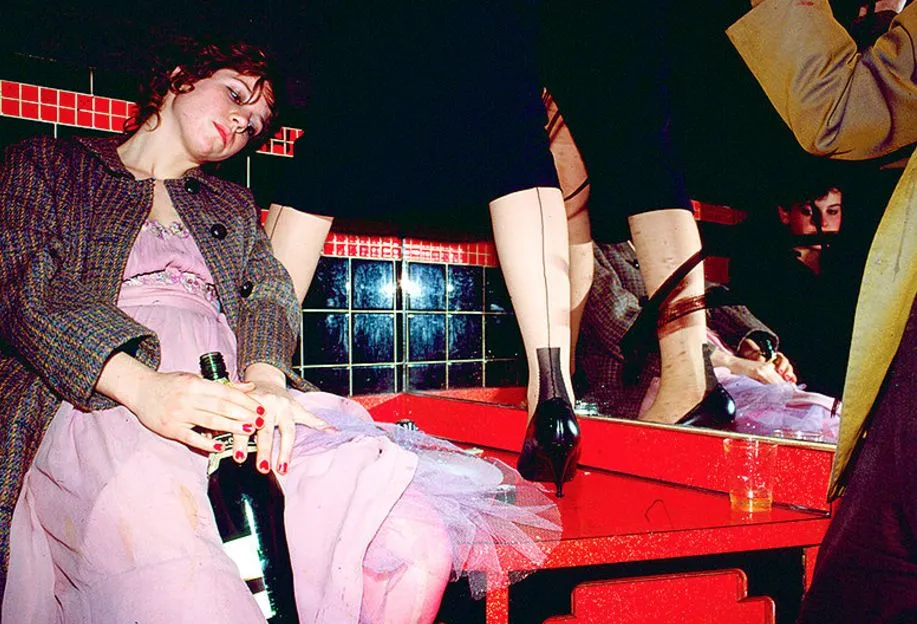
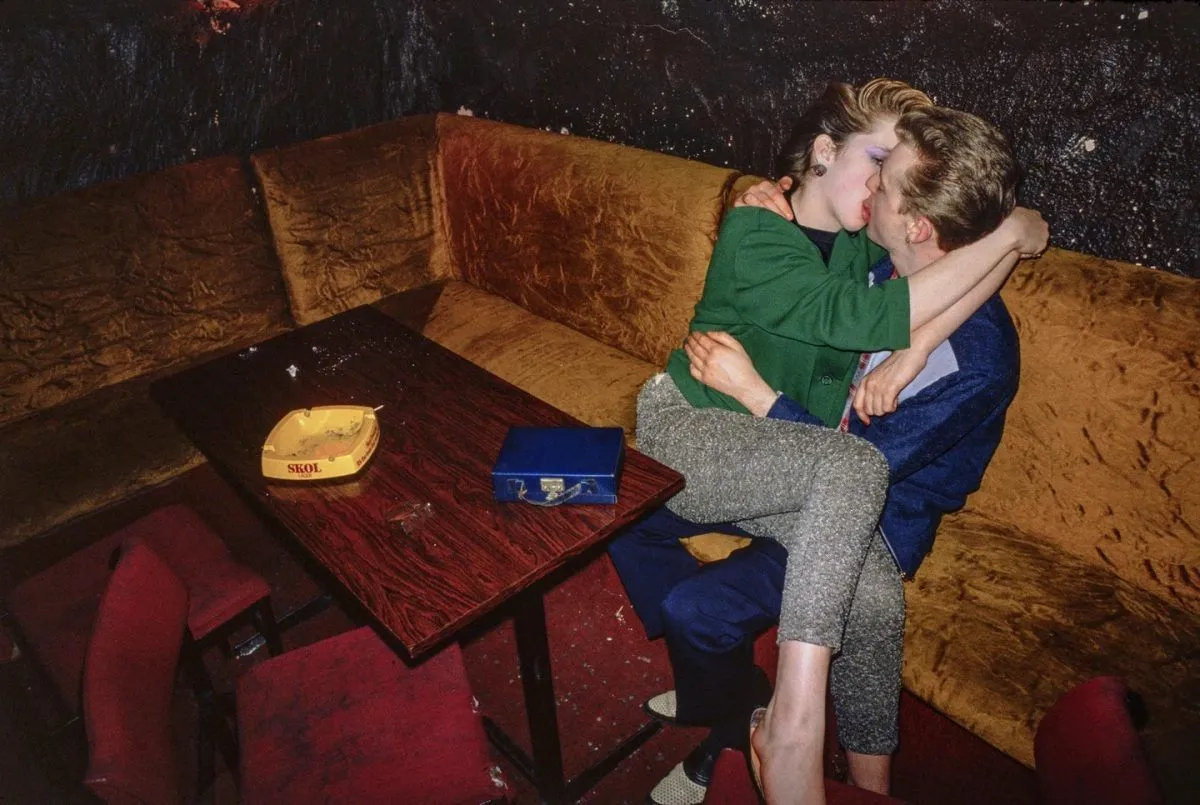
In the London of Taboo and the Blitz, what you wore was a position taken with the body. Rubber, ripped fabric, a face built like a threat. The door decided who entered, and the aesthetic was the ticket.
The eighties darkened the room and turned it tribal. New Wave and Goth shifted the point from plain allure to coding. Leather, lace, an androgynous line. The look declared a tribe before it declared a wish. You dressed to be read by your own kind.
Rave fashion and the politics of disappearing into the crowd. The Nightclub Crisis
By the late eighties the logic changed again. Oversized shirts, bucket hats, sneakers built for twelve hours of repetition. Detroit techno came out of abandoned factories, and the look answered the concrete.
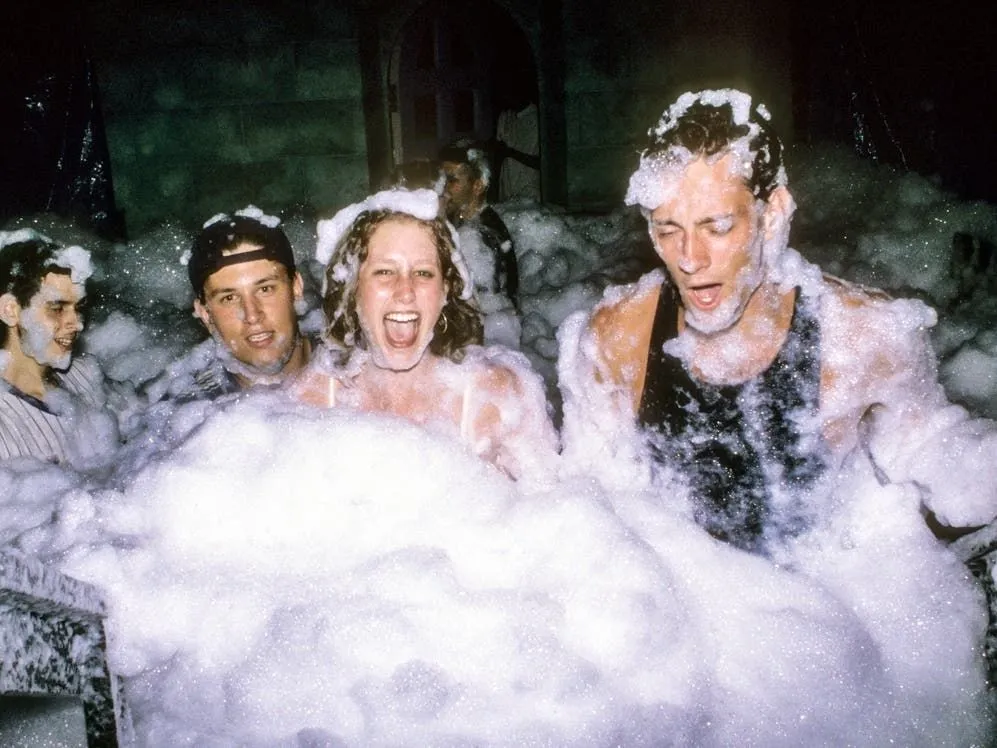
Anonymity was tactical. In a warehouse that was technically illegal, disappearing into the crowd was protection. Sex was the engine of the room — bodies pressed and slick in the heat — but it was a shared hunger nobody named out loud. The body reclaimed what the daylight world wanted kept covered and quiet.
The hanky code: fetish gear as search query before the search bar existed
Before it hung on a rack, fetish gear was speech. The leather scene of the 1960s and the BDSM cultures that followed used clothing to name a want — the specific kink, the role. The hanky code made it literal. A colored bandana in a back pocket named a desire; the side it sat on named your role. Functional communication, worn where naming the wrong thing out loud carried a cost.
The warehouse crowd took it further. They wore the gear the mainstream had made to shame them back at it, as armor. The leather said: this society is not enough for what I want.
From Vivienne Westwood’s Sex shop to Versace Miss S&M: fetish enters the runway
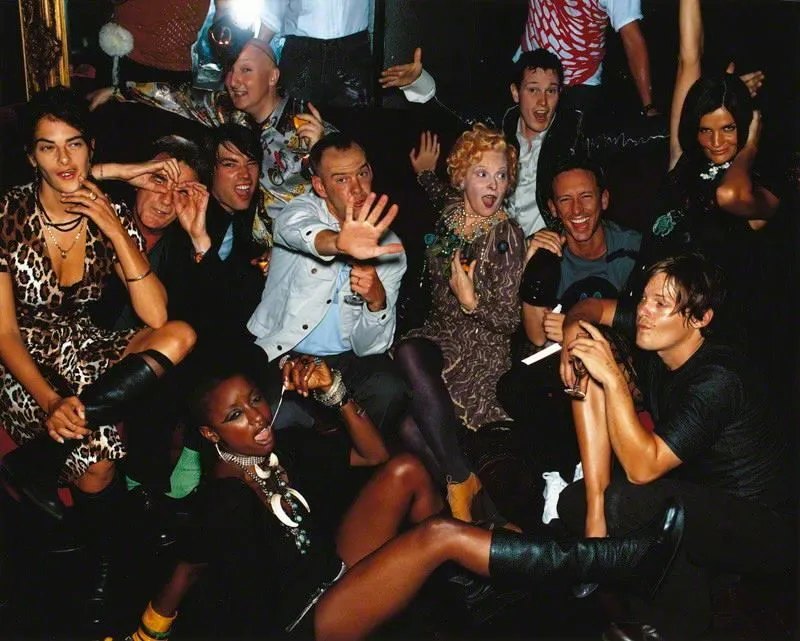
Vivienne Westwood turned bondage into an argument with power. In her King’s Road shop, renamed Sex, latex and chains were aimed at the mainstream, not sold to it. The clothes were built to provoke a confrontation in shared space.
Then the runway absorbed it, as runways do. Gianni Versace’s Fall/Winter 1992 — Miss S&M — is the moment fetish entered high fashion. Dog collars, harnesses, bustiers. The political charge stayed at the door. What walked the catwalk was the silhouette, repriced.
By the 2010s the harness was a standard edgy item, carried by Lady Gaga and Rihanna into pop, then onto a fast-fashion rail. Once it signaled membership in a hidden world. Now it’s an accessory.
Demna at Gucci and Ludovic de Saint Sernin: porno-chic is back, but the body performs for the lens
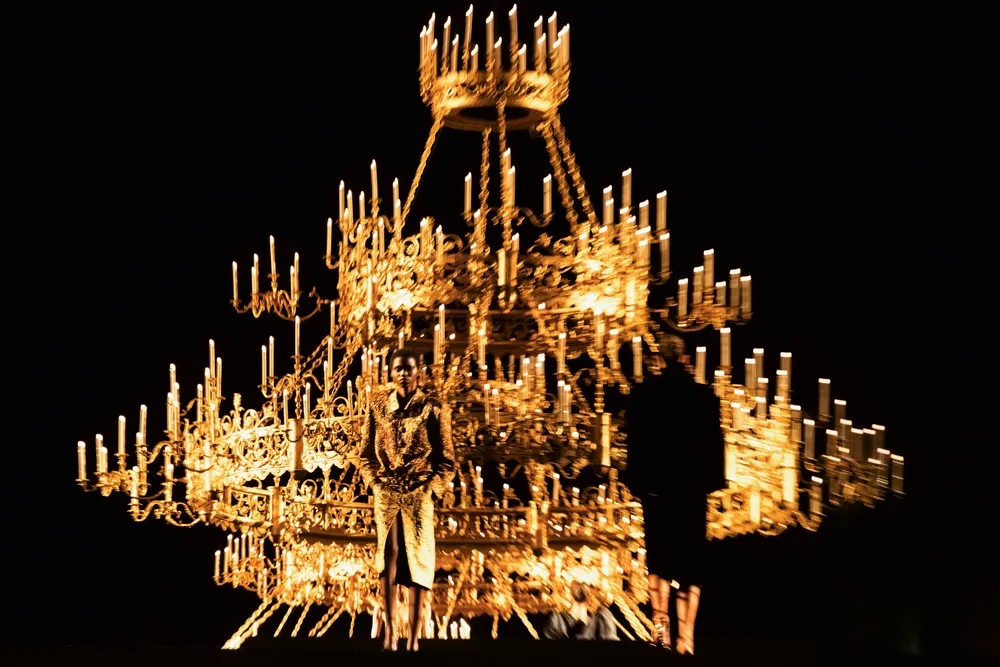
Demna’s runway debut at Gucci — Fall/Winter 2026, shown in Milan in February — closed with Kate Moss in a plunging dress over a logo g-string. Skintight minis, muscle tees, low-rise cutouts. Tom Ford’s porno-chic revived, the femme fatale returned.
Ludovic de Saint Sernin took the codes in a different direction. His Fall/Winter 2026 collection introduced the Harness Bag — a leather baguette suspended from a body harness. Bondage hardware reduced to a refined accessory. The harness no longer binds a body to anyone. It holds a handbag.
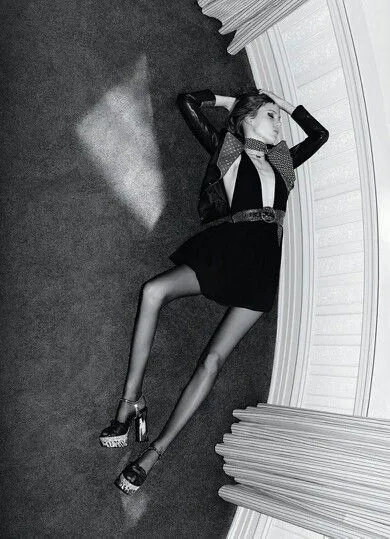
The erotic charge is still present — it has been staged. Stripped down against sterile industrial concrete, the body performs an isolated choreography for the lens. Undeniably horny, but sex optimized for the frame: engineered to be captured, uploaded, and consumed at a distance. Saint Laurent reached for the same charge through tailoring. Razor-sharp suits, strong sloped shoulders, lace two-piece sets, the jacket worn against bare skin. The suit as fetish object. Sex routed through structure.
How dating apps rewrote the search: from the dance floor to the curated profile
The club was a contained ecosystem. You didn’t search for a match — you entered a room and your body did the querying. The app changed the logic from proximity to probability. It offers the safety of distance. You can name a kink in a chat you wouldn’t say across a table.
Each platform sorts desire before a body arrives. Feeld: state the kink plainly. Grindr: map bodies by distance. Raya: gatekeep by status. Hinge: sell the prospect of a relationship.
Desirability used to be relational — you were wanted in proportion to a room. You dressed to catch one pair of eyes across a floor, to make a stranger risk the approach. Now desirability is curated and transactional. The profile photograph is the instrument. You are optimizing for a feed. The search is no longer for the wet, accidental spark of a stranger. It’s for the data points of a compatible file.
The Nightclub Crisis: documenting the night instead of living it: how the phone changed what the clothes defend
The club once worked as a third place — a room outside work and home where the daylight rules loosened. Sex inside it was less a transaction than a shared appetite, bodies briefly off the clock. Social platforms turned the room into a set. The pressure to record the night relocates the audience. They watch from a screen at home. The intimacy the darker desires require thins under that lighting.
The door once protected the experiment. When a goth or fetish look spreads online, it loses its insider status — a costume for one night, not a badge of belonging. The old gear shielded a body from a hostile daylight world. Now some of that armor guards against being filmed, against ending up in a stranger’s footage before the night is over.
Berlin keeps the older logic. Techno clubs maintain a strict door and a near-total ban on phones inside. Ravers arrive in plain black for the public street, then strip down in the changing rooms into mesh, harness, and skin. The all-black uniform was practical first: in rooms lit by one strobe, color is wasted. It reads as code now, but it began as a body dressing for the dark.
What the open door cost the dance floor
The harness traveled the whole distance. It began as a tool of constraint — a way to anchor one body to another in the dark. It ends as a prop for the screen. The skin-tight bodysuit now signals a wish to be seen. The meaning moved from who I am to who is watching.
One question remains for anyone still getting dressed: whether the desires sorted on an app are the wearer’s own, or a mirror of whatever the algorithm is pushing this season. The hunger never left. We are as hungry as the warehouse crowd ever was. We moved the search off the floor and onto the screen, traded the dark room for the lit profile. In the club, the wanting happened in a body, beside others. On the app, it ends at a stranger summoned to confirm a profile already built.