Palazzo Offline in Rome: publishing, work, and the changing Pigneto
As Pigneto changes through urban redevelopment, Palazzo Offline combines publishing, education, and editorial production under one roof
Pigneto is changing, and new cultural spaces are part of that process
Palazzo Offline opened in a moment of change for Pigneto. The neighborhood is undergoing an urban transformation in Rome, driven by new infrastructure and a shifting social landscape.
At the center of this process is the new Pigneto railway station, designed as an interchange with Metro C. The project will establish the district as a transportation hub for the eastern side of the city. Construction includes new pedestrian entrances, the redevelopment of Circonvallazione Casilina, and the planned covering of the railway trench. Public squares, green areas, and pedestrian routes will occupy the space above the tracks. They reconnect parts of the neighborhood that railway infrastructure kept apart for decades.
The intervention extends beyond transportation infrastructure. It includes new pedestrian routes, public spaces, and connections between areas separated by the railway corridor. Pigneto, once perceived as a peripheral neighborhood, is becoming connected to the rest of Rome while remaining connected to its existing residential and commercial fabric.
The physical transformation parallels a social and cultural one. A working-class area, Pigneto has attracted photographers, designers, publishers, students, artists, and independent businesses over the past decade. Small galleries, bookstores, workshops, and hybrid cultural venues have joined the neighborhood’s existing commercial and residential fabric. They create a network of places dedicated to research and production.
This growth has not erased the district’s informal character. Instead, it has layered new activities onto an established urban structure. The result is a neighborhood where residential life, small businesses, cultural projects, and creative work coexist within walking distance.
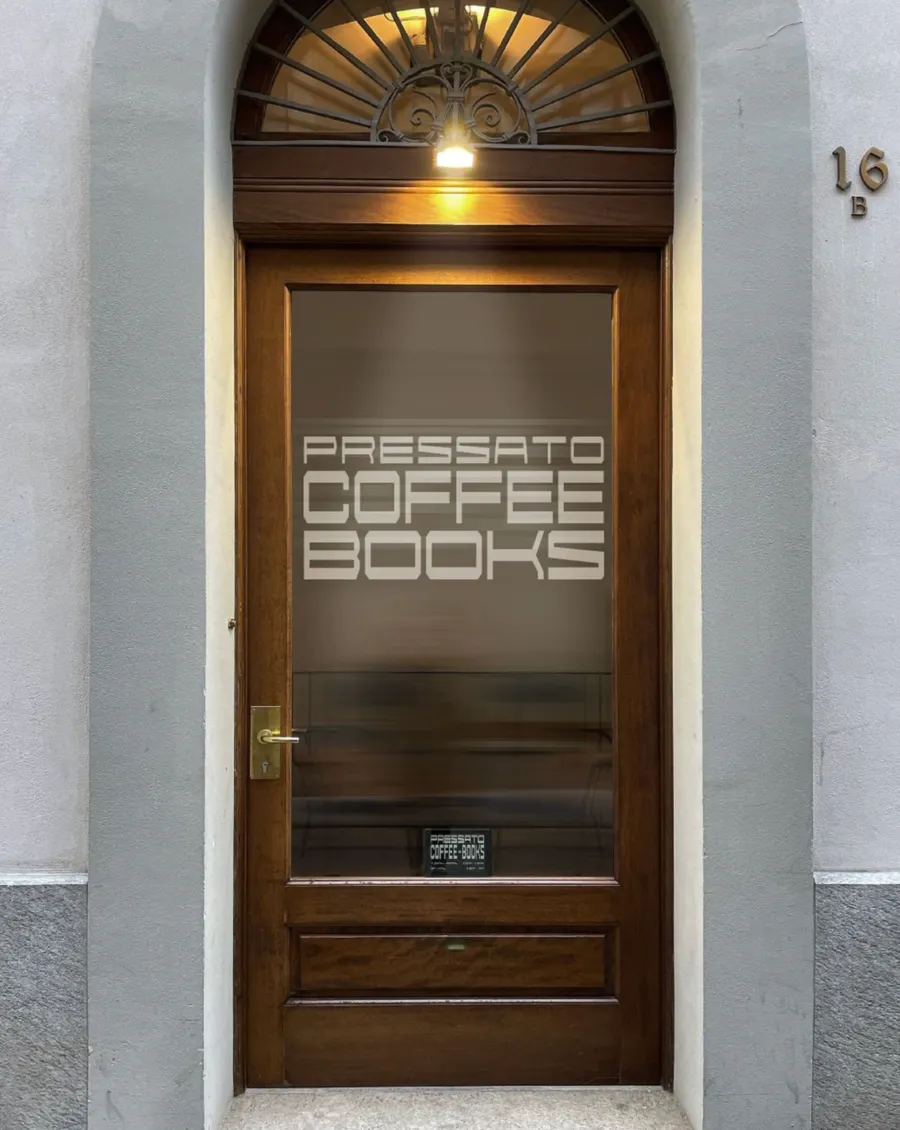
Palazzo Offline opened within this context. Founded by Eleonora Gaspari, the project expands the work of Palazzo Studio, established in 2022. Rather than functioning as a bookstore or a cultural venue, it combines publishing, education, and editorial production in a single space.
Palazzo Offline extends the work of Palazzo Studio
Palazzo Offline developed from a question. What role can a physical space play at a time when most editorial content circulates online?
The project does not reject digital platforms. Instead, it concentrates on activities that require physical presence. Reading, editing, discussing, producing images, and building editorial projects happen in the same environment. The distinction between education and professional practice is reduced. Learning is part of production, while production itself becomes a form of education.
This continuity reflects the structure of Palazzo Studio. Since its foundation, the platform has worked across publishing, image-making, and creative direction. Palazzo Offline gives these activities a permanent location.
The bookstore works as an editorial archive
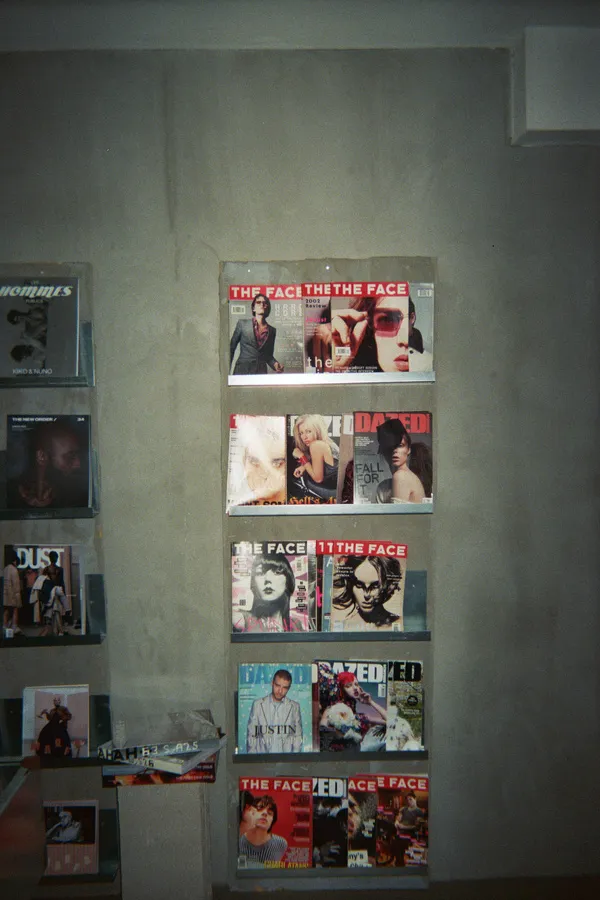
The center of Palazzo Offline is its bookstore. The selection includes independent publications, archive magazines, and titles that are difficult to find through conventional distribution channels. The project also works in dialogue with Milan Fashion Library, extending access to editorial material across disciplines.
Publications remain accessible for reading and research. A magazine establishes a sequence of images and texts that cannot be reduced to individual pages or isolated photographs. Reading follows a structure designed by editors, photographers, writers, and graphic designers.
This approach differs from the circulation of digital images, where context disappears. The bookstore offers access to complete editorial projects rather than fragments extracted from them. The arrangement of the space follows the same principle. Publications remain available for consultation. The objective is use rather than display.
The relationship with Milan Fashion Library and editorial archives
Palazzo Offline works in dialogue with Milan Fashion Library, an archive dedicated to fashion publishing. Founded in Milan in 2009, the institution preserves thousands of magazines, books, lookbooks, and editorial documents spanning several decades of fashion, photography, and visual culture.
The relationship expands access to printed material that would otherwise remain available to researchers and industry professionals. Through this connection, Palazzo Offline positions publishing not only as a contemporary practice but also as a historical resource. Recent magazines are presented alongside archive material, allowing visitors to examine how editorial languages, graphic design, photography, and publishing formats have evolved over time.
The collaboration also reflects a interest in preserving printed matter at a moment when much editorial production circulates through digital platforms. Within Palazzo Offline, publications are available for consultation and study, reinforcing the role of the space as both a bookstore and a place for editorial research.
Workshops connect publishing with professional practice
Education at Palazzo Offline takes place through direct participation. Workshops, portfolio reviews, and collaborative sessions bring participants into contact with photographers, stylists, art directors, and other professionals. The projects developed during these activities produce editorial material rather than simulated assignments.
The process follows the structure of professional production. Participants contribute to ongoing projects and develop their own visual and editorial languages through practical work.
Partnerships with brands including Carhartt and Uniqlo operate within the same framework. For Palazzo Offline, these collaborations support editorial activities and workshops while creating opportunities for exchange between participants and companies.
The model reduces the distance between education and work. Rather than presenting them as separate stages, Palazzo Offline treats them as connected parts of the same process.
A bookstore that changes month by month
The space changes configuration over months. These moments combine presentations, exhibitions, conversations, and public encounters. Visitors engage with the publication itself and with the circumstances of its production.
The changing layout prevents the space from settling into a permanent identity. Each intervention alters the way visitors move through the environment and interact with its contents. The program also reflects the nature of independent publishing, where magazines and books exist through temporary networks of readers, editors, photographers, and distributors.
Independent publishing and the future of cultural spaces in Rome
The opening of the space also reflects changes taking place across the city. New infrastructure is reshaping neighborhoods such as Pigneto, while independent initiatives continue to occupy former commercial spaces and create new forms of cultural production.
Urban redevelopment and cultural production are unfolding at the same time. New infrastructure reshapes the geography of the district, while projects such as Palazzo Offline participate in a different form of construction: creating places where publishing, education, and work can develop.
Its role is practical. Books are read, workshops are held, portfolios are discussed, and editorial projects are produced. The space functions as a place where cultural production takes place before it enters distribution channels, whether printed or digital.
For independent publishing, maintaining physical spaces remains part of the editorial process itself. Palazzo Offline offers one example of how that process is being developed in contemporary Rome.
Lampoon 33 Meccano — launch event at Palazzo Offline
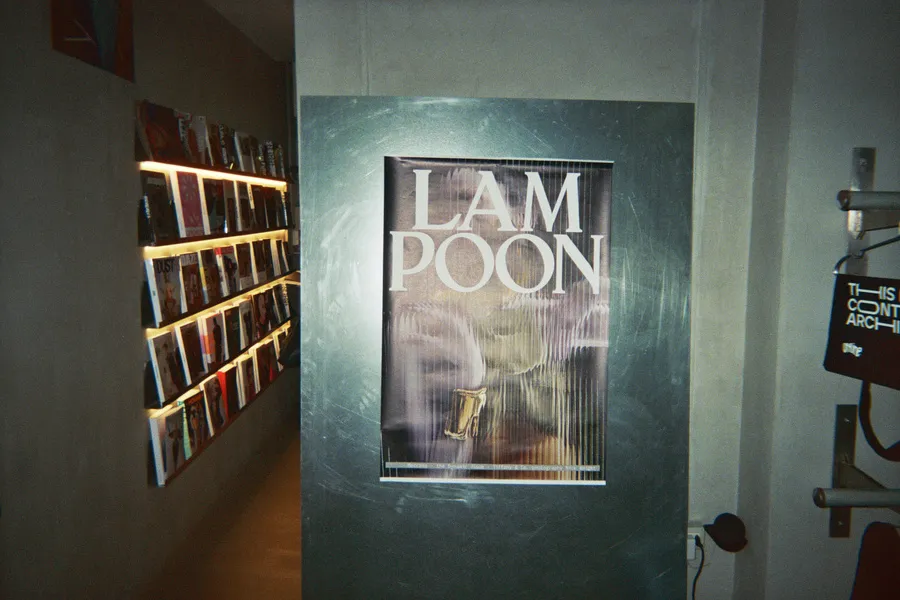
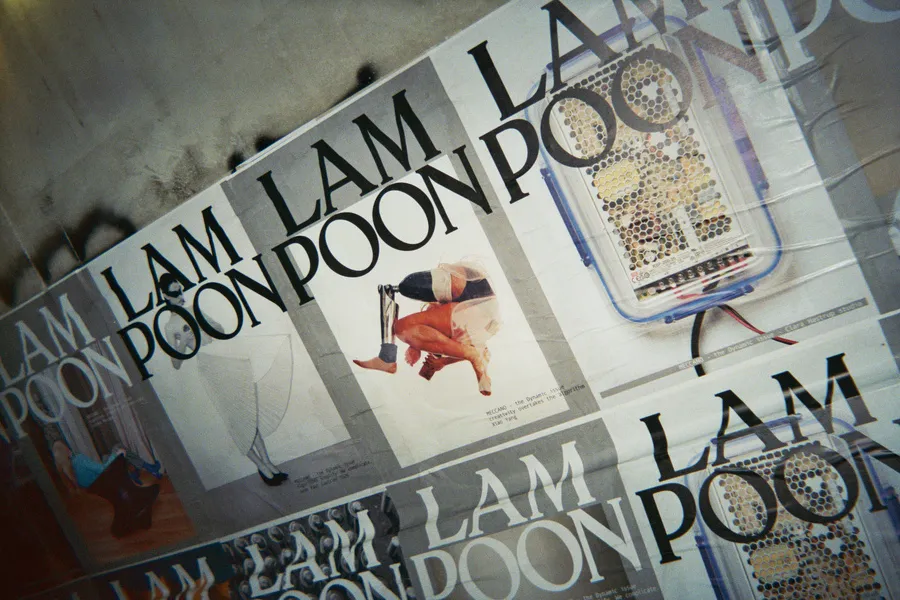
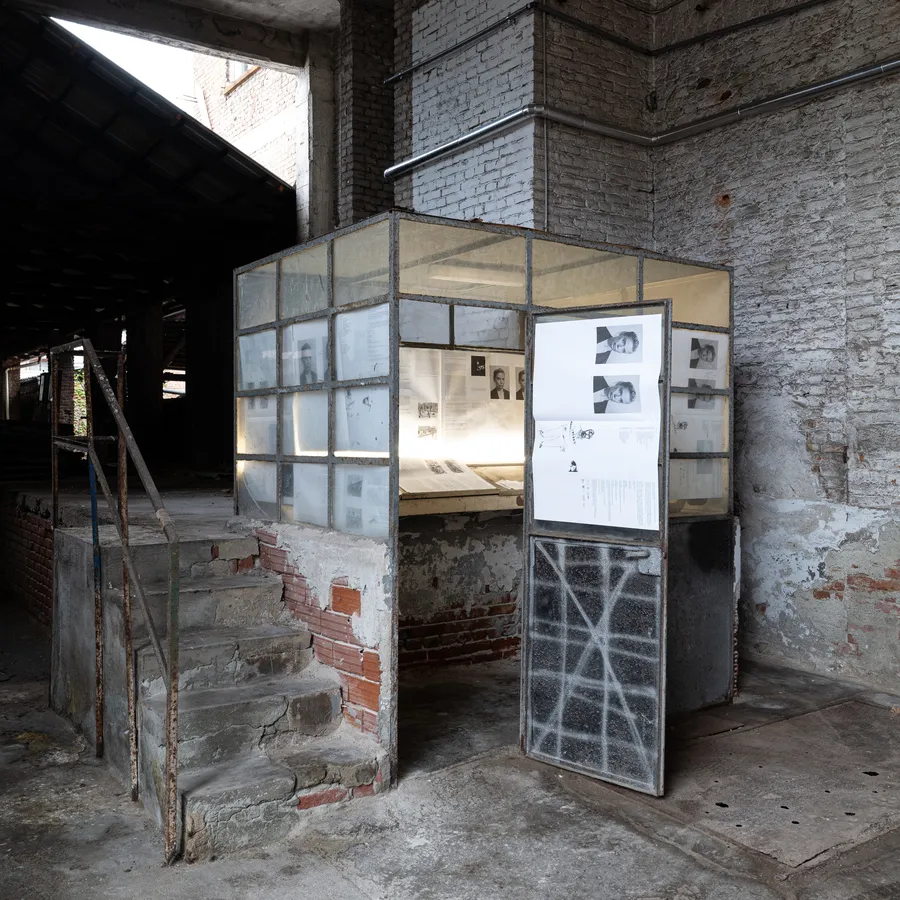
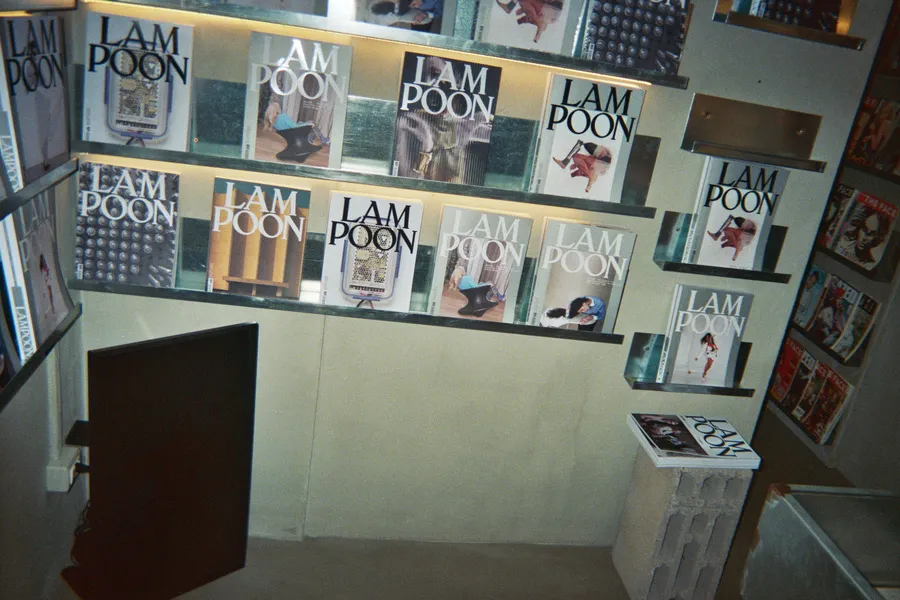
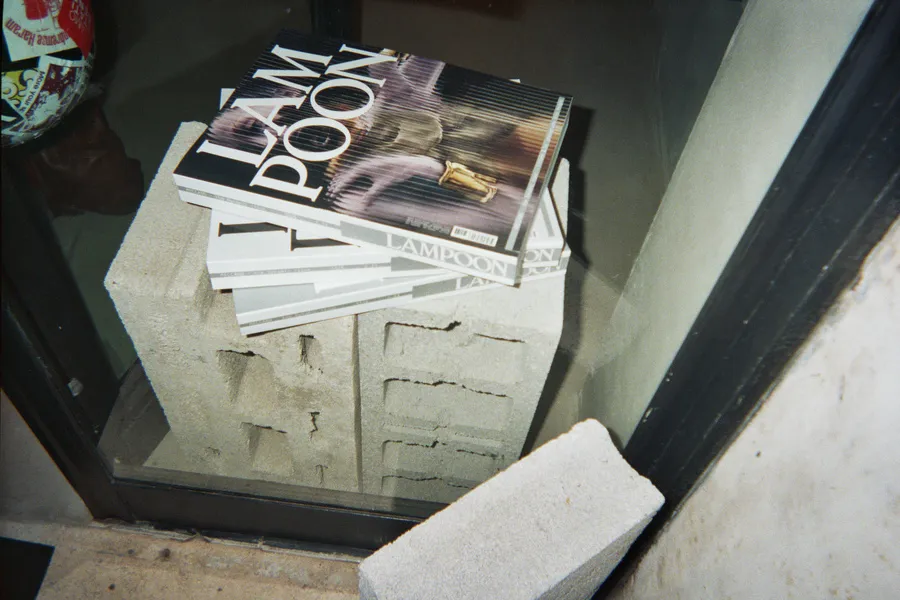
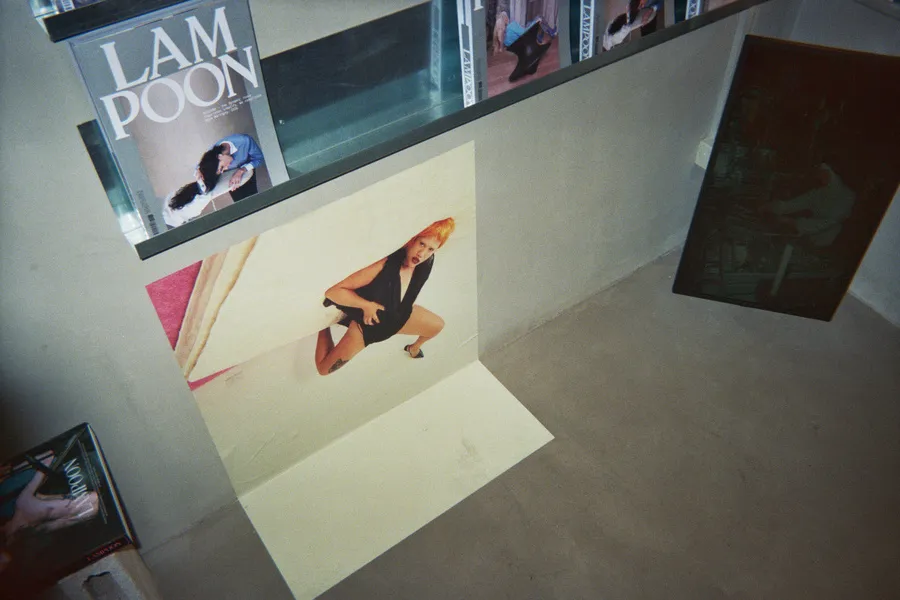
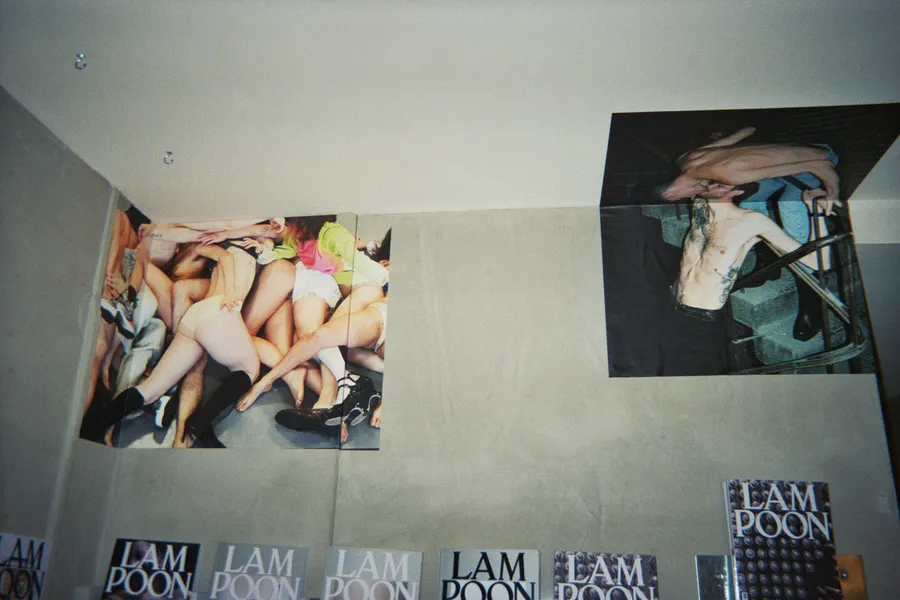
In April 2026, Palazzo Offline hosted the launch of Lampoon’s Meccano issue through a temporary installation. The display transformed part of the space into a physical extension of the publication, presenting copies of the issue alongside editorial materials connected to its production.
The project reflected one of the themes explored by Palazzo Offline itself: the relationship between printed matter and physical space. Rather than functioning as a point of sale, the venue became a setting where readers could encounter the publication within a editorial context. The event brought together members of Rome’s publishing, photography, and creative communities. Independent magazines continue to rely on bookstores, project spaces, and cultural venues as part of their distribution and public programming strategies.
Palazzo Offline, Rome
Circonvallazione Casilina, 126/A, 00176 Rome
Palazzo Offline is a publishing and educational space founded by Eleonora Gaspari in Rome’s Pigneto district. The project expands Palazzo Studio, established in 2022, combining a bookstore, workshops, editorial production, and collaborations with independent publishers and cultural institutions.
Eugenio Falavigna