Lake Como Design Festival 2026 works the border between materials
Waste and biomaterials: the eighth edition reads the border as the seam where one material is worked into another
Founded in 2018 by Wonderlake Como ETS, the Lake Como Design Festival stages exhibitions, talks and research across the historic center of Como and along its lake. It works through historic sites. The eighth edition runs from September twelfth to twentieth. Its theme is Border, in Italian Confine. The organizers read a border as a threshold rather than a dividing line. This year the festival applies that reading to itself. For the first time it leaves the boundaries of Como, extending into Lecco.
Border: the theme of the eighth edition, and four academic institutions
The expansion arrives with an exhibition program built with higher education institutions. The University of Insubria, the Como Conservatory and the Aldo Galli Academy of Como / IED take part. The Politecnico di Milano – Lecco Campus completes the group. The stated aim is to bring younger audiences toward design, architecture and art. The organizers position the program as a route to long-term relationships rather than a single season. The academic strand supplies the festival with its first venues outside Como.
Villa Saporiti: the Contemporary Design Selection changes venue
The Contemporary Design Selection returns for a fourth consecutive year under Giovanna Massoni. Francesca Prandelli directs it. This year it occupies Villa Saporiti, a late eighteenth-century neoclassical building on Passeggiata Lino Gelpi. The villa sits at the midpoint of the route from the city center to Villa del Grumello. Its plan is centripetal, organized around an elliptical salon. That solution is rare in Lombardy for the period. The lakeside facade carries mythological statues and decoration.
Fifty participants from thirty countries: the open call and its returns
An open call launched in January. It addressed independent designers, studios, planners, architects, artists, artisans, collectives and galleries. More than fifty participants from some thirty countries reached the selection. They come from Europe, the Americas, Africa and both Eastern and Western Asia. Massoni frames the result as a meeting of people and cultures who find here «a space — and a time — of reciprocity, learning, transmission and sharing», she says. She borrows Gilles Clément’s term for a refuge of diversity from his Manifesto of the Third Landscape. She cites Zygmunt Bauman on borders that turn into laboratories. She names Bruno Latour on objects as agents of relationship. Massoni positions border-crossing as a form of creative resistance.
Waste materials and biomaterials: what the selected work asks
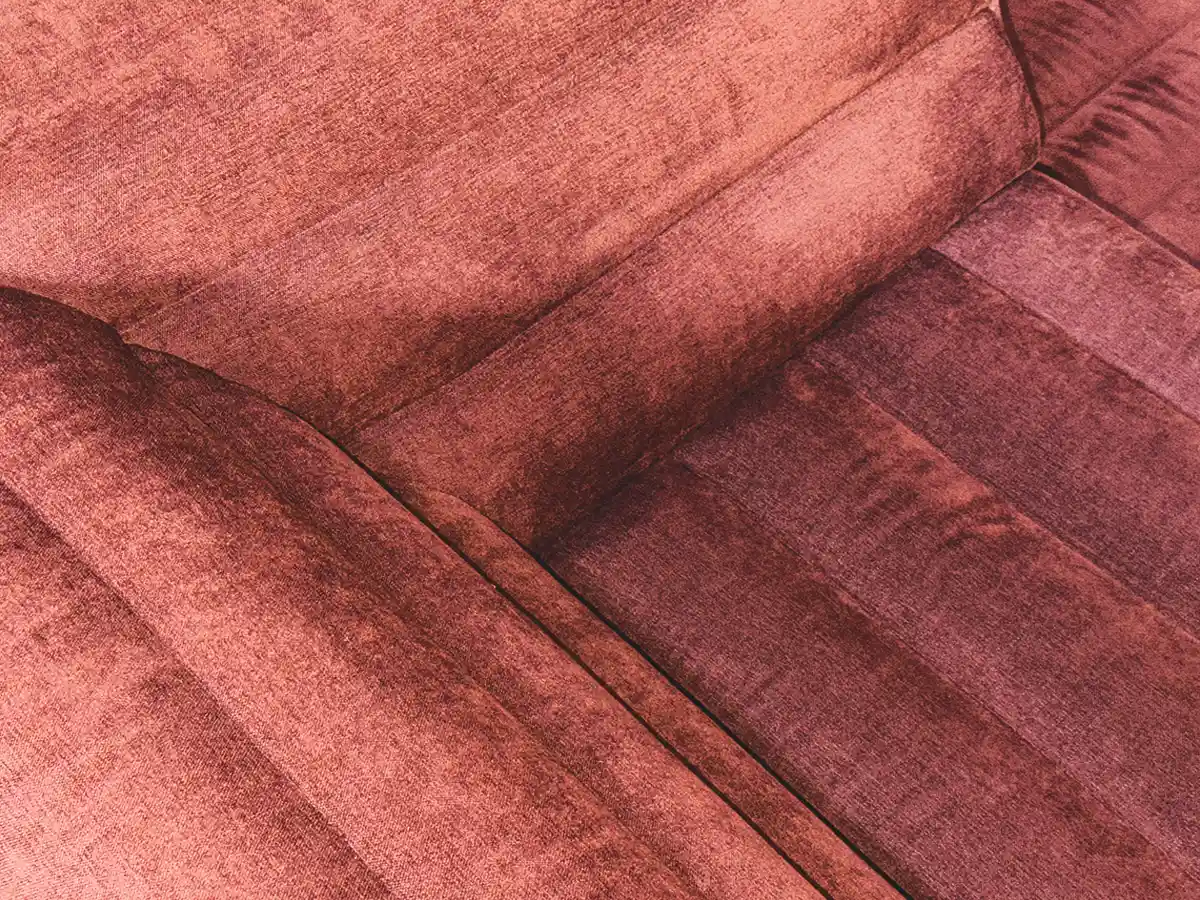
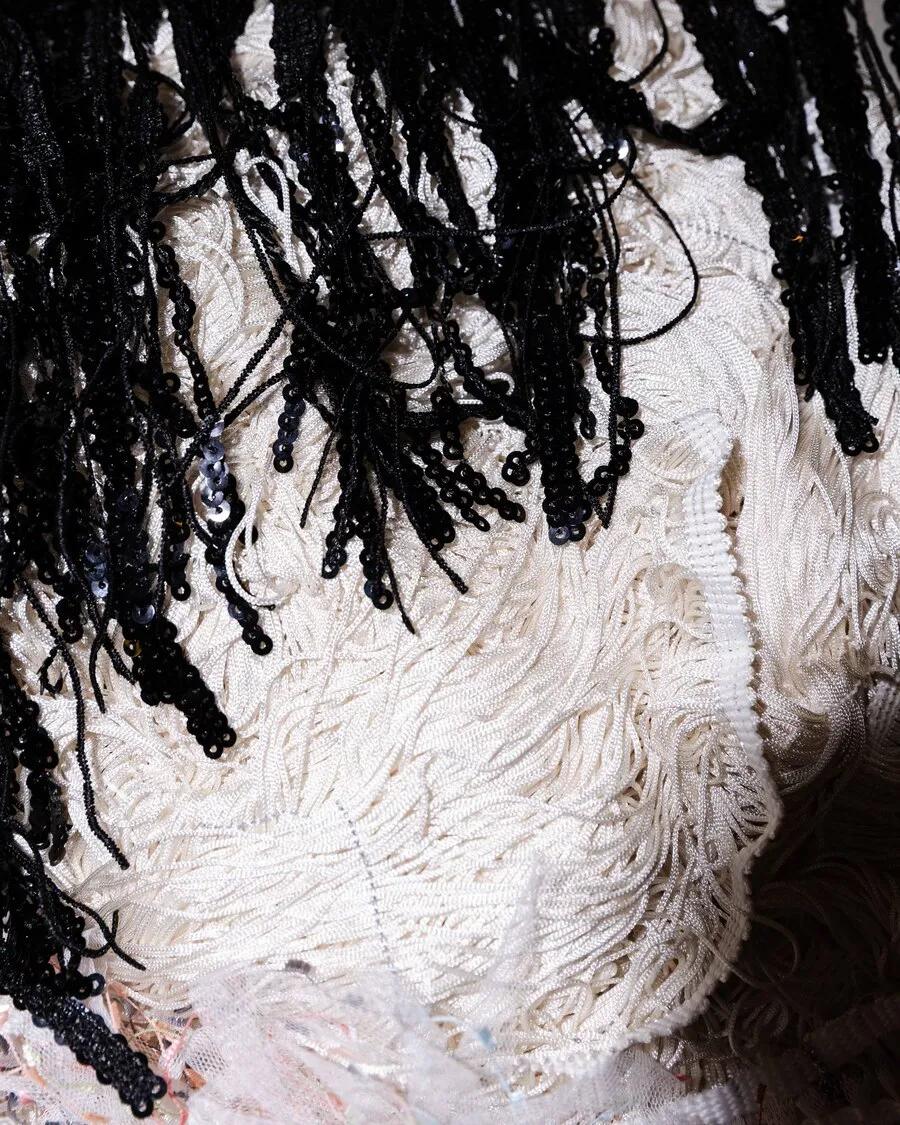
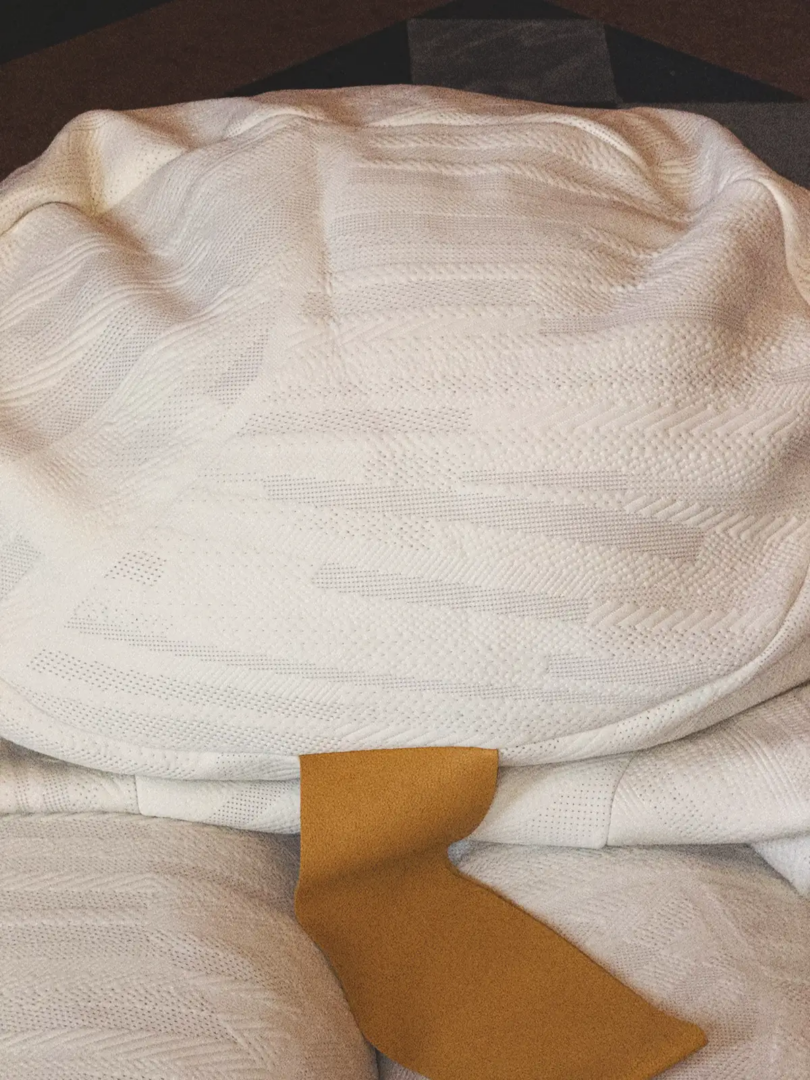
The selected objects use fabric, ceramic, glass, resin, metal and wood. Some use waste materials or biomaterials. Some designers work the border between materials, using hybridization to produce new meanings. Others work the limit between functions, proposing transformable objects for unpredictable uses. Further projects address the relation between urban and rural, and between center and periphery. Others test the line between authorship and participatory design. Several question the divide between design for the few and design as an inclusive tool. A group works the border between the human and the more-than-human. At Villa Saporiti, Rome-based studio Pastina, founded by Domenico Santoro and Francesca Puddu, presents Soft Monuments, a seating system that works on the border between furniture and architecture. Measuring 340 × 200 × 120 centimeters, the piece translates the scale and presence of a monument into aggregated padded volumes, replacing the permanence and hardness associated with stone with softness and adaptability. The volumes can expand, contract and assume different configurations, leaving sitting, leaning and other uses deliberately undefined. Soft Monuments is produced in textile, 3D textile or full-grain leather, with hammered leather detailing. For Lake Como Design Festival, Pastina presents a special edition upholstered in Groma, a textile developed with BYBORRE from research into the unintended marks left by human activity on the landscape, translated into a woven pattern.
Future in the Past: design archives as production material at Villa del Grumello
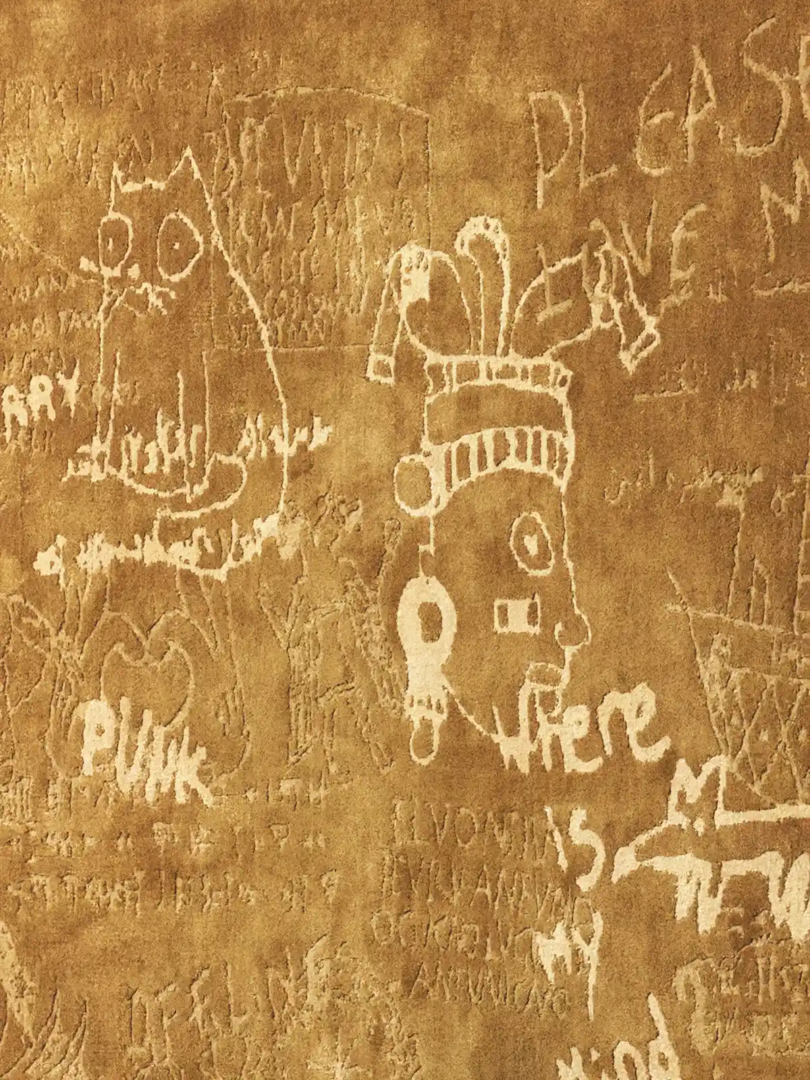
Villa del Grumello and its park reopen as the setting for an itinerary. Inside the villa, Future in the Past brings archives, manufacturing knowledge and current practice into the same rooms. The exhibition declines the archive as a repository. It presents unrealized prototypes, forgotten drawings and preliminary studies as material for reinterpretation. Lupo Borgonovo shows Disegno Nomade, made with Lithos Edizioni and Jaipur Rugs. Its drawings derive from buckles carried by the nomadic peoples of Eurasia. Nicolò Spinelli works with Simonetto, the woodworking atelier from Meda, on an intervention designed by Elisa Ossino. Etel returns with a vertical exhibition on Lina Bo Bardi and her furniture work in Brazil.
Carla Badiali and Paolo Buffa: engravings that outlived the original
The Carla Badiali Archive shows drawings from her collaborations with Hubert de Givenchy and Pierre Balmain. The works record her process and the constraints of textile printing. Eredi Marelli returns with a bar cabinet designed by Paolo Buffa in 1948. Engravings on the piece follow Andrea Appiani’s drawings for The Deeds of Napoleon. Appiani’s cycle once decorated the Hall of the Caryatids at the Royal Palace in Milan. Bombing destroyed it during the Second World War. The decoration survives through the engravings on the cabinet. Francesca Brambilla curates 1in16 – A border divided, a story shared, where each artist receives one uninterrupted sheet of AnimaGrigia® paper. The work reaches final form through division. Proceeds from the notebooks fund the Wonderlake Como ETS Educational Program 2026–2027.
Lecco: Oltre al Vedere and the Eclisse lamp read by touch
The festival’s first Lecco venue is Francesca Brambilla Comunicazione, on Corso Matteotti. Oltre al Vederecomes from Cultura Meccanica, for the Department of Mechanical Engineering at the Politecnico di Milano. The Associazione Nazionale Subvedenti collaborates. The project builds audio-tactile devices for blind and partially sighted audiences. In 2024 it produced an audio-tactile board for Raffaello’s preparatory cartoon for the Scuola di Atene, now at the Pinacoteca Ambrosiana. Here it presents a tactile version of the Eclisse lamp by Vico Magistretti. Visitors read the object through touch and sound. At the Politecnico’s Lecco campus, Confini instabili renders landslide dynamics perceptible through models and evolving data. It sits within the AMALPI MORE research project.
Ultrapresent Studio curates Atto Puro and the Church of Santa Caterina
At the Como Conservatory, Ultrapresent Studio curates Atto Puro, a sound installation in the organ room built around the Cosmos audio system. Elsewhere in Como, the former Church of Santa Caterina hosts Fine Comune: il confine come spazio d’incontro, a collective exhibition organized by Lobby Nomade with the creative direction of Ultrapresent Studio. The project takes the border as a shared space rather than a dividing line, bringing art galleries and design brands into the same exhibition architecture.
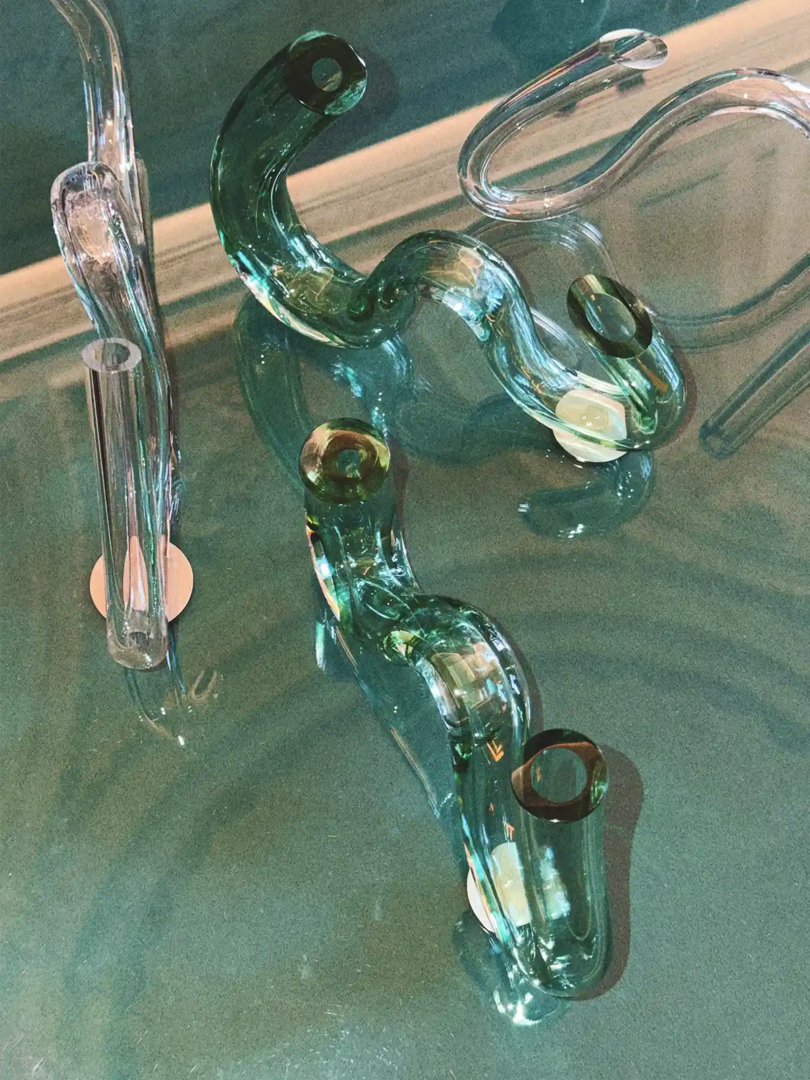
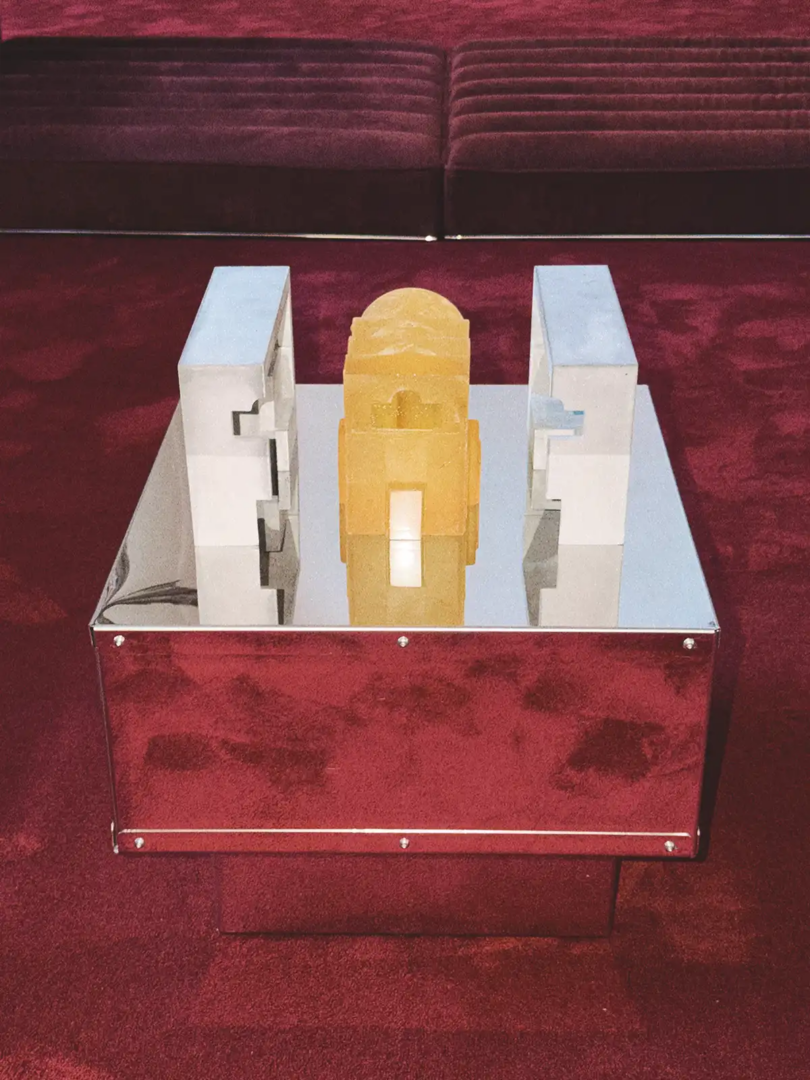
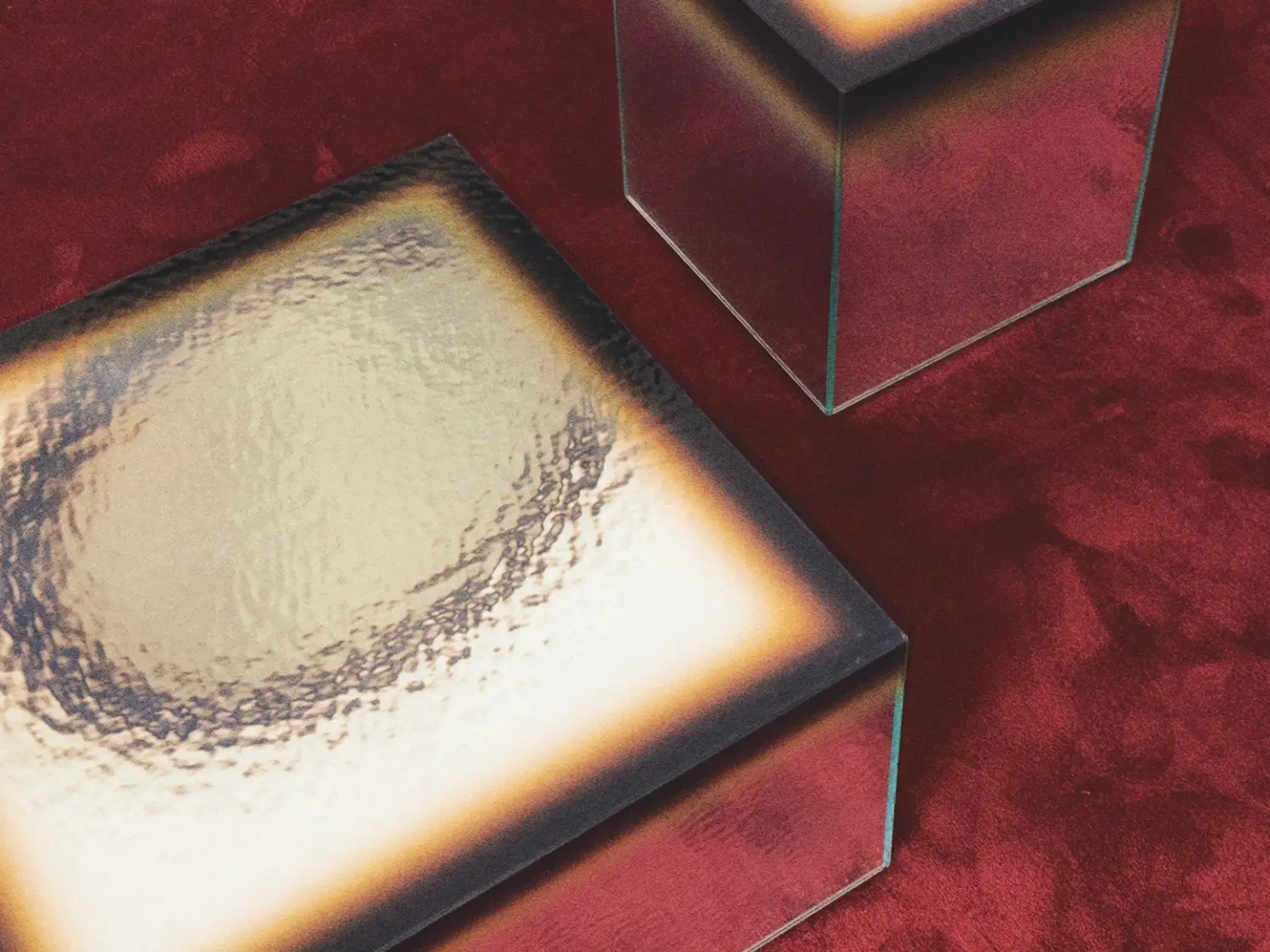
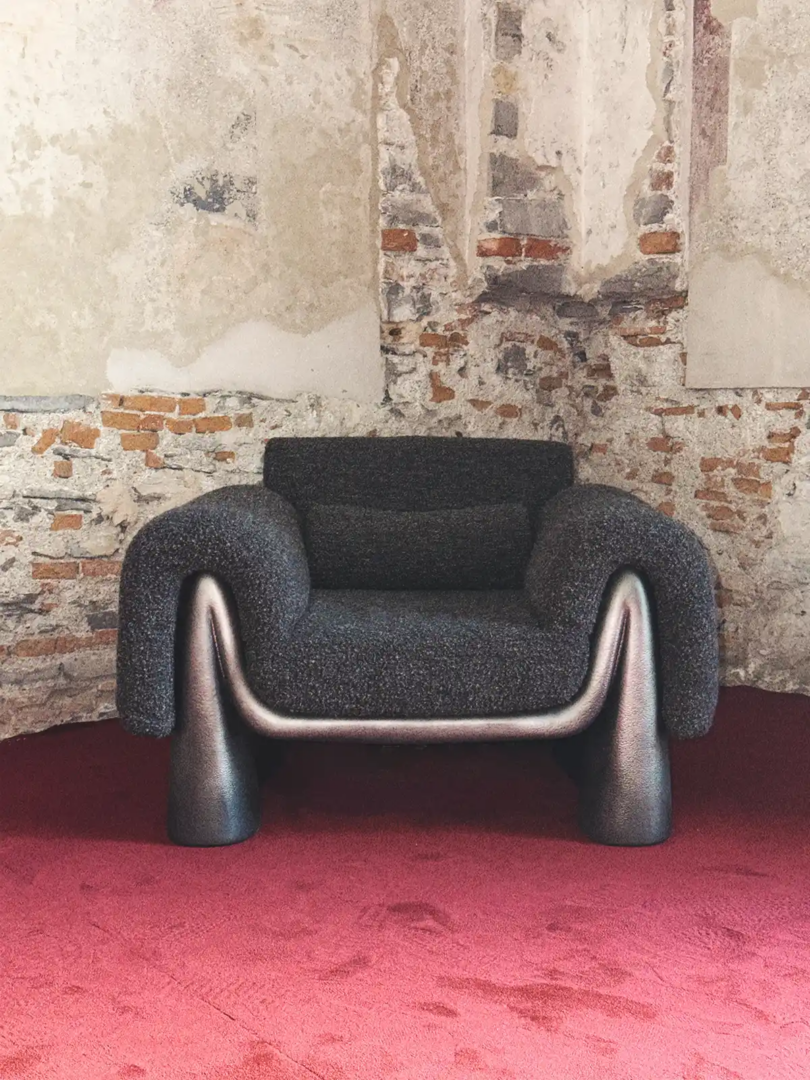
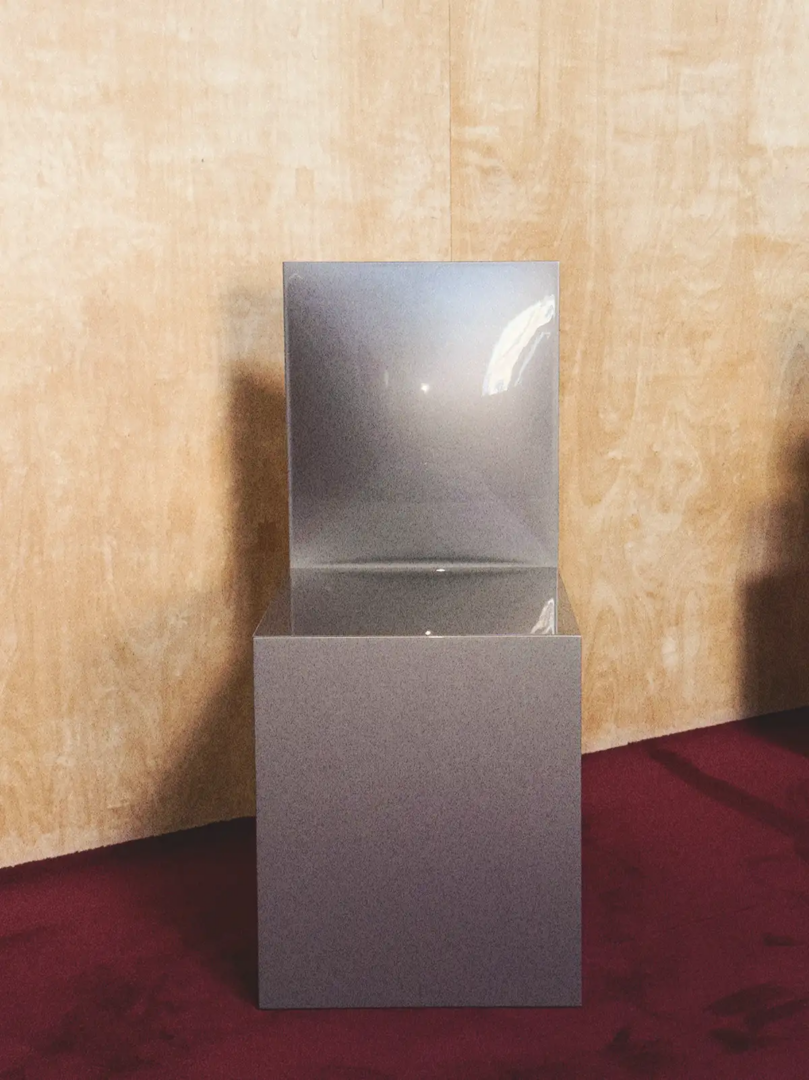
Within Fine Comune, Movimento Gallery participates as one of the exhibiting galleries, presenting a selection of contemporary collectible design alongside Lia Rumma, represented by Luca Monterastelli, and design companies including Acerbis and cc-tapis. Movimento’s contribution examines borders between art and design, function and sculpture, production and material perception. Chris Shao’s Good for Business armchair works between utility and comfort; CARA\DAVIDE’s Broca side table and TIPSTUDIO’s Secondo Fuoco mirror expose the relationship between process and finished object. Costantino Gucci’s Illior I & II, made in glass and mirror, makes the idea of the border explicitly perceptual, shifting between the real and the imagined, between the physical object and its reflection.
The selection continues with works by Studio F, Artefatto, Federica Elmo, Kajsa Willner, Elakform, Maximilliano Crovato, Neemesi, Henry Baumann and Atelier Sohn, extending the exhibition’s argument through contrasts between natural and artificial, rough and smooth, solid and soft. Here Movimento Gallery – founded in Milan in 2020 – positions collectible design as a field in which technique, material, gesture and function can move across established categories. Elsewhere in the festival, the Ico Parisi Design Archive traces the collaboration between Parisi and Giuliano Collina through the 1995 closing of La Ruota.
Como Design Festival
Lake Como Design Festival is an annual themed event of exhibitions, talks and research, staged across the historic center of Como and along its lake. The eighth edition runs from September twelfth to twentieth, 2026, on the theme Border, and reaches Lecco for the first time. Venues include Villa Saporiti, Villa del Grumello and its park, the former Church of Santa Caterina and the Politecnico di Milano – Lecco Campus. Wonderlake Como ETS conceives and promotes the festival, from via Alessandro Volta 70, Como.