Clean and unclean, Sofia Alazraki
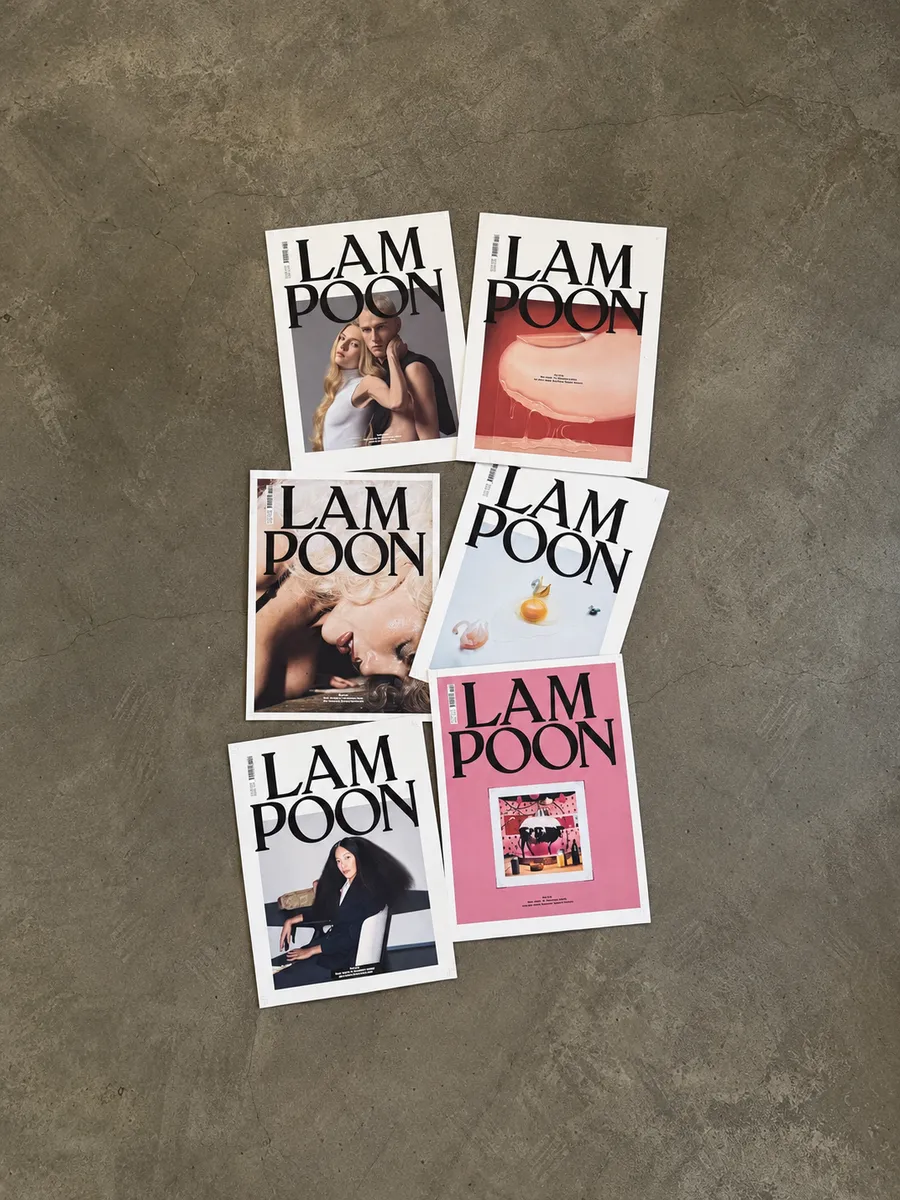
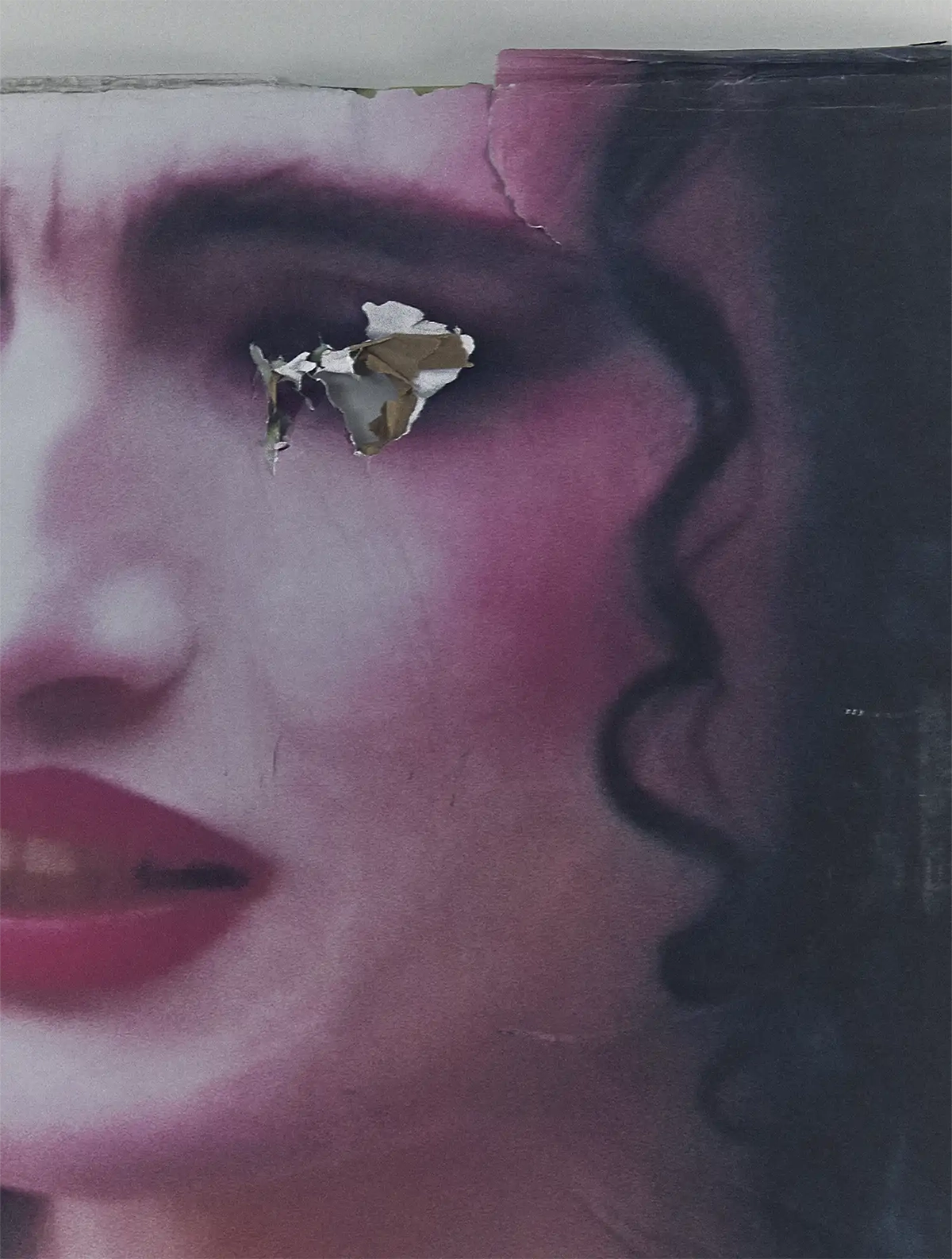
In her still lifes for Lampoon SOAP, Sofia Alazraki reflects on the dialectic of purity and decay — where discipline meets residue, and the language of the everyday becomes an ode to Dirty Beauty
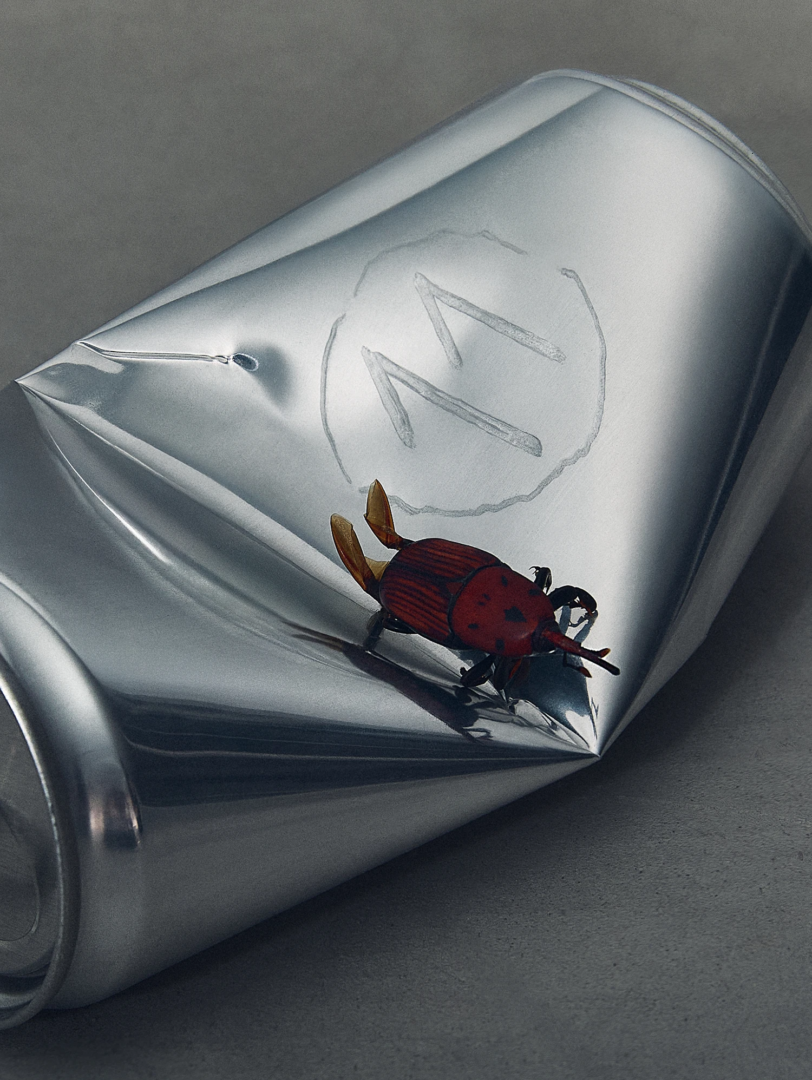
Sofia Alazraki explored the tension between purity and impurity
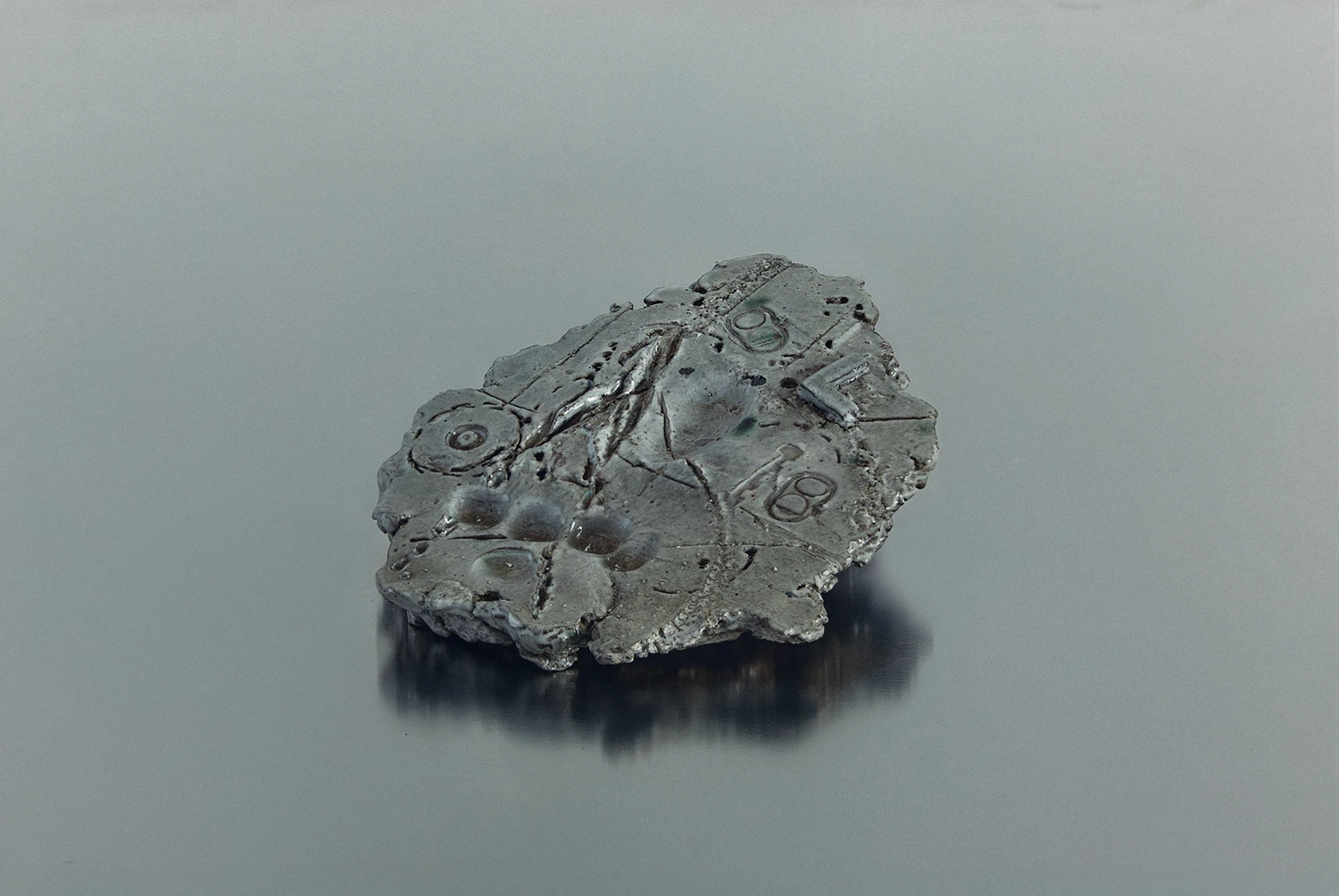
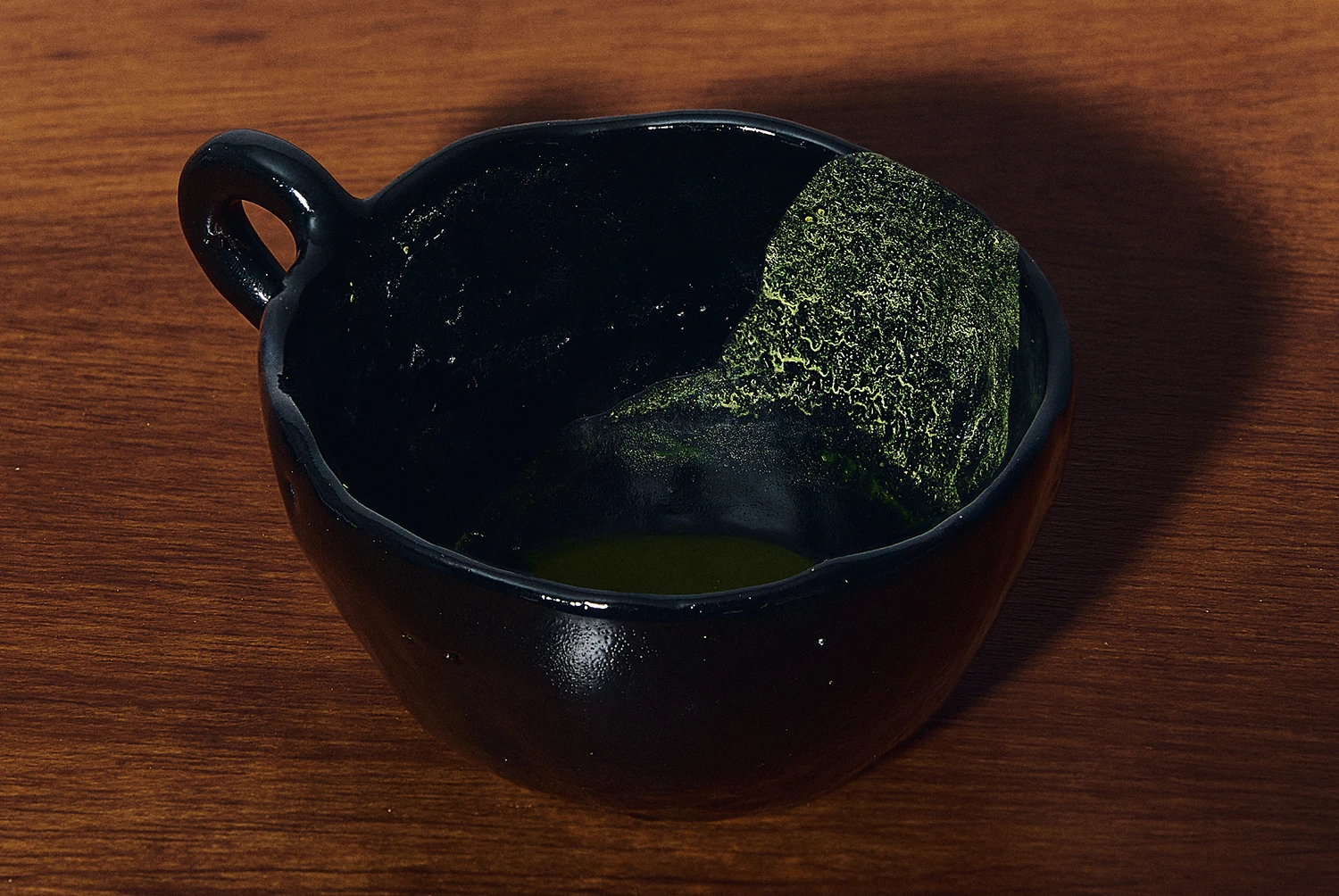
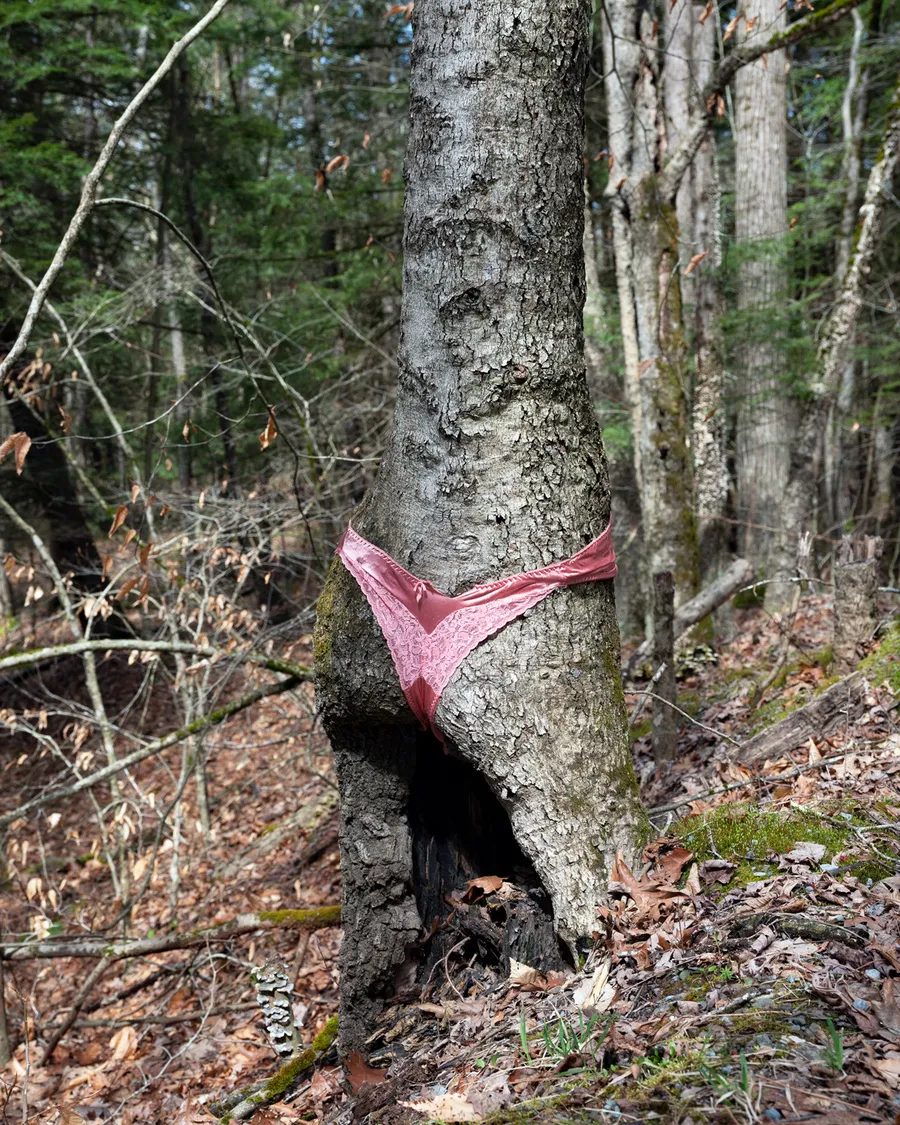
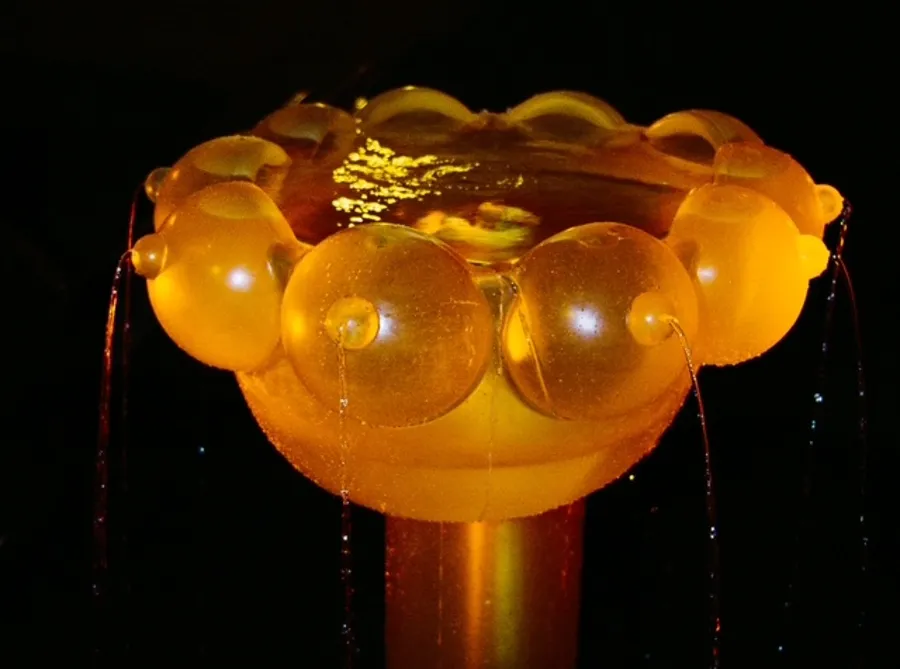
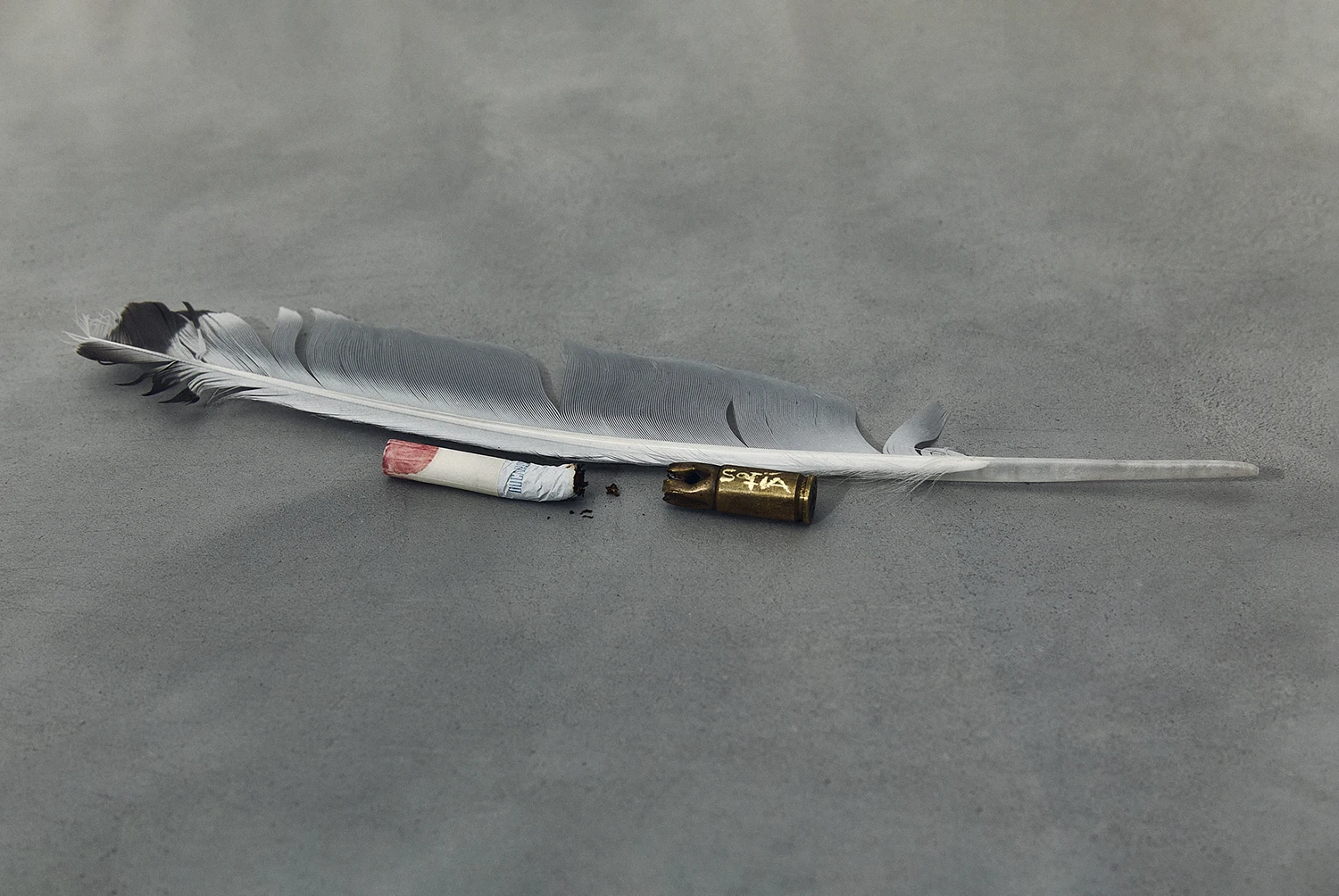
Lampoon SOAP, photographer Sofia Alazraki. The still life series reflects on the fragile line separating cleanliness from contamination, beauty from decay. The table becomes a stage for leftovers, cigarette butts, and traces of daily life, where order dissolves into something more human: the poetry of dirt.
The presence of dirt in art is never just about grime or disorder. It’s a rebellion against purity, an act of resistance against the idea that art must be clean, distant, and idealized. Throughout the twentieth century and into the present, countless artists have transformed leftovers, trash, and the banal traces of daily life into powerful symbols of truth. The “dirty” in art speaks of intimacy, decay, and reality — it brings us closer to the raw material of living.
From Duchamp’s Ready-Made Shock to the Birth of the Everyday as Art
The story begins with Marcel Duchamp, whose radical readymades — such as Fountain (1917) and Bottlerack (1914) — dismantled the border between life and art. By declaring an ordinary object to be a work of art, Duchamp opened the floodgates: if a urinal could hang in a museum, then so could a pile of dishes or cigarette butts.
Artists like Kurt Schwitters carried that legacy forward, building his sprawling Merzbau out of trash, receipts, and found debris. The messy surfaces of his work reflected a shattered modern world, where art was no longer about perfection but about collecting fragments of experience. Dirt became evidence — a record of existence.
When Trash Became Gold: The Poetics of Arte Povera
In the late 1960s, Italy’s Arte Povera movement took this philosophy and made it political. Artists like Michelangelo Pistoletto, Jannis Kounellis, and Mario Merz embraced lowly, “poor” materials — rags, wood, coal, wax — to oppose consumer culture and the sleek artificiality of modernism.
Pistoletto’s iconic Venus of the Rags (1967) captures the collision of the sacred and the discarded: a classical goddess turning toward a chaotic pile of filthy clothes. The work radiates tenderness and irony. In Kounellis’s installations, soot, burlap, and even live animals speak of labor, history, and the raw texture of life. Through dirt, Arte Povera rediscovered the sensual body of art itself.
Daniel Spoerri’s Trapped Tables and the Poetry of Leftovers
Few artists embody the aesthetics of residue like Daniel Spoerri. His Tableaux-pièges (“snare pictures”) preserve the aftermath of a meal: dirty plates, wine stains, half-eaten bread, and crumpled napkins fixed in place, as if frozen in time. Spoerri takes the intimate chaos of everyday life — what most of us would throw away — and transforms it into a moment of permanence.
His works capture the emotional archaeology of the ordinary. The cigarette ash and crumbs become relics of conversation, memory, and companionship. In Spoerri’s hands, dirt turns into a time capsule — not disgusting, but deeply human.
Dirty Intimacy and Confessional Chaos: Tracey Emin and Sarah Lucas
In the 1990s, a new generation of British artists pushed the personal and the messy into the spotlight. Tracey Emin’s My Bed (1998) is an unflinching self-portrait through disorder: an unmade bed surrounded by condoms, empty bottles, underwear, and cigarette packs. It is both shocking and heartbreakingly vulnerable, exposing the private mess of emotion, sex, and despair.
Sarah Lucas, a fellow Young British Artist, used similar materials — tabloids, cigarettes, food scraps — to attack gender stereotypes and domestic clichés. Her installations turn vulgarity into humor and critique, making filth a tool of feminist rebellion. For both artists, dirt is a language of truth: a way to show that the personal is political, and the private is never pristine.
Global Trash and the New Aesthetics of Waste
In the twenty-first century, the aesthetics of dirt and residue have taken on a global dimension. El Anatsui, from Ghana, creates monumental hanging sculptures from thousands of liquor bottle caps and aluminum fragments. From a distance they shimmer like precious textiles; up close, they reveal a network of waste and colonial histories.
Subodh Gupta, from India, transforms cooking utensils, plates, and pots — symbols of domestic labor and mass consumption — into monumental installations. His works blur the line between kitchen and cosmos, between what we eat and what we discard. In both cases, the humble material carries immense political weight: the dirty becomes sacred, the disposable eternal.

Why the Dirty Still Matters
To embrace dirt is to embrace truth. The artists who work with mess, residue, and the unwanted remind us that art is not a mirror of perfection but a map of reality — one that includes stains, smells, and traces of use. Dirt exposes the body, time, and the systems that produce both beauty and waste.
From Duchamp’s urinal to Emin’s unmade bed, and from Spoerri’s trapped tables to Alazraki’s still lifes for Lampoon, the journey of “dirty art” tells the story of how the everyday — and even the unwanted — became the most honest material of all. In a world obsessed with filters and polish, these works whisper a radical message: nothing is too impure to be meaningful.
Sofia Alazraki
Sofia Alazraki (born in Buenos Aires, based in Europe) is an art historian and multidisciplinary artist who leads her own studio focused on art and communication. In the commercial field, she works primarily across set design, photography, filmmaking, and creative direction, collaborating with international brands and productions. As a visual artist, Alazraki’s practice engages with photography and installation, exploring movement and the humanization of objects. Her work transforms ordinary materials and inanimate forms into living presences — poetic bodies that reveal emotion, fragility, and the passage of time.