We are afraid of losing images: photography in the digital age with Xiaopeng Yuan
From failed iPhone backups to printed photobooks, Xiaopeng Yuan explores the instability of digital memory and questions what remains when images become data stored inside endless archives
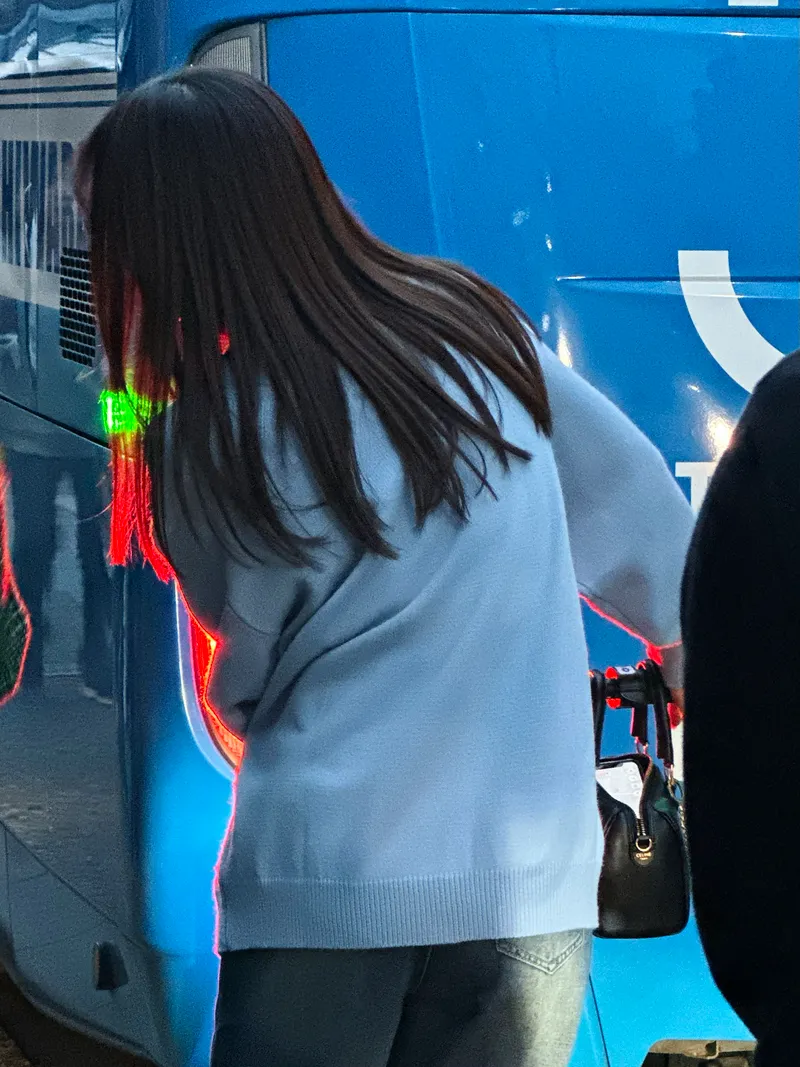
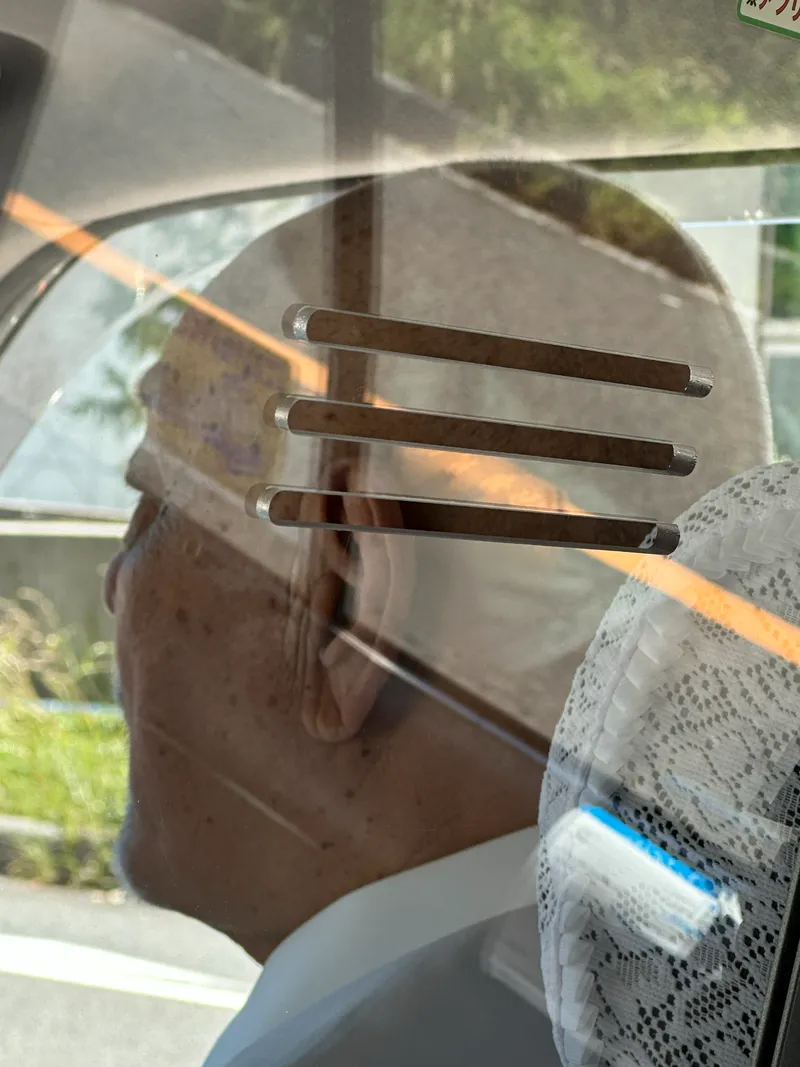
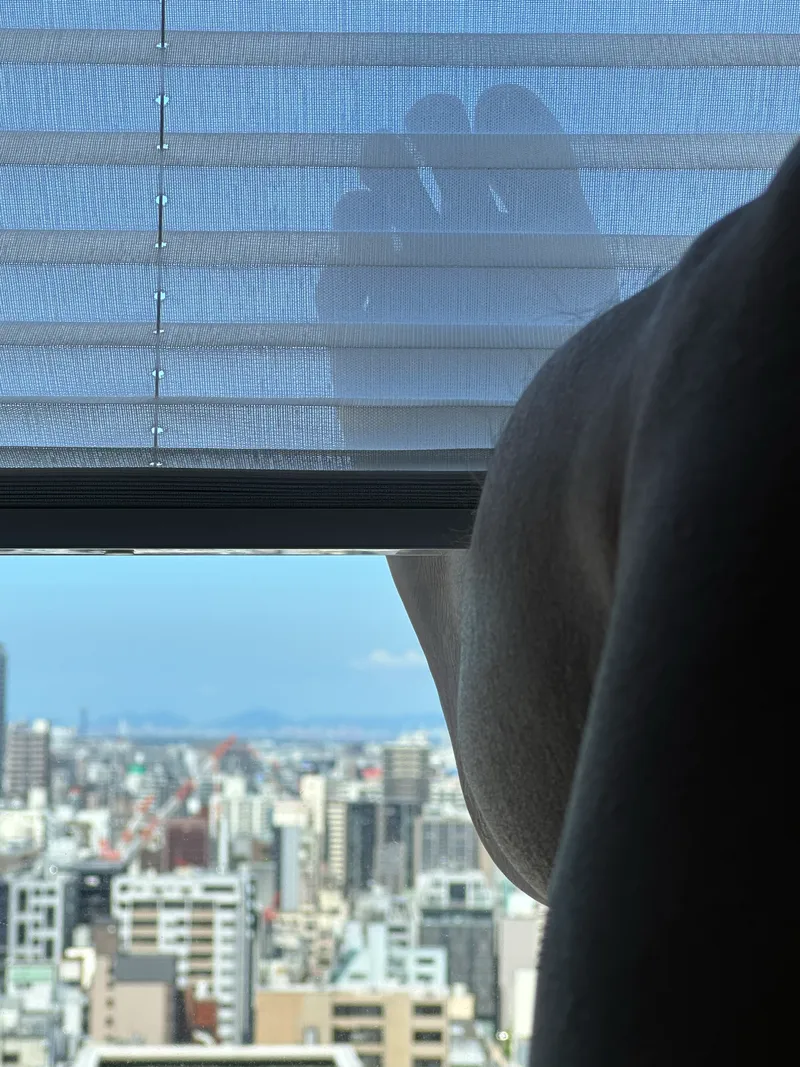
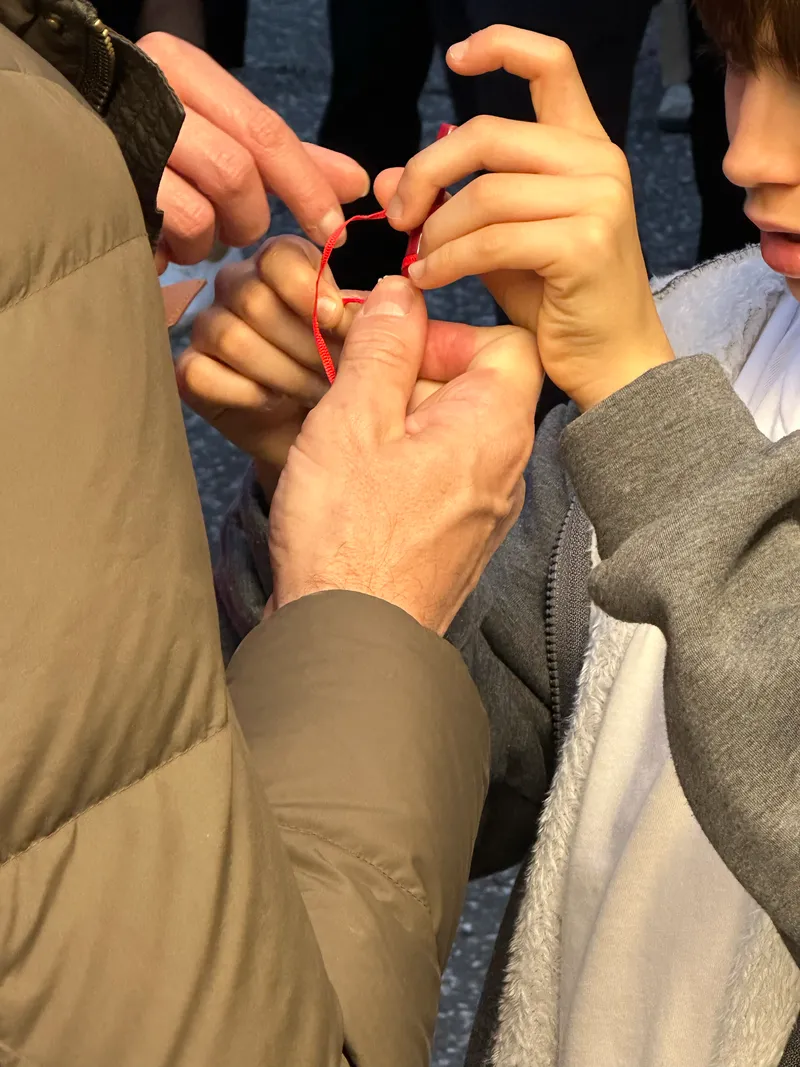
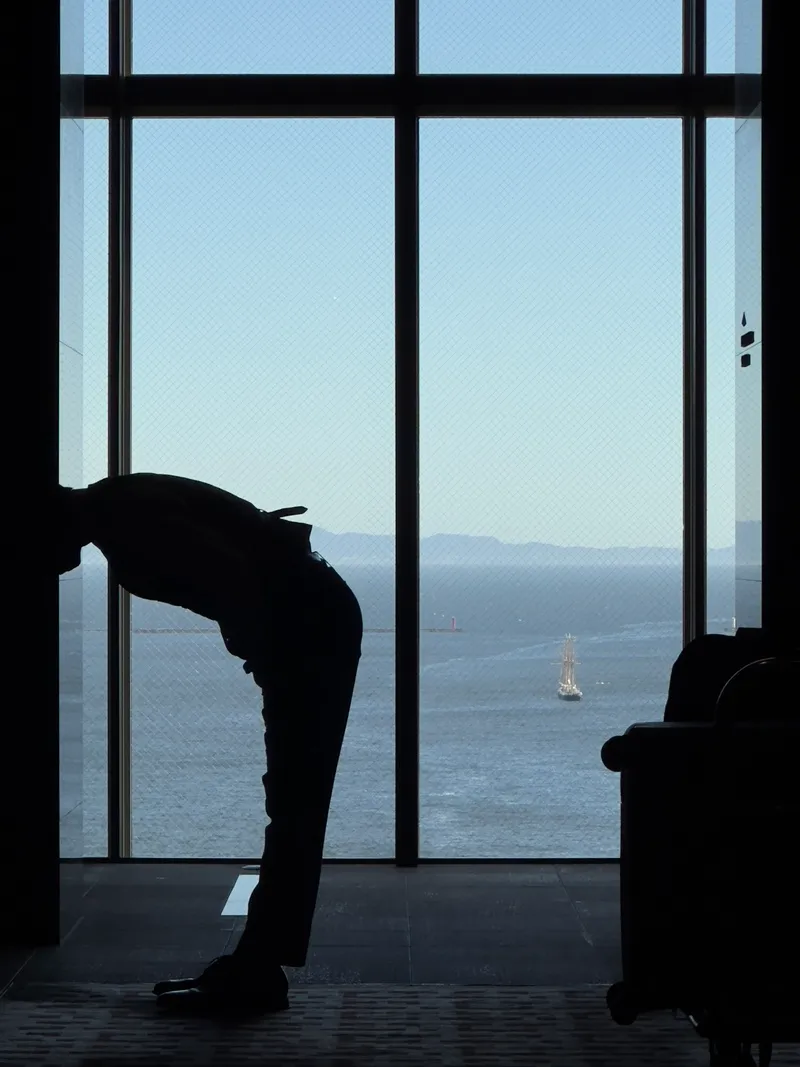
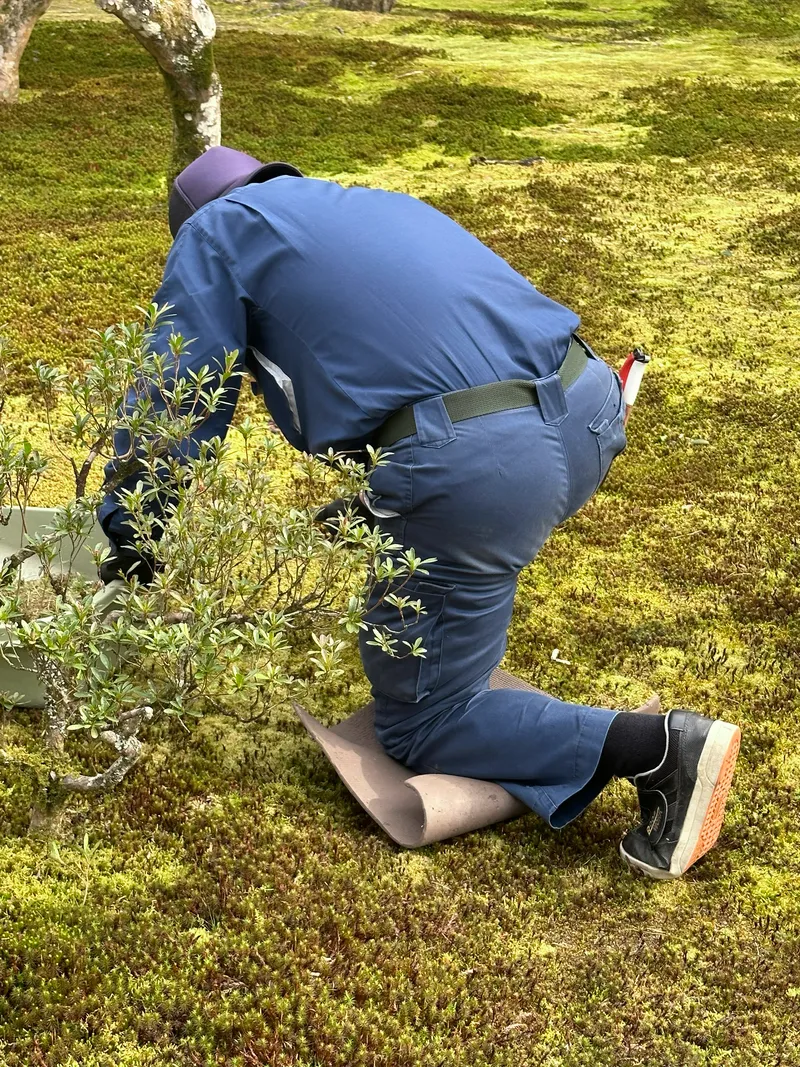
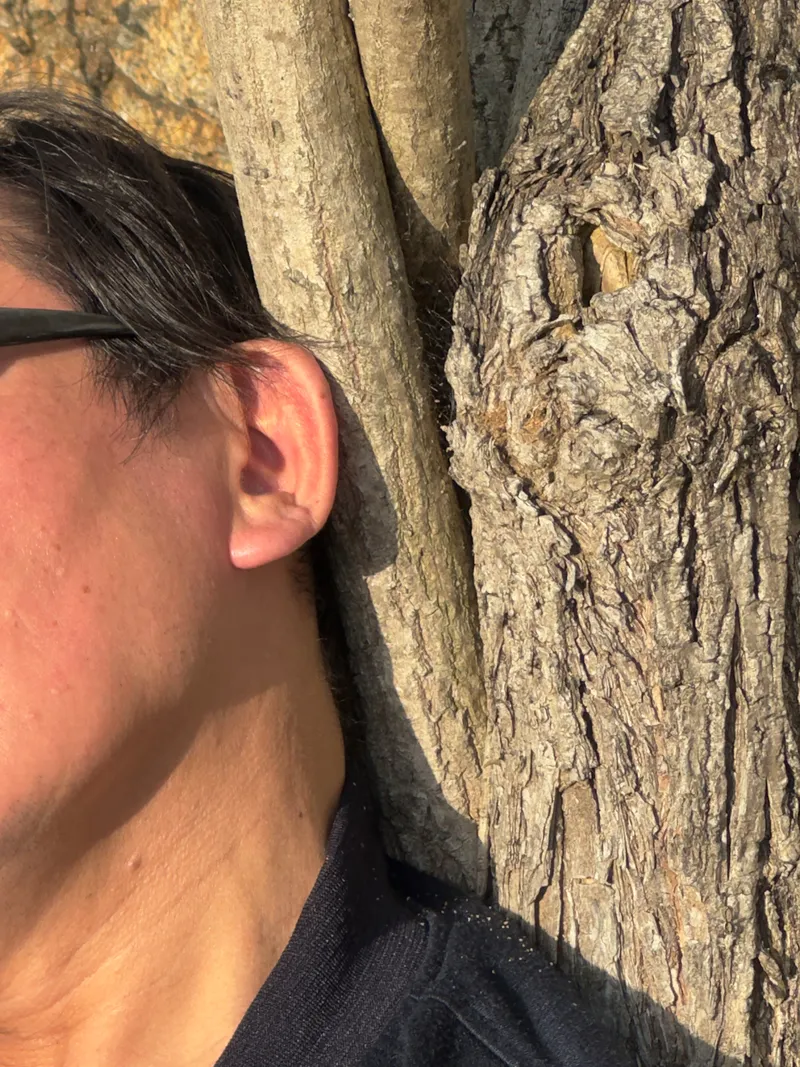
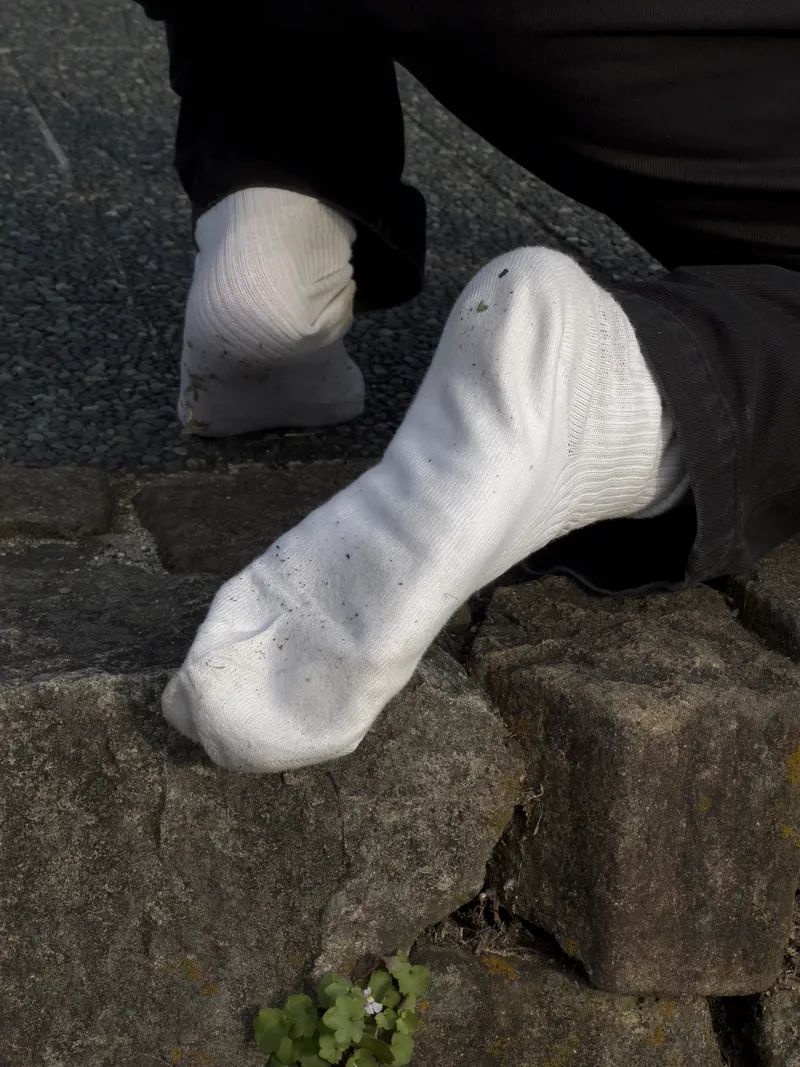
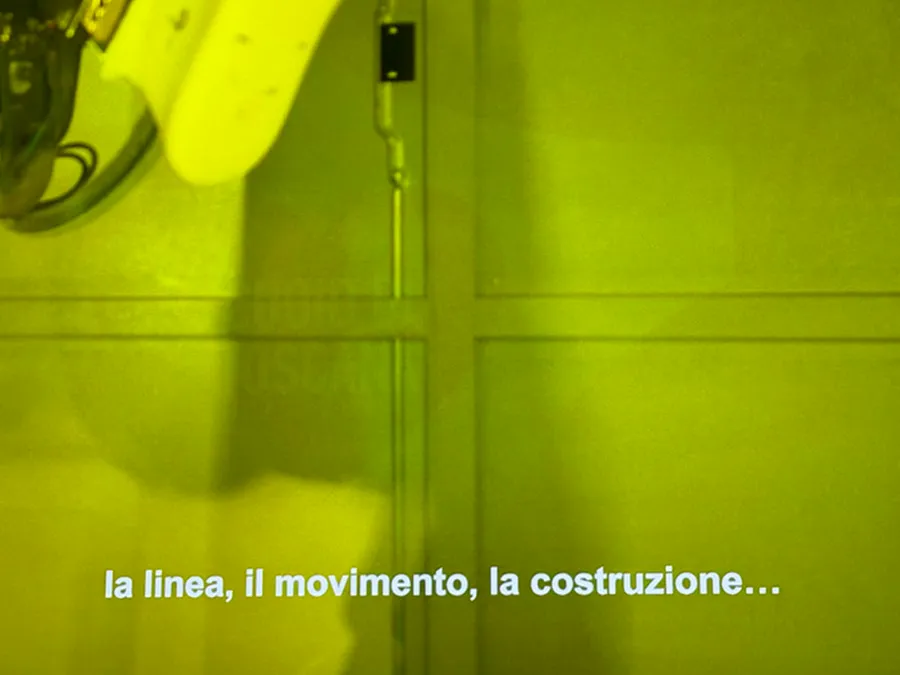
Chinese photographer Xiaopeng Yuan (1988, Hunan, China) has published a new photobook with commune Press, using a personal archive of images as a starting point to reflect on photography and digital memory. I, MA, GE / Backups / Nobody Knows, built from photographs taken during repeated journeys across Japan between 2023 and 2025, began as an evolving backup system before gradually becoming an inquiry into image production, technology and perception.
Today photographs are produced, stored and consumed at a speed that often exceeds our ability to remember them. Thousands of images accumulate across smartphones, clouds and hard drives, creating the impression of endless archives while remaining unexpectedly fragile. Yuan starts from this contradiction: if everything can be recorded and preserved, what actually remains within an environment increasingly saturated with images and information?
An interview with Xiaopeng Yuan: digital memory and the instability of archives
MF: I, MA, GE / Backups and Nobody Knows both begin with the possibility that digital images can suddenly disappear. We live surrounded by archives that seem endless and permanent, yet they can also be unexpectedly unstable. Was there a specific moment that made you realize how fragile digital memory actually is?
Xiaopeng Yuan: My awareness of this fragility comes from two specific incidents. I used to take a large number of snapshots on a 35mm film camera, and I also had the habit of casually photographing everyday life. Around 2013, when I started using an iPhone, I had no concept of backups at all. I basically treated my phone like a hard drive.
Then in 2017, my phone suddenly crashed because it contained too many photographs. It turned into what people called a “white Apple.” In a single moment, all the images and everyday details from the previous three or four years disappeared. Because of Apple’s automatic update system, the exact same thing happened again in 2019.
So between 2013 and 2019, there is almost a blank space in my visual memory. Most of the time I can only describe scenes from those years the way people once did: through recollection, rather than by opening a photo album and scrolling through images. Experiencing that kind of abrupt erasure made me understand how unstable digital memory can be. Around that period, I started trying to “back up” my photographs by turning them into printed photobooks.
Xiaopeng Yuan on digital archives, photobooks and image preservation
MF: Your archive began as something deeply personal, almost paranoid, a backup system meant to prevent the loss of images. How does the meaning of the archive change once it enters the public sphere?
Xiaopeng Yuan: When I organize these images, it’s simply a way of archiving — not a “backup” in the literal sense. Perhaps the shift here is from a private album to a kind of public archive.
MF: Speaking of this shift, images now seem to exist in an immaterial space where they are permanently available. Yet you transform them into physical objects. Do you see your work primarily as a strategy of preservation, or as a form of distrust — almost a political gesture — toward the digital infrastructure that increasingly sustains contemporary memory?
Xiaopeng Yuan: I’m more interested in borrowing the notion of “backup” — a term usually associated with data — as a way to organize and archive images before bringing them into print. For others, that act itself might contain a subtle form of resistance. I hadn’t really thought about it that way before — haha.
On one hand, I never fully adapted to the logic of cloud storage. On the other, I still find it difficult to understand why, after buying a phone with a large amount of storage, I should continue paying a kind of “management fee” just to keep my own photographs. But maybe, in the end, it simply comes down to wanting to save money.
Photography, image overload and the meaning of digital memory
MF: We have never taken so many photographs and, at the same time, we rarely remember what we photograph. Do you think photography still functions as a form of memory today, or has it increasingly become a medium for the endless production of content? If this shift is real, how does it change the meaning and value we assign to photographs?
Xiaopeng Yuan: I often feel uncertain about my own act of taking photographs. I’m not always sure about the value or meaning of these small images. For me, none of the individual pictures exists as a work on its own. What matters is the process of selecting, collecting and organizing images. It feels more like a collector’s compulsion, or perhaps a fetishistic attachment to image data.
MF: In Underworld, Don DeLillo describes a photograph as “a universe of dots,” where technology can reveal hidden information and redeem the past. Your work seems to begin from an almost opposite condition: unstable archives, vulnerable images and fragile memory. How do you understand the role of photographic technology today?
Xiaopeng Yuan: Today, taking photographs has become almost like blinking. When we encounter something beautiful, our first instinct is to raise a camera and capture it. We rarely stop to think about what that gesture actually means. It feels more like a reflex humans have developed.
I saw this thing, I photographed it — and somehow that becomes proof that I really witnessed it. Especially in the digital age, the origins of our visual memories have become increasingly blurred. It becomes difficult to distinguish what we have truly experienced from what we have only seen through screens.
Perhaps there is a kind of illusion at work: once something is photographed, we assume it must belong to a reality we personally touched or experienced. The image itself makes us more certain that those memories are real.
Xiaopeng Yuan on observation, misreading and photography in Japan
MF: You have described your work as the result of a practice of silent observation, often shaped by language barriers and a sense of distance. When you do not fully understand what is happening around you, does your gaze become more open, or does it risk becoming more abstract and detached from the reality it is observing? How has this condition influenced the way you look at and photograph the world?
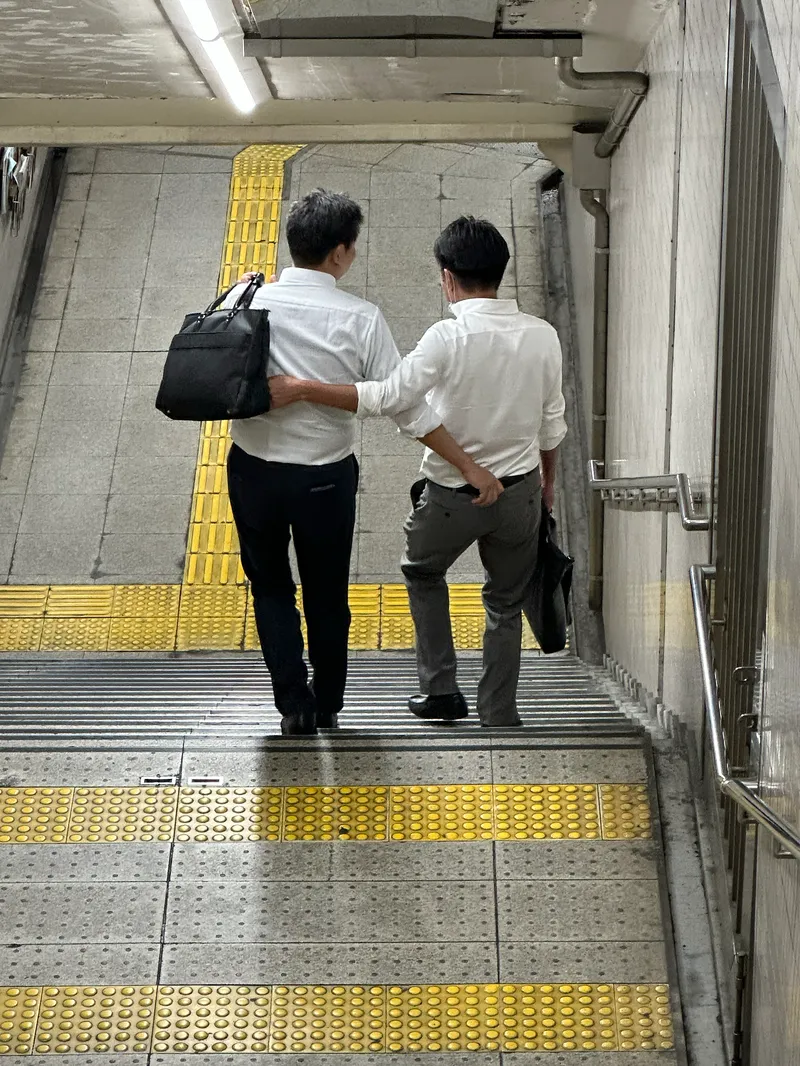
Xiaopeng Yuan: This refers specifically to Nobody Knows. After the pandemic, I often traveled to Japan. Because I couldn’t understand the language — neither spoken nor written — I entered a condition of “misreading.” That state freed me from being guided by established or collective interpretations.
Without the need for communication, simply observing in silence and maintaining a certain distance from everything around me actually made my approach to photography more open.
Photography, visual culture and resistance to spectacle
MF: Your photographs seem to reject spectacle: there is no climax, no event, no obvious drama. In an era where visual culture is built around excess, speed and intensity, can your approach be understood as a form of resistance?
Xiaopeng Yuan: Compared to the stimulation, speed and intensity you mention, I’m more attracted to what I call “balanced-force” flat surfaces. I tend to collect these very flat images and arrange them together in an even and orderly way. This kind of uniform distribution creates a strange sense of comfort for me — almost like a scalp massage.
Xiaopeng Yuan on photography, reality and visual experience in the digital age
MF: Many cultural theorists argue that contemporary life is increasingly experienced through images before it is experienced directly. To what extent do you recognize yourself in this idea?
Xiaopeng Yuan: This has already become a broader tendency, although I can’t completely agree with it. If you think about it, the images we produce from reality are almost like material being fed into a vast and abyss-like system.
Through sharing, we collectively continue filling a visual system that may eventually begin to replace reality itself.
Artificial intelligence, photography and the future of visual memory
MF: Artificial intelligence is beginning to transform not only the production of images, but also the way we think, remember and organize information. More and more cognitive functions are being outsourced to machines. Within this context, where do you position your own work? Do you see your archive as an attempt to preserve a human relationship with visual memory, or as a way to rethink the relationship between mind, technology and image?
Xiaopeng Yuan: This is a sensitive question for image-makers. In the past, photographers possessed a kind of magic — the ability to create fantastical images. As technology became more accessible, that magic was democratized.
Perhaps this will also create entirely new forms of visual innovation — who knows?
I’m not ready to move closer to this trend yet. It feels a bit like everyone is eating a newly released dessert with an intense flavor, while I’m still hesitant to taste it. On one hand, I feel uncertain — even slightly unsettled. On the other, I worry that after experiencing that kind of unprecedented stimulation, I might find it harder to recognize my own genuine emotions and experiences.
Memory, image archives and what remains after photographs disappear
MF: If your work originates from the fear that images might be lost, the final question seems inevitable. If your entire archive were to disappear, what do you think would remain of your experience, your work and your life?
Xiaopeng Yuan: What remains is intuition — a sensitivity toward images and a kind of muscle memory. There might be a period of discomfort, perhaps. And then there are still printed photobooks, like Nobody Knows — haha.
Marco Frattaruolo
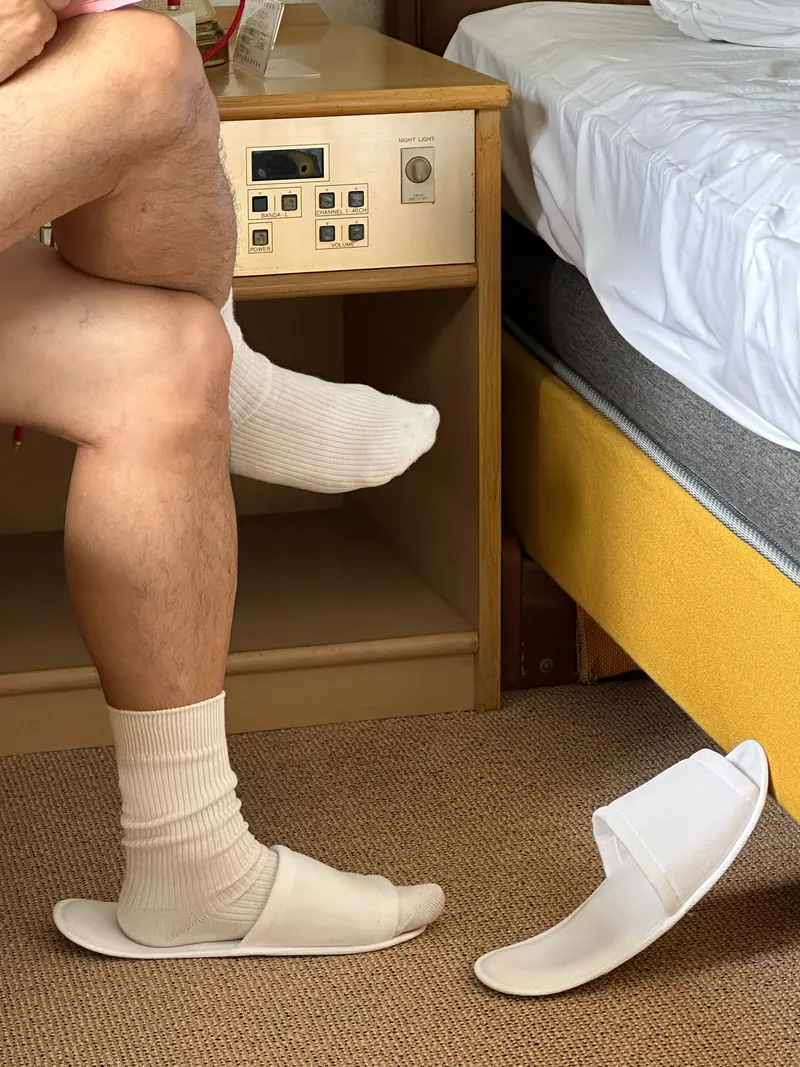
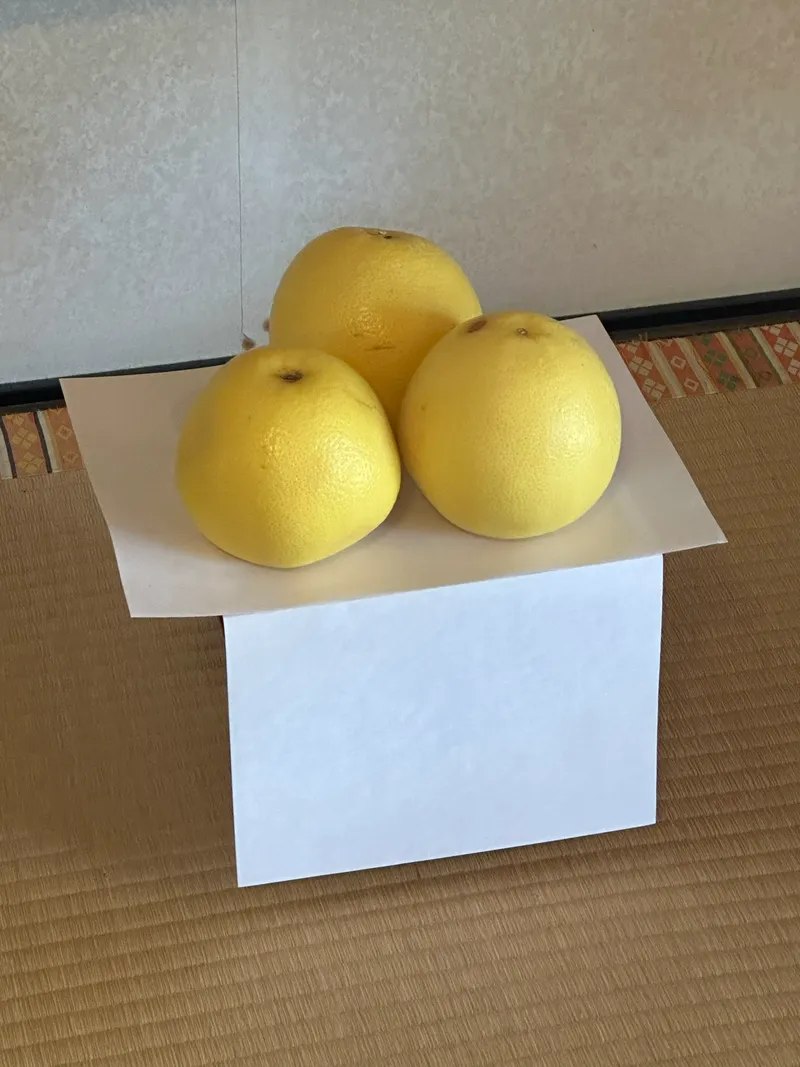
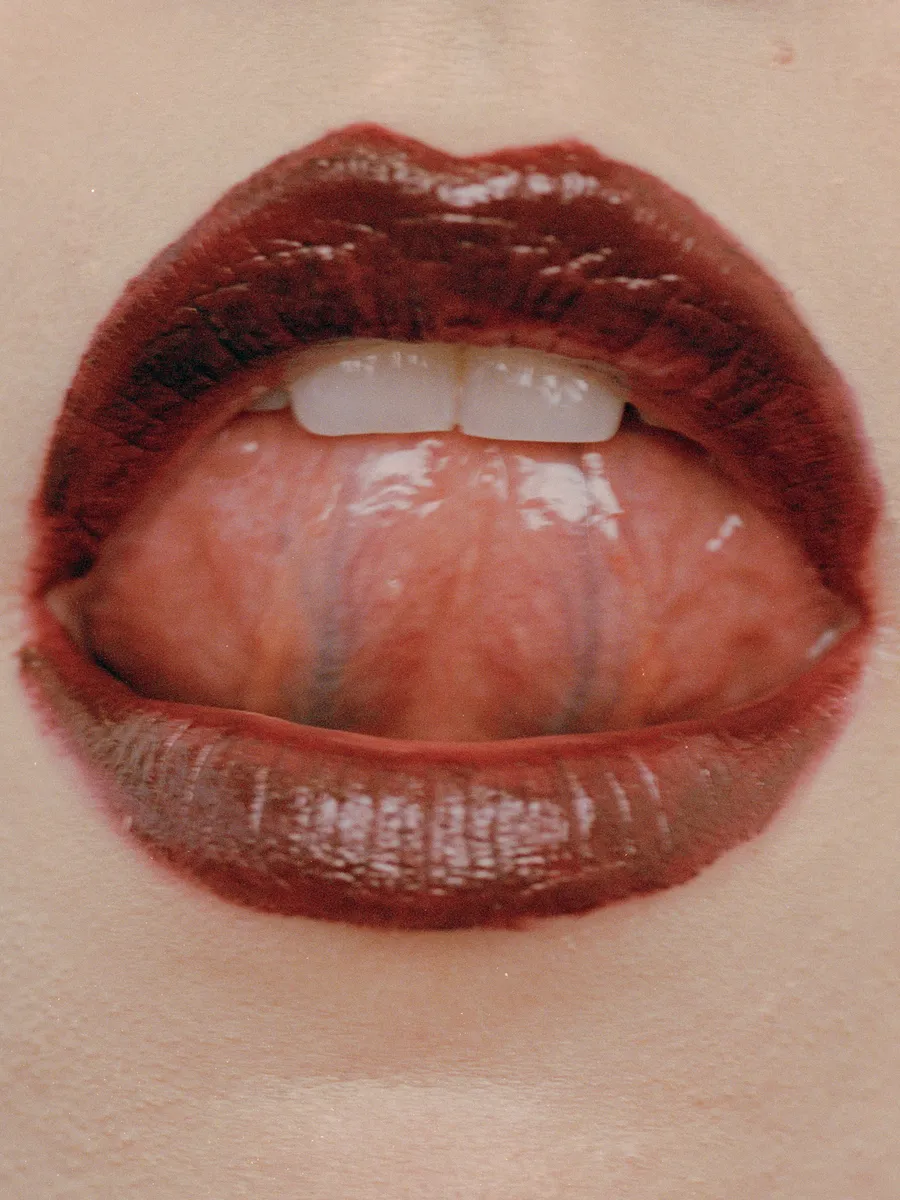
All images from the book I,ma,ge, Backups, Nobody Knows, Xiaopeng Yuan