Midnight sun: inside the arctic bubble where light dissolves time
Aliocha Boi leads us into an Arctic where night never returns and glaciers vanish quietly. How do we navigate a world that dissolves our senses and confronts us with its own disappearance?
Midnight Sun – Immersion into the Arctic Bubble Where Light, Geography and Climate Science Reshape Human Perception
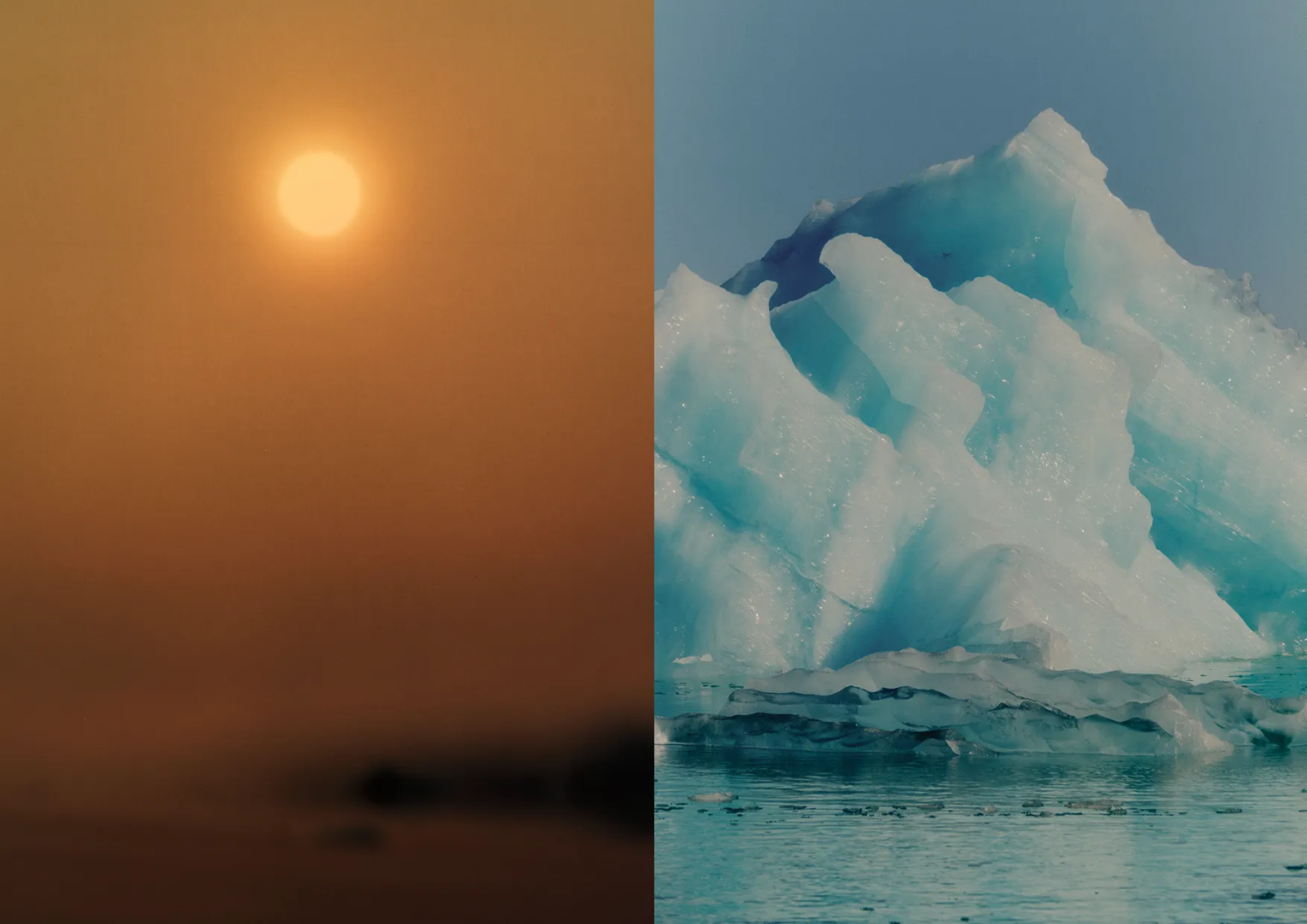
The feeling of genuine disorientation was the first sensation to strike photographer Aliocha Boi when he arrived in the Arctic, between the Svalbard archipelago and the North Pole. In this part of the world, light never yields to darkness and time dilates until it becomes unrecognizable. His project Midnight Sun, created during a 2024 artist residency, stems from this suspended dimension where the summer sun circles above the horizon for months on end. Here, the perception of place, sound and self is profoundly altered, as if entering a sealed bubble of silence and isolation.
“As soon as you leave the mainland, the absence of any telecommunication network creates a rare sense of isolation—it felt immediately as if I had stepped inside a bubble,” Boi recalls. This sensation deepens over time: first as geographical and temporal dislocation, then as a sensory one, where sleep dissolves into fragments of wakefulness, punctuated by the luminous darkness unique to the High Arctic and by a silence so absolute it feels almost material.
How the Arctic’s Geography and Astronomical Conditions Create a Region That Is Less a Place Than a Planetary System
The Arctic is more than a region; it is a complex planetary system defined not by political borders but by astronomical and ecological thresholds. Its boundaries align with the Arctic Circle at 66°33’ N, where the angle of Earth’s tilt generates months of unbroken daylight. It is also defined by its climate: the warmest month rarely surpasses 10°C, preventing the growth of trees and creating a tundra ecosystem where vegetation covers barely six percent of the Svalbard archipelago. More than sixty percent of these islands remains glaciated—a proportion that has decreased steadily over the last fifty years, reflecting the accelerating transformation of the cryosphere.
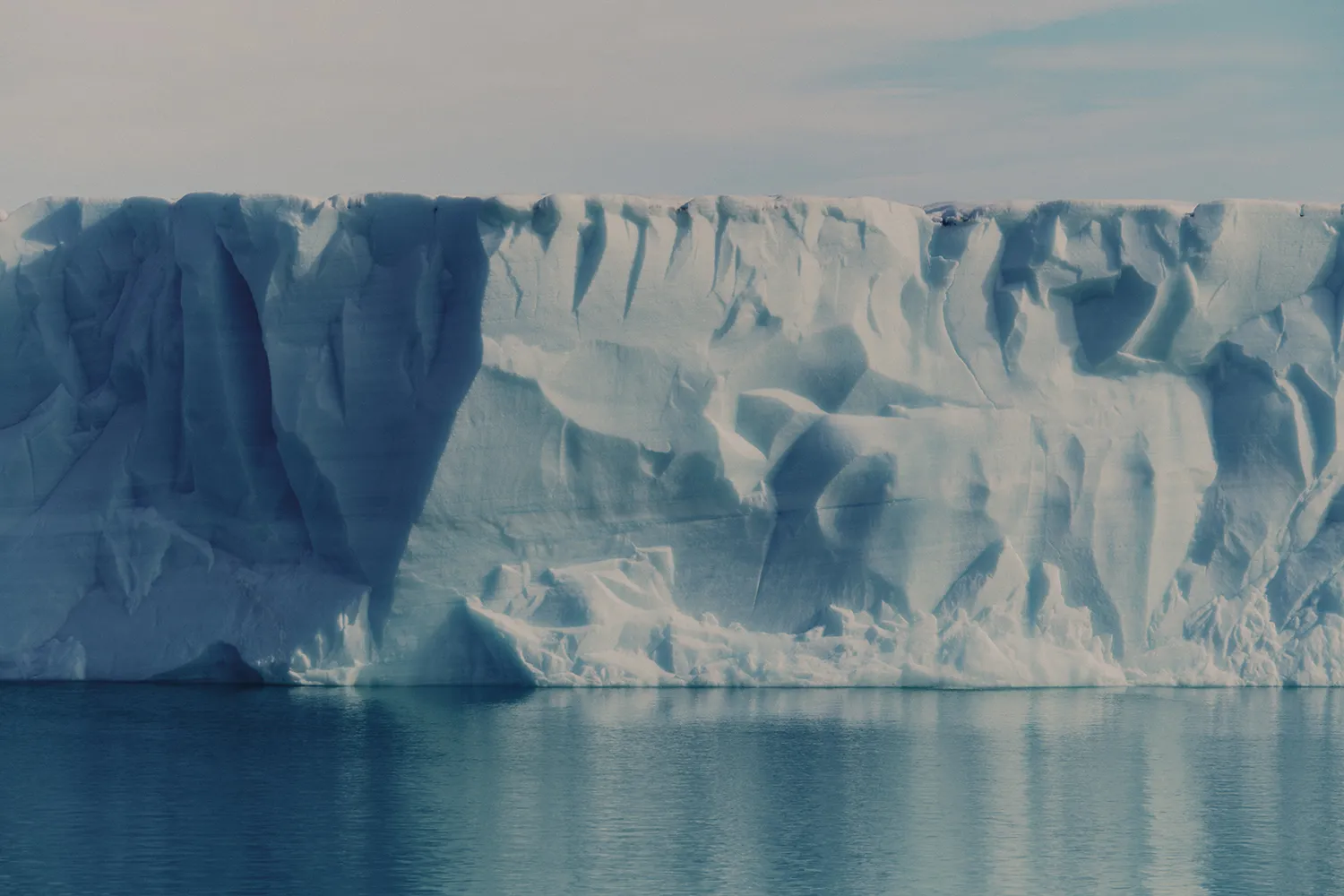
Within this environment, the Arctic becomes a stage where geological time supersedes human time. The glaciers of Svalbard have traditionally expanded in winter and retreated in summer, in a slow, rhythmic cycle that geologists describe as the glacier’s “breathing.” Today, this breath has nearly stopped: ice now retreats throughout the entire year, an unprecedented sign of climatic imbalance.
The Midnight Sun as a Scientific Phenomenon: Why Arctic Light Behaves Like a Living Material That Shapes Emotion and Vision
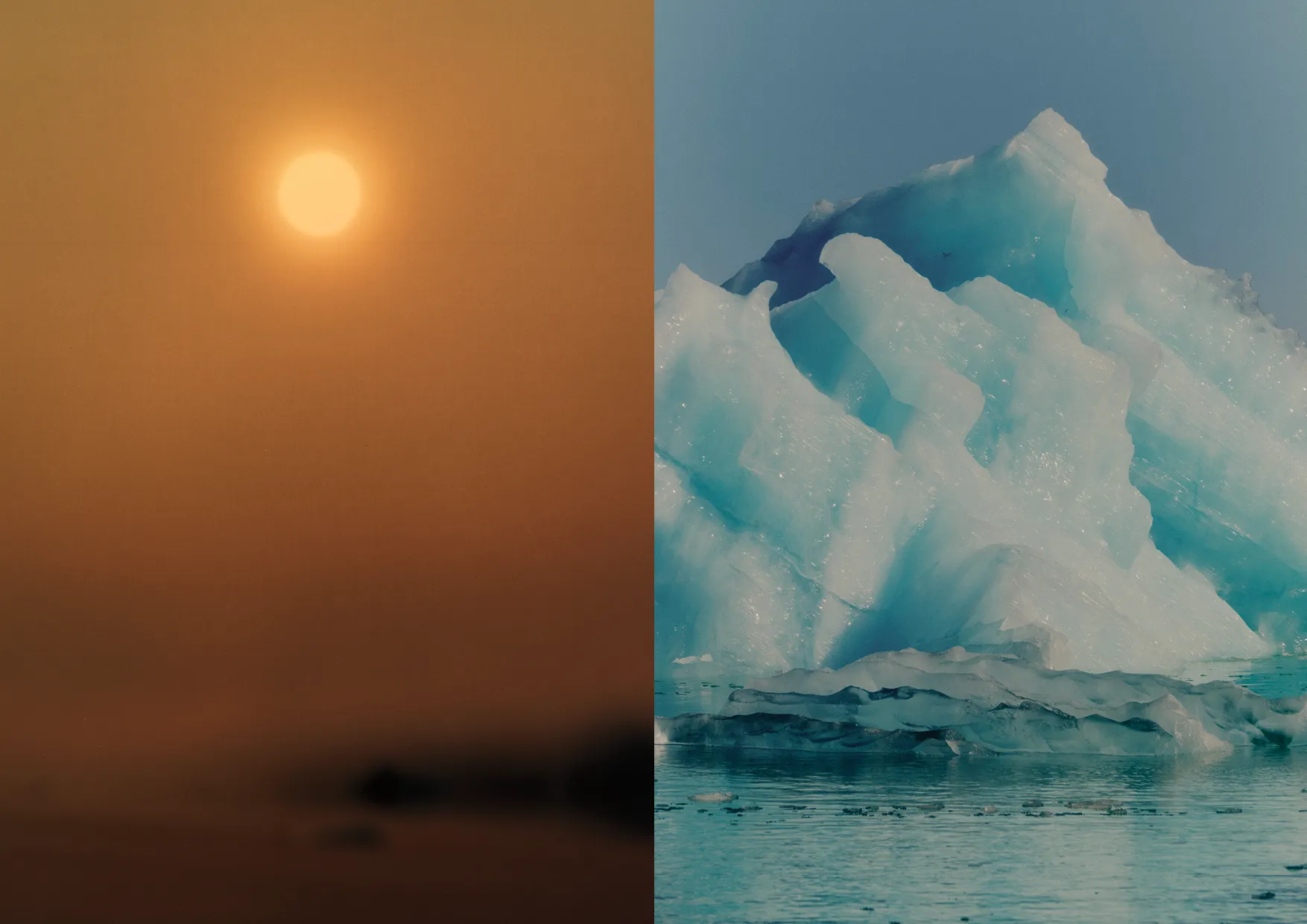
Although the midnight sun is widely known, the quality of Arctic light remains a subject of active research. The way light behaves at extreme latitudes is influenced by atmospheric refraction, which bends sunlight so that the sun remains visible even when, geometrically, it has dipped below the horizon. This produces daylight periods longer than astronomical calculations alone would predict. Combined with the extraordinary albedo of ice—which can reflect up to ninety percent of incoming radiation—the Arctic becomes a nearly three-dimensional light chamber, where illumination wraps around bodies and landscapes in ways almost impossible to describe.
In certain valleys and plateaus, researchers have documented what they call “no-shadow zones.” The interplay of refraction and reflected light erases the sharpness of shadows, making orientation difficult and contributing to a sense of perceptual instability. This phenomenon, rare elsewhere on Earth, deepens the confusion between day and night, a confusion already intensified by the absence of darkness.
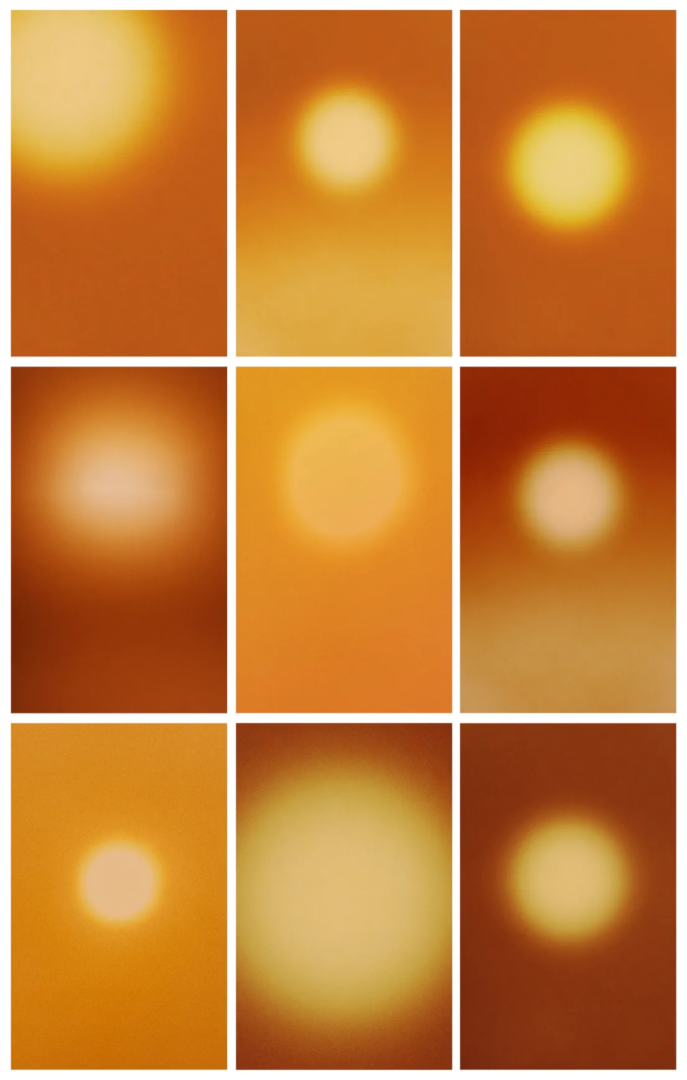
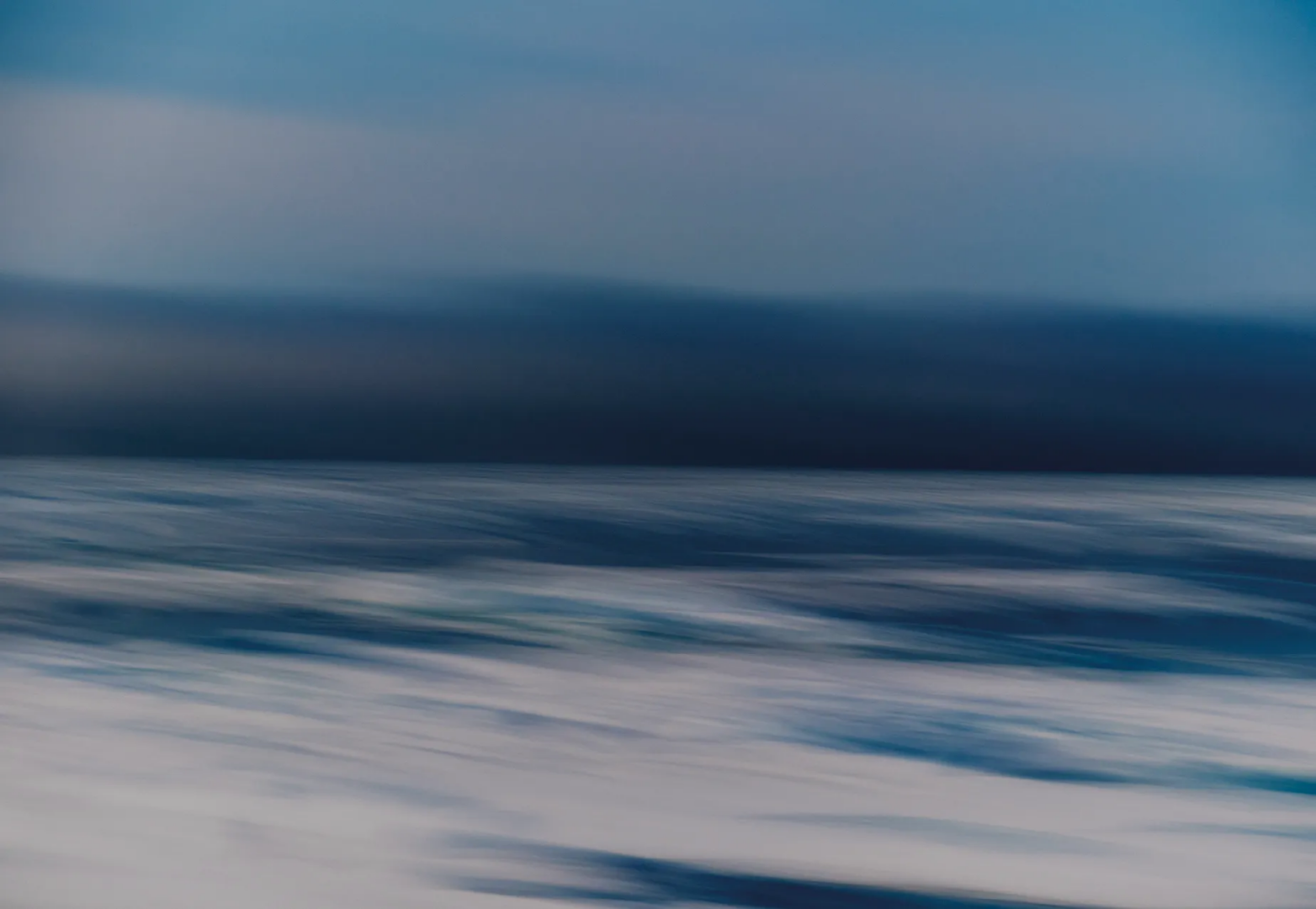
These atmospheric conditions explain why the “endless day” is far from monotonous: it becomes a fluctuating cycle of chromatic shifts, weather-induced haloes, diffusions and iridescent fog. Boi embraces these phenomena with a photographic language that leans into blur, distortion, layered color and intentional abstraction, letting light itself act as both subject and agent.
Psychological and Physiological Disorientation in the Polar Regions: How Circadian Disruption Shapes Human Experience
The human body struggles to adapt to such relentless luminosity. Scientists studying polar expeditions since the 1960s describe a condition known as Polar T3 syndrome, characterized by mood fluctuations, sleep disturbances, altered time perception and short-term memory variability. Without the cycle of darkness, melatonin production is disrupted, and the body’s internal clock drifts into a state researchers call “temporal float.”
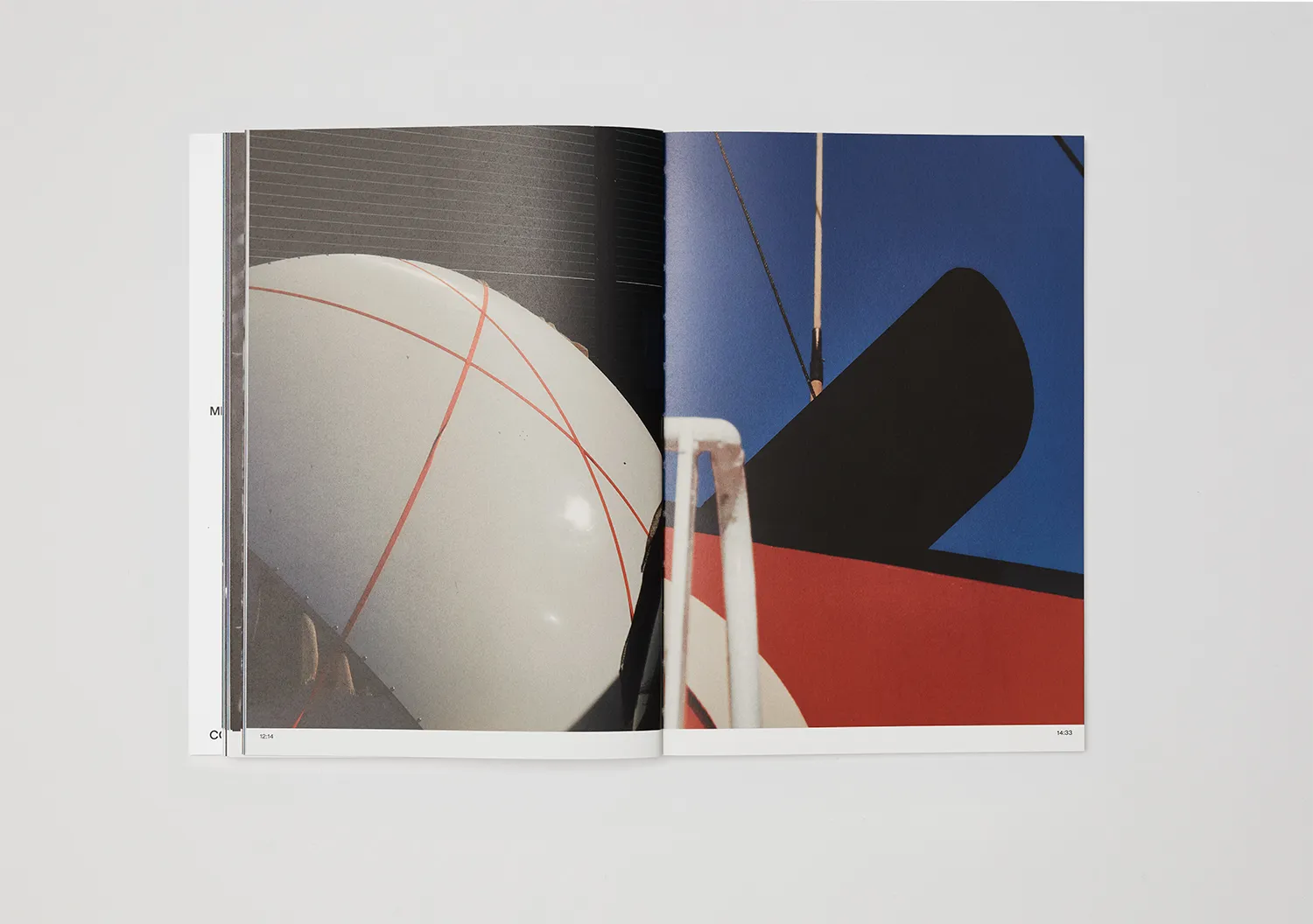
Explorers frequently report a form of natural chronostasis—the sensation that time has slowed or become suspended. Boi responds to this phenomenon by inserting the precise hour of each photograph in the book: a gesture that borders on irony, given that time itself seems to dissolve. The result is an emotional atmosphere akin to a waking dream, in which orientation, rhythm and memory lose their usual anchors.
A Landscape in Retreat: Glacial Collapse, Geological Upheaval and the Fragility of Arctic Ecosystems
The Arctic is the fastest-warming region on Earth, currently heating at a rate four times higher than the global average. In Svalbard, the mean annual temperature has increased by more than 5°C since 1971—one of the steepest regional rises ever recorded. The consequences are dramatic: glaciers such as Austfonna are thinning at rates of up to sixty meters per year along their marine fronts, and projections indicate that over a third of the archipelago’s ice cover may vanish by 2050.
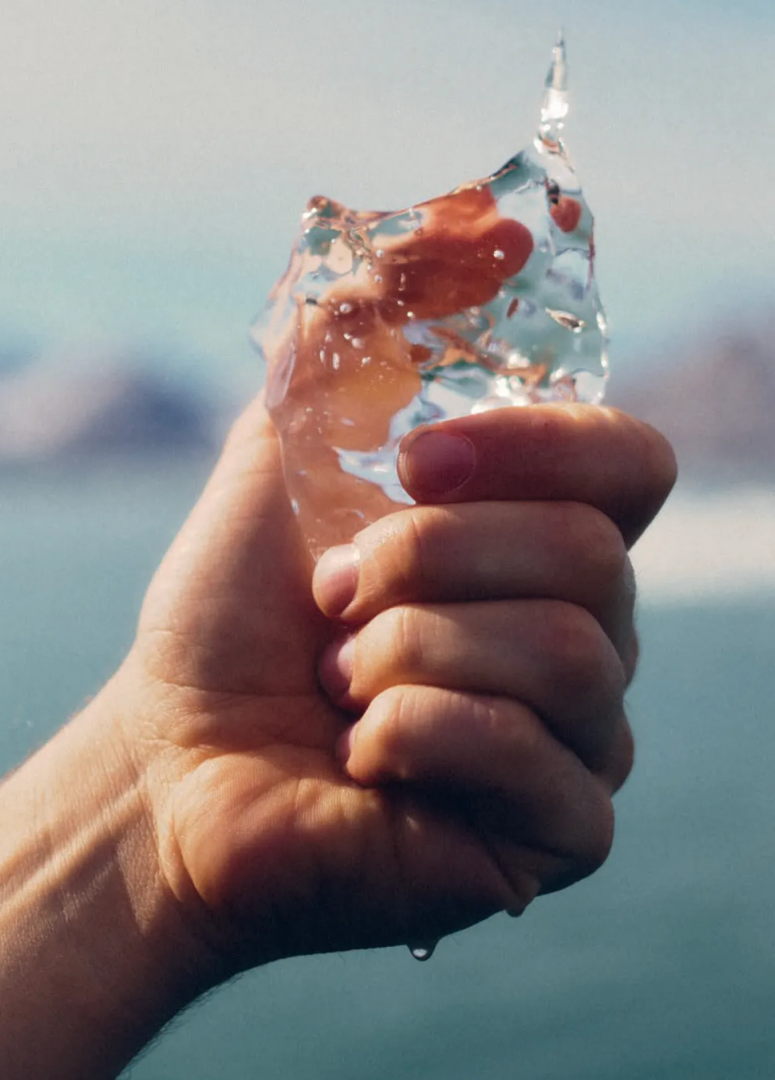
This transformation shapes the very ground beneath one’s feet. As ice mass retreats, the land responds by rising—an effect known as isostatic rebound—by as much as a centimeter per year in some areas. The permafrost develops polygonal cracking patterns that resemble aerial geometries, while microscopic cryoconite holes dot glacier surfaces, where dark organic dust accelerates melting by lowering the surface albedo. These subtle, often invisible processes reveal a landscape both ancient and newly born, fragile and volatile.
Wildlife encounters exist within this precarious balance. Svalbard’s polar bears, numbering around three thousand—more than the human population—are losing body mass as sea ice diminishes. Narwhals, among the most acoustically sensitive marine mammals, reduce feeding activity by half when exposed to increased ship noise. Bowhead whales, capable of living more than two centuries, survive within narrow ecological niches threatened by warming waters. Even polar bear populations in Svalbard show genetic differences from their Greenlandic and Siberian counterparts, adaptations that once provided resilience but now render them vulnerable to rapidly shifting ice conditions.
Hidden Geographies and the Subtle Systems That Shape a Landscape in Constant Transformation
Beyond its glaciers and wildlife, the Arctic hides a series of little-known geological and ecological systems that rarely appear on maps. As the ice retracts, entire coastal zones must be remapped every few years due to land uplift. The permafrost’s geometric cracking forms vast networks of natural polygons, visible only from the air, revealing the physics of freeze-thaw cycles. Cryoconite lakes—tiny depressions filled with microalgae and biological dust—speckle glacier surfaces; they seem insignificant but form one of the most efficient accelerators of melt known to science.
These phenomena transform the Arctic from a scenic backdrop into a dynamic, complex system, one that must be read as a living structure rather than a postcard. It is this instability—this perpetual negotiation between ice, land, atmosphere and time—that anchors Boi’s project.
The Photobook as a Physical Extension of Arctic Instability and Sensory Suspension
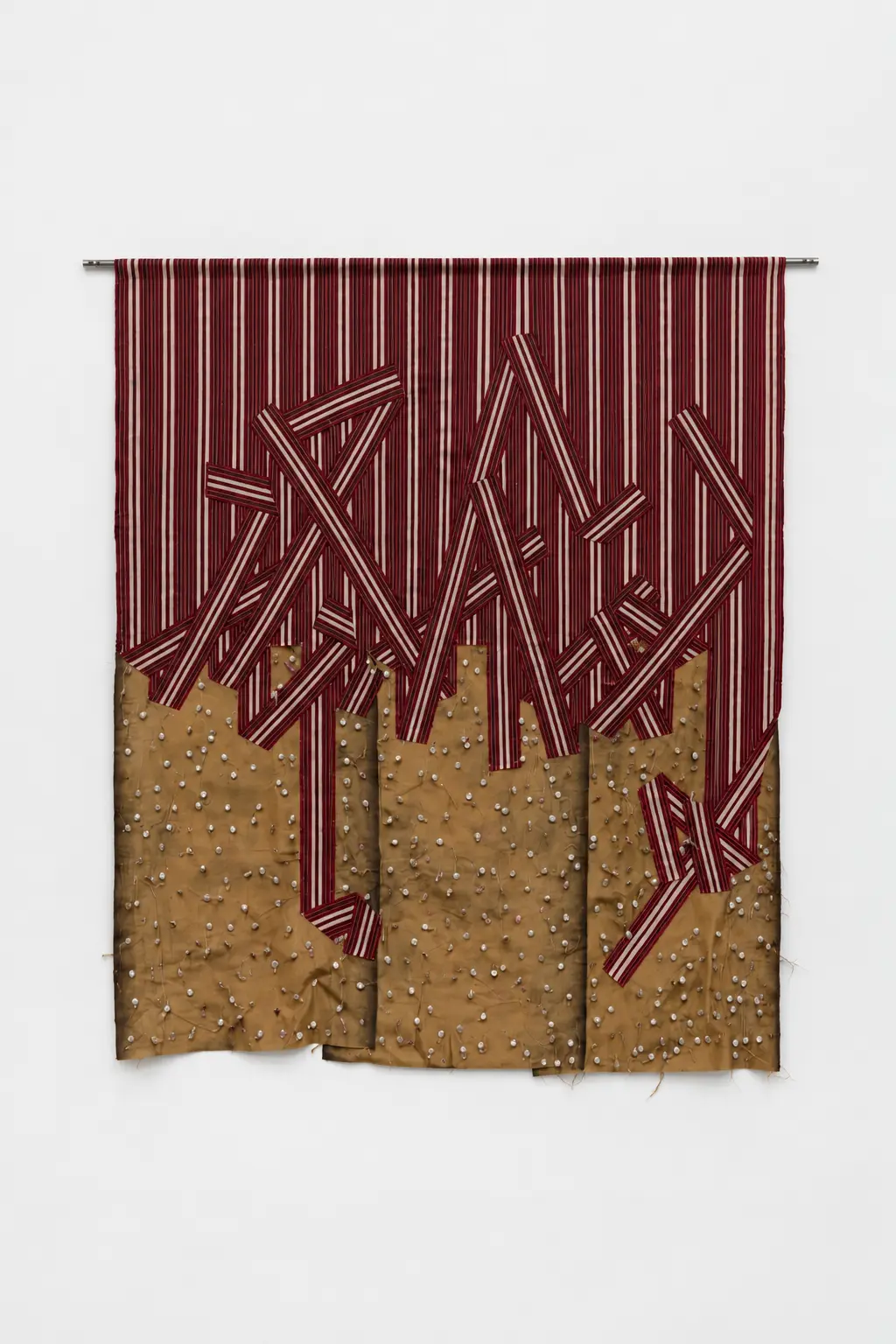
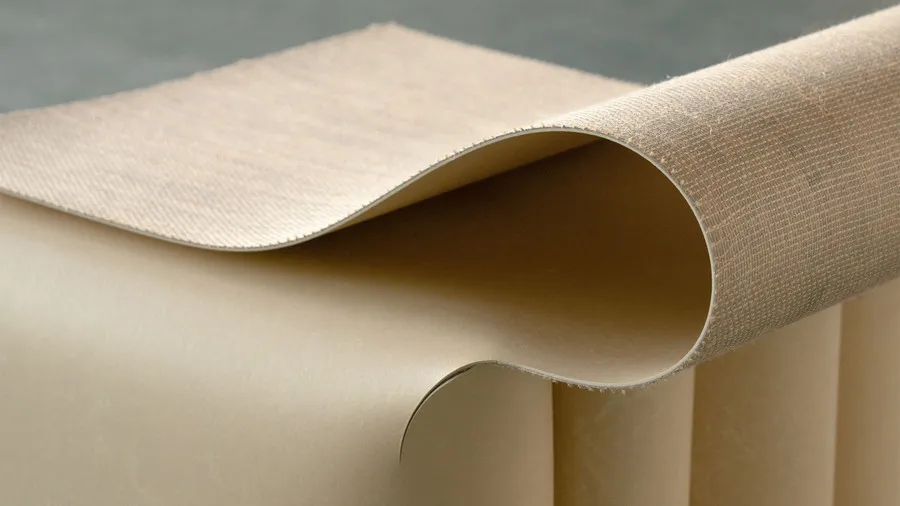
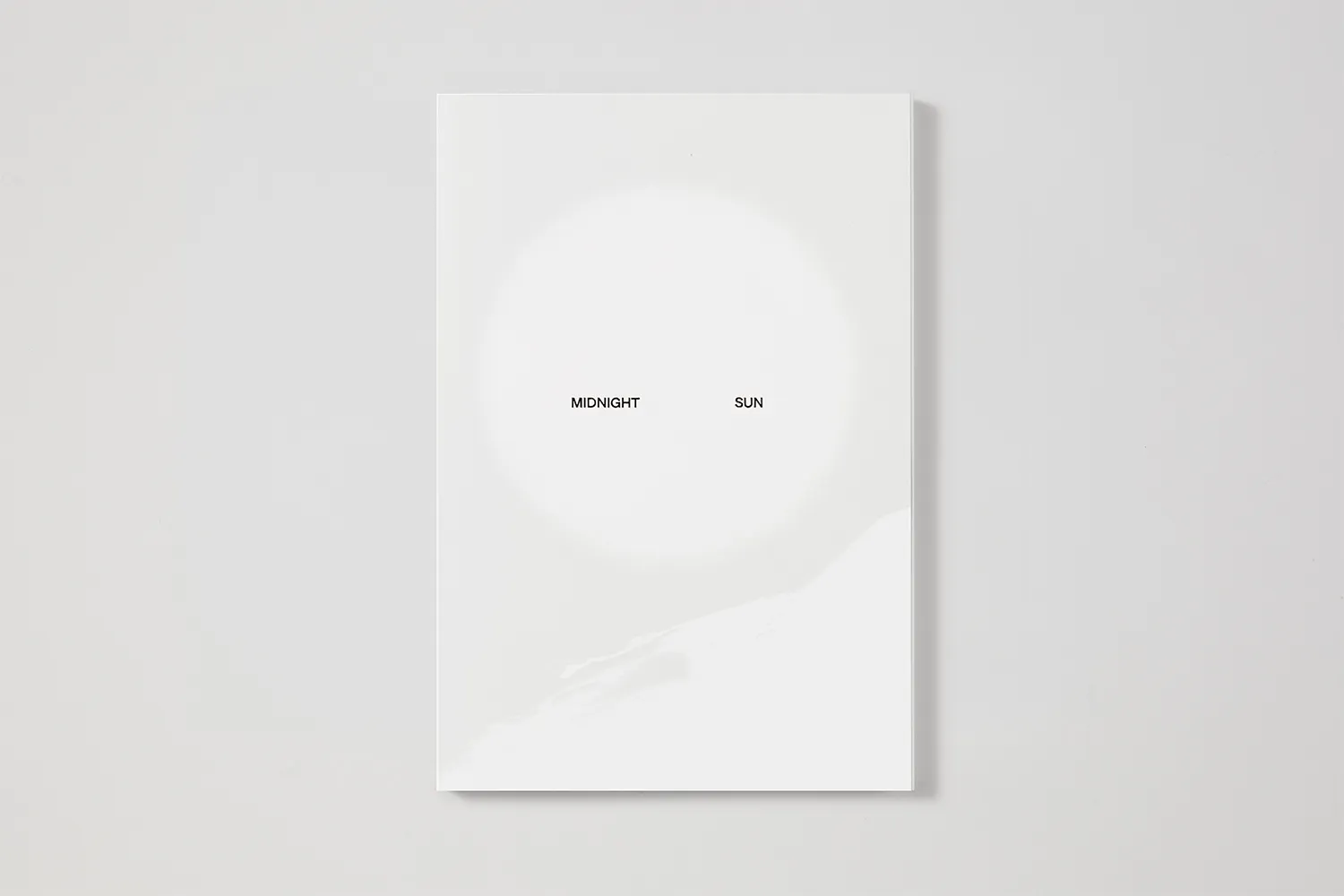
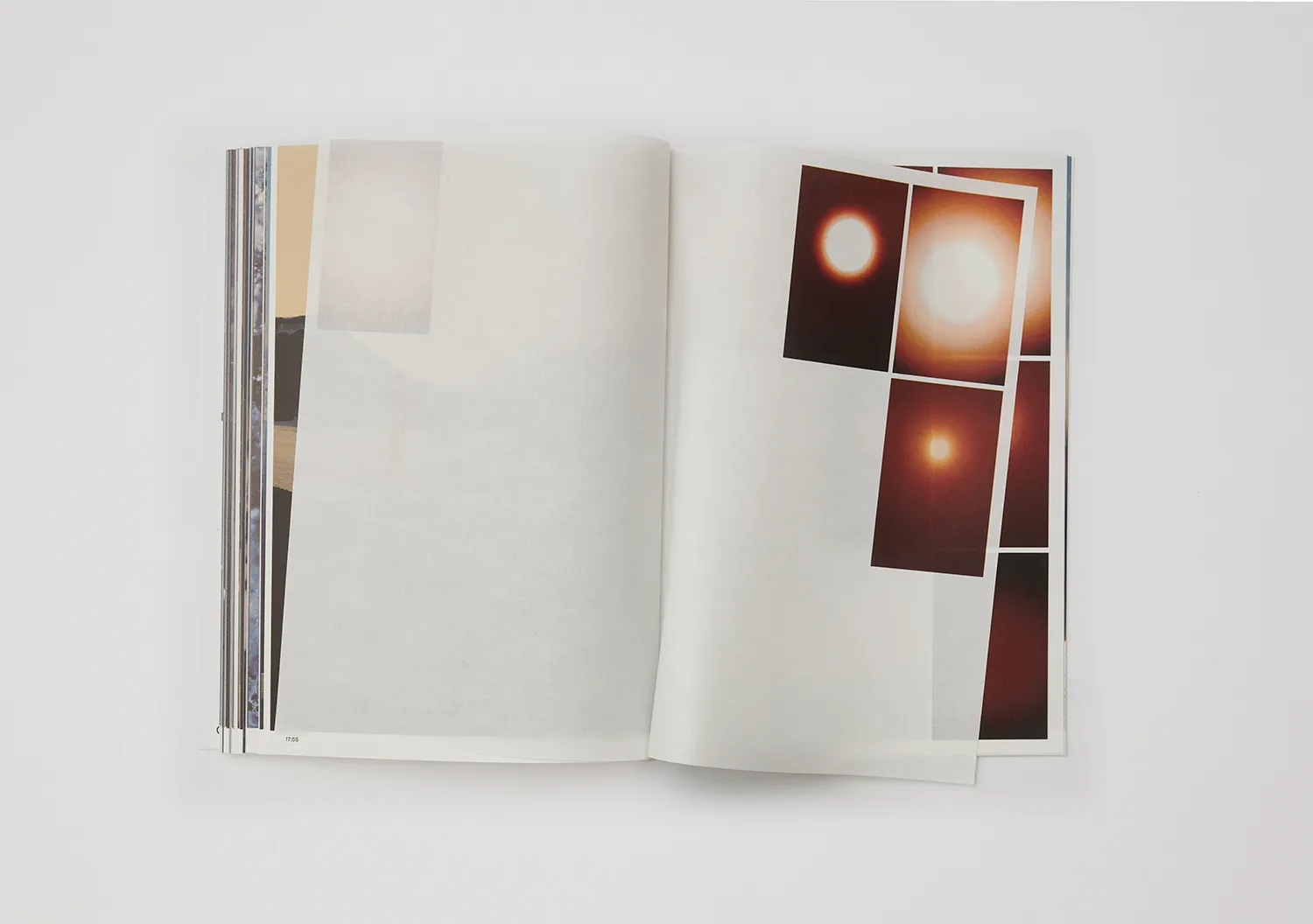
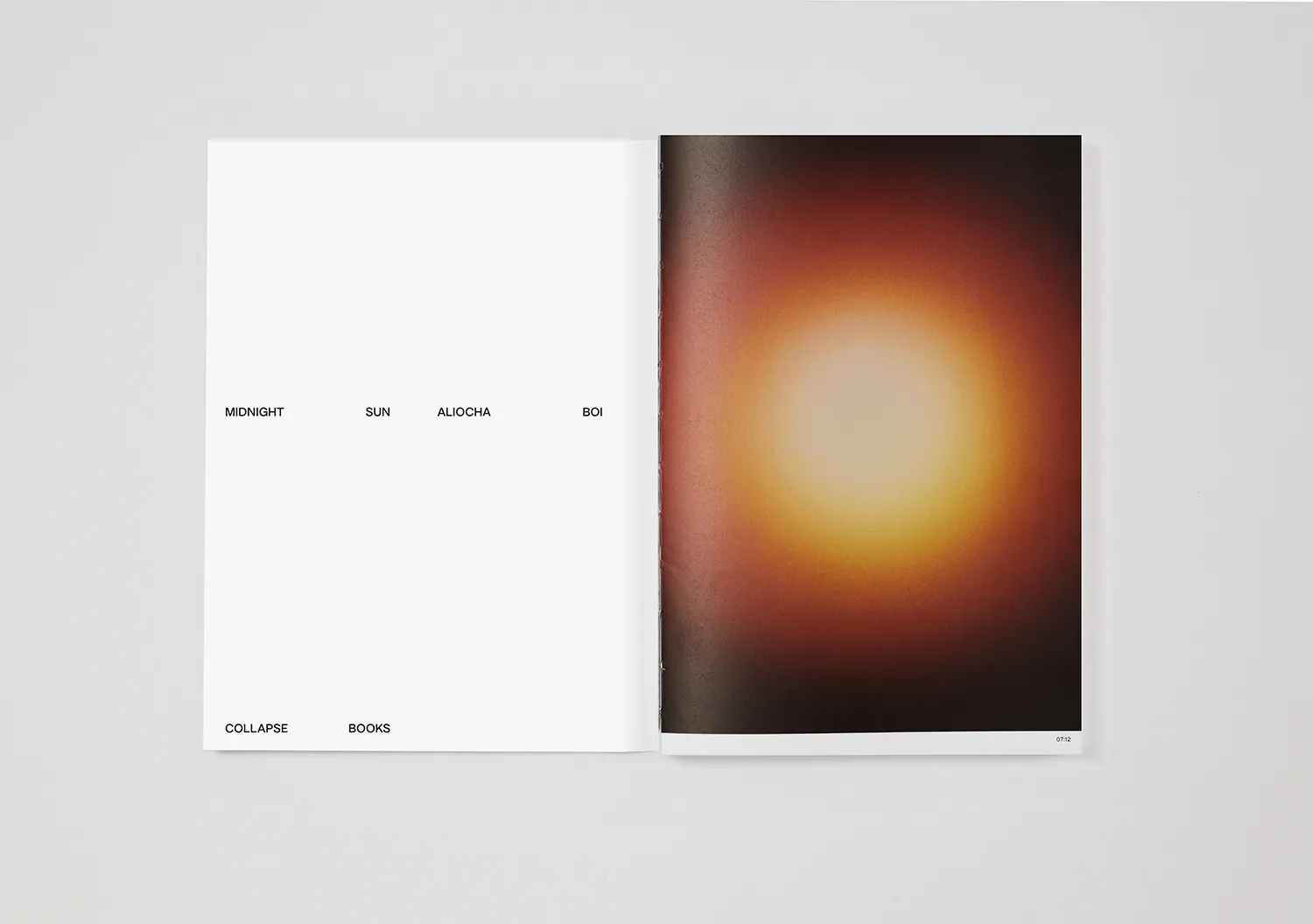
The project culminates in a book published by the independent house Collapse Books, with artistic direction by Bastien Forato. The object is conceived as a fragile, flexible structure composed of varied papers and translucent layers that echo the atmospheric textures of the Arctic.
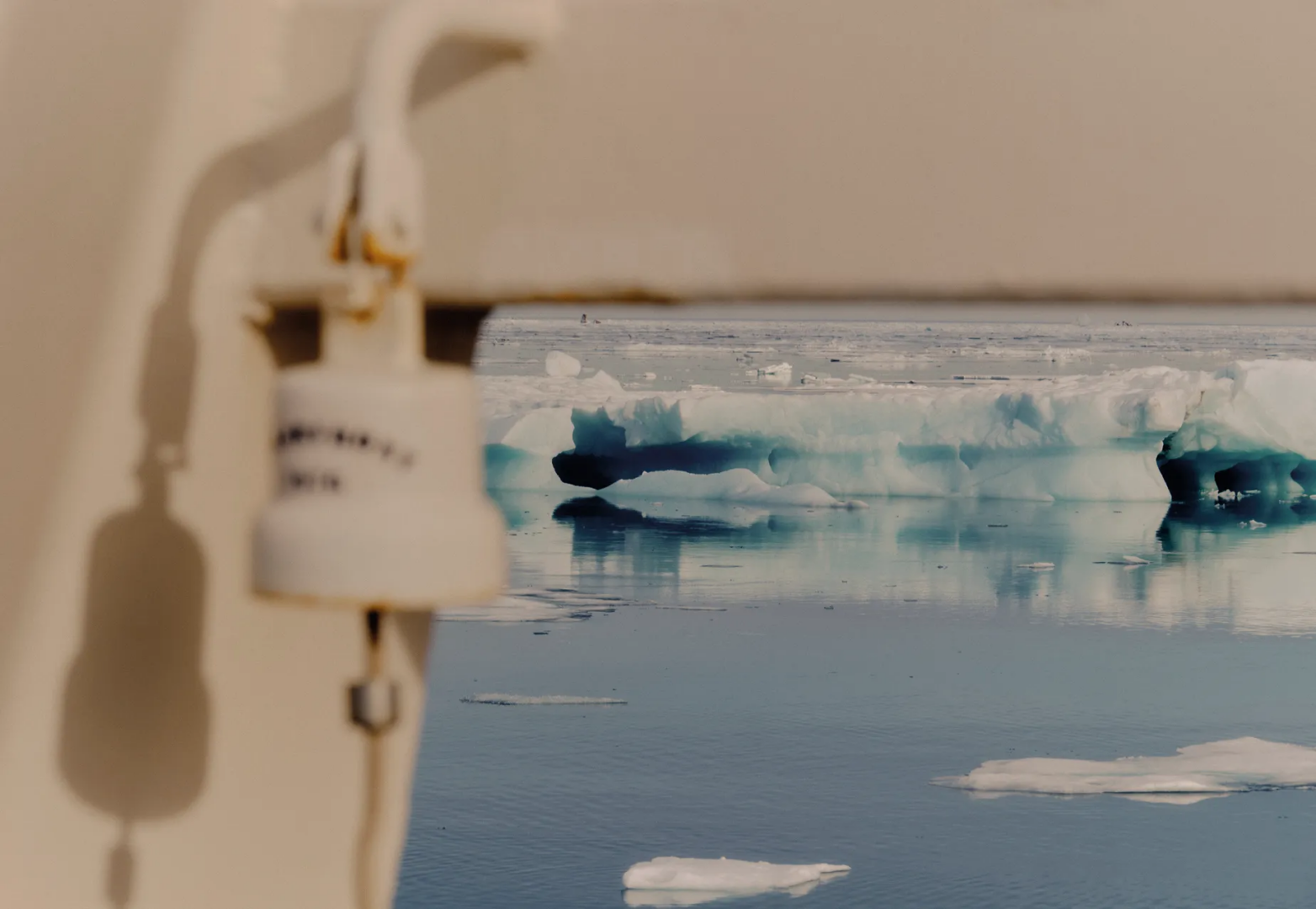
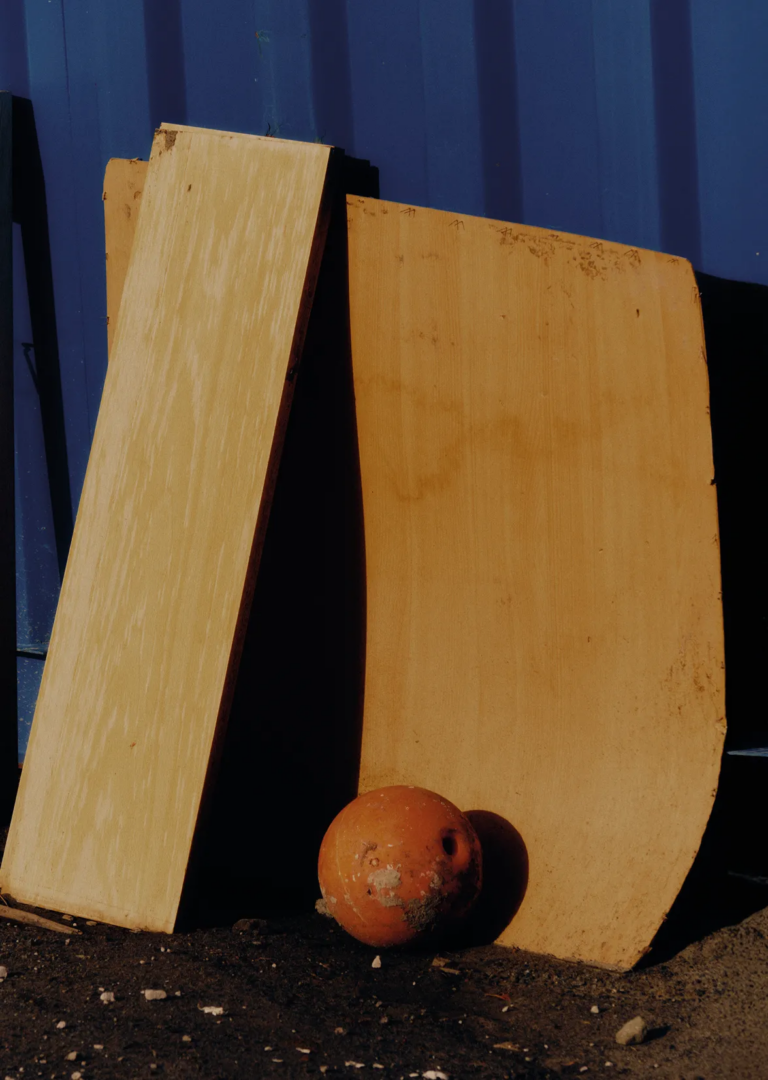
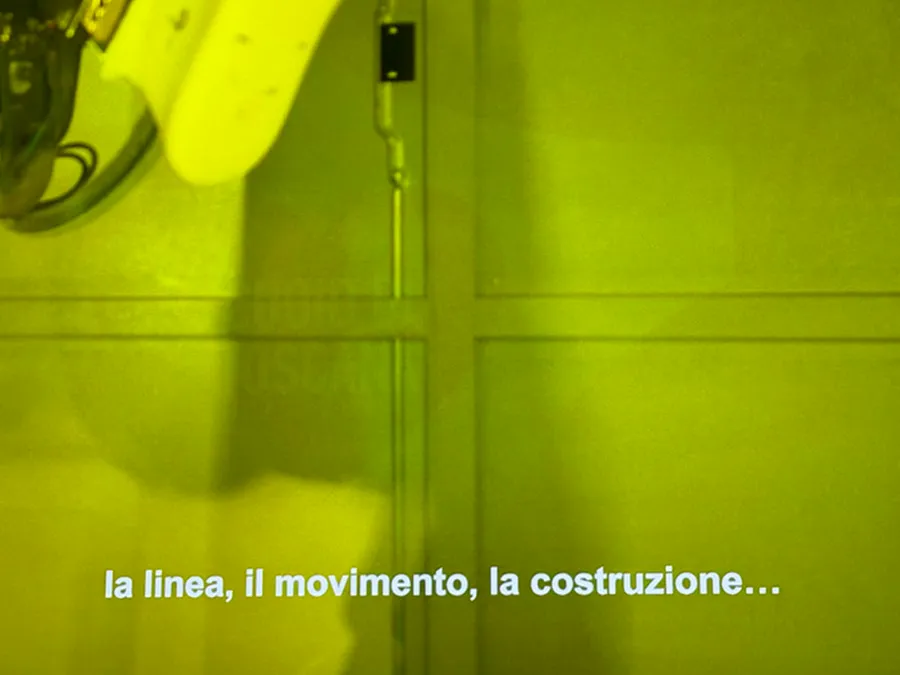
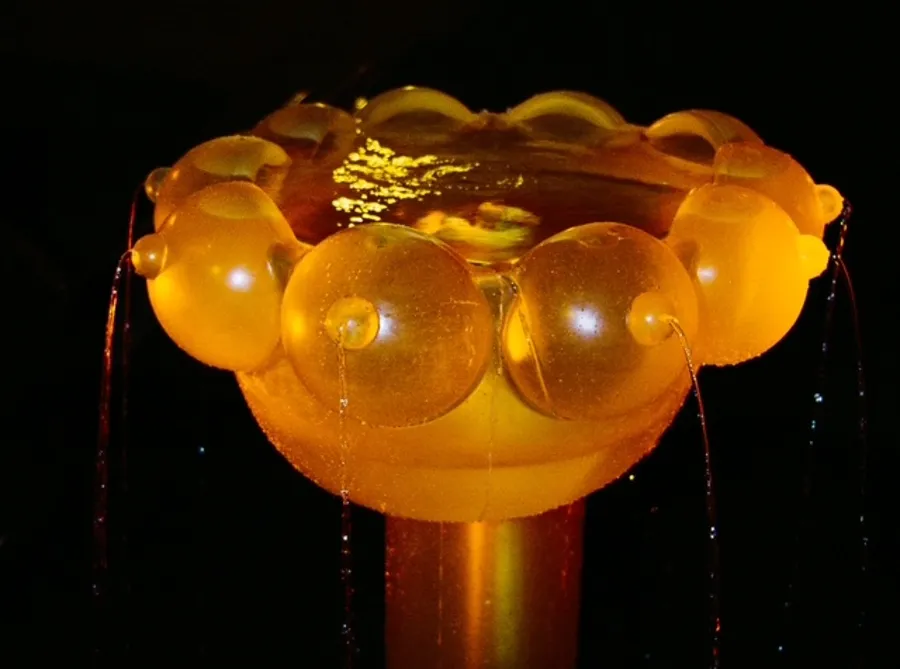
Inside, the sequence follows a logic of drift rather than narrative clarity. Expansive vistas alternate with intimate surfaces; mechanical elements intersect with natural ones; the visual rhythm recalls a travel diary, a dream or a field notebook whose chronology has unraveled. As writer Alizé Carrère notes in the book’s accompanying text, “all conventional reference points disappear, replaced by impressions—visual, emotional and atmospheric—left by a world both immense and unstable.”
In a time when images must be immediate, legible and consumable, Midnight Sun offers a rare gesture: the invitation to slow down, to contemplate, to experience silence, and above all to witness—before it disappears—the fragile world that survives at Earth’s northern edge.
Aliocha Boi
Raised between France, Canada and Italy, Aliocha Boi develops a sensitive relationship with places, their rhythms and the presences inhabiting them. His practice emphasizes emotional fidelity over factual representation, revealing atmospheres, rituals and the subtle harmonies between humans and their environments. He collaborates with brands such as Chanel, Salomon, Longchamp and Lacoste, and contributes to publications including M Le Monde, Libération and Regain Magazine. In 2025, he publishes Midnight Sun with Collapse Books, the result of an immersive residency in the heart of the Arctic.