Why do horses like hemp too? Agricola Genesi in the Modena area
Indoor hemp cultivation near Modena: selected genetics, hydroponics in coconut fibre and manual post-harvest processing. Winning Hemp Support, a product for horses, is made from the fibrous portion
Agricola Genesi: indoor hemp cultivation moves beyond seasonality and establishes a standard
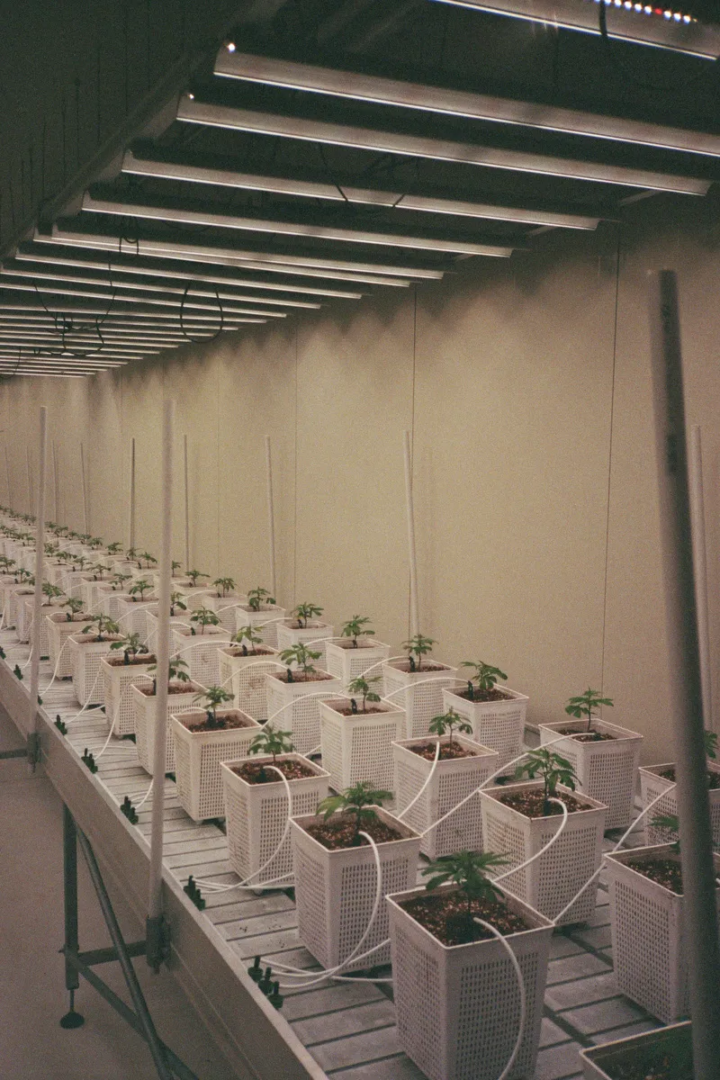
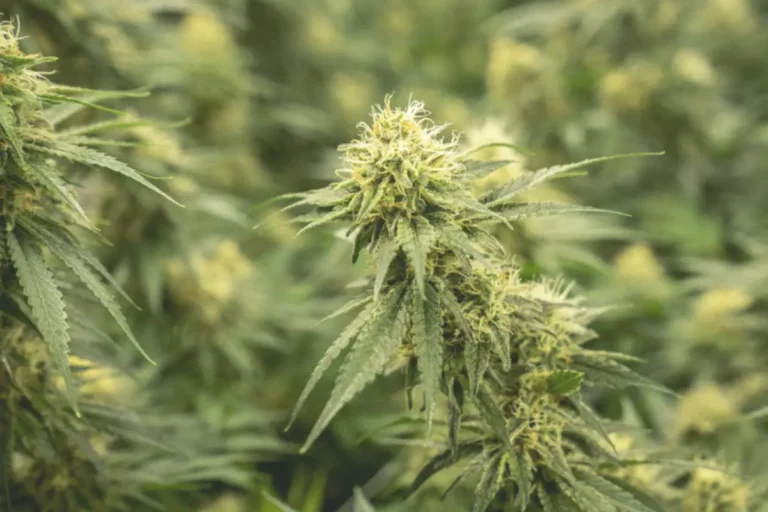
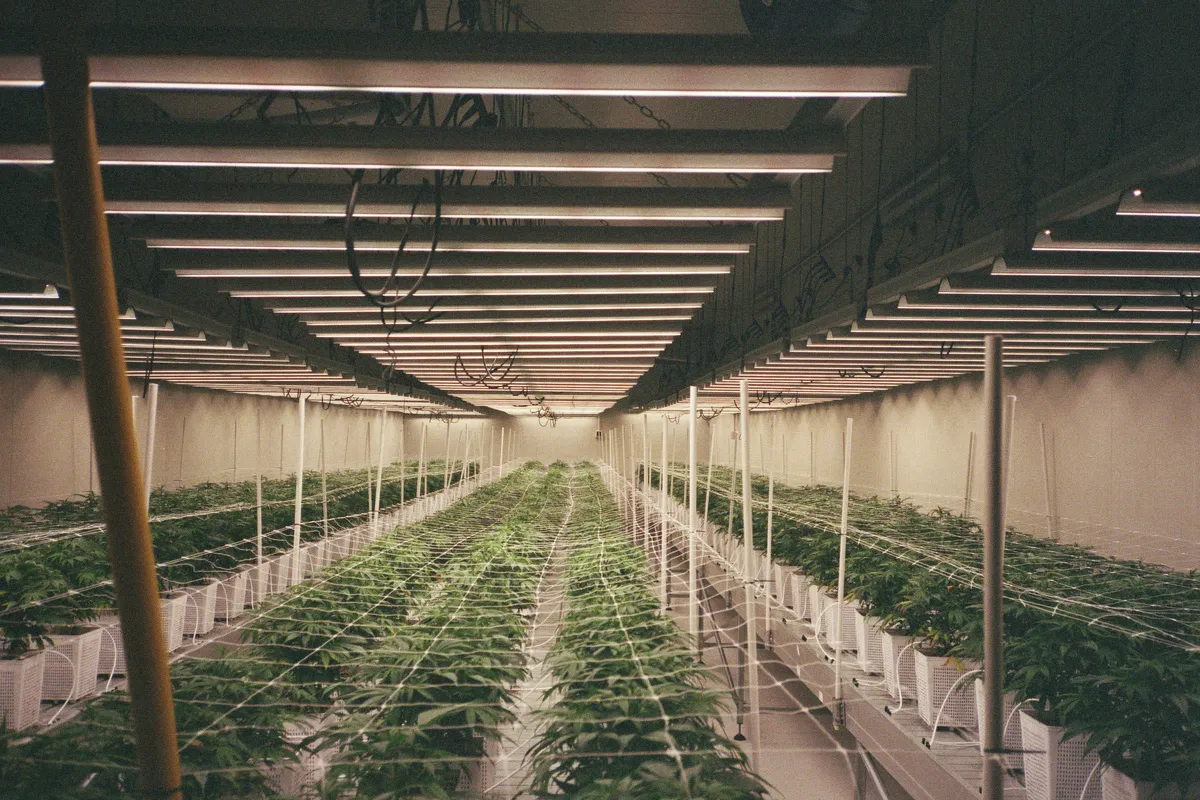
Agricola Genesi was founded in the province of Modena in 2018 and set up its industrial hemp-light cultivation in an indoor facility using hydroponic growing in pots. Martina Mustone, head of administration and co-founder of Winning Hemp Support, explains: «From the very beginning, even before the facilities opened, a clear vision guided every decision and brought us to where we are today. Hemp cannot and must not be regarded as just another crop, but as a living material that demands care, expertise and deep passion».
The decision to grow indoors is intended to overcome the limitations of field cultivation: «Open-field production is necessarily seasonal. This is a structural limitation that is incompatible with the needs of a market demanding continuity, precision and reliability throughout the year».
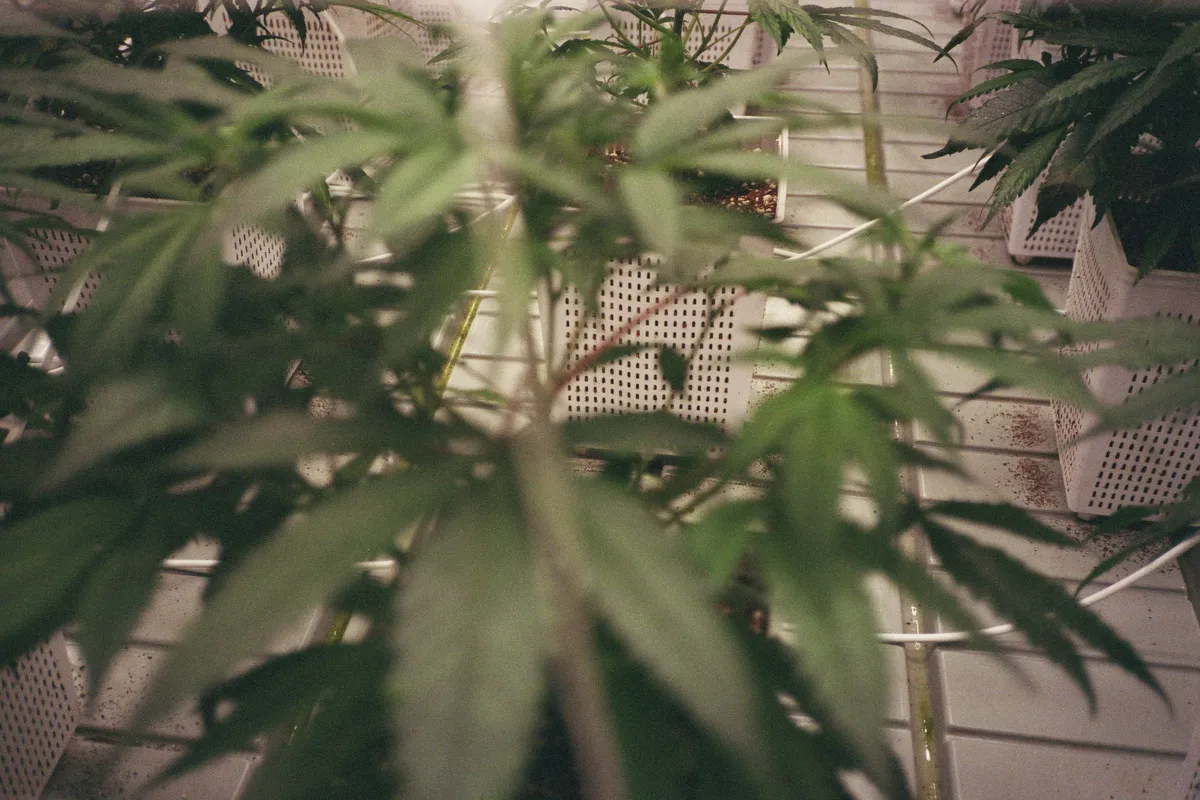
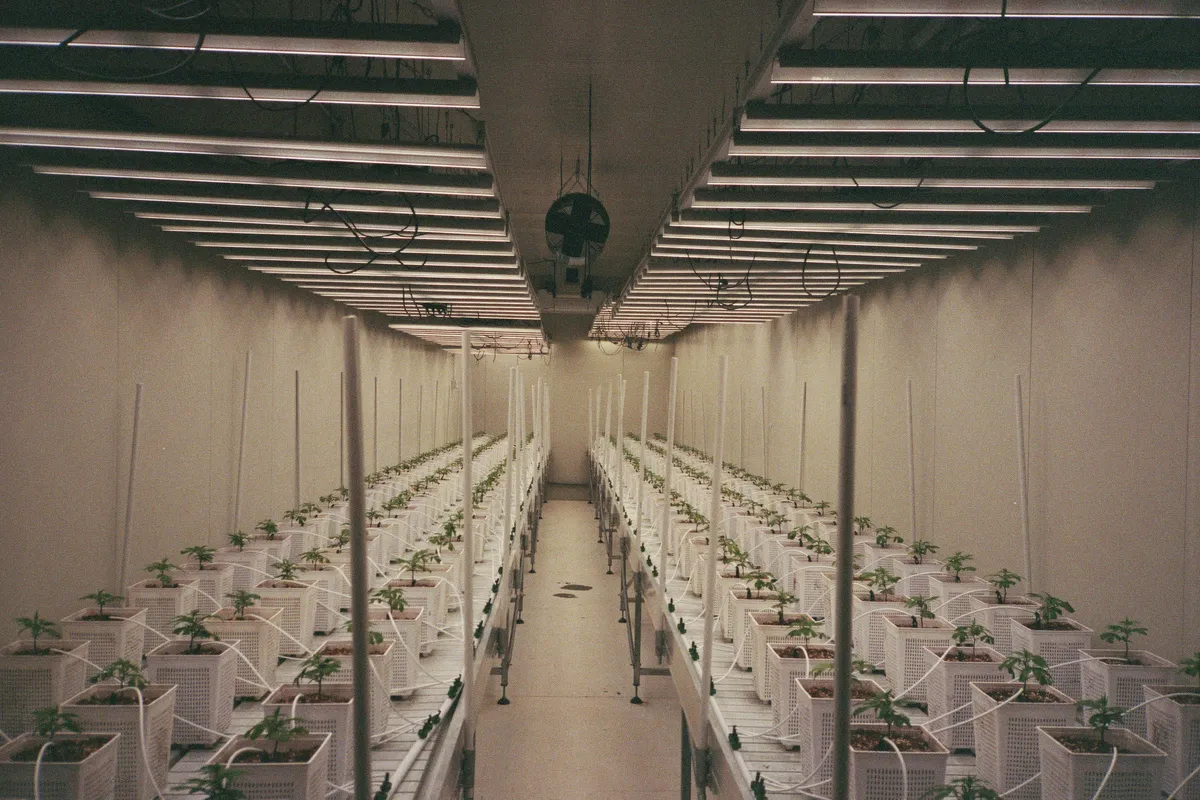
In the Genesi model, continuity comes from enclosed, controlled environments that reduce biological and climatic risks: «Inside our growing rooms we recreate the ideal environment for the plant: a controlled ecosystem that, unlike an open field, is not exposed to external interference such as insects, microbes, seasonal changes or temperature fluctuations. The relationship between the plant, the quality of the finished product and the reproducibility of the outcome changes exponentially compared with outdoor cultivation».
Raw materials: stable genetics and post-harvest processing governed by timing and control
Raw-material selection begins with genetics: «Inspired by the Californian approach, our selection of genetics focuses on aromatic expression, the plant’s distinctive appearance and consistency of results». Stability is treated as a technical objective: comparable profiles across production cycles, fewer fluctuations and reproducible characteristics.
Post-harvest processing comprises two stages, drying and manual finishing. Temperature, timing and handling affect flower preservation and the uniformity of the finished product: «Our agronomic management excludes chemical products; drying is slow and controlled, respecting the plant’s own timing, and all processing is done by hand, from harvesting to trimming».
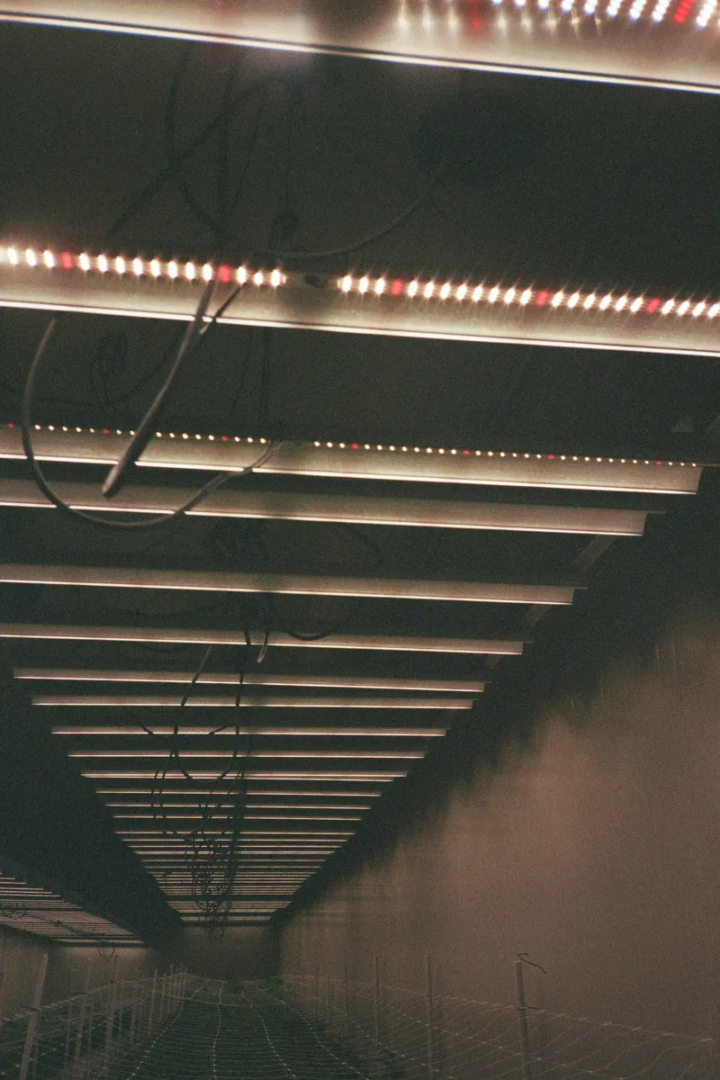
Within this approach, the production infrastructure is designed to preserve the plant’s properties: «We designed and built a facility from scratch that can preserve hemp’s characteristics in every respect, recreating its ideal environment and allowing the plant to express its full potential». The human element is structural: not only manual work, but attention to detail, timing and consistency of method.
Hydroponic cultivation: coconut fibre, more biomass and more consistent profiles
Genesi grows plants hydroponically in pots using an inert coconut-fibre substrate. The aim is to reduce stress and stabilise the plant’s response: «Hydroponic cultivation in pots, inside fully controlled environments, makes it possible to prevent the negative effects of biotic and abiotic stress, ensuring greater biomass production and improved stability of cannabinoid profiles».
This stability is linked to safety and standards: «A crucial factor, because it translates into greater safety for the finished product and consistent reproducibility of the result». The operating premise is that an indoor environment reduces external interference and fluctuations in growth that affect the plant’s maturation and composition.
Circular economies: Winning Hemp Support makes use of discarded fibre
Genesi adopts a model geared towards circular economies and waste reduction by reusing different parts of the plant: «The plants are the protagonists; every part is reused for different products and purposes, allowing us to minimise waste. Hemp’s value lies in the whole plant, from seed to stem, leaf to flower. Every part is precious; every element can be used».
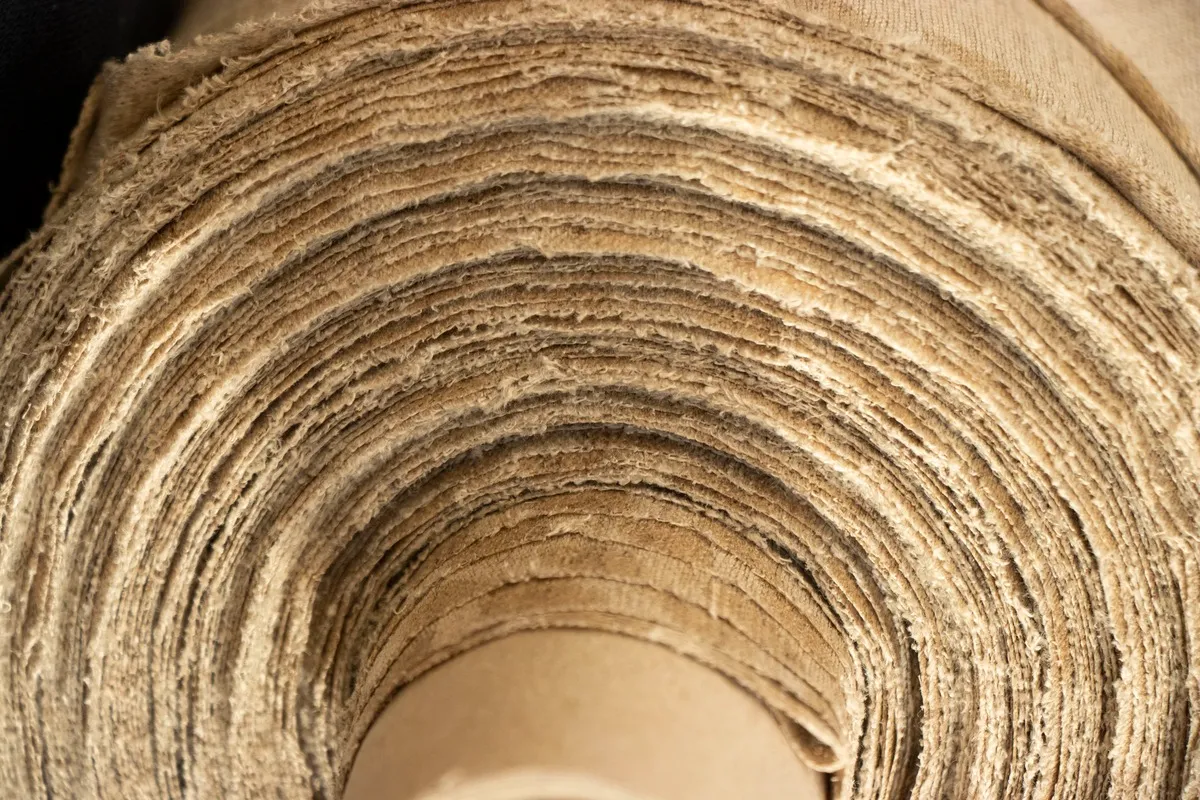
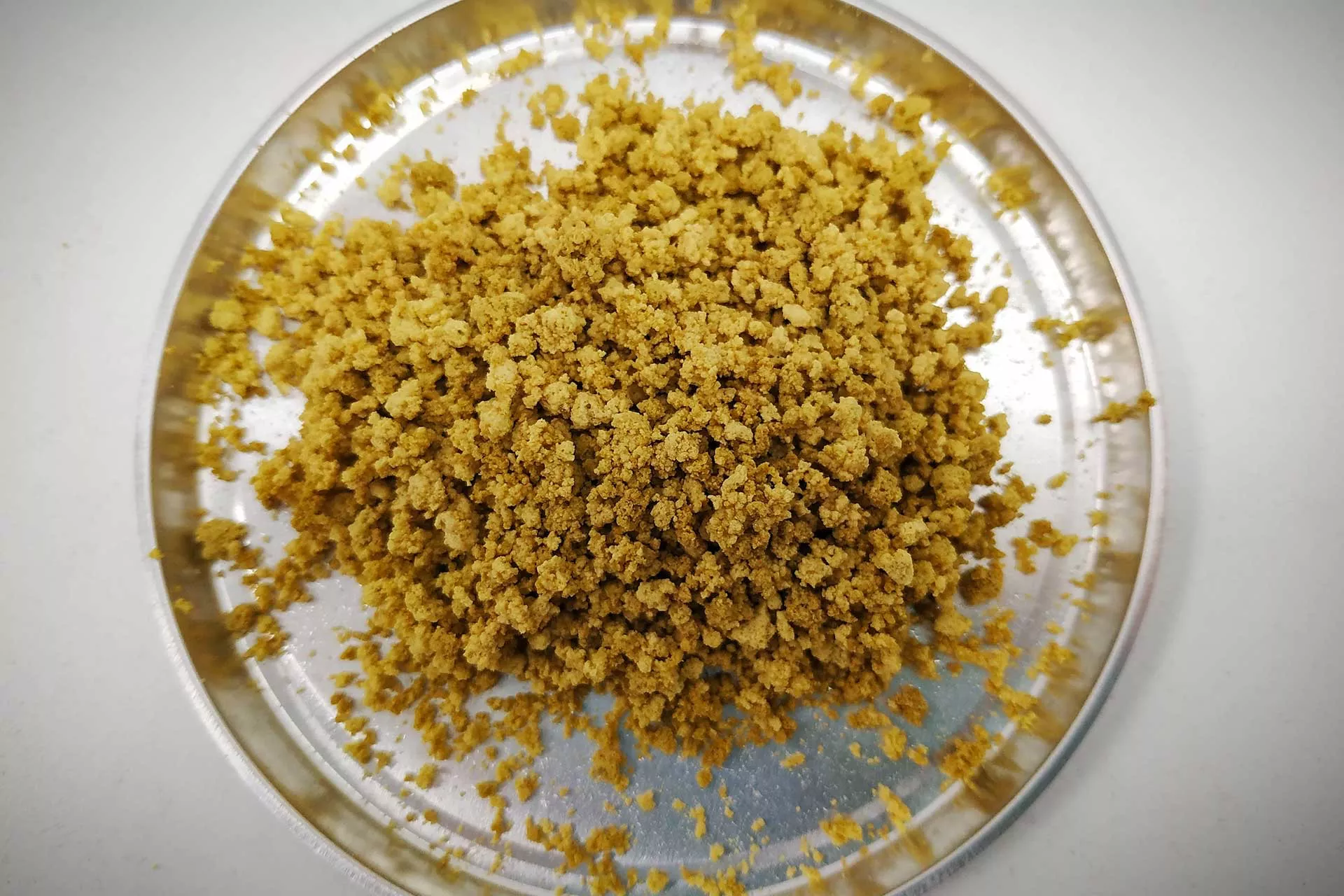
Winning Hemp Support, a product for horses, comes from reusing the fibrous component that would normally be discarded: «The idea of directing the fibrous component towards this project came from a careful analysis of our crops, the varieties selected and the regulations governing their use».
Winning Hemp Support combines fibre and hemp seeds, both derived from genetics grown by the company and described as naturally suited to equine nutritional needs. Over time, the company says, this raw material has proved relevant alongside treatments for inflammation and chronic and metabolic conditions, including Cushing’s disease, COPD, dermatitis and inflammatory states associated with the serum amyloid A marker: «A tangible contribution to the wellbeing of an animal that no longer lives freely but is kept and trained, with physiological needs profoundly different from those in its original habitat. We rely on universities and veterinarians with proven expertise, with the aim of scientifically validating and sharing the knowledge gained in the field».
CO₂ sequestration: biochar closes the loop between energy and growing substrate
Genesi made its facilities available to the University of Modena and Reggio Emilia (UNIMORE) for a collaboration assessing the impact of a small-scale gasifier in an indoor setting, with combined production of electricity, heat and biochar. The installation is rated at 22 kilowatts for an 80-square-metre facility. The economic assessment estimates a payback period of approximately three and a half years and a net present value of €249,000 at the end of its operating life, assuming a discount rate of six per cent.
Biochar is returned to the growing substrate as a soil amendment, remaining within the agricultural system rather than being dispersed and producing a CO₂-sequestration effect. Studies also report that biochar can increase dry-flower production by 7.7% and total fresh biomass by 33.9%: «The effect on growth is known and measurable: an average yield increase of up to ten per cent, without changes to the cannabinoid profile».
The biochar used is also assessed against regulatory parameters, including compliance with the copper-content thresholds in Italian Legislative Decree No. 75/2010. The effects described in the substrate concern nutrient availability, water retention and microbial activity. Mustone links these findings to a change in process: «This result influenced our approach to soil design and the entire production cycle. The combination of biochar and perlite made cultivation more efficient».
If successful, the initiative would have reduced fixed energy-production costs, improved the sustainability of the facility and increased biomass production, opening the way to a different approach to hemp cultivation.
Thirty minutes to read a cannabinoid profile
Genesi brings its collaboration with universities and research into day-to-day production. Its indoor rooms, designed for cultivation, are also used for experiments and data collection: «We continually receive requests to collaborate on university projects and degree theses, to the point that our growing rooms have effectively become university research centres. This is a way to spread knowledge, clarify the plant’s actual applications and strengthen product safety».
UNIMORE’s Elsen research group is also developing a portable device to check a product’s legal compliance rapidly: «It weighs approximately four kilograms and starts the analysis autonomously. The final result arrives within thirty minutes. Being able to check the cannabinoid profile makes it possible to demonstrate the legality of products immediately, even before testing by accredited laboratories».
Hemp supports horses’ microbiome and endocannabinoid system
Together with veterinarian and researcher Rodrigo Zamith, Genesi and the university are conducting research into the equine endocannabinoid system: «All mammals have an endocannabinoid system which, when it interacts with cannabinoids, becomes activated and influences a range of physiological functions. In vivo and post-mortem molecular studies from the international scientific community confirm this relationship. The aim is to map the distribution of receptors and understand how their activation might become an element in treating certain chronic conditions».
The studies also focus on the gut–brain axis, examining the microbiome and endocannabinoid system as two levels that can influence one another. The assessment draws on observable indicators: intestinal function, appetite, coat shine, weight changes and mood. Supplementation cycles of varying duration and dosage are continually studied according to need: «The physiological dimension is fundamental to us and is the thread connecting the body to the neurobehavioural system. By acting on immune responses, a rebalancing process is triggered involving a series of closely interconnected mechanisms. And when the body functions better, behaviour also becomes calmer: the horse is easier to manage, more present and more relaxed».
Debora Vitulano