Homo Faber: respect and attention: the message it spreads offers civic value
In Venice, on the island of San Giorgio, Homo Faber 2026: imagination is that confusion that resembles the sky, but a cornucopia can offer flowers and some salad
Between digital interactions via QR code, invitations to workshops with the artisans on show, perhaps this loon a bit like a playground for children’s entertainment – and that’s a good thing, children should be involved right away. Manual work, practical skill, imagination should shape children’s dreams straight away: those childhood memories that return between nostalgia and love. Imagination is that confusion that resembles the sky – children visit Homo Faber.
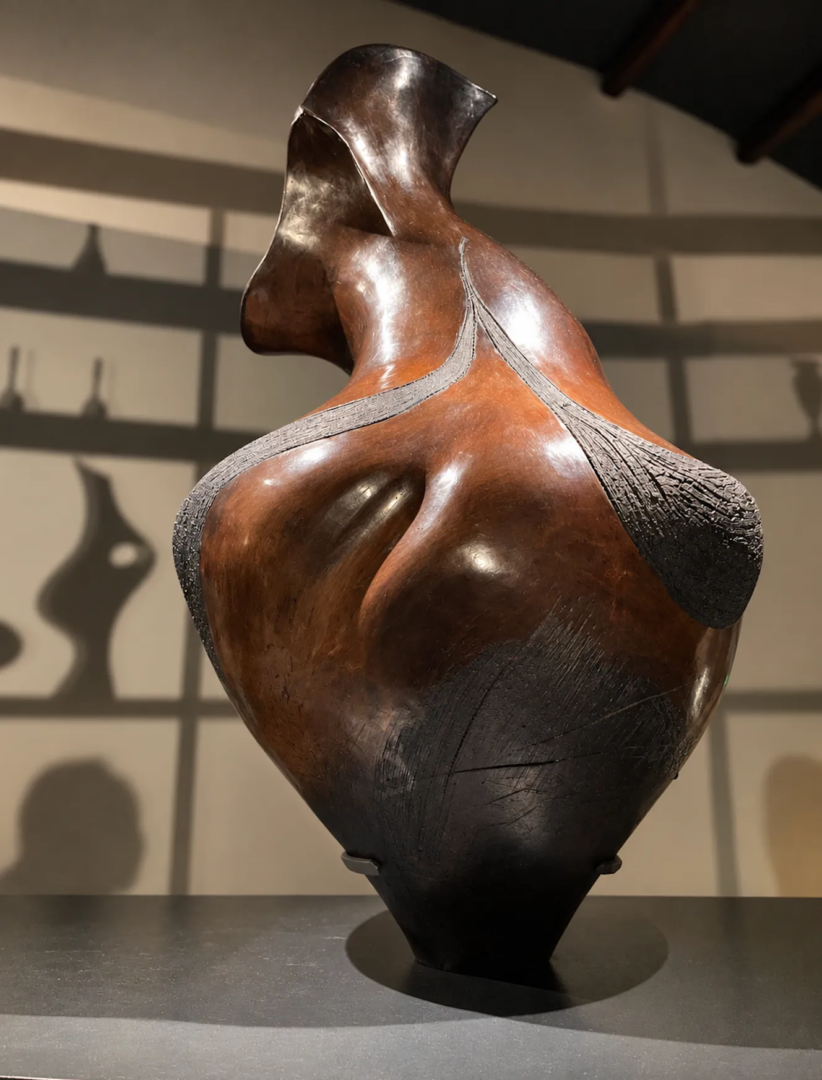
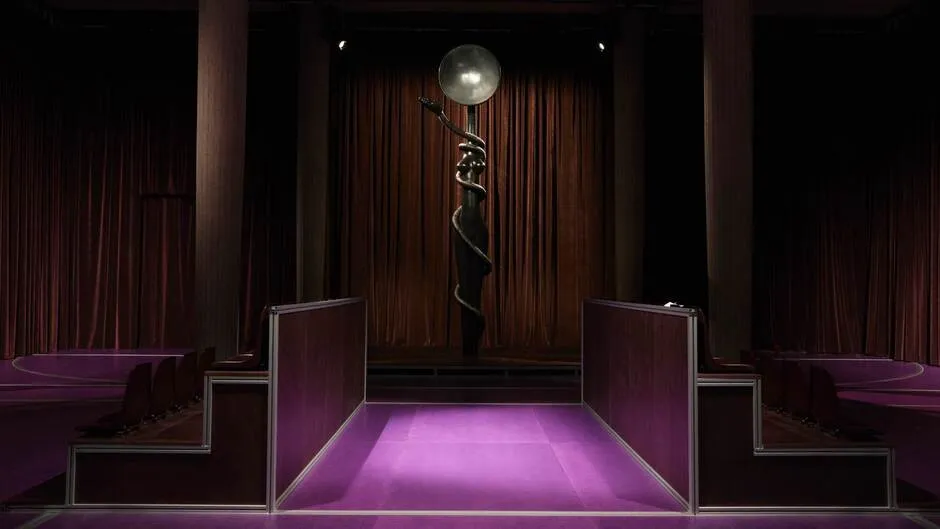
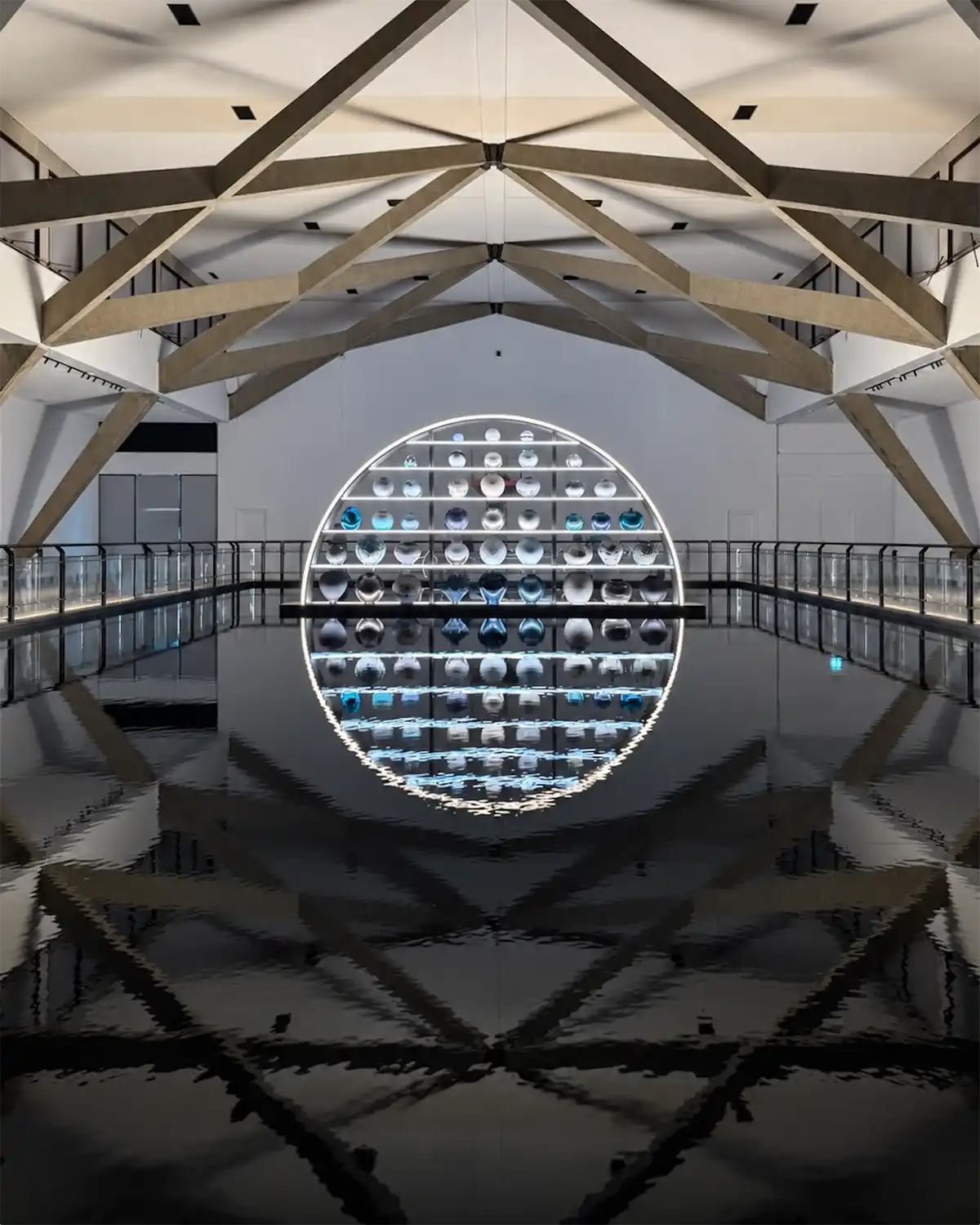
The Gandini pool is the second building along Homo Faber’s exhibition path. A reinforced concrete structure, built in the early Sixties. The glazing in steel window frames is darkened to manage the light. A selection of amphorae – the amphorae are arranged along the perimeter of the pool. A copy of each of these amphorae sits on a moving disc: it comes out of the water at the center of the pool like a sun at dawn, and just as quickly at sunset. The voice-over, perhaps a chant, speaks of a cornucopia.
The Cornucopia
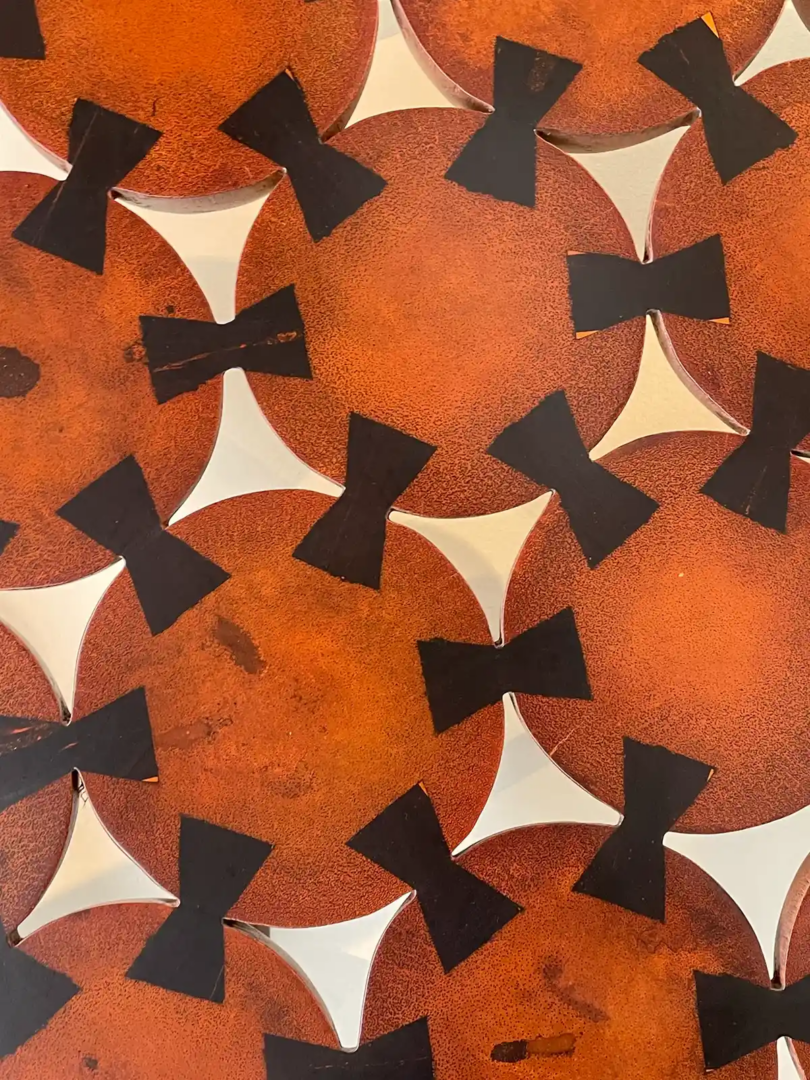
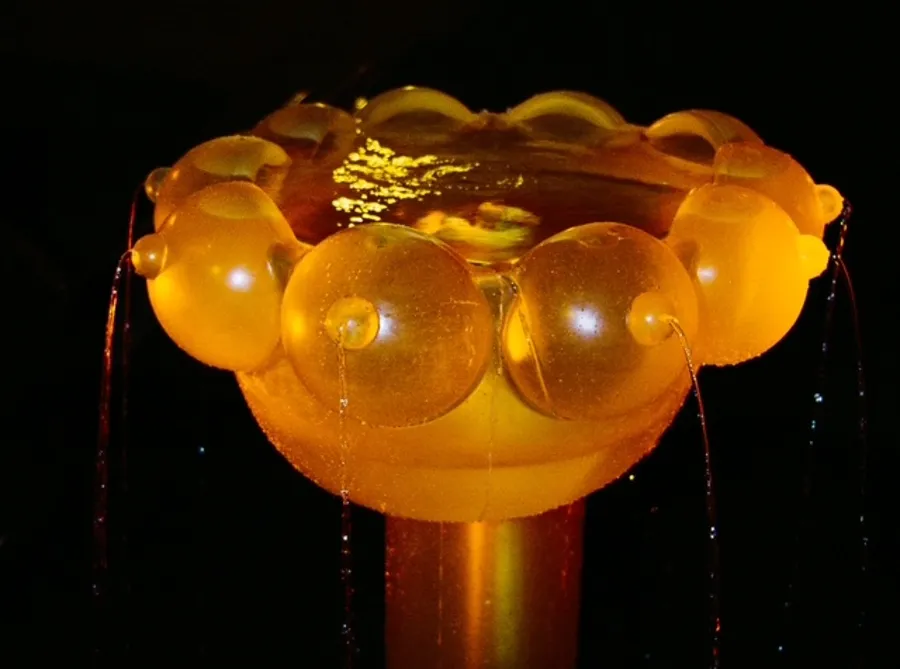
Cornucopia, an element of myth: the bed of a valley, the horn of the goat that nursed Zeus in his infancy on Crete. The horn is filled with flowers and fruit and is a symbol of abundance. Along the perimeter of the Gandini pool, the amphorae: some are rational, simple in their element – ceramic, glass – others are decorated as though they were cornucopias, with every scrap Zeus scattered onto the beach of Delos. Here, straight away, the crux of the matter with Homo Faber: decoration. The collection of pieces lacks an identity and a constant point of reference – in other words, it risks becoming a salad plate of flowers, fruit and other wonders, in the cornucopia.
Homo Faber, a civic message
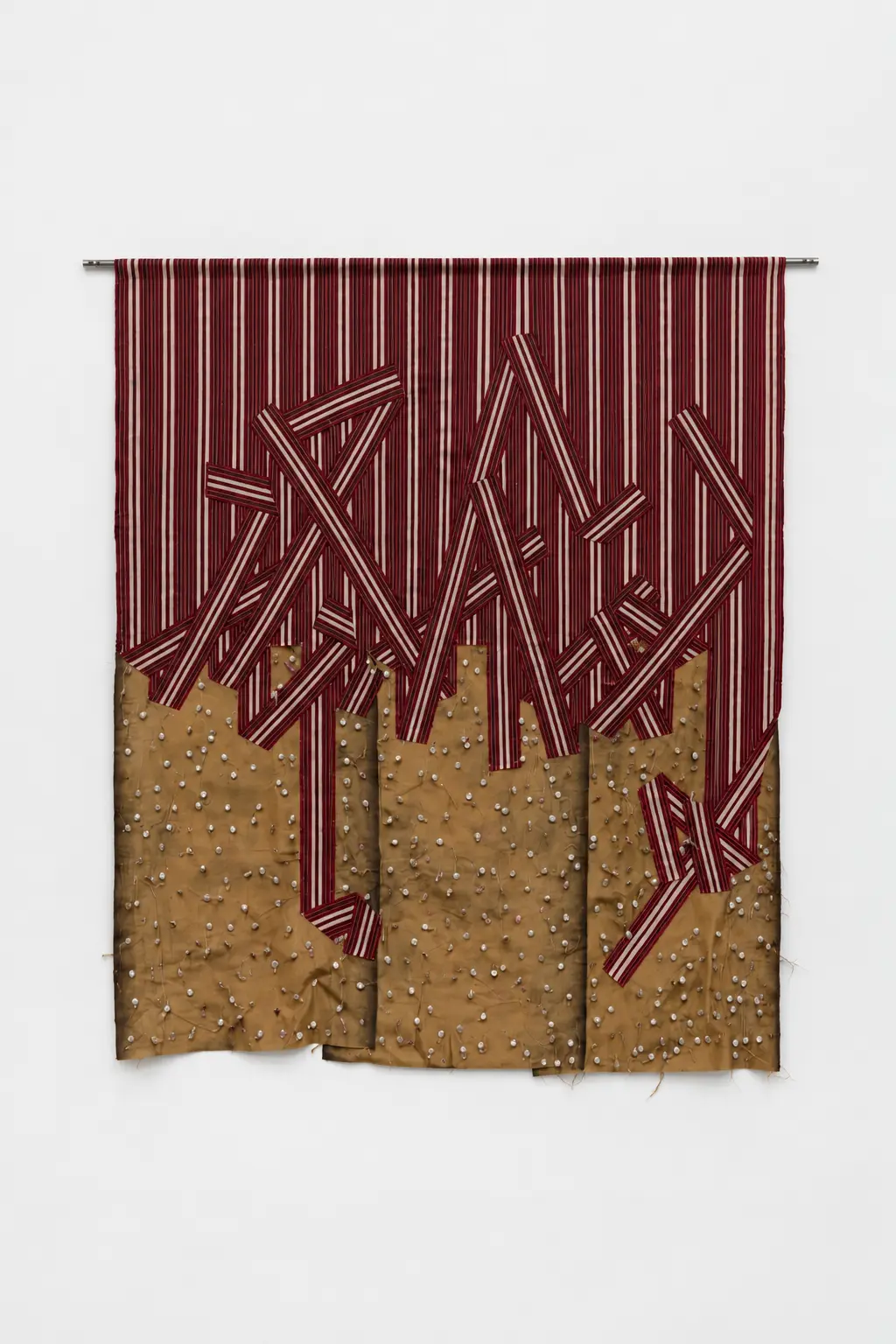
An exhibition like Homo Faber deserves respect and attention: the message it spreads offers civic value: the work of individuals who, over their development, chose and managed to specialize in manual technique – while the effort of those who instead work on digital interfaces risks being discarded by their own technological evolution. Manual work, produced by man and not by machine, with the imperfections that build beauty, will keep moving the desire for possession, and therefore purchasing power.
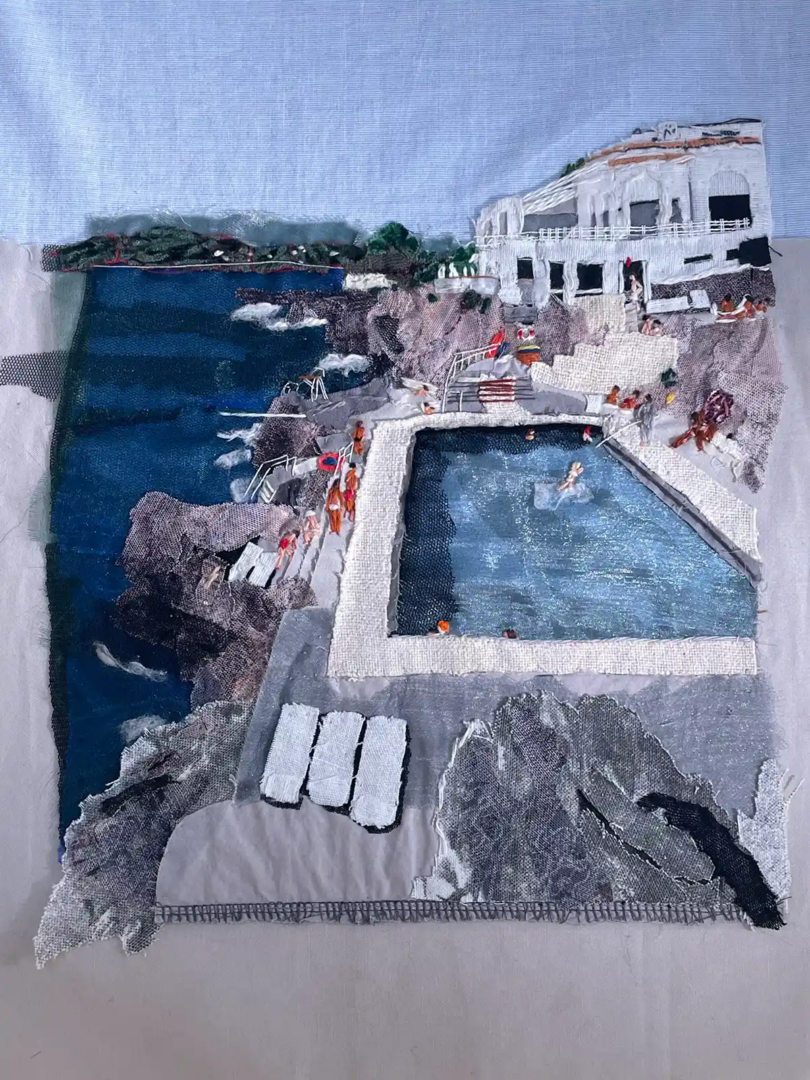
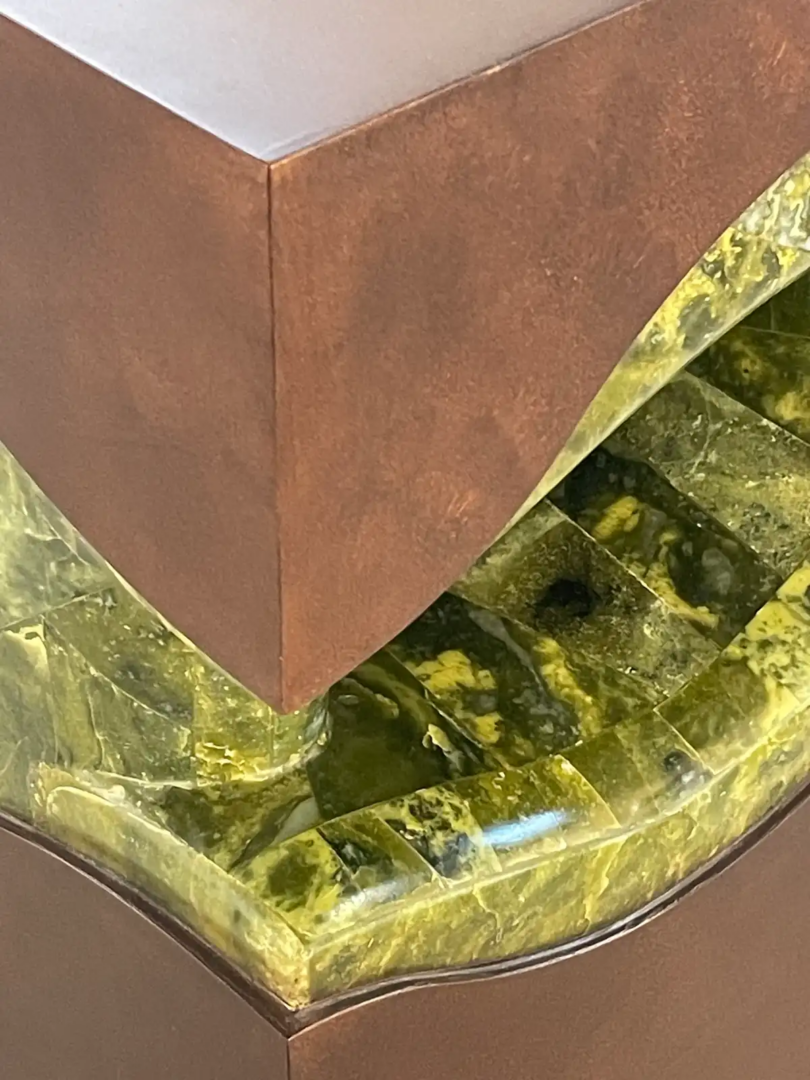
The carver works at her table – in a display case you can grasp the finesse of her hand – but why are her aesthetic and cultural references so out of tune with her ability? Why, watching her work, can the vague vision of a little Swarovski trinket flash by instead of a Portaluppi graphic? The route through Homo Faber resembles a seesaw: you meet objects you’d pay the predictable, multipliable thousands of euros for, only to then wonder how Instagram could really have lobotomized so many neurons. Measured against Venice itself: why can’t an exhibition on the island of San Giorgio evoke the aesthetic of Carlo Scarpa’s shop in Piazza San Marco rather than the souvenir offerings at the stalls of Strada Nova, around the train station.
Homo Faber, a coherent narrative, artisans by tradition and evolution
Someone might object that the Homo Faber exhibition wants to address a wide audience, welcome thousands of people with different sensibilities, tastes and understandings, and that the variety of this exhibition’s visual offering must therefore satisfy everyone. In that case, this wouldn’t be an exhibition, but the neighborhood market where everything has to be sold before noon. An exhibition earns that name only if it manages to create a narrative coherent with the intellectual consistency of the mind that designs it. Today, in the world of algorithms, the precision of an identity is the matrix of a cultural quality: in plain words, this means each of us can produce, present, tell whatever we want, but concentration comes first.
The artisans on show are selected at the end of a study that has been going on for years – for each edition, this same selection is refined around a variable theme and interconnects with a set-design and staging theme entrusted to an artist – Luca Guadagnino (2024), Es Devlin this year.
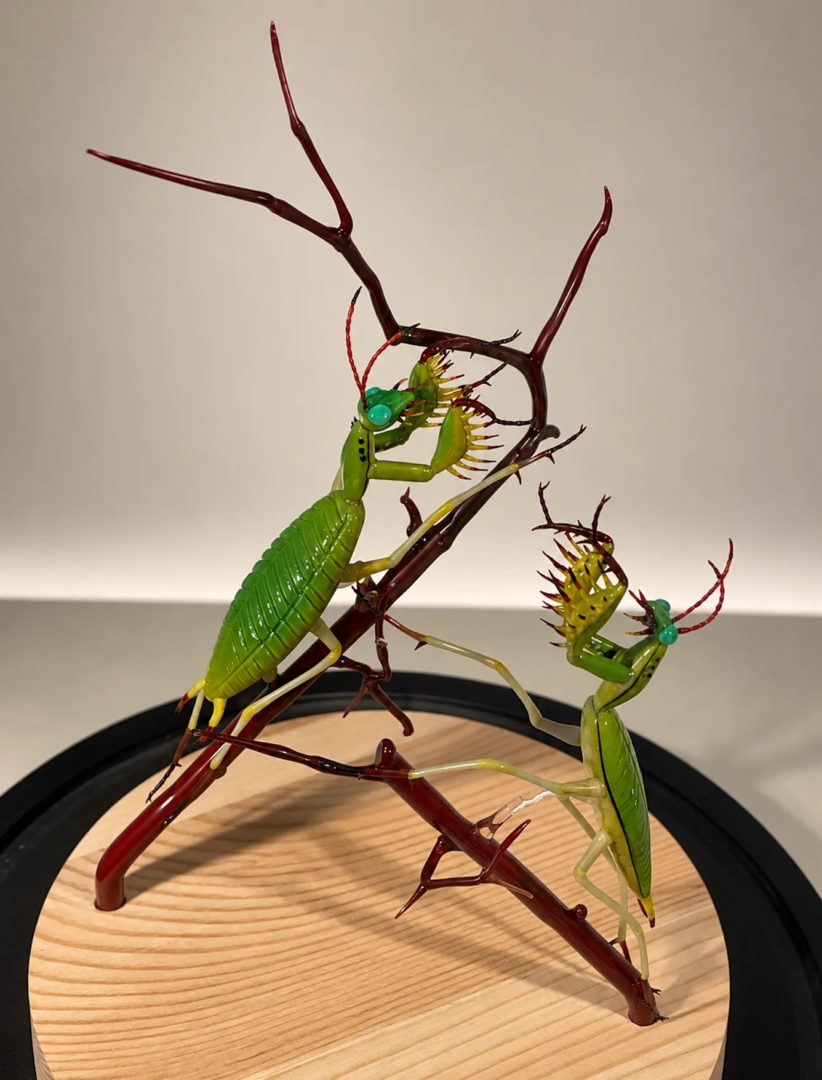
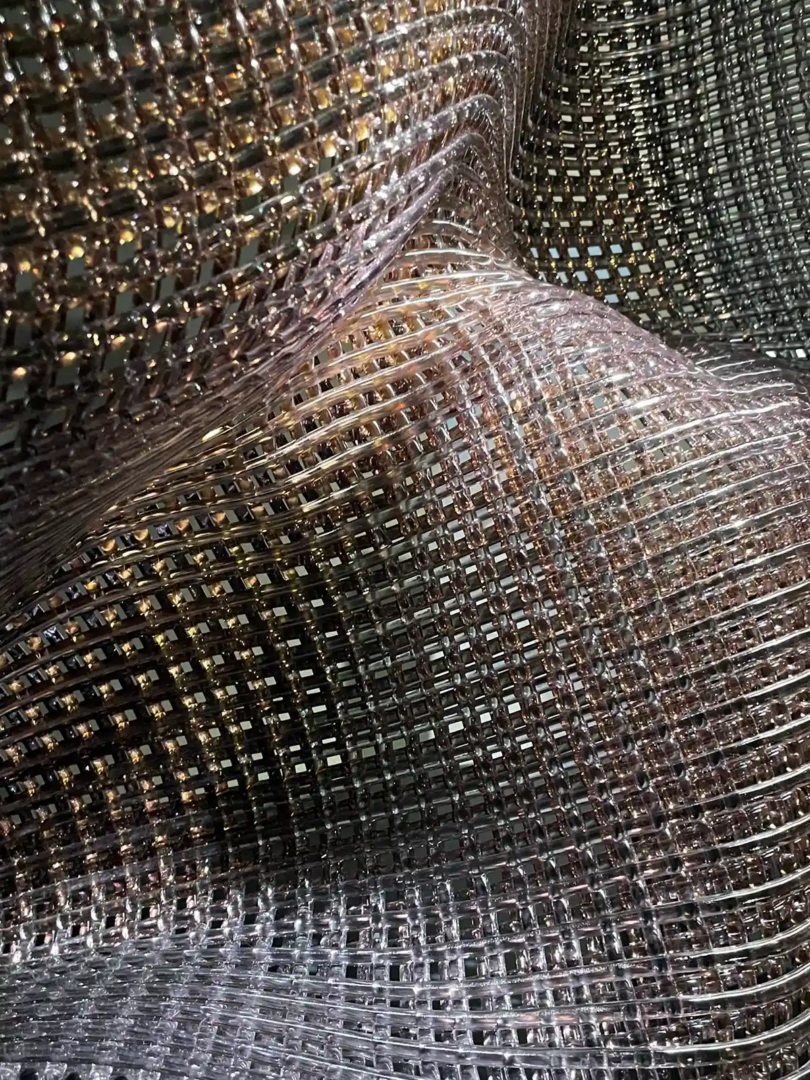
Artisans work on limited, if not unique, pieces. The question of waste, for artisanal management, is not an industrial problem. Reading through historical traditions, you find elements – pigments, binders – that today appear toxic. Homo Faber could present itself as a field of experimentation: for example: the intense colors of glass were historically achievable using arsenic; finishes were reached only with lead; today those historical intensities are no longer feasible. Homo Faber could be the stage for collaboration with university faculties, research bodies, to find new processes and make those finishes possible again. Homo Faber could invite – and support – artisans in new work without the use of plastics, synthetic fibers, polyurethanes. Bringing artisans closer to technological laboratories that together could find new techniques to evolve their imagination.
Carlo Mazzoni