Biology in the field: insects and microorganisms for sale to support agricultural production
Italian agriculture is reducing pesticides by rethinking crop protection from seed to harvest, in greenhouses and open fields: living organisms are once again useful tools for farming
Koppert: the balance between predators and pests as an infrastructure for sustainability
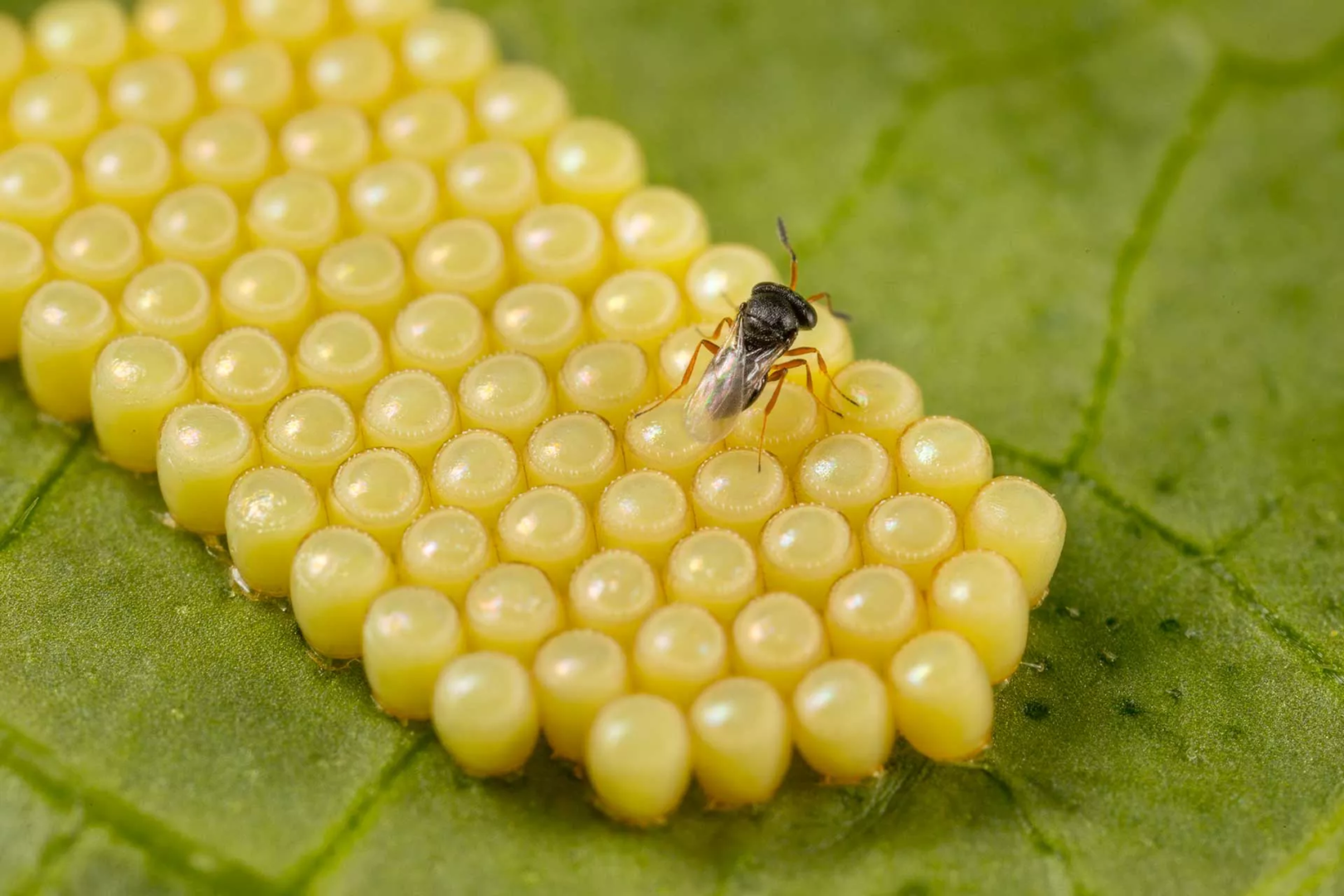
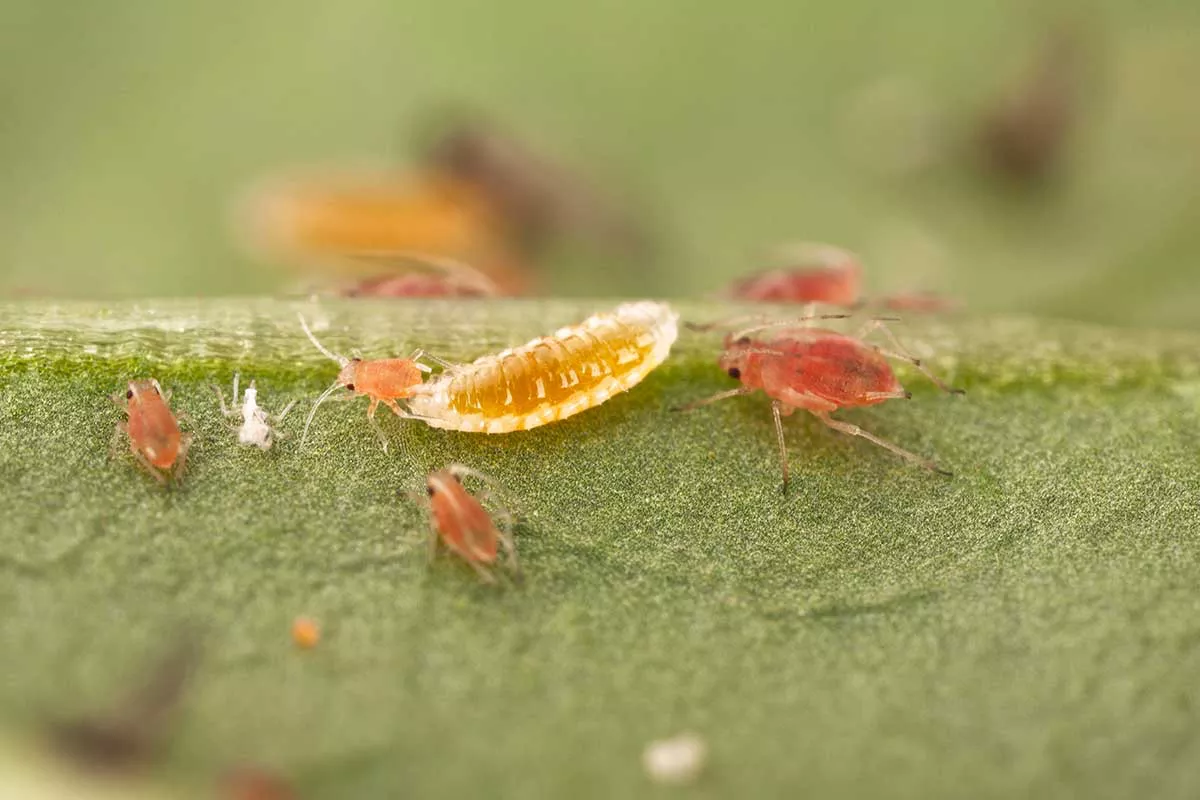
Insects disappear without a sound. Bees and other pollinators, moths, ladybirds, fireflies: small, essential presences that once ensured a natural continuity within agricultural production. Their decline creates new vulnerabilities, as pests multiply faster than farming systems can contain them. In a few decades, protection based on synthetic products has replaced a millennia-old balance between prey and predators. Yields have increased, but so has dependence.
Biological control emerged in response to this imbalance: not as an ideological device, but as an attempt to restore ecological functions that had been interrupted. Bringing beneficial insects back into crops means accepting that part of a farm’s work is to create the conditions in which nature can perform its role.
«Years ago, biocontrol was confined to protected environments, but in recent years its scope has broadened» says Valentina Manzoni, Market Development at Koppert Italia. «European policies and the demands of large-scale retailers are changing the crop-protection landscape. Climate change and trade also facilitate the arrival and spread of so-called alien species, or species once considered secondary that are resurging following mild winters and the withdrawal of broad-spectrum active substances. Integrating beneficial insects and microorganisms with other crop-protection methods is therefore becoming necessary in open fields as well.»
When some active ingredients are no longer available and others are no longer sufficient, sustainability means rethinking crop protection as a system rather than an isolated intervention. We must ask how much longer soil and plants can withstand these pressures if they are not given back the ability to interact with the organisms that have always accompanied them.
Regenerative agriculture as an infrastructure for prevention
A crop’s health is determined while the plant is still invisible, through the relationship its roots establish with the soil and the microorganisms living in it. An isolated root is more vulnerable to disease and stress; one interacting with an active microbiome can better withstand seasonal shocks: «Strong, resilient plants are important, especially in the early stages of development. At Koppert, during sowing or transplanting, we are working with microorganisms, specifically Trichoderma harzianum hybrid strain T-22, an antagonistic fungus that protects roots from soil-borne pathogens and stimulates the plant’s natural defenses. It provides important support to the root system during early growth and reduces stress when the plant encounters difficulties.»
Crop protection ceases to be a barrier placed in front of a problem and becomes support introduced before a threat emerges. This is where regenerative agriculture comes in, understood as infrastructure rather than a label. The aim is not to sterilize the environment but to ensure that plants can rely on a living network capable of responding alongside them. Excessive use of synthetic substances has reduced crop microbiomes, weakening the invisible component that once protected them: «It is not just the product that changes; it is the mindset.»
Rather than looking for a new active ingredient to replace the previous one, the work focuses on a set of underlying conditions: soil, roots and the balance between organisms.
From the enclosed world of greenhouses to an open, complex landscape
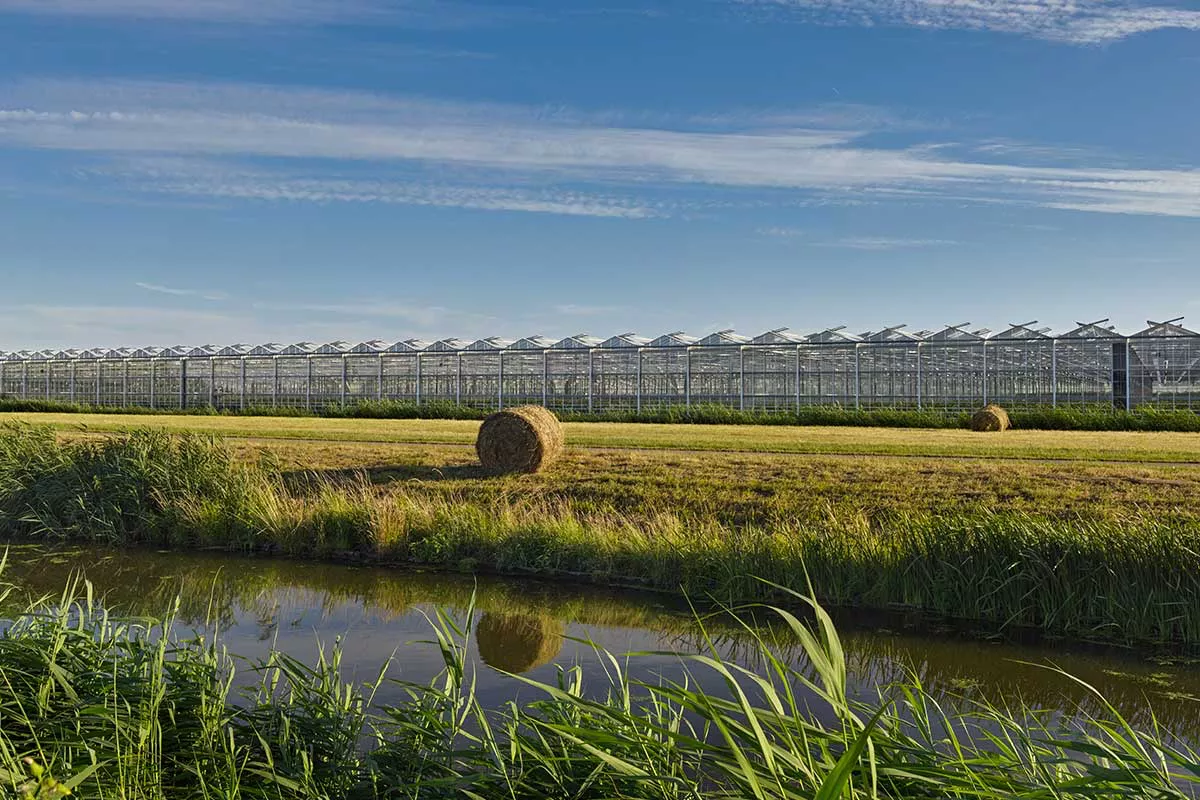
The first laboratory for biological control was a controlled environment: greenhouses for ornamental flowers, vegetables and certain intensive crops. Variables were limited, beneficial insects could be managed more predictably, and production cycles were easier to schedule. In an enclosed system, almost everything can be decided: temperature, humidity, planting density and intervention timing.
Today this laboratory is no longer enough: «Agronomists and technicians need tools that help them make decisions in the moment.» Open fields introduce instability: conditions change from one area, year and plot to another. The same crops, managed in the same way, may respond differently depending on environmental factors.
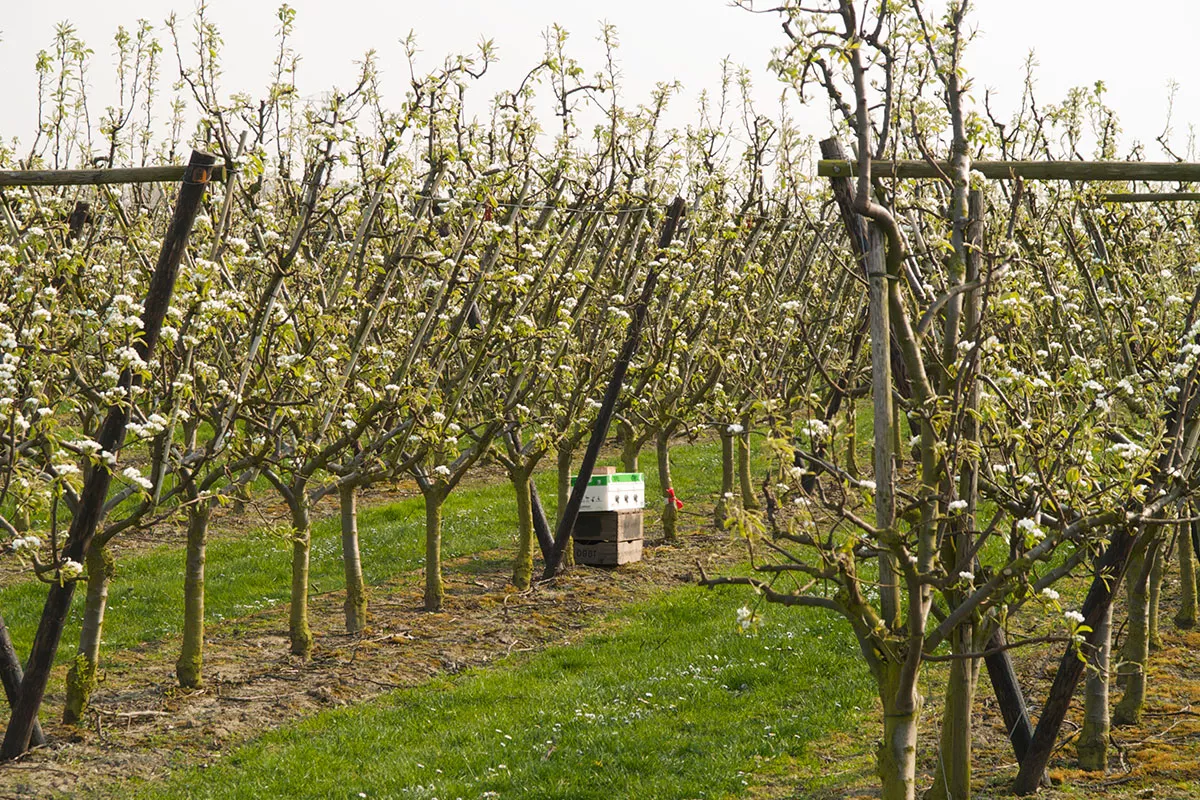
In this context, biocontrol cannot simply reproduce what works in greenhouses. It becomes a continuous exercise in reading the productive landscape. The presence of beneficial insects must be calibrated to the development of pest populations, crop cycles and the conditions in which natural antagonists can actually establish themselves. Some fields are experiencing pest pressures increasingly similar to those at other latitudes, far sooner than expected.
Introducing beneficial organisms into open fields is therefore not simply a transfer of techniques but a rewriting of skills. The agronomist becomes a mediator between production needs and the response capacity of living systems. Farmers must accept working with an unpredictable component, knowing that results are measured over several seasons rather than a single year.
Hemp between regulatory constraints and the need for purity
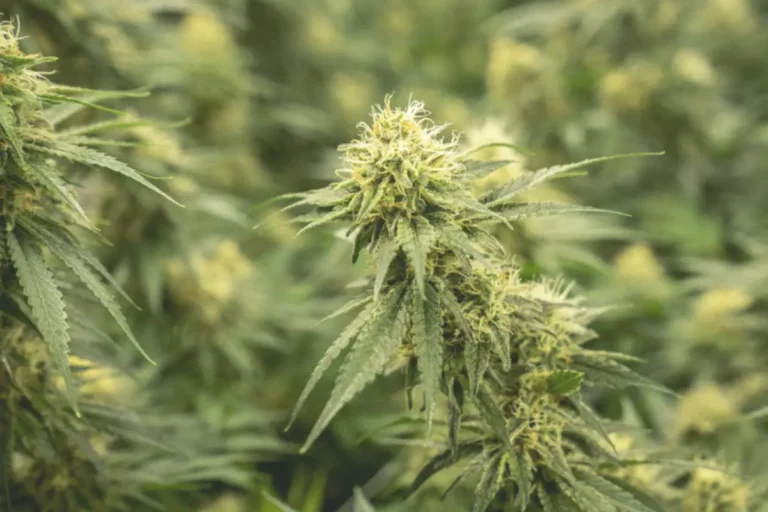
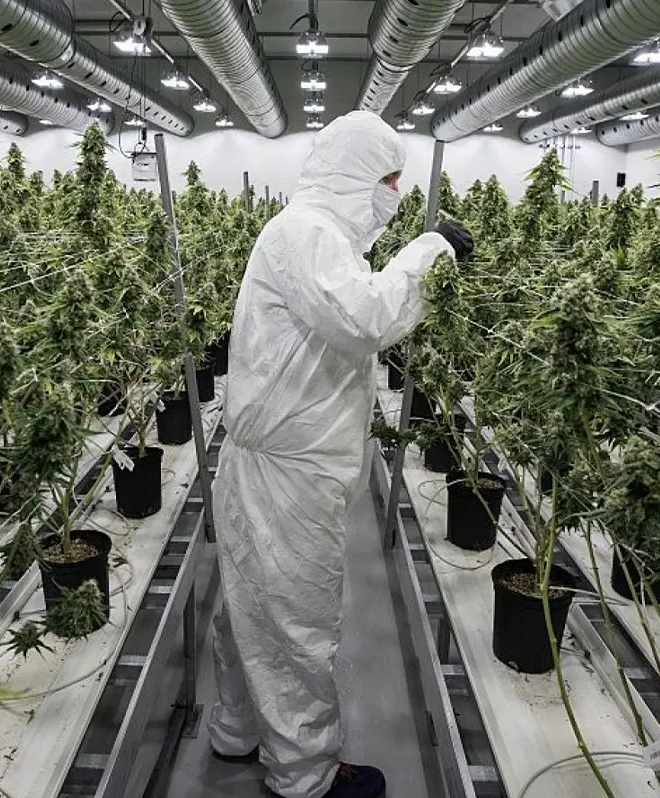
Hemp attracted widespread interest, followed in a short time by an equally sharp contraction. Expectations for this crop—in textiles, food, cosmetics and pharmaceuticals—have had to contend with a restrictive regulatory framework: «Unfortunately the hemp market has changed. There are more restrictions, many businesses have closed or moved into other areas, but we continue to work with those operating legally.»
What remains is a smaller sector with high standards: «Production is intended for medical use, where a wholesome product free from residues is essential.» Hemp requires a level of control that leaves no room for error: any unwanted substance in a raw material intended for pharmaceutical use compromises the entire supply chain.
The plant retains its hardy characteristics, but cultivation within a regulated system is anything but spontaneous. It requires constant monitoring, knowledge of the main threats and their cycles, and systematic use of beneficial insects and microorganisms that leave no traces in the final product.
Biological timing and industrial precision: living organisms in the crop-protection chain
Beneficial insects are not inert tools. They have a life cycle, a period when they act effectively and another when they arrive too late. Biocontrol cannot ignore this fact. Logistics is not peripheral: it is where agronomic technique meets real time.
Bringing living organisms into fields means synchronizing farmers’ preparation, the presence of the pest and the condition of the crop: «When we talk about living organisms, delivery is part of crop protection; it is crucial to the success of biocontrol.» A beneficial insect that reaches a farm a few days after the ideal release window risks sharply reducing effectiveness and the final result.
Every stage requires clear agreements, defined responsibilities and procedures covering the entire journey from biofactory to field. This work is invisible, but it determines whether beneficial insects can do what they were sent to do.
Biocontrol as a discipline of adaptation
Biocontrol does not guarantee permanent immunity, but it builds a margin of safety. In some situations control is well established, as with certain insects affecting widespread crops; in others, the process is still developing and requires collaboration between businesses, institutions and researchers.
Pests arriving from other ecosystems, with cycles and behaviors different from familiar ones, test response capacity. Each new emergency also tests the tools available and their flexibility. Biocontrol cannot be static: it must update, evolve and reconfigure itself.
In this sense, biocontrol is a discipline of adaptation. It does not merely replace one substance with another; it changes how agriculture approaches risk. We can no longer assume every problem has an immediate answer. Instead, the task is to build conditions in which problems can be absorbed without becoming crises.
Training producers: technique cannot work without reading the landscape
Biocontrol is not a protocol to download and apply; it requires interpretation and knowledge: «Our work is not just to provide solutions. Training is a major part of what we do: technicians must know how to observe, decide and adapt.»
Training means learning to recognize not only the pest but also when a plant is ready to host a beneficial insect, the conditions in which microorganisms can establish themselves and the signs of a balance forming or deteriorating. Daily practice becomes a series of observations: infestation intensity, plant response and seasonal patterns.
A crop managed with this attention becomes less rigid and less fragile. It can absorb pressure and delays without collapsing. Training therefore builds a body of experience that extends beyond a single farm and spreads along the supply chain, creating a shared vocabulary among growers, technicians and distributors.
Doing today what tomorrow will require: making nature’s innovation routine
Climate change is advancing too quickly for crop-protection practices to be considered stable. Regulations are tightening, some substances are being withdrawn and others are under review. Meanwhile, crops still need stability: «We are working on many projects, including citrus, wine and table grapes, processing tomatoes, pome fruits and stone fruits, also in collaboration with other Koppert branches in Europe and worldwide. We update protocols because conditions change; we cannot expect to work as we did ten years ago.»
Biocontrol has become an integral part of agricultural work, although its adoption is not yet uniform. Greenhouses remain privileged spaces for experimentation and control, while open fields are the testing ground for an agriculture that must learn to live with greater uncertainty.
The future of crop protection cannot rely on a single tool. It will require combinations, adjustments and reassessment. Producers and solution providers must do today what will be needed tomorrow, not merely what gets them through the next growing season.
Supporting the lives of beneficial insects, microorganisms and roots is not a contemplative gesture, but a concrete investment in the continuity of food production and agricultural work in the years ahead. Here, innovation means recognizing that nature, when given the conditions to act, remains a reliable ally.