Hemp cosmetics and rural architecture: the Canabetum experiment
Canabetum was founded in the Padua area as an agricultural and cultural project, combining natural cosmetics, rural architecture and a hemp supply chain that remains fragile and incomplete in Italy
Canabetum: hemp as a natural raw material between biodiversity and education
Marina De Benedetti, an agricultural entrepreneur, founded Canabetum as an extension of her family’s organic farming business in the Padua area. Her experience combines fieldwork and applied research: «I have always thought this plant could open up concrete possibilities». The objective is to bring together production, education and biodiversity protection, with a supply chain that remains local whenever possible and transparent in its choices.
An ancient plant and a history to recover: hemp between productive memory and territorial identity
The name Canabetum comes from a Roman stele dating from the second or third century AD, preserved at the Atestino Museum in Este, which mentions land used for hemp cultivation – a reference that connects the project with the agricultural stratigraphy of the territory. Hemp played a significant role in Italy’s productive history: until the 1950s, large areas were cultivated, with the country recognized for the quality of its fiber.
The Maritime Republics made its use strategic for ropes and sails: «For me, discovering that stele was a sign: it meant that this plant had deep roots in our territory». The historical framework becomes a reference point for a revival that is not nostalgic, but operational.
Growing hemp today: agronomic potential and planning weakened by regulation
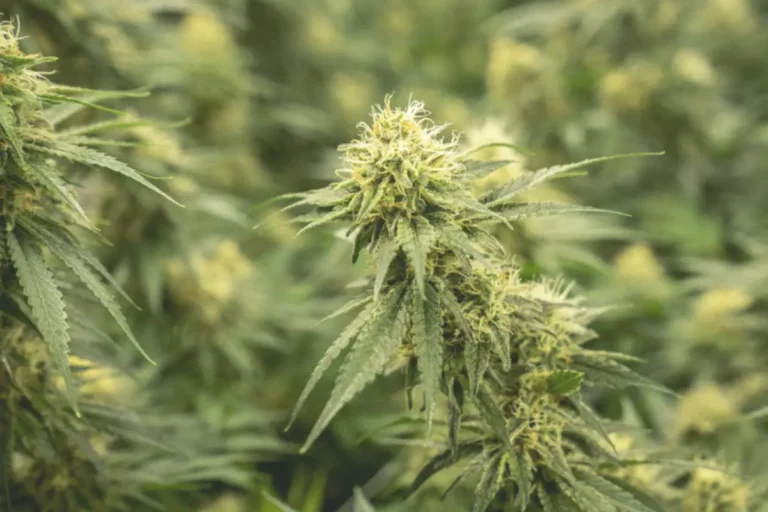
In 2020, the first field was established on one and a half hectares of land recovered after years of abandonment and free from chemicals for more than fifteen years. The varieties chosen were Santhica 27, Fibror 79 and Futura 75: «I wanted to start from a clean base, without herbicides or fertilizers, because hemp is an absorbent plant». Its fine root system helps oxygenate the soil and makes rotation with wheat effective.
The plants grew to more than four meters, exceeding the stated standards for the varieties, supported by the local microclimate. The limitation lies outside the field: «This year I did not sow because the security decree made even industrial hemp practically illegal: it referred to a ban on the use of inflorescences, but how can you grow a plant without an inflorescence?». Regulatory clarifications arrive too late for the agricultural calendar: «The farming season follows the seasons, not decrees».
Circular economies: from discarded stalks to oleolites, soaps and hydrolates reused without waste
The area of work that has become consolidated is cosmetics, where European regulations allow the use of seed and shredded stalks: «We found that antioxidant, soothing and protective properties remain in the stalk». The stalk becomes the base for cold-infused oleolites, creams and soaps. Originally, hemp shives were included as a scrub, but «hemp shives were removed from the INCI list for cosmetics, as though they were a narcotic substance», requiring a reformulation: «I replaced them with hemp flour».
The principle remains reuse: instead of becoming waste, the hydrolate is repurposed as an antibacterial shoe deodorant. «Nothing should be wasted: every part of the plant can find a use». Feedback from product users concerns soaps and oils in particular: «People with psoriasis report positive effects even just from using the soap».
Hemp fiber: Italy currently lacks a supply chain
Hemp fiber opens up the industrial question: «Processing the stalk would have required further investments that we were unable to make». The attempt to create a supply chain also found no support: «There was no critical mass of people who could use a new machine, and even the mechanical companies involved did not find it sustainable».
Regulatory discontinuity also weighs on this front: «One decree has come out every year and each has been appealed. The previous two appeals were won; precisely for this reason, the government issued the third decree». The result is that planning becomes impossible.
Hemp and climate: irregular seasons, half-empty seeds and oil yields affected by weather
In recent years, climate variability has also come into play: «The latest agricultural seasons have been difficult: excessive heat, lack of rain». This has affected seed yields: «If it does not rain, the seed remains half empty and produces very little oil».
As a result, Canabetum’s distribution remains local: «Veneto, Emilia-Romagna, Piedmont: essentially the North, because it is logistically simpler».
At present, the conditions for expansion in Italy or Europe are lacking, but the project tries to raise public awareness of the plant’s qualities: «Wherever there is an opportunity for education, we try to be present to explain the health and environmental properties and characteristics of hemp, for example at medicinal-plant fairs, where hemp has been classified, perhaps somewhat forcibly».
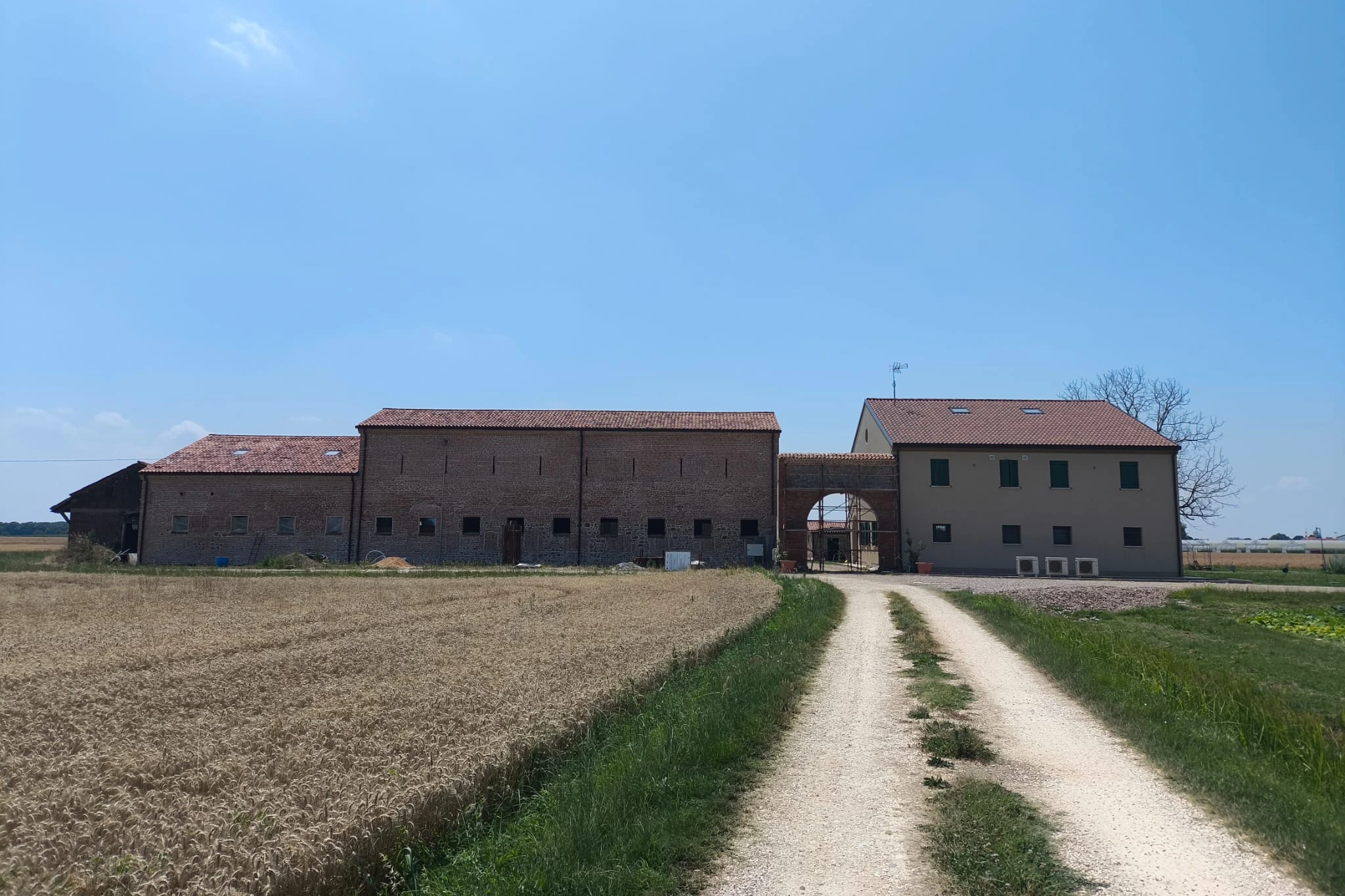
Natural raw materials for rural architecture: the Benedictine stable at San Pietro Viminario
A second operational area emerged on a building site through a project included in the PNRR Rural Architecture program: «With Società Agricola Breda Bio S.S., which works with extensive arable crops, I am renovating an agricultural building: a former Benedictine stable dating from the 1500s».
The building was severely compromised: «Part of the roof was missing; the masonry had suffered extensive water damage and for centuries animal waste had impregnated the walls. If we had simply closed it up, we risked ending up with rising damp and nitrates up to one meter above the floor».
The decision was therefore made to use natural raw materials, particularly hemp. It was applied to counter-walls, the floor and the roof, with an objective that is not only technical but also educational: «The comfort today is surprising, even though these are spaces that still have no active heating or cooling». Once completed by the end of the year, the building will be opened to the public: «It will become a space for cultural and social activities and tourist visits. In addition to telling the history of the territory and agriculture, the site will show how hemp can be used to rehabilitate difficult buildings».
Permanent exhibition, educational farm and rural tourism as cultural infrastructure
The building project is therefore intended to go beyond restoration: «An educational farm and rural-tourism activities will be created for schools, citizens and technicians. I think the subject is also of interest to building professionals who do not know this material: seeing and touching a project like this helps overcome prejudice».
The objective is to raise public awareness in the hope of rebuilding a hemp supply chain in Italy: «Production and processing do not exist in Italy; I bought the materials abroad. We probably need to start the other way around, explaining how valuable the material can be and only then creating a supply chain».
The geography of hemp in Europe: supply chains, liberalization and an Italy struggling to keep pace
The Italian situation runs counter to the rest of Europe: «France has secured the seed supply chain, followed by Romania and Bulgaria. Germany has also liberalized THC, like the Netherlands, and has probably taken the inflorescence market. Italy was once the leading country in the world for quality and second for quantity after the Soviet Union, while today we are at a standstill. Regulatory hostility effectively keeps Italy out of production».
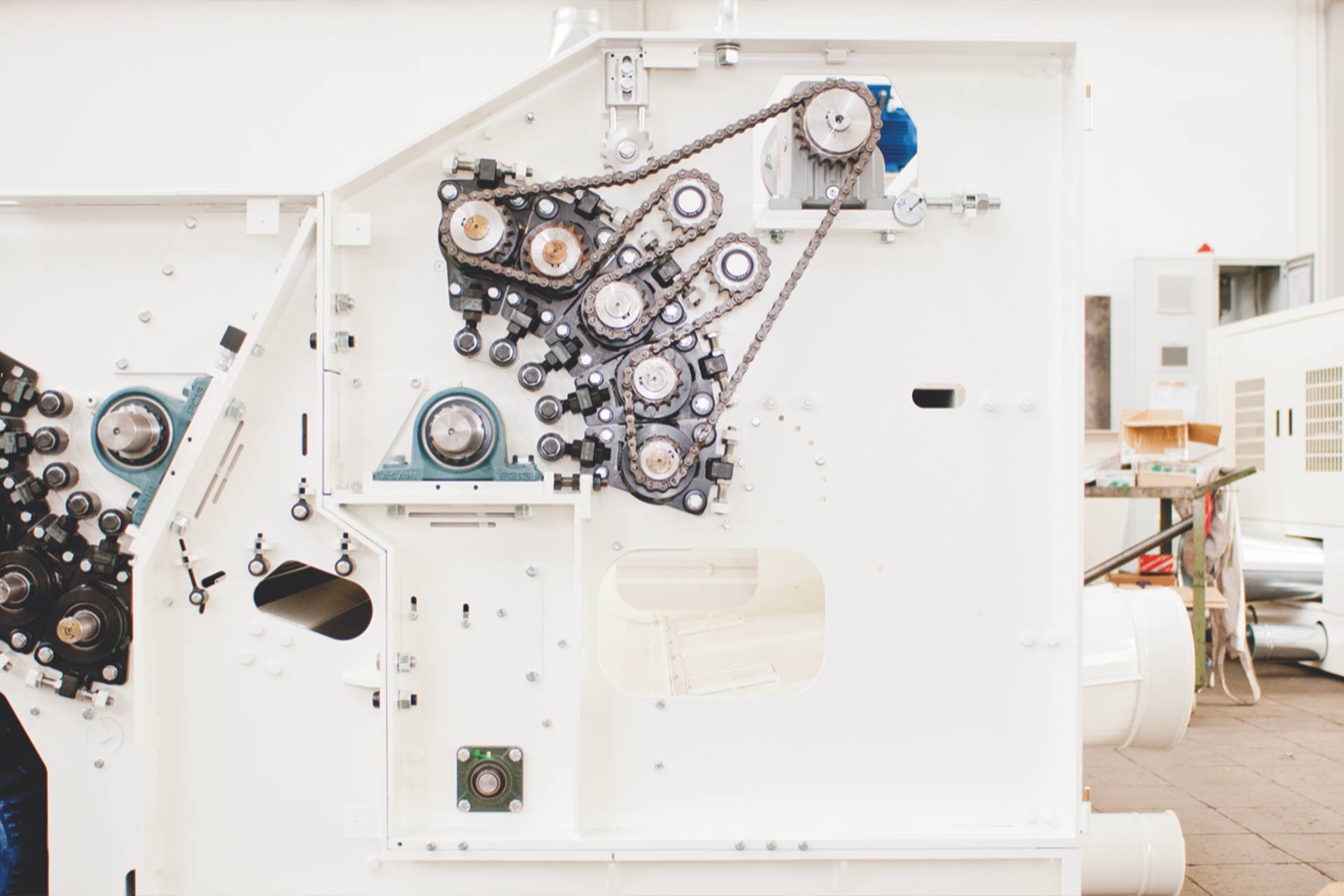
Processing the stalk would require machinery that is not available on the Italian market. Without a supply chain, uses remain demonstrative and artisanal: «The processing of hemp shives and the use of the stalk have remained at a standstill». The issue is not ideological, but technical and economic: «Investment, research, development, the supply chain: everything is missing».
Future prospects: education, short supply chains, stable rules and a shared technical vocabulary
The agricultural and building uses of hemp share a single thread: the material’s performance. In cosmetics, the antioxidant and soothing properties of oleolites; on building sites, the capacity for insulation and rehabilitation, including in the presence of moisture and nitrates.
For Marina, future prospects come down to the need for education: «I hope education will help create awareness; the objective is to allow expertise to take root. The prerequisite for every subsequent step is regulatory stability: without it, planning remains fragile. But if we cannot carry out industrial processing, we can at least build knowledge». In this framework, the driving force is not marketing, but a shared technical vocabulary.