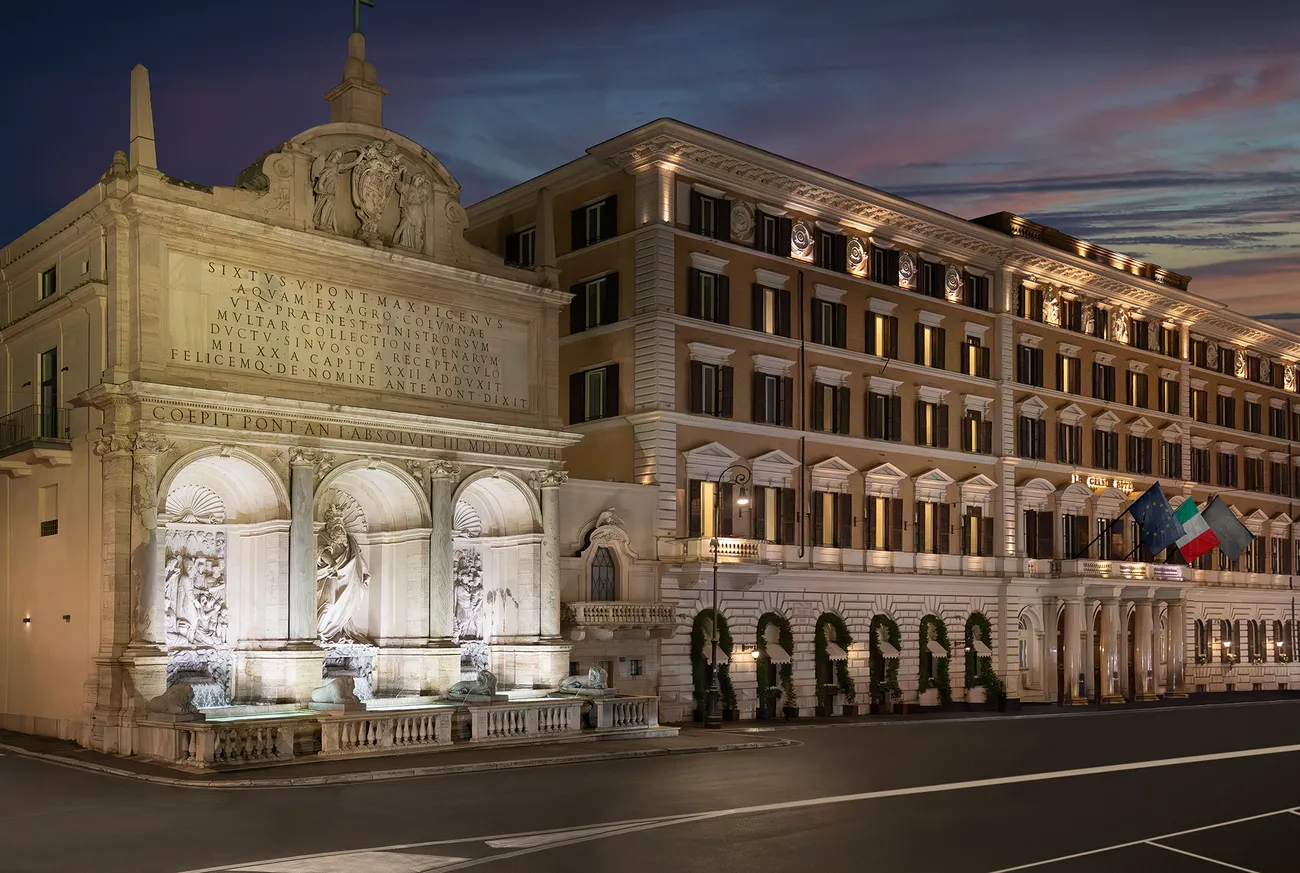
Carlos Garaicoa and the carnivorous plants eating Havana, at the St. Regis Rome
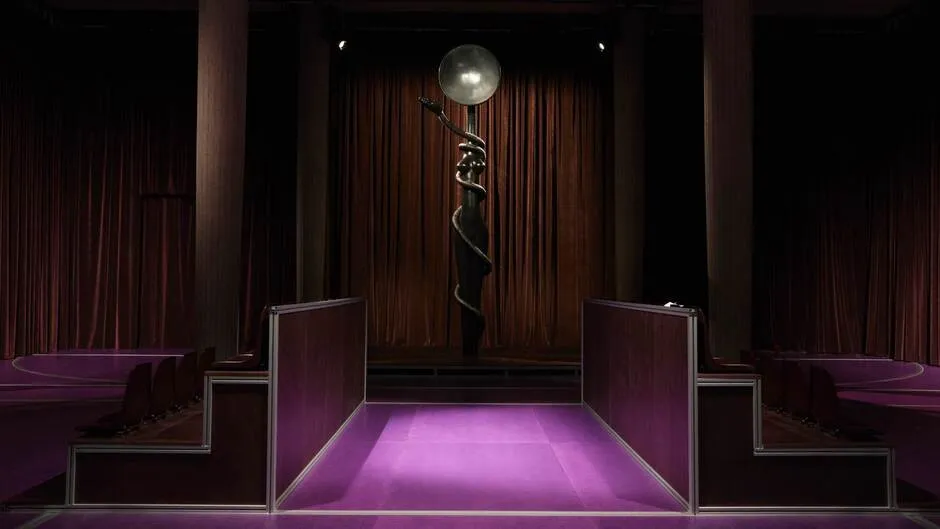
Since 2018 Galleria Continua has run a space inside the hotel in Via Vittorio Emanuele Orlando, where I giardini di Piranesi gathered drawings, watercolours and the installation Contrapeso
Galleria Continua inside The St. Regis Rome since 2018
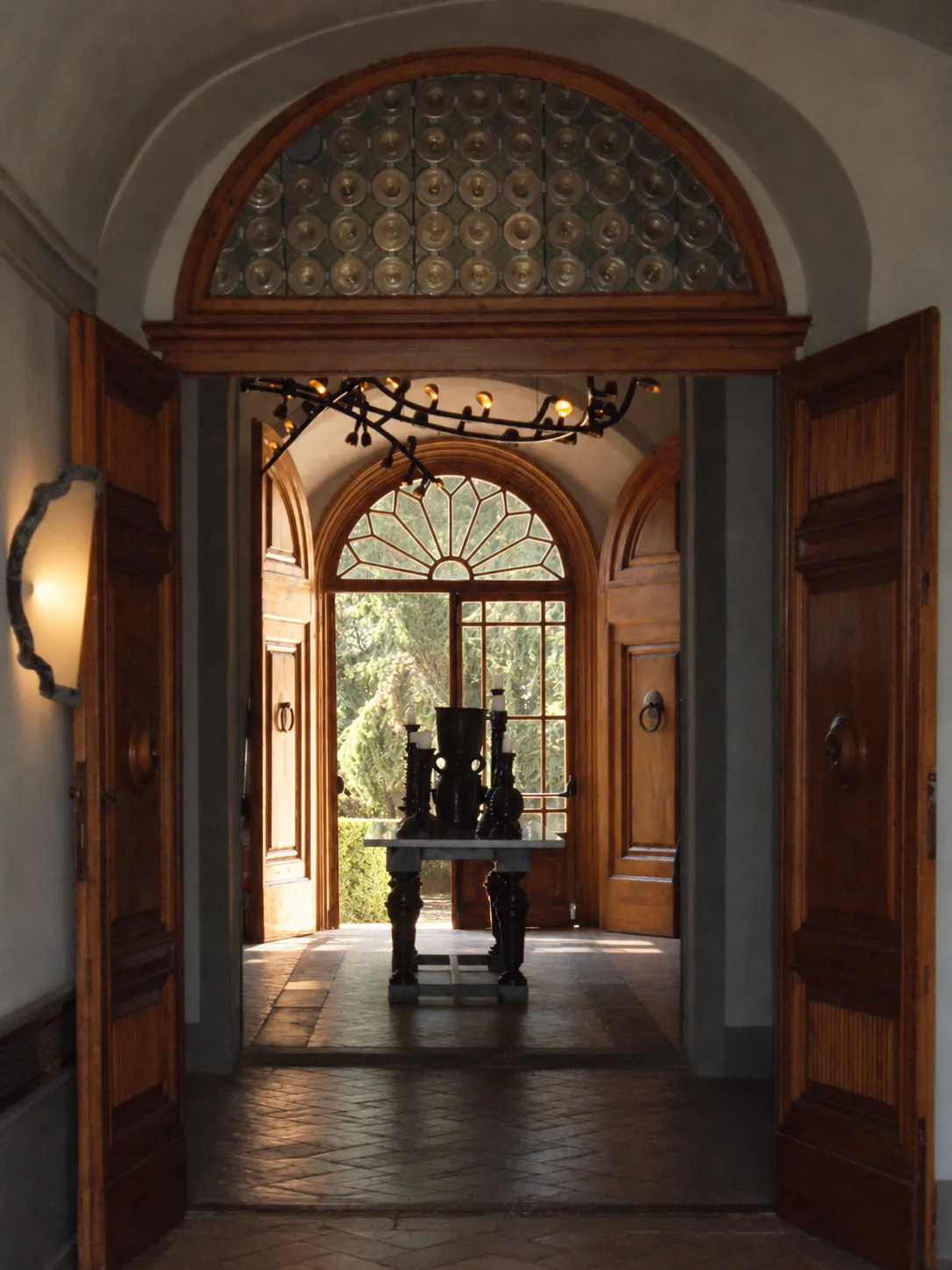
Since 2018 one of Galleria Continua’s spaces has been inside The St. Regis Rome, at Via Vittorio Emanuele Orlando 3. The gallery, founded in San Gimignano in 1990 by Mario Cristiani, Lorenzo Fiaschi and Maurizio Rigillo, has built its practice on taking contemporary art into places built for something else — a medieval cinema in Tuscany, a Beijing factory, a village in rural France — and staying there long enough for the place to change. A hotel is the same operation in a different register.
The collector, here, is met in the middle of a stay. The artworks sit in the lobby, in the corridors, at dinner, in the conversation of a Tuesday evening, and the guest meets them without buying a ticket, in the hours a hotel organises anyway. That is the commercial argument and the curatorial one at once.
The same logic runs through Arte di Vivere, the hotel’s cultural programme, which puts talks on contemporary art, workshops for children and thematic encounters alongside the exhibitions, for an audience that comes from outside the art world.
Un’amicizia Continua, the 2026 programme with Suite Portrait and artist talks
The collaboration continued through 2026 as Un’amicizia Continua: artist talks, educational workshops, dinners held inside the gallery, and Suite Portrait, a project that turns the hotel suites into rooms built around a work. The hotel stops being the wall behind the art and enters the curatorial structure, with the continuity that Galleria Continua applies elsewhere, where a programme is measured in years and a single show closes nothing.
I giardini di Piranesi and the installation Contrapeso (Ciudad Plomada)
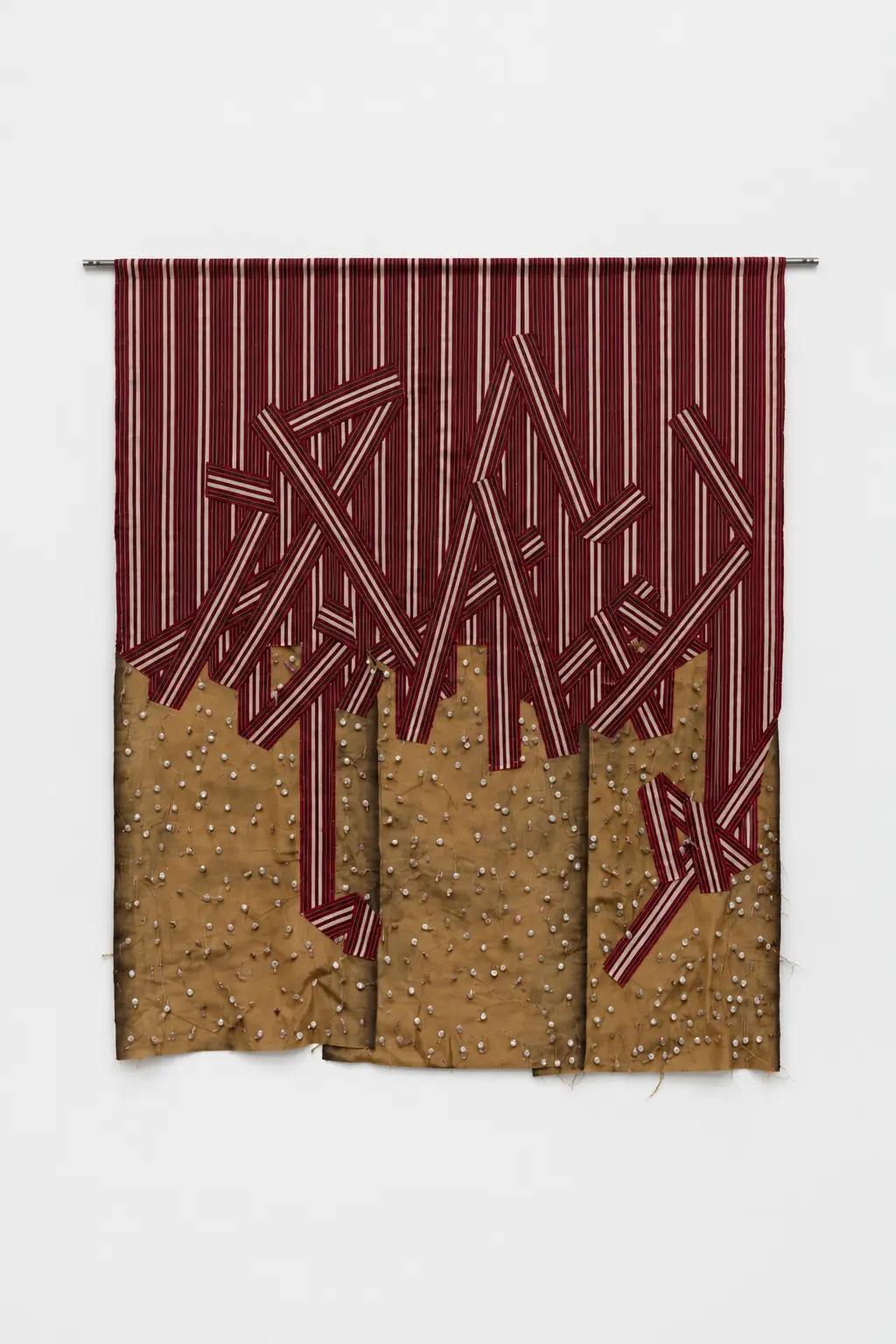
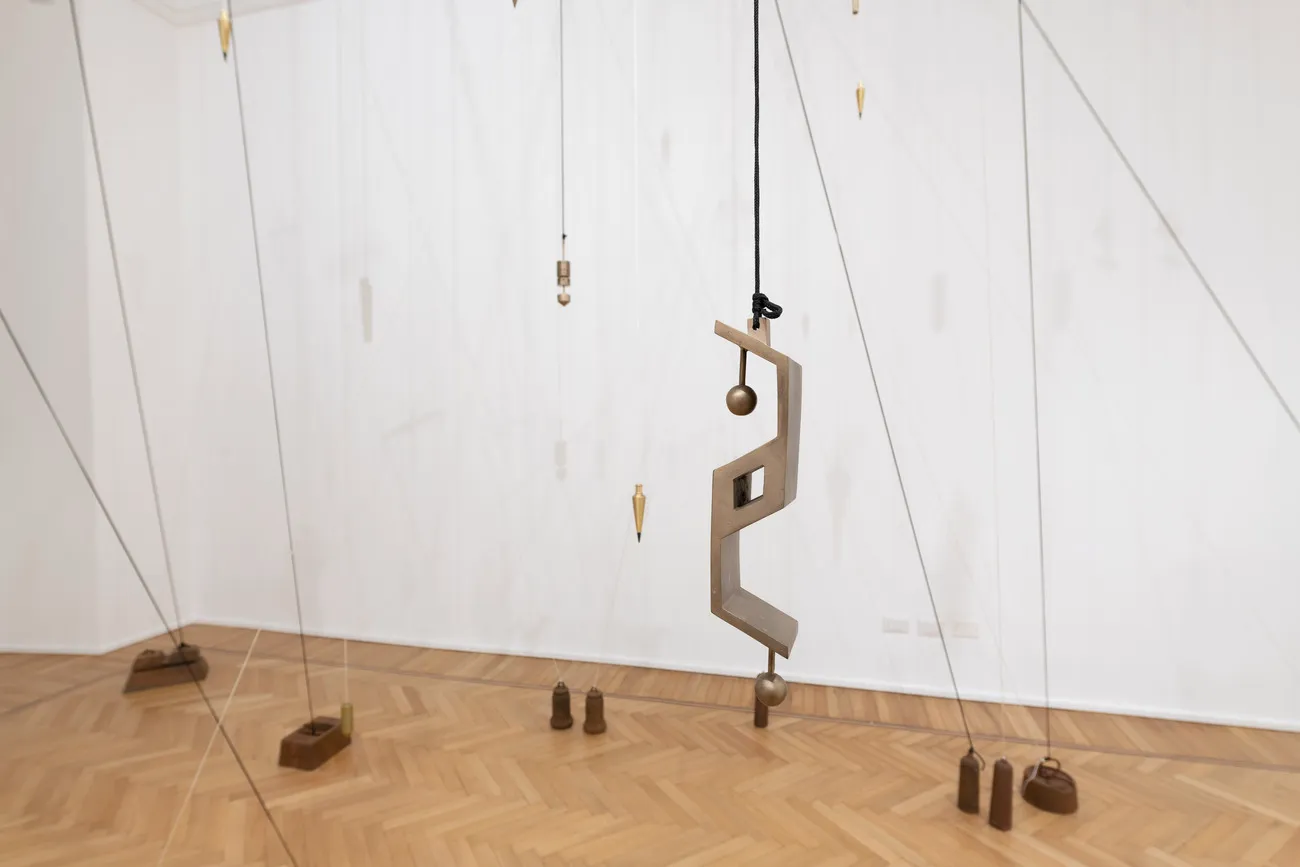
Carlos Garaicoa, the Cuban artist born in Havana in 1967, conceived I giardini di Piranesi for the Roman venue. It ran until 8 August 2026 and brought together drawings, watercolours, paintings and the large installation Contrapeso (Ciudad Plomada), where small metal weights fixed to the floor stand in for buildings and brass counterweights hang above them, holding an equilibrium between heaviness and levitation.
The title comes from Giovanni Battista Piranesi (1720–1778), the engraver whose Carceri d’invenzione and Vedute di Roma built a version of the city out of fragments. «Piranesi invented the city», Garaicoa says. «He would take fragments of reality and construct another landscape entirely, something suspended between document and imagination». In Rome the reference lands on the subject itself, in a city that lives between monument, ruin and rebuilding.
Carlos Garaicoa, Havana’s ruins and the politics of the garden
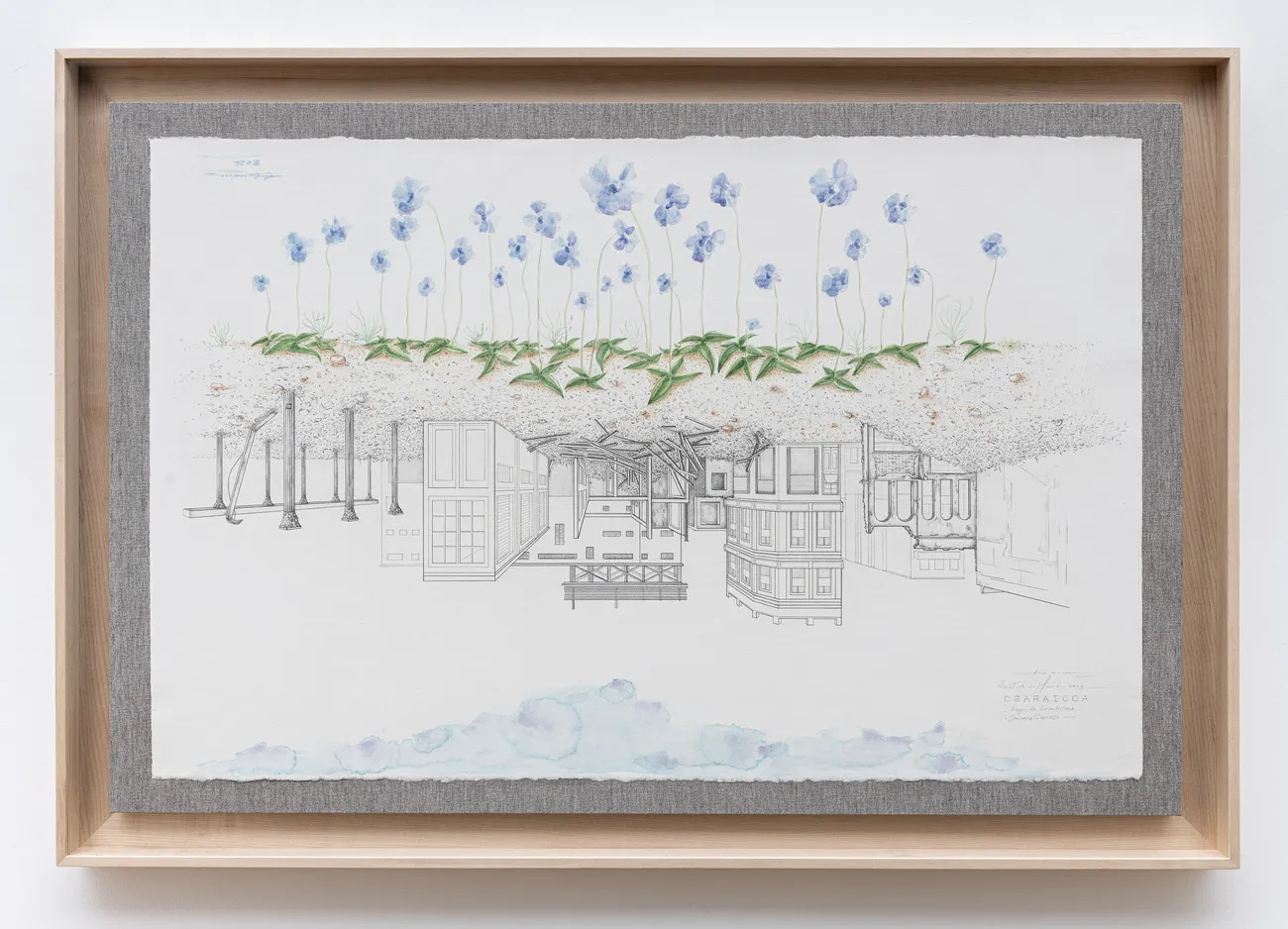
The central tension of the exhibition is the collision between urban collapse and organic persistence. Oversized carnivorous and poisonous plants invade the decaying fabric of Havana, growing until they match the scale of the architecture around them. Vegetation works as an active, hostile force, occupying the ruins of the modern project. The garden here is a political landscape, shaped by fragility, exhaustion and survival.
The imagery gains weight against Cuba’s present condition. With fuel shortages, infrastructural paralysis and the long consequences of the U.S. embargo, Havana holds between endurance and collapse. Garaicoa translates that into spatial and symbolic tension: architecture overtaken by organic matter, modernity eroded from within, plants taking back what the systems can no longer hold.
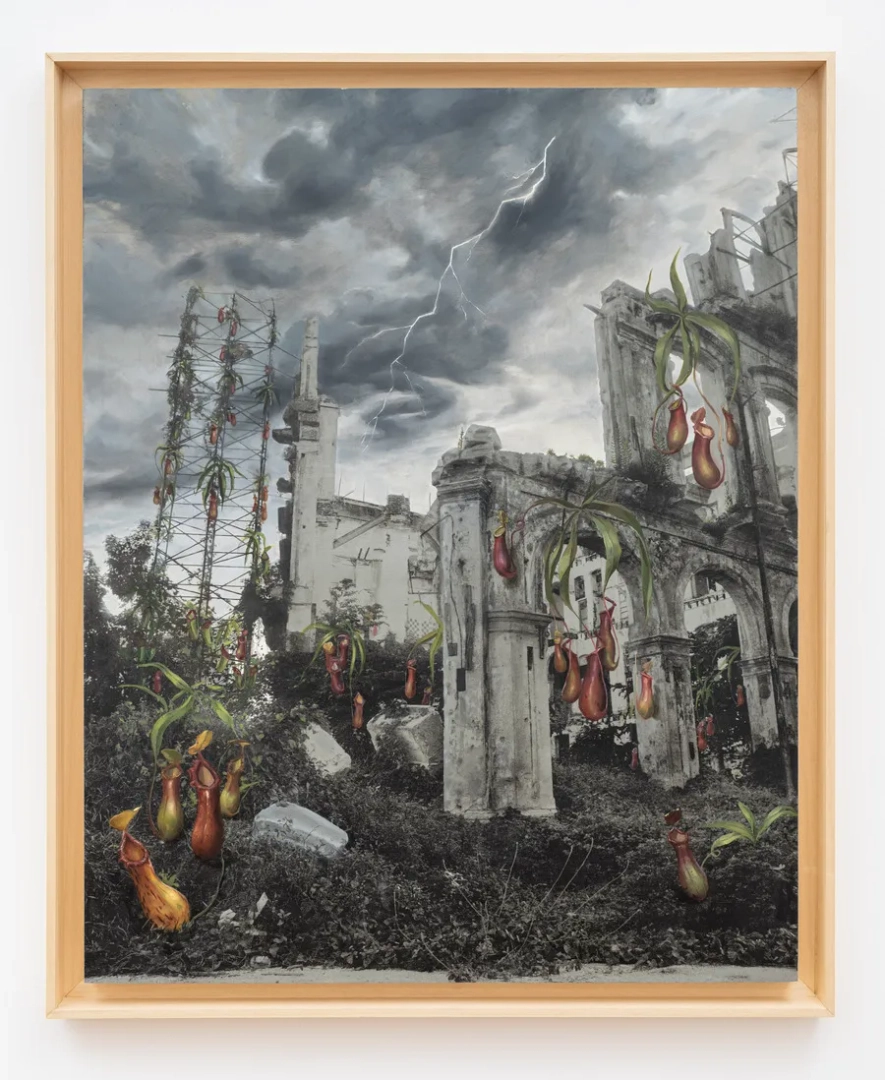
«I am interested in ruin because ruin is an empty space where thought can still be projected», Garaicoa said at the presentation. «Cities are never only aesthetic objects, they are documents of political reality, of collective memory, of what is happening now». And, in the same conversation: «Art cannot remain passive. I do not make artworks simply because they are beautiful. If beauty exists, it must also reveal the violence underneath».
Garaicoa studied thermodynamics before painting, at the Instituto Superior de Arte in Havana, between 1989 and 1994. He lives between Havana and Madrid, where with his wife he runs an artist residency in the Cuban capital.
Piranesi’s Carceri and the instability of the contemporary city
In this reading Piranesi’s imaginary prisons and monumental views work as instruments: a lens for the instability of the contemporary city, where political pressure, ecological fragility and collective memory keep reshaping what was built to last. The hotel, the gallery, the city and the work stay in conversation, and all four keep moving.
Elisa Russo