Exotic allure meets an open grill at Little Tobago
The ground floor revolves around the grill and shared plates; upstairs, Big George extends the evening through cocktails and an illustrated cast of characters
Flour used to be stored here. Now the warehouse on Via Giorgione is a restaurant named after a Caribbean island — Tobago, which probably owes its name to the cigar shape it cuts against the sea. It stands between Milan’s oldest Chinatown, around via Paolo Sarpi, and the towers of Porta Garibaldi, in a quarter where real elsewheres already live side by side. In it, Alessandro Mario Cesario, an interior designer who works in hospitality, and Christian Brigliadoro, an entrepreneur from fashion, have set up an imagined one, across two floors. They call it Little Tobago.
From Casa Tobago on viale Umbria to the warehouse on via Giorgione
Cesario and Brigliadoro founded the Sequoia group, behind several Milan addresses, including Casa Tobago and Santa Hi-Fi Club; MaisonP handled the technical design. Little Tobago extends Casa Tobago, opened in 2023 on viale Umbria beside the former Plastic, carrying over its fabrics and wallpapers into a different building.
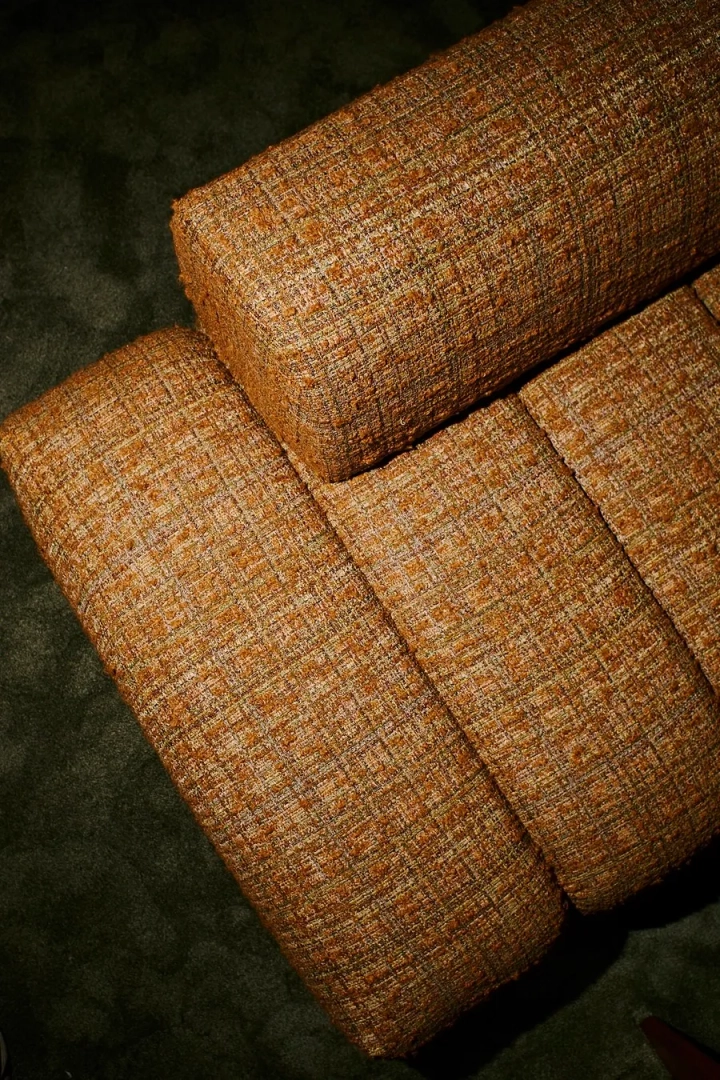
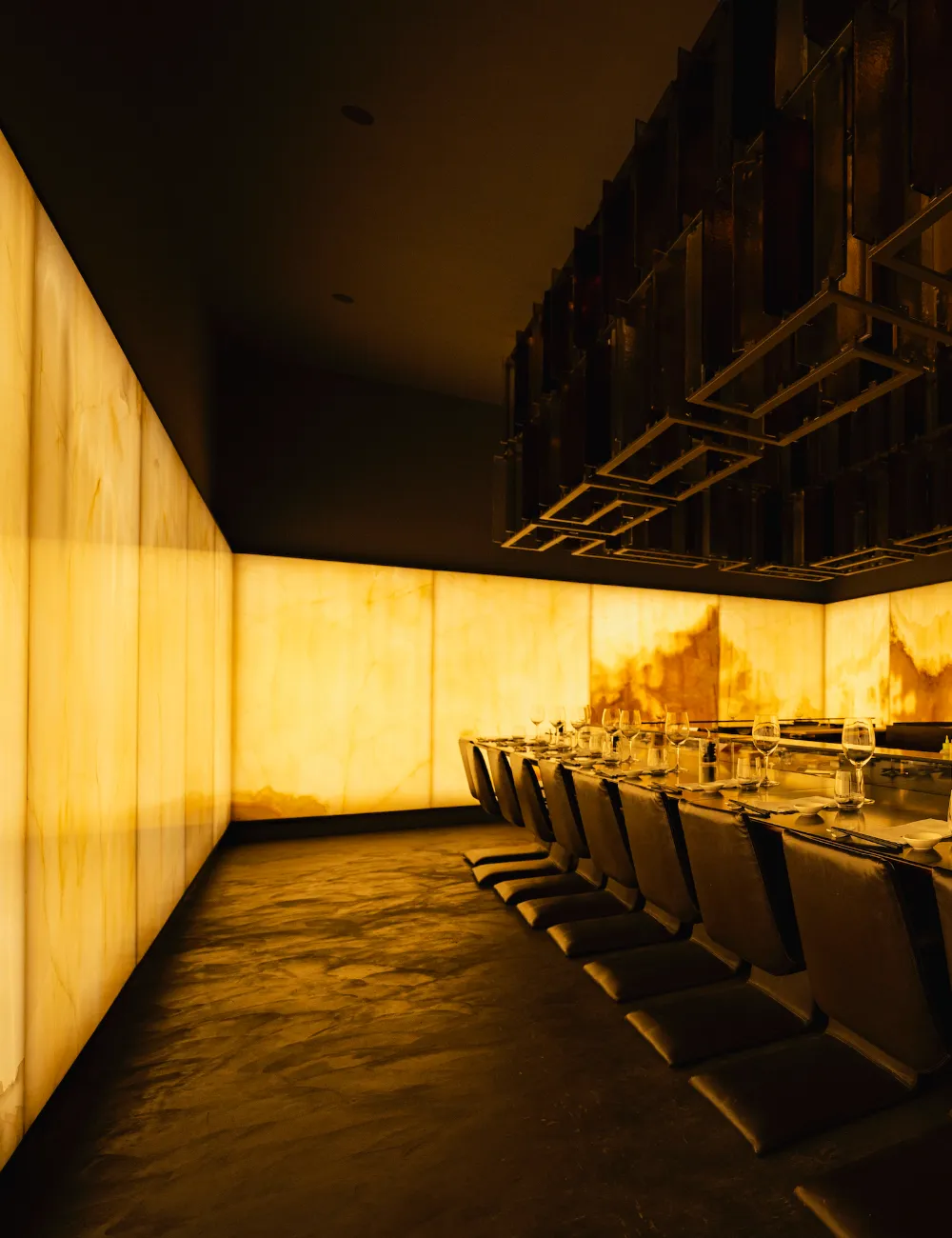
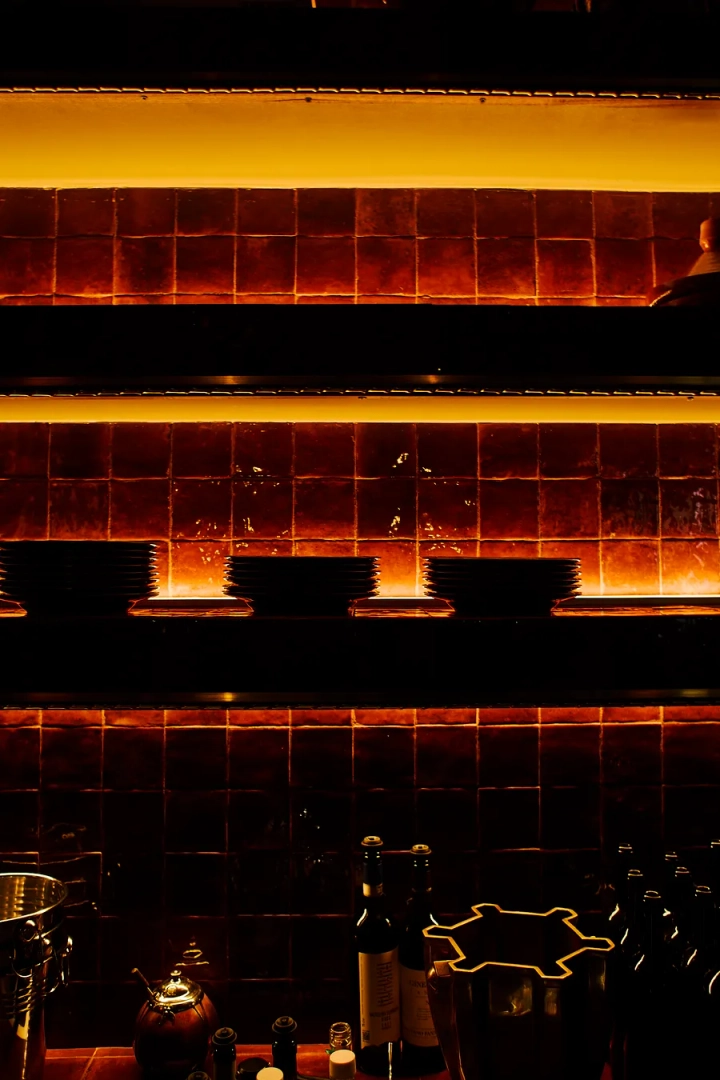
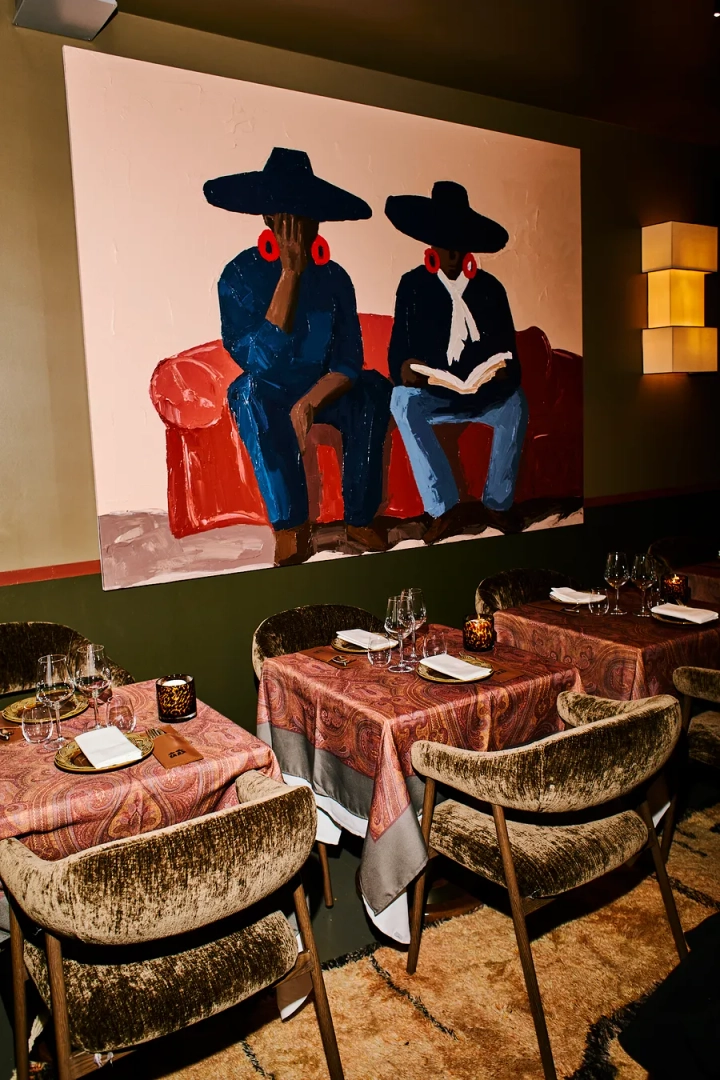
On the ground floor, terracotta and brown tones set the palette, the lighting is kept low, and the materials vary in surface and texture. The open kitchen sits at the centre, part of the room, with a large table that draws cook and guest together. The reference is the English club, staged a few streets from where Milan’s cosmopolitanism is loud and present.
Why Tobago, the tobacco etymology and the island off Speyside
The island sits off the northeast coast of Venezuela, part of the Republic of Trinidad and Tobago, and its name is bound to tobacco. Early European records write it Tabaco and Tabago, from the Spanish tabaco, and one reading traces it to the island’s cigar-like shape seen from the sea. The etymology is unsettled; the history is not. Tobacco and maritime trade ran through the island under European colonial rule and the slave economy, a past heavier than the wallpaper lets on.
There is also an island actually named Little Tobago, off Speyside, called Bird of Paradise Island: birds of paradise were shipped there from New Guinea in the early twentieth century, the population later died out, and the place is now a seabird reserve, an exotic import that failed to survive its transplant.
The first restaurant of the two founders already lived in tobacco tones, among wallpapers and dark furnishings, with the feel of a colonial club and objects gathered from other periods. The name holds the colour of a leaf and the imagery of a voyage, a geography far from Milan. Little Tobago turns the volume down to something smaller, almost a dependance of Casa Tobago, and that a real island carries the name is a coincidence the project is glad to keep.
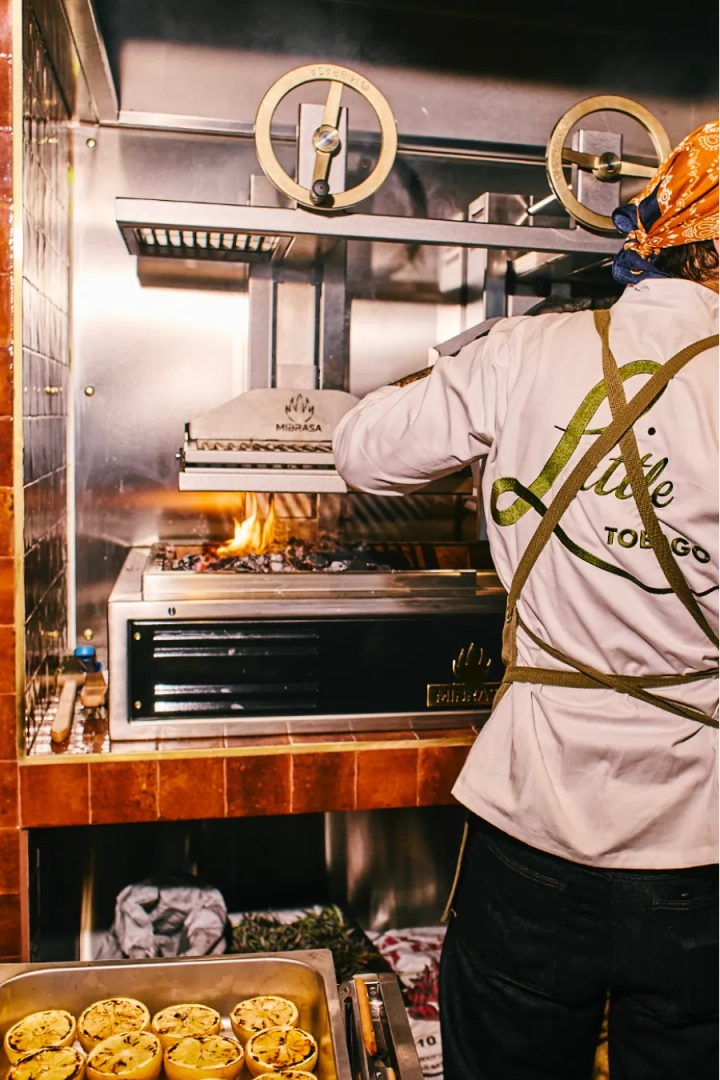
Alberto Corvi, the open kitchen and the grill at the centre of the menu
The food, overseen by corporate operations manager Alberto Corvi, loosens the fixed dinner sequence. Dishes come in small or regular portions, so guests build a single meal or order several plates to share, and portion size becomes part of the service, shifting the number of courses and the pace of the night.
The grill is the centre, used for meat and as a technique that cuts across fish, vegetables and dishes from other kitchens. The menu keeps no single passport, its ingredients and techniques drawn from different traditions and held together by sharing. The big table by the kitchen leaves the cooking in view, the room open to the cooks’ work.
Draft cocktails, carbon dioxide and nitrous oxide on the ground floor
The ground-floor cocktails follow the same economy. Each is built on two main flavours, named in the title, while the recipe behind can run wider, through spirits and aromatics; the aim is to bring mixing close to the kitchen, resting each drink on one recognisable pairing. Some are poured on tap, carbonated with carbon dioxide or softened with nitrous oxide for a creamier body, which also standardises the pours and speeds the bar.
Big George, the Gang and the cocktail bar on the upper floor
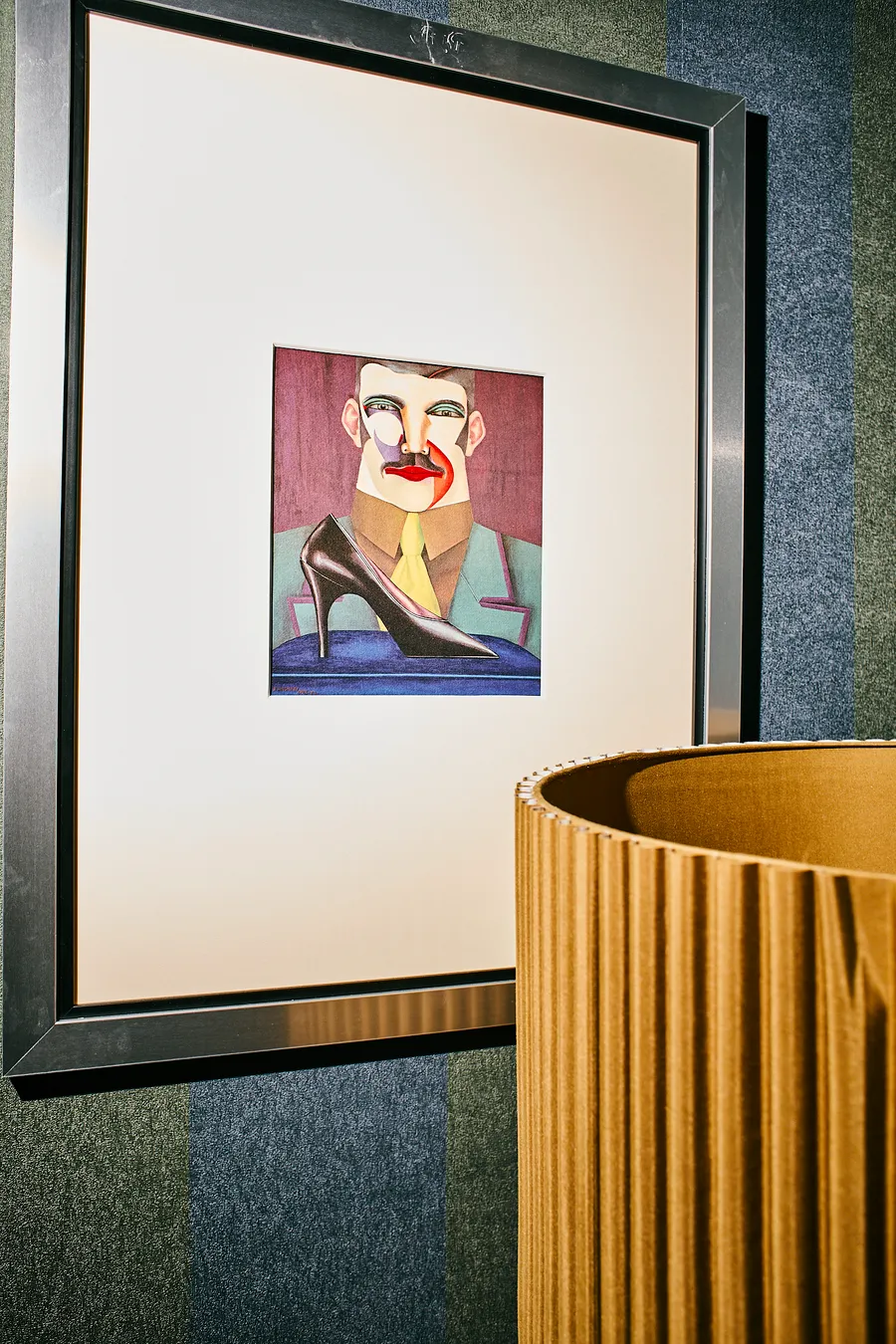
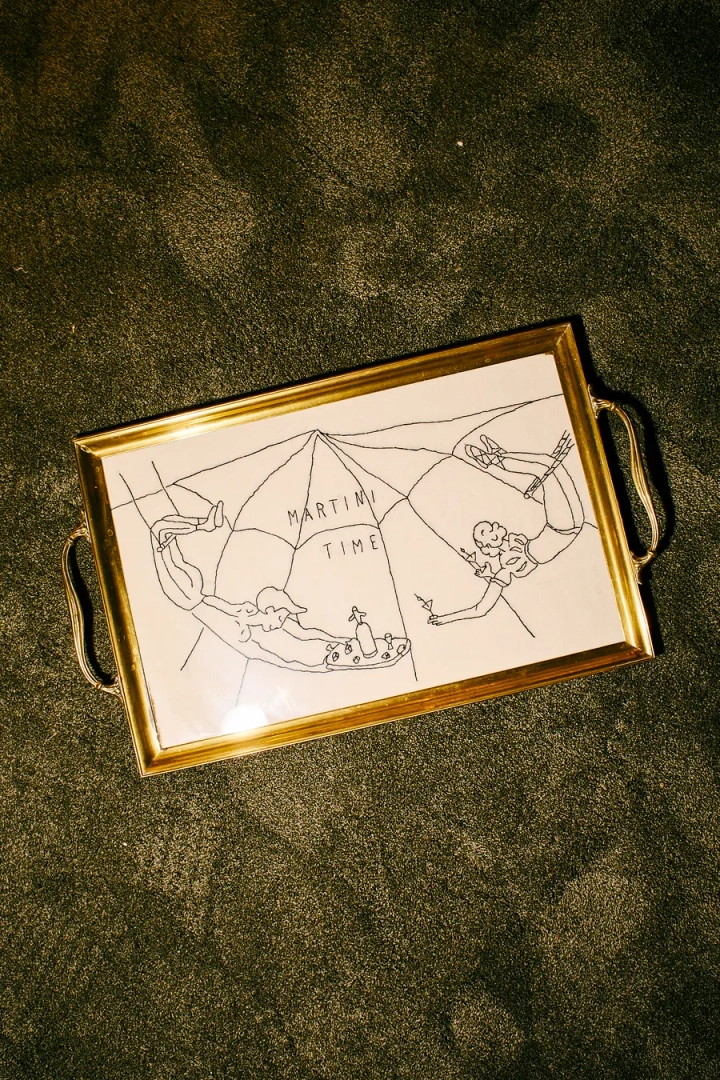
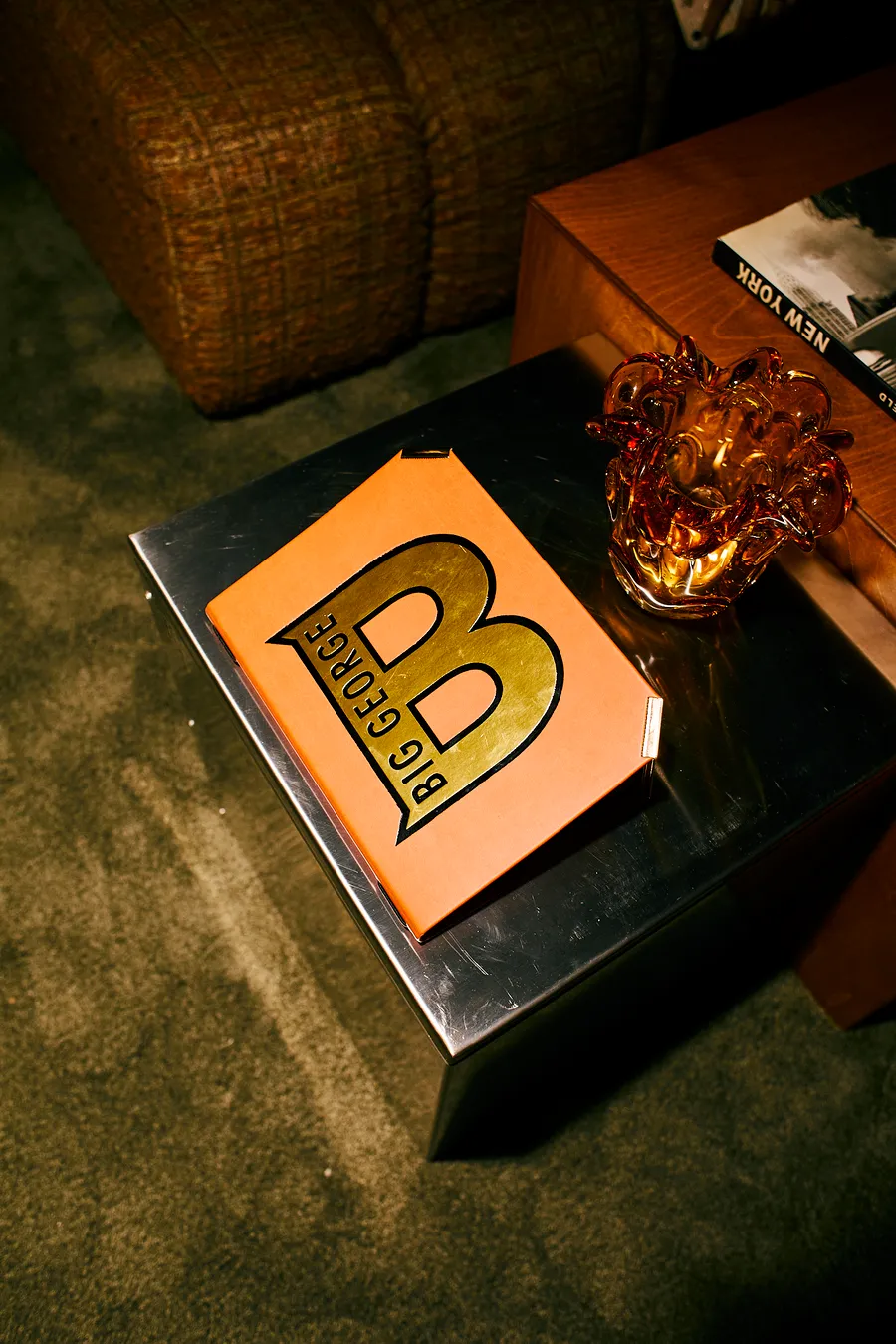
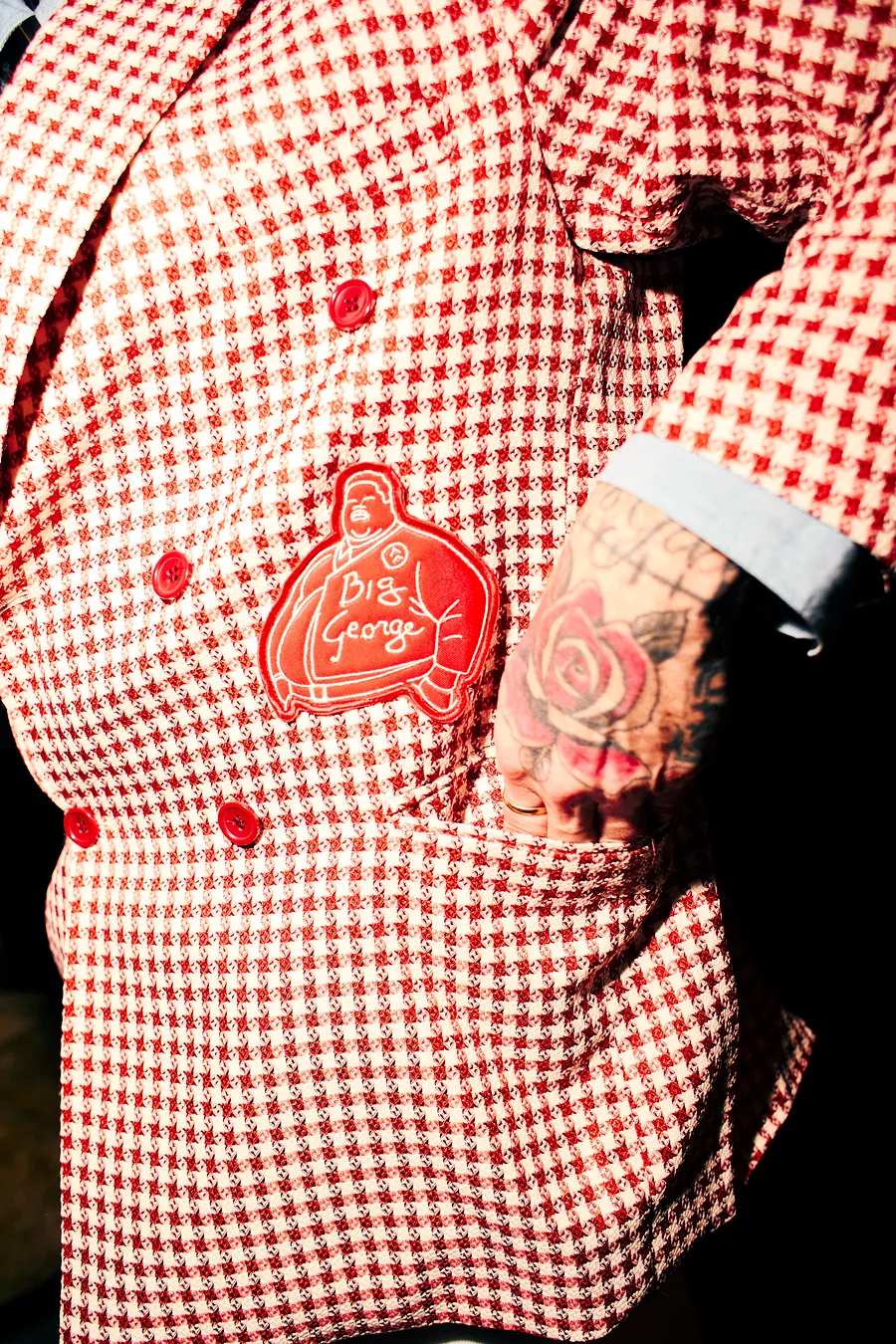
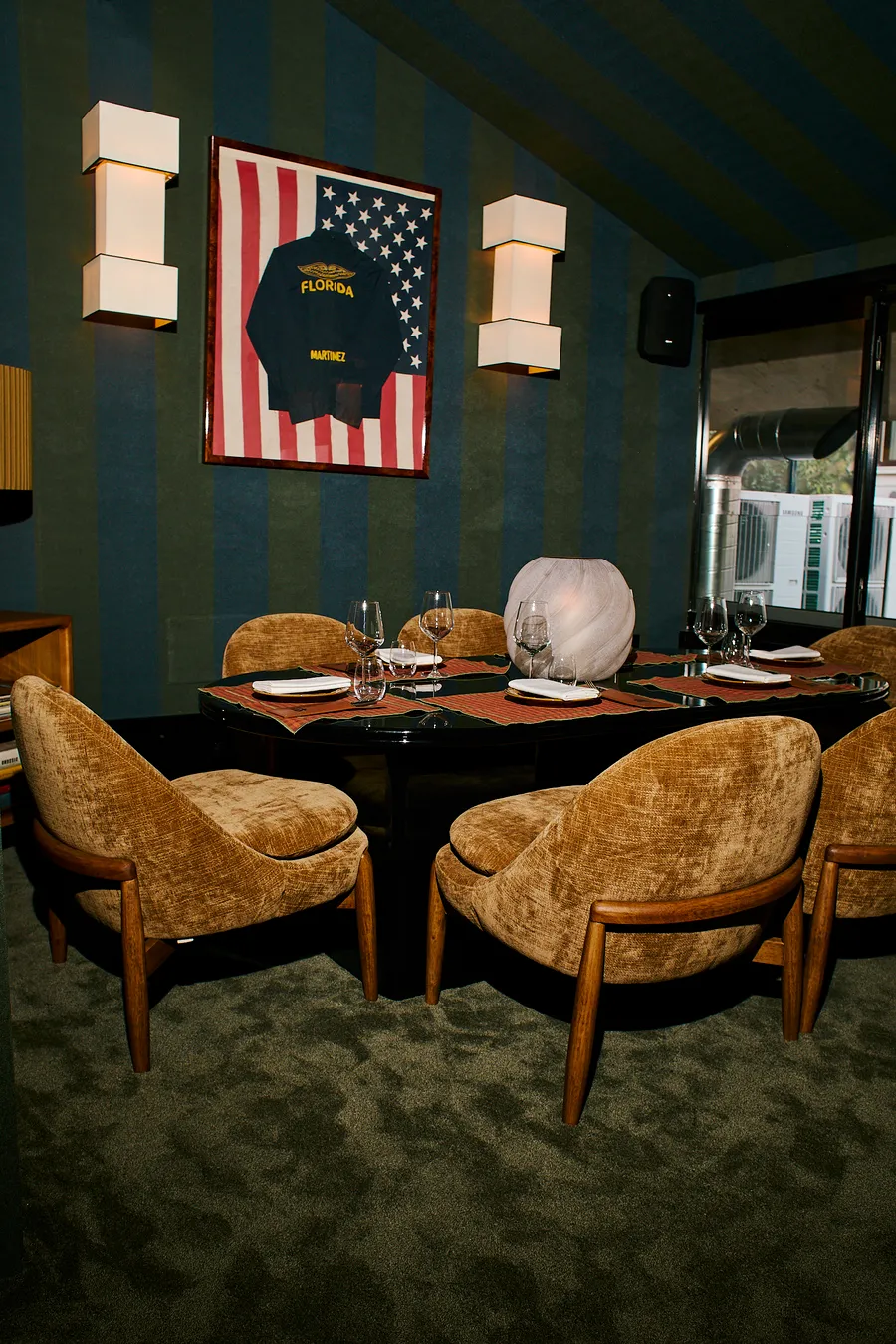
Big George is a cocktail bar with windows onto the courtyard, sofas and low light, built to carry the evening past dinner. The name turns via Giorgione into Big George, an invented character the bar is built around, with a cast of illustrated figures, the Gang di Big George, each given a look and a cocktail. The drawings borrow from cinema and comics, from tailored suits and recognisable types, and in place of a list sorted by spirit, every drink gets a personality, so the menu works as a story as much as an index.
The mixing parts from downstairs in its recipes too, running variations on the classics with infusions and cordials, with non-alcoholic versions on the same logic. Where the ground floor ties kitchen to glass, upstairs the drink is the point.