Phytoremediation in Puglia: new life for the land around the ILVA steelworks
The Cartanapa project, winner of a Regione Puglia call for proposals, receives half a hectare of land for the cultivation of Cannabis sativa to remediate the soil
The Cartanapa project: phytoremediation
Decree-Law 129/2021 recognized the Taranto S.I.N. (Site of National Interest) as an area facing a complex industrial crisis, although it had already been declared an area ‘at high risk of environmental crisis’ in 1986. In this area, Regione Puglia launched a public call with the aim of developing research and technological innovation projects focused on hemp cultivation for soil remediation and for commercial and environmental purposes. A total budget of one hundred and fifty thousand euros was allocated, with ninety thousand euros intended to fund research projects and sixty thousand euros for pilot initiatives. «The idea behind Cartanapa is to create an economy where there is diseconomy. We cultivated Cannabis sativa for centuries: at the beginning of the twentieth century, Italy was the world’s second-largest producer after Russia. We made ropes, cordage and sails, from the North all the way to the islands». This is how tropical agronomist Domenico Vitiello begins to explain the project.
Cartanapa, promoted by ARGECO Tecnologie Eco Appropriate S.r.l.s., of which Vitiello is a partner, was the first of three pilot initiatives approved by Regione Puglia, followed by Estro.in.canapa, by Leblè S.a.s., and Fonte Viva by Michele Ciuffreda. The initiative was scheduled to run for eighteen months from June 2020 and proposed cultivating Cannabis sativa on half a hectare of land adjacent to the ILVA steelworks in Taranto. Among its objectives, the project aims to identify marketable products both for the production of high-quality paper and for the recycling of waste cardboard. It will therefore be necessary to verify that both the retted fibers and the finished products are free from residues of micropollutants extracted from the soil during phytoremediation. Another central objective is to determine the specifications for an industrial plant for retting Cannabis sativa.
Hemp: phytoremediation of the soil
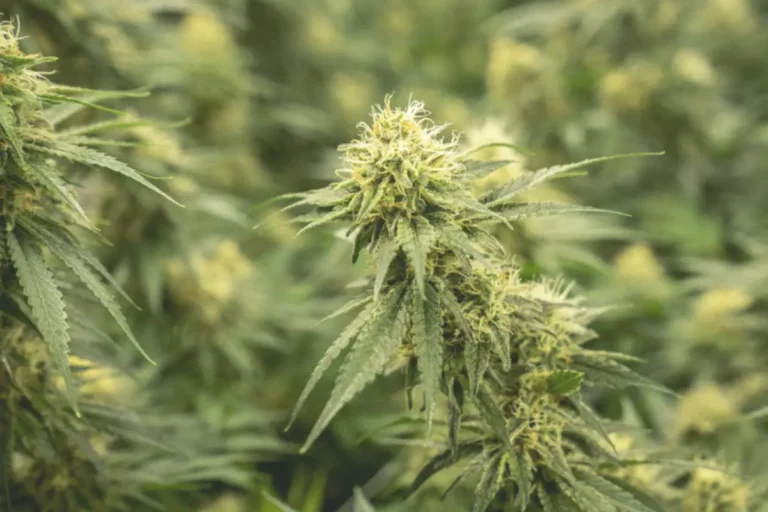
Hemp is considered a bioaccumulator, capable of absorbing heavy metals present in the soil, such as cobalt, nickel, copper or manganese, without compromising its growth, a characteristic that makes it suitable for phytoremediation. Phytoremediation refers to solutions based on natural processes induced or produced by plants to remediate contaminated soil. Many plants naturally accumulate substances that may sometimes be harmful and are not essential to their development, without suffering adverse effects themselves. However, different international studies indicate that hemp is capable of accumulating these heavy metals in its leaves but not in the fiber. After scutching and the removal of the apical parts and roots, the hemp stalk is therefore free of toxic substances and can be transformed into cellulose for non-food uses.
The effects of the hemp plant on the soil
Hemp is a resilient plant and can be grown for up to three consecutive years in a two-year rotation with wheat. It produces large quantities of terpenes and cannabinoids, including THC, CBD and CBG, which it uses as self-protection systems. Terpenes, for example, are aromatic hydrocarbons found in all plant species and give plants and fruits their characteristic aromas. At least twenty thousand different terpenes exist in nature. The cannabis plant produces more than one hundred, and they play an essential role in its physiology. Through their scent, terpenes protect the plant and defend it against predators, pathogens and parasites. Hemp plants can be dioecious, meaning that some plants produce male flowers and others female flowers.
The male variety, usually taller, is planted in the center and pollinates the surrounding female plants through the wind. This occurs not only with hemp but with other crops that have both male and female plants, such as kiwi. The monoecious variety, by contrast, appeared by chance among dioecious plants. It is a genetic variation that carries both male and female unisexual flowers on a single plant and is therefore capable of self-pollination. French growers were the first to notice the phenomenon; they isolated the original plants and began propagating them. Monoecious varieties are now the most widespread because every plant produces seeds, the plants are all the same height and mechanical harvesting with a combine harvester is easier.
The Cartanapa project
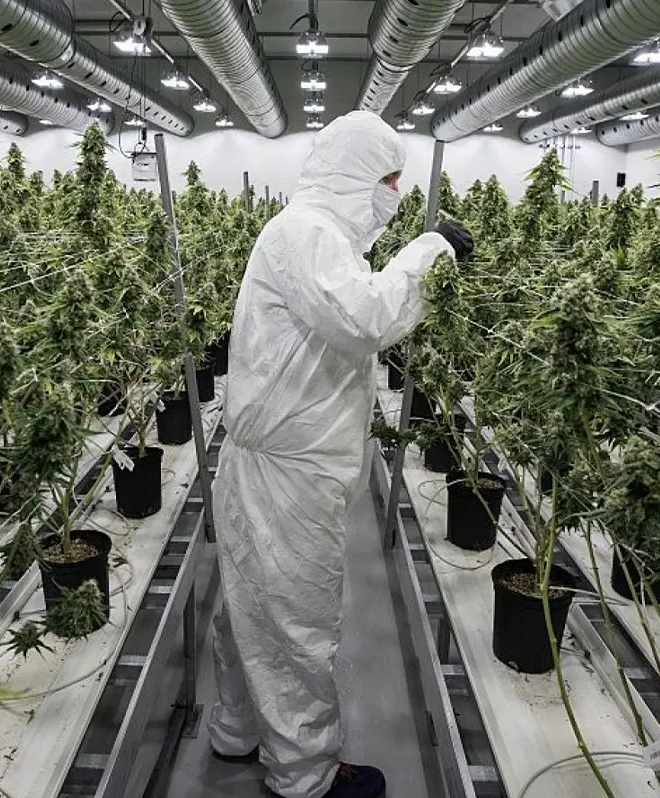
The Cartanapa project is divided into five phases. The first involved identifying the polluted land to be treated through phytoremediation. The project covers five thousand square meters of land provided free of charge by the Fornaro family’s Masseria, which suffered damage from the ILVA plant. The family raises livestock and over time saw its flocks decimated, or was forced to cull them because they had become ill as a result of pollution. Two monoecious varieties are cultivated: Fibror 79 and Santhica 70, both of which deliver strong results for fiber production.
Scutching hemp
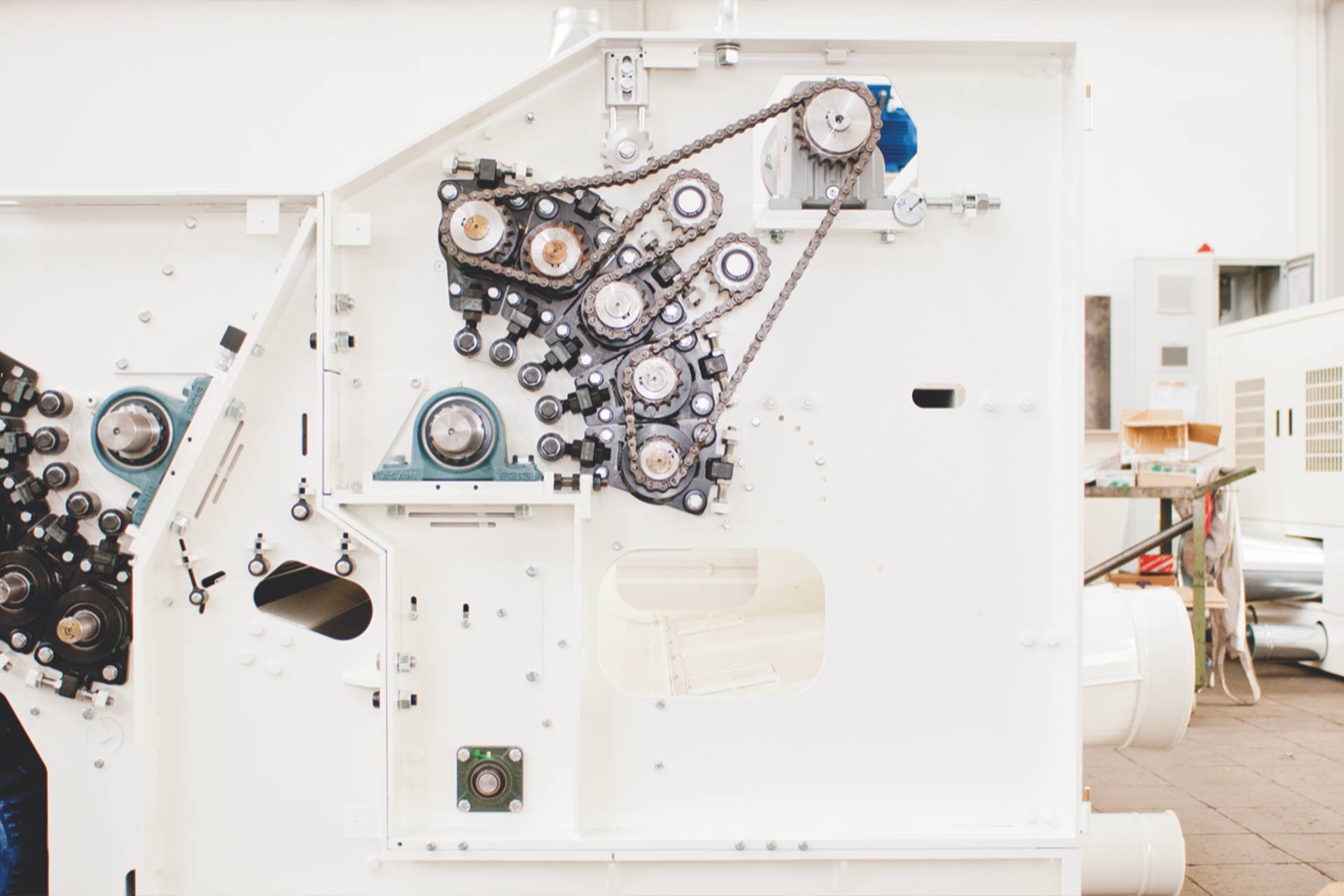
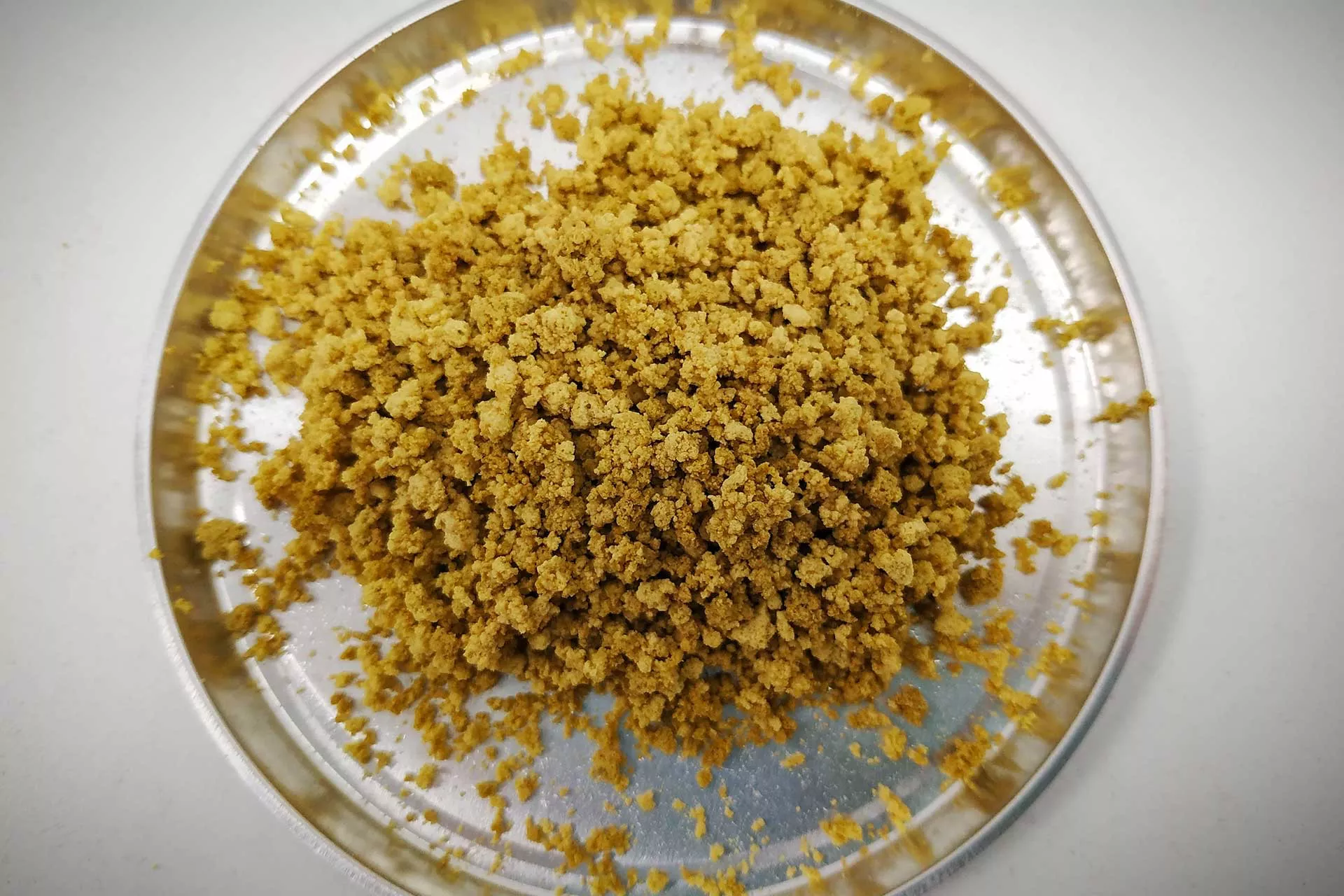
The second phase involves harvesting and scutching. Once the plants have been harvested, an initial stage of manual and mechanical scutching will be carried out to produce at least one hundred kilograms of fiber and three hundred kilograms of hemp shives. The work will be conducted by one of the project partners, Molino L’Antica Macina di Tommaso Magazzese, coordinated by agricultural technician Giampiero Magazzese, who will also handle the initial agricultural work, including soil preparation, sowing and fertilization, under the direction of Domenico Vitiello.
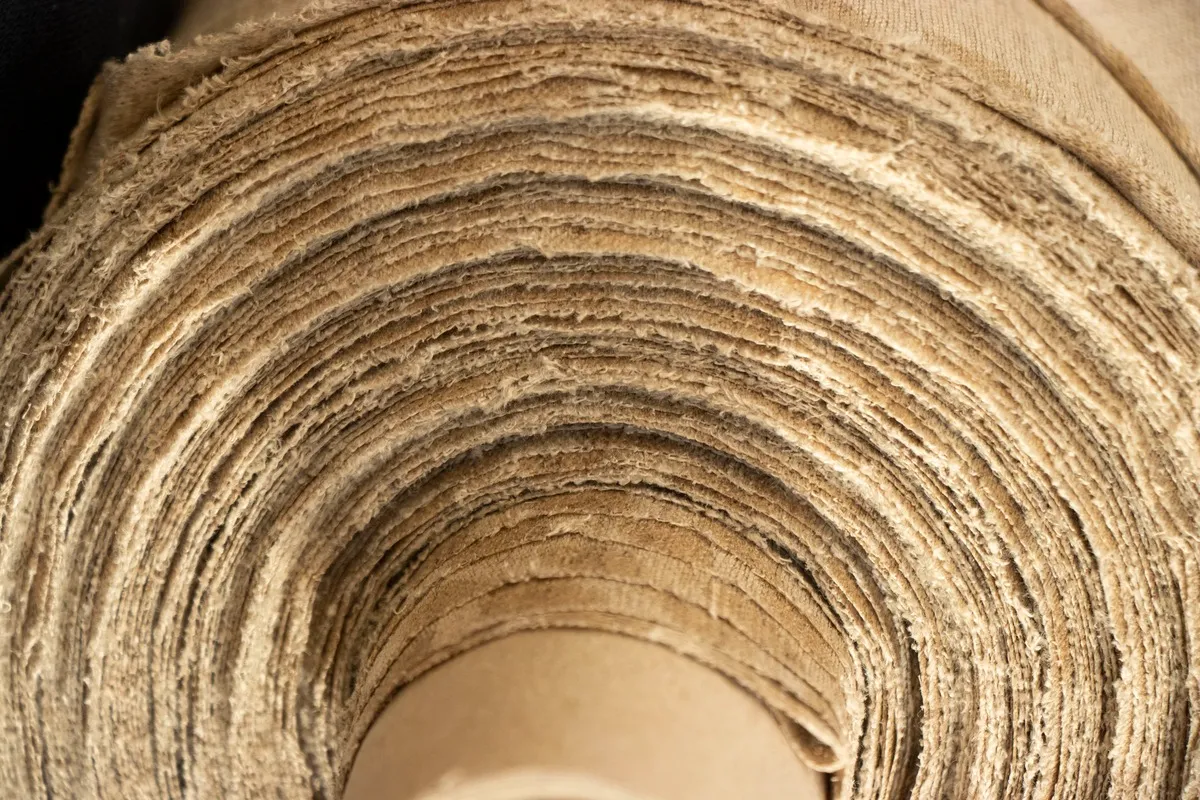
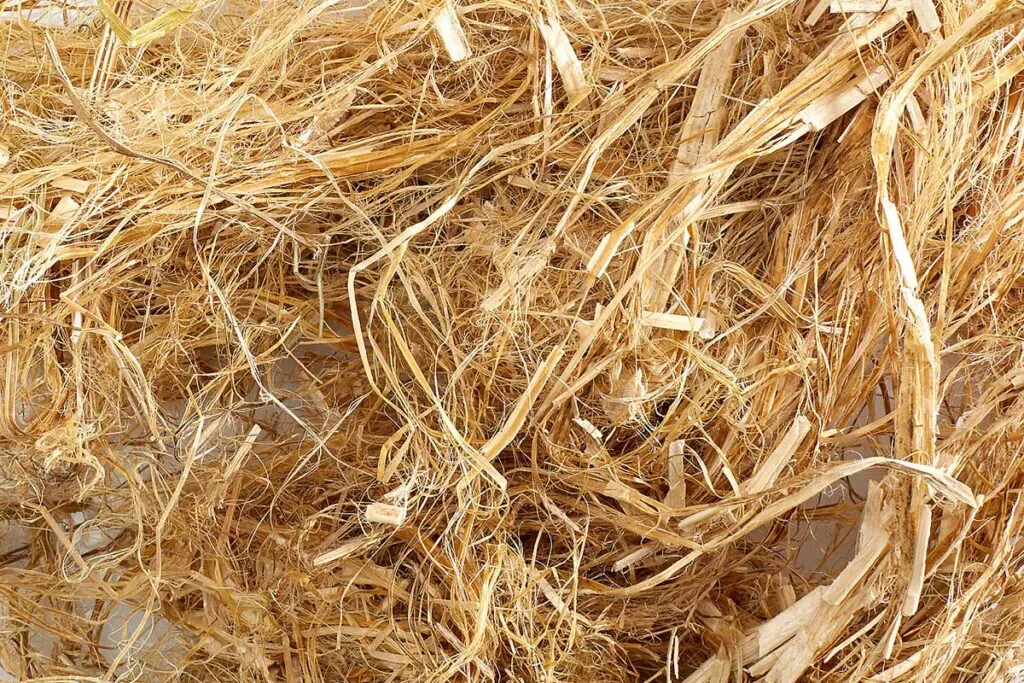
Hemp fibers consist of approximately seventy percent cellulose, fifteen percent hemicellulose, one to three percent pectin, three percent lignin, with the remainder made up of proteins, minerals, fats and waxes. Manual scutching involves breaking the outer woody core, or shive, and separating it from the fiber. Even after this stage, while the fiber separates from the shive, pectin remains. To continue extracting the fiber, retting is used: enzymatic microorganisms feed on the pectin and release the bast from which the fiber is obtained.
Retting hemp fiber
The third phase concerns fiber retting. This process will take place at the premises of project partner Without Waste Bio-Loop. In the past, hemp retting occurred naturally: bundles of plants were dried and placed in ditches or ponds in marshy areas of the countryside. Land reclamation works carried out during the last century caused these resources to disappear, along with hemp cultivation. Recreating such an environment on an industrial scale would have required an investment of economic and technological resources that was never made. The emergence of other synthetic fibers that were cheaper and easier to produce, such as nylon, gradually caused hemp cultivation and fiber production to disappear. The last cultivation dates to around the 1960s, while in other countries, such as France, production continued without interruption. Elsewhere, retting is carried out industrially but through entirely chemical processes, using substances such as caustic soda that are not environmentally sustainable.
Without Waste Bio-Loop, a partner in the Cartanapa project, together with ARGECO Tecnologie Eco Appropriate S.r.l.s., built the first industrial retting plant for the production of hemp fiber intended for different uses. The objective is to process ten thousand tonnes of hemp per year. The facility is equipped with dedicated aerobic microbial retting tanks. These covered tanks are twenty-five meters long and seven meters wide and can hold between sixty and seventy baskets of hemp. Selected thermophilic microbes digest the pectin and, over ten days at a stable temperature of fifty-five degrees Celsius, are able to transform the raw material into fiber suitable for different applications.
In the penultimate stage, samples are analyzed for pollutants in the fiber at the specialized Lucense laboratory. Based in Lucca, the organization conducts industrial research, experimental development, technology transfer and dissemination. Among its activities is the analysis of cardboard fibers, a material with a medium-to-long life cycle that ends with pulping. One of the objectives shared by the Lucense Institute and the various participants in the Cartanapa project is to test the revitalization of recycled cardboard fibers by mixing them with hemp fibers. The cellulose obtained from retting Cannabis sativa will therefore need to be analyzed, with part of it used to give the material a new life.
The other portion of the pulp obtained through the retting process will be used to produce laboratory test sheets on which mechanical performance will be analyzed, including tensile strength, tear resistance, stiffness, printability, homogeneity and the possible presence of dirt specks. In this way, the Without Waste Bio-Loop S.r.l. laboratory will produce samples of high-quality hemp paper using manual processing methods.