Diego Villareal: metal does not forgive, it records a decision
Diego Villarreal, founder of Vagujhelyi, speaks about his design practice: he produces metal objects that function as both usable items and sculptural forms
Metal and permanence between New York City and Medellin, Colombia: Diego Villarreal
By reuniting with his interest in craft, Diego Villareal has been able to pay homage to his business partner and mother Agnes, whose Hungarian last name is the title of their interdisciplinary design studio. Sharing his time and operations between New York City and Medellin, Colombia, Diego makes the best of both worlds in order to hand-make collectible, functional home accessories and wearable art pieces that appeal to discerning interior decorators and international design galleries alike. Robust surfaces, sensual volumes; each Vagujhelyi piece boasts both fluidity and rigor. They are functional sculptures with an air of monumental installations.
Crafting by hand takes time. At a time of mass production, focusing on one-of-a-kind or limited-edition series is going against the grain. Artisanship won’t win the race against industrial design when it comes to ‘le Matériau Temps’ as architect Paul Chemetov called it. Why not try to reconcile the two? seems to be on Diego’s mind when it comes to optimizing the processes of the historical family foundry he has now been partnering with in Columbia. I feel at home is how Diego describes the place in which the mystery and wonder in witnessing the life and soul of the metal emerges.
Interview with Diego Villarreal: image-making as part of the creative process
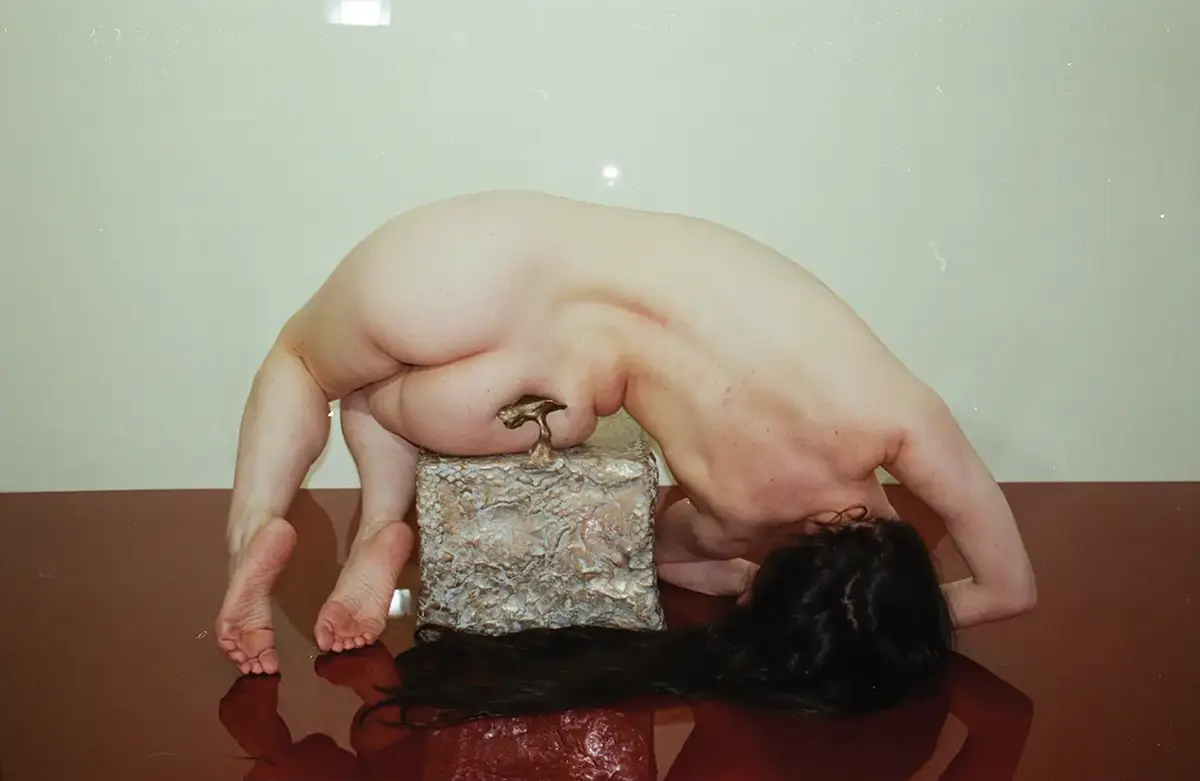
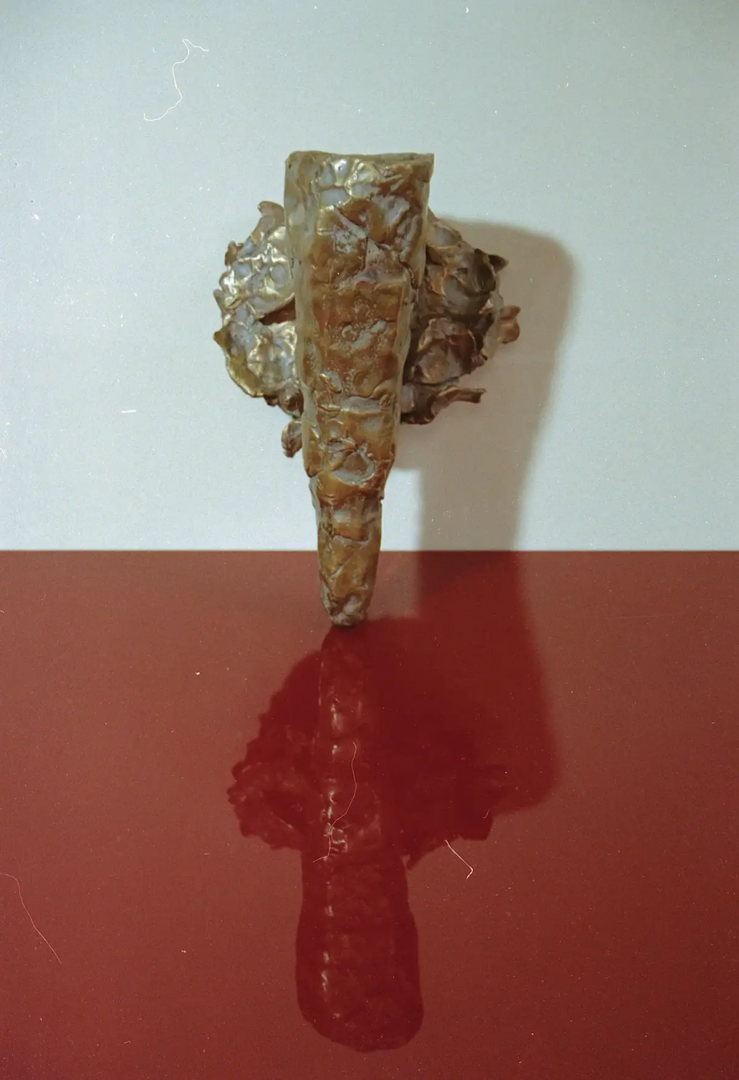
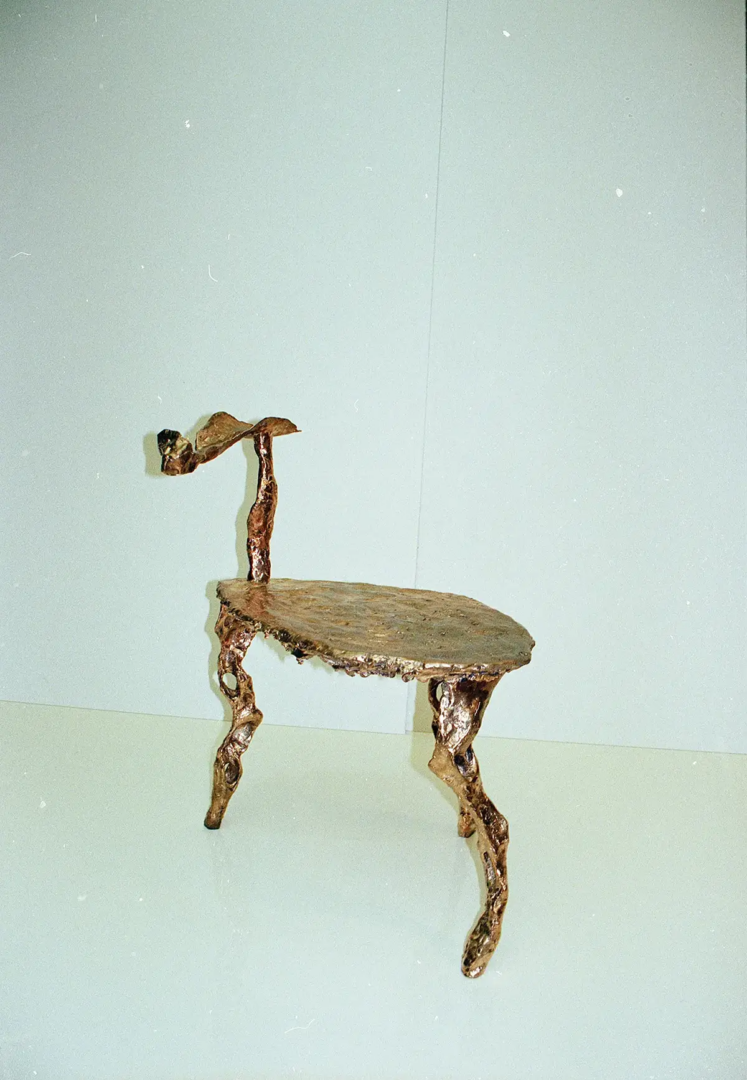
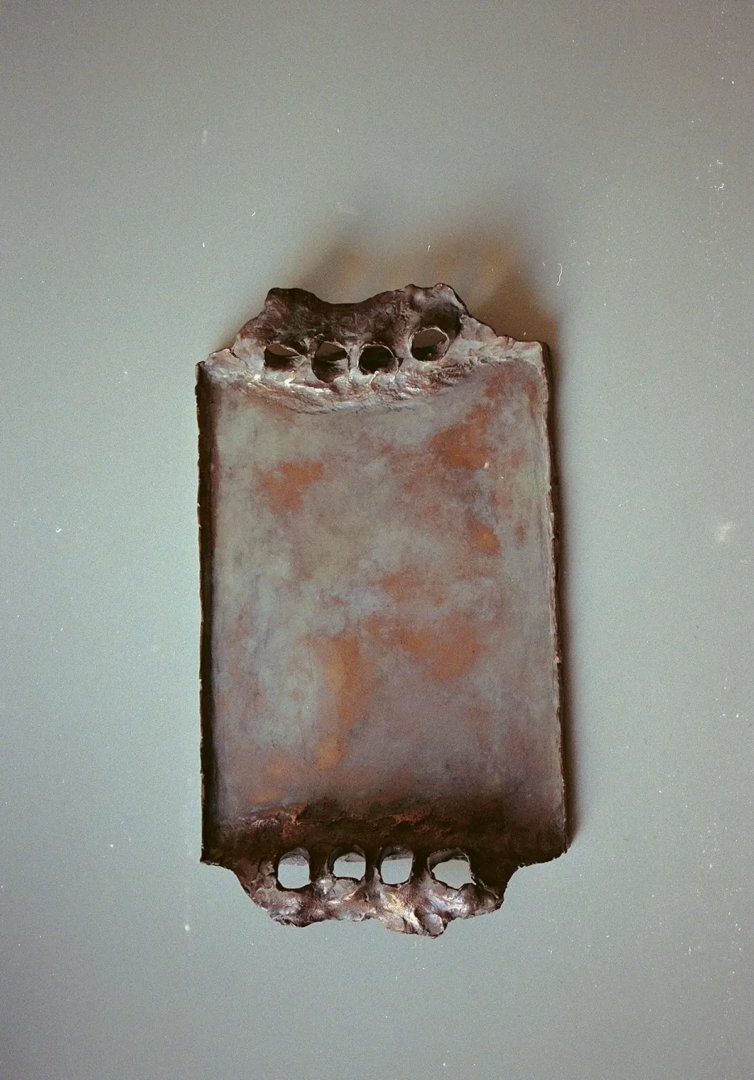
Diego Villarreal. While shaping a piece, I’m already thinking about the image it will become. That thought sits in the back of my mind and manifests through the process. With more elaborate works this becomes more pronounced, but even the smaller, more straightforward pieces are a joy to photograph. Shooting my work is never an afterthought; it is part of the creation. That said, I value seeing my work interpreted through other photographers’ lenses.
The fashion world has been a defining part of my life—for better or for worse—but expanding into other modes of self-expression was always on the mood board. Craft allowed me to slow down and work with permanence. I wanted to create objects that exist beyond time, objects that carry weight and consequence. The move was less a departure from fashion than a deepening—translating the language of the body, constraint, and desire into objects that endure. Metal does not forgive; it records decisions.
Metal offers permanence. My photographs live on hard drives—fragile, temporary. A metal object, by contrast, exists indefinitely. Metal alloys embody contradiction: fluidity and rigidity, sensuality and distance. Bronze, steel, silver—they carry historical, bodily, and ceremonial weight. Metal is where risk and transformation converge most clearly for me.
Diego Villarreal studio practice: New York showroom and Colombian foundry
OD. Your work is split between New York and a family-run foundry in Colombia.
Diego Villarreal. Concept development, prototyping, finishing decisions, and shooting are directed from my showroom in the Financial District—I have spent ten years in New York. Casting and production take place in a Colombian family-owned foundry (run by a husband, his ex-wife, and their daughter) located thirty minutes from Medellín. It was recommended to me by a friend who creates bronze furniture. It works well for me, as I speak the language and it is close to the US.
During 2025, I traveled to the foundry six times or more, and I expect that number will increase this year. Initially, I was looking in the United States. I quickly realized I had to look elsewhere—close by and with a shared language—since US foundries are more geared toward large productions, often with minimums of around one hundred pieces, which are not suitable for one-of-a-kind orders.
The foundry’s founders have been active for many years. The father, Don Armando Arango, trained under his uncle, himself a sculptor, as well as under world-renowned artist Rodrigo Arenas Betancourt. I should say that I am obsessed with the latter’s tumultuous life and work, mostly monumental sculptures displayed across Colombia’s major cities.
For our first collaboration, I entrusted Don Armando with a small “test” project. I like the copper content of their bronze alloy, which provides a redder hue than some greener bronze formulas. From there, it snowballed into an ongoing collaboration. It is a trusting and nurturing partnership.
Agnes Vagujhelyi and Diego Villarreal: family collaboration and creative editing
OD. You describe your mother’s role as a form of editorial discipline within the practice.
Diego Villarreal. I work closely with my mother, Agnes Vagujhelyi, who is a true powerhouse. When it comes to reining in my creative madness, I can rely on her. With a background in disaster relief, she knows how to edit my ideas, as I always come up with multiple options for a single concept.
Beyond that, I collaborate with a small, specialized team within the foundry who help bring each piece to fruition. If I arrive with a clear idea—for example, lighting—they excel at troubleshooting and making it happen. They are artists themselves, so we share a common sensitivity. Their expertise is also essential when choosing the type of patina for bronze.
The work follows a multi-stage lost-wax casting process—often twelve steps or more. From hand-sculpting to mold-making, casting, chasing, finishing, and patination, each piece is physically handled multiple times. It passes through various hands before reaching its final form.
There are large and small ovens, but the process relies heavily on manual labor. At present, much of it remains hand-driven, though we are actively exploring ways to responsibly automate certain stages without compromising the integrity of the work.
Time, production limits, and constraints in Diego Villarreal’s metal practice
OD. What are the constraints or limitations of your line of work?
Diego Villarreal. Time. The process is meticulous and slow, often taking around four months from start to finish. Managing timelines is one of the most demanding aspects of the practice. Currently, the lost-wax casting process involves twelve to eighteen steps, each carried out by hand.
It could be optimized. That is why we are looking into processes and machines—such as containers that automatically control oxygen and temperature levels—used in American foundries, which we could import into the Colombian unit to modernize and improve operations.
Diego Villarreal on Spanish heritage, Madrid, and artistic influences
OD. Can one find elements of your Spanish heritage in your work?
DV. I was raised in Madrid, and that upbringing carries specific sensibilities. Being immersed in art and culture left a deep impression on me. I remember major exhibitions, including a city-wide Botero retrospective. Weekends spent with my father, celebrating Spanish traditions, were formative and continue to inform my work intuitively. Goya, Velázquez, and other Spanish artists.
Hand-modeling and molds: Diego Villarreal on intuition versus planning
OD. Do you free-flow or follow a plan? Do you use molds?
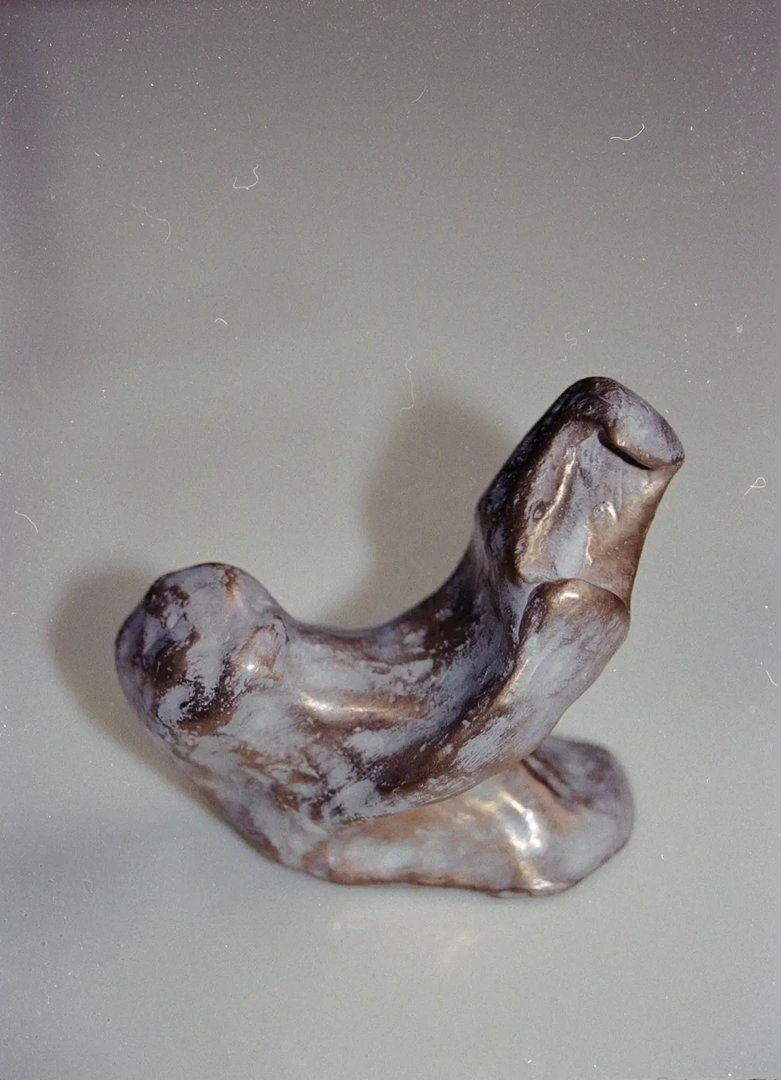
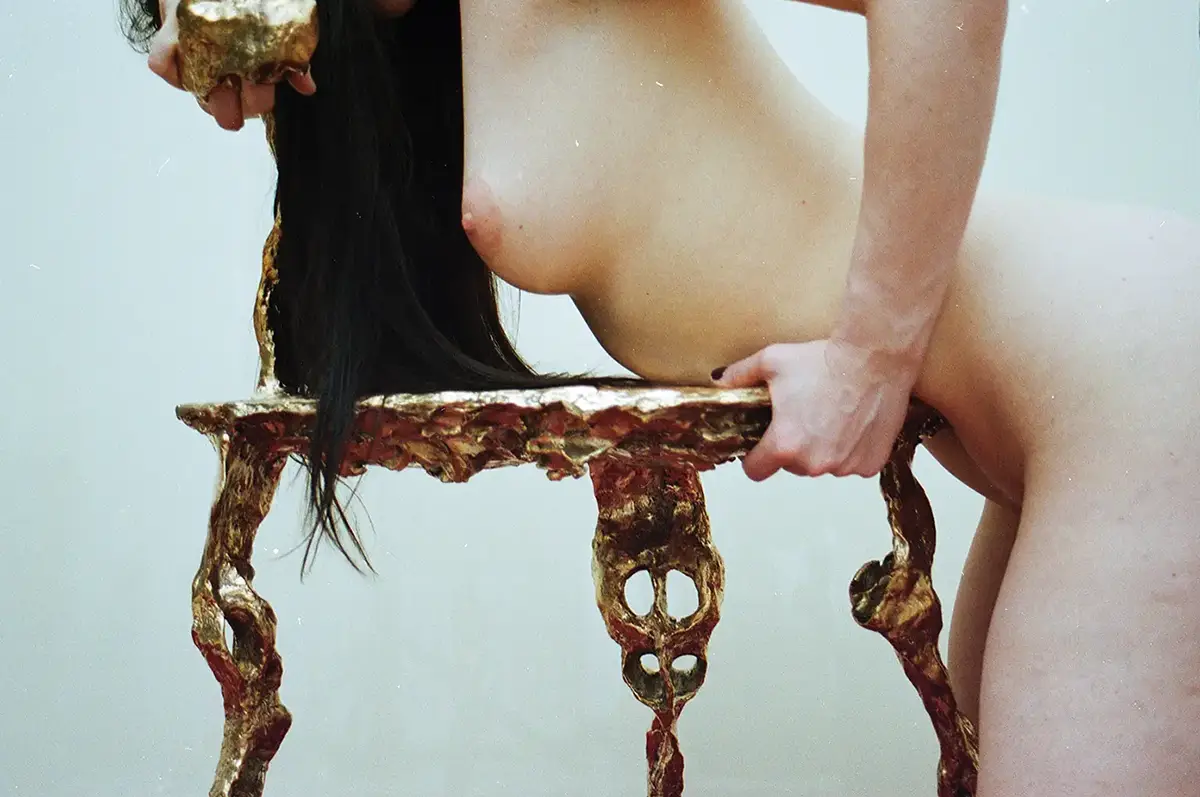
Diego Villarreal. I free-flow initially. Everything is hand-modeled, with a constant negotiation between pushing further or stopping. Once resolved, the pieces are molded for casting. Unlike a blacksmith, we don’t shape the metal; we polish the bronze.
I have done my fair share of polishing over the years. It is dangerous and demanding work, which is why I have respect for the men in the foundry who approach it with dedication.
We aim to achieve as much as possible in the clay or wax stage before entering the bronze phase—it is more difficult to intervene once the metal hardens. The bronze requires retouching afterward.
Treating metal like clay: Diego Villarreal on fingerprints, fluidity, and bronze patinas
OD. Would it be correct to say you treat metal like clay? Do your pieces capture the molten state of metal in time and space?
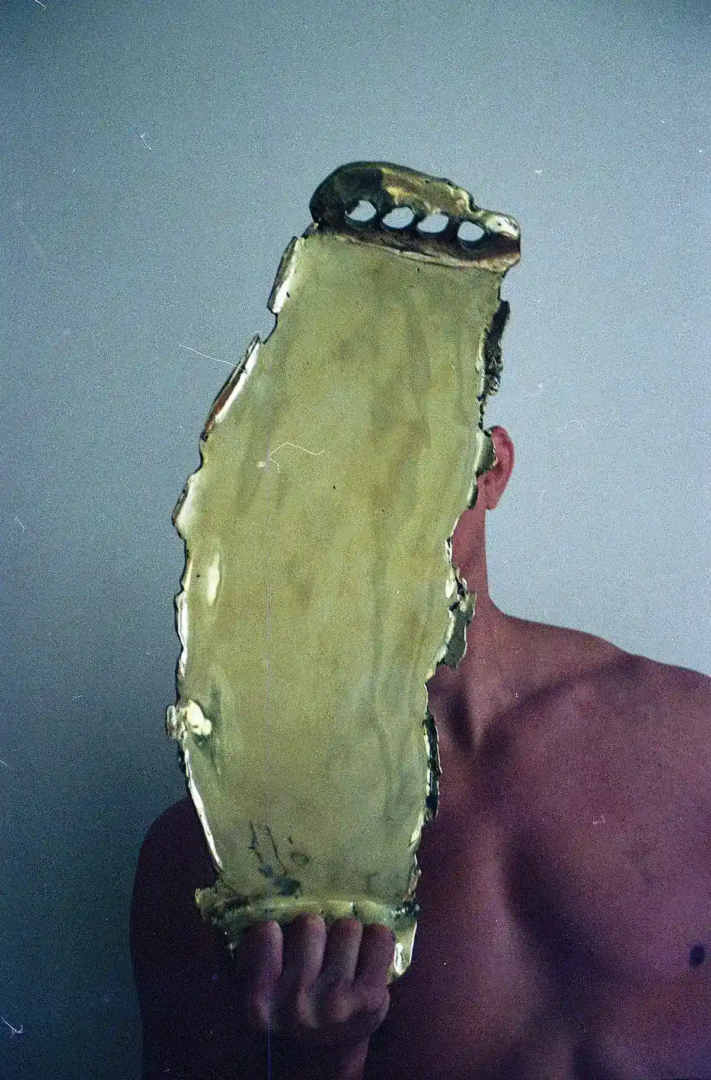
Diego Villarreal. Before it becomes metal, the process is entirely hand-driven—building, correcting, subtracting, refining. My pieces retain a fluidity that continues to attract me. Despite being solid, they appear as though they could still evolve. If you look closely enough, you can perceive my fingerprints, which always shocks me.
My first piece—the 20-lb weights—was made in 304-grade stainless steel. I quickly learned how unforgiving it is due to its high melting point. That experience led me to bronze, which allows for far greater expressive freedom, particularly in finishes. Patination alone offers endless possibilities, and I feel I’ve only just begun exploring its range.
As an alloy, bronze varies from foundry to foundry depending on the recipe. More copper results in a warmer, orangey tone; less copper produces greener hues. My foundry favors the former, yielding richer tones and a particular rate of oxidation.
The hand marks create intimacy. They invite participation. I want viewers to engage, interpret, and share the objects—whether with a partner, a family member, or through daily rituals. Objects that are shared become part of a family, in a sense.
Primal and functional objects: Diego Villarreal on ritual, use, and symbolism
OD. There is something primal or talismanic about the objects (e.g., the 2LBS weight, the Hoof ring, or the Horn Brass Knuckle).
Diego Villarreal. The practice itself is inherently primal. Some objects are conceived through a more fantastical, ceremonial lens, while others remain strictly functional. I’m drawn to works that sit slightly outside what is expected of an object—pieces like the Handcuffs and other variations within that branch.
They operate in a space where function, ritual, and imagination overlap, allowing the object to carry meaning beyond its immediate use. Function grounds the object in reality. Even when a piece is symbolic, use completes the work.
At the same time, I’m creating non-functional objects—works freed from expectation that exist as presence, gesture, or proposition. Moving between function and non-function keeps the practice elastic rather than fixed to a single mode of use.
I have stopped making jewelry. The focus is now on home or personal accessories, some of which stem from interior design commissions.
Weight and ergonomics in metal: Diego Villarreal on the body and restraint
OD. How do you manage the weight of a final creation?
Diego Villarreal. There is a degree of science involved, but weight is often one of the least functional aspects of the work. The pieces do, by nature, become heavy, and I’m not opposed to that. I welcome grounded weight; it reinforces presence and physical reality.
Certain projects require greater restraint and technical mindfulness, particularly when ergonomics or prolonged interaction are involved. Weight is therefore calibrated rather than minimized.
I prefer the term ergonomically conscious rather than ergonomic, to allow the work a degree of grace. I rely heavily on my own hands and body as primary references when shaping a piece. Ergonomics are never fixed—there are many variables, from scale and weight to the diversity of bodies that will eventually interact with the object.
In metal, even small adjustments matter, which makes the process demanding. Many pieces imply a fixed position, inviting participants to explore themes of trust, restraint, and proximity. These dynamics are not confined to eroticism. I also see them reflected in relationships such as mother and child—moments of dependence, care, and physical closeness. Sensuality becomes a broader language of connection rather than a single interpretation.
Olivier Dupon