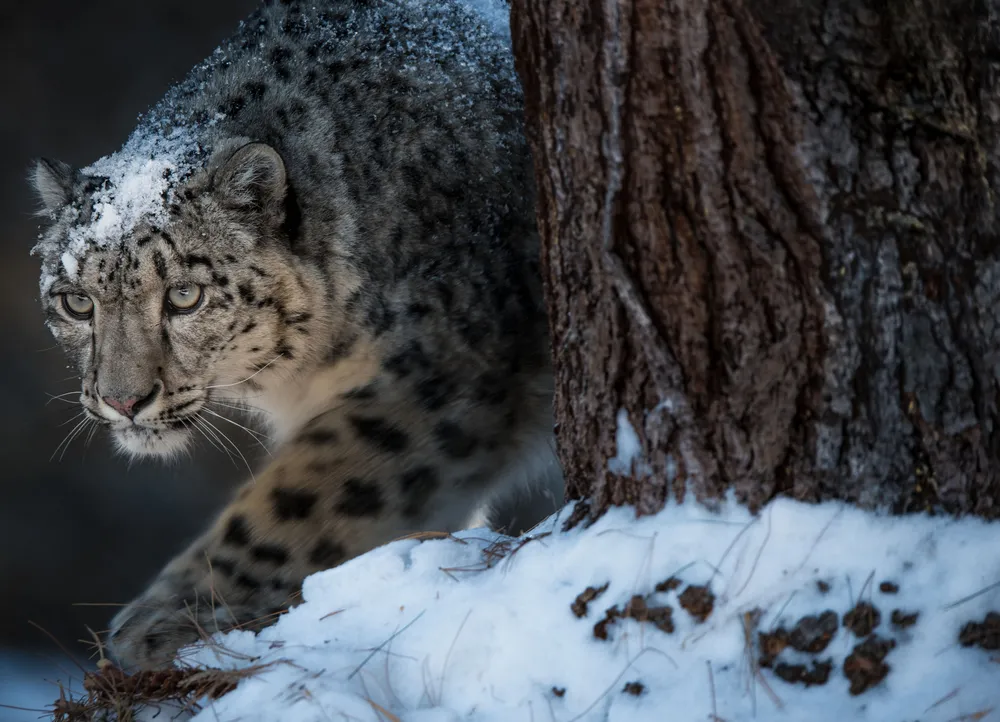
DoDo dedicates a charm to the snow leopard and funds WWF monitoring in Pakistan
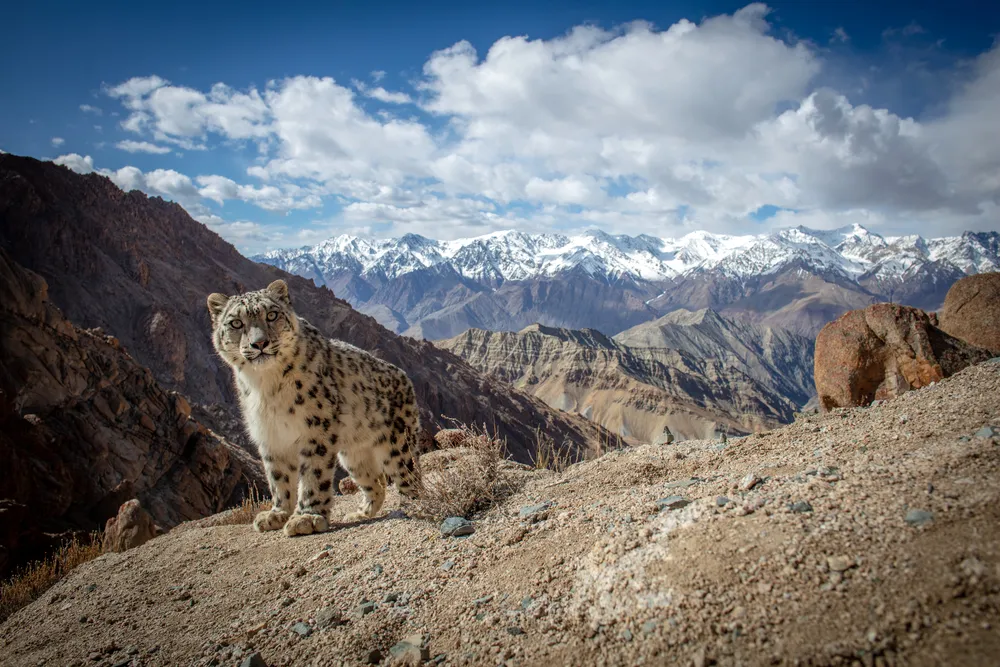
Panthera uncia lives above 3,000 meters across twelve countries, and the project supported in the Karakoram, Hindu Kush and western Himalaya hands data collection to the people living in the same valleys
Panthera uncia above 3,000 meters in twelve countries of Asia
The snow leopard lives in high mountain environments above 3,000 meters, across twelve countries of South and Central Asia: Afghanistan, Bhutan, China, India, Kazakhstan, Kyrgyzstan, Mongolia, Nepal, Pakistan, Russia, Tajikistan and Uzbekistan. The range is vast and the population is small, with estimates pointing to a possible decline of up to ten percent over the next ten years.
The pressures work together. Habitat fragmentation narrows the corridors between livable areas. Poaching hits a species that moves across territory too large to patrol. Climate change alters mountain ecosystems and thins out the wild prey.
That last factor triggers a fourth. When natural prey runs short, the cat turns to the livestock of local communities, and retaliation follows the attacks. As long as a leopard counts as an economic loss for a herder, its protection stays a decision taken somewhere else.
Why the IUCN move from Endangered to Vulnerable in 2017 was contested
In 2017 the IUCN Red List moved the snow leopard from Endangered to Vulnerable. The revision reflected an assessment against numerical criteria, with no recovery in the population behind it.
Several organizations working in the field contested the decision. For an animal this hard to count — nocturnal, cryptic, spread across remote ranges — the available data remain too thin to support a change of category, and a downgrade risks translating into less attention and less funding.
That is the context for the investment in monitoring. Protecting a species starts from knowing how many individuals there are and where they move, and for this one that figure is missing.
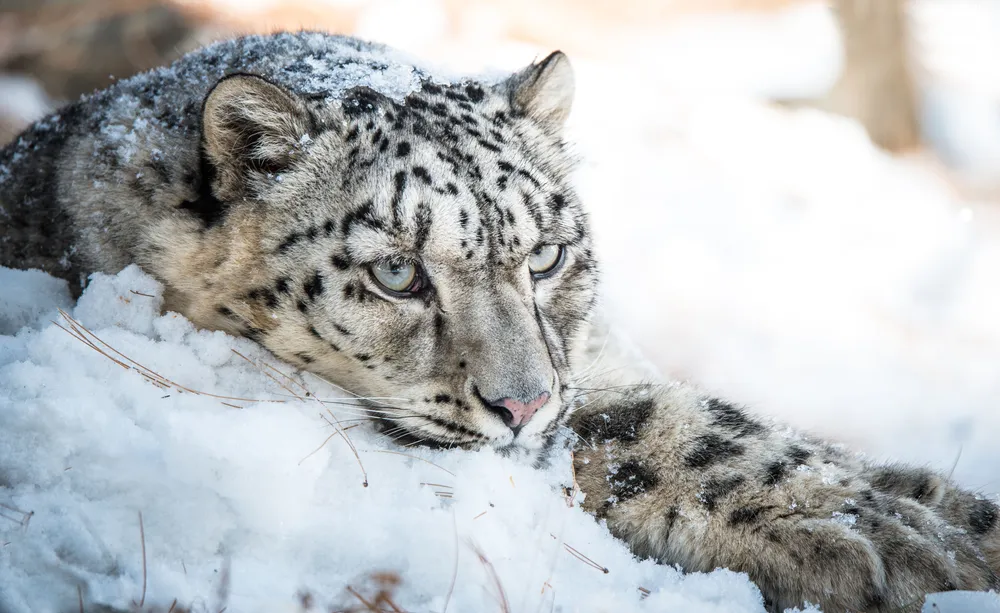
Shared data collection in the Karakoram, Hindu Kush and western Himalaya
The intervention supported by DoDo is a WWF project in Pakistan, where the cat moves through the Karakoram, the Hindu Kush and the western Himalaya, and it combines technology, research and outreach.
The operational element is a shared technology for data collection, built to strengthen monitoring by involving the people who live in the same valleys. The shift is one of method before instrument: data on the presence and movement of the cat come also from those who live on the territory, alongside the researchers who arrive, survey and leave.
The stated objective is to turn the relationship between people and snow leopard from conflictual to symbiotic. In practice, knowledge of the species leaves the scientific publication and becomes information usable by whoever decides where to take the herds.
Protecting the cat also means protecting the mountain ecosystems it lives in, fragile habitats that hold endemic species and feed the water basins millions of people depend on downstream.
The snow leopard charm and the ghost of the mountains
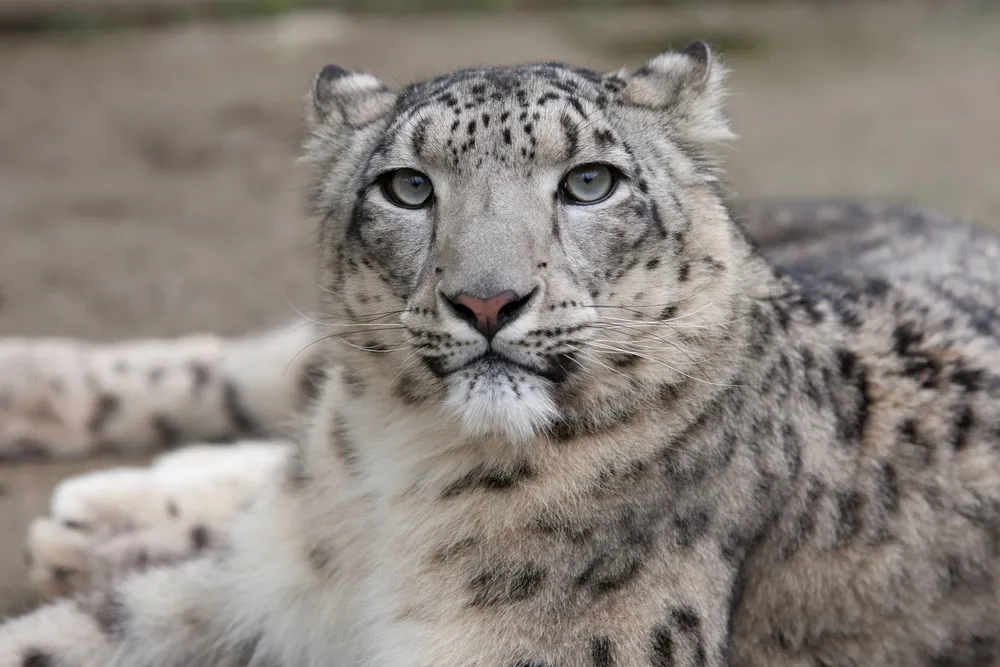
The new charm takes the silhouette of the snow leopard, the animal whose rarity and ability to move unseen earned it the name ghost of the mountains.
The message attached to the piece is incontrarti è prezioso, meeting you is precious, a formula working on two kinds of rarity: the animal’s, and that of an encounter between two people, the ground the brand builds its language on.
Thirty years of DoDo and WWF Italia, sixty years of the association
The relationship between DoDo and WWF Italia began in 1994, the year the brand was founded, and 2026 coincides with the sixtieth anniversary of the association, carried under the claim 60 anni per la Natura.
Two pieces mark the anniversary. In May came the Panda, the symbol species of the association, tied to the Sistema Oasi, the main WWF conservation project in Italy. The snow leopard now moves the attention to threatened species outside national borders.
Editorial Team