Belvedere Vodka, organic rye from a single Polish field
From the Żyrardów distillery, running since 1910, to the campaign with Gabbriette: ten steps, four distillations and ten months of rest for Belvedere 10, in a plant that cut its CO₂ emissions by 97 percent
For a long time vodka had a problem of identity. Its own nature suggests the absence of a defined character: a transparent, neutral distillate with no insistent taste. It is not wine, not champagne, not whisky, not tequila. Over the past decades some producers have worked on that position, moving the category closer to the codes of luxury, design and contemporary culture. Gin can be elegant, and the Polish house Belvedere took on the job of making the same case for vodka.
The name was familiar well before premium vodka entered the rituals of luxury hospitality. In the early 2000s Belvedere ran through American hip-hop, at the moment when references to champagne and high-end spirits were turning into cultural statements. Jay-Z named it on record, in the opening bars of Get Your Mind Right Miami, and helped place it inside an aesthetic where the name on a bottle worked as a signal, like a watch or a car.
The language has changed, the principle holds. For its most recent campaign, The Dirty Hour, Belvedere brought in Gabbriette to carry the Belvedere Dirty Brew, built on organic Robusta coffee and Belvedere Organic Vodka, distilled from Polish organic rye, riding the long global run of the Espresso Martini.
Żyrardów 1910, Polmos and the birth of the brand in 1993
Belvedere starts in Poland, at Żyrardów, about 45 kilometres west of Warsaw. A private distillery was founded there in May 1910, on territory still divided between the Russian, German and Austro-Hungarian empires; Poland regained independence in 1918.
In 1945, with the nationalisation of alcohol plants under the new communist government, the distillery entered the state system of vodka producers and took the name Polmos Żyrardów. It became one of the industrial centres of Polish alcohol production, supplying other plants with rectified spirit and handling the processing and bottling of several traditional labels, among them Wyborowa, Żubrówka and Luksusowa.
Belvedere was born inside that industrial structure in 1993, a project built to take Polish vodka into a new market tier. Polish parliamentary records date the step: on 18 March of that year the Żyrardów plant signed an agreement with the company Euro-Agro for the graphic design of the new product. The name and the bottle became a visual identity set apart from the traditional production.
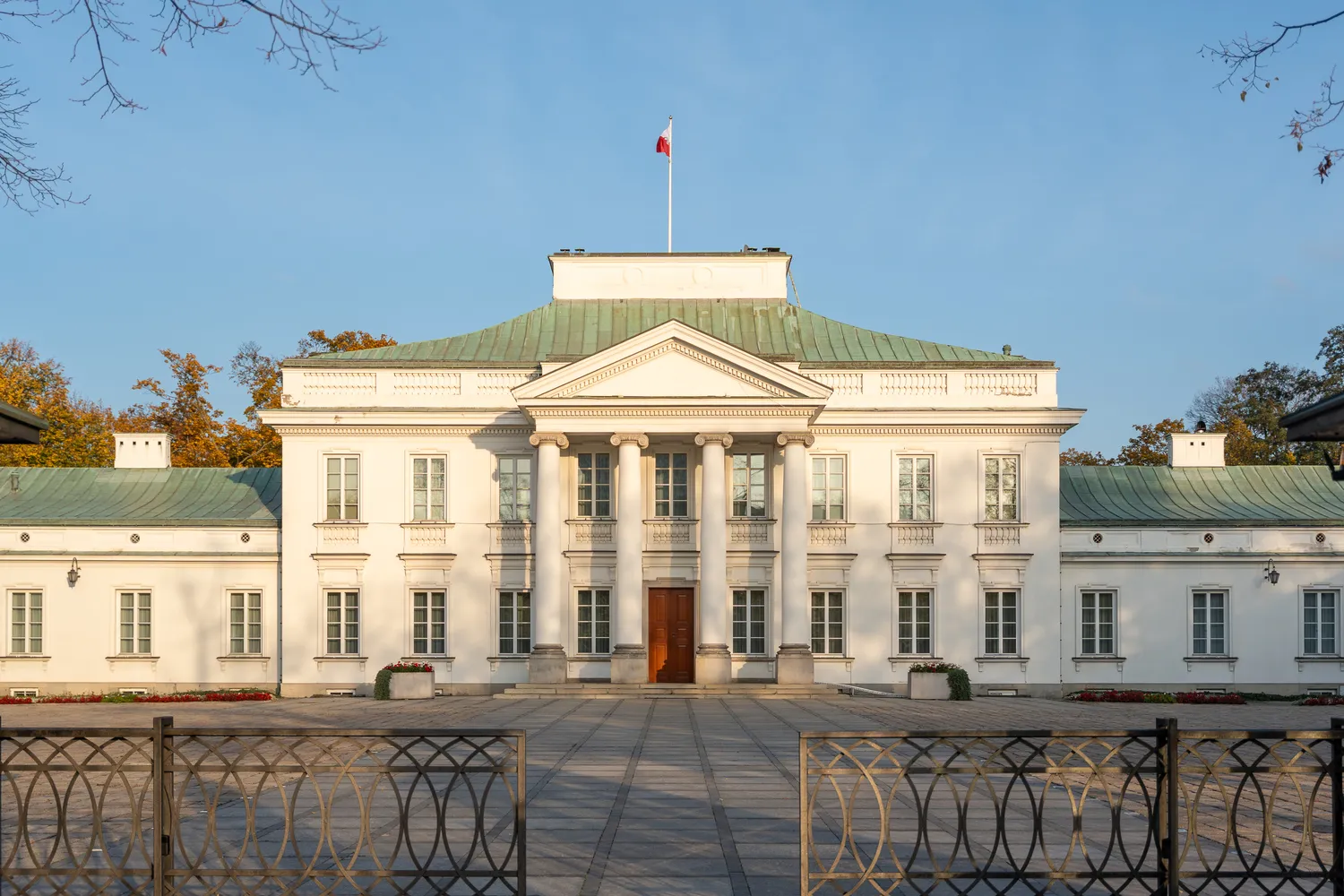
The name looks at the history of the country. Belvedere refers to the Belweder Palace in Warsaw, the building tied to the Polish presidency, whose image is reproduced on the bottle. The Italian word belvedere names a place from which to look out over a view, and carries the idea of a vantage point.
Organic Polish rye, vanilla, almond and white pepper
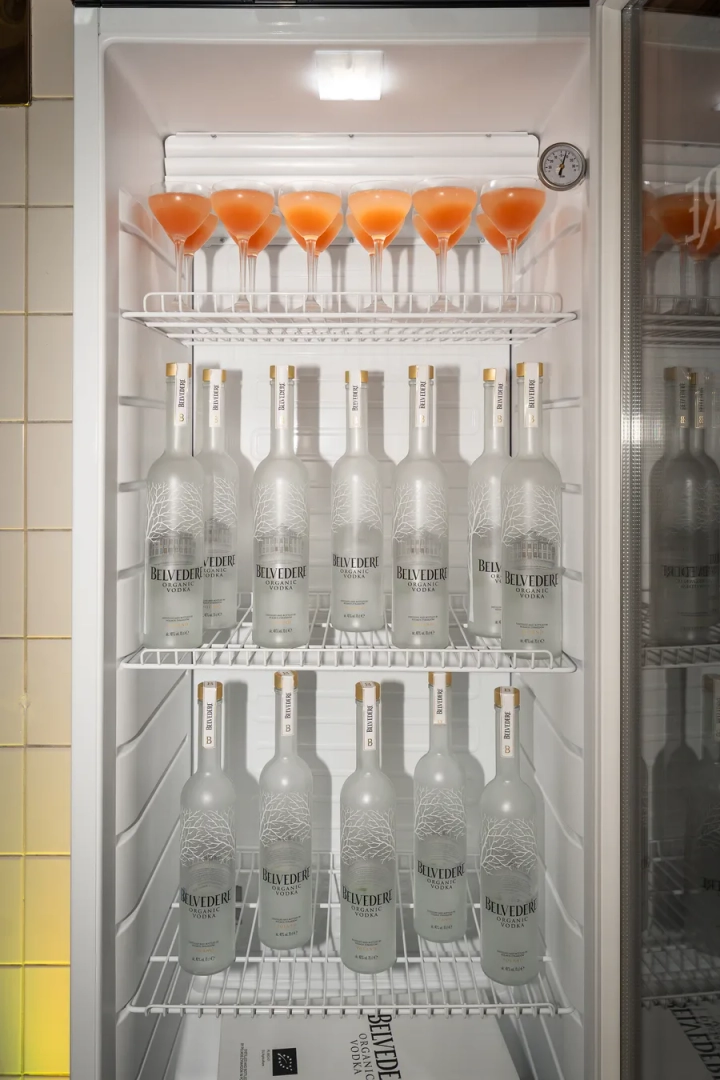
The classic reference of the house, Belvedere Organic Vodka, uses certified organic Polish rye and purified water, with no flavouring, sugar or other ingredient added to the distillate. The raw material gives the vodka a recognisable character, with notes that run to vanilla, almond and white pepper.
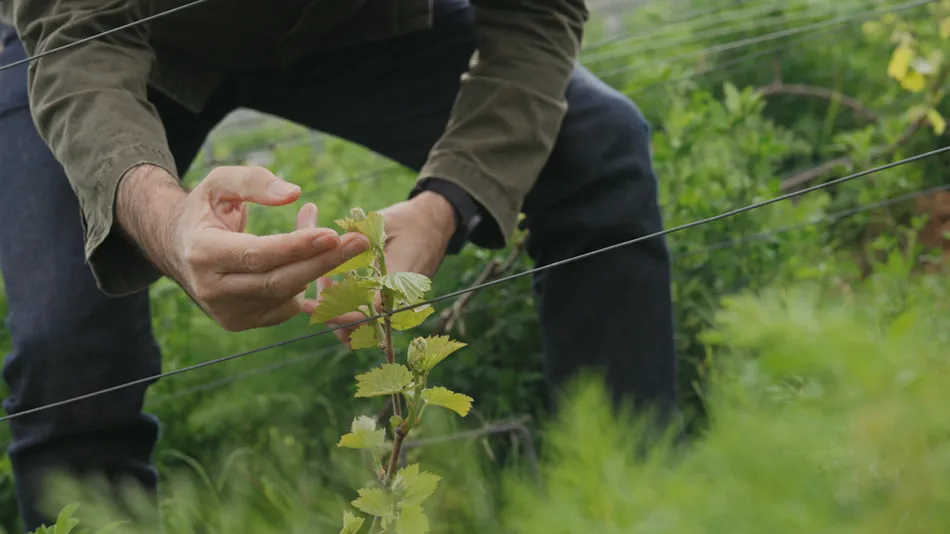
The agricultural chain works with local partners growing rye to organic criteria, without artificial pesticides or synthetic fertilisers, at yields lower than conventional farming.
Belvedere 10, ten steps, four distillations and a single field
Belvedere 10 is the highest tier of the range, and the clearest attempt to turn that production knowledge into a luxury object. The name points to the year the distillery was founded and to a historical method of production.
The raw material is Dankowskie Diamond organic rye from a single harvest, grown in one Polish field. The process runs through ten steps, among them four distillations, filtration and a rest of ten months, which harmonises the distillate and develops its texture. The bottle translates the sequence into form: ten carved levels for the production stages, with white surfaces and facets built on the structure of a diamond.
The result sits in a category less crowded than prestige champagne or high-end tequila. Whisky built part of its identity on time, on casks and on places of production, champagne on the relationship between terroir, blending and maison. Belvedere works towards a comparable language for vodka, where rarity comes from the selection of the raw material, the precision of the process and the possibility of tracing every bottle back to a defined chain.
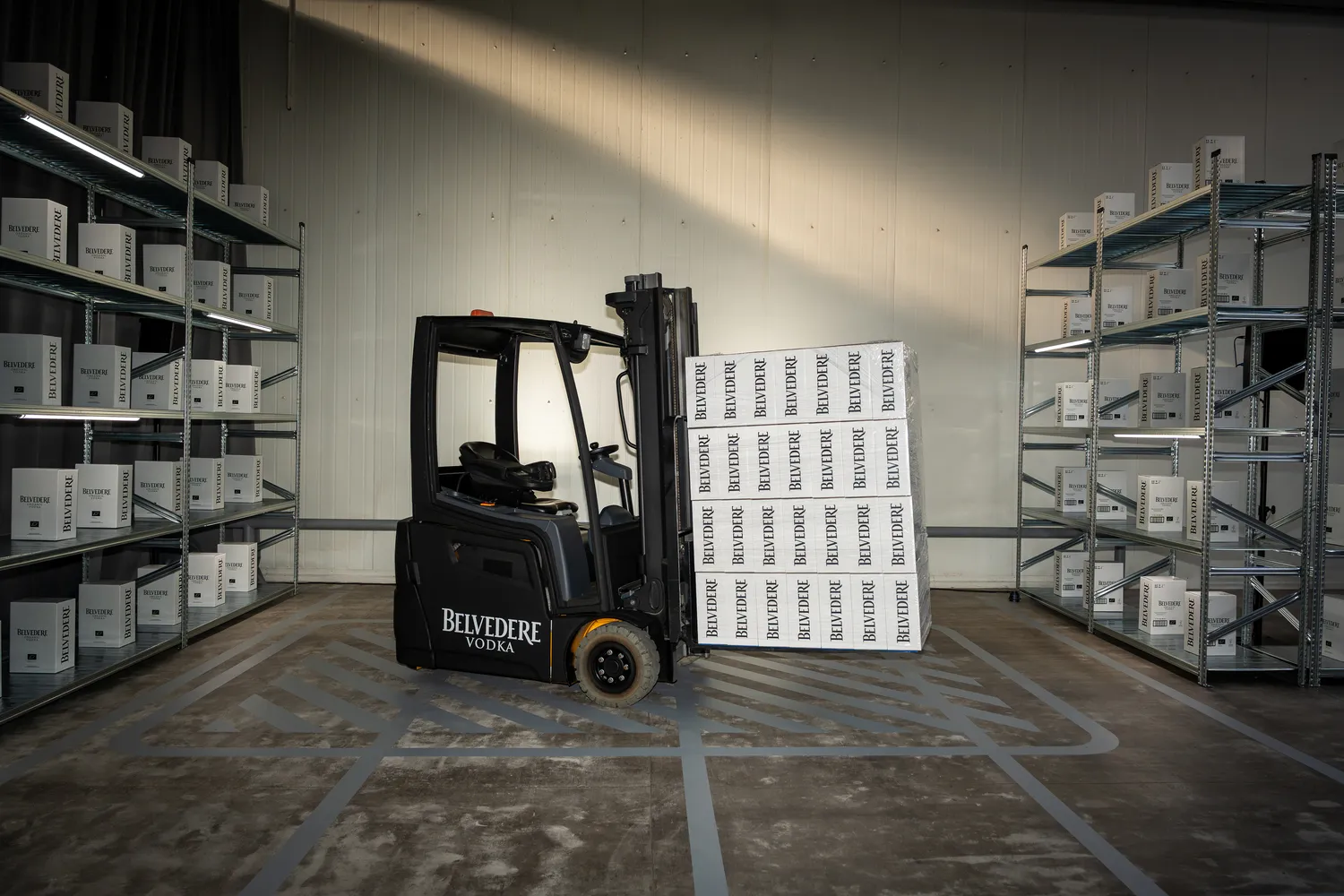
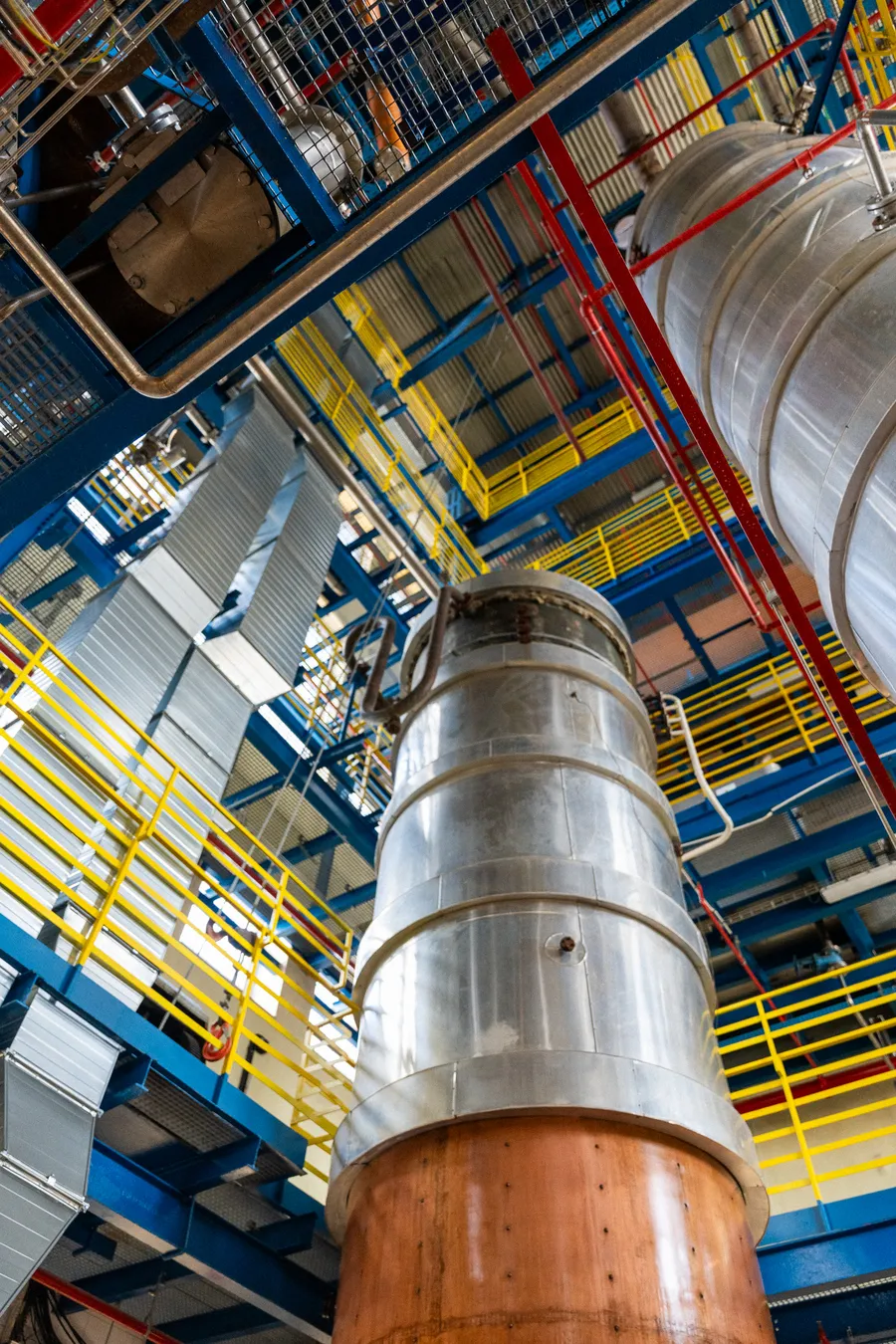
Biomass at Żyrardów, a 97 percent cut in CO₂ emissions
At Żyrardów, Belvedere has invested in an energy system based on biomass, to reduce the use of fossil fuels in its industrial processes. The research project started in 2018 and the plant came into operation in March 2021. It combines the combustion of biomass, mainly wood chip, the production of steam and the recovery of heat generated during processing. Schmid Energy, which built the plant, puts the reduction in the distillery’s CO₂ emissions in 2022 and 2023 at 97 percent against 2019.
Water followed. In 2024 Belvedere introduced a purification system that recovers and reuses wastewater and the residual water from rectification, an investment of 60,000 euro, after a reduction of 4 percent in water withdrawals against 2019, recorded in the environmental reporting of LVMH.
Eight farming partners, the Łódź research programme and the Pisia-Gągolina
The search for a more efficient process reaches the raw material. The rye comes from eight Polish farming partners, in a traceable and certified organic chain. A research programme on sustainable cultivation of the cereal began in 2008 with the Technological University of Łódź.
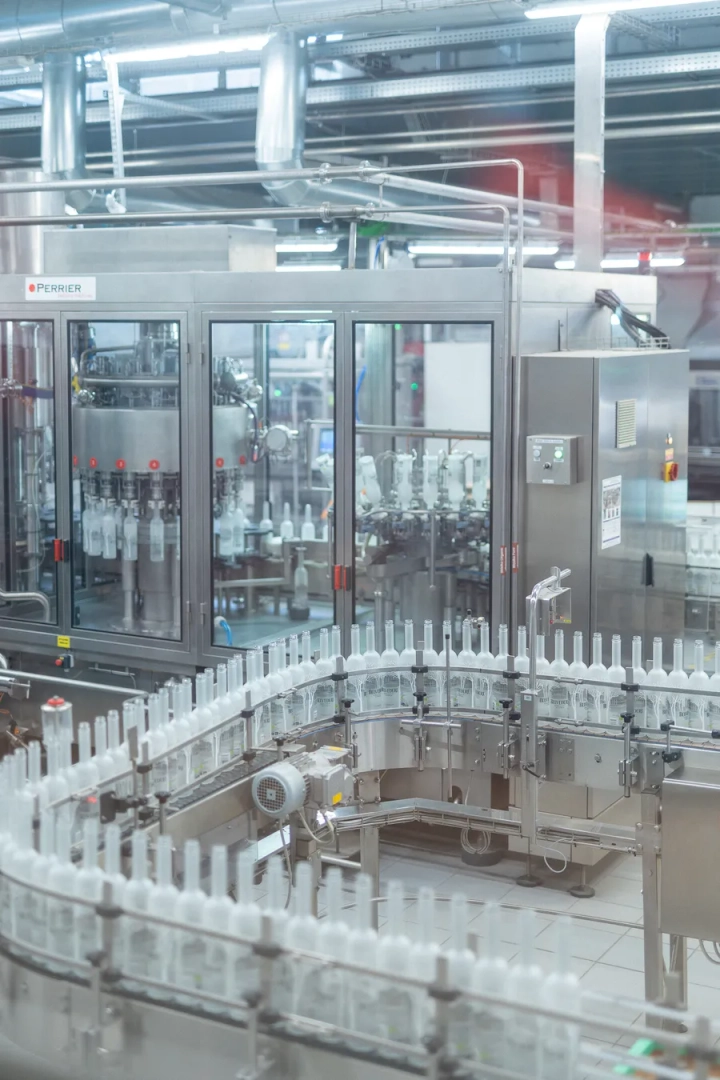
Glass enters the same calculation. The bottles were redesigned to reduce the quantity of material used, with effects on shipping weight and on transport emissions. Before bottling, the washing stage uses a Belvedere-based mixture in place of water, later redistilled to recover the alcohol and put it back into use.
Since 2015 Belvedere has worked with farmers and local institutions on the natural environment around Żyrardów, with initiatives that include the river Pisia-Gągolina. The distillery holds together an agricultural chain, an industrial system and a landscape the brand counts as part of its identity.