EIHA and the Green Deal: hemp as a driver of Europe’s bioeconomy
An alliance between farmers, businesses and institutions: the European Industrial Hemp Association – EIHA – positions hemp as a strategic resource for the Green Deal and European production sovereignty
EIHA and the material economy: industrial hemp as a strategic lever for the European Green Deal
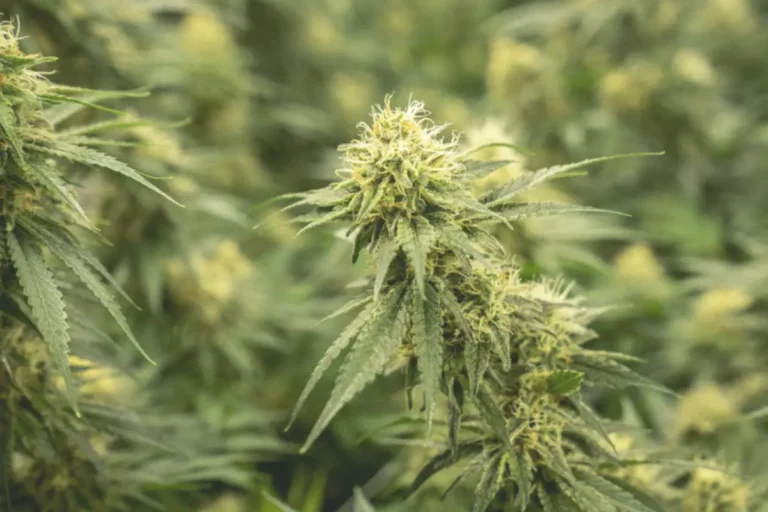
In Brussels, industrial hemp is returning to the center of the political debate as a key resource for the European Green Deal. Within EIHA – the European Industrial Hemp Association – a new supply-chain model is taking shape, based on soil regeneration, carbon neutrality and sustainable manufacturing.
The association, now the leading international reference point for industrial hemp, brings together more than 250 members – farmers, companies, research centers and industries – across twenty-five EU member states and twelve non-European countries.
EIHA’s objective is both political and industrial: to bring hemp back to the center of the European bioeconomy, transforming it from a marginal crop into productive infrastructure. Through legislative proposals, technical standards and scientific data, the association engages directly with the European Commission and Parliament to integrate industrial hemp into EU policies and make the green transition competitive.
In this context, the keyword phrase ‘EIHA industrial hemp Green Deal’ encapsulates the strategic project behind the association’s work: bringing agriculture, industry and research together to build a new material economy.
Under the direction of Lorenza Romanese, the association operates between agronomy and economic diplomacy: it builds relationships between institutions, governments and industries, translates research into shared rules and promotes a common language for a market that remains fragmented. Its work begins with a simple but radical premise: hemp is not a marginal crop, but an ecological and productive infrastructure capable of supporting Europe’s green transition.
From soil to regulation: hemp as a strategic crop and Green Deal infrastructure
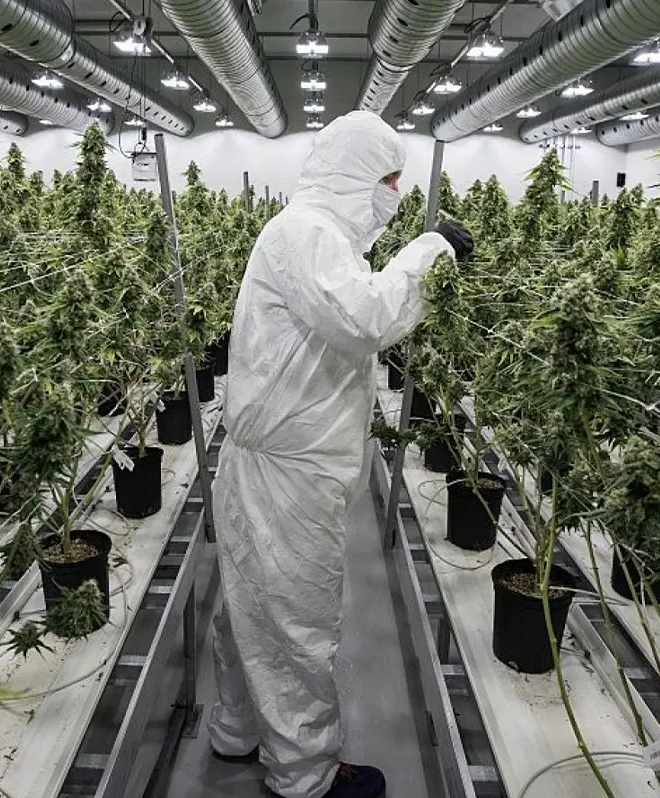
In recent years, EIHA has consolidated its political role within the Green Deal. Among its most significant achievements is the amendment to the Common Agricultural Policy regulation recognizing hemp as a fully fledged agricultural crop. The permitted THC level in the field was raised to 0.3 percent, expanding the number of varieties listed in the European catalogue and allowing farmers to access direct payments.
This decision paved the way for the relocalization of production. EIHA promotes a model based on interconnected regional supply chains, capable of reducing transport costs and strengthening European autonomy in key sectors including textiles, food and composite materials. Because of its versatility, hemp can support climate neutrality: it absorbs carbon dioxide, improves soil quality and provides biomass for industrial applications.
The challenge today is to overcome the bureaucratic and technical obstacles that continue to slow the sector’s growth. The association works with the agriculture ministries of individual member states to standardize controls, simplify traceability and update regulations on by-products. The aim is to create a single regulatory ecosystem capable of making the European supply chain competitive with major Asian markets.
At the same time, EIHA supports toxicological and regulatory studies on CBD and plant derivatives to secure full recognition for hemp products within the European food market. The process is technical and scientific, but its objective is political: to integrate hemp into the Union’s food and industrial strategy alongside other multifunctional crops.
Sustainability in the textile industry: towards European hemp manufacturing
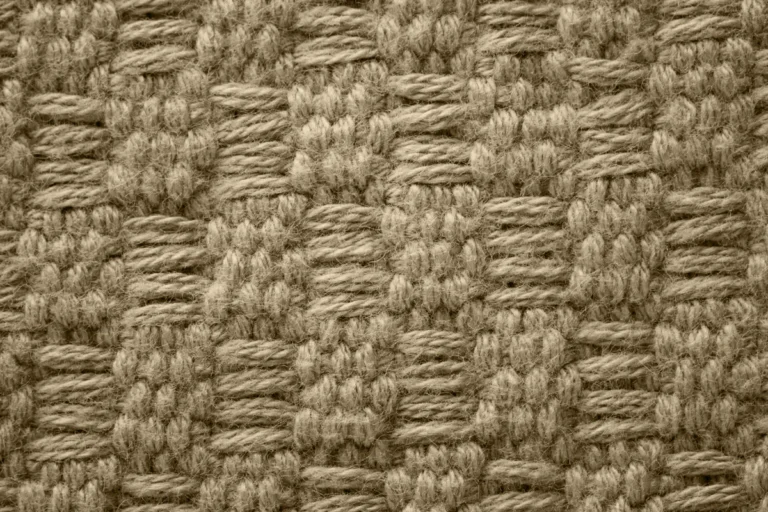
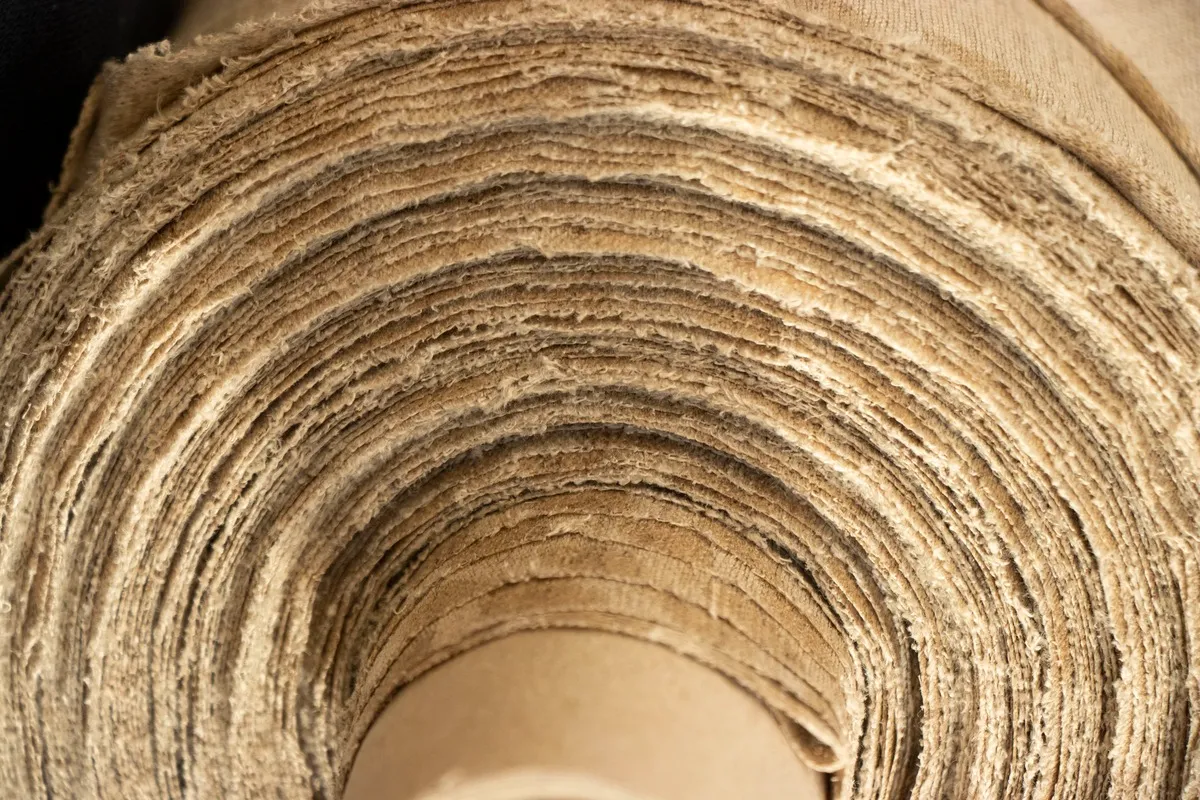
Within EIHA, textile hemp is considered a pillar of the new sustainable manufacturing sector. Research coordinated by European universities and technical institutes confirms that hemp fiber can replace part of the cotton used by the industry, reducing water and pesticide consumption while offering a longer, more recyclable life cycle.
Sustainability in the textile industry, however, is a structural issue: it concerns not only cultivation but also processing. Following the sector’s crisis in the 1990s, Europe lost most of its infrastructure for scutching and spinning long fiber. Dedicated industrial hubs are being reactivated in Italy, France and Germany, but production capacity remains limited.
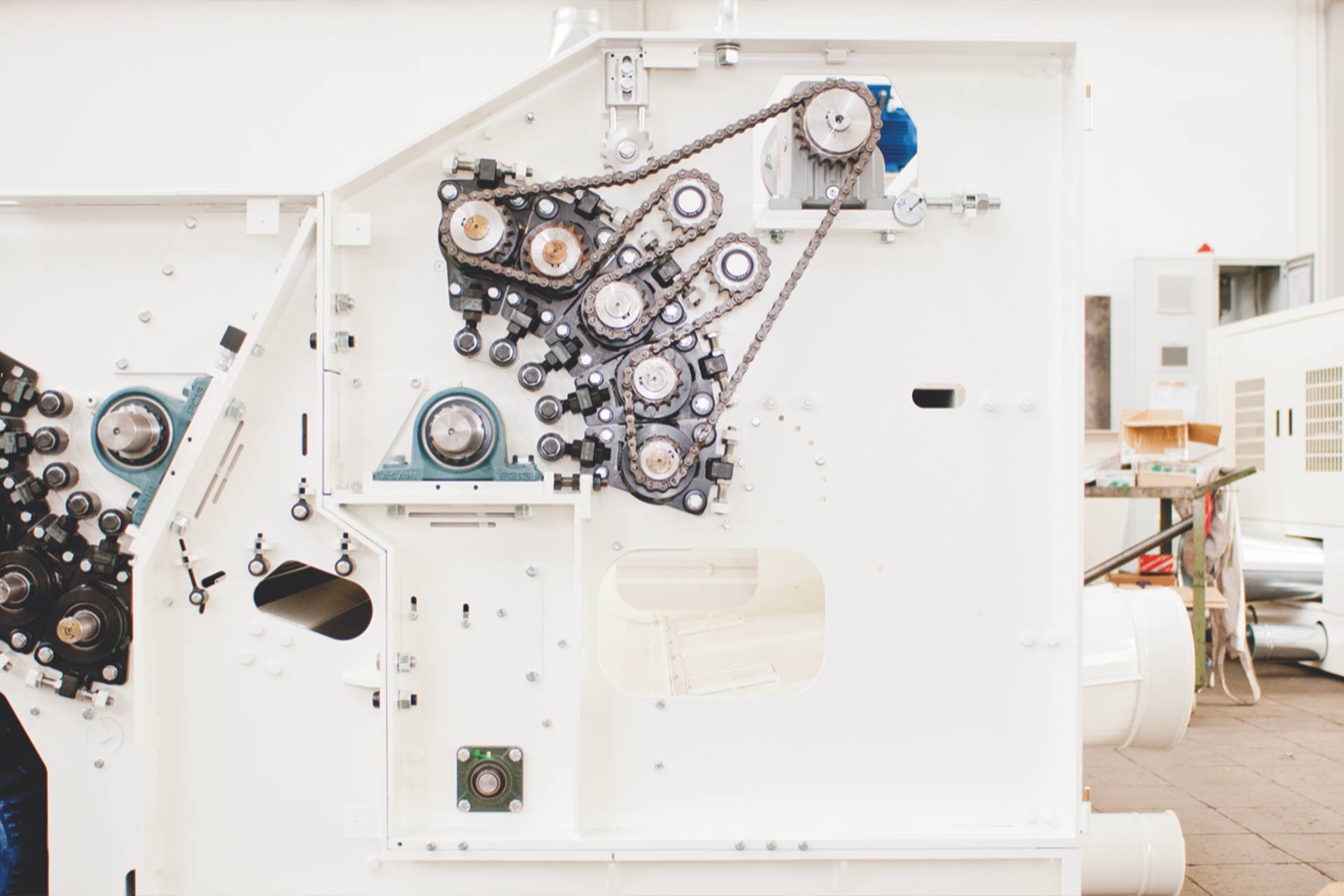
EIHA coordinates working groups with producers and technical institutes to encourage new investment in machinery and cottonization technologies, while also promoting low-impact dyeing lines. The aim is not to return to artisanal production, but to develop a modern natural-fiber industry capable of combining quality, traceability and reduced environmental impact.
According to the association, the future of European textiles depends on rebuilding interregional supply chains capable of producing fiber, yarn and fabric within the continent, reducing dependence on Chinese and other Asian imports. It is an economic and identity-related challenge that requires European institutions to treat hemp not as an alternative material, but as a strategic component of the EU textile sector.
Natural raw materials and industrial innovation: hemp as an economic resource
Beyond textiles, hemp provides biomass for biobased materials, insulation, bioplastics and paper. EIHA sees this versatility as the plant’s strength: a raw material capable of entering multiple industrial sectors and replacing fossil-derived materials. Natural raw materials thus become the center of an industrial strategy connecting agriculture and manufacturing.
In collaboration with European biotechnology and construction companies, the association supports research into hemp-shive panels for construction, automotive components, compostable packaging and technical materials based on short fiber. These projects, often co-funded by European programs, share a common objective: reducing industry’s dependence on non-renewable resources and creating new low-emission local economies.
Hemp is also a carbon reservoir. Each cultivated hectare absorbs more carbon dioxide than any other biomass crop and retains it throughout the product’s life cycle. EIHA’s logic is clear: once transformed, every hemp-derived material continues to act as a CO2 store. It is a form of manufacturing that does not consume, but preserves.
In its most recent documents, the association stresses that hemp’s added value lies not only in environmental sustainability, but also in its capacity to generate technical knowledge, integrated supply chains and skilled employment. To remain competitive, Europe’s green industry must build a network of shared expertise and continuous innovation around these resources.
Regenerative agriculture and European autonomy: hemp as ecological and social infrastructure
EIHA promotes a model of regenerative agriculture that combines ecological sustainability with economic profitability. With its dense root system and rapid growth, the plant improves soil fertility, limits erosion and supports crop rotation. It can also be cultivated in marginal or depleted areas where other crops are less productive.
Its adaptability makes hemp useful in addressing the effects of climate change and diversifying agricultural income. EIHA works with national environmental and agricultural agencies to develop incentive schemes for farmers who include hemp in their crop-rotation plans, in line with the objectives of Europe’s Farm to Fork strategy.
Regenerating soil also means regenerating the rural economy. Hemp supply chains create skilled employment and involve mechanical companies, research centers and agricultural cooperatives. It is a system that reactivates Europe’s productive landscape, restoring value to rural areas and reducing dependence on imported fibers and vegetable oils. The association interprets regeneration as both an industrial and political process: a form of economic sovereignty founded on biodiversity.
For EIHA, agricultural and industrial regeneration are not separate agendas: they form a single transition connecting agronomic research, technological innovation and the Union’s energy strategy.
Circular economies and soil policies: hemp supporting Europe’s transition
Circular economies are central to EIHA’s vision. Hemp embodies a closed-loop logic: every part of the plant has a use and every product can be reused or recycled. It is a natural principle translated into industrial policy.
Across Europe, companies adopting hemp-based circular models are growing in sectors including green building, paper and furniture. EIHA supports the introduction of minimum environmental criteria for public procurement that include hemp-derived materials, encouraging the replacement of carbon-intensive raw materials with local plant-based solutions.
The association also works at regulatory level to harmonize the classification of by-products and simplify biomass logistics, which are still hindered by divergent national regulations. Hemp is a material that connects sectors: agriculture, industry, energy and construction. Its integrated management therefore becomes an indicator of a country’s degree of innovation.
For EIHA, building a hemp-based soil policy means shaping an economy that does not extract but gives back. Europe has the climatic, scientific and industrial conditions required to become the center of this transition. What is needed, however, is stable political recognition: a pact between institutions and businesses that treats hemp as a strategic asset for Europe’s green industry. Not a material of the past, but an infrastructure for the future.
Eiha
The European Industrial Hemp Association (EIHA) represents the industrial hemp sector in Europe. Founded in Cologne and headquartered in Brussels, it brings together more than 250 members – farmers, companies and research centers – across twenty-five European Union countries and twelve non-European countries. It works closely with EU institutions to harmonize regulations, support the bioeconomy and promote hemp as a strategic resource for the European Green Deal.