Industrial hemp in Italy: a sustainable economy in a regulatory maze
Italy’s new industrial hemp laws redefine the plant’s limits and uses, amid demands for control, legal uncertainty and a sector that continues to call for clarity
Italian hemp between political control and a suspended supply chain: the return to a crop without a voice
Hemp in Italy has once again become a matter of state. After years of slow, experimental expansion, the government has brought the cultivation of Cannabis sativa L. back within a stricter perimeter, defined by controls, conflicting interpretations and a regulatory language that oscillates between suspicion and protection. Law 242 of 2016, which had reopened the way for an agricultural and industrial supply chain based on hemp, formally remains in force, but its original spirit has progressively weakened.
Italy had been among the first European countries to recognize hemp’s value as a crop for agricultural conversion and integration. In less than a decade, cultivated areas had increased tenfold: fields across the Po Valley, cooperatives in the South, processing workshops in Tuscany, textile experiments in Biella and Prato. It was a widespread movement of farmers and technicians, designers and researchers, convinced that the plant could embody a form of balance between production and the environment.
Since 2023, however, the language of sustainability has given way to that of control. New directives from the Ministry of the Interior have instructed prefectures to intensify inspections of growers, processors and retailers, with the aim of verifying traceability and compliance with active-ingredient limits. Hemp has thus returned to being an object of surveillance rather than research, while its supply chains have become a field of conflicting interpretations.
Sustainability as a political promise and an interrupted language
Every government uses the word «sustainability», but rarely defines its boundaries. In the case of hemp, the concept has remained suspended between environmental rhetoric and restrictive regulation. The plant that for centuries supplied ropes, textiles, oils and paper is now one of the few examples of a crop capable of connecting agriculture and industry in a circular system. It grows without pesticides, regenerates soils and absorbs more carbon dioxide than a young forest. Yet in Italy these qualities are not enough to make it a protected resource.
In 2024 and 2025, a series of measures profoundly altered the framework established by Law 242. On June 27, 2024, the Ministry of Health included oral CBD preparations in the table of narcotic substances, placing them alongside psychotropic medicines. The decision, justified by the precautionary principle, halted the production of hemp-based supplements and cosmetics, suspending more than one hundred licenses and creating a legal precedent. A few months later, on April 11, 2025, Decree-Law 48 — published in the Official Gazette and known as the Security Decree — extended the criminal regime applied to narcotics to the production, processing and sale of industrial hemp inflorescences.
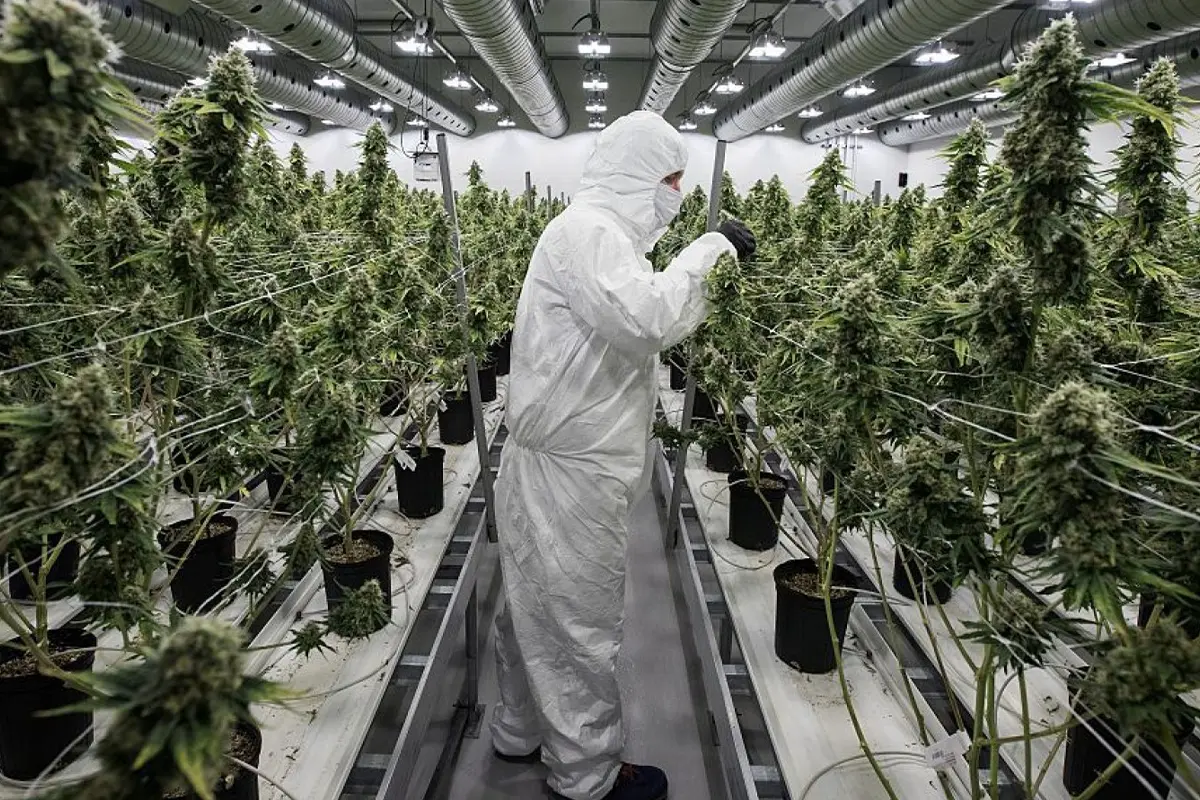
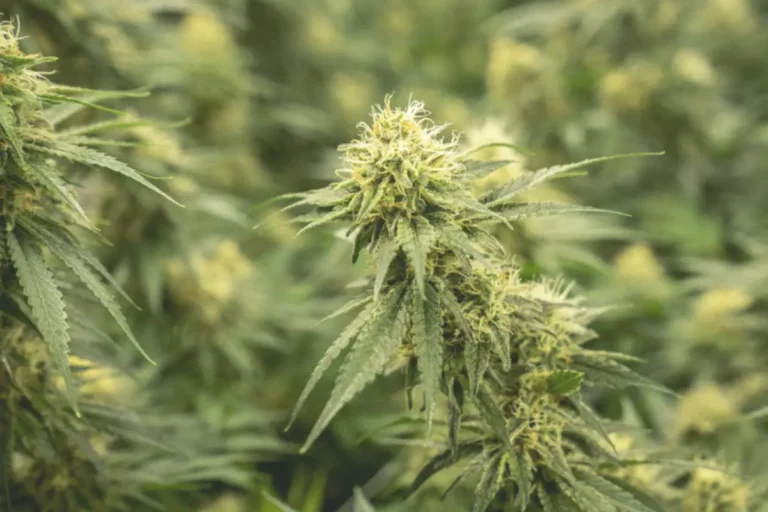
The text excluded any use of flowers and derivatives from the scope of Law 242, even when THC content is low, including semi-finished, shredded or dried products. The ban had an immediate effect on the supply chain: shops closed, crops seized and processing projects suspended. Italy’s Regions, meeting in the Permanent Conference on April 29, 2025, unanimously called for Article 18 of the decree to be revised, stressing that the measure puts more than thirty thousand jobs and over two billion euros in turnover at risk. The still-absent distinction between industrial hemp and recreational cannabis has become the most controversial point in the debate.
The political discussion surrounding hemp has progressively shifted onto symbolic ground. While decrees regulate its limits, the plant has become an issue of cultural identity: cultivating or banning it means deciding what relationship the country wants to maintain with its own agriculture. The contrast between the language of security and that of sustainability reveals a broader divide — between a centralized production model and a network of territories that would like to return to experimentation.
Natural raw materials as the language of an industry returning to the land
In a country that exports fashion and imports fibers, hemp represents one of the few natural raw materials capable of restoring continuity between agriculture and manufacturing. Long fiber is suitable for spinning, short fiber for green building. Seeds are used to produce flours and edible oils, while waste becomes biomass or compost. Every part of the plant has a functional value, but regulations restrict its use to fiber and seed alone, excluding the inflorescence, its most economically significant component.
The paradox is that the plant that more than any other embodies the ecological transition — regenerative, local, circular — remains marginal precisely because of the absence of a shared industrial vision. Bureaucracy, licenses and laboratory controls have replaced planning. The Italian production system, which could have integrated agriculture and industry through hemp, is now watching its own missed opportunity.
Circular economies and divergent models: when Europe opens and Italy closes
Comparison with Europe accentuates Italy’s misalignment. France and Germany have integrated hemp into bioeconomy and rural-innovation programs, recognizing its strategic role in decarbonization plans. In France, the Council of State authorized the sale of low-THC inflorescences and derivatives, in line with the 2020 ruling of the European Court of Justice establishing their free circulation. In Germany, the 2024 reform introduced a licensing system for controlled production, separating industrial from recreational use.
In Italy, the distinction remains uncertain. Law-enforcement agencies apply inconsistent criteria, with seizures and proceedings that often end in dismissal. Meanwhile, European companies are developing technical yarns, bioplastics and hemp-fiber insulation materials, supported by public funding for the green transition. While Europe invests in research, Italy invests in surveillance. Hemp thus becomes an indicator of missed circular economies, an example of how regulatory caution can translate into productive paralysis.
Italian textile supply chain: a fiber reconnecting an industrial heritage
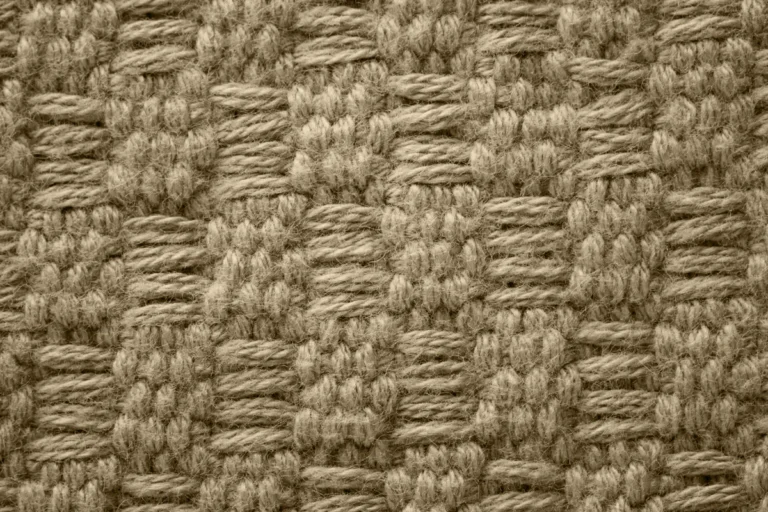
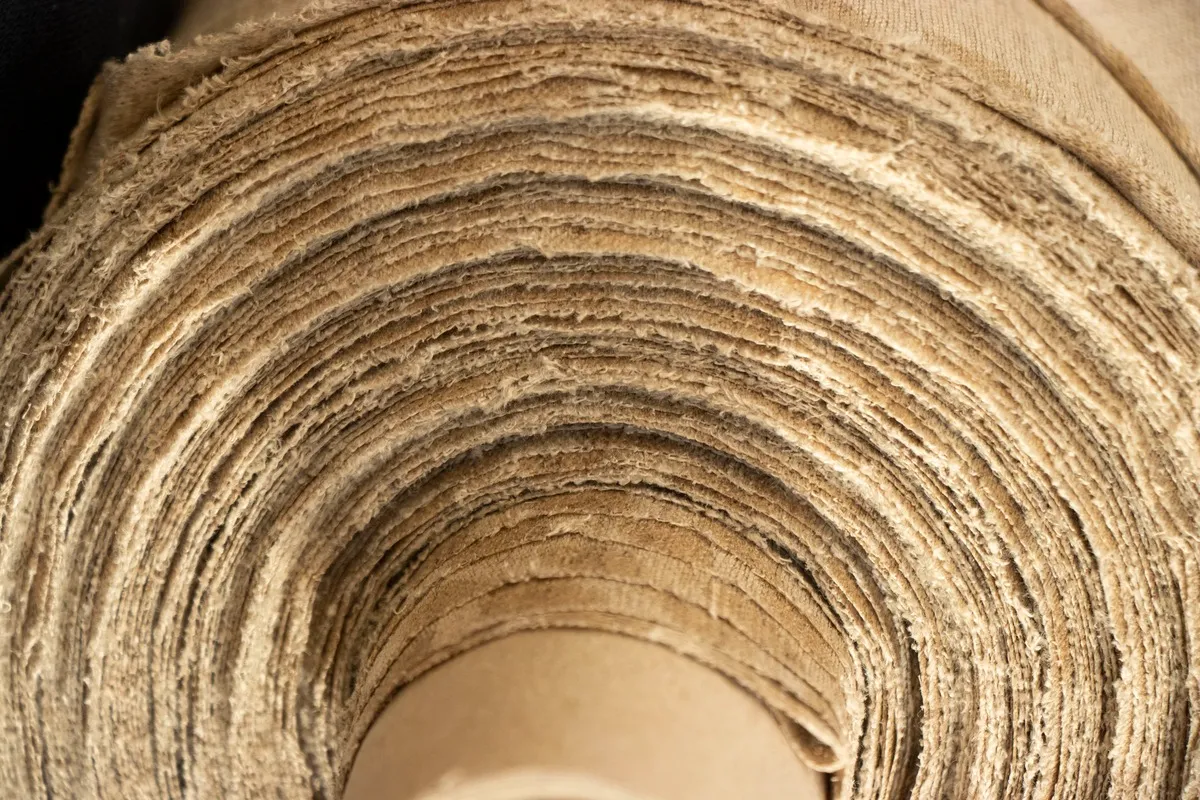
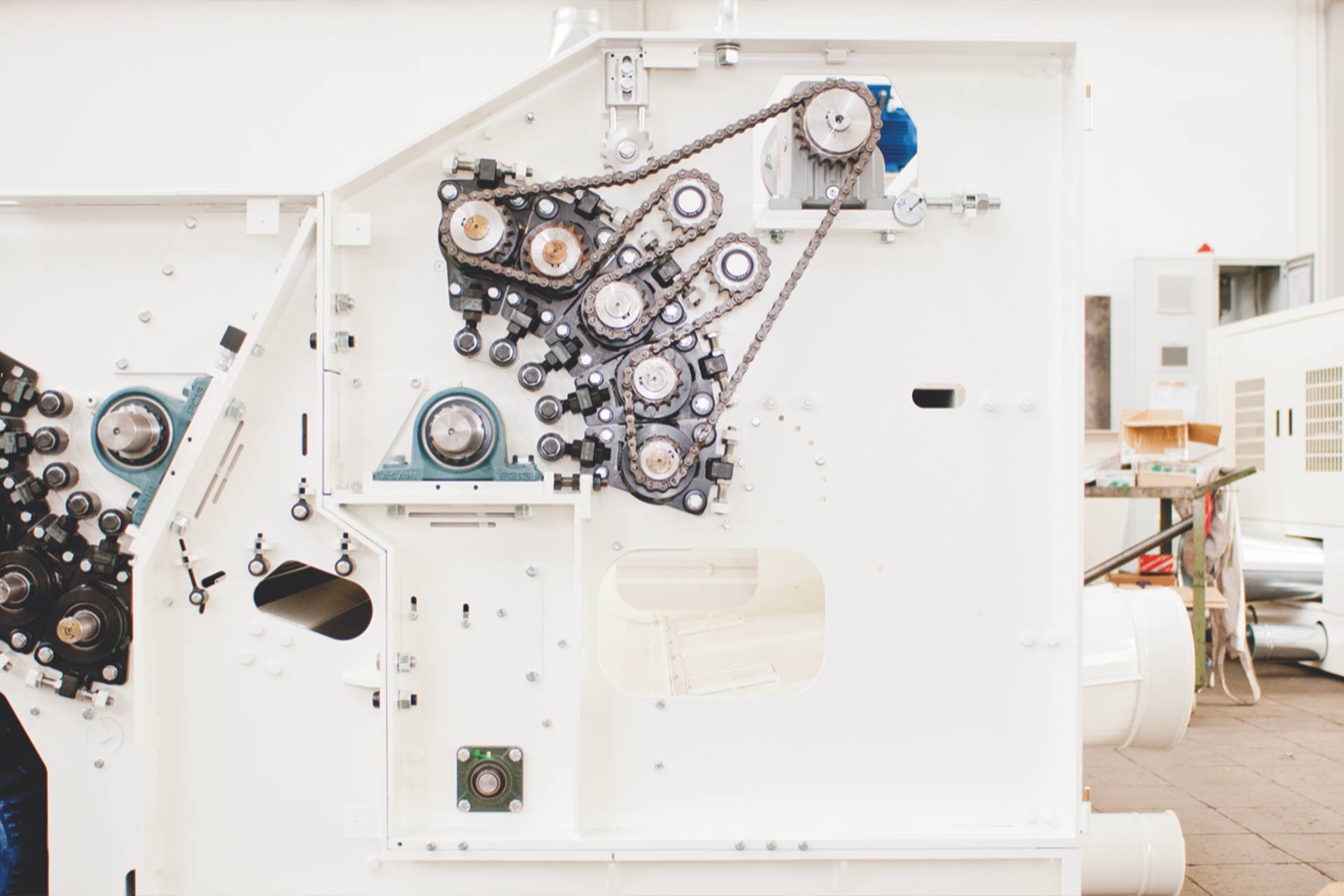
In several Italian regions, hemp has once again become the subject of experimentation. The long, coarse and resistant fiber is blended with cotton or linen to create a new generation of biodegradable, highly breathable fabrics. Italy’s textile districts are attempting to reconstruct lost technical knowledge: retting and cottonization, once common practices in rural manufacturing.
The Italian hemp textile supply chain remains fragmented: fibers arrive from abroad, while processing is entrusted to independent laboratories or universities. There is no national coordination capable of connecting agricultural production and manufacturing. In this institutional vacuum, some companies choose to act independently, focusing on natural yarns and transparent traceability.
Hemp is not only a fiber: it is a material that tells the story of an industrial heritage, a form of material culture connecting agricultural memory with the industry of the future. Without a systemic policy, however, this fiber remains confined to the margins of the market, invoked more often than it is actually produced.
Hemp between industry and prohibition: Italy’s regulatory vacuum
Whenever political debate returns to hemp, the discussion divides between those who consider it a risk and those who see it as a resource. Law 242 remains, but stripped of its original meaning. Subsequent decrees — the CBD measure in 2024 and the Security Decree in 2025 — shifted the center of gravity from promotion to prohibition, transforming an agricultural material into a legal object.
Industry associations are calling for comprehensive reform capable of restoring clarity: definitively separating industrial hemp from cannabis for personal use, setting THC limits in line with the European Union and restoring certainty for growers. For now, hemp remains a border crop, observed more than cultivated, trapped between bureaucracy and contradictions.
In 2025, while Europe expands the space for experimentation, Italy narrows its own. Hemp becomes a metaphor for the distance between words and actions, between the promise of sustainability and the reality of an agricultural economy that still struggles to recognize the concrete value of its own roots. New government laws, created to regulate, risk crystallizing the sector. And so a plant that by nature grows quickly and adapts to any soil now remains stuck in the machinery of bureaucracy, waiting for politics to decide whether to consider it a risk or a resource.