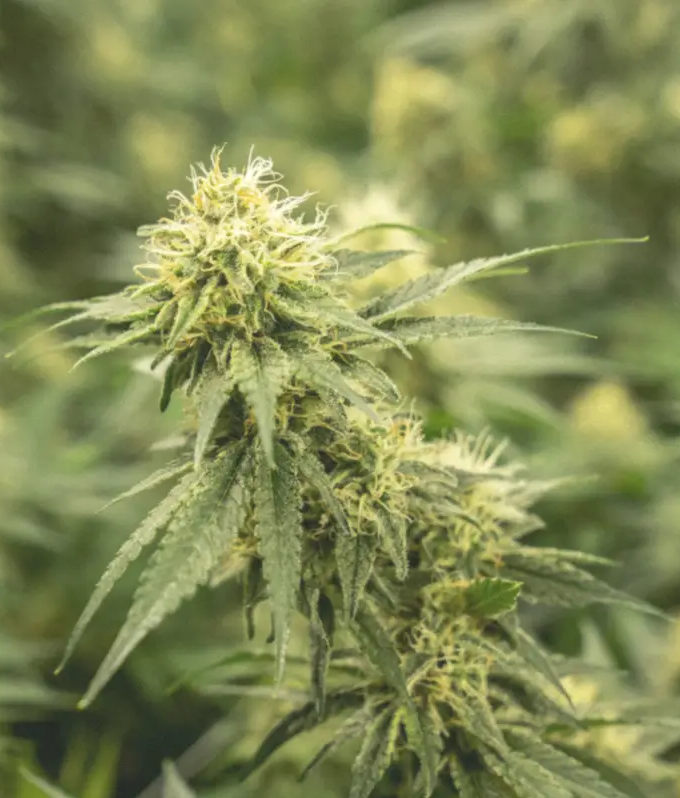
Hemp in cosmetics and sport: anti-inflammatory products based on hemp oil and CBD
Rewell produces hemp-based ointments and cosmetics – hemp oil and cannabidiol (CBD) have analgesic, anti-inflammatory, soothing and regenerating properties useful for athletes
Rewell: a hemp-based brand for athletes
Rewell is an Italian company based in Pesaro that aims to improve athletes’ experience and performance through CBD and other herbal remedies for topical use. The hemp brand also makes everyday cosmetic products, researching solutions to reduce environmental impact.
Rewell founder Antonio Grieco explains that he discovered the benefits of hemp in sport in the United States: «I am a partner in a CrossFit box, a sport imported to Italy from the US. Overseas, I noticed that many athletes used CBD-based oils and creams to speed up and support muscle recovery. As I looked into the subject, I discovered that these products were also widespread among American athletes in other disciplines, such as football and basketball, where people are exposed to repeated trauma. So I decided to start producing organic solutions based on CBD and other medicinal plants in Italy as well, offering safe, natural and sustainable remedies to people who practise sport or are looking for a green alternative to synthetic cosmetics and medicines».
Hemp: a rough plant with soothing effects
Rewell’s core business consists of topical products, in oil and cream form, designed to improve athletes’ performance before and after competitions and training. Although hemp is a rough plant, it «has antioxidant, emollient, revitalizing and regenerating properties».
Each product is based on hemp oil and cannabidiol (CBD) in varying percentages. All are free from THC contamination, the psychoactive compound in hemp. Depending on the product, hemp may be combined with other plants used in herbal medicine. All raw materials are organic and grown in Italy: «We decided not to include silicones, parabens, paraffin, aluminium or mineral oils in our products».
CBD oil is available in two different cannabidiol concentrations and is recommended to speed up post-workout recovery, reducing inflammation and skin pain. To relieve tension and contractures or soothe muscle pain, a massage oil combines hemp oil and cannabidiol with devil’s claw, almond oil, arnica and orange essential oil.
A hemp-and-arnica balm is also available for pre- and post-workout massage and is recommended for back and neck pain. A CBD-based cream designed to support warming up before sport is indicated for muscle overload and rapid movements.
At the same time, Rewell sells anti-ageing facial cosmetics and moisturizing body creams. It also plans to launch a hemp-based sunscreen line.
Hemp oil vs CBD oil: differences and properties
Although they share the same raw material, hemp oil and CBD oil are not the same thing: «Hemp oil is extracted from the plant’s seeds and can be used both as food and in cosmetics. It has a rich profile of nutrients, fatty acids and bioactive compounds useful to human health. CBD, on the other hand, is extracted from the stems, leaves or flowers and can be considered a pharmacological substance».
The two also have a different chemical composition: unlike hemp oil, CBD is a source of cannabinoids and terpenes. Neither has psychotropic effects, unlike THC. Hemp seed oil is the only oil with a ratio of Omega 3 to Omega 6 considered optimal for human nutrition, at three to one.
In cosmetics, it is used «for its moisturizing, soothing, anti-inflammatory and sebum-regulating properties in the treatment of skin imperfections such as acne, psoriasis, eczema, sun erythema or burns».
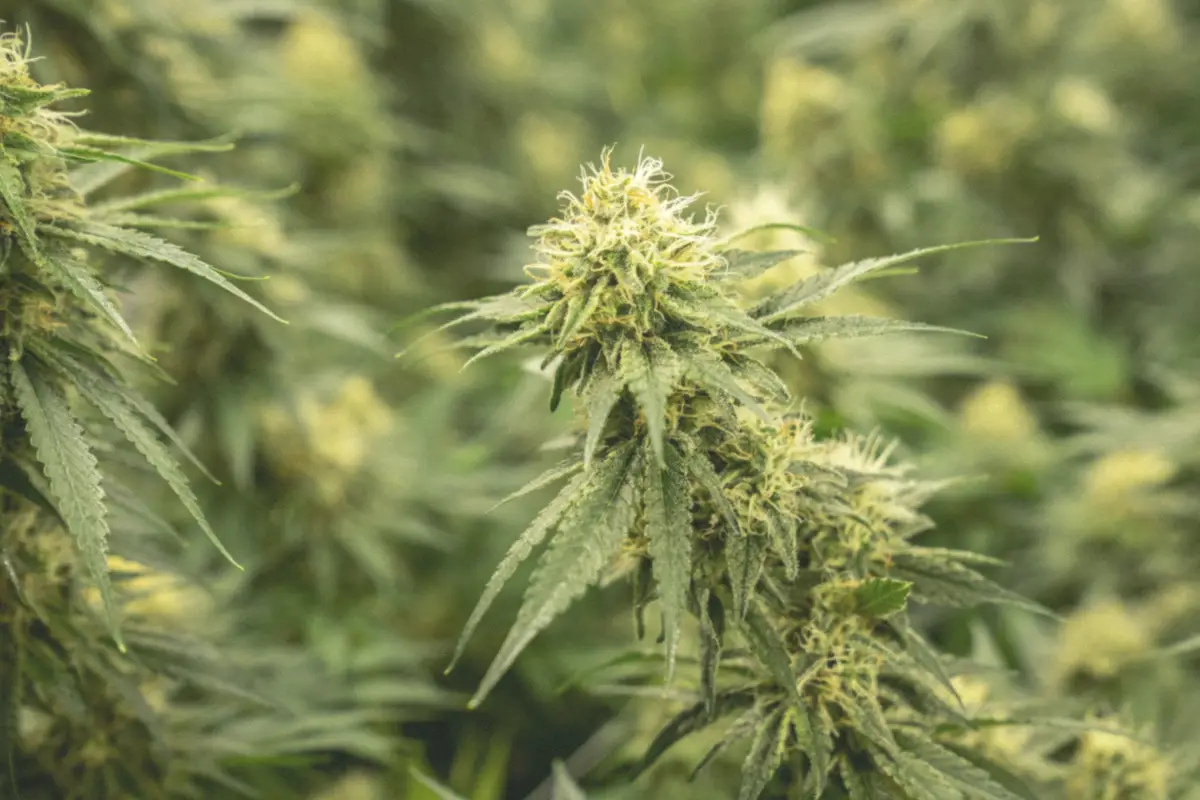
CBD provides the same benefits but at a deeper level. It is secreted in resin form by the plant’s glands, known as trichomes. Cannabidiol is a natural anti-inflammatory and antioxidant capable of supporting cell renewal: «People who practise sport, especially competitively, are constantly exposed to muscle inflammation, which risks affecting their performance. In these cases, CBD represents a valid natural alternative to anti-inflammatory and analgesic drugs based on synthetic substances. It also improves sleep quality, speeding up recovery».
Although hemp cultivation and processing have ancient origins, CBD was discovered and synthesized in 1960 by Israeli chemist Raphael Mechoulam. He discovered that cannabidiol could act on the endocannabinoid system, a network of molecules present in the human body in the brain, immune system and peripheral tissues.
It followed that CBD was capable of regulating several physiological and cognitive processes, including appetite, pain perception and mood.
THC and CBD in international sport: the current situation
Since 2018, the World Anti-Doping Agency (WADA) has removed CBD from its list of prohibited substances, so its use is now permitted among athletes. THC, however, remains prohibited: «We are nevertheless seeing a revolution with this molecule too. Several US states have legalized it for personal and recreational use. In April, Germany became the first European country to allow cannabis for recreational use».
In the United States, the NBA basketball league and the NFL football league decided to remove cannabis entirely from their lists of prohibited substances. Since 2023, players in the two leagues have no longer been tested for THC. The NFL has also announced that it intends to conduct its own research into the potential of cannabis during recovery in response to the opioid crisis in the country.
The Players Association asked the league to make this commitment, concerned about the many former athletes who developed addictions to methadone, codeine or morphine, substances prescribed to them by NFL doctors.
«Although CBD has been legalized by WADA, this substance is still often obstructed by certain states and pharmaceutical companies because of political and economic interests, as it is a free and natural substance». In Italy, for example, on September 22, 2023, the Meloni government issued a decree equating oral cannabidiol products with narcotic substances.
Then, on October 24 of the same year, the Lazio Regional Administrative Court suspended it on the grounds that CBD was not a psychoactive substance.
Rewell makes its products using a Biotech process
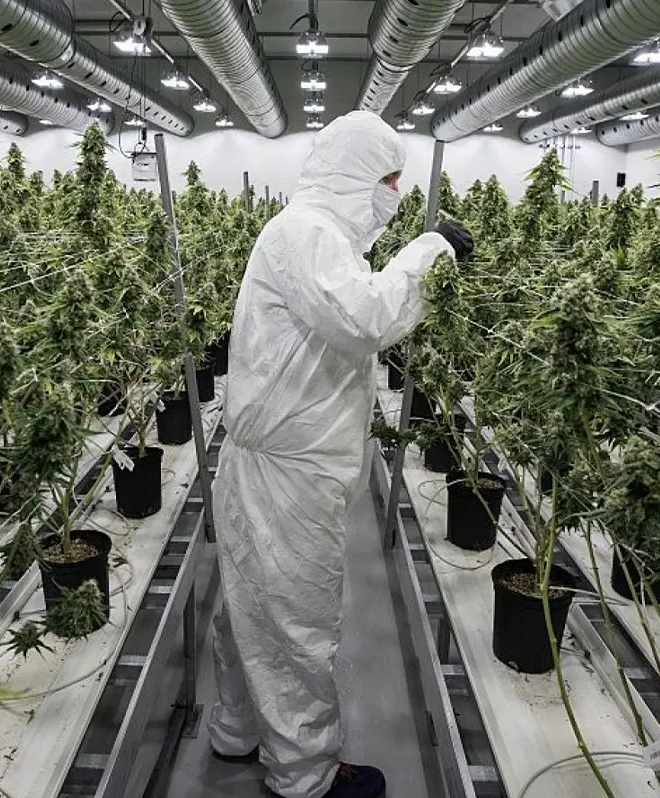
Rewell makes its products through a Biotech process: «We process raw materials in their entirety, using natural enzymes instead of chemical solvents. With this production process, the whole plant – including fruit and seeds – is taken and liquefied into a single concentrated solution, preserving all its active compounds and properties».
For CBD, the company chose to use the isolated form: «CBD can be used in isolated or full-spectrum form, which includes all cannabinoids, including THC. Anyone choosing the latter formulation is of course required to keep THC within the levels set by law, equal to 0.5%. Although the scientific community has considered that THC below this threshold has no psychotropic effects, at Rewell we opted for isolated CBD so as not to risk athletes encountering false positives during anti-doping tests, even at such low levels».
Sugar-cane packaging to reduce environmental impact
Rewell aims to help reduce the environmental impact of an industry that ranks among the world’s leading contributors to pollution and deforestation. A 2023 Forbes investigation states that the cosmetics industry generates up to 120 billion units of plastic packaging each year and contributes to the loss of eighteen million acres of forest.
In addition to processing raw materials in their entirety to avoid waste, the company opts for organic formulations and favors naturally derived enzymes over chemical solvents: «We also do not test our products on animals and are working to create sunscreens that respect the environment and the coral reef».
As for packaging, Rewell uses lower-impact packaging: «The tubes are made from bioplastic produced by processing sugar cane, as are some of the bottles. The others are made from recycled plastic».
Debora Vitulano