Hemp, cannabis and Made in Italy: a supply chain across Abruzzo, Veneto and Emilia-Romagna
Italian production, international regulations, therapeutic uses and the recovery of abandoned land. Enecta, founded in the Netherlands by an Italian team, cultivates Cannabis in Italy. Founders Marco Cappiello and Jacopo Paolini speak
The Italian hemp supply chain
Italy still lacks a structured, extensive hemp supply chain encompassing every stage from harvesting and processing to commercial distribution. According to a study published in May 2020 in the Italian Journal of Agronomy, 83 percent of farms producing hemp in Italy were established recently, within the previous ten years, specifically for this purpose. The businesses are run by young entrepreneurs – 57 percent of owners are under thirty-five – and 43 percent make use of abandoned land. Campania and Puglia are among Italy’s most productive regions, with large areas of flat farmland devoted to the crop.
Almost all farms use their harvest to produce more than one end product: seeds, flour, hulled seeds, hemp beer and seeds for animal feed; seeds and inflorescences for cosmetics, herbal products and the extraction of active ingredients. Analyses of European and Italian legislation point to the need for clear regulations and a monitoring system by regulatory bodies that takes current critical issues into account. At the same time, renewed interest in the crop derives from the plant’s many possible applications, particularly medical ones, and from growing consumer demand for environmentally compatible and sustainable products.
Italian companies working with hemp
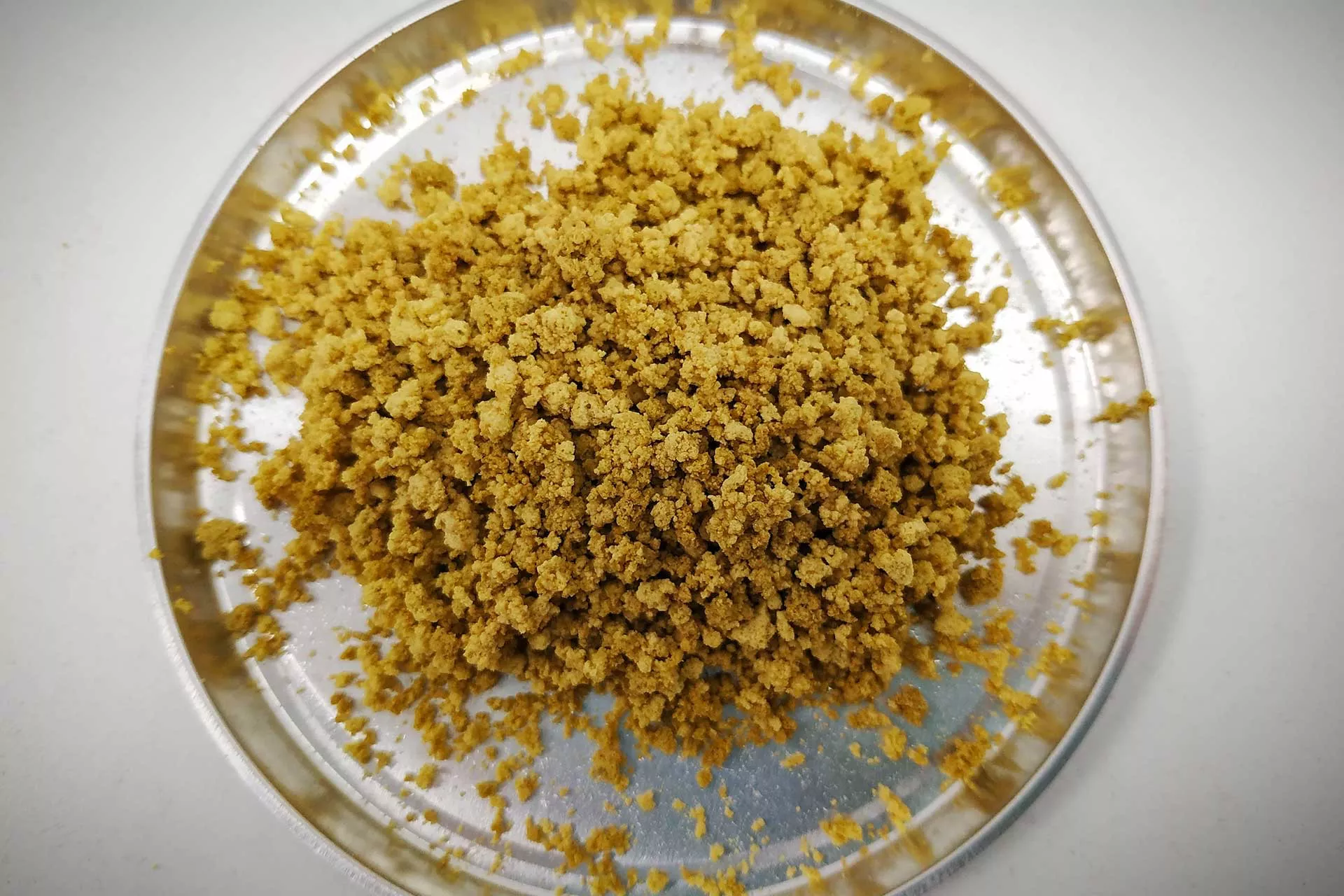
Among the young Italian entrepreneurs who have chosen to invest their energy in this sector are Jacopo Paolini and Marco Cappiello, respectively Chief Services Officer and Chief Marketing Officer, as well as founders of Enecta, which has operated in the Cannabis-extract sector since 2013. Founded in the Netherlands by an Italian team, the company has been operating in Italy for several years through fields located in Abruzzo, Veneto and Emilia-Romagna. Enecta produces CBD oil and capsules, oil for animals, cannabidiol-based cosmetics, CBD crystals, and CBG oil and crystals: all products are certified Made in Italy, Pesticide Free and Heavy Metal Free. «The company was founded in 2013 from Jacopo’s and my desire to invest in a product that at the time was still in its infancy», Marco Cappiello explains. «In the United States, the case of Charlotte Figi was receiving extensive media attention. She was a child with Dravet syndrome, a severe drug-resistant form of epilepsy, who had found an anticonvulsant treatment in CBD».
The properties of CBD
Cannabidiol-based solutions can reduce the frequency of epileptic seizures by forty percent. In Italy, CBD-based treatment for Lennox-Gastaut syndrome and Dravet syndrome was officially recognized as a therapy by a Ministerial Decree published in October 2020. Working and conducting research between the United States and the Netherlands, Marco Cappiello and Jacopo Paolini understood that the need to create an Italian supply chain was pressing, and in 2016 they opened an office in Bologna. Cultivation sites are distributed between Abruzzo and the Verona area.
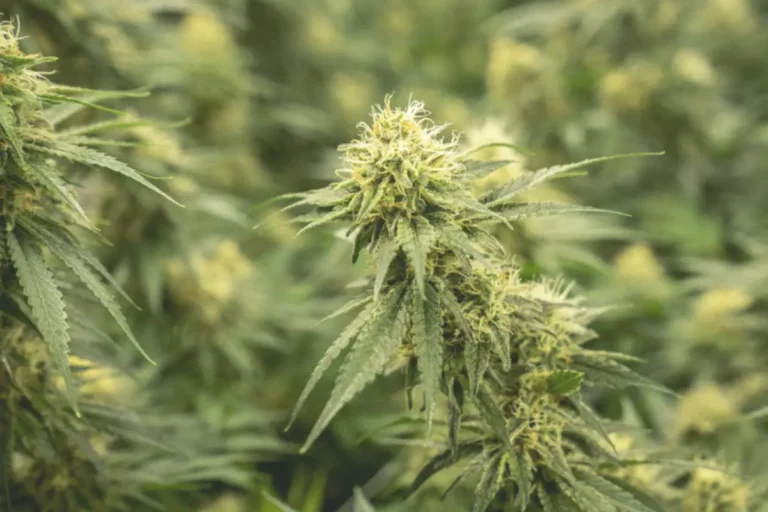
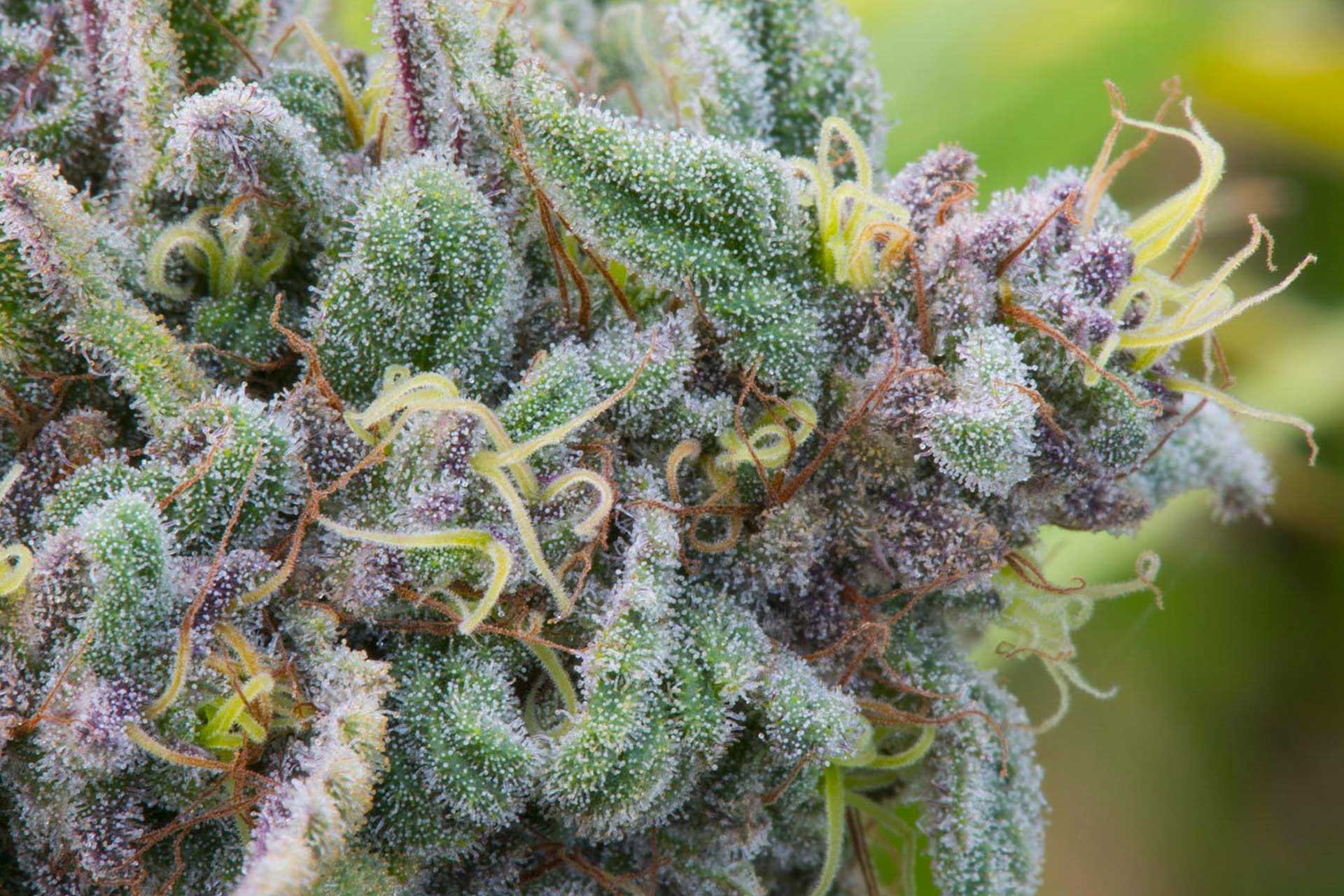
Cannabis sativa L. is the hemp variety used as the starting point for all Enecta products. «The seed is planted between the end of April and the beginning of May, when cultivation begins. We sow only industrial varieties listed in the European Catalog of varieties of agricultural plant species. The vegetative phase lasts until June 21, when the photoperiod changes», Jacopo Paolini explains. The vegetative phase, during which no pesticides or other chemicals are used, is followed by flowering. «The plant flowers and reaches its highest levels of active ingredient by August. After that, cannabidiol levels begin to fall and there is a two-week window for harvesting». The harvesting and vegetative phases closely follow the Guidelines on Good Agricultural and Collection Practices.
Enecta – CBD and Cannabis extracts
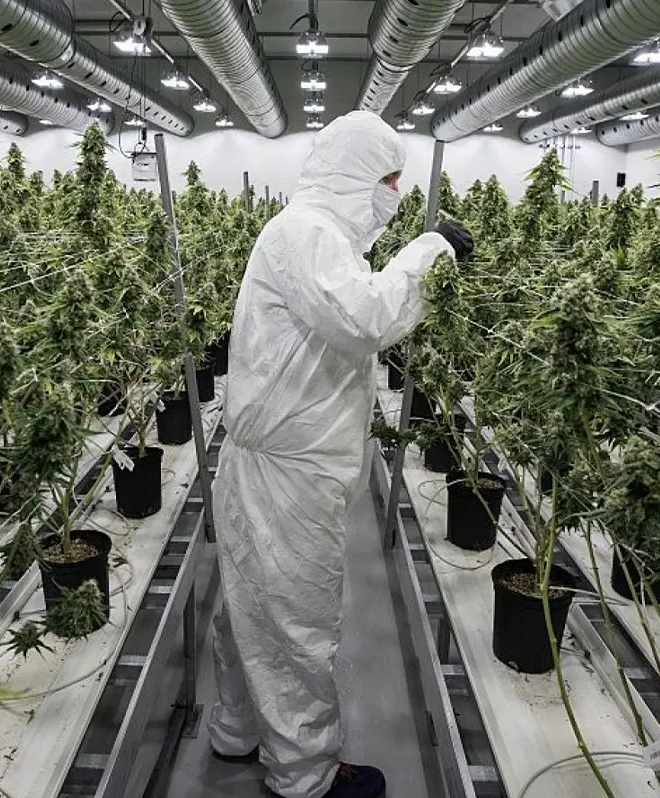
In Abruzzo, at Castelvecchio Subequo in the province of L’Aquila, Enecta’s cultivation partner Green Valley has six hectares of fields. New genetics are often tested here: the crop is harvested manually and dried upside down in dark, ventilated spaces. In Verona, where the fields cover around sixty hectares, harvesting is carried out using automated machinery designed to collect only the apical part of the plant, where cannabidiol content is highest.
The stalk, Jacopo Paolini explains, accounts for two tonnes out of the four tonnes of material harvested from one hectare of plantation. «Seventy percent is returned to the soil as fertilizer, while for the remaining percentage we are experimenting with various developments. We tried working with fiber, but separating the shives from the fiber is still complex. At the moment we are testing pellets, since hemp has excellent fire-resistant properties». Since 2014, the market for pellet boilers, which burn compressed wood chips, has been growing. In Italy alone, there were around nine million pellet generators in 2018. «We are reaching agreements with a company in Abruzzo; we expect to have results this year and to be able to place the product on the market».
How hemp plants are processed
After harvesting, «the plants are dried in converted tobacco ovens. The drying phase is monitored by controlling parameters such as temperature and drying time, air circulation and relative humidity», Paolini continues. Contaminant monitoring follows European Pharmacopoeia specifications; all Enecta products are also certified Monitored Warehouse, meaning that the buildings used for production are constantly cleaned, ventilated and monitored. After drying, the plants are processed to reduce their size and undergo mechanical separation.
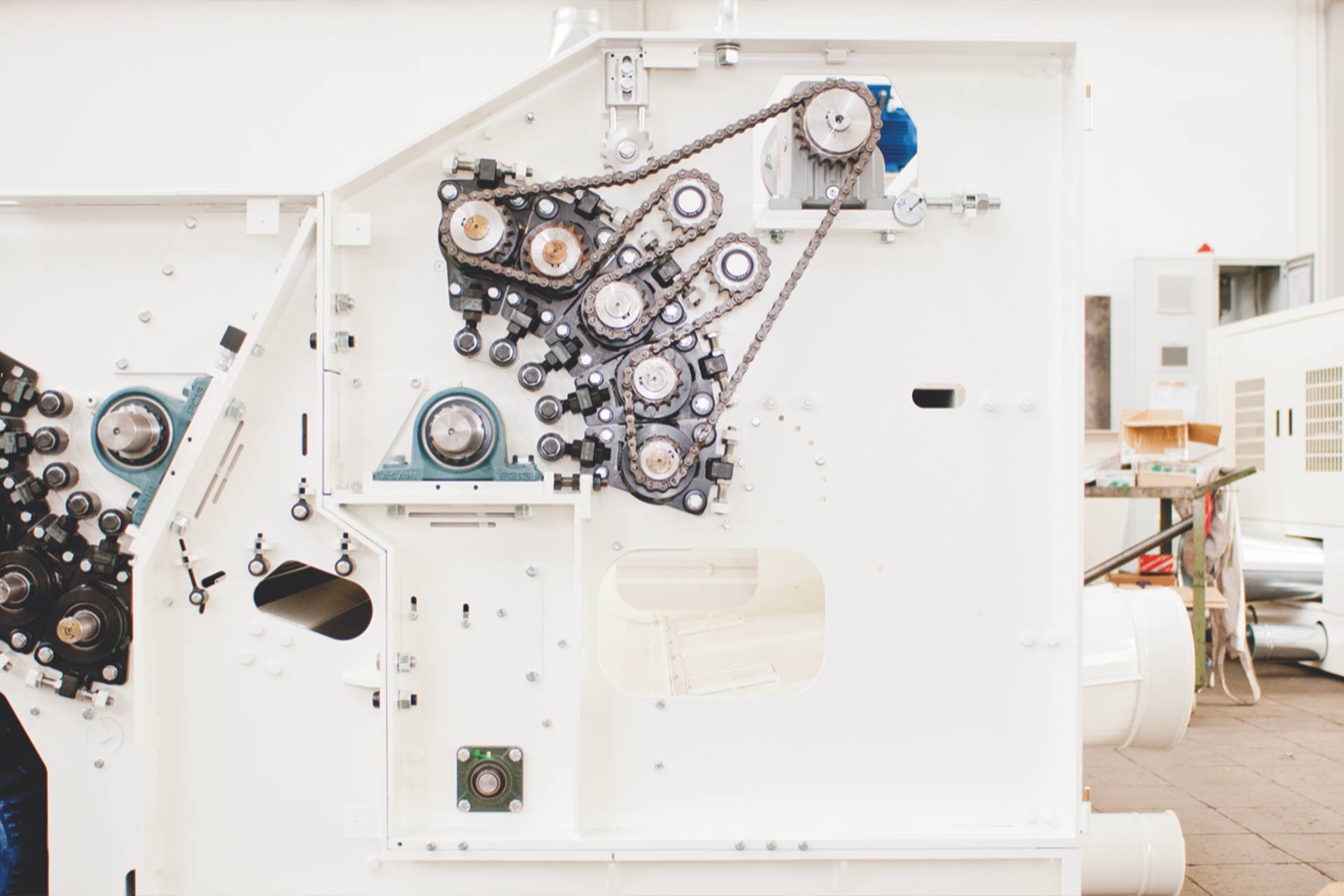
This stage separates the plant material through machinery that works by brush friction and passage through vibrating screens and fixed sieves. The product is then packaged and stored, ready to be sent to extraction centers. Manufacturing follows Good Manufacturing Practice principles and guidelines and is based on a quality system designed to ensure product compliance with ICH models – the International Council for Harmonisation of Technical Requirements for Pharmaceuticals for Human Use – and ISO quality concepts.
Cannabis: an environmentally sustainable plant
A key stage in production is chemical extraction, based on the medical protocol implemented by the German pharmacopoeia. «Extraction consists in separating the components of interest from the solid plant matrix», Marco Cappiello explains. «The process uses solvents that dissolve the cannabinoid, which is separated from the plant and concentrated». The entire production process is carefully monitored: «Choosing Enecta should mean choosing a company that pays attention to quality, collaborates with research centers and medical professionals, invests in Italy and does so sustainably».
Sustainability is a principle supported at Enecta by Cappiello and Paolini. Marco Cappiello explains: «We start with Cannabis, which is an environmentally sustainable plant because its cultivation has a lower impact than that of other crops». The plant reduces environmental impact and improves the soil substrate. The fields used for cultivation follow a criterion of reintegration. «In Veneto, extensive crops had reached the end of their production cycle, leaving fields that no longer provided adequate returns either to farmers or to the land. Cannabis is beginning to replace them. In Abruzzo too, agriculture had almost stopped in some abandoned areas. Our plantations have set it in motion again».
Enecta’s production model
Enecta’s production model is inclusive and designed to minimize environmental impact. «For cultivation we use an ‘outdoor model’, taking advantage of solar energy. During the extraction process, we use recycled solvents». Packaging is also designed with environmental considerations in mind: «we try to use papers containing a percentage of hemp or other renewable cyclical fibers». The final price of the product is another pillar of Enecta’s green system: «We have tried to give the products an affordable price, going against market logic», since most consumers use the products for therapeutic purposes.
«By 2025 Enecta aims to achieve zero waste, fully reintroducing waste material into the production cycle and contributing to the circular economy». Two collaborations have been launched: with Unicarve to transform waste material into ground feed for cattle, and with the University of Bologna to research the use of cannabis in bioplastic formulations. All of this is part of a social-responsibility model pursued by Enecta through investment in disadvantaged areas; the creation of employment and income opportunities for social groups including immigrants, unemployed people and residents of rural areas; and the funding of projects aimed at strengthening the social and cultural fabric of marginalized communities.